
Nutrition comparison
Ravioli vs Tortellini: Which Stuffed Pasta Is Healthier?
Compare Ravioli and Tortellini nutrition, calories, protein, and satiety. Learn which stuffed pasta is better for weight loss, portion control, and everyday meals.
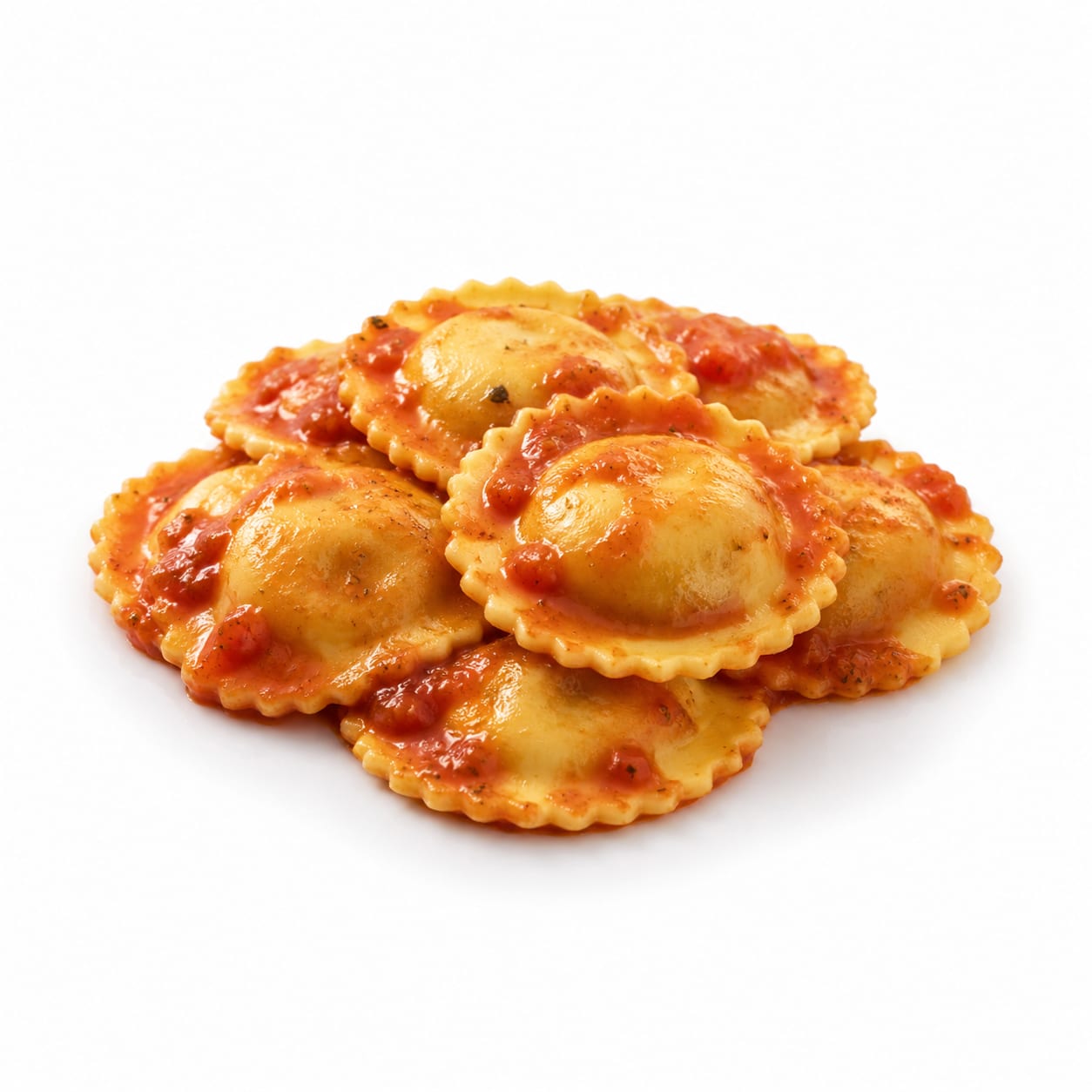
Ravioli
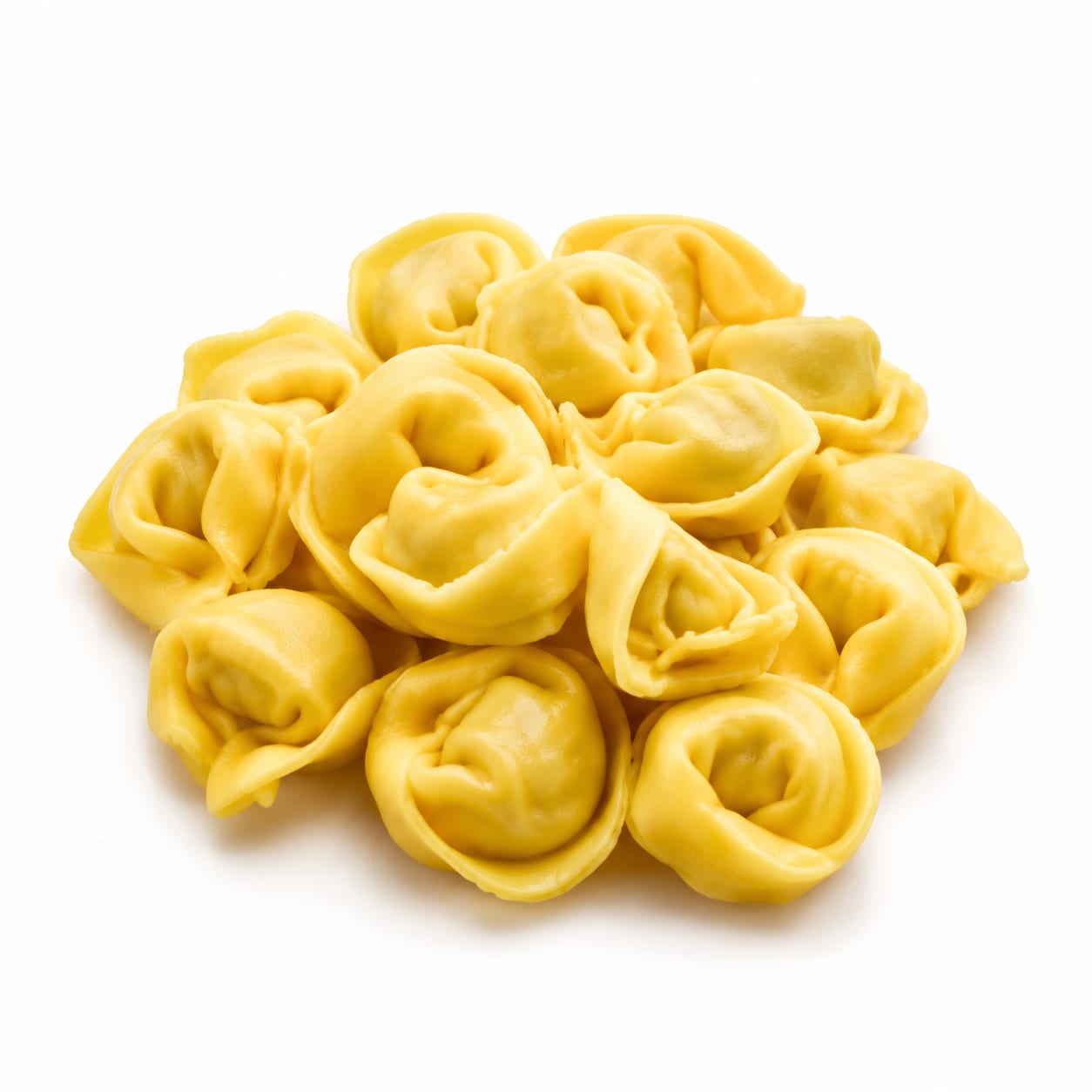
Tortellini
Ravioli delivers more filling per bite, making it more satisfying and protein-rich. Tortellini is lighter, easier to portion, and more versatile in soups and broths.
Tortellini edges ahead slightly due to better portion control and versatility, but the scores are close because both are refined-carb-heavy stuffed pastas with similar nutritional profiles. The real difference is in how they're eaten, not what they are.
Ravioli gives you more of the good stuff inside, but Tortellini gives you better portion control and a more balanced pasta-to-filling experience.
At a glance
Executive summary
Overall
It depends
Healthier
It depends
More practical
Tortellini
Daily use
Tortellini
Key comparison lenses
Which stuffed pasta is more filling and satisfying per serving
Both are stuffed pastas, so the real decision often comes down to which leaves you more satisfied
Calorie and carb density differences between two similar pasta shapes
Users choosing between these often want to know if one is lighter or heavier on the plate
Protein and nutrient density from filling-to-pasta ratio
The filling is where most protein and flavor live, and the ratio differs significantly between these shapes
Which works better for portion control and meal planning
Shape and size affect how easily you can manage serving sizes
Practical cooking and serving versatility
Both can be served multiple ways but have different traditional strengths
Best choice for
Ravioli
- People wanting higher protein from filling-heavy pasta
- Those who find smaller pasta shapes unsatisfying
- Anyone eating stuffed pasta as a main course rather than a side
Tortellini
- People watching portion sizes or calorie intake
- Anyone wanting pasta in soup or broth
- Those who prefer a lighter, more balanced carb-to-protein ratio
Least suitable for
Ravioli
- People trying to limit refined carbs, since the larger size makes it easy to overeat
- Anyone wanting a light starter or soup addition
Tortellini
- Those needing a hearty, filling main dish on its own
- People who find small pasta shapes leave them hungry
Deep comparison
Dimension by dimension
Each lens scores both foods and breaks down who each option suits.
- Dimension 1 · Priority 92Ravioli
Satiety & Fullness
Ravioli · 74Tortellini · 62Ravioli's larger filling-to-pasta ratio means more protein and fat per bite, keeping you fuller longer.
Tradeoff
That same heartiness makes it easier to accidentally overeat, especially with rich sauces.
Why it matters
If you're eating stuffed pasta as a standalone meal, feeling satisfied afterward matters more than anything else.
Real-world impact
A plate of Ravioli typically feels like a complete meal. Tortellini often leaves you wanting a side or second helping.
Ravioli
- Main course dinners where you want to feel full
- Post-workout meals needing more protein and substance
- Anyone who tends to feel hungry after pasta dishes
Better for
- Late-night eating when you want something light
- Anyone prone to overeating rich foods
Worse for
Tortellini
- Lighter lunches where you don't want a food coma
- Multi-course meals where pasta is just one part
- Hot weather eating when heavy meals feel oppressive
Better for
- Situations where you need lasting energy for hours
- Athletes needing substantial post-training fuel
Worse for
- Dimension 2 · Priority 88Tortellini
Calorie Density & Portion Control
Ravioli · 55Tortellini · 72Tortellini's smaller, uniform shape makes portion control more intuitive. Ravioli's larger pieces can hide how much you're actually eating.
Tradeoff
Tortellini's lighter feel can trick you into going back for seconds, negating the portion advantage.
Why it matters
With refined-carb foods, portion awareness is the single biggest factor in whether they support or sabotage your goals.
Real-world impact
It's easier to count out 15 Tortellini than to gauge whether 6 Ravioli is too much or too little.
Ravioli
- Meals where you're intentionally eating a larger, calorie-rich dish
Better for
- Anyone counting calories who struggles with estimating portions
- Emotional eaters who lose track with large pasta pieces
Worse for
Tortellini
- Weight management where visual portion control helps
- Meal prep and calorie tracking
- Buffet or family-style settings where you're serving yourself
Better for
- Situations where small size leads to mindless second helpings
Worse for
- Dimension 3 · Priority 85Ravioli
Protein & Nutrient Density
Ravioli · 70Tortellini · 60Ravioli packs more filling per gram, which is where the protein, cheese, and meat live. Tortellini has more pasta relative to filling.
Tradeoff
More filling also means more fat and calories if the filling is cheese or meat-heavy.
Why it matters
The filling is the only part of stuffed pasta with meaningful protein. The pasta shell is essentially refined carbs with minimal nutrients.
Real-world impact
A serving of cheese Ravioli might give you 12g protein versus 9g for Tortellini — not huge, but noticeable over time.
Ravioli
- Anyone using stuffed pasta as a primary protein source
- Vegetarians relying on cheese filling for protein intake
- Growing teenagers who need more calories and protein
Better for
- People limiting saturated fat or cholesterol
- Anyone trying to reduce calorie density
Worse for
Tortellini
- Those who get protein from other parts of the meal and want pasta as a carb source
- Anyone limiting saturated fat from cheese fillings
Better for
- Meals where pasta is the only protein source
Worse for
- Dimension 4 · Priority 80It depends
Blood Sugar Impact
Ravioli · 58Tortellini · 56Both are refined-carb foods that spike blood sugar. Ravioli's extra filling slightly slows digestion, but the difference is minimal.
Tradeoff
Neither is a good choice for blood sugar management on its own. Both need protein, fiber, and fat from other foods to blunt the spike.
Why it matters
Refined pasta without accompaniments causes rapid blood sugar rises followed by crashes, leading to fatigue and cravings.
Real-world impact
Either one eaten alone will give you a brief energy boost followed by a slump within 90 minutes. Pairing with vegetables and protein changes the story entirely.
Ravioli
- Slightly better when eaten alone due to more fat and protein from filling
Better for
- Large portions create a significant glycemic load
Worse for
Tortellini
- Slightly smaller portions may mean a smaller glucose spike
Better for
- Higher pasta ratio means faster carbohydrate absorption
Worse for
- Dimension 5 · Priority 72Tortellini
Versatility & Meal Integration
Ravioli · 62Tortellini · 78Tortellini works in soups, broths, salads, and as a main. Ravioli is mostly limited to sauced main dishes.
Tradeoff
Ravioli's larger size makes it a more impressive centerpiece when presentation matters.
Why it matters
A food you can use more ways tends to get eaten in more balanced contexts — like in broth instead of drowned in cream sauce.
Real-world impact
Tortellini in broth is a completely different, lighter meal than Ravioli in sauce. That flexibility makes it easier to fit into different health goals.
Ravioli
- Date nights or dinner parties where visual impact matters
- Italian-themed meals where you want a classic sauced pasta course
Better for
- Soup recipes where large pieces feel awkward
- Cold salads where the size dominates the dish
Worse for
Tortellini
- Soup-based meals that are naturally lower in calories
- Cold pasta salads for meal prep
- Quick weeknight meals where you want something lighter
Better for
- Formal presentations where small pieces look less impressive
Worse for
- Dimension 6 · Priority 68It depends
Sodium Load
Ravioli · 55Tortellini · 58Both can be high in sodium, especially store-bought versions. Tortellini sometimes edges higher due to salted meat fillings in traditional recipes.
Tradeoff
Canned Ravioli is dramatically higher in sodium than either fresh version, making preparation method the real variable.
Why it matters
A single serving of canned or restaurant stuffed pasta can contain 800-1200mg sodium — half your daily limit.
Real-world impact
If you're sodium-sensitive, the difference between these two matters far less than choosing fresh over canned and going easy on the cheese topping.
Ravioli
- Fresh Ravioli with vegetable fillings tends to be lower in sodium
Better for
- Canned Ravioli is among the highest-sodium pasta products available
- Meat-filled versions often contain cured meats with high sodium
Worse for
Tortellini
- Cheese Tortellini can be lower in sodium than meat Ravioli
Better for
- Traditional meat Tortellini recipes use prosciutto and salty pork
- Store-bought dried Tortellini often has preservative sodium
Worse for
Timeline
Health impact over time
Short-term
Hours to days
Ravioli
- Quick energy from refined carbs, but likely followed by a crash within 1-2 hours
- Heavy fullness that can cause sluggishness if you eat a large portion
- Comforting and satisfying, which can reduce immediate cravings for other foods
Tortellini
- Moderate energy boost with slightly less crash risk if portions are controlled
- Lighter feeling after eating, making it easier to stay active
- The smaller size can lead to eating too many before feeling full
Long-term
Months to years
Ravioli
- Regular consumption as a main carb source contributes to refined-carb-heavy diet patterns
- Higher filling intake means more saturated fat if cheese or meat is the primary filling
- The satisfying nature may help prevent snacking between meals, which is a net positive
Tortellini
- Similar refined-carb concerns but slightly easier to manage portions long-term
- Versatility in lighter preparations like broth-based soups supports healthier eating patterns
- Risk of under-eating at meals and over-snacking later if portions are too small
Risk profile
Safety & processing
Fresh versions of both are relatively clean — pasta, filling, maybe egg and cheese. But shelf-stable and canned versions introduce preservatives, modified starches, and sodium enhancers. Canned Ravioli is the most processed form of either, often containing additives you wouldn't use at home. Frozen and fresh are much closer to whole food.
Ravioli
Dairy filling spoilage
mediumCheese-filled Ravioli can harbor Listeria if not kept properly refrigerated or cooked thoroughly, especially fresh varieties.
Canned version BPA exposure
lowCanned Ravioli may have BPA from can linings. Occasional consumption is low risk, but regular intake adds up.
Tortellini
Meat filling undercooking
mediumMeat Tortellini's small size and ring shape can leave the center undercooked if boiling time is too short, creating a food safety risk.
Dried Tortellini preservative sensitivity
lowShelf-stable Tortellini often contains potassium sorbate or sodium benzoate, which can cause mild reactions in sensitive individuals.
Who wins for whom
Audience fit
Same foods, different winners depending on your goal.
children
TortelliniKids love the fun ring shape, the smaller size is easier for little mouths, and it's simpler to serve appropriate portions.
daily consumption
neitherBoth are refined-carb foods best enjoyed a few times per week rather than daily. Daily pasta consumption makes it hard to maintain balanced nutrition.
diabetes
It dependsNeither is ideal for blood sugar management. If choosing between them, pair either with fiber-rich vegetables and lean protein, and keep portions small.
elderly
TortelliniSmaller bites are easier to chew and digest, and Tortellini in broth is a gentle, comforting meal for smaller appetites.
muscle gain
RavioliMore filling means more protein per serving, which matters when you're trying to hit higher protein targets alongside carbs.
weight loss
TortelliniTortellini's smaller size and lighter feel make portion control more natural, and it works in lower-calorie broth-based meals.
Your move
Decision guide
Choose Ravioli
- You want a hearty, satisfying main course that stands on its own
- Protein intake from your pasta meal matters to you
- You're cooking for someone who finds smaller pasta shapes unsatisfying
- You're making a special occasion dinner where presentation and richness count
Choose Tortellini
- You want lighter meals or plan to serve pasta in soup or broth
- Portion control is a priority and you like visual cues for serving sizes
- You're meal-prepping and want something that works in salads and soups
- You're feeding kids who find the ring shape more fun to eat
Either works if
- You're pairing with a large salad and protein side, making the pasta difference minimal
- You're buying fresh from the same brand with similar fillings
- You only eat stuffed pasta occasionally and just want what sounds good today
Avoid both if
- You're managing diabetes or insulin resistance and don't have high-fiber, high-protein accompaniments
- You're on a low-sodium diet and considering canned or shelf-stable versions
- You're trying to minimize refined carbohydrates in your diet
Final recommendation
Choose Tortellini for lighter, more versatile meals and easier portion control. Choose Ravioli when you want something hearty and satisfying as a main event. The health difference between them is small — what matters more is what you pair them with and how much you eat. Add vegetables, go easy on heavy sauces, and either can fit into a balanced diet.
Practical
Consumer tips
- 1
Fresh or frozen versions of both are dramatically better than canned — lower sodium, fewer additives, better texture
- 2
Serve Tortellini in broth instead of cream sauce to cut calories by 40-60% per meal
- 3
If eating Ravioli, pair with a large side salad to add fiber and slow the blood sugar spike
- 4
Check filling ingredients — spinach and ricotta fillings are generally lighter than meat or four-cheese options
- 5
Restaurant portions of both are typically 2-3 times a reasonable serving size — consider splitting or taking half home
- 6
Cook either slightly under al dente for a lower glycemic impact — firmer pasta digests more slowly