
Nutrition comparison
Tortellini vs Ramen Noodles: Which Is Actually Better For You?
Tortellini delivers real protein and satisfaction. Ramen offers cheap convenience but extreme sodium and empty calories. See the full nutritional comparison and which to choose.
Overall winner · Tortellini
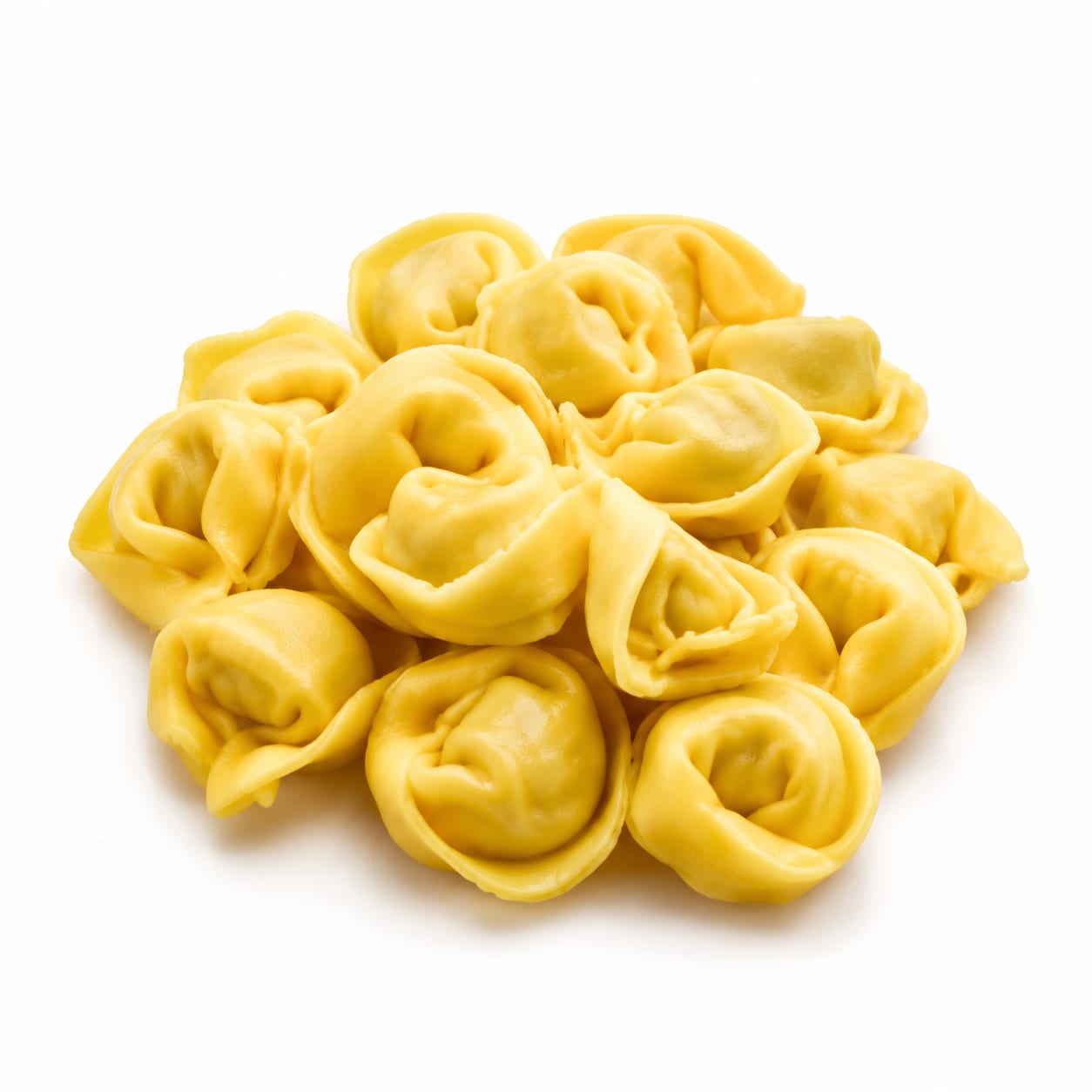
Tortellini
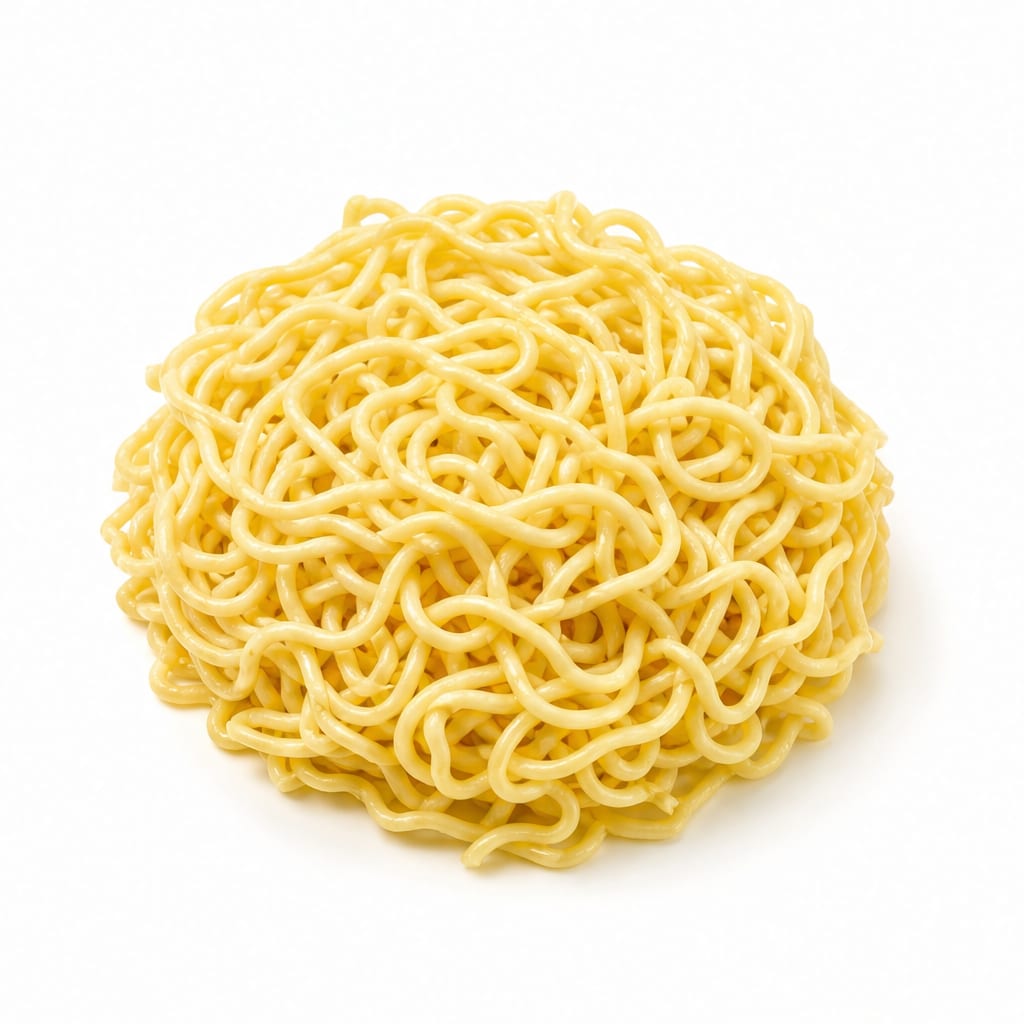
Ramen Noodles
Tortellini wins convincingly. It delivers real protein, more satisfying fullness, and far less sodium. Ramen's only real advantage is cost and speed.
Tortellini scores well above average due to its protein content, filling nature, and lower processing. Ramen scores poorly due to extreme sodium, ultra-processing, and near-empty calories. The gap is large and meaningful.
Ramen is cheaper and faster, but tortellini offers dramatically better nutrition and satiety for a small increase in effort and price.
At a glance
Executive summary
Overall
Tortellini
Healthier
Tortellini
More practical
Ramen Noodles
Daily use
Tortellini
Key comparison lenses
convenience vs nutrition tradeoff
Ramen is famously convenient but nutritionally hollow, while tortellini requires slightly more effort but delivers real food value
sodium and processing concerns
Ramen's extreme sodium load and ultra-processing are the dominant health concerns in this comparison
budget meal decision
Both are popular affordable meal options, but the nutritional gap between them is massive
satiety and hunger management
Ramen leaves you hungry again quickly, while tortellini's protein-rich filling keeps you fuller longer
college or strapped eating
Both are staple foods for people on tight budgets or limited cooking access
Best choice for
Tortellini
- Anyone who wants a meal that actually satisfies hunger for hours
- People watching sodium intake or blood pressure
- Those seeking protein without relying on separate protein sources
- Anyone avoiding ultra-processed foods
- Families wanting a quick but real dinner
Ramen Noodles
- Extremely tight food budgets where calories per dollar matter most
- Situations with minimal cooking access like dorm rooms
- Occasional comfort food cravings, not daily meals
Least suitable for
Tortellini
- People with severe dairy allergies if cheese-filled
- Anyone needing a meal ready in under 3 minutes
- Very tight food budgets under $2 per meal
Ramen Noodles
- People with hypertension or sodium sensitivity
- Anyone trying to eat whole or minimally processed foods
- Those managing diabetes or insulin resistance
- Children whose palates and sodium preferences are still developing
Deep comparison
Dimension by dimension
Each lens scores both foods and breaks down who each option suits.
- Dimension 1 · Priority 95Tortellini
satiety_and_fullness
Tortellini · 72Ramen Noodles · 25Tortellini keeps you full for hours. Ramen leaves you hungry again within an hour.
Tradeoff
Ramen is fast to eat but you will be looking for snacks soon after. Tortellini takes slightly longer to prepare but actually functions as a complete meal.
Why it matters
Foods that fail to satisfy lead to overeating later. Ramen's low protein and lack of fiber make it one of the least filling meals available.
Real-world impact
A tortellini dinner at 7pm can carry you to breakfast. A ramen dinner at 7pm often leads to a 9pm snack raid.
Tortellini
- Weight management through natural portion control
- Avoiding late-night snacking triggered by hunger
- Sustained energy without crashes
Better for
- Times when you want a light meal before bed
Worse for
Ramen Noodles
- Extremely low-calorie situations where you need to eat again soon
Better for
- Any situation where you need lasting energy
- Busy days when you cannot stop to snack again
Worse for
- Dimension 2 · Priority 93Tortellini
sodium_load
Tortellini · 55Ramen Noodles · 8Ramen delivers an entire day's sodium in one bowl. Tortellini has moderate sodium that you can actually control.
Tradeoff
Ramen's seasoning packet is non-negotiable and extremely salty. Tortellini's sodium comes mostly from cheese filling and can be managed with sauce choices.
Why it matters
A single ramen packet often contains 1500-2000mg sodium. That is your entire daily limit in one meal. Regular consumption raises blood pressure and stroke risk.
Real-world impact
Eating ramen daily means chronically high sodium intake. Eating tortellini daily is manageable, especially with lower-sodium sauces.
Tortellini
- Anyone monitoring blood pressure
- People prone to bloating or water retention
- Heart health conscious eaters
Better for
- Still not a low-sodium food, just manageable
Worse for
Ramen Noodles
- Extremely sweaty athletes who genuinely need sodium replacement
Better for
- Hypertension risk with regular consumption
- Post-meal bloating and thirst
- Long-term cardiovascular strain
Worse for
- Dimension 3 · Priority 90Tortellini
processing_and_ingredient_quality
Tortellini · 60Ramen Noodles · 12Tortellini is a processed but recognizable food. Ramen is ultra-processed with preservatives and industrial oils.
Tradeoff
Tortellini contains pasta, cheese, and sometimes meat or spinach. Ramen contains refined flour fried in palm oil with TBHQ, MSG, and dehydrated flavor packets.
Why it matters
Ultra-processed foods are consistently linked to obesity, metabolic disease, and shorter lifespan. The fewer industrial ingredients, the better your body handles the food.
Real-world impact
Your body recognizes tortellini as food. Ramen triggers reward pathways without delivering proportional nutrition, encouraging overconsumption.
Tortellini
- Clean eating approaches
- Reducing exposure to preservatives and emulsifiers
- Gut health maintenance
Better for
- Still processed, not a whole food
Worse for
Ramen Noodles
- Shelf-stable emergency food storage
Better for
- Daily consumption linked to metabolic syndrome
- Preservatives like TBHQ may affect immune function
- Industrial processing strips away natural nutrition
Worse for
- Dimension 4 · Priority 88Tortellini
protein_and_nutritional_value
Tortellini · 70Ramen Noodles · 18Tortellini provides meaningful protein from cheese or meat filling. Ramen offers almost no protein unless you add it yourself.
Tradeoff
Tortellini delivers 12-18g protein per serving from real food sources. Ramen gives you 4-5g of low-quality protein alongside refined carbs and fat.
Why it matters
Protein is essential for muscle maintenance, immune function, and satiety. A meal without adequate protein is just a snack that leaves you undernourished.
Real-world impact
Tortellini can serve as a meal's protein source. With ramen, you need to add eggs, tofu, or meat to make it nutritionally functional.
Tortellini
- Muscle maintenance without supplements
- Balanced macronutrients in a single dish
- Calcium from cheese filling for bone health
Better for
- Not a high-protein food by athlete standards
Worse for
Ramen Noodles
- Situations where you add your own protein and treat ramen as a base
Better for
- Essentially empty calories without additions
- Protein quality is poor
- Lacks vitamins, minerals, and fiber
Worse for
- Dimension 5 · Priority 82Ramen Noodles
convenience_and_cost
Tortellini · 55Ramen Noodles · 90Ramen is unbeatable on speed and price. Tortellini costs more and takes longer, though it is still convenient.
Tradeoff
Ramen costs under $1 and cooks in 3 minutes. Tortellini costs $3-5 and takes 7-10 minutes. The question is whether saving $3 and 5 minutes is worth the nutritional downgrade.
Why it matters
Cost and convenience drive real food choices. Ramen exists because it solves an actual problem: cheap, fast calories.
Real-world impact
For a broke college student, ramen is survival food. For anyone with a $5 meal budget, tortellini is the clearly better choice.
Tortellini
- Still faster than cooking from scratch
- Refrigerated tortellini is weeknight-friendly
Better for
- Requires refrigeration before cooking
- More expensive per serving
Worse for
Ramen Noodles
- Dollar-per-calorie champion
- No refrigeration needed for storage
- Ready in the time it takes to boil water
- Dorm room and hotel room cooking
Better for
- The savings come at a real health cost if eaten frequently
Worse for
- Dimension 6 · Priority 78Tortellini
blood_sugar_stability
Tortellini · 52Ramen Noodles · 22Tortellini's protein and fat slow sugar absorption. Ramen spikes blood sugar quickly and crashes just as fast.
Tradeoff
Neither food is ideal for blood sugar, but tortellini's filling creates a buffer. Ramen is refined carbs on refined carbs with nothing to slow digestion.
Why it matters
Blood sugar crashes after ramen cause fatigue, irritability, and cravings. This cycle drives poor eating patterns throughout the day.
Real-world impact
After ramen, you feel a brief energy surge followed by a slump. After tortellini, energy stays more even for a few hours.
Tortellini
- More stable afternoon energy
- Less likely to trigger craving cycles
- Protein and fat buffer the carb load
Better for
- Still a pasta-based dish with moderate glycemic impact
Worse for
Ramen Noodles
- Quick pre-workout energy if eaten 30 minutes before activity
Better for
- Rapid blood sugar spike and crash
- Triggers hunger again quickly
- Problematic for insulin resistance
Worse for
Timeline
Health impact over time
Short-term
Hours to days
Tortellini
- Comforting, satisfying meal that stabilizes hunger for 3-4 hours
- Moderate energy without dramatic crashes
- Some bloating possible if sensitive to dairy or wheat
Ramen Noodles
- Rapid energy spike followed by fatigue within 60-90 minutes
- Intense thirst from sodium load
- Bloating and water retention noticeable the same day
- Heartburn possible from rich seasoning packet
Long-term
Months to years
Tortellini
- Manageable as a weekly meal without significant health concerns
- Calcium from cheese filling supports bone density
- Moderate sodium intake that stays within reasonable limits
Ramen Noodles
- Regular consumption strongly linked to metabolic syndrome
- Chronic high sodium intake raises blood pressure over time
- Ultra-processing associated with increased cardiovascular risk
- Poor nutrition profile contributes to nutrient deficiencies if replacing real meals
Risk profile
Safety & processing
Tortellini is processed but made from recognizable ingredients: pasta, cheese, sometimes meat or spinach. Ramen is ultra-processed with refined flour fried in oil, preservatives like TBHQ, MSG, dehydrated vegetable bits, and industrial flavor packets. The processing gap is substantial and meaningful for long-term health.
Tortellini
Dairy-related foodborne illness
lowCheese-filled tortellini can harbor listeria if improperly stored or undercooked. Refrigerated tortellini should be cooked thoroughly and not left at room temperature.
Allergen exposure
mediumContains wheat and dairy, and often eggs. Not suitable for those with celiac disease, dairy allergy, or egg allergy.
Ramen Noodles
TBHQ preservative exposure
mediumTBHQ is a synthetic preservative in many instant noodle brands. While approved, high intake has been linked to immune disruption and possible neurological effects in animal studies.
Excessive sodium consumption
highA single serving can deliver 1500-2000mg sodium. Regular consumption pushes daily intake far beyond safe limits, raising blood pressure and stroke risk.
MSG sensitivity
lowMSG is generally recognized as safe, but some people experience headaches, flushing, or sweating. The seasoning packet is a concentrated source.
Palm oil concerns
lowMost instant noodles are fried in palm oil, which is high in saturated fat. Environmental concerns around palm oil production also apply.
Who wins for whom
Audience fit
Same foods, different winners depending on your goal.
children
TortelliniTortellini offers real nutrition and reasonable sodium. Ramen's extreme salt and additives are especially concerning for developing palates and kidneys.
daily consumption
TortelliniTortellini can reasonably be eaten multiple times per week. Daily ramen consumption is associated with significant health risks.
diabetes
TortelliniTortellini's protein and fat slow carbohydrate absorption. Ramen causes rapid blood sugar spikes that are dangerous for diabetes management.
elderly
TortelliniOlder adults need protein for muscle preservation and should limit sodium for heart health. Tortellini supports both goals better than ramen.
muscle gain
TortelliniTortellini provides 12-18g of protein per serving from real food. Ramen's 4-5g is negligible for muscle building.
weight loss
TortelliniTortellini's protein keeps you full longer, reducing the urge to snack. Ramen's empty calories and blood sugar crashes sabotage weight loss efforts.
Your move
Decision guide
Choose Tortellini
- You want a meal that actually satisfies hunger for hours
- You care about sodium intake and blood pressure
- You prefer eating recognizable, real food ingredients
- You are feeding children or family members
- You want protein without adding separate protein sources
- You have more than $3 to spend on a meal
Choose Ramen Noodles
- Your food budget is extremely tight and calories per dollar matter most
- You have minimal cooking access like a dorm room or hotel
- You need shelf-stable food for emergencies or travel
- You are eating it occasionally as comfort food, not as a dietary staple
Either works if
- You are adding significant vegetables and protein to either base
- You eat it less than once per week
- You are treating it as a side dish rather than a complete meal
Avoid both if
- You have celiac disease or gluten intolerance
- You are strictly limiting refined carbohydrates
- You are following a whole-food, plant-based approach
- You need low-calorie meal options for aggressive weight loss
Final recommendation
Choose tortellini whenever budget and cooking access allow. The nutritional difference is not marginal — it is dramatic. Ramen's only real advantages are cost and convenience, and even those can be narrowed by buying tortellini on sale and keeping cooking simple with jarred sauce. If you do eat ramen, treat it as an occasional convenience, not a meal routine. Add vegetables and a protein source like eggs or tofu to make it more nutritionally functional. Your body, energy, and long-term health will thank you for choosing tortellini over ramen whenever possible.
Practical
Consumer tips
- 1
For ramen: discard half the seasoning packet to cut sodium by 50% immediately
- 2
For ramen: add spinach, eggs, or tofu to create actual nutritional value
- 3
For tortellini: choose cheese or meat-filled varieties for the most protein
- 4
For tortellini: pair with marinara instead of cream sauce to keep calories and saturated fat lower
- 5
For both: add a side salad or roasted vegetables to round out the meal nutritionally
- 6
Buy refrigerated tortellini on sale and freeze it — it keeps well and stays convenient
- 7
If ramen is your budget staple, invest in frozen vegetables and eggs to upgrade it affordably
- 8
Check sodium on tortellini labels — some pre-sauced varieties can be surprisingly high