
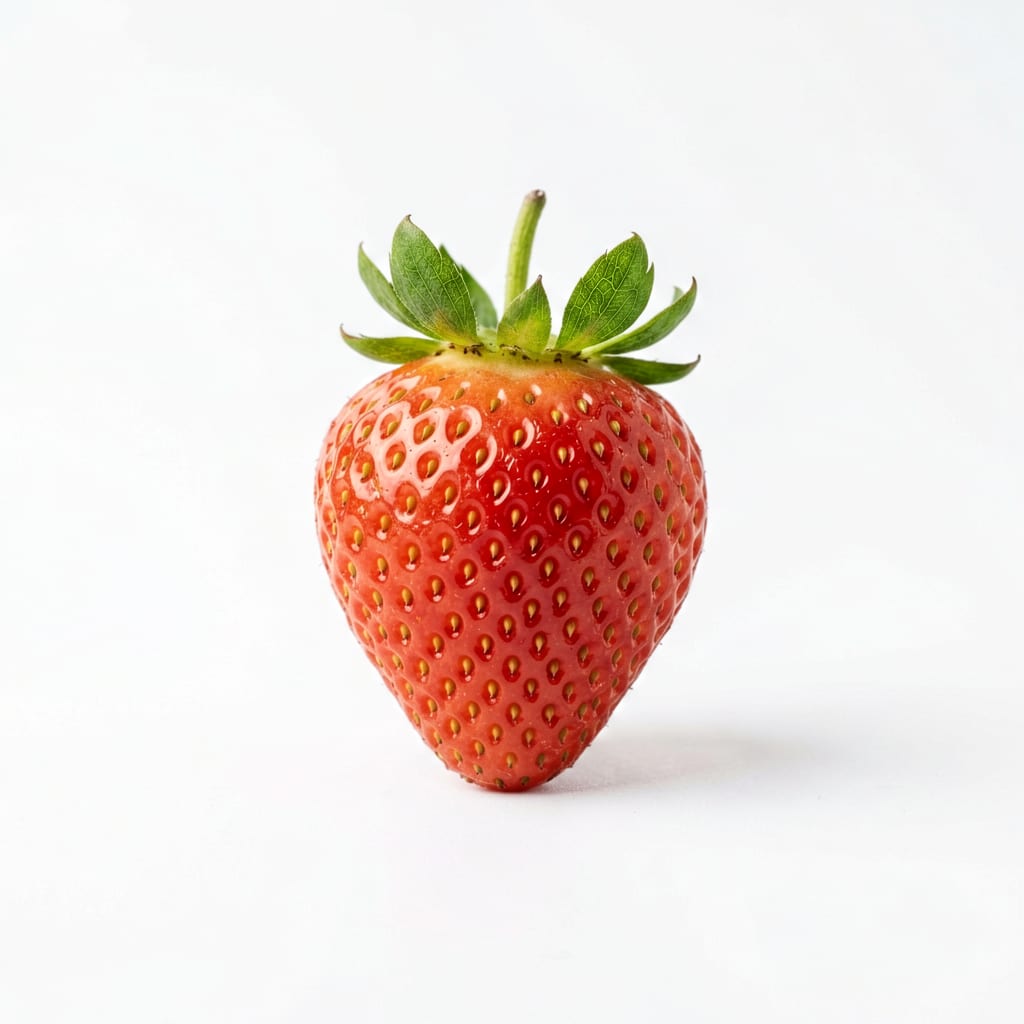
Fruit
Strawberry
A low-calorie, high-antioxidant fruit known for its high vitamin C content and low glycemic impact.
A bright red, juicy, and sweet fruit belonging to the genus Fragaria, widely consumed fresh or in prepared foods.
high-volume low-calorie fruit
Typical serving · 152g
Common varieties · albion, camarosa, chandler, seascape, jewel +1 more
Overall context score across nutrition, safety, and diet fit
At a glance
Quick facts
Simple indicators based on nutrition, processing, and diet fit.
The story
What makes it unique
Strawberries are low-calorie, water-rich fruits with a low glycemic index due to their fiber content and moderate sugar levels. They digest quickly and provide high satiety relative to their caloric content. Their macronutrient profile is predominantly carbohydrates with minimal fat and protein, but they are exceptionally rich in micronutrients, particularly vitamin C and antioxidant polyphenols like anthocyanins.
Varieties: albion · camarosa · chandler · seascape · jewel · fragaria vesca
Per 100g
Nutrition breakdown
Macro balance and key metrics at a glance.
Energy
Density 0.32 kcal/g
Protein
Carbs
Fat
Fiber
Sugar
4.9 g
Sodium
1 mg
Potassium
153 mg
Glycemic index
40
Glycemic load
3
Water content
91%
Standout compounds
Nutrient highlights
Vitamin C
highimmune support and collagen synthesis
Manganese
moderatebone health and metabolism
Folate
moderatecell division and DNA synthesis
Anthocyanins
highantioxidant and heart health
Wellness map
Health scores & processing
NOVA processing scale
unprocessed · Whole food
Raw strawberries are whole, unprocessed foods requiring no alteration from their natural state.
Diet compatibility
- Weight loss
- Muscle gain
- Diabetes
- Gut health
- Low carb
- High protein
- Heart health
Relative standing
Food rankings
Qualitative ranks compared to similar whole foods.
- Satietygood
- Blood sugarexcellent
- Nutrient densityexcellent
- Fitness fuelmoderate
- Processing qualityexcellent
Eat with confidence
Food safety profile
Porous skin and direct soil contact make strawberries prone to retaining pesticide residues and microbial contamination, necessitating thorough washing.
Evidence confidence 90%
- Pesticideshigh
- Antibioticslow
- Heavy metalslow
- Contaminationmoderate
Watch for
- pesticide residues
- soil-borne bacteria
- norovirus
Safer choices
Organic strawberries significantly reduce pesticide exposure risk.
Prep tips
Rinse thoroughly under running water just before eating. Do not soak, as this can spread contaminants. A brief soak in a baking soda solution can help reduce surface pesticides.
Strawberries consistently rank at the top of the EWG's Dirty Dozen list due to high pesticide residue detection rates.
Deep dive
Health analysis
How this food may fit different goals and preparation choices.
Weight loss
Extremely low energy density and high water content allow large portion sizes for minimal calories, promoting satiety.
Blood sugar
Low glycemic index and load make them safe for blood sugar management, as fiber slows glucose absorption.
Fitness & energy
Provide quick-digesting natural sugars and hydration for light cardio, but lack the protein needed for muscle recovery.
Gut health
Dietary fiber and polyphenols feed beneficial gut bacteria and support healthy digestion.
Processing quality
A whole, unprocessed food with maximal nutrient retention when eaten fresh.
Food safety
Porous skin and direct soil contact make them prone to pesticide residues and microbial contamination, necessitating thorough washing.
Common mistakes
Consuming them with heavy added sugars in desserts or syrups negates their low-calorie and blood sugar benefits.
Best preparation
Eaten fresh and whole, or blended into a smoothie with a protein source. Wash right before eating, not before storing.
Practical guide
Best use cases
When and how this food fits real eating patterns.
high-volume low-calorie snacking
Eat a large bowl of fresh strawberries to satisfy sweet cravings and hunger for under 100 calories.
vitamin C boost
Consume fresh strawberries to easily surpass daily vitamin C needs for immune and skin health.
pre-workout light energy
Provides fast-digesting carbohydrates and hydration without causing digestive heaviness before exercise.
low-glycemic sweet treat
A naturally sweet option that will not cause blood sugar spikes, ideal for diabetics.
Balance sheet
Pros & cons
Upsides
- Very low in calories and natural sugars
- Excellent source of vitamin C and antioxidants
- Low glycemic index supports stable blood sugar
- High water content promotes hydration and fullness
Trade-offs
- High pesticide residue risk requires careful washing or organic sourcing
- Low in protein and healthy fats, requiring pairing for balanced meals
- Spoil quickly at room temperature
- Common allergen for some individuals with birch pollen allergy
Fit check
Who is it for?
Great match
- high-volume eating
- blood sugar management
- vitamin C supplementation
- weight loss diets
Consider alternatives
- strict ketogenic diets in large amounts
- high-protein diets
- long-term unrefrigerated storage
Side by side
How it compares
Open the full head-to-head analysis for nutrition, safety, and practical tradeoffs.
This food
Strawberry
VS90% alike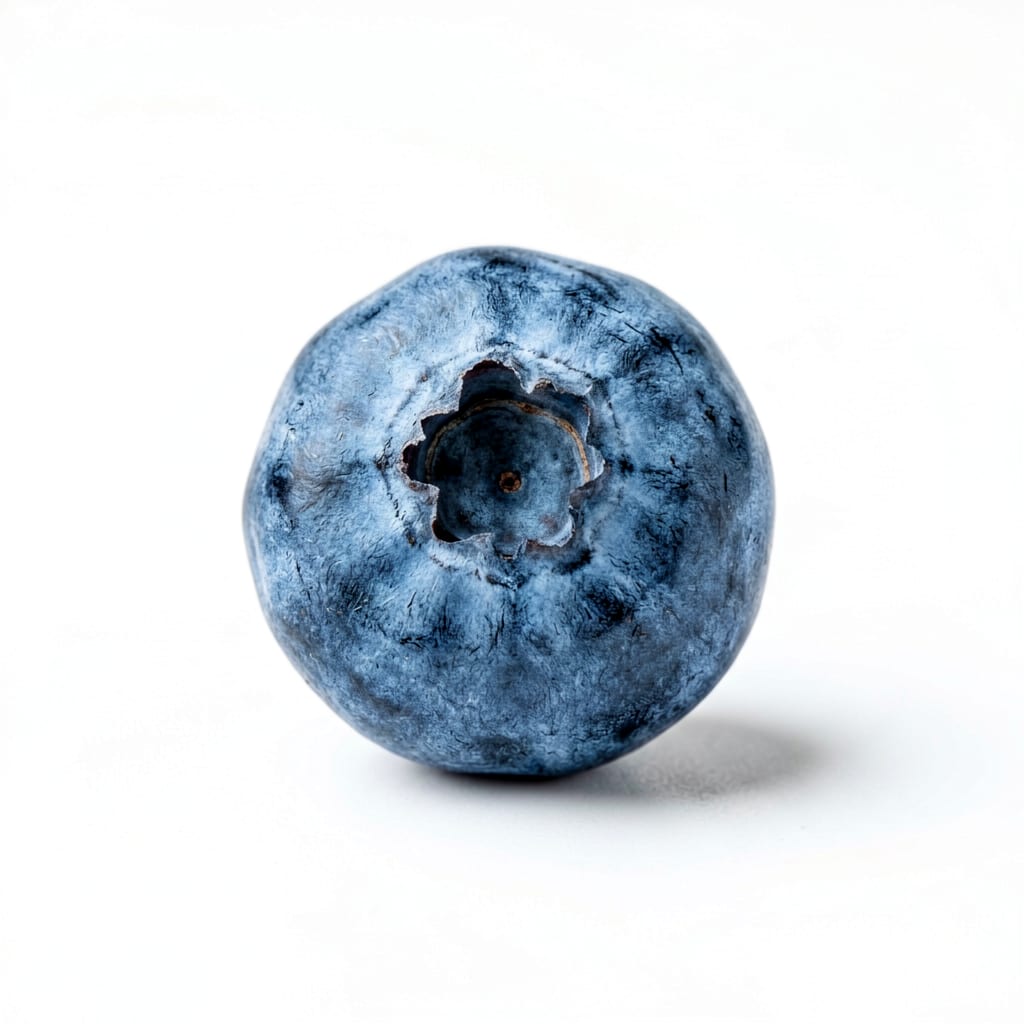
Compare with
Blueberry
Strawberries are lower in sugar and calories, while blueberries are slightly higher in certain antioxidants.
Strawberries are lower in sugar and calories, making them better for weight loss, while blueberries offer slightly higher antioxidant levels.
This food
Strawberry
VS90% alike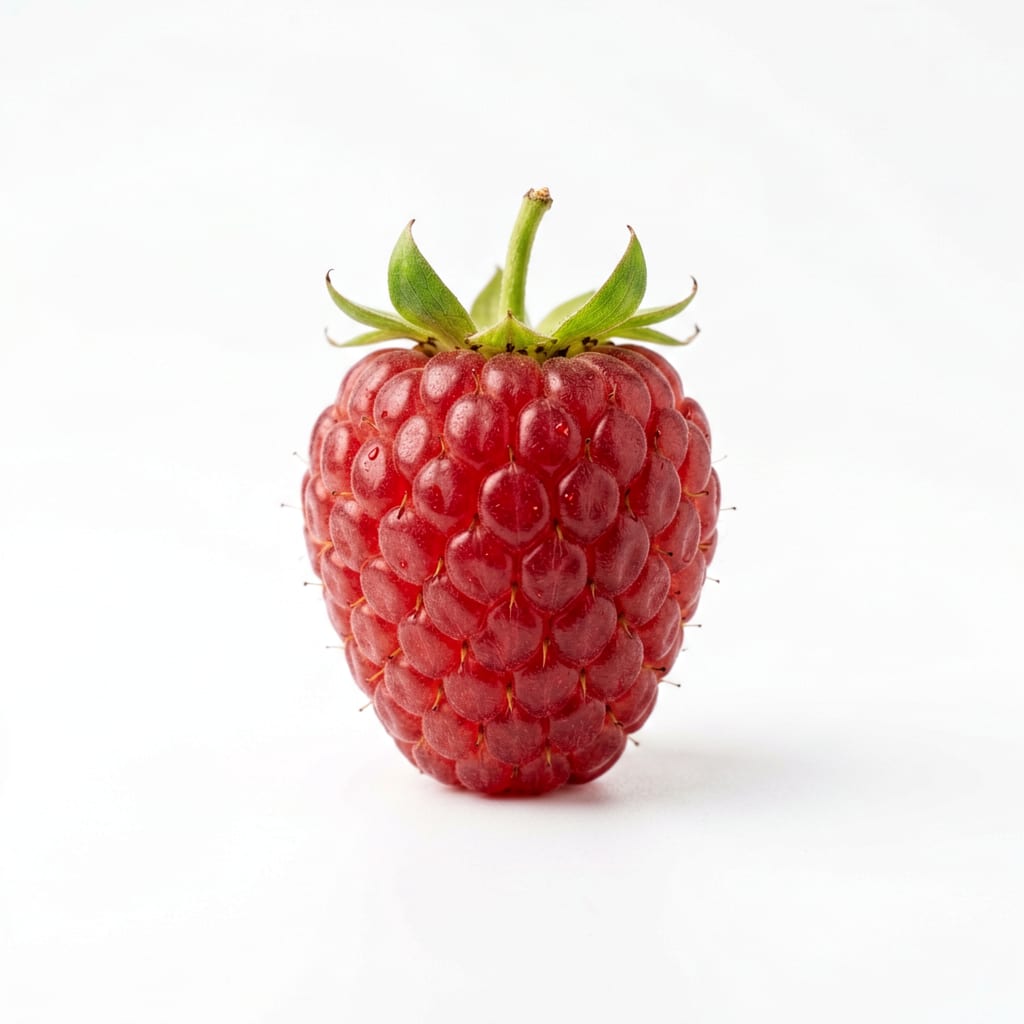
Compare with
Raspberry
Raspberries have double the fiber and less sugar, but strawberries provide more vitamin C.
Raspberries offer significantly more fiber and less sugar than strawberries, but strawberries deliver a stronger vitamin C boost.
This food
Strawberry
VS85% alike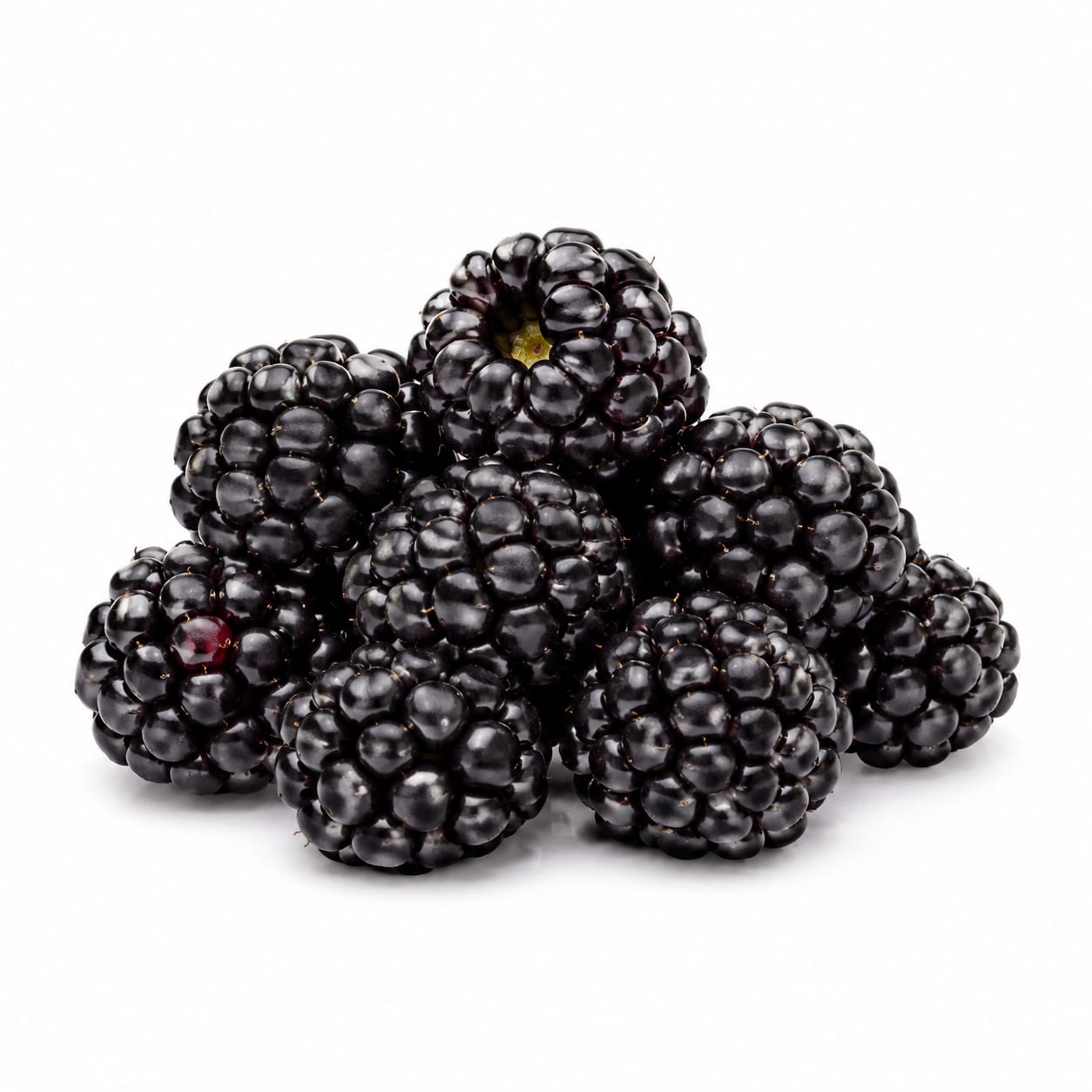
Compare with
Blackberry
Blackberries are higher in fiber and lower in sugar, while strawberries are sweeter and more universally palatable.
Blackberries provide more fiber and less sugar for better blood sugar control, whereas strawberries are sweeter and higher in vitamin C.
This food
Strawberry
VS70% alike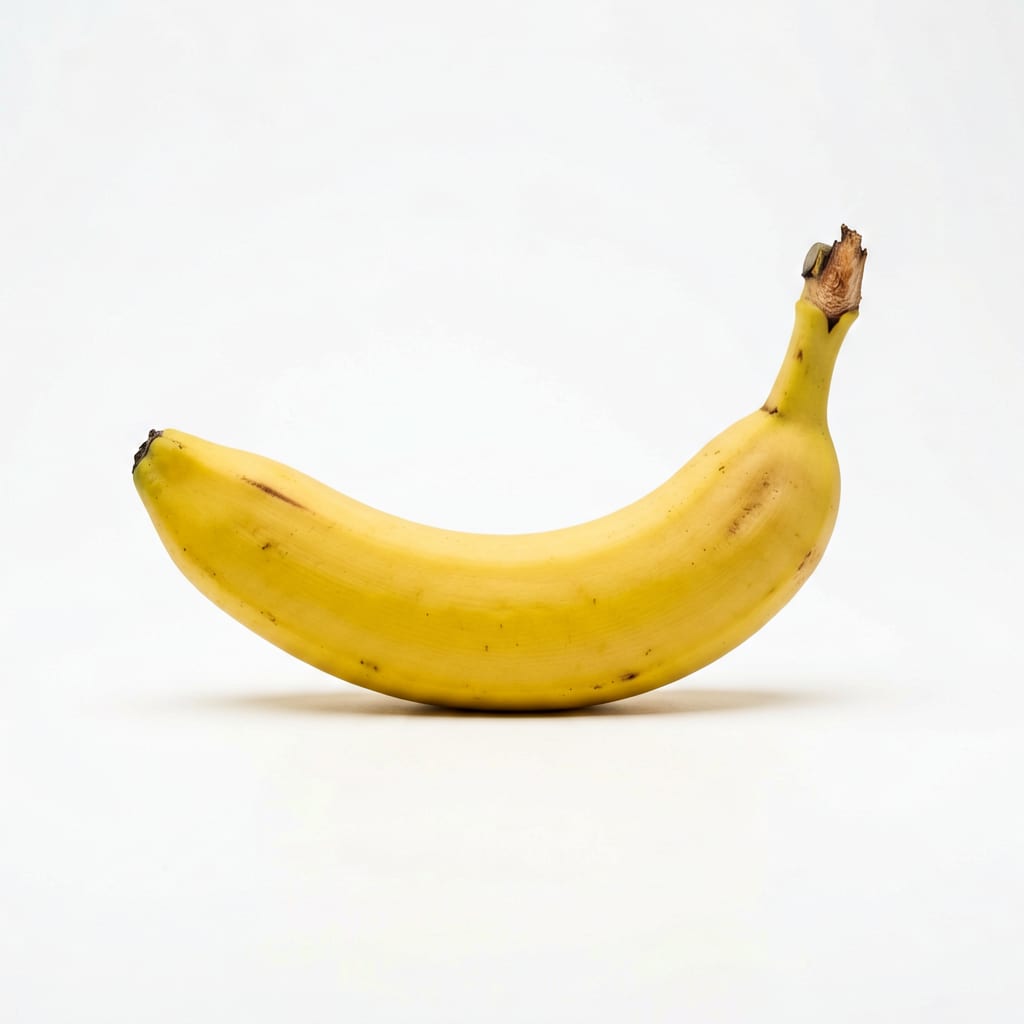
Compare with
Banana
Strawberries are vastly lower in calories and carbs, whereas bananas offer more potassium and quick energy.
Strawberries are far lower in calories and carbs for weight loss, while bananas provide more potassium and faster energy for workouts.
This food
Strawberry
VS70% alike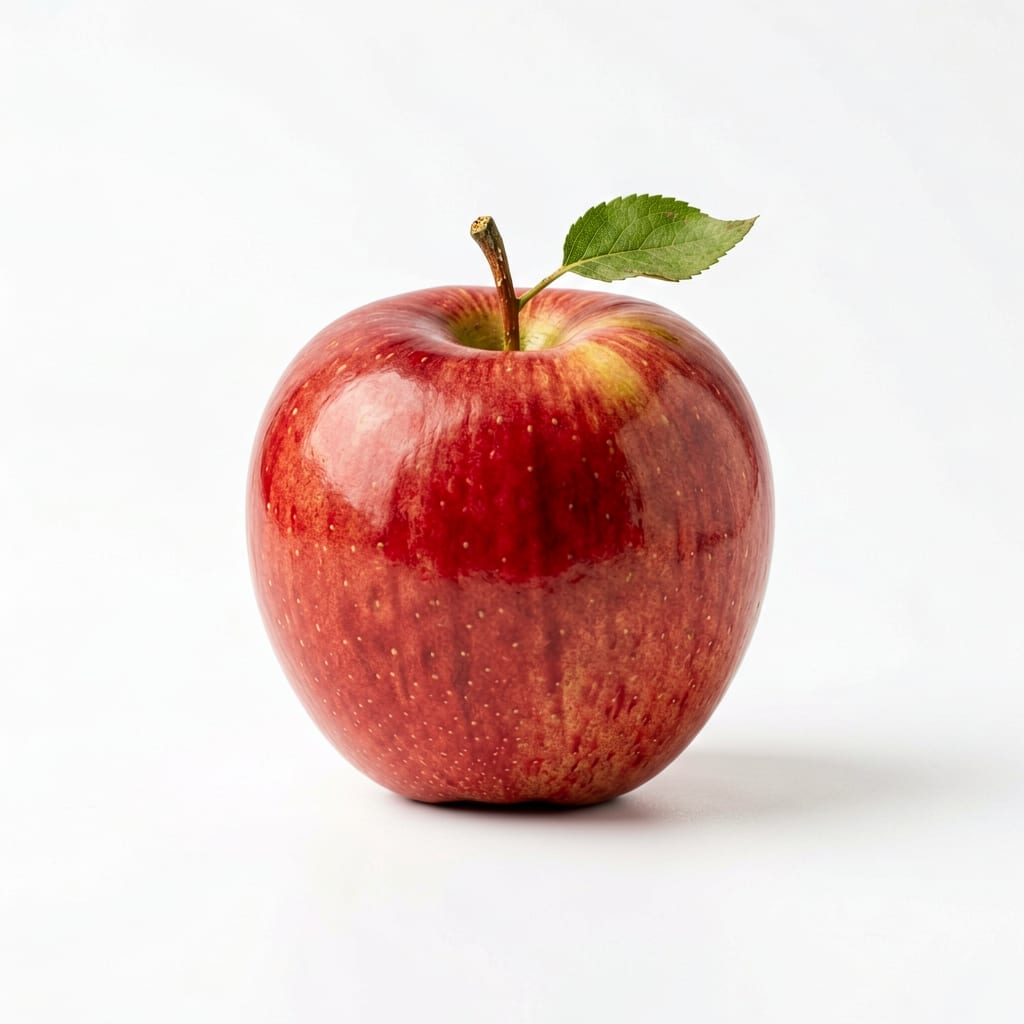
Compare with
Apple
Strawberries have less sugar and a lower glycemic load, while apples offer more soluble fiber.
Strawberries have a lower sugar content and glycemic load, while apples provide more filling soluble fiber per serving.
This food
Strawberry
VS65% alike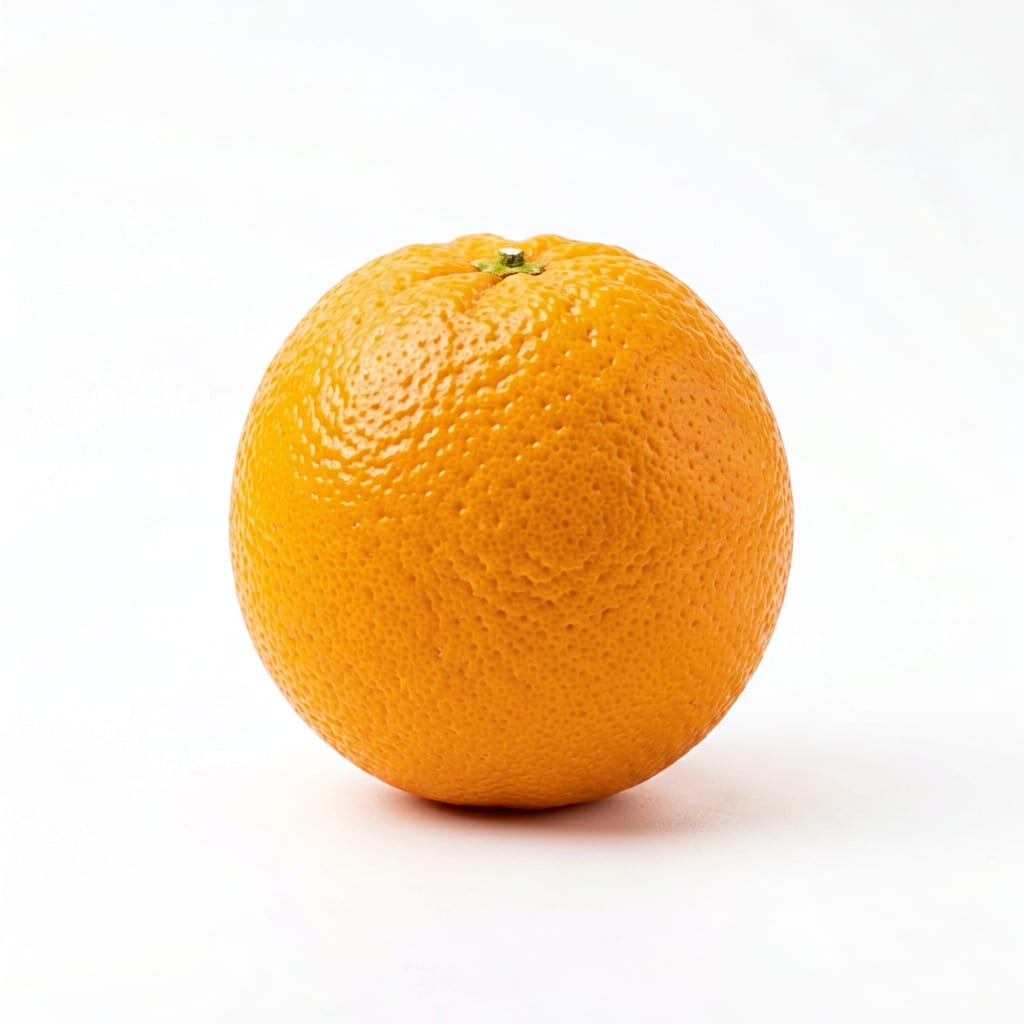
Compare with
Orange
Strawberries have more vitamin C and less sugar per calorie, while oranges are better for quick hydration.
Strawberries actually contain more vitamin C and less sugar than oranges, making them a better choice for low-carb diets.
This food
Strawberry
VS60% alike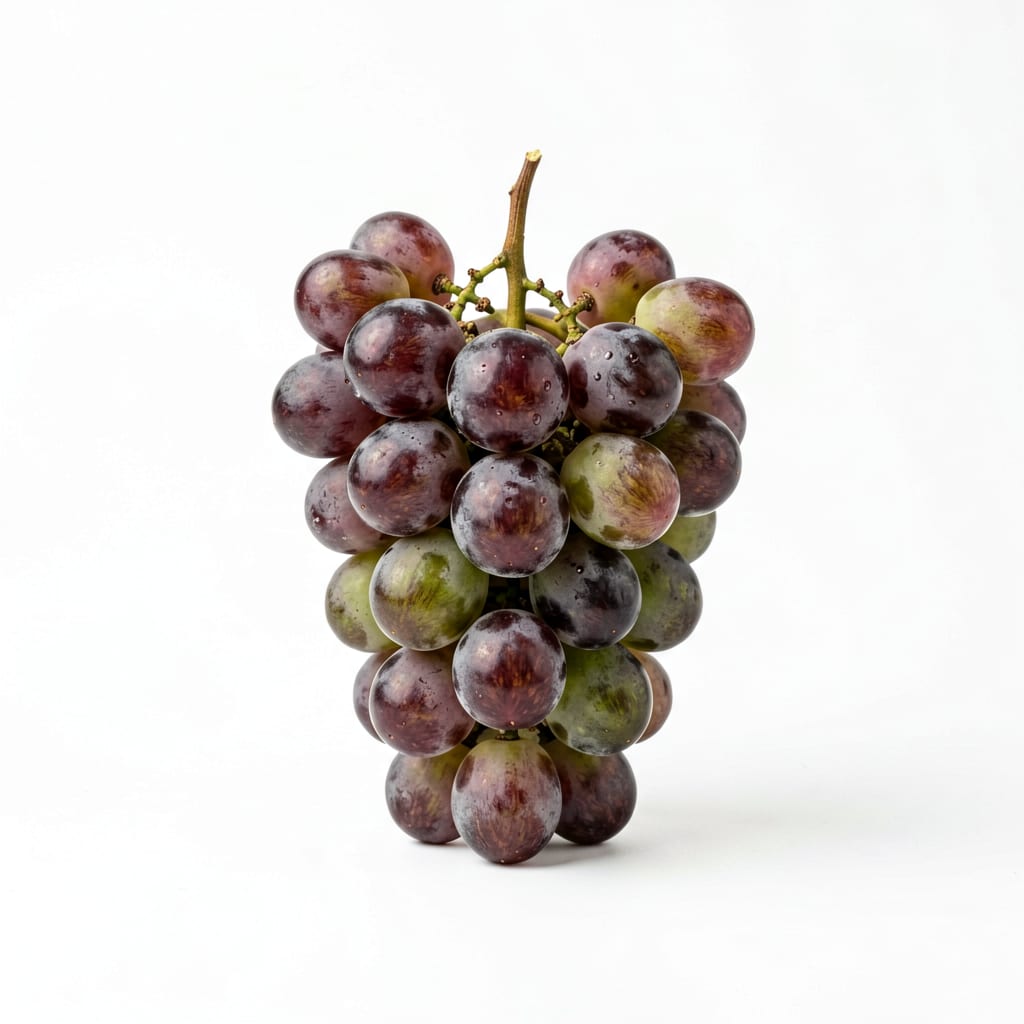
Compare with
Grape
Strawberries are dramatically lower in sugar and higher in fiber, making grapes more of a high-sugar energy source.
Strawberries are much lower in sugar and higher in fiber than grapes, making them superior for blood sugar control and weight loss.
This food
Strawberry
VS60% alike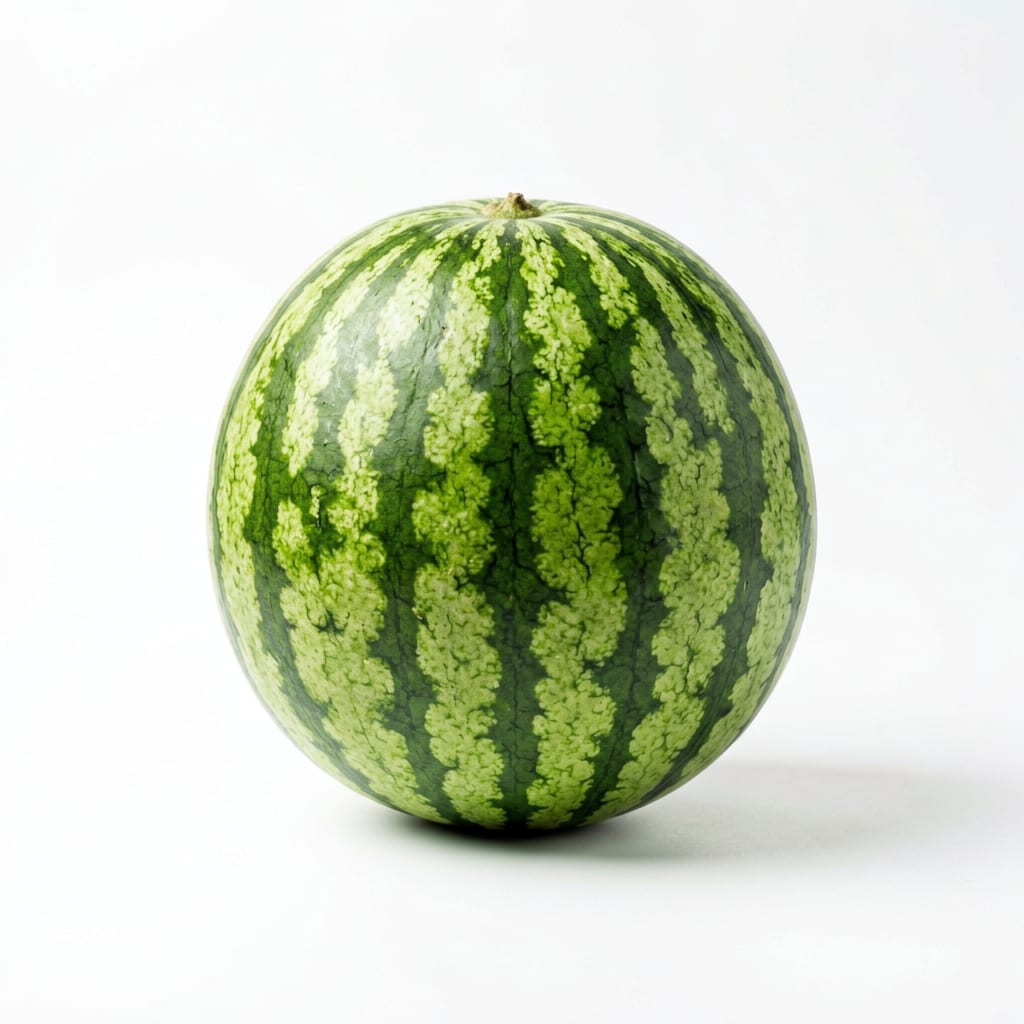
Compare with
Watermelon
Watermelon is slightly lower in calories but much higher in glycemic load; strawberries offer far more fiber and vitamin C.
Watermelon is slightly lower in calories, but strawberries have vastly more fiber and a lower glycemic impact for better blood sugar control.
This food
Strawberry
VS75% alike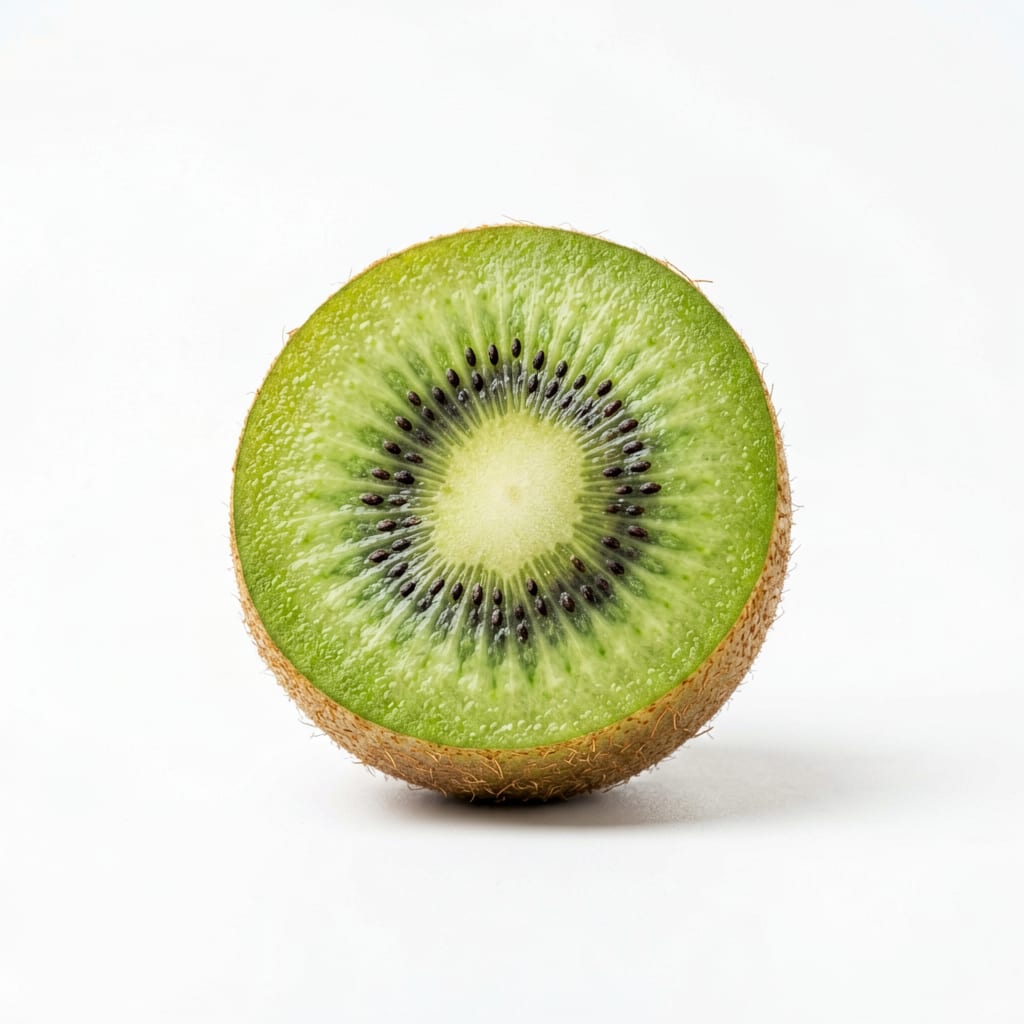
Compare with
Kiwi
Kiwi has more fiber and vitamin C per gram, but strawberries are lower in sugar and easier to eat in large volumes.
Kiwis pack slightly more fiber and vitamin C, but strawberries are lower in sugar and easier to eat in larger volumes for weight loss.
This food
Strawberry
VS55% alike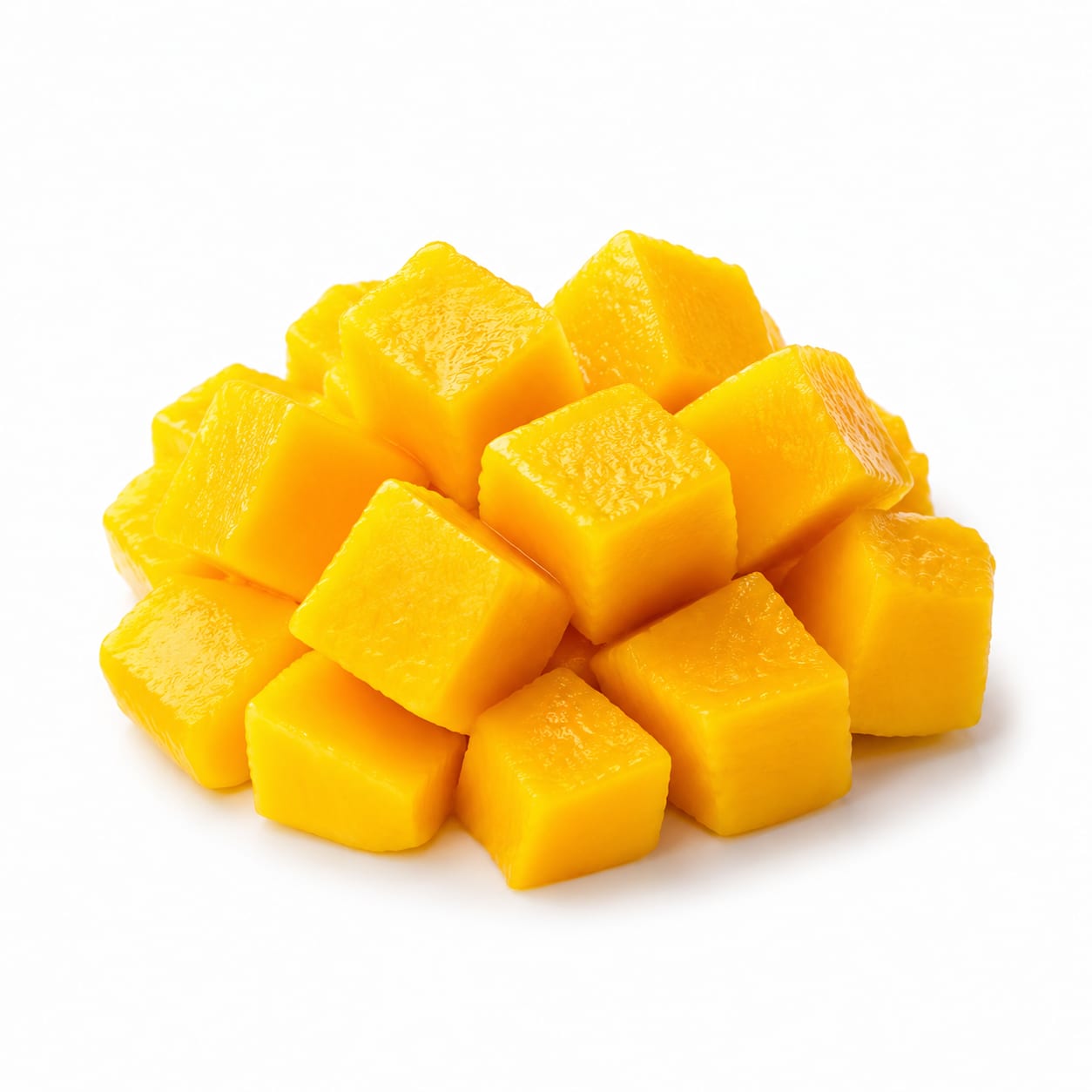
Compare with
Mango
Strawberries are significantly lower in sugar and calories, while mangoes provide more quick carbs for intense exercise.
Strawberries are far lower in sugar and calories than mangoes, making them a much better option for weight loss and blood sugar management.
Common questions
FAQ
Answers aligned with how people search for this food.
Are strawberries good for weight loss?
Yes, strawberries are excellent for weight loss due to their very low calorie count and high water content, which helps you feel full on fewer calories.
Can diabetics eat strawberries?
Yes, strawberries have a low glycemic index and low glycemic load, meaning they cause a slow, minimal rise in blood sugar levels.
Do strawberries have more vitamin C than oranges?
Yes, per 100 grams, strawberries contain slightly more vitamin C than oranges, making them a top source for immune support.
Why are strawberries on the Dirty Dozen list?
Strawberries frequently rank high on the Dirty Dozen list because their porous skin and direct soil contact make them susceptible to retaining high levels of pesticide residues.
How many net carbs are in a cup of strawberries?
One cup of whole strawberries contains about 11 grams of carbohydrates and 3 grams of fiber, resulting in roughly 8 grams of net carbs.
Are frozen strawberries as healthy as fresh?
Frozen strawberries retain most of their vitamins and antioxidants, sometimes even more than fresh berries that have been sitting on shelves, making them a highly nutritious option.
Can you eat strawberries on a keto diet?
In small portions, strawberries can fit into a keto diet. A half-cup serving contains only about 4 grams of net carbs.
Transparency
Data confidence
Estimated confidence for nutrition data, interpretation, safety notes, and comparisons.
Nutrition data
Health analysis
Food safety
Comparisons