
Nutrition comparison
Strawberry vs Banana: Which Fruit Is Healthier for You?
Compare strawberry vs banana on sugar, calories, antioxidants, potassium, and blood sugar impact. Find out which fruit fits your health goals better.
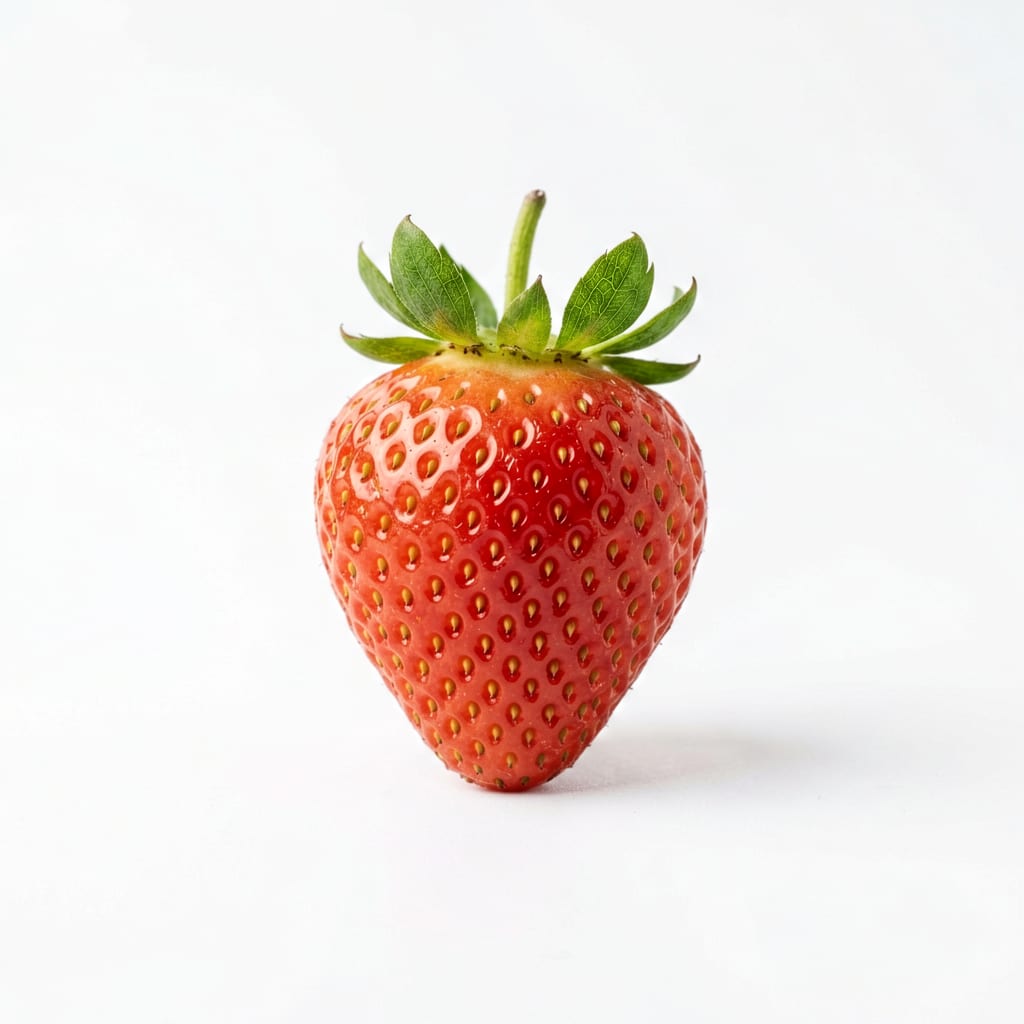
Strawberry
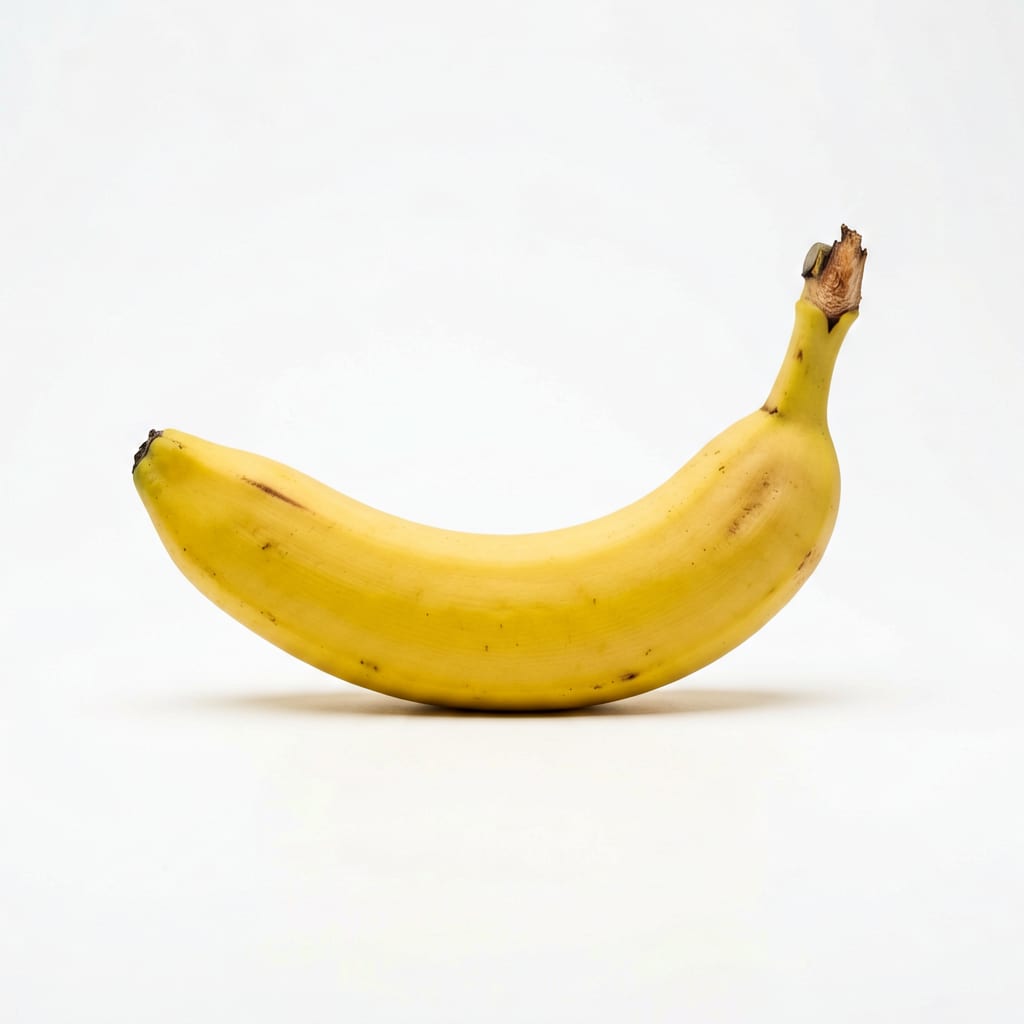
Banana
Strawberries win on nutrients and blood sugar; bananas win on convenience and potassium. Your priority decides the winner.
Strawberries score higher due to superior micronutrient density and lower sugar impact, but bananas close the gap with practicality, satiety, and potassium. The moderate confidence reflects that context heavily shifts which fruit is actually better for a given person.
Lower sugar and higher antioxidants versus easier portability and steadier hunger satisfaction
At a glance
Executive summary
Overall
It depends
Healthier
Strawberry
More practical
Banana
Daily use
It depends
Key comparison lenses
blood sugar management
Bananas carry significantly more sugar and a higher glycemic load, making this the top concern for many users choosing between these two fruits
weight loss and calorie control
Strawberries offer far more volume per calorie, which matters enormously for anyone managing portions
antioxidant and micronutrient density
Strawberries deliver dramatically more vitamin C and polyphenols, while bananas dominate in potassium and B6
convenience and portability
Bananas come in their own packaging and need no washing, making them the grab-and-go default
pesticide and contamination exposure
Strawberries consistently rank among the most pesticide-contaminated produce, which changes the risk calculation
Best choice for
Strawberry
- People managing blood sugar or diabetes
- Anyone counting calories who wants more food volume
- Those seeking maximum antioxidant and vitamin C intake
- Low-carb eaters who still want fruit
Banana
- Athletes needing quick pre-workout fuel
- Anyone craving a filling, no-prep snack
- People who need more potassium in their diet
- Busy commuters who want fruit with zero mess
Least suitable for
Strawberry
- People with severe pesticide concerns who cannot afford organic
- Anyone needing calorie-dense fuel for endurance activity
- People who want a fruit that survives in a backpack all day
Banana
- People strictly limiting sugar or carbs
- Those monitoring glycemic impact closely
- Anyone trying to maximize nutrient density per calorie
Deep comparison
Dimension by dimension
Each lens scores both foods and breaks down who each option suits.
- Dimension 1 · Priority 95Strawberry
sugar and blood sugar impact
Strawberry · 88Banana · 52Strawberries contain roughly half the sugar of bananas per serving and cause a noticeably gentler blood sugar rise.
Tradeoff
You give up the quick energy burst bananas provide, which matters before exercise or during an afternoon slump.
Why it matters
A medium banana has about 14g of sugar versus 7g in a cup of strawberries. That difference adds up daily, especially for insulin-resistant individuals.
Real-world impact
Eating strawberries instead of a banana with breakfast means you are less likely to feel hungry again an hour later from a sugar crash.
Strawberry
- Steady energy without the crash
- Diabetes-friendly fruit option
- Less sugar craving trigger
Better for
- Not enough carbs to fuel intense training alone
- May feel unsatisfying if you are very hungry
Worse for
Banana
- Quick fuel before a workout
- Fast carbohydrate replenishment after exercise
- Better for someone who needs to gain weight
Better for
- Can spike blood sugar noticeably on an empty stomach
- Higher sugar load adds up if you eat multiple per day
Worse for
- Dimension 2 · Priority 90Strawberry
antioxidant and vitamin density
Strawberry · 94Banana · 55Strawberries are among the most nutrient-dense fruits available, delivering far more vitamin C and polyphenols than bananas.
Tradeoff
Bananas offer more potassium and vitamin B6, which strawberries provide in smaller amounts.
Why it matters
A single cup of strawberries provides nearly your entire daily vitamin C needs. Bananas barely register for vitamin C but cover about 10% of daily potassium.
Real-world impact
Choosing strawberries regularly supports immune function and inflammation reduction in ways bananas simply cannot match.
Strawberry
- Immune system support from high vitamin C
- Anti-inflammatory polyphenols and anthocyanins
- Manganese for bone health and metabolism
Better for
- Lower potassium limits post-cramp recovery benefit
- B6 content is minimal
Worse for
Banana
- Potassium for muscle cramps and blood pressure regulation
- Vitamin B6 for brain function and mood
- Easier to meet electrolyte needs in hot weather
Better for
- Very low antioxidant capacity compared to berries
- Minimal vitamin C contribution
Worse for
- Dimension 3 · Priority 87Strawberry
calorie efficiency and weight management
Strawberry · 90Banana · 60Strawberries let you eat significantly more volume for fewer calories, making them far more weight-loss friendly.
Tradeoff
Bananas are more filling per individual fruit, so you may eat less overall but consume more calories per serving.
Why it matters
A full cup of strawberries is about 49 calories. A medium banana is about 105 calories. You get nearly double the food volume for half the calories with strawberries.
Real-world impact
If you are snacking while watching your weight, a large bowl of strawberries feels indulgent without the calorie cost of even one banana.
Strawberry
- Much higher volume per calorie for snacking satisfaction
- Easier to fit into calorie-restricted diets
- Less likely to accidentally overconsume
Better for
- May not feel like enough food if you are very active
- Easy to overeat if you add sugar or whipped cream
Worse for
Banana
- More filling as a standalone snack
- Better bridge between meals when you are genuinely hungry
- One fruit feels like a complete snack rather than needing volume
Better for
- Calories add up fast if you eat two or three
- Less volume means less visual satisfaction on the plate
Worse for
- Dimension 4 · Priority 80Banana
convenience and portability
Strawberry · 48Banana · 95Bananas are the ultimate grab-and-go fruit. Strawberries require washing, careful storage, and spoil quickly.
Tradeoff
You sacrifice nutrient density and lower sugar for a fruit that survives in a gym bag and needs zero preparation.
Why it matters
In real life, convenience often wins over nutrition. A banana you actually eat beats strawberries that sat in the fridge and molded.
Real-world impact
Tossing a banana in your bag takes two seconds. Strawberries need a container, a rinse, and consumption within a couple of days.
Strawberry
- Nothing, this is a clear banana advantage
Better for
- Fragile and bruise easily
- Must be refrigerated and consumed within days
- Cannot just toss in a bag without a container
Worse for
Banana
- Natural packaging with the peel
- No washing required
- Sturdy enough for bags, pockets, and car rides
- Longer window before spoiling
Better for
- Peel can attract fruit flies in warm kitchens
- Bruise and brown in backpacks over time
Worse for
- Dimension 5 · Priority 78Banana
satiety and hunger satisfaction
Strawberry · 58Banana · 82Bananas are denser and more filling per serving, while strawberries feel lighter and may leave you wanting more.
Tradeoff
The filling quality of bananas comes from higher calorie and carb content, not from superior fiber or protein.
Why it matters
If you need a snack that actually holds you over until your next meal, a banana does that job better than a cup of strawberries.
Real-world impact
A banana at 3pm can bridge you to dinner. Strawberries at 3pm might have you reaching for something else within an hour.
Strawberry
- Lower calorie density lets you eat more if you prefer volume eating
Better for
- Less satiating on its own
- Often eaten with additions like cream or sugar that add calories
Worse for
Banana
- More effective at reducing hunger between meals
- Thicker texture feels more substantial
- Works well as a standalone mini-meal replacement
Better for
- The fullness comes partly from sugar load, not just fiber
- Can trigger appetite again after the sugar wears off in some people
Worse for
- Dimension 6 · Priority 72Banana
pesticide and contamination risk
Strawberry · 40Banana · 82Strawberries consistently rank in the top three on the EWG Dirty Dozen list. Bananas are among the cleanest conventional fruits.
Tradeoff
Buying organic strawberries resolves most of this concern but at a significantly higher price.
Why it matters
Conventional strawberries frequently test positive for multiple pesticide residues, including some linked to hormonal disruption. Bananas are protected by their thick peel and rarely show concerning residue levels.
Real-world impact
If you cannot afford organic produce, bananas are the safer conventional choice. With strawberries, going organic matters more.
Strawberry
- Nothing, this is a clear banana advantage for conventional produce
Better for
- Very high pesticide residue risk when conventionally grown
- Organic strawberries are expensive and not always available
- Soft skin absorbs chemicals more readily
Worse for
Banana
- Thick peel blocks most pesticide exposure
- Rarely appears on high-pesticide produce lists
- Safe to buy conventional without much worry
Better for
- Minor concern with fungicide used on imported bananas
- Very low risk overall but not zero
Worse for
Timeline
Health impact over time
Short-term
Hours to days
Strawberry
- Gentle blood sugar response that avoids energy crashes
- Vitamin C boost supporting immediate immune function
- Hydrating due to high water content
Banana
- Quick energy lift from easily digested carbohydrates
- Potassium helps with muscle function and cramp prevention
- More filling in the moment, reducing immediate urge to snack again
Long-term
Months to years
Strawberry
- Consistent antioxidant intake may reduce chronic disease risk
- Lower cumulative sugar exposure benefits metabolic health
- Vitamin C and polyphenols support skin aging defense
Banana
- Regular potassium intake supports cardiovascular health over time
- Consistent fiber supports healthy digestion and gut regularity
- Higher sugar load may become a concern if eaten in excess daily
Risk profile
Safety & processing
Both fruits are whole, unprocessed foods as typically consumed. Neither contains added ingredients. The only processing concern is that frozen strawberries sometimes contain added sugar, so always check the label.
Strawberry
Pesticide residue exposure
highStrawberries rank among the most contaminated conventional fruits, often carrying multiple pesticide residues including captan and pyraclostrobin. Washing helps but does not remove all residue. Organic significantly reduces this risk.
Mold and spoilage
mediumStrawberries mold quickly, sometimes within 1-2 days of purchase. Mold can produce allergens and mycotoxins. Inspect carefully and discard any with visible mold as it spreads invisibly.
Banana
Fungicide residue on peel
lowSome imported bananas are treated with thiabendazole or imazalil. The peel blocks most transfer to the edible portion. Washing hands after peeling further reduces any trace exposure.
Latex-fruit syndrome allergy
lowPeople with latex allergies may react to proteins in bananas. Symptoms range from mouth itching to anaphylaxis in rare cases. This is uncommon but important for those with known latex sensitivity.
Who wins for whom
Audience fit
Same foods, different winners depending on your goal.
children
It dependsBananas are easier for toddlers to hold and eat, but strawberries offer more immune-supporting vitamin C. Rotate both for variety.
daily consumption
It dependsBananas are more practical for daily consistency, but strawberries offer better long-term health returns. The best daily choice depends on whether convenience or nutrient density drives your habits more.
diabetes
StrawberryLower sugar content and lower glycemic load make strawberries much gentler on blood sugar, reducing insulin demand.
elderly
StrawberryStrawberries provide more antioxidants for cellular protection and vitamin C for immune support, both of which become more important with age. Their lower sugar also suits slower metabolisms.
muscle gain
BananaBananas offer more carbohydrates for training fuel and potassium for muscle recovery, making them a better pre- or post-workout choice.
weight loss
StrawberryStrawberries provide significantly more food volume per calorie, making it easier to stay satisfied while maintaining a calorie deficit.
Your move
Decision guide
Choose Strawberry
- You are watching your blood sugar, weight, or carbohydrate intake
- You want maximum vitamin C and antioxidant benefit from your fruit
- You can buy organic or are comfortable with the pesticide tradeoff
- You prefer volume eating and feeling like you are eating a lot for few calories
Choose Banana
- You need portable, no-prep fruit for busy mornings or post-gym fuel
- You want something filling that actually holds you over between meals
- You are active and need carbohydrate energy for performance
- You cannot afford organic produce and want the safest conventional option
Either works if
- You simply want more fruit variety in your diet overall
- You are healthy and active with no specific blood sugar or weight concerns
- You enjoy both and can rotate them based on what is in season
Avoid both if
- You have a severe fructose intolerance or rare allergy to either fruit
- You are on a strict very-low-carb ketogenic diet and cannot spare the carbs
Final recommendation
Eat both, but let strawberries do the heavy lifting for daily health and save bananas for when you need their unique convenience or energy. If you can only pick one for long-term health outcomes, strawberries give you more per bite. If you can only pick one for actually sticking with a fruit habit, bananas win by being effortless.
Practical
Consumer tips
- 1
Buy organic strawberries when possible. The pesticide difference is real and meaningful, unlike some other fruits where organic matters less.
- 2
Freeze strawberries that are about to spoil. They work perfectly in smoothies and you avoid waste.
- 3
Choose slightly green bananas if you want less sugar and more resistant starch, which feeds gut bacteria.
- 4
Avoid strawberries with visible mold even in one spot. Mold spreads through the soft flesh invisibly and fast.
- 5
Pair strawberries with a handful of nuts or a spoon of yogurt to make them more satiating without adding much sugar.
- 6
If bananas give you a sugar crash, try eating half a banana with peanut butter instead of a whole one alone.
- 7
Wash strawberries right before eating, not before storing. Pre-washing makes them spoil much faster.