
Nutrition comparison
Strawberry vs Watermelon: Nutrition, Sugar, and Health Comparison
Strawberry vs Watermelon: Which fruit is healthier? Compare fiber, sugar, hydration, and pesticides to see which is best for your diet and lifestyle.
Overall winner · Strawberry
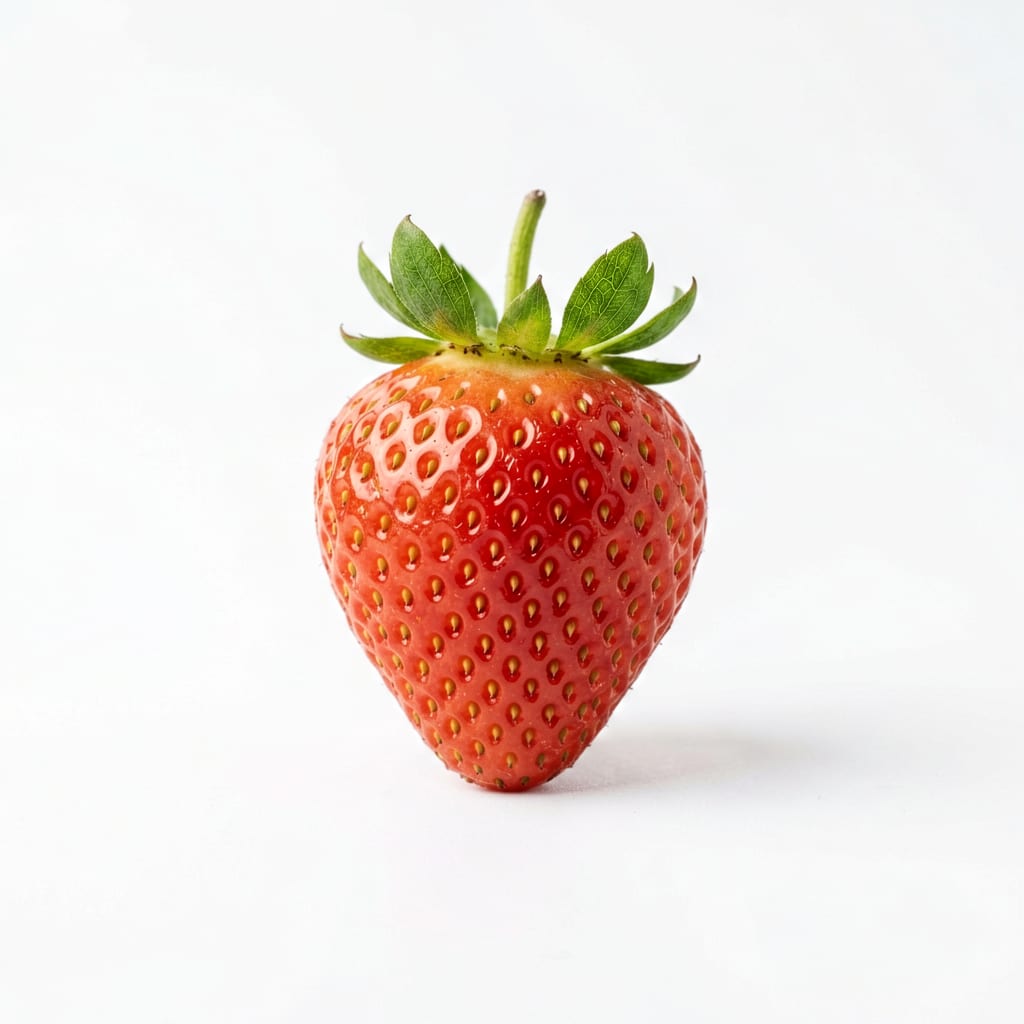
Strawberry
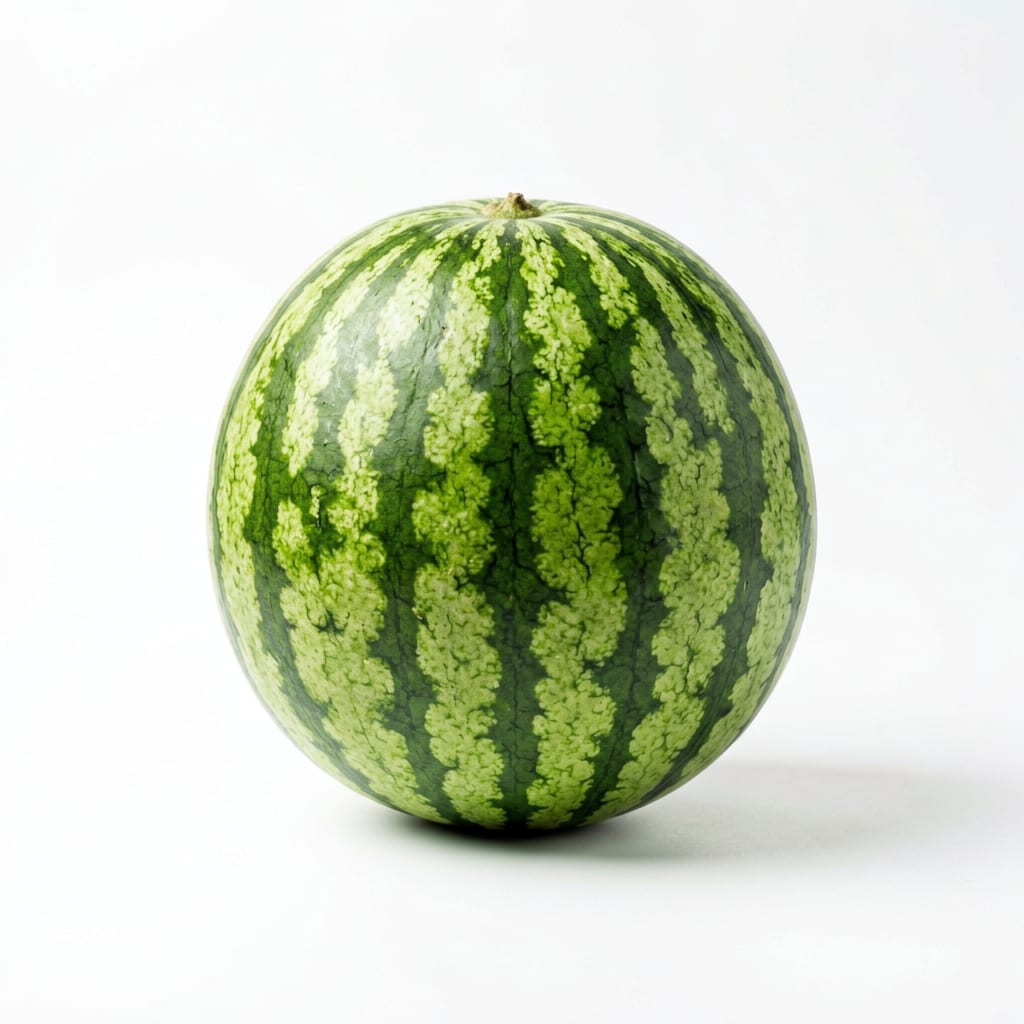
Watermelon
Strawberries pack significantly more fiber, vitamins, and antioxidants per calorie, making them better for daily nutrition and blood sugar stability. Watermelon wins for pure hydration and volume eating on a hot day.
Strawberries score higher due to superior fiber, vitamin C, and blood sugar stability. Watermelon remains a solid choice but its high glycemic load and lower nutrient density per calorie pull its score down for everyday use.
Nutrient density and steady energy versus refreshing hydration and larger portion sizes.
At a glance
Executive summary
Overall
Strawberry
Healthier
Strawberry
More practical
Watermelon
Daily use
Strawberry
Key comparison lenses
blood sugar impact and fiber content
Users often compare these two fruits to determine which is safer for glucose management and satiety, given their very different carbohydrate profiles.
hydration and volume eating
Watermelon is famous for its water content and large portion sizes, making it a go-to for volume eaters, whereas strawberries are much denser.
pesticide exposure and safety
Strawberries consistently top the Dirty Dozen list for pesticide residues, while watermelon's thick rind offers natural protection.
antioxidant density and vitamin C
Consumers looking for immune support want to know if the higher vitamin C in strawberries outweighs the lycopene in watermelon.
Best choice for
Strawberry
- blood sugar control
- maximizing vitamins per calorie
- increasing daily fiber
- weight loss snacking
Watermelon
- hot weather hydration
- satisfying large portion cravings
- post-workout rehydration
- budget-friendly conventional produce
Least suitable for
Strawberry
- people wanting a massive, filling portion for few calories
- those on a tight conventional produce budget
Watermelon
- strict low-carb or diabetic diets in large amounts
- sustained energy without a crash
Deep comparison
Dimension by dimension
Each lens scores both foods and breaks down who each option suits.
- Dimension 1 · Priority 95Strawberry
Blood Sugar & Satiety
Strawberry · 88Watermelon · 52Strawberries have three times more fiber and a much lower glycemic load, keeping blood sugar steady and hunger at bay.
Tradeoff
Strawberries provide lasting fullness, while watermelon digests rapidly, which can cause a quicker blood sugar rise and crash if eaten in large quantities.
Why it matters
Rapid blood sugar spikes can trigger cravings and energy dips, making it harder to control your appetite later in the day.
Real-world impact
A bowl of strawberries will tide you over until your next meal, whereas a large slice of watermelon might leave you hungry again within an hour.
Strawberry
- diabetics
- steady afternoon energy
- weight management
Better for
- immediate high-energy needs
Worse for
Watermelon
- quick pre-workout fuel
- light digestibility
Better for
- blood sugar management
- sustained fullness
Worse for
- Dimension 2 · Priority 85Watermelon
Hydration & Volume
Strawberry · 45Watermelon · 95Watermelon is over 90% water, allowing you to eat a massive, satisfying portion for very few calories.
Tradeoff
Watermelon fills your stomach with water volume, while strawberries offer more physical substance and chewing satisfaction per calorie.
Why it matters
Feeling physically full is a powerful tool for managing appetite, and watermelon provides that sensation with minimal caloric cost.
Real-world impact
On a hot summer day, two cups of watermelon feels like a refreshing feast, while two cups of strawberries is a much denser, heavier snack.
Strawberry
- chewing satisfaction
- portable snacking without the mess
Better for
- high volume low calorie diets
Worse for
Watermelon
- hot weather hydration
- large portion cravings
- post-workout rehydration
Better for
- dense caloric needs
Worse for
- Dimension 3 · Priority 80Strawberry
Nutrient Density & Antioxidants
Strawberry · 92Watermelon · 65Strawberries deliver a concentrated dose of vitamin C and anthocyanins, whereas watermelon provides lycopene but fewer overall vitamins per calorie.
Tradeoff
You get more immune-boosting vitamins with strawberries, but watermelon offers unique lycopene benefits for heart and prostate health.
Why it matters
Higher nutrient density means you get more health benefits from eating less, which is crucial when overall food intake is lower.
Real-world impact
A handful of strawberries covers your daily vitamin C needs, while you would need several cups of watermelon to get similar vitamin levels.
Strawberry
- immune support
- anti-aging
- skin health
Better for
- lycopene specific benefits
Worse for
Watermelon
- prostate health
- cardiovascular support via lycopene
Better for
- maximizing vitamin intake per calorie
Worse for
- Dimension 4 · Priority 75Watermelon
Pesticide & Contamination Risk
Strawberry · 35Watermelon · 88Strawberries consistently rank at the top of the Dirty Dozen list for pesticide residues, while watermelon's thick rind protects the edible flesh.
Tradeoff
Watermelon is naturally shielded from pesticides, whereas strawberries require careful organic sourcing to avoid chemical exposure.
Why it matters
Chronic pesticide exposure can disrupt hormones and gut health, making sourcing a critical factor for strawberries.
Real-world impact
You can safely eat conventional watermelon without worry, but conventional strawberries are a significant chemical risk worth avoiding.
Strawberry
- access to affordable organic produce
Better for
- budget shoppers buying conventional
Worse for
Watermelon
- budget-friendly conventional produce
- low chemical exposure
Better for
- none significant
Worse for
Timeline
Health impact over time
Short-term
Hours to days
Strawberry
- Steady, sustained energy without a crash
- Satisfies sweet cravings with minimal sugar impact
Watermelon
- Instant hydration and cooling effect
- Quick but short-lasting energy boost
Long-term
Months to years
Strawberry
- Stronger immune defense from high vitamin C
- Better gut health and digestion from fiber
Watermelon
- Improved hydration habits
- Cellular protection from lycopene
Risk profile
Safety & processing
Both are whole, unprocessed fruits when purchased fresh, making them excellent natural choices.
Strawberry
Pesticide residue
highStrawberries are the number one crop on the EWG Dirty Dozen list due to their soft skin and intensive farming practices. Always buy organic if possible.
Watermelon
Rind contamination
lowBacteria like listeria can live on the rind; always wash the outside before cutting to prevent transferring bacteria to the flesh.
Who wins for whom
Audience fit
Same foods, different winners depending on your goal.
children
WatermelonWatermelon is fun, easy to eat, incredibly hydrating for active kids, and its sweet crunch is universally appealing.
daily consumption
StrawberryThe superior fiber and vitamin profile of strawberries makes them a more robust daily staple, provided you buy organic.
diabetes
StrawberryThe high fiber and low sugar concentration in strawberries make them much safer for glucose management compared to the rapid digestion of watermelon.
elderly
StrawberryStrawberries offer more fiber for sluggish digestion and dense nutrients that aging bodies need without excess sugar.
muscle gain
It dependsNeither is a protein source, but watermelon contains citrulline which can aid blood flow during workouts, while strawberries offer vitamin C for tissue repair.
weight loss
StrawberryStrawberries have more fiber to keep you full and a lower glycemic impact, preventing the insulin spikes that can stall fat loss.
Your move
Decision guide
Choose Strawberry
- you want to stay full longer between meals
- you are watching your blood sugar or carb intake
- you need a dense vitamin C boost
- you have access to organic produce
Choose Watermelon
- you need serious hydration on a hot day
- you want a massive, satisfying portion for minimal calories
- you are buying conventional fruit on a budget
- you want a light, easily digestible snack before a workout
Either works if
- you just want a healthy, whole-food sweet treat
- you need a refreshing afternoon pick-me-up
Avoid both if
- you have a severe fructose intolerance
Final recommendation
Make organic strawberries your daily go-to for nutrients and satiety, but keep watermelon on hand for hot days and post-workout hydration when you crave volume over density.
Practical
Consumer tips
- 1
Always buy organic strawberries to avoid high pesticide exposure.
- 2
Wash watermelon rinds thoroughly before slicing to prevent cross-contamination from the skin.
- 3
Pair watermelon with a protein or fat like feta cheese or Greek yogurt to blunt its blood sugar spike.
- 4
Frozen strawberries are just as nutritious and great for smoothies when fresh ones are out of season.