
Nutrition comparison
Strawberry vs Grape: Which Fruit Is Healthier for You?
Strawberries have half the sugar and triple the fiber of grapes per cup. Compare nutrition, blood sugar impact, satiety, and overeating risk to find which fruit fits your goals.
Overall winner · Strawberry
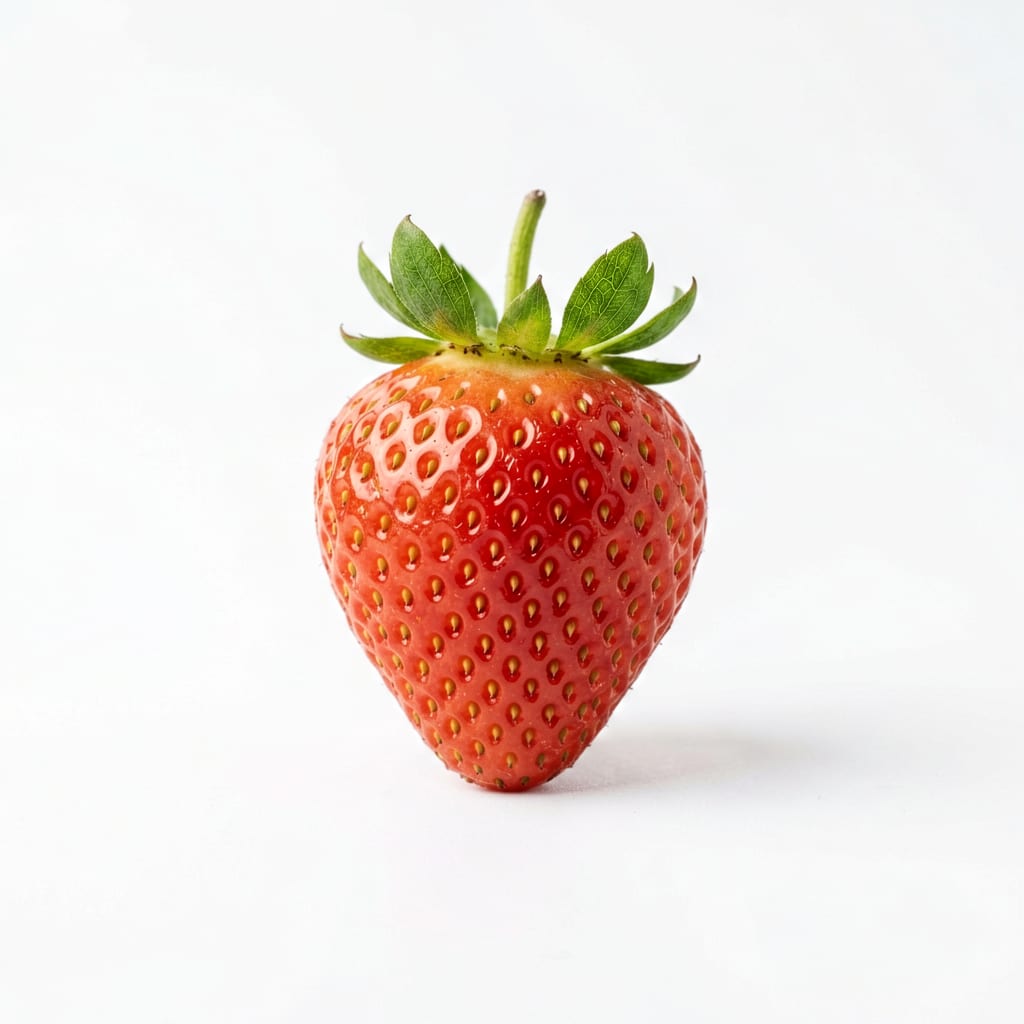
Strawberry
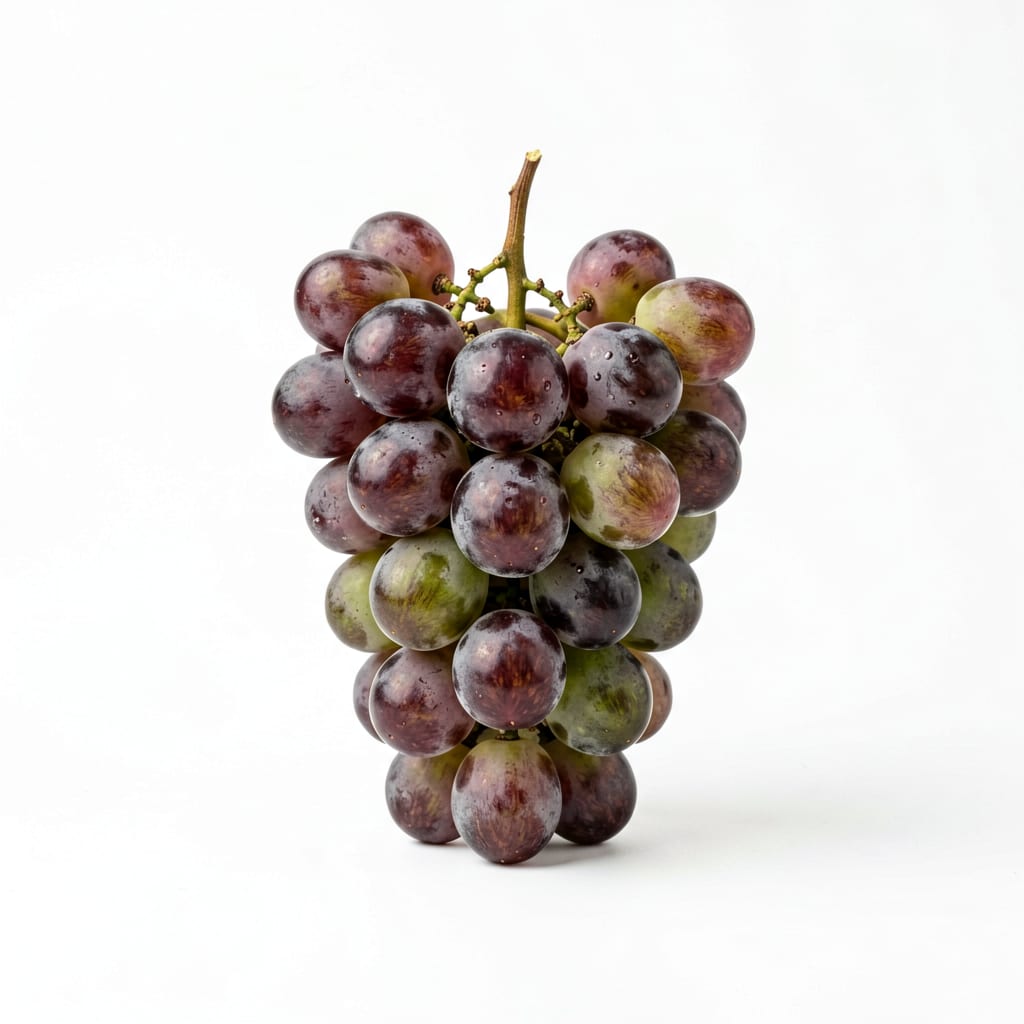
Grape
Strawberries win on nutrition density and blood sugar control, while grapes win on convenience and portability.
Strawberries score notably higher due to superior fiber, lower sugar, higher vitamin C, and better satiety per calorie. Grapes lose ground on sugar content and overeating risk, though they remain a healthy whole fruit option.
Strawberries give you more food volume and fiber for fewer calories and less sugar, but grapes are easier to grab and go.
At a glance
Executive summary
Overall
Strawberry
Healthier
Strawberry
More practical
Grape
Daily use
Strawberry
Key comparison lenses
sugar and blood sugar management
Grapes are significantly higher in sugar, making blood sugar impact the most critical differentiator
weight loss and satiety
Strawberries provide more volume and fiber per calorie, making them far more filling
snack convenience and overeating risk
Grapes are easy to mindlessly overeat due to their size and sweetness, a key real-world concern
antioxidant and nutrient density
Both offer antioxidants but through different compounds, relevant for long-term health
pesticide exposure
Both consistently appear on the Dirty Dozen list, making organic choices important
Best choice for
Strawberry
- People managing blood sugar or diabetes
- Anyone tracking calories or trying to lose weight
- Those who want a filling snack that prevents overeating
- Vitamin C seekers
Grape
- Athletes needing quick natural sugar for energy
- Busy people wanting a no-prep portable snack
- Kids who resist fruit with texture
- Anyone needing easy snacking on the go
Least suitable for
Strawberry
- People who need long-lasting unrefrigerated snacks
- Those who find tart flavors unappealing
Grape
- People with diabetes or insulin resistance
- Anyone prone to mindless snacking
- Those on strict low-sugar diets
Deep comparison
Dimension by dimension
Each lens scores both foods and breaks down who each option suits.
- Dimension 1 · Priority 92Strawberry
Sugar Content and Blood Sugar Impact
Strawberry · 88Grape · 48Strawberries have roughly half the sugar of grapes per serving, making them far gentler on blood sugar.
Tradeoff
Grapes provide faster energy from natural sugars, but that same sugar makes them riskier for steady energy and metabolic health.
Why it matters
A cup of grapes contains about 23g of sugar versus 7g in a cup of strawberries. That difference adds up fast, especially if you snack frequently.
Real-world impact
Eating grapes can lead to a quicker blood sugar spike followed by a crash, leaving you hungry again sooner. Strawberries provide steadier, longer-lasting energy.
Strawberry
- Stable energy without crashes
- Diabetes-friendly snacking
- Reduced sugar cravings over time
Better for
- Not ideal when you need rapid carbohydrate energy
Worse for
Grape
- Quick pre-workout fuel
- Fast natural energy boost
Better for
- Blood sugar spikes in sensitive individuals
- Harder to manage portions due to sugar driving appetite
Worse for
- Dimension 2 · Priority 88Strawberry
Satiety and Fullness Per Calorie
Strawberry · 85Grape · 52Strawberries deliver significantly more volume and fiber per calorie, making them far more filling.
Tradeoff
You can eat nearly twice the volume of strawberries for the same calories as a moderate portion of grapes.
Why it matters
A cup of strawberries is about 49 calories with 3g fiber. A cup of grapes is about 104 calories with 1.4g fiber. The fiber and water content in strawberries physically fills your stomach more.
Real-world impact
A bowl of strawberries feels like a substantial snack. A bowl of grapes disappears quickly and may leave you reaching for more food within the hour.
Strawberry
- Weight management through natural portion control
- Feeling satisfied after snacking
- Reduced between-meal hunger
Better for
- May feel too light if you genuinely need more calories
Worse for
Grape
- Compact calories when you need energy density
Better for
- Easy to overconsume without feeling full
- Calories accumulate quickly before satiety kicks in
Worse for
- Dimension 3 · Priority 85Strawberry
Overeating Risk and Portion Control
Strawberry · 82Grape · 40Grapes are one of the easiest fruits to overeat due to their small size, sweetness, and pop-in-your-mouth convenience.
Tradeoff
Strawberries require more awareness to eat and their tartness naturally slows consumption, while grapes almost invite mindless eating.
Why it matters
It is remarkably easy to eat an entire bag of grapes without thinking. That can mean 300+ calories of sugar before your brain registers fullness.
Real-world impact
Leaving a bowl of grapes on the counter often leads to empty bowls. Strawberries tend to be eaten more deliberately, which naturally supports portion awareness.
Strawberry
- Built-in portion awareness
- Tartness slows eating speed
- Lower calorie density reduces accidental overconsumption
Better for
- Requires washing and hulling, slight friction to eating
Worse for
Grape
- No preparation needed, effortless to eat
Better for
- Very high overeating potential
- Sweet taste encourages continuous eating
- Easy to consume several servings without noticing
Worse for
- Dimension 4 · Priority 78It depends
Antioxidant Profile
Strawberry · 82Grape · 78Strawberries excel in vitamin C and ellagic acid, while grapes offer resveratrol and anthocyanins, especially in red and purple varieties.
Tradeoff
Both are strong antioxidant sources but through different pathways. Rotating both gives broader coverage than choosing just one.
Why it matters
Strawberries provide over 100% of daily vitamin C per cup, supporting immune function and skin health. Red grapes contain resveratrol, linked to heart health and anti-aging benefits.
Real-world impact
If you eat strawberries regularly, you likely do not need a vitamin C supplement. If you eat red grapes regularly, you gain heart-protective compounds that strawberries lack.
Strawberry
- Exceptional vitamin C content
- Ellagic acid for cellular defense
- Broader micronutrient coverage per calorie
Better for
- Missing resveratrol benefits
Worse for
Grape
- Resveratrol for cardiovascular benefits
- Anthocyanins in red and purple varieties
- Unique polyphenols not found in strawberries
Better for
- Lower overall vitamin C
- Fewer total micronutrients per calorie
Worse for
- Dimension 5 · Priority 72Grape
Convenience and Practicality
Strawberry · 48Grape · 88Grapes are the ultimate grab-and-go fruit. No cutting, no hulling, no mess.
Tradeoff
Strawberries require washing, hulling, and careful storage. Grapes can be rinsed and eaten immediately, even on the move.
Why it matters
In real life, convenience often determines what you actually eat. If a fruit is too much work, you might skip it entirely and grab something processed instead.
Real-world impact
Tossing grapes into a lunch bag takes seconds. Strawberries need gentle washing, stem removal, and careful packing to avoid bruising.
Strawberry
- More versatile in recipes and meals
- Easy to slice into yogurt or oatmeal
Better for
- Shorter shelf life, mold quickly
- Delicate and bruise during transport
- Require hulling and careful washing
Worse for
Grape
- Zero-prep snacking
- Highly portable without bruising easily
- Longer shelf life in the fridge
- Kid-friendly with no stems or leaves
Better for
- Limited culinary versatility beyond snacking
Worse for
- Dimension 6 · Priority 80Strawberry
Nutrient Density Per Calorie
Strawberry · 90Grape · 58Strawberries pack significantly more vitamins, minerals, and fiber per calorie than grapes.
Tradeoff
Grapes offer more calories and carbs per serving, which can be useful for energy but reduces their nutrient-to-calorie ratio.
Why it matters
If you have limited calories to spend, strawberries give you more nutritional value per bite. More vitamin C, more manganese, more folate, and more fiber for fewer calories.
Real-world impact
Choosing strawberries over grapes means every calorie works harder for your health. Over weeks and months, that difference compounds meaningfully.
Strawberry
- More vitamins and minerals per calorie
- Higher fiber-to-calorie ratio
- Better overall nutritional return on investment
Better for
- Lower calorie density may not suit very active people needing fuel
Worse for
Grape
- More energy per serving when calories are welcome
Better for
- Fewer micronutrients relative to calories consumed
- Lower fiber reduces some nutritional benefit
Worse for
Timeline
Health impact over time
Short-term
Hours to days
Strawberry
- Steady energy without sugar crash
- Feeling fuller after eating
- Mild anti-inflammatory effect from vitamin C and polyphenols
Grape
- Quick energy boost from natural sugars
- Possible blood sugar spike followed by earlier hunger
- Easy digestion with minimal gastrointestinal discomfort
Long-term
Months to years
Strawberry
- Better blood sugar regulation with regular consumption
- Higher antioxidant intake supporting skin and immune health
- Improved satiety patterns supporting weight maintenance
Grape
- Cardiovascular benefits from resveratrol in red varieties
- Consistent fruit intake supporting overall health
- Risk of excess sugar intake if portions are not managed
Risk profile
Safety & processing
Both strawberries and grapes are whole, minimally processed fruits when purchased fresh. The main concern is not processing but pesticide residue, as both consistently rank on the EWG Dirty Dozen list. Organic options are worth considering for both.
Strawberry
Pesticide residue
highStrawberries consistently rank number one on the EWG Dirty Dozen list. Conventionally grown strawberries often test positive for multiple pesticide residues. Washing helps but does not remove all residues. Organic is strongly recommended.
Mold and spoilage
mediumStrawberries mold quickly, sometimes within 1-2 days. Mold can produce allergens and in rare cases mycotoxins. Inspect carefully and discard any soft or fuzzy berries.
Grape
Pesticide residue
mediumGrapes also appear on the Dirty Dozen list, particularly conventionally grown imported grapes. Non-organic grapes frequently carry multiple pesticide residues. Washing is essential, and organic is preferable.
Choking hazard for young children
mediumWhole grapes are a leading choking hazard for children under 4. Always cut grapes lengthwise before serving to young kids.
Who wins for whom
Audience fit
Same foods, different winners depending on your goal.
children
GrapeKids love the sweetness and easy-to-eat nature of grapes. Just remember to cut them lengthwise for children under 4 to prevent choking.
daily consumption
StrawberryThe lower sugar load, higher nutrient density, and better satiety make strawberries easier to eat every day without metabolic downsides.
diabetes
StrawberrySignificantly lower sugar and higher fiber give strawberries a much gentler impact on blood glucose. Grapes can cause sharper spikes that are harder to manage with insulin resistance.
elderly
StrawberryLower sugar, higher fiber, and more vitamin C make strawberries a better choice for older adults managing blood sugar, digestion, and immune health.
muscle gain
GrapeGrapes provide more carbohydrates and quicker energy, which can support training intensity and glycogen replenishment post-workout.
weight loss
StrawberryHalf the calories per cup, triple the fiber, and much lower sugar make strawberries far more weight-loss friendly. The higher volume also helps you feel satisfied on fewer calories.
Your move
Decision guide
Choose Strawberry
- You are watching your sugar intake or managing blood sugar
- You want a filling snack that prevents overeating later
- You are counting calories and want maximum volume per calorie
- You prioritize vitamin C and overall nutrient density
- You struggle with portion control and want a fruit that naturally slows you down
Choose Grape
- You need quick natural energy before or after exercise
- You want a no-prep snack for busy days or commuting
- You are feeding kids who prefer sweeter, easier-to-eat fruit
- You specifically want resveratrol benefits from red varieties
- You have no blood sugar concerns and want convenient fruit
Either works if
- You simply want more whole fruit in your diet and enjoy both
- You are rotating fruits for broader antioxidant coverage
- You are eating fruit as part of a balanced meal where sugar impact is buffered
Avoid both if
- You have a severe allergy to either fruit
- You are on an extremely low-carb or ketogenic diet and cannot spare the carbohydrates
Final recommendation
Make strawberries your default daily fruit for their superior nutrition density and blood sugar profile. Add grapes occasionally for convenience and resveratrol benefits, but portion them deliberately since their sugar and overeating risk add up fast. If budget allows, choose organic for both to minimize pesticide exposure.
Practical
Consumer tips
- 1
Buy organic strawberries whenever possible. They are the most pesticide-contaminated fruit tested by the EWG.
- 2
Store strawberries unwashed in a paper towel-lined container. Wash only right before eating to prevent mold.
- 3
Pre-portion grapes into small bags or containers to avoid eating an entire bag mindlessly.
- 4
Freeze slightly overripe strawberries for smoothies. Frozen grapes make a refreshing summer snack that also slows eating speed.
- 5
Wash grapes thoroughly under running water, even if you buy organic. Rub each grape gently to remove residue.
- 6
If grapes are your go-to snack, pair them with a handful of nuts or cheese. The protein and fat slow sugar absorption and keep you fuller longer.
- 7
Choose red or purple grapes over green for higher resveratrol and anthocyanin content.
- 8
Avoid strawberries with visible mold. One moldy berry can spread spores to the rest within hours.