
Nutrition comparison
Strawberry vs Mango: Which Fruit Is Healthier for Daily Eating?
Compare strawberry vs mango on sugar, calories, vitamins, and pesticide risk. Find out which fruit is better for weight loss, diabetes, and everyday snacking.
Overall winner · Strawberry
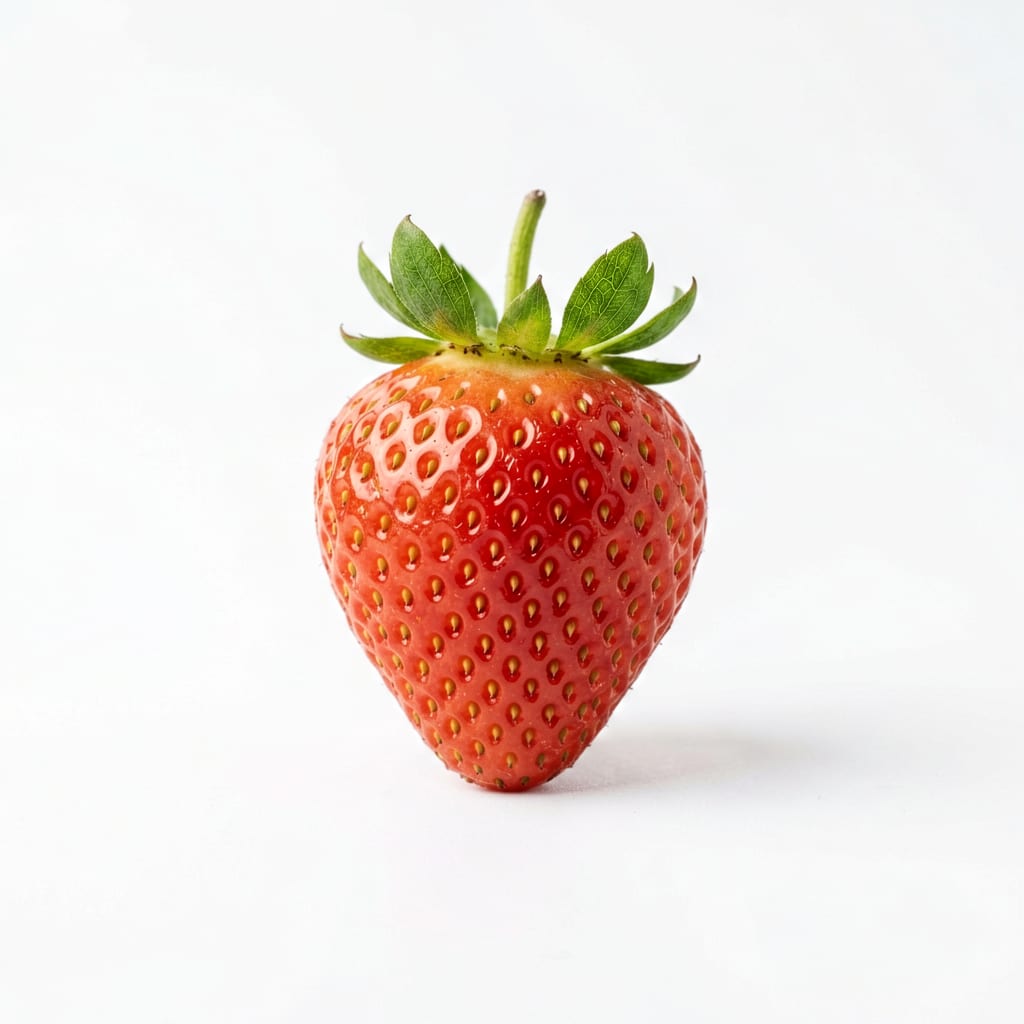
Strawberry
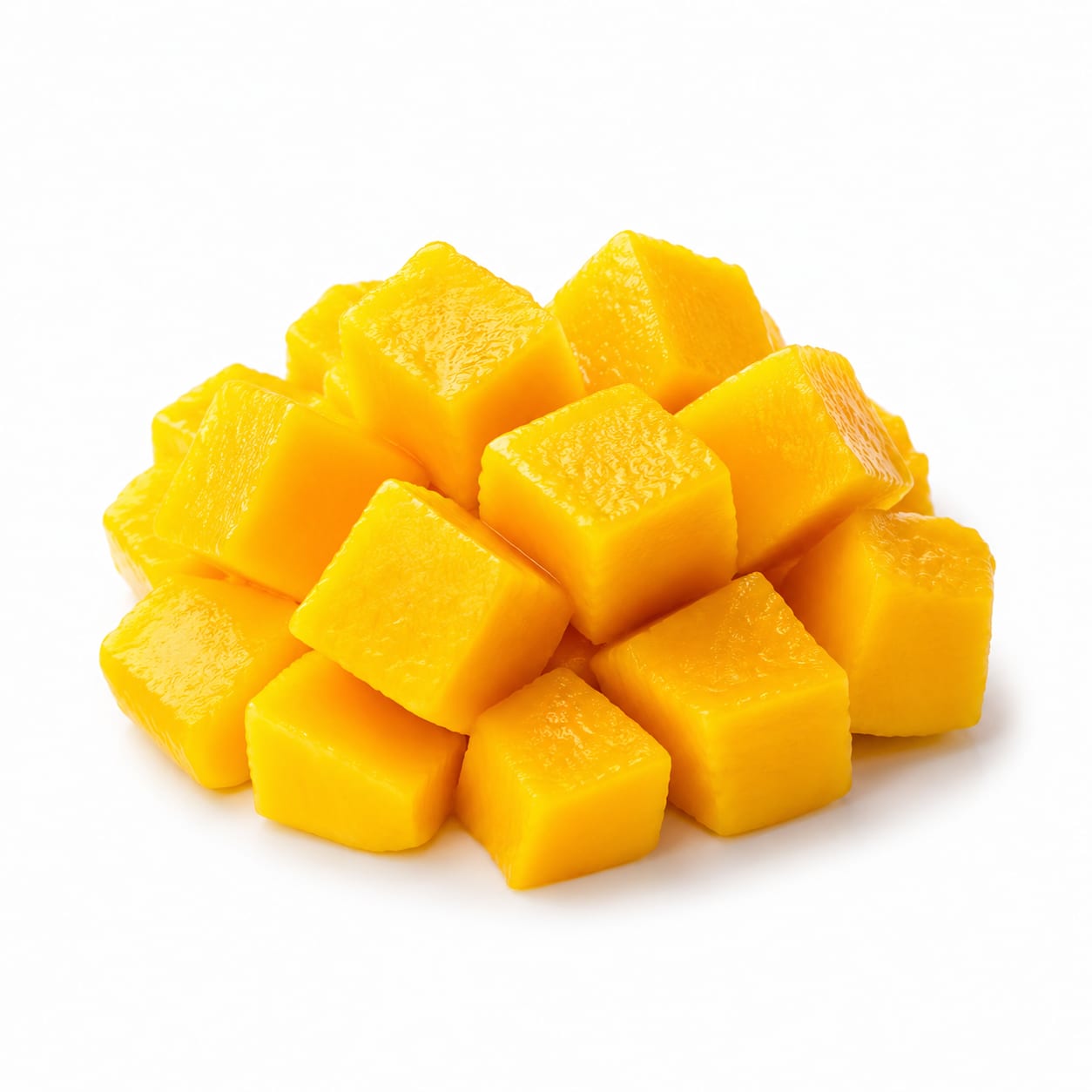
Mango
Strawberries win for most daily use cases thanks to lower sugar, fewer calories, and higher satiety per serving, but mangoes offer a richer vitamin A and folate payoff when you want something more indulgent.
Strawberries score higher primarily due to lower sugar, lower calorie density, and stronger satiety per serving. Mangoes remain a solid choice but their higher sugar content and calorie density create more tradeoffs for everyday consumption.
Strawberries give you more food volume and steadier blood sugar for fewer calories, while mangoes deliver a sweeter, more satisfying tropical experience with stronger vitamin A support.
At a glance
Executive summary
Overall
Strawberry
Healthier
Strawberry
More practical
Strawberry
Daily use
Strawberry
Key comparison lenses
sugar and blood sugar management
Mango has roughly double the sugar of strawberries, making glycemic impact the single biggest differentiator for daily fruit choices
calorie efficiency for weight management
Strawberries deliver significantly more volume and fiber per calorie, which matters for anyone watching intake
antioxidant and vitamin profile differences
Strawberries excel in vitamin C while mangoes dominate in vitamin A and folate, creating a meaningful nutrient tradeoff
pesticide exposure risk
Strawberries consistently rank #1 on the EWG Dirty Dozen list, making organic selection far more critical for strawberries than mangoes
everyday eating practicality
Mangoes require peeling and pit removal while strawberries need only a rinse, affecting convenience and how often people actually eat them
Best choice for
Strawberry
- Low-carb and keto-adjacent eaters
- People managing blood sugar or insulin resistance
- Anyone counting calories who wants more volume
- Vitamin C seekers wanting immune support
- Snackers who graze throughout the day
Mango
- Active individuals needing quick energy
- Those deficient in vitamin A or folate
- People wanting a naturally sweet dessert alternative
- Pregnant women needing folate support
- Anyone finding plain fruit boring and needs more excitement to stick with healthy eating
Least suitable for
Strawberry
- People allergic to strawberries (relatively common fruit allergy)
- Those wanting calorie-dense fuel for endurance activity
- Anyone who finds tart fruit unappealing and might abandon fruit entirely
Mango
- Strict low-carb dieters
- People with poorly controlled diabetes
- Those who struggle with portion control on sweet foods
- Fructose-sensitive individuals with IBS
Deep comparison
Dimension by dimension
Each lens scores both foods and breaks down who each option suits.
- Dimension 1 · Priority 92Strawberry
sugar_and_glycemic_impact
Strawberry · 85Mango · 55Strawberries contain roughly 7g sugar per cup versus mango's 23g, making strawberries far easier on blood sugar.
Tradeoff
Mango's sweetness makes it more satisfying as a dessert replacement, but the sugar hit is real and adds up quickly.
Why it matters
If you eat fruit multiple times daily, the sugar difference compounds. Two cups of mango approaches the sugar in a can of soda.
Real-world impact
A strawberry snack leaves you steady. A mango snack can trigger cravings 90 minutes later if eaten alone.
Strawberry
- Stable energy between meals
- Diabetics managing HbA1c
- Intermittent fasters breaking a fast gently
Better for
- Endurance athletes needing fast carbohydrate
- Underweight individuals seeking calorie density
Worse for
Mango
- Pre-workout quick fuel
- Replacing processed sweets with something natural
- Recovery after intense exercise
Better for
- Late-night snacking when blood sugar should stay low
- Anyone prone to sugar cravings triggered by sweet tastes
Worse for
- Dimension 2 · Priority 85Strawberry
calorie_efficiency_and_satiety
Strawberry · 88Mango · 58A full cup of strawberries costs only about 49 calories. The same cup of mango runs roughly 100 calories with less fiber to fill you up.
Tradeoff
Mango feels more like a treat, strawberries more like a light snack. The calorie gap means you can eat double the strawberries for the same energy budget.
Why it matters
Volume eating matters for weight management. Strawberries let you eat more physical food for fewer calories, which helps with fullness signals.
Real-world impact
You can snack on two cups of strawberries for under 100 calories. Two cups of mango pushes 200 and still feels like it disappears fast.
Strawberry
- Weight loss diets where volume matters
- Grazers who eat throughout the day
- Anyone tracking calories closely
Better for
- Very active people who need compact calories
- Those struggling to eat enough
Worse for
Mango
- Active teens who need calorie density
- Hikers and endurance athletes
- Underweight individuals gaining healthfully
Better for
- Mindless snacking situations like watching TV
- Anyone cutting calories who finds portion control hard
Worse for
- Dimension 3 · Priority 78It depends
vitamin_and_antioxidant_profile
Strawberry · 82Mango · 80Strawberries dominate in vitamin C and ellagic acid. Mangoes dominate in vitamin A, folate, and certain carotenoids. It is a genuine tradeoff.
Tradeoff
You choose between immune and skin support (vitamin C from strawberries) or eye health and cell growth support (vitamin A and folate from mango).
Why it matters
Most people get enough vitamin C from other sources, but vitamin A and folate gaps are more common, especially in women of childbearing age.
Real-world impact
One cup of strawberries covers nearly all your daily vitamin C. One cup of mango covers about 25% of vitamin A needs and 18% of folate.
Strawberry
- Immune support during cold season
- Collagen and skin health
- Anti-inflammatory benefits from ellagic acid
Better for
- Those specifically needing vitamin A support
- Pregnant women prioritizing folate
Worse for
Mango
- Eye health and night vision
- Prenatal nutrition and folate needs
- Skin repair from beta-carotene
Better for
- Vitamin C-focused supplementation strategies
- Those already meeting vitamin A needs through other foods
Worse for
- Dimension 4 · Priority 72Mango
pesticide_and_contamination_risk
Strawberry · 45Mango · 80Strawberries are the #1 most pesticide-contaminated fruit according to EWG. Mangoes have thick skins that protect the edible flesh and rank among the Clean Fifteen.
Tradeoff
Conventional strawberries carry real pesticide risk, but organic strawberries are widely available. Mangoes are safer even when conventionally grown.
Why it matters
If you buy conventional produce, this is a significant difference. Strawberry pesticide residues routinely test positive for multiple chemicals per sample.
Real-world impact
Buying organic strawberries matters. With mangoes, conventional is generally fine since you discard the peel.
Strawberry
- Organic strawberry buyers avoid the issue entirely
Better for
- Conventional strawberry consumers, especially children
- Those who eat strawberries daily from unknown sources
Worse for
Mango
- Budget-conscious shoppers who buy conventional
- Anyone worried about cumulative pesticide exposure
- People who cannot find or afford organic berries
Better for
- Rarely a concern, mangoes are among the safest conventional fruits
Worse for
- Dimension 5 · Priority 68Strawberry
convenience_and_everyday_usability
Strawberry · 82Mango · 60Strawberries need a rinse and the green tops removed. Mangoes require peeling, pit navigation, and sticky hands.
Tradeoff
Strawberries are grab-and-go. Mangoes are a project, but frozen mango chunks close the convenience gap significantly.
Why it matters
Convenience determines how often you actually eat a food. The easier it is, the more consistently you will reach for it.
Real-world impact
You can toss strawberries in a container for work. Mangoes require planning, cutting, and dealing with the mess.
Strawberry
- Busy mornings when you need fruit fast
- Office snacks and lunchboxes
- Kids who can handle berries independently
Better for
- Situations where you want a more substantial fruit serving
Worse for
Mango
- Smoothies where frozen chunks blend perfectly
- Weekend meal prep when you can cut several at once
- Dessert presentations where visual appeal matters
Better for
- Quick snacks on the go
- Travel or commuting situations
Worse for
- Dimension 6 · Priority 62Strawberry
digestive_tolerance_and_fodmap
Strawberry · 78Mango · 55Strawberries are low-FODMAP in moderate servings. Mangoes are high in fructose and can trigger IBS symptoms in sensitive people.
Tradeoff
Mangoes are gentler on some stomachs due to lower acidity, but their fructose load causes bloating in a significant minority of people.
Why it matters
Roughly 15% of adults have some fructose malabsorption. For them, mango is a hidden trigger food.
Real-world impact
If you get bloated after fruit salads, mango is a likely culprit. Strawberries rarely cause that reaction.
Strawberry
- IBS and FODMAP-sensitive individuals
- People prone to bloating from fruit
- Those new to eating more fruit who want safe options
Better for
- Individuals with strawberry allergy, which is among the more common fruit allergies
Worse for
Mango
- People who find acidic fruit irritating to the stomach
- Those without fructose sensitivity who digest mango easily
Better for
- Fructose malabsorbers
- IBS-D patients tracking triggers
Worse for
Timeline
Health impact over time
Short-term
Hours to days
Strawberry
- Quick vitamin C boost supporting immune function
- Light satiety without sugar crash when eaten alone
- Minimal blood sugar spike, making it safe between meals
Mango
- Noticeable energy lift from natural sugars, good before activity
- Possible bloating in fructose-sensitive individuals within 30-60 minutes
- Satisfying sweet taste that can reduce cravings for processed desserts
Long-term
Months to years
Strawberry
- Consistent low-sugar fruit intake supports insulin sensitivity over time
- Ellagic acid from strawberries linked to reduced cancer risk markers
- High vitamin C intake supports collagen production and skin aging defense
- Pesticide exposure risk if consistently eating conventional strawberries
Mango
- Sustained vitamin A intake supports eye health and reduces macular degeneration risk
- Folate supports cell repair and is especially valuable pre-conception and early pregnancy
- Higher sugar intake from frequent mango consumption may challenge metabolic health if portions are large
- Beta-carotene and carotenoids contribute to skin photoprotection over time
Risk profile
Safety & processing
Both strawberries and mangoes are whole, unprocessed fruits when purchased fresh or frozen without added sugar. The main concern is frozen or dried versions with added sweeteners. Always check ingredient lists on frozen mango and strawberry products, as sugar is sometimes added.
Strawberry
Pesticide residue
highStrawberries consistently rank #1 on the EWG Dirty Dozen. A single conventional strawberry sample can contain residues of 10+ pesticides. Buying organic dramatically reduces this risk.
Mold and spoilage
mediumStrawberries spoil within days and mold quickly. Mold spores can spread through an entire container. Inspect berries before eating and discard any with visible mold.
Allergen potential
lowStrawberry allergy is one of the more common fruit allergies, particularly in children. Symptoms range from oral itchiness to hives.
Mango
Pesticide residue
lowMangoes are on the Clean Fifteen list. The thick peel protects edible flesh from most pesticide exposure. Conventional mangoes are generally safe.
Dermatitis from mango peel
mediumMango peel contains urushiol, the same compound in poison ivy. Peeling mangoes can cause contact dermatitis in sensitive individuals. Wear gloves or avoid touching the peel.
Cross-reaction allergy
lowPeople allergic to pistachios or cashews may react to mango due to cross-reactive proteins. This is uncommon but worth knowing.
Who wins for whom
Audience fit
Same foods, different winners depending on your goal.
children
It dependsStrawberries are easier for small hands to hold and have less sugar, but mango's natural sweetness often appeals more to picky eaters. If choosing conventional, mango's lower pesticide risk is relevant for children's developing systems.
daily consumption
StrawberryThe combination of lower sugar, fewer calories, better convenience, and stronger satiety makes strawberries the more sustainable daily fruit. Mango is better enjoyed as an occasional treat or specific nutrient booster.
diabetes
StrawberryStrawberries have roughly one-third the sugar of mango per cup and a lower glycemic load. They are far less likely to spike blood sugar, making them the safer regular choice for anyone monitoring glucose.
elderly
StrawberryLower sugar, higher fiber relative to calories, and strong vitamin C for immune support make strawberries a better fit for older adults managing metabolic health and staying satisfied on fewer calories.
muscle gain
It dependsNeither fruit is a significant protein source. Mango provides slightly more quick carbs that could support post-workout glycogen replenishment, but the difference is minimal. Choose based on personal preference and total diet context.
weight loss
StrawberryStrawberries provide more volume and fiber per calorie, making it easier to stay full while maintaining a calorie deficit. You can eat nearly twice as much strawberries by weight for the same calories as mango.
Your move
Decision guide
Choose Strawberry
- You are watching your sugar intake or managing blood sugar
- You want more food volume for fewer calories
- You need a quick, convenient snack fruit
- You are focusing on vitamin C and immune support
- You eat fruit multiple times per day and need a low-sugar staple
Choose Mango
- You need quick pre-workout energy from natural carbs
- You want to boost vitamin A or folate intake
- You find plain fruit boring and need something that feels like a treat
- You are pregnant or trying to conceive and want folate-rich foods
- You are buying conventional produce and want lower pesticide risk
Either works if
- You are simply trying to eat more fruit overall and enjoy both
- You are mixing fruit into a smoothie with protein and fat to blunt sugar impact
- You rotate fruits for nutrient diversity throughout the week
Avoid both if
- You have a severe fructose intolerance that triggers symptoms from any fruit
- You are on a strict ketogenic diet and need to limit all fruit carbs
- You have a known allergy to either fruit
Final recommendation
Make strawberries your daily default fruit for their lower sugar, better calorie efficiency, and convenience. Add mango a few times per week when you want something sweeter, need the vitamin A and folate boost, or are fueling up before activity. If you buy conventional strawberries, consider switching to organic to avoid the pesticide exposure that makes them the most contaminated fruit on the market.
Practical
Consumer tips
- 1
Buy organic strawberries whenever possible. They are the single most pesticide-contaminated fruit sold. The premium is worth it.
- 2
Frozen mango chunks are nearly as good as fresh and eliminate the peeling hassle. Keep a bag in the freezer for smoothies.
- 3
Do not wash strawberries until right before eating. Moisture accelerates mold and spoilage.
- 4
Pair mango with a protein or fat source like Greek yogurt to slow sugar absorption and extend satiety.
- 5
If you react to mango peel with skin irritation, try cutting mango under running water or wearing food-safe gloves.
- 6
Mix both fruits together: strawberries add volume and tartness while mango adds sweetness. You get the best of both with a moderate overall sugar load.
- 7
Aim for about 1 cup of strawberries as a serving but limit mango to half a cup if you are watching sugar.