
Nutrition comparison
Strawberry vs Orange: Which Is Healthier for You?
Compare strawberry vs orange on vitamin C, sugar, pesticides, potassium, and more. Find out which fruit fits your health goals, budget, and lifestyle best.
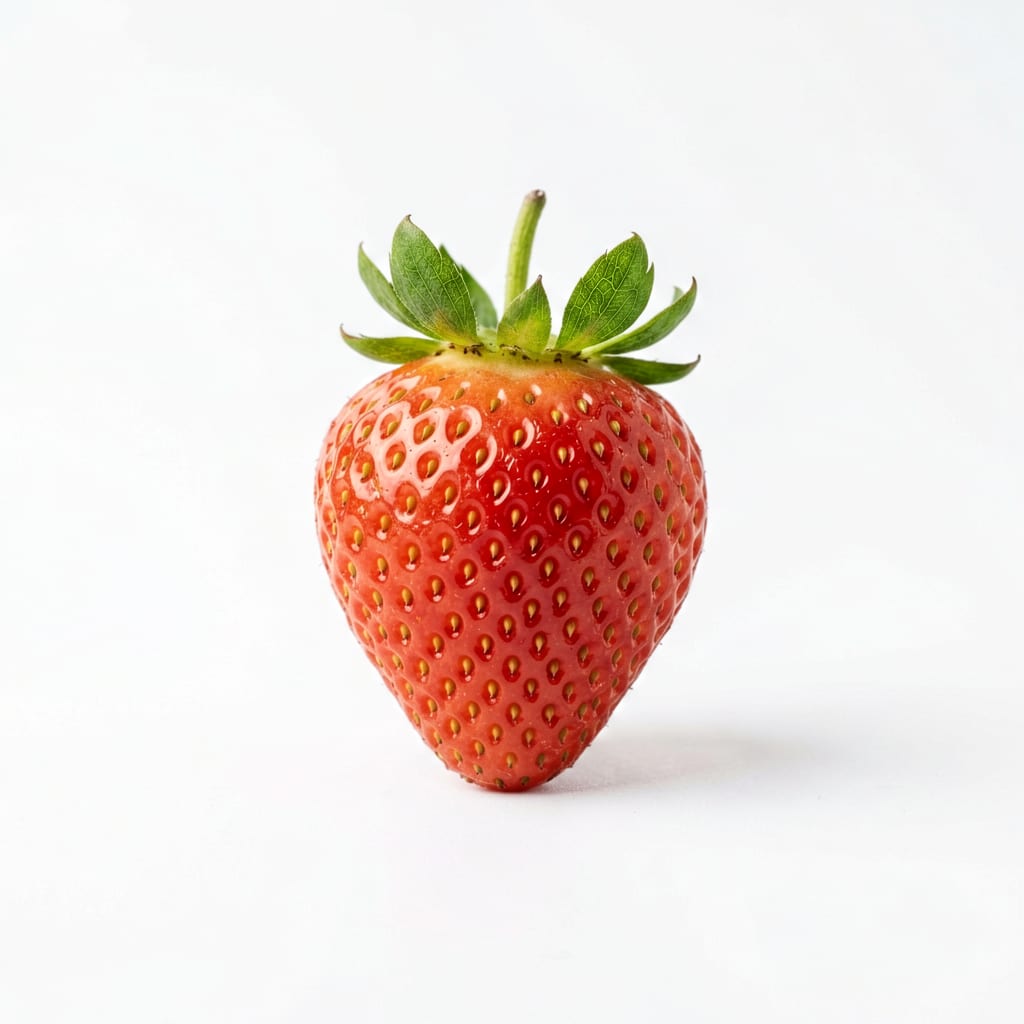
Strawberry
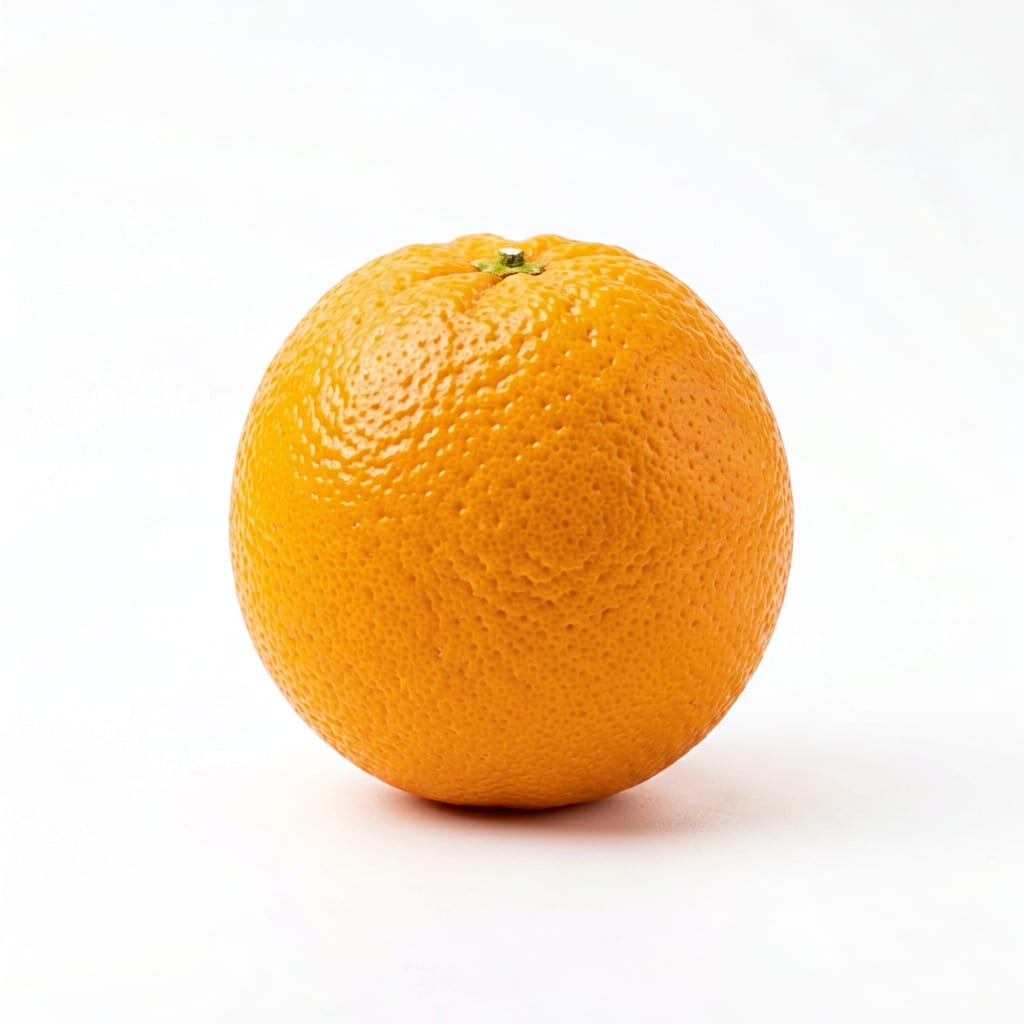
Orange
Strawberries win on sugar, calories, and antioxidant variety. Oranges win on potassium, folate, hydration, and pesticide safety. Both are excellent choices.
Strawberries edge ahead on sugar content and antioxidant variety, but oranges close the gap with superior mineral content, better pesticide safety, and greater practicality. The near-tie reflects that both are genuinely healthy choices with different strengths.
Lower sugar and more diverse antioxidants versus better mineral content and a much cleaner pesticide profile
At a glance
Executive summary
Overall
It depends
Healthier
It depends
More practical
Orange
Daily use
Orange
Key comparison lenses
vitamin c and immunity
Both foods are iconic vitamin C sources, and users commonly compare them for immune support
pesticide safety
Strawberries consistently rank #1 on the Dirty Dozen list, while oranges have thick protective peels
sugar and weight management
Strawberries have significantly less sugar per serving, making this a key differentiator for calorie-conscious users
antioxidant diversity
Strawberries offer anthocyanins and ellagic acid, while oranges provide hesperidin and flavonoids
snack convenience
Oranges are more portable and shelf-stable, strawberries are more perishable and delicate
Best choice for
Strawberry
- People watching their sugar intake closely
- Those seeking maximum antioxidant diversity
- Anyone counting calories who wants larger portions
- Smoothie enthusiasts wanting vibrant flavor without sweetness overload
Orange
- People prioritizing potassium for blood pressure or cramps
- Women needing extra folate
- Anyone concerned about pesticide exposure who cannot buy organic
- Those wanting a hydrating, filling snack on the go
Least suitable for
Strawberry
- People highly concerned about pesticide residues who cannot access organic
- Those needing a shelf-stable portable snack
- Anyone with a strawberry allergy or oral allergy syndrome
Orange
- People strictly limiting sugar or carbs
- Those who find citrus irritating to the stomach or acid reflux
- Anyone needing a low-acid fruit option
Deep comparison
Dimension by dimension
Each lens scores both foods and breaks down who each option suits.
- Dimension 1 · Priority 92Strawberry
Vitamin C & Immune Support
Strawberry · 88Orange · 82Strawberries surprisingly deliver more vitamin C per cup than a medium orange, though both easily cover daily needs.
Tradeoff
Oranges provide vitamin C alongside more supporting minerals like potassium, while strawberries offer vitamin C paired with more diverse antioxidants
Why it matters
For immune support, either fruit works well. The difference only matters if you are trying to maximize vitamin C from fewer calories.
Real-world impact
One cup of strawberries covers about 100% of your daily vitamin C. One medium orange covers about 78%. Both get you there, but strawberries are slightly more efficient per calorie.
Strawberry
- Maximizing vitamin C per calorie
- Getting vitamin C alongside anthocyanins for dual antioxidant action
Better for
- Less mineral co-delivery with the vitamin C
Worse for
Orange
- Getting vitamin C with potassium for electrolyte balance
- Pairing vitamin C with folate for cellular repair
Better for
- Slightly less vitamin C per serving
Worse for
- Dimension 2 · Priority 88Strawberry
Sugar & Blood Sugar Impact
Strawberry · 85Orange · 68Strawberries have roughly half the sugar of oranges per serving and a lower glycemic load.
Tradeoff
You get a sweeter, juicier eating experience with oranges but take in more fructose and glucose per serving
Why it matters
For anyone monitoring blood sugar, managing diabetes, or cutting calories, strawberries offer more food volume with less metabolic impact.
Real-world impact
A cup of strawberries has about 7g sugar versus 12g in a medium orange. That difference adds up if you eat fruit multiple times daily.
Strawberry
- Diabetics managing blood glucose
- Low-carb dieters who still want fruit
- Anyone trying to reduce sugar cravings without giving up sweetness
Better for
- May feel less satisfying as a standalone snack for those accustomed to sweeter fruit
Worse for
Orange
- Endurance athletes needing quick natural sugar for energy
- People who find low-sugar fruit unsatisfying
Better for
- Nearly double the sugar per serving compared to strawberries
Worse for
- Dimension 3 · Priority 88Orange
Pesticide & Safety Profile
Strawberry · 42Orange · 88Strawberries are the worst offender for pesticide residues among common fruits. Oranges are well-protected by their thick peel.
Tradeoff
Organic strawberries solve the pesticide problem but cost significantly more. Conventional oranges remain relatively safe even non-organic.
Why it matters
If you cannot afford or access organic produce, this is the single most important difference between these two fruits.
Real-world impact
Strawberries have topped the EWG Dirty Dozen list for years, often containing residues of 10+ pesticides. Oranges rank on the Clean Fifteen, with minimal residue reaching the flesh.
Strawberry
- No advantage here unless buying organic, which eliminates the concern
Better for
- High pesticide residue risk with conventional options
- Difficult to wash off thoroughly due to soft, porous skin
Worse for
Orange
- Budget-conscious shoppers who cannot buy organic
- Parents feeding young children who are more vulnerable to pesticide exposure
- Anyone wanting peace of mind without premium pricing
Better for
- Minimal concern, thick peel provides strong protection
Worse for
- Dimension 4 · Priority 75Orange
Mineral Content & Electrolytes
Strawberry · 55Orange · 84Oranges deliver substantially more potassium and folate, making them better for hydration, blood pressure, and cellular repair.
Tradeoff
Strawberries offer more manganese, but oranges dominate the minerals most people actually need more of
Why it matters
Potassium is chronically underconsumed, and folate is critical for pregnant women and cellular health. Oranges are a meaningful source of both.
Real-world impact
One medium orange provides about 230mg potassium and 40mcg folate. Strawberries offer roughly half that per serving.
Strawberry
- Getting more manganese for bone and connective tissue health
Better for
- Less helpful for potassium or folate needs
Worse for
Orange
- Supporting healthy blood pressure with potassium
- Pregnant women or those planning pregnancy needing folate
- Post-workout electrolyte replenishment
- Older adults needing cardiovascular mineral support
Better for
- Less manganese per serving
Worse for
- Dimension 5 · Priority 78Strawberry
Antioxidant Diversity
Strawberry · 86Orange · 72Strawberries provide anthocyanins and ellagic acid, which oranges lack entirely. Oranges contribute hesperidin and citrus flavonoids instead.
Tradeoff
Berry antioxidants target inflammation and cellular protection more broadly, while citrus flavonoids excel at vascular health
Why it matters
Diverse antioxidant intake is linked to better long-term health outcomes. Eating both is ideal, but strawberries offer a wider spectrum per bite.
Real-world impact
The anthocyanins that give strawberries their red color are the same compounds linked to heart and brain health benefits in berry research.
Strawberry
- Anti-inflammatory and cellular protection benefits
- Brain health support from anthocyanins
- Cancer-protective potential from ellagic acid
Better for
- Misses the specific vascular benefits of citrus flavonoids
Worse for
Orange
- Vascular and circulatory health from hesperidin
- Blood vessel elasticity support
Better for
- Lacks anthocyanins entirely, reducing anti-inflammatory breadth
Worse for
- Dimension 6 · Priority 72Orange
Convenience & Practicality
Strawberry · 58Orange · 82Oranges are more portable, shelf-stable, and durable. Strawberries spoil quickly and bruise easily.
Tradeoff
Strawberries are easier to eat quickly by the handful, but oranges survive a backpack or lunchbox without damage
Why it matters
The best fruit for you is the one you actually eat consistently. Practicality drives long-term adherence more than minor nutritional differences.
Real-world impact
Strawberries last 2-3 days in the fridge before molding. Oranges last 2-3 weeks. That matters for meal prep and reducing food waste.
Strawberry
- Quick snacking without peeling
- Adding to yogurt, oatmeal, or smoothies without prep
- Portion control through visual volume
Better for
- High spoilage rate leads to food waste
- Cannot survive rough transport
- Seasonal availability is more limited
Worse for
Orange
- Commuting or travel snacking
- Keeping fruit bowls stocked without frequent shopping
- Packing in lunch bags without bruising
- Emergency fruit when you forgot to shop recently
Better for
- Requires peeling which can be messy
- Juice can be sticky and stain
Worse for
Timeline
Health impact over time
Short-term
Hours to days
Strawberry
- Quick natural energy with minimal blood sugar spike
- Light, refreshing feeling without heaviness
- Mild satiety from fiber but less filling than oranges due to lower volume
Orange
- More noticeable blood sugar rise from higher sugar content
- Stronger feeling of fullness from water volume and fiber
- Better hydration after eating due to high water content
Long-term
Months to years
Strawberry
- Consistent intake supports anti-inflammatory and brain health pathways
- Lower cumulative sugar intake benefits metabolic health over years
- Pesticide exposure risk accumulates if consistently eating conventional strawberries
Orange
- Regular potassium intake supports cardiovascular health long-term
- Folate contributes to cellular repair and healthy aging
- Citrus flavonoids may reduce stroke risk with consistent consumption
Risk profile
Safety & processing
Both fruits are whole, unprocessed foods in their natural state. Neither contains additives when purchased fresh. The only processing concern is that frozen strawberries sometimes contain added sugar, so always check labels.
Strawberry
Pesticide residues
highStrawberries consistently rank as the most pesticide-contaminated fruit. Conventional samples often contain residues from 10+ different pesticides, including some linked to hormonal and neurological effects.
Mold and spoilage
mediumStrawberries mold rapidly, sometimes within 24-48 hours. Mold can produce mycotoxins. Always discard any berry showing signs of mold as it spreads invisibly.
Allergic reactions
mediumStrawberry allergy is relatively common, especially in children. Oral allergy syndrome can cause itching and swelling of the lips and mouth.
Orange
Citrus allergy
lowTrue citrus allergy is rare but can cause reactions ranging from mouth itching to anaphylaxis in sensitive individuals.
Acid erosion
lowFrequent orange consumption can contribute to dental enamel erosion over time due to citric acid. Rinsing with water after eating helps.
Pesticide residues
lowOranges rank on the Clean Fifteen list. The thick peel prevents most pesticides from reaching the edible flesh, making conventional oranges a low-risk choice.
Who wins for whom
Audience fit
Same foods, different winners depending on your goal.
children
OrangeOranges avoid the high pesticide concern of conventional strawberries, and kids often enjoy the sweet juiciness. The folate also supports growing bodies.
daily consumption
OrangeBetter pesticide safety, longer shelf life, and more consistent nutrient delivery make oranges more sustainable as a daily staple, especially on a budget.
diabetes
StrawberryLower glycemic load and roughly half the sugar per serving make strawberries the safer choice for blood glucose management.
elderly
OrangeMore potassium supports blood pressure and heart health, folate aids cellular repair, and the hydrating quality helps older adults who often under-consume fluids.
muscle gain
OrangeMore potassium supports muscle function and cramp prevention, and the higher sugar provides quicker post-workout glycogen replenishment.
weight loss
StrawberryFewer calories and less sugar per serving allow larger portions with less metabolic impact, making it easier to stay in a deficit while still enjoying fruit.
Your move
Decision guide
Choose Strawberry
- You are counting calories or managing blood sugar
- You buy organic produce or can afford to for high-risk fruits
- You want maximum antioxidant diversity from a single fruit
- You prefer eating fruit in smoothies, yogurt, or oatmeal
- You find berries more satisfying and enjoyable to eat regularly
Choose Orange
- You cannot buy organic and want to minimize pesticide exposure
- You need more potassium for blood pressure or muscle cramps
- You want a filling, hydrating snack that travels well
- You are pregnant or trying to conceive and need folate
- You shop infrequently and need fruit that lasts weeks
Either works if
- You simply want more whole fruit in your diet and enjoy both
- You alternate between them for antioxidant diversity
- You buy organic strawberries and want the best of both worlds
Avoid both if
- You have a fructose intolerance that limits all fruit
- You are on a very strict ketogenic diet restricting all sugar
- You have oral allergy syndrome triggered by both berries and citrus
Final recommendation
Eat both, but be strategic. Buy organic strawberries when possible to eliminate the pesticide concern, and enjoy oranges when you need something portable, hydrating, and shelf-stable. If you must choose one for daily use on a budget, oranges are the safer and more practical long-term staple.
Practical
Consumer tips
- 1
If buying conventional strawberries, soak them in a baking soda solution (1 tablespoon per 2 cups water) for 12-15 minutes to reduce surface pesticide residues
- 2
Freeze strawberries within a day of purchase to prevent mold waste. They work perfectly in smoothies straight from frozen
- 3
Choose smaller oranges over larger ones for better flavor concentration and more manageable portions
- 4
Organic strawberries cost more but eliminate the primary safety concern. If budget allows, this is the highest-impact organic purchase you can make for fruit
- 5
Mix both fruits together in a salad with mint for a broader antioxidant spectrum than either provides alone
- 6
Avoid pre-cut orange sections in stores, as vitamin C degrades rapidly once exposed to air and light