
Nutrition comparison
Strawberry vs Apple: Which Fruit Is Healthier for You?
Compare strawberry vs apple on sugar, fiber, vitamin C, satiety, and pesticide risk. Find out which fruit fits your health goals, budget, and lifestyle best.
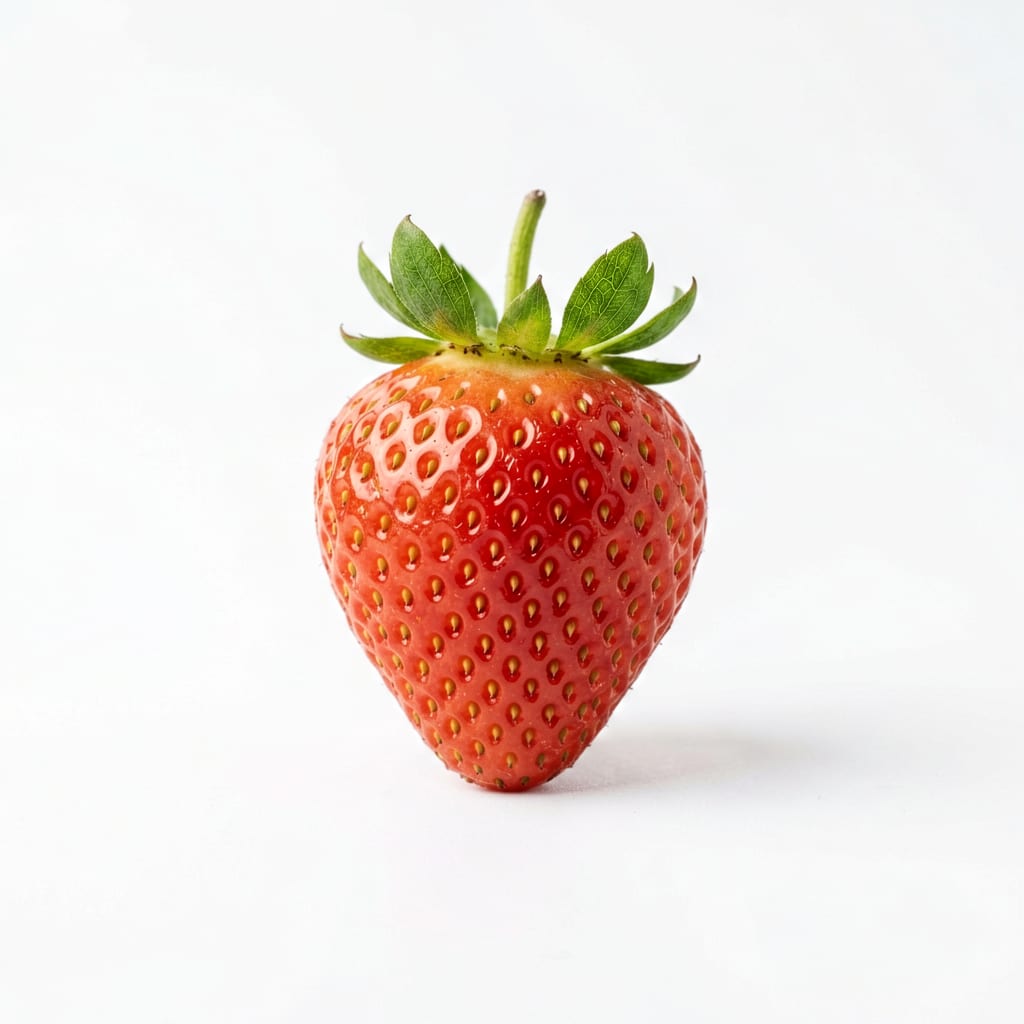
Strawberry
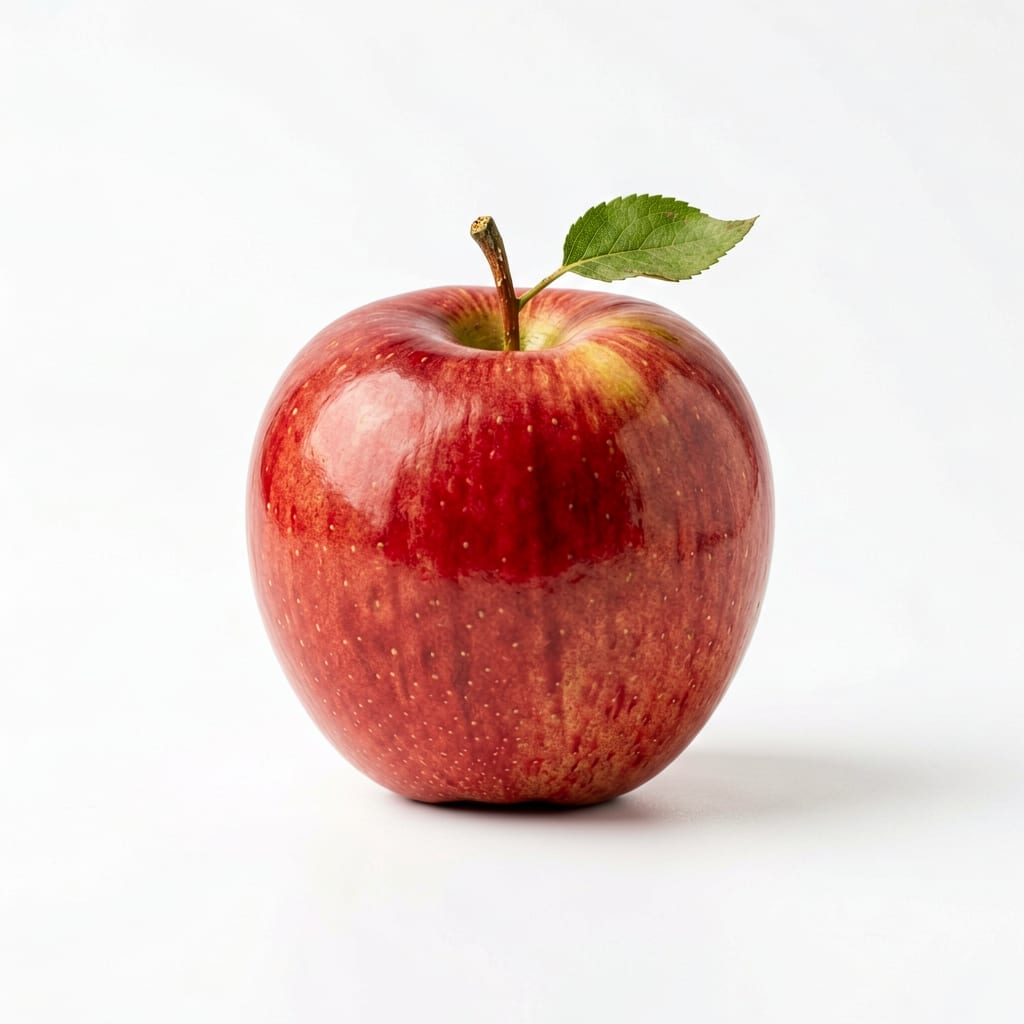
Apple
Strawberries win on vitamin C and lower sugar, apples win on fiber and staying full longer. Your pick depends on what your body needs most.
Apples edge ahead slightly due to superior satiety, fiber content, and everyday practicality. Strawberries shine nutritionally but lose points on pesticide risk, perishability, and cost-effectiveness for daily use.
Strawberries give you a vitamin C surge with less sugar, but apples keep you satisfied far longer with more fiber and easier portability.
At a glance
Executive summary
Overall
It depends
Healthier
It depends
More practical
Apple
Daily use
Apple
Key comparison lenses
everyday fruit snack choice
Both are common grab-and-go fruits people choose between daily
blood sugar and diabetes management
Significant difference in sugar content and glycemic impact between these fruits
antioxidant and vitamin priorities
Strawberries offer far more vitamin C while apples provide different polyphenols
pesticide and organic purchasing decisions
Strawberries consistently rank #1 on the Dirty Dozen list, apples also rank high
satiety and hunger control
Apples are notably more filling due to fiber density and crunch factor
Best choice for
Strawberry
- People watching their sugar intake
- Anyone needing more vitamin C
- Those managing blood sugar concerns
- Smoothie and breakfast bowl lovers
- People who prefer lighter, less filling snacks
Apple
- People who need lasting fullness between meals
- Anyone seeking convenient on-the-go fruit
- Those wanting better digestive regularity
- People trying to reduce overall calorie snacking
- Anyone budget-conscious for fruit
Least suitable for
Strawberry
- People with strawberry allergies or oral allergy syndrome
- Those concerned about pesticide exposure who cannot buy organic
- Anyone needing a long-lasting hunger solution
- People on tight grocery budgets
Apple
- People strictly limiting carbohydrate or sugar intake
- Those with apple-specific oral allergy syndrome
- Anyone wanting high vitamin C from fruit alone
- People who find apples cause bloating
Deep comparison
Dimension by dimension
Each lens scores both foods and breaks down who each option suits.
- Dimension 1 · Priority 92Strawberry
Vitamin and Antioxidant Density
Strawberry · 91Apple · 62Strawberries deliver roughly 8 times more vitamin C per serving than apples and offer a different antioxidant profile centered around ellagic acid and anthocyanins.
Tradeoff
You get a potent vitamin C hit from strawberries but miss out on quercetin and the specific apple polyphenols linked to lung and brain health.
Why it matters
Vitamin C supports immune function, skin health, and iron absorption. Most people do not get enough, making strawberries an efficient source.
Real-world impact
A cup of strawberries covers nearly your entire daily vitamin C needs. You would need to eat 4-5 apples to match that.
Strawberry
- Immune support during cold season
- Skin health and collagen production
- Iron absorption when eaten with iron-rich meals
Better for
- Vitamin C degrades quickly with storage and cutting
- Less diverse polyphenol profile than apples over time
Worse for
Apple
- Quercetin-related anti-inflammatory benefits
- Potential lung health support
- Age-related cognitive decline protection
Better for
- Inadequate as a standalone vitamin C source
- Lower overall antioxidant concentration per calorie
Worse for
- Dimension 2 · Priority 90Strawberry
Blood Sugar and Glycemic Impact
Strawberry · 84Apple · 68Strawberries have significantly less sugar and a lower glycemic load, making them gentler on blood sugar.
Tradeoff
Strawberries keep your blood sugar steadier, but the smaller serving size means you might eat more to feel satisfied, partially offsetting the advantage.
Why it matters
Blood sugar spikes drive cravings, fatigue, and long-term metabolic risk. Choosing lower-sugar fruit helps avoid the afternoon energy crash.
Real-world impact
A cup of strawberries has about 7g of sugar versus a medium apple at 19g. That difference is felt within 30 minutes of eating.
Strawberry
- People with prediabetes or diabetes
- Anyone trying to reduce sugar cravings
- Low-carb diet followers who still want fruit
Better for
- May not provide enough energy for intense activity days
Worse for
Apple
- Athletes needing quick energy before or after exercise
- Active people who tolerate carbohydrates well
Better for
- Can trigger hunger rebound in sugar-sensitive individuals
- Requires more insulin response than berries
Worse for
- Dimension 3 · Priority 88Apple
Satiety and Fullness
Strawberry · 58Apple · 87Apples are dramatically more filling due to higher fiber, greater volume, and the satisfying crunch factor that slows eating speed.
Tradeoff
Apples keep you full for hours but come with more sugar. Strawberries are lighter and less filling, which can be a pro or con depending on your goals.
Why it matters
Satiety is the single biggest factor in whether a snack prevents overeating later. A food that fails to fill you up often leads to more snacking.
Real-world impact
An apple at 3pm can easily hold you until dinner. A cup of strawberries might leave you reaching for something else within an hour.
Strawberry
- Light snacking before a meal where you want to save appetite
- Hot weather when heavy food feels unappealing
Better for
- Unlikely to prevent overeating at the next meal
- Easy to overconsume without feeling full
Worse for
Apple
- Bridging long gaps between meals
- Preventing late-afternoon vending machine visits
- Replacing higher-calorie snacks sustainably
Better for
- Can feel too heavy right before exercise
- May suppress appetite for nutrient-dense meals if timed poorly
Worse for
- Dimension 4 · Priority 85Apple
Fiber Content and Digestive Health
Strawberry · 60Apple · 86A medium apple provides about 4.5g of fiber versus 3g in a cup of strawberries. Apples also contain pectin, a soluble fiber with proven gut health benefits.
Tradeoff
Apples are a better fiber source per serving, but strawberries offer more diverse fiber types at lower caloric cost if you eat larger volumes.
Why it matters
Fiber regulates digestion, feeds beneficial gut bacteria, and helps control cholesterol. Most people fall far short of daily recommendations.
Real-world impact
Eating an apple covers roughly 15-20% of your daily fiber needs in one convenient package. Strawberries require larger portions to match that.
Strawberry
- People who eat large volumes of fruit and accumulate fiber across sources
- Anyone needing gentler fiber that is less likely to cause bloating
Better for
- Less efficient fiber delivery per serving
- Need to eat more volume to match apple fiber
Worse for
Apple
- Anyone struggling to hit 25-30g fiber daily
- People needing digestive regularity support
- Cholesterol management through soluble fiber intake
Better for
- Pectin can cause gas in sensitive individuals
- High fiber can interfere with medication absorption if eaten simultaneously
Worse for
- Dimension 5 · Priority 83Apple
Pesticide and Contamination Risk
Strawberry · 42Apple · 55Strawberries rank #1 on the EWG Dirty Dozen list year after year. Apples also rank in the top 5 but have slightly lower pesticide burden overall.
Tradeoff
Neither fruit is clean from pesticides unless organic, but strawberries carry more residue types and higher concentrations. Both warrant organic preference.
Why it matters
Chronic pesticide exposure is linked to hormonal disruption, neurological concerns, and cancer risk. Frequent consumption of high-residue produce amplifies exposure.
Real-world impact
If you eat strawberries daily, going organic is nearly essential. With apples, organic still matters but the risk gap between conventional and organic is slightly smaller.
Strawberry
- No clear advantage here; strawberries carry more pesticide risk
Better for
- Consistently the most pesticide-contaminated fruit tested
- Thin skin means you eat whatever was sprayed on them
- Multiple fungicides often detected per sample
Worse for
Apple
- Slightly lower pesticide residue burden
- Thicker skin provides more barrier than strawberry skin
Better for
- Still a Dirty Dozen regular
- Diphenylamine treatment on some conventional apples is controversial
Worse for
- Dimension 6 · Priority 80Apple
Practicality and Convenience
Strawberry · 55Apple · 88Apples are one of the most portable, shelf-stable fruits available. Strawberries are fragile, perishable, and require refrigeration and careful handling.
Tradeoff
Apples can sit on a counter for weeks and travel in a bag without damage. Strawberries mold within days and bruise in transit.
Why it matters
The best healthy food is the one you actually eat consistently. Perishability and inconvenience are major reasons people abandon fruit purchases.
Real-world impact
You can toss an apple in your car, desk, or gym bag in the morning and eat it at 4pm. Strawberries need a container, cooler, and gentle handling.
Strawberry
- Quick rinsing and immediate eating at home
- Blending into smoothies or topping breakfast bowls
Better for
- Mold within 2-3 days of purchase
- Cannot survive loose in a bag or pocket
- Seasonal quality varies dramatically
Worse for
Apple
- Commuting and travel snacking
- Emergency desk drawer or car fruit
- Meal prep that sits all day without spoilage
Better for
- Browning after cutting limits pre-slicing for meal prep
- Core and seeds require disposal
Worse for
- Dimension 7 · Priority 75Apple
Cost and Accessibility
Strawberry · 52Apple · 82Apples are consistently one of the most affordable fruits year-round. Strawberries are expensive outside peak season and offer less edible weight per dollar.
Tradeoff
Apples deliver more calories, fiber, and satiety per dollar spent. Strawberries cost more but provide premium vitamin C and antioxidant value when in season.
Why it matters
Budget determines what people actually buy weekly. An expensive fruit that goes bad quickly feels like a waste, creating purchase resistance.
Real-world impact
A bag of apples can cost $3-4 and last two weeks. An equivalent spend on strawberries gives you 2-3 days of fruit that spoils fast.
Strawberry
- In-season local strawberries offer reasonable value
- Frozen strawberries are cost-effective and retain nutrients
Better for
- Off-season prices can be 3-4x apple prices
- High spoilage rate means wasted money
- Organic strawberries are among the most expensive fruits per pound
Worse for
Apple
- Year-round stable pricing
- Bulk buying works without spoilage anxiety
- Available in every grocery store and convenience market
Better for
- Specialty apple varieties can be pricey
- Organic apples still carry a meaningful premium
Worse for
Timeline
Health impact over time
Short-term
Hours to days
Strawberry
- Quick vitamin C boost supporting immediate immune function
- Light hydration from high water content
- Lower likelihood of post-snack sugar crash
- Possible oral allergy symptoms in birch pollen-sensitive individuals
Apple
- Noticeable fullness that reduces hunger for 2-3 hours
- Steadier energy release from pectin-slowed sugar absorption
- Mild blood sugar rise that may trigger cravings in sensitive people
- Chewing satisfaction that signals satiety to the brain
Long-term
Months to years
Strawberry
- Consistent vitamin C intake supports skin aging defense and immune resilience
- Anthocyanin and ellagic acid intake linked to reduced cancer risk markers
- Lower cumulative sugar exposure benefits metabolic health over decades
- Pesticide exposure risk accumulates if conventionally grown strawberries are eaten daily
Apple
- Regular pectin intake supports cholesterol reduction and gut microbiome diversity
- Quercetin accumulation associated with reduced lung cancer and asthma risk
- Consistent fiber intake improves long-term digestive health and regularity
- Higher daily sugar contribution may subtly impact metabolic health if not offset elsewhere
Risk profile
Safety & processing
Both strawberries and apples are whole, unprocessed fruits when eaten fresh. The main concern is not processing but agricultural chemical exposure. Conventional strawberries carry significantly more pesticide residue than conventional apples, making organic selection more critical for strawberries.
Strawberry
Pesticide residue
highStrawberries top the EWG Dirty Dozen list with an average of 7-8 different pesticides detected per sample. Some samples show over 20 residues. Organic is strongly recommended for frequent consumers.
Mold and mycotoxins
mediumStrawberries mold rapidly and can harbor mold toxins beneath the surface before visible signs appear. Inspect carefully and discard any soft or discolored berries.
Foodborne illness
mediumStrawberries have been linked to hepatitis A and norovirus outbreaks due to their growing proximity to soil and hand-picking harvest methods. Thorough washing is essential.
Apple
Pesticide residue
mediumApples consistently rank in the EWG Dirty Dozen top 5. Diphenylamine, a post-harvest treatment, is banned in Europe but permitted in the US. Organic is advisable for daily consumers.
Wax coatings
lowConventional apples often receive shellac or carnauba wax coatings to improve appearance and shelf life. These are generally recognized as safe but can trap pesticide residue under the wax.
Cyanogenic seeds
lowApple seeds contain amygdalin, which releases cyanide when crushed. Accidentally swallowing a few seeds is harmless, but deliberately eating large quantities of crushed seeds could be dangerous.
Who wins for whom
Audience fit
Same foods, different winners depending on your goal.
children
AppleApples are less allergenic, easier to pack for school, and their natural sweetness and crunch make them a reliable kid-friendly option. Strawberries are a common oral allergen for children.
daily consumption
AppleApples are more affordable, last longer, travel better, and provide consistent fiber. Their practicality makes daily consumption realistic, whereas strawberries require more effort and cost to maintain as a daily habit.
diabetes
StrawberryStrawberries have roughly one-third the sugar of an apple and a lower glycemic load, making them significantly gentler on blood glucose management.
elderly
AppleApples provide more fiber for digestive regularity, which is a common concern with aging. Softer apple varieties are easy to chew, and the fiber helps manage cholesterol.
muscle gain
AppleNeither fruit is a muscle-building food, but apples offer more carbohydrate energy for training and are easier to eat pre-workout without digestive discomfort.
weight loss
AppleApples provide significantly more satiety per calorie, reducing the likelihood of overeating later. The crunch factor and fiber slow consumption, giving your brain time to register fullness.
Your move
Decision guide
Choose Strawberry
- You are actively managing blood sugar, prediabetes, or diabetes
- You want maximum vitamin C from a whole food source
- You eat organic and can afford the premium for daily berries
- You prefer lighter snacks that do not fill you up too much
- You blend fruit into smoothies or top yogurt and oatmeal
Choose Apple
- You need a snack that actually keeps you full between meals
- You want affordable, portable fruit for busy days
- You are trying to increase daily fiber intake consistently
- You pack lunch or snacks for work, school, or travel
- You want fruit that lasts more than a few days in your kitchen
Either works if
- You simply want more whole fruit in your diet regardless of type
- You rotate fruits seasonally and enjoy both at different times
- You are meeting nutrient needs from other sources and just want variety
Avoid both if
- You have oral allergy syndrome triggered by both birch-related fruits
- You are on a strict very-low-carb or ketogenic diet
- You have fructose intolerance or malabsorption issues
Final recommendation
Keep both in rotation but lean toward apples for everyday reliability and strawberries for targeted nutrition. Buy organic strawberries whenever possible due to their pesticide profile. Frozen organic strawberries are a smart budget compromise that retains vitamin C and eliminates spoilage waste. For daily snacking, apples win on consistency and satiety. For nutrient density per calorie, strawberries are the sharper tool.
Practical
Consumer tips
- 1
If buying conventional strawberries, soak them in a baking soda solution (1 tablespoon per 2 cups water) for 12-15 minutes to reduce surface pesticide residue more effectively than water alone.
- 2
Buy frozen organic strawberries for smoothies and breakfast bowls. They are picked at peak ripeness, cost less than fresh organic, and retain nearly all their vitamin C.
- 3
Choose smaller apples when possible. They have higher skin-to-flesh ratio, meaning more fiber and polyphenols per bite.
- 4
Do not peel apples. Roughly half the fiber and most of the antioxidants are in or just under the skin.
- 5
Store strawberries unwashed in a paper towel-lined container in the fridge. Wash only right before eating to prevent mold acceleration.
- 6
If apples cause bloating, try eating them cooked. Baked or sautéed apples break down the fructose and fiber enough to reduce gas while retaining most nutrients.