
Grains and Pasta
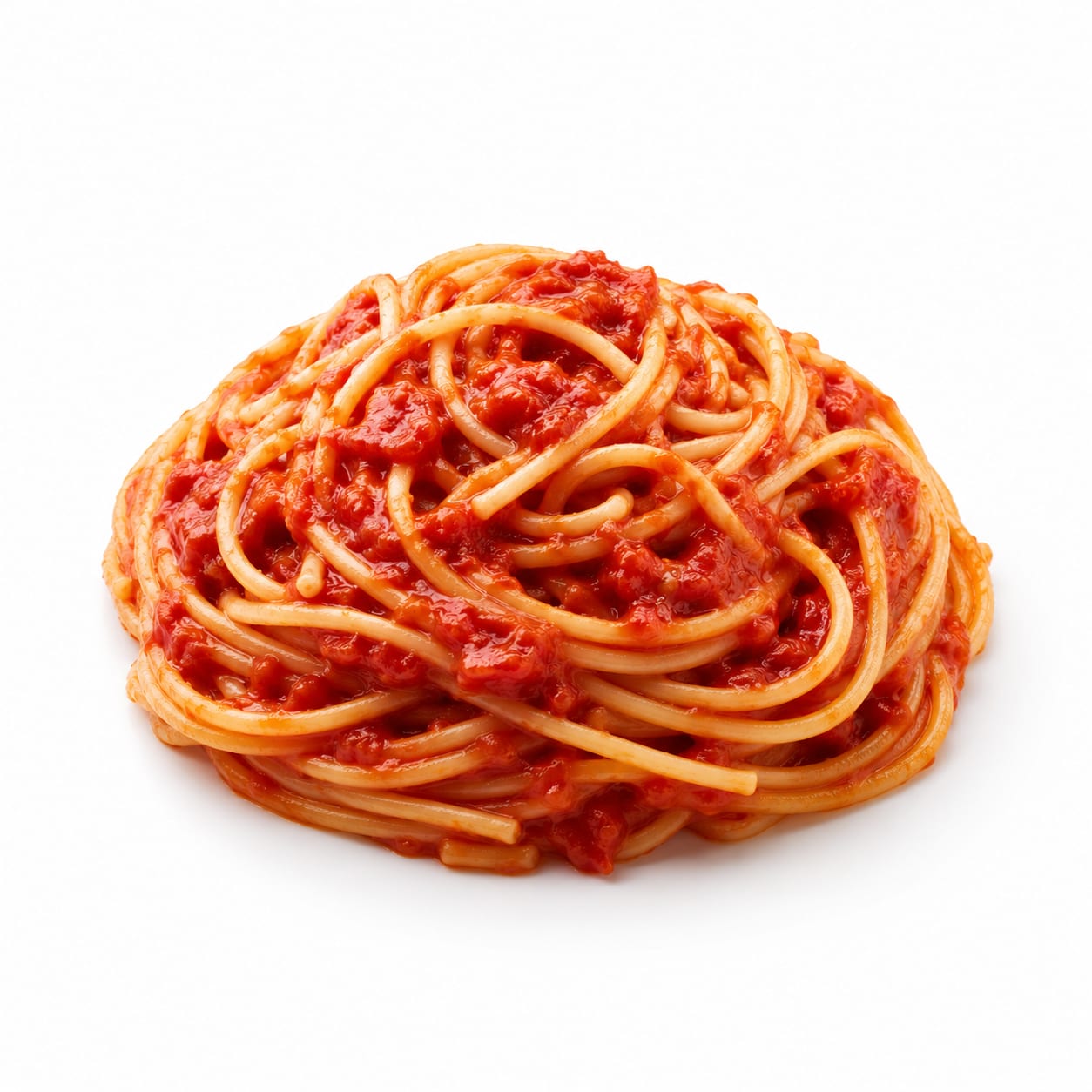
Spaghetti
A traditional Italian pasta made from durum wheat, serving as a dense carbohydrate base for meals.
Spaghetti is a long, thin, solid, cylindrical pasta traditionally made from durum wheat semolina and water, serving as a staple carbohydrate source in many cuisines.
fast-digesting refined carbohydrate source
Typical serving · 140g
Common varieties · regular refined, whole wheat, gluten-free, fresh egg, spinach +1 more
Overall context score across nutrition, safety, and diet fit
The story
What makes it unique
Refined spaghetti is a fast-digesting carbohydrate with low fiber content, leading to moderate satiety and a rapid glycemic response unless consumed al dente. Its macronutrient profile is heavily skewed toward starch, with minimal fat and moderate protein from gluten. Processing removes the bran and germ, stripping away most micronutrients unless the product is enriched.
Varieties: regular refined · whole wheat · gluten-free · fresh egg · spinach · artisan bronze-die
Per 100g
Nutrition breakdown
Macro balance and key metrics at a glance.
Energy
Density 1.58 kcal/g
Protein
Carbs
Fat
Fiber
Sugar
0.6 g
Sodium
1 mg
Potassium
44 mg
Glycemic index
58
Glycemic load
28
Water content
62%
Standout compounds
Nutrient highlights
Carbohydrates
highRapid energy source for muscles and brain
Manganese
moderateSupports bone health and metabolic function
Iron
moderateEssential for oxygen transport in blood
Selenium
moderateProvides antioxidant protection for cells
Wellness map
Health scores & processing
NOVA processing scale
moderate · Whole food
Commercial dry spaghetti is made from refined flour extracted from whole wheat, stripping away the bran and germ, constituting a processed culinary ingredient.
Diet compatibility
- Weight loss
- Muscle gain
- Diabetes
- Gut health
- Low carb
- High protein
- Heart health
Relative standing
Food rankings
Qualitative ranks compared to similar whole foods.
- Satietypoor
- Blood sugarpoor
- Nutrient densitymoderate
- Fitness fuelgood
- Processing qualitymoderate
Eat with confidence
Food safety profile
Dry spaghetti poses very low food safety risks due to its low moisture content, which prevents microbial growth. Primary concerns relate to agricultural inputs like pesticide residues on conventional wheat.
Evidence confidence 95%
- Pesticideslow
- Antibioticslow
- Heavy metalslow
- Contaminationlow
Watch for
- mycotoxins from wheat storage
- pesticide residues from conventional farming
Safer choices
Organic durum wheat spaghetti eliminates synthetic pesticide exposure and often retains better flavor profiles.
Prep tips
Ensure dry pasta is stored in a cool, dry place to prevent mold. Boiling thoroughly eliminates potential surface contaminants.
Standard durum wheat farming uses pesticides, but processing and cooking minimize residue. Enriched flours are strictly regulated for additive levels.
Deep dive
Health analysis
How this food may fit different goals and preparation choices.
Weight loss
Low fiber and high energy density make portion control difficult, often leading to accidental caloric surpluses during meals.
Blood sugar
Refined carbohydrates cause a rapid rise in blood glucose; cooking al dente lowers the glycemic index by slowing starch gelatinization.
Fitness & energy
Easily digestible carbohydrates provide quick fuel for high-intensity exercise and efficient glycogen replenishment post-workout.
Gut health
Low fiber content offers minimal prebiotic benefits, providing little support for a diverse gut microbiome compared to whole grains.
Processing quality
Refined wheat flour is stripped of the bran and germ, removing natural vitamins, minerals, and healthy fats, though commercial varieties are often enriched.
Food safety
Very low risk of microbial contamination when stored dry; boiling eliminates potential surface pathogens effectively.
Common mistakes
Overcooking increases the glycemic index significantly; adding heavy cream or oil-based sauces drastically increases calorie density without improving satiety.
Best preparation
Cook al dente to slow digestion and pair with lean proteins, healthy fats, and high-fiber vegetables to balance the meal.
Practical guide
Best use cases
When and how this food fits real eating patterns.
Pre-workout carb loading
Provides easily digestible carbohydrates to maximize glycogen stores for high-intensity or endurance exercise.
Post-workout recovery
Rapidly replenishes depleted muscle glycogen when paired with a lean protein source.
Budget-friendly calorie source
Offers a low-cost, shelf-stable, and dense calorie option for high-calorie diets.
Balance sheet
Pros & cons
Upsides
- Provides quick, easily accessible energy
- Highly versatile base for many recipes
- Long shelf life and low cost
- Low in fat and sodium naturally
- Typally enriched with B vitamins and iron
Trade-offs
- Very low in dietary fiber
- Causes rapid blood sugar spikes
- Easy to overconsume due to low satiety
- Refined grain stripped of natural nutrients
- High glycemic load in standard portions
Fit check
Who is it for?
Great match
- endurance athletes
- pre-workout fueling
- carb-loading phases
- underweight individuals needing calories
Consider alternatives
- strict low-carb diets
- blood sugar management
- high-volume eating for weight loss
- high-fiber diets
Side by side
How it compares
Open the full head-to-head analysis for nutrition, safety, and practical tradeoffs.
This food
Spaghetti
VS95% alike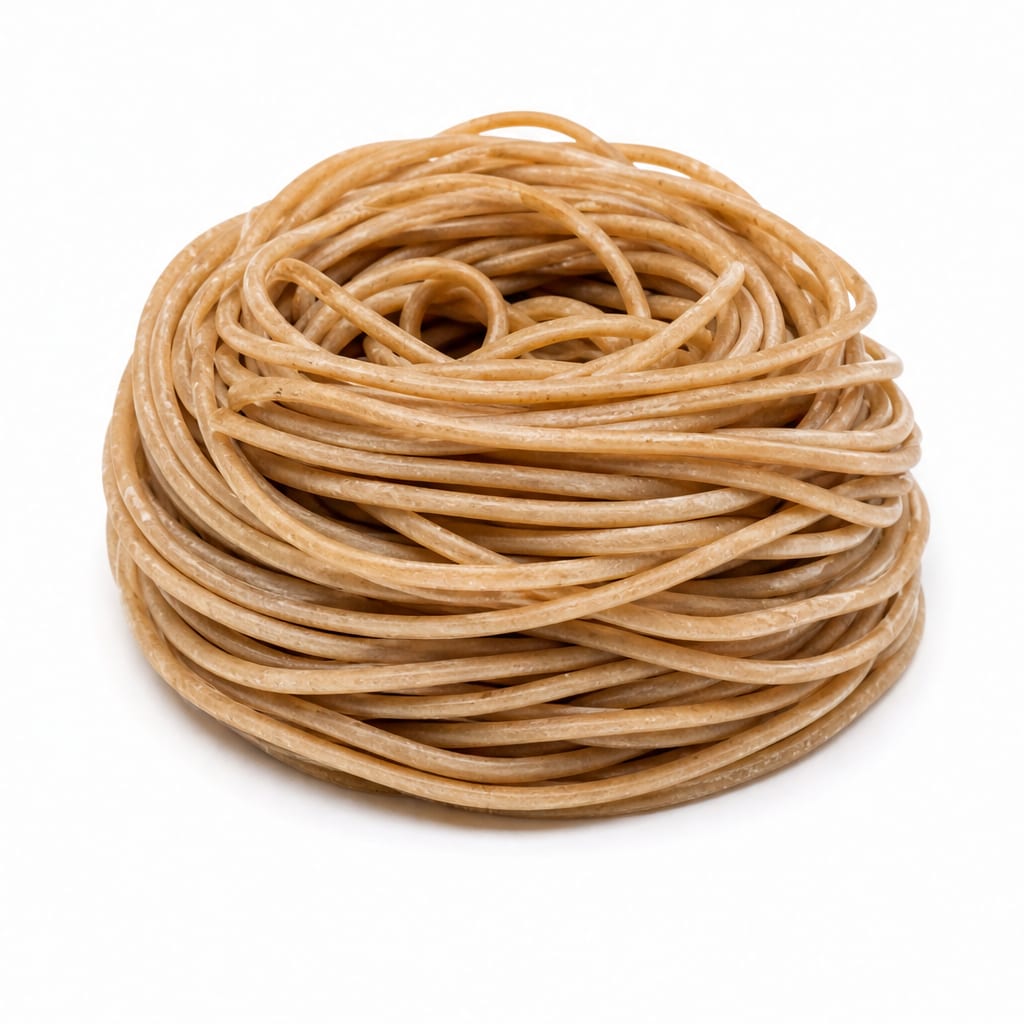
Compare with
Whole wheat spaghetti
Whole wheat spaghetti offers significantly more fiber and nutrients, slowing digestion and improving satiety compared to the rapid digestion of refined spaghetti.
Whole wheat spaghetti beats regular spaghetti for weight loss and blood sugar control due to its higher fiber content, while providing similar workout fuel.
This food
Spaghetti
VS85% alike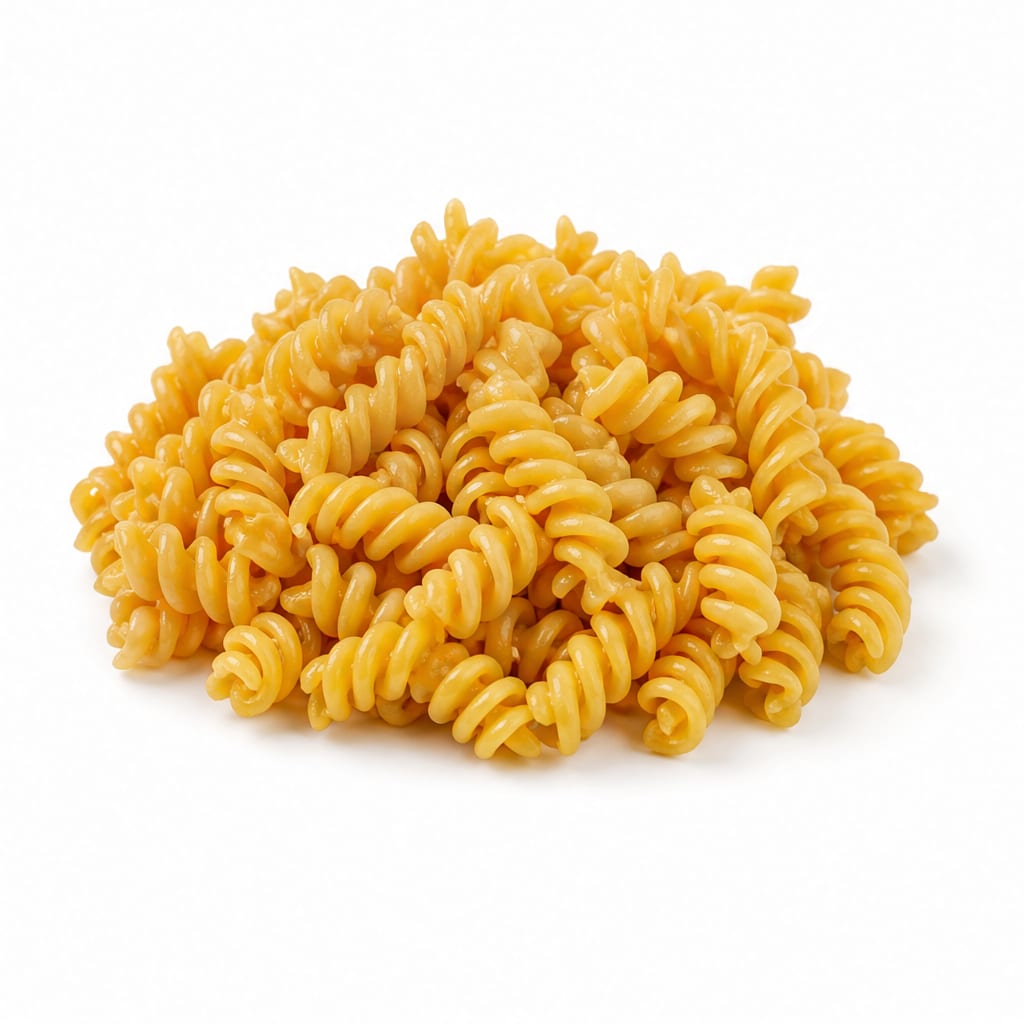
Compare with
Chickpea pasta
Chickpea pasta provides far more protein and fiber than regular spaghetti, drastically reducing the glycemic impact and increasing satiety.
Chickpea pasta provides far more protein and fiber than regular spaghetti, making it better for blood sugar control and weight loss.
This food
Spaghetti
VS80% alike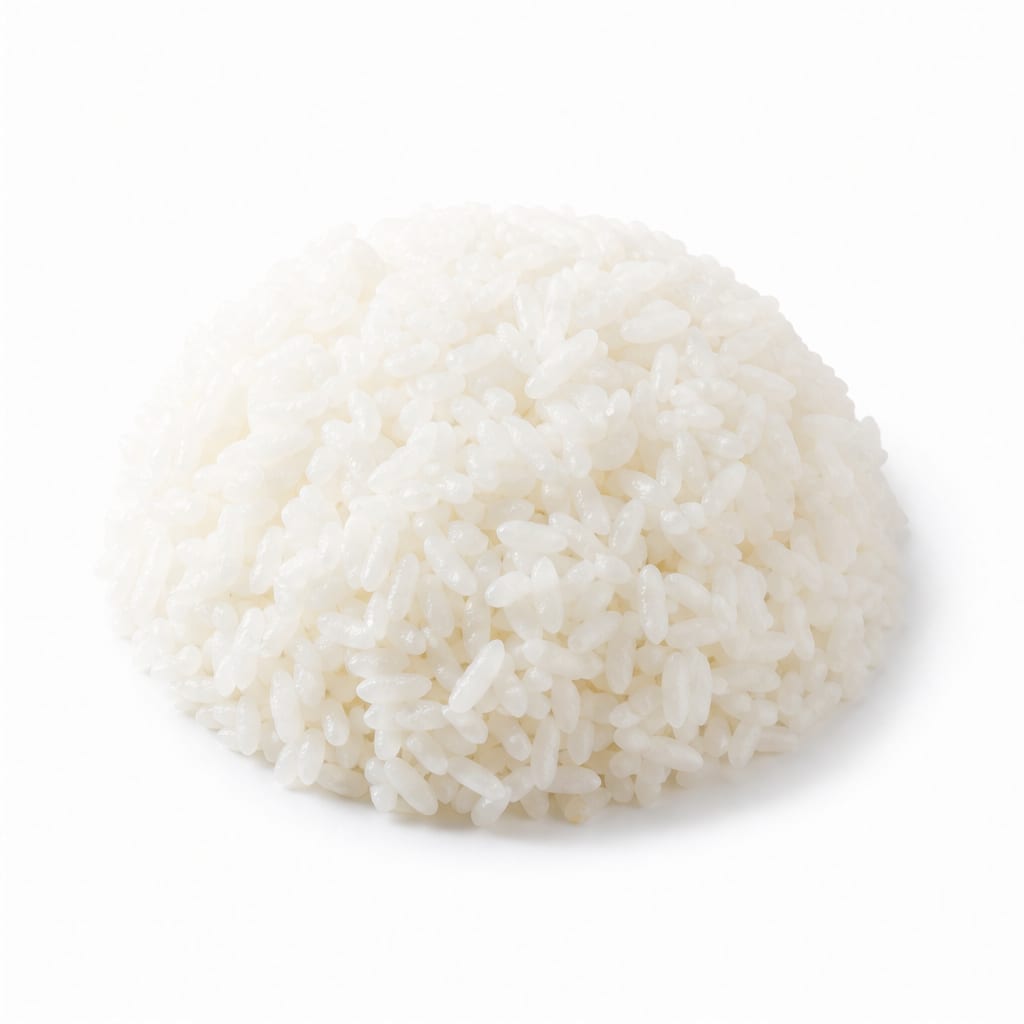
Compare with
White rice
Both are refined carbs with similar blood sugar impacts, but white rice is often served plain while spaghetti is paired with sauces that add calories.
White rice and spaghetti offer similar refined carbs and workout fuel, but spaghetti often carries higher calorie sauces.
This food
Spaghetti
VS70% alike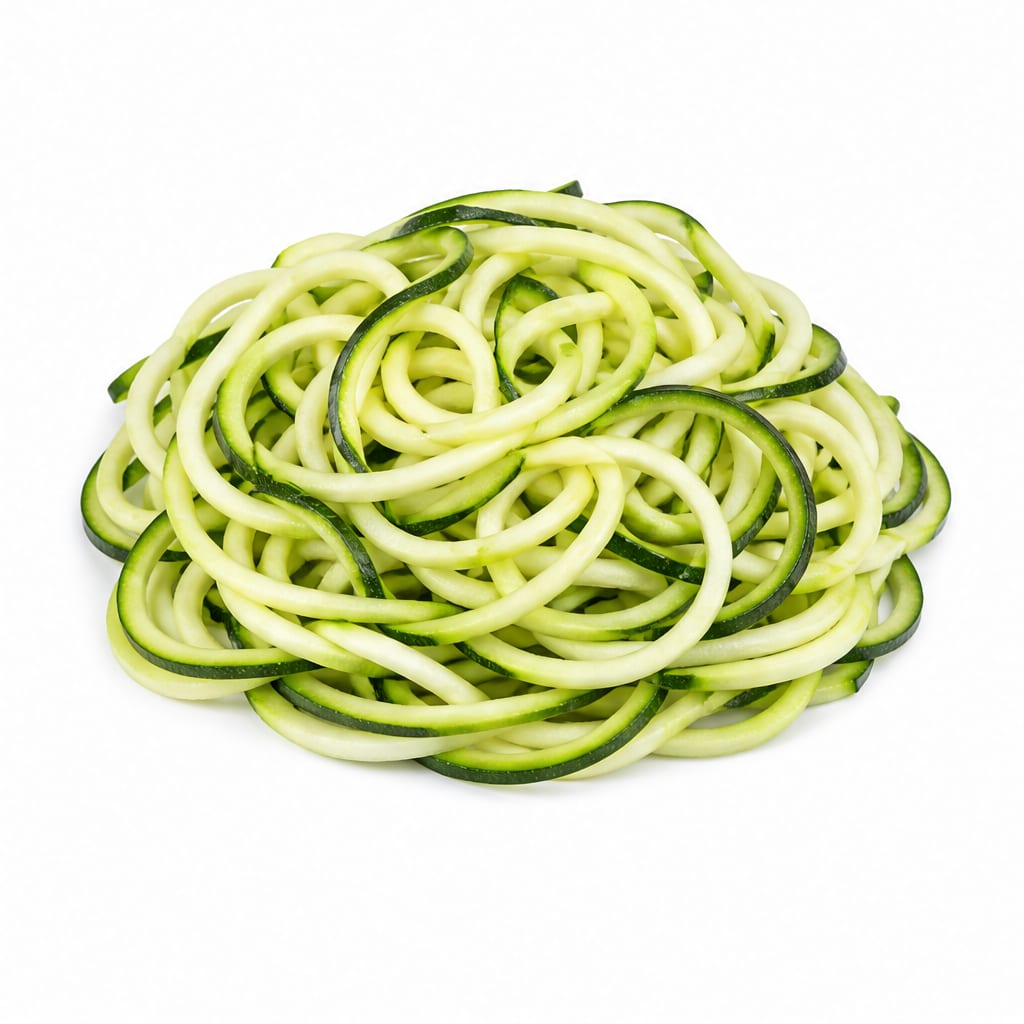
Compare with
Zucchini noodles
Zucchini noodles are dramatically lower in calories and carbs, making them superior for weight loss, though they provide almost no macronutrient fuel for athletes.
Zucchini noodles are far lower in calories and better for weight loss, while spaghetti provides the actual carbohydrate fuel needed for intense workouts.
This food
Spaghetti
VS70% alike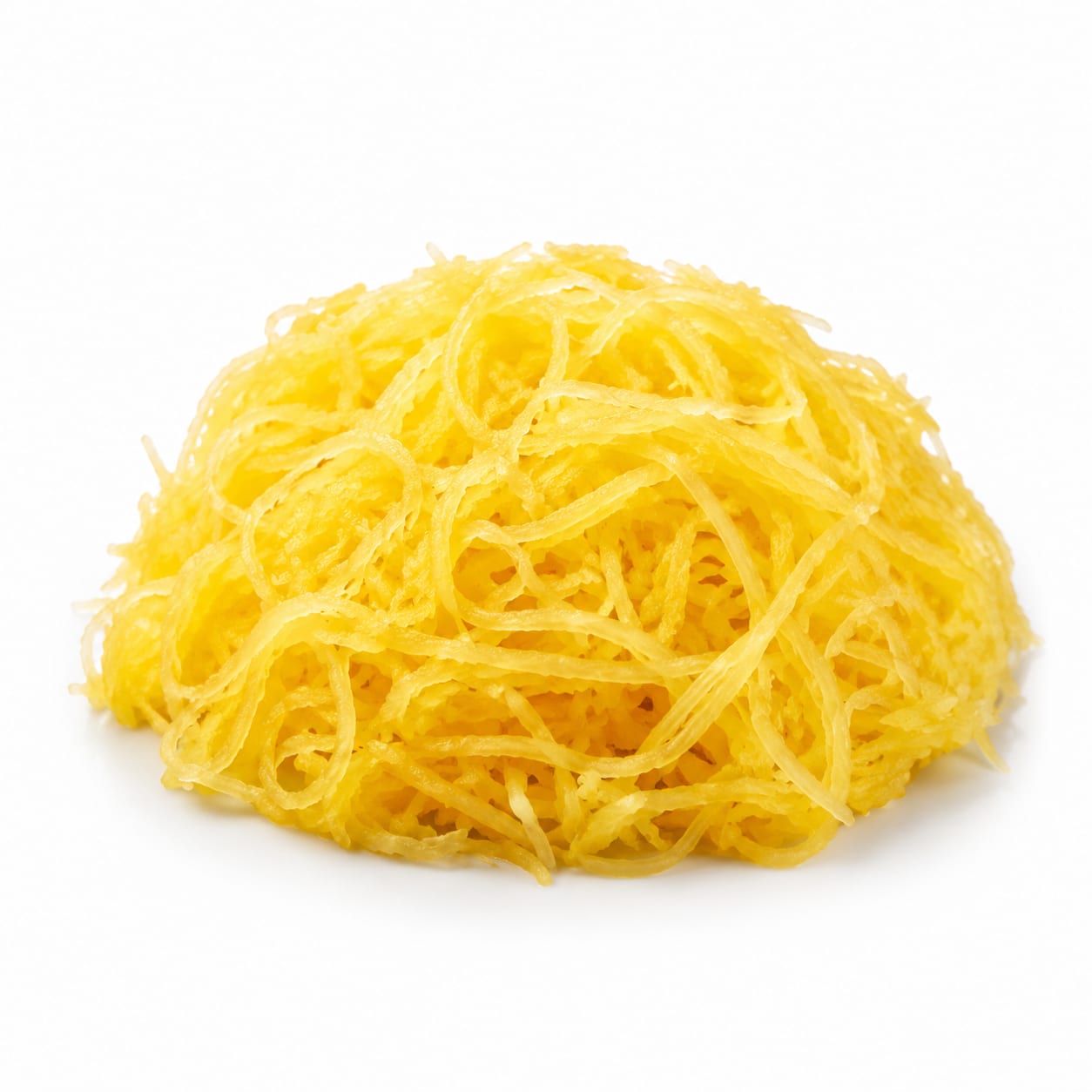
Compare with
Spaghetti squash
Spaghetti squash is a low-calorie, high-volume vegetable that mimics pasta shape without the refined carbs, offering better blood sugar control.
Spaghetti squash offers a low-calorie, blood-sugar-friendly alternative to regular spaghetti, which remains the better choice for pre-workout energy.
This food
Spaghetti
VS65% alike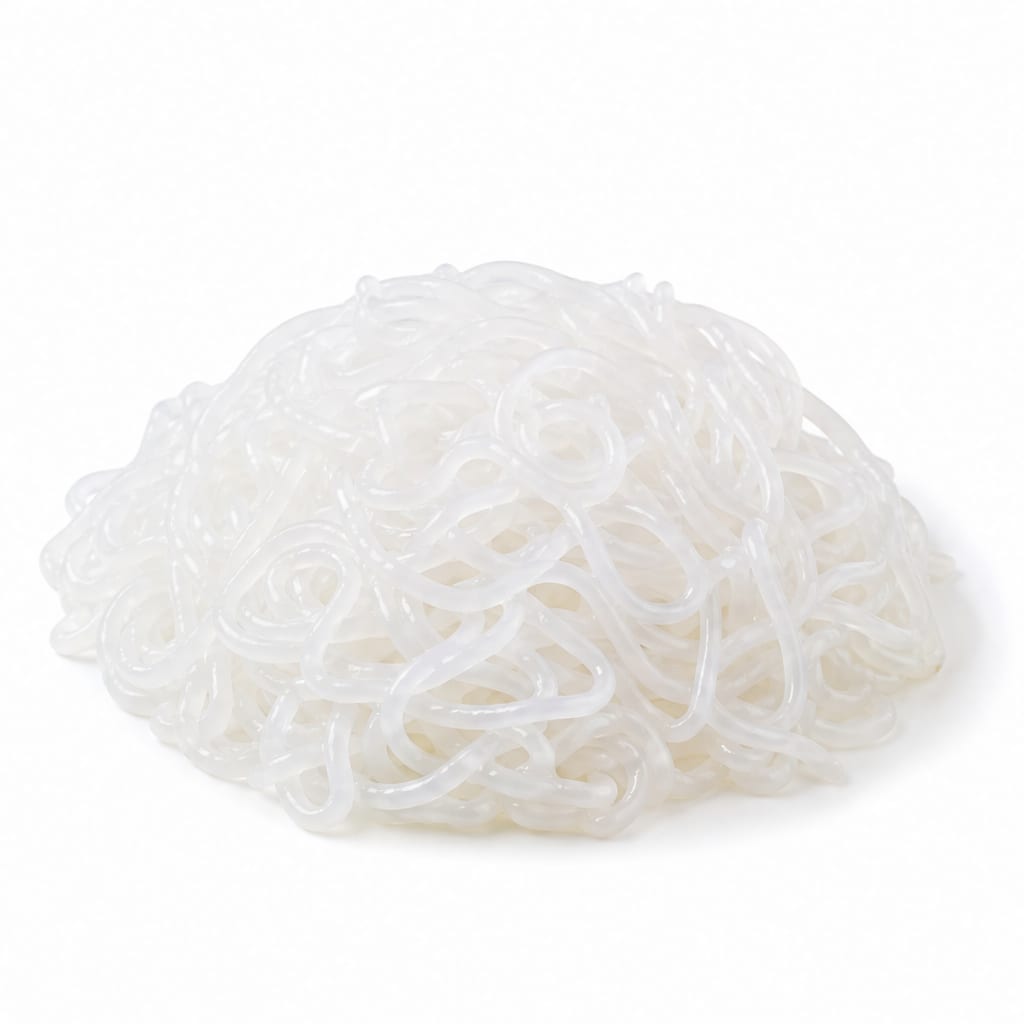
Compare with
Shirataki noodles
Shirataki noodles contain virtually zero digestible carbs and calories, making them ideal for weight loss, but they provide zero energy for fitness performance.
Shirataki noodles win for weight loss and blood sugar with near-zero calories, while spaghetti is necessary for actual athletic energy fuel.
This food
Spaghetti
VS75% alike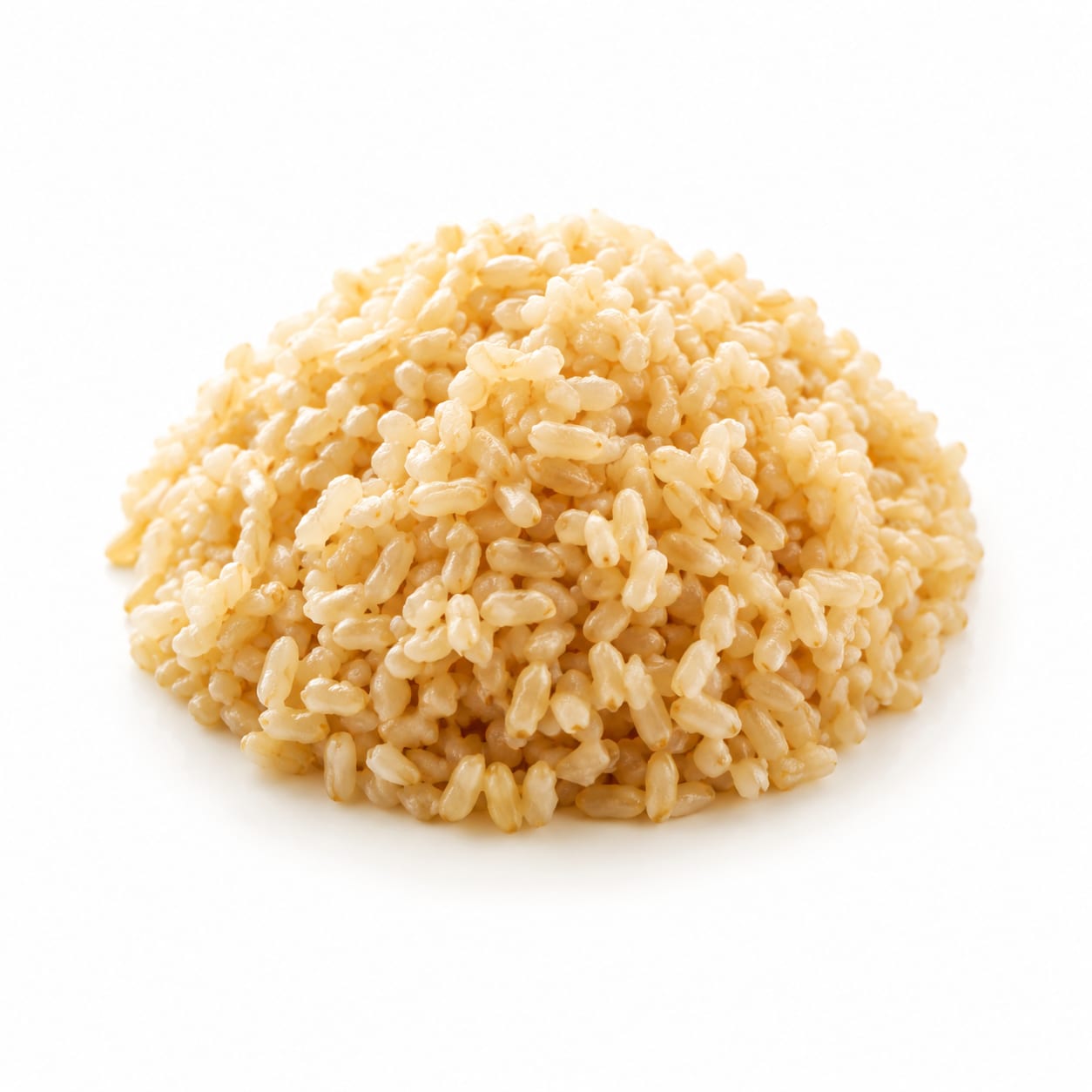
Compare with
Brown rice
Brown rice retains its bran and germ, offering more fiber and a lower glycemic impact than refined spaghetti, though it provides slightly less protein per serving.
Brown rice provides more fiber and better blood sugar control than refined spaghetti, though spaghetti offers slightly quicker energy for workouts.
This food
Spaghetti
VS65% alike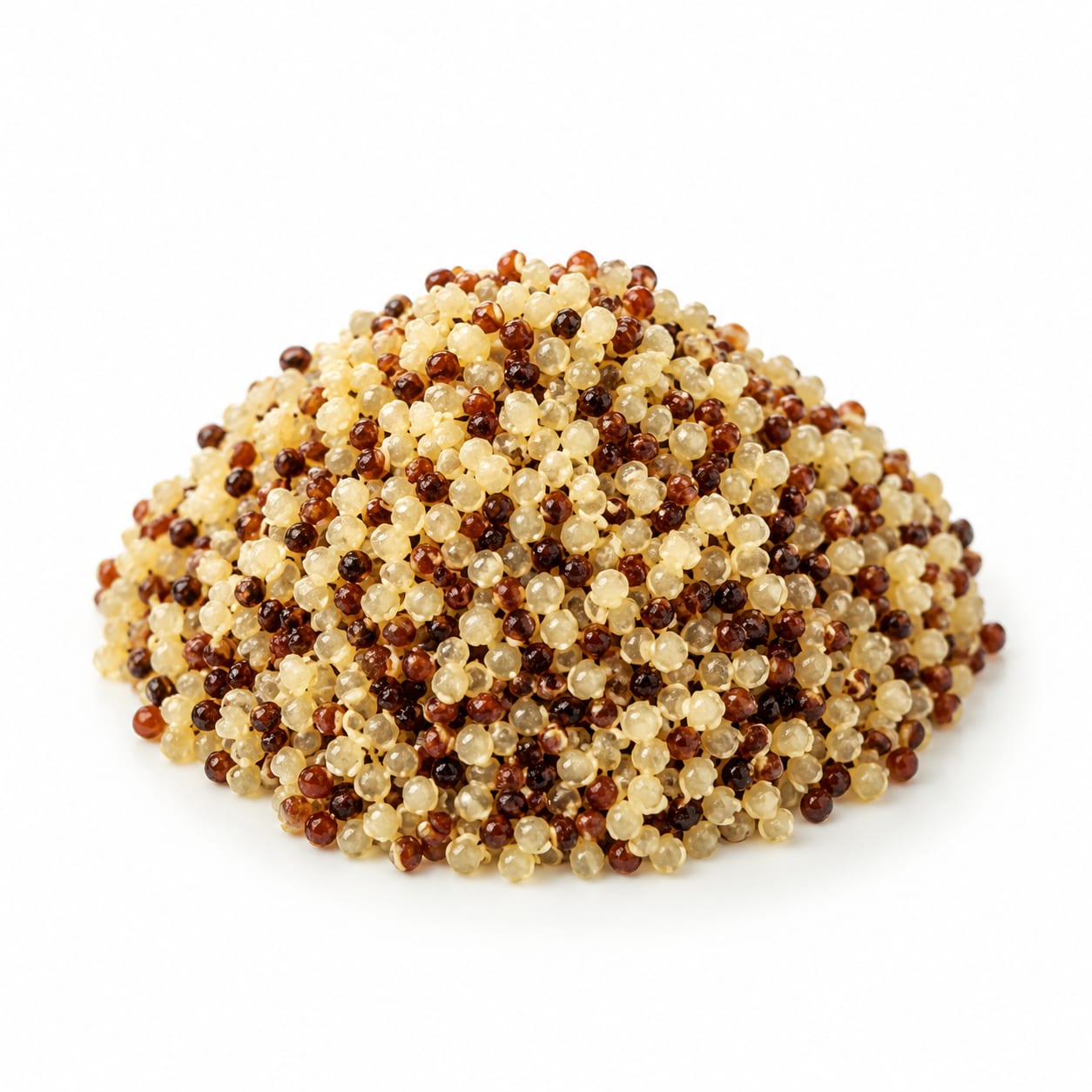
Compare with
Quinoa
Quinoa is a complete protein with high fiber, vastly outperforming refined spaghetti in nutrient density and blood sugar regulation.
Quinoa beats spaghetti in protein, fiber, and blood sugar control, making it a healthier carb choice overall for balanced meals.
This food
Spaghetti
VS80% alike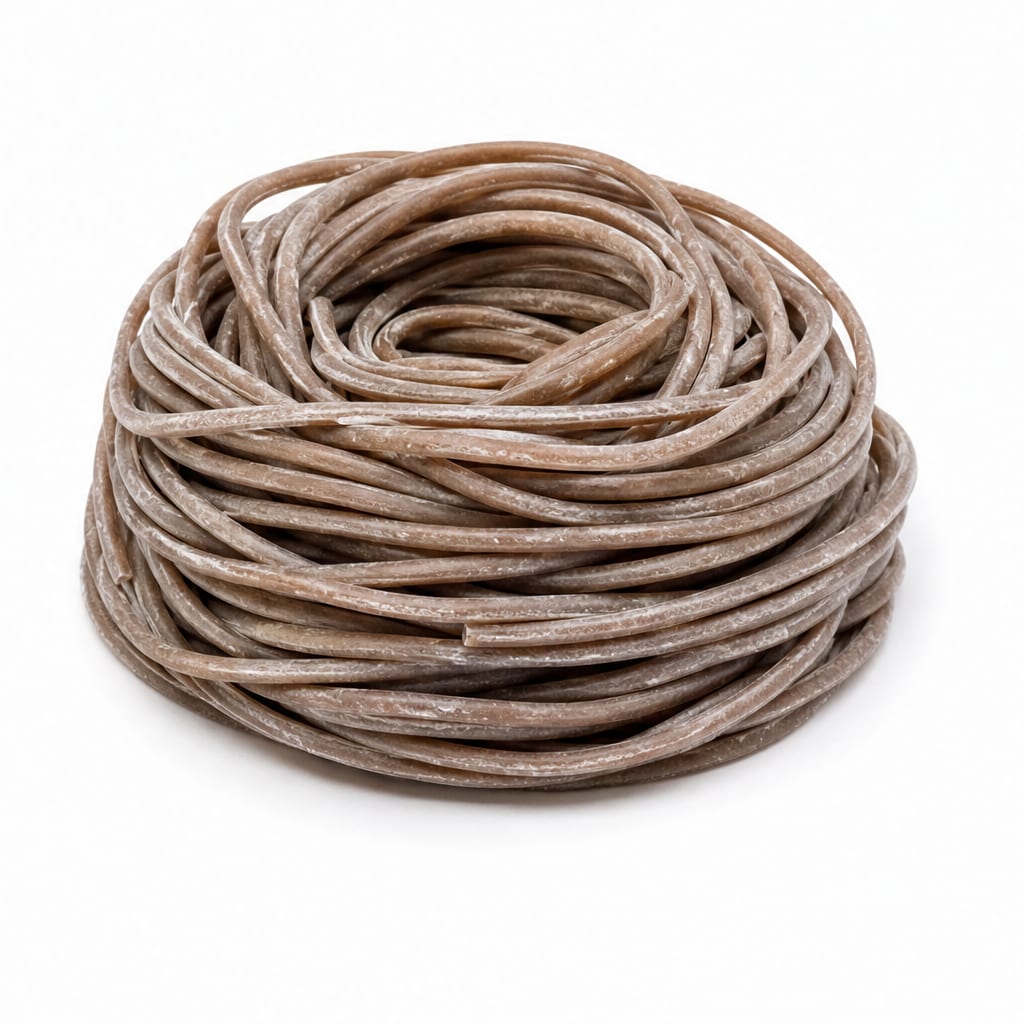
Compare with
Soba noodles
Buckwheat soba noodles offer more protein and fiber than refined spaghetti, providing a lower glycemic alternative, though some brands mix wheat flour.
Soba noodles provide more protein and fiber than spaghetti for better blood sugar control, while spaghetti offers simpler carbs for quick energy.
This food
Spaghetti
VS85% alike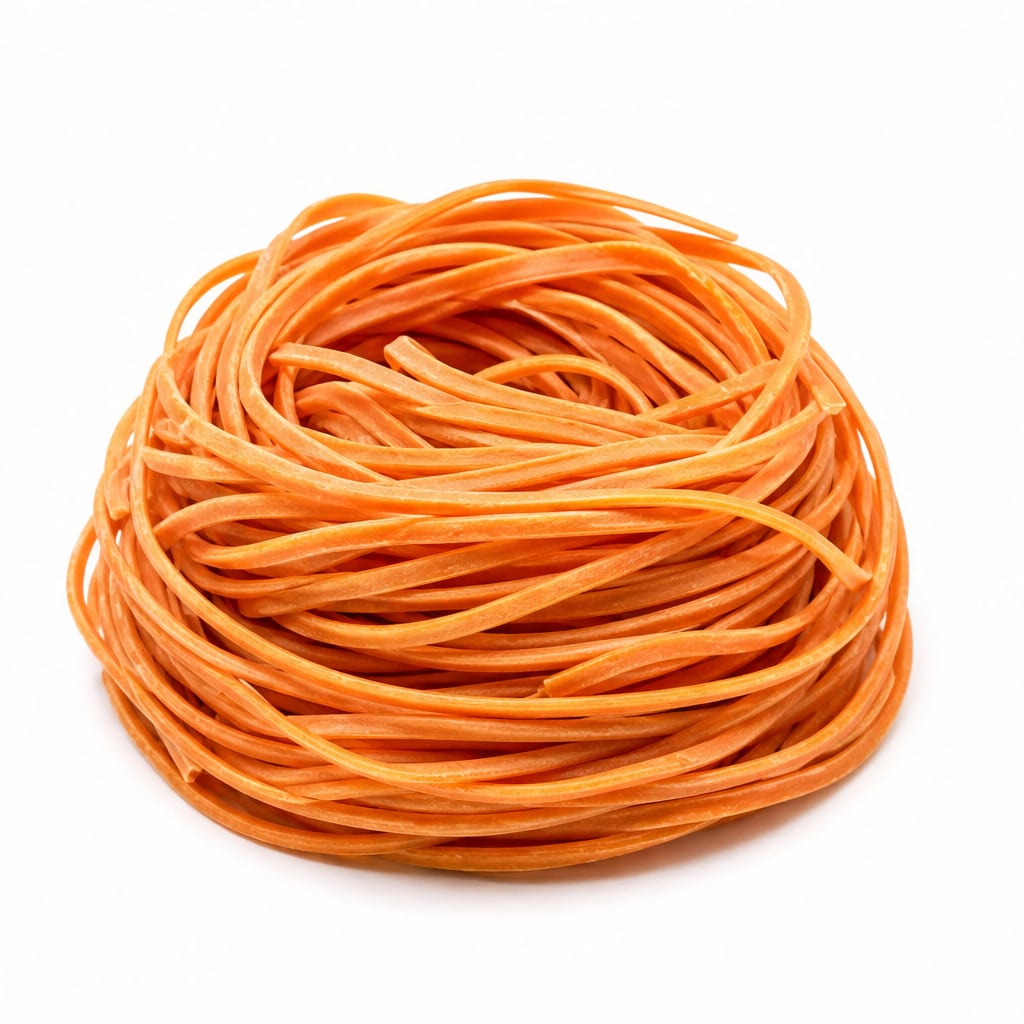
Compare with
Lentil pasta
Lentil pasta delivers double the protein and triple the fiber of regular spaghetti, making it far superior for satiety and glucose management.
Lentil pasta crushes regular spaghetti in protein and fiber, making it far better for weight loss and blood sugar control while still providing good energy.
Common questions
FAQ
Answers aligned with how people search for this food.
Is spaghetti good for weight loss?
Spaghetti is not ideal for weight loss due to its high energy density and low fiber content, which makes it easy to overeat. Opting for smaller portions and adding vegetables can help.
Can diabetics eat spaghetti?
People with diabetes should limit refined spaghetti as it causes rapid blood sugar spikes. Whole wheat or legume-based pastas are better choices due to their higher fiber and lower glycemic impact.
How many carbs are in a cup of spaghetti?
One cup of cooked spaghetti contains approximately 43 grams of carbohydrates, making it a high-carb food that requires careful portioning on low-carb diets.
Does cooking spaghetti al dente make it healthier?
Yes, cooking spaghetti al dente lowers its glycemic index compared to overcooked pasta, resulting in a slower release of sugar into the bloodstream.
Is spaghetti a good pre-workout meal?
Spaghetti is an excellent pre-workout meal for endurance athletes because it provides easily digestible carbohydrates for sustained energy, especially when eaten 2-3 hours before exercise.
What is the difference between spaghetti and whole wheat spaghetti?
Whole wheat spaghetti retains the bran and germ of the wheat kernel, offering significantly more fiber, protein, and micronutrients than refined spaghetti, which only uses the endosperm.
Does spaghetti have a high glycemic index?
Refined spaghetti has a moderate glycemic index of around 58, but its glycemic load is high due to the typical large portion sizes, leading to significant blood sugar impacts.
How can I make spaghetti healthier?
Make spaghetti healthier by cooking it al dente, using portion control, swapping half the pasta for zucchini noodles, and using tomato-based sauces instead of cream-based ones.
Transparency
Data confidence
Estimated confidence for nutrition data, interpretation, safety notes, and comparisons.
Nutrition data
Health analysis
Food safety
Comparisons