
Nutrition comparison
Spaghetti vs Chickpea Pasta: Which Is Actually Better for You?
Chickpea pasta has double the protein and triple the fiber of spaghetti, but is it worth the taste tradeoff? A practical comparison of blood sugar impact, satiety, cost, and flavor.
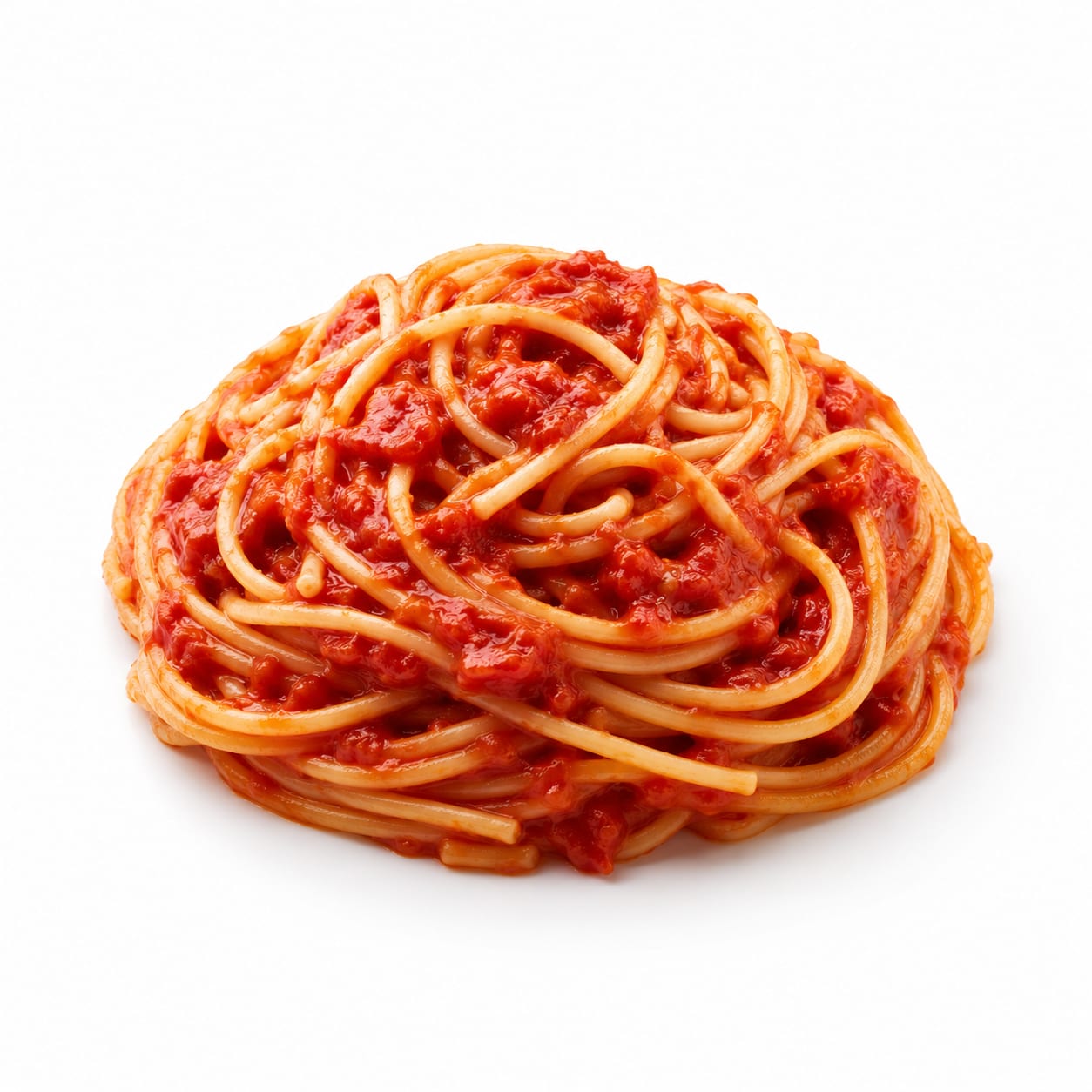
Spaghetti
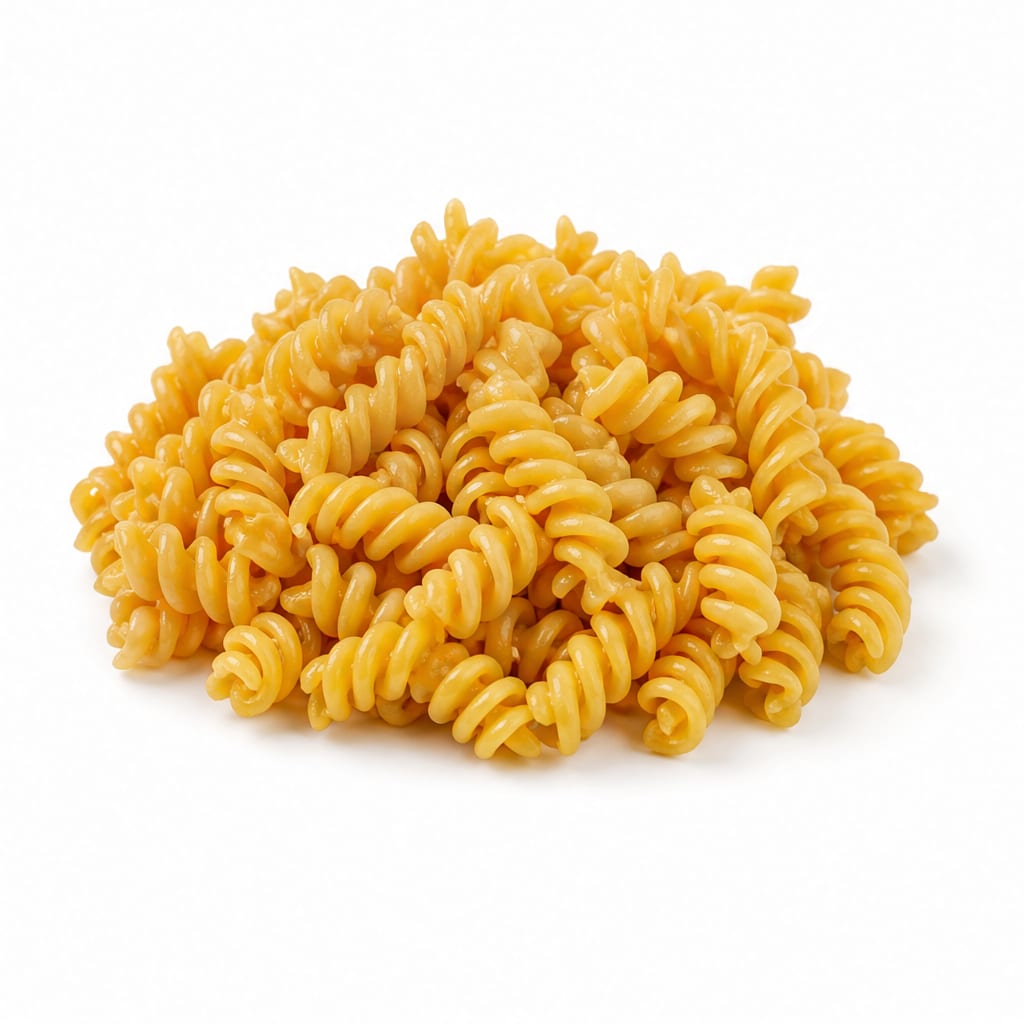
Chickpea pasta
Chickpea pasta wins on nutrition—more protein, more fiber, steadier blood sugar. Spaghetti wins on taste familiarity, price, and digestive comfort. Your pick depends on what matters more at dinner tonight.
Chickpea pasta scores notably higher due to its protein, fiber, and blood sugar advantages. Spaghetti remains relevant for taste, cost, and digestibility but falls behind on most nutritional metrics that drive long-term health outcomes.
Nutritional upgrade versus comfort and familiarity. Chickpea pasta is functionally superior but feels less like the pasta most people grew up with.
At a glance
Executive summary
Overall
It depends
Healthier
Chickpea pasta
More practical
Spaghetti
Daily use
Chickpea pasta
Key comparison lenses
blood sugar management
The biggest difference between these two is glycemic impact—chickpea pasta keeps glucose far steadier than traditional spaghetti
protein and satiety comparison
Chickpea pasta delivers roughly double the protein, making meals more filling and reducing later snacking
weight management suitability
Higher protein and fiber in chickpea pasta naturally curb appetite, a key factor for anyone watching portions
family acceptance and taste
Spaghetti is familiar and universally liked; chickpea pasta has a slightly different texture and earthier flavor that not everyone embraces immediately
digestive tolerance
Chickpea pasta's higher fiber can cause bloating in sensitive people, while spaghetti is gentler on an unaccustomed gut
Best choice for
Spaghetti
- Pick eaters who reject alternative pastas
- Budget-conscious households
- People with sensitive digestion unaccustomed to high fiber
- Traditional Italian recipe authenticity
Chickpea pasta
- Anyone managing blood sugar or insulin resistance
- Vegetarians and vegans needing more protein
- Weight loss seekers who want larger satisfying portions
- Athletes wanting post-workout protein from carbs
Least suitable for
Spaghetti
- People with diabetes or prediabetes
- Anyone trying to increase daily protein without supplements
- Those who get hungry again quickly after pasta meals
Chickpea pasta
- People with severe legume allergies
- Those sensitive to rapid fiber increases
- Diners who find the taste or texture off-putting
Deep comparison
Dimension by dimension
Each lens scores both foods and breaks down who each option suits.
- Dimension 1 · Priority 92Chickpea pasta
blood sugar stability
Spaghetti · 35Chickpea pasta · 78Chickpea pasta causes a much slower, steadier rise in blood sugar. Spaghetti digests quickly and can spike glucose, especially eaten alone.
Tradeoff
You give up the quick energy burst of refined carbs for longer-lasting satiety and no afternoon crash.
Why it matters
Blood sugar spikes drive hunger returns, fatigue, and over time, insulin resistance. Steadier glucose means steadier energy and mood.
Real-world impact
After spaghetti, you may feel hungry again in 90 minutes. After chickpea pasta, that fullness often lasts 3+ hours.
Spaghetti
- Pre-workout fuel when you need fast-available energy
- Recovering from hypoglycemia
Better for
- Sustained energy throughout the afternoon
- Metabolic health over time
Worse for
Chickpea pasta
- Prediabetes or diabetes management
- Avoiding the post-lunch energy crash
- Reducing cravings between meals
Better for
- Quick carbohydrate replenishment after intense exercise
Worse for
- Dimension 2 · Priority 88Chickpea pasta
protein content and quality
Spaghetti · 25Chickpea pasta · 80Chickpea pasta delivers roughly 14g of protein per serving compared to about 7g in spaghetti. The protein is plant-based but well-absorbed.
Tradeoff
You get meaningfully more protein but from legumes rather than wheat—still complete enough for most meals when paired with sauce.
Why it matters
Higher protein at dinner means better muscle maintenance, more satiety, and less late-night snacking.
Real-world impact
A bowl of chickpea pasta with marinara gets you halfway to a solid protein target. Spaghetti leaves you reaching for a second course.
Spaghetti
- Meals where protein comes primarily from other components like meat sauce
Better for
- Vegetarian and vegan meal planning
- Staying full between meals
Worse for
Chickpea pasta
- Plant-based eaters needing protein from staple carbs
- Anyone trying to hit protein goals without adding meat
- Older adults preserving muscle mass
Better for
- Those who find high-protein pasta too heavy before bed
Worse for
- Dimension 3 · Priority 85Chickpea pasta
fiber and digestive health
Spaghetti · 20Chickpea pasta · 82Chickpea pasta provides 5-8g of fiber per serving versus about 2g in regular spaghetti. That is a dramatic difference for gut health and fullness.
Tradeoff
Much better for your microbiome and satiety, but sudden fiber increases can cause bloating or gas if your gut is not used to it.
Why it matters
Most people eat far too little fiber. Getting it from pasta is an easy upgrade, but tolerance varies.
Real-world impact
Switching to chickpea pasta can help you hit a third of your daily fiber target in one meal. Just transition gradually to avoid discomfort.
Spaghetti
- Sensitive stomachs needing low-residue meals
- Recovery from gastrointestinal flares
Better for
- Long-term gut health and microbiome diversity
- Feeling satisfied after meals
Worse for
Chickpea pasta
- Improving daily fiber intake effortlessly
- Supporting healthy gut bacteria
- Preventing constipation
Better for
- People with IBS who react to fermentable fibers
- Sudden dietary transitions without adjustment time
Worse for
- Dimension 4 · Priority 78Spaghetti
taste and eating experience
Spaghetti · 88Chickpea pasta · 62Spaghetti delivers the classic tender, neutral pasta experience everyone expects. Chickpea pasta is slightly firmer, earthier, and more grainy.
Tradeoff
You trade a bit of sensory pleasure for a big nutritional upgrade. Many people enjoy chickpea pasta, but it is not identical to traditional pasta.
Why it matters
If a healthier food tastes bad, you will not keep eating it. Enjoyment determines long-term adherence.
Real-world impact
Most adults adapt to chickpea pasta within a few meals. Kids and picky eaters may need a gradual mix-in approach.
Spaghetti
- Family dinners with kids who notice texture changes
- Traditional Italian dishes where pasta flavor neutrality matters
- Romantic or special-occasion meals where comfort food hits different
Better for
- Nutritional ambition at dinner
Worse for
Chickpea pasta
- Hearty sauces that mask subtle flavor differences
- People who enjoy nutty, earthy flavors
Better for
- Delicate sauces where the earthy flavor comes through
- First impressions for skeptical eaters
Worse for
- Dimension 5 · Priority 65Spaghetti
cost and accessibility
Spaghetti · 90Chickpea pasta · 50Spaghetti is one of the cheapest foods available. Chickpea pasta typically costs two to three times more per box.
Tradeoff
A significant nutritional upgrade at a meaningful price increase. Budget constraints may limit how often you choose chickpea pasta.
Why it matters
Cost determines whether a healthier choice is sustainable. If chickpea pasta strains your grocery budget, mixing both is a smart compromise.
Real-world impact
A box of spaghetti might cost $1-2. Chickpea pasta often runs $3-5. For a family of four eating pasta weekly, that adds up.
Spaghetti
- Large families on tight budgets
- College students stretching grocery dollars
- Meal prep in bulk quantities
Better for
- Investing in metabolic health through food quality
Worse for
Chickpea pasta
- Smaller households where the premium is manageable
- Prioritizing nutrition over cost savings
Better for
- Food-insecure households
- Feeding a crowd affordably
Worse for
- Dimension 6 · Priority 82Chickpea pasta
weight management
Spaghetti · 38Chickpea pasta · 80Chickpea pasta supports weight loss more effectively through higher protein and fiber, which naturally reduce overall calorie intake.
Tradeoff
Calorie counts are similar per serving, but chickpea pasta makes you feel fuller longer, so you eat less overall.
Why it matters
Satiety per calorie is the real metric for weight management. Foods that keep you full on fewer calories win.
Real-world impact
You are less likely to go back for seconds or snack after dinner when your pasta meal actually fills you up.
Spaghetti
- Athletes who need calorie-dense meals to maintain weight
Better for
- Controlling hunger between meals
- Preventing overeating at dinner
Worse for
Chickpea pasta
- Anyone trying to lose weight without feeling deprived
- Portion control without counting calories
- Emotional eaters who benefit from genuine fullness signals
Better for
- Endurance athletes needing easy-to-consume calorie density
Worse for
- Dimension 7 · Priority 60It depends
allergen and sensitivity profile
Spaghetti · 45Chickpea pasta · 55Spaghetti contains gluten and wheat. Chickpea pasta is naturally gluten-free but contains legumes, which are a different allergen concern entirely.
Tradeoff
Each food excludes a different group. Neither is universally safer—it depends on your specific sensitivity.
Why it matters
For celiac or gluten-sensitive people, chickpea pasta is a clear win. For legume-allergic people, it is a non-starter.
Real-world impact
Check labels carefully—some chickpea pasta brands blend in other flours that may contain gluten or other allergens.
Spaghetti
- People with legume or chickpea allergies
- Those avoiding FODMAPs during elimination phases
Better for
- Anyone avoiding gluten for medical reasons
Worse for
Chickpea pasta
- Celiac disease or gluten sensitivity
- Wheat allergy
Better for
- Legume allergy sufferers
- Low-FODMAP diet followers
Worse for
Timeline
Health impact over time
Short-term
Hours to days
Spaghetti
- Quick energy from easily digested carbohydrates
- Possible blood sugar spike followed by a crash within 1-2 hours
- Hunger returning sooner after the meal
- Lighter feeling in the stomach immediately after eating
Chickpea pasta
- Steadier energy without the spike-and-crash pattern
- Noticeable fullness lasting several hours
- Possible bloating or gas if transitioning from a low-fiber diet
- Slightly heavier feeling immediately after the meal
Long-term
Months to years
Spaghetti
- Regular consumption may contribute to insulin resistance if portions are large and meals are unbalanced
- Lower fiber intake impacts gut microbiome diversity over time
- Easier to overeat due to lower satiety, potentially contributing to weight gain
Chickpea pasta
- Better blood sugar regulation with consistent use
- Improved gut health from significantly higher fiber intake
- Higher daily protein supports muscle maintenance, especially important with aging
- Easier portion control due to natural satiety signals
Risk profile
Safety & processing
Both are processed foods—neither is a whole food in its final form. Traditional spaghetti is milled durum wheat semolina, stripped of bran and germ. Chickpea pasta is ground chickpeas formed into pasta shapes, retaining more of the original nutrition. Neither contains concerning artificial additives, but chickpea pasta preserves more of its source ingredient's natural nutrients.
Spaghetti
glyphosate residue
lowConventionally grown wheat may carry trace pesticide residues. Choosing organic spaghetti reduces this concern substantially.
gluten-related reactivity
mediumProblematic for celiac and gluten-sensitive individuals. Not a safety issue for the general population.
Chickpea pasta
legume allergen exposure
mediumChickpea allergy is less common than wheat allergy but can be serious for affected individuals. Cross-contamination with other legumes is possible in manufacturing.
cross-contamination with gluten
lowMost chickpea pasta brands are certified gluten-free, but always check labels if celiac is a concern.
Who wins for whom
Audience fit
Same foods, different winners depending on your goal.
children
SpaghettiKids generally prefer the familiar taste and texture of spaghetti. The fiber in chickpea pasta can also cause tummy trouble in small children not used to it.
daily consumption
Chickpea pastaThe nutritional profile of chickpea pasta supports better long-term health outcomes when eaten regularly, assuming digestive tolerance is not an issue.
diabetes
Chickpea pastaSignificantly lower glycemic impact and higher fiber slow glucose absorption, making chickpea pasta the safer choice for blood sugar management.
elderly
Chickpea pastaHigher protein helps prevent age-related muscle loss, and fiber supports digestive regularity—a common concern in older adults.
muscle gain
Chickpea pastaDouble the protein per serving supports muscle repair. Pair it with a protein-rich sauce and you have a solid post-workout meal.
weight loss
Chickpea pastaChickpea pasta keeps you full longer with more protein and fiber, making it easier to eat less overall without feeling deprived.
Your move
Decision guide
Choose Spaghetti
- You want classic pasta taste and texture without compromise
- Budget is a primary concern for your household
- Someone at the table has a legume allergy or sensitivity
- You are cooking for kids who resist new foods
- You need gentle, low-fiber meals during digestive recovery
Choose Chickpea pasta
- You want steadier energy and no post-meal crash
- Blood sugar management is a health priority
- You are vegetarian or vegan and need more protein from staples
- Weight loss or portion control is your goal
- You want to increase daily fiber without taking supplements
Either works if
- You are mixing both in one pot for a gradual transition
- You are eating pasta only occasionally, so the nutritional difference matters less
- You pair either pasta with a protein-rich sauce and vegetables, narrowing the gap
Avoid both if
- You are on a strict low-carb or ketogenic diet
- You have severe sensitivities to both wheat and legumes
- You are in an active IBS flare and need to limit both gluten and fermentable fibers
Final recommendation
Start by mixing half spaghetti and half chickpea pasta to ease the transition. Most people adapt to the taste within a few meals and eventually prefer the way chickpea pasta keeps them satisfied. If cost is a barrier, use chickpea pasta on weekdays and save spaghetti for weekend comfort meals. The best pasta is the one you will actually eat and feel good about afterward.
Practical
Consumer tips
- 1
Transition gradually—try a 50/50 blend of spaghetti and chickpea pasta at first to let your palate and digestion adjust
- 2
Check the ingredient list on chickpea pasta—some brands add rice flour or other fillers that dilute the protein benefit
- 3
Sauce matters more than you think—hearty marinara or pesto masks the earthier flavor of chickpea pasta effectively
- 4
Rinse chickpea pasta after cooking if the natural foam bothers you—it reduces the slight earthy taste
- 5
Do not overcook chickpea pasta—it gets mushy faster than spaghetti, so check one minute before the package time
- 6
Buy chickpea pasta in bulk online—it is often 20-30% cheaper than grocery store pricing
- 7
If organic matters to you, both options are available organic—prioritize this for wheat spaghetti to reduce glyphosate exposure