
Nutrition comparison
Spaghetti vs Shirataki Noodles: Which is Better for Weight Loss?
Compare Spaghetti and Shirataki noodles. Discover the tradeoffs between calories, blood sugar, and meal satisfaction to find the right noodle for your diet.
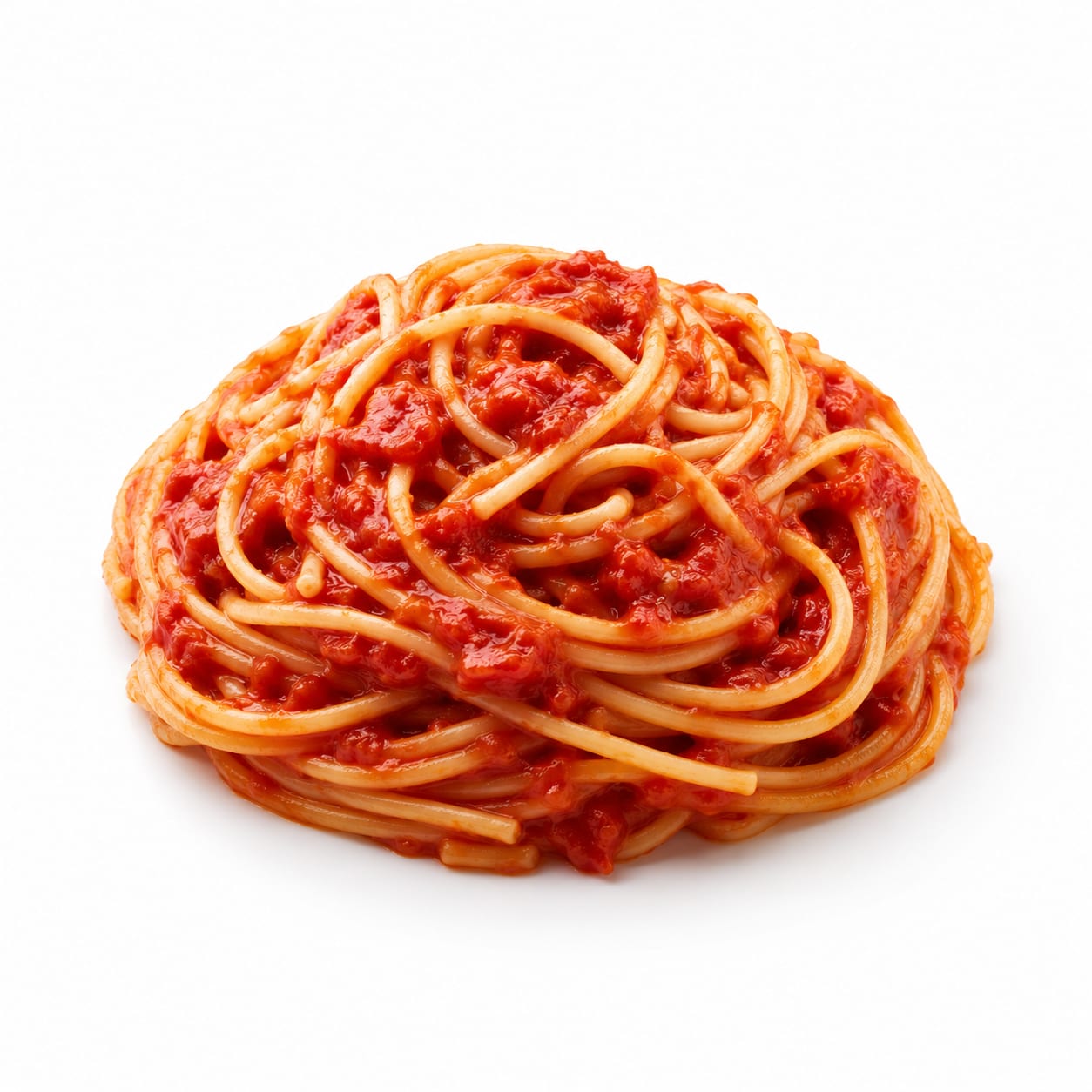
Spaghetti
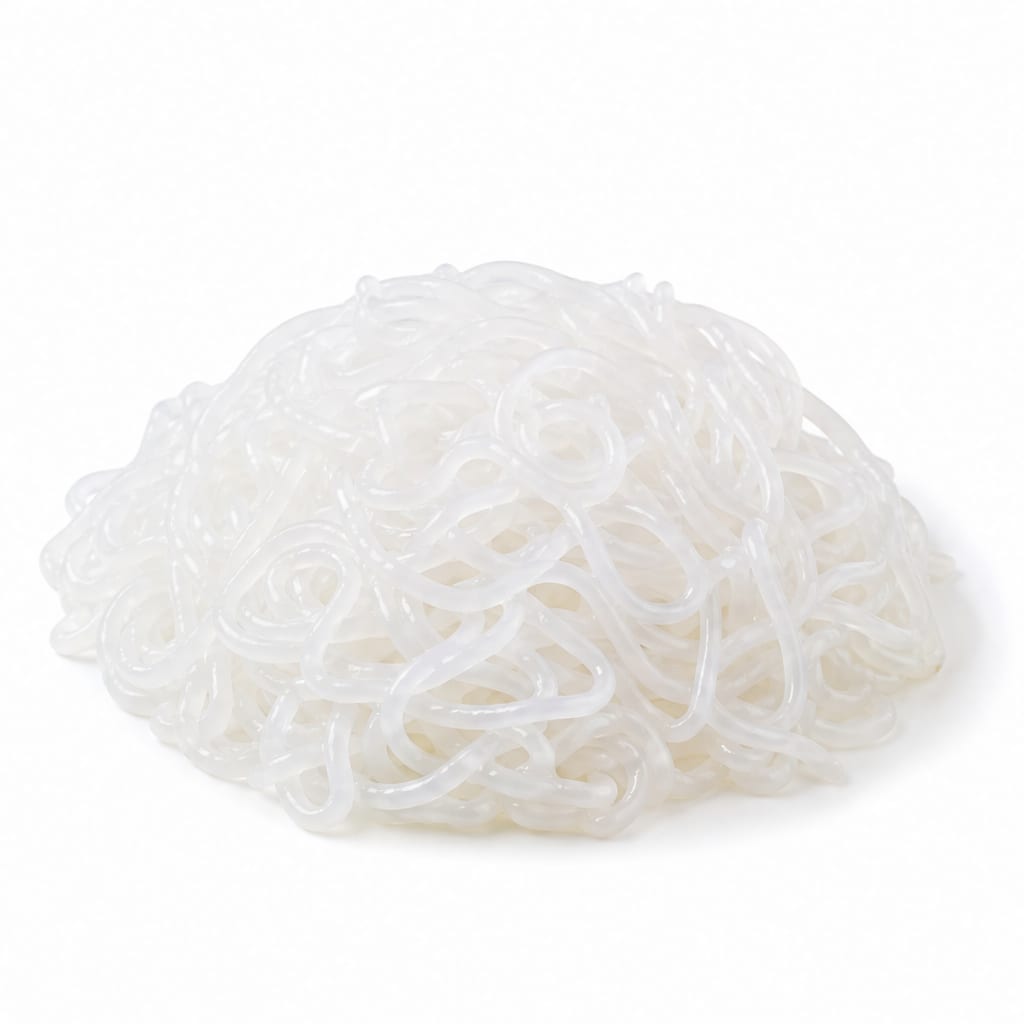
Shirataki noodles
Spaghetti delivers comforting satisfaction and real energy, while Shirataki noodles offer near-zero calories and blood sugar stability at the cost of texture and fullness.
Shirataki noodles score slightly higher due to their powerful weight-loss and blood-sugar benefits, but Spaghetti remains competitive because of its superior satisfaction and energy provision.
Real food satisfaction and physical energy versus calorie-free blood sugar control.
At a glance
Executive summary
Overall
It depends
Healthier
It depends
More practical
Spaghetti
Daily use
Spaghetti
Key comparison lenses
Weight loss and calorie reduction
Shirataki noodles are famous for being near-zero calories, making this the primary reason users compare them to regular pasta.
Blood sugar management
Spaghetti is carb-dense and spikes blood sugar, while Shirataki has virtually zero glycemic impact.
Meal satisfaction and emotional eating
Pasta is a comfort food; replacing it with a rubbery, zero-calorie alternative heavily impacts dietary satisfaction.
Digestive tolerance
Shirataki's glucomannan fiber can cause severe bloating, which is a common concern when switching from wheat pasta.
Best choice for
Spaghetti
- Athletes needing carb fuel for performance
- Families wanting a traditional comforting dinner
- People who struggle with portion control and need satisfying meals
Shirataki noodles
- Strict keto or low-carb dieters
- Aggressive calorie cutters
- Diabetics managing post-meal blood sugar spikes
Least suitable for
Spaghetti
- People with severe insulin resistance
- Strict low-carb dieters
- Those on a strict calorie deficit
Shirataki noodles
- Athletes needing performance fuel
- People prone to bloating or IBS
- Those seeking comforting food textures
Deep comparison
Dimension by dimension
Each lens scores both foods and breaks down who each option suits.
- Dimension 1 · Priority 95Shirataki noodles
Caloric Density & Weight Management
Spaghetti · 20Shirataki noodles · 98Shirataki noodles are essentially calorie-free, making them a top-tier tool for weight loss, whereas Spaghetti is calorie-dense.
Tradeoff
You save hundreds of calories with Shirataki noodles, but you miss out on the actual energy and fullness that Spaghetti provides.
Why it matters
If you are in a calorie deficit, Shirataki noodles make it effortless. If you need fuel, Spaghetti is necessary.
Real-world impact
Eating Shirataki noodles instead of Spaghetti saves you around 200-300 calories per meal, but you might feel hungry again an hour later.
Spaghetti
- Fueling active lifestyles
- Preventing unintended weight loss
- Feeling physically full after eating
Better for
- Aggressive fat loss phases
- Sedentary evenings
- Low-carb diets
Worse for
Shirataki noodles
- Cutting calories effortlessly
- Fitting into strict macro limits
- Late-night snacking without the calorie guilt
Better for
- Recovering from intense workouts
- Building muscle mass
- Times when you need lasting energy
Worse for
- Dimension 2 · Priority 90Shirataki noodles
Blood Sugar & Glycemic Impact
Spaghetti · 25Shirataki noodles · 95Spaghetti causes a significant blood sugar spike, while Shirataki noodles have virtually zero glycemic impact.
Tradeoff
Shirataki noodles keep your blood sugar flat, but Spaghetti gives you quick usable energy for physical activity.
Why it matters
Stable blood sugar means fewer cravings and better metabolic health, especially for diabetics.
Real-world impact
A Spaghetti lunch might leave you crashing by 3 PM, while Shirataki noodles keep your energy steady but offer no physical fuel for a workout.
Spaghetti
- Quick pre-workout energy
- Recovering glycogen after exercise
- Preventing hypoglycemia in active people
Better for
- Insulin resistance management
- Sedentary evenings
- Pre-diabetic conditions
Worse for
Shirataki noodles
- Managing type 2 diabetes
- Reducing afternoon energy crashes
- Controlling sugar cravings
Better for
- Endurance sports fueling
- Bulking phases
- Immediate energy needs
Worse for
- Dimension 3 · Priority 85Spaghetti
Satiety & Meal Satisfaction
Spaghetti · 85Shirataki noodles · 40Spaghetti is deeply satisfying and comforting, while Shirataki noodles can feel like eating rubber if not prepared well.
Tradeoff
Spaghetti feeds your soul and muscles; Shirataki noodles only fill your stomach physically without triggering fullness hormones as effectively.
Why it matters
Dietary satisfaction determines if you stick to a plan or binge later.
Real-world impact
You are far more likely to raid the pantry after a Shirataki noodle dinner than after a balanced Spaghetti meal.
Spaghetti
- Comforting family meals
- Satisfying stubborn carb cravings
- Feeling emotionally satisfied after eating
Better for
- Portion control challenges
- Feeling overly stuffed
Worse for
Shirataki noodles
- Volume eating on a diet
- Tricking yourself into thinking you ate carbs
Better for
- Emotional eaters
- People who struggle with diet compliance
- Those seeking a comforting meal experience
Worse for
- Dimension 4 · Priority 75Spaghetti
Digestive Tolerance
Spaghetti · 75Shirataki noodles · 45Spaghetti is generally easy to digest for most, while Shirataki noodles' glucomannan fiber can cause severe bloating and gas.
Tradeoff
Shirataki noodles improve bowel movements but can cause uncomfortable distension; Spaghetti is gentler unless you have gluten sensitivity.
Why it matters
Digestive discomfort can ruin the benefit of a healthy meal choice.
Real-world impact
Overeating Shirataki noodles can leave you feeling like a balloon, whereas Spaghetti just makes you feel comfortably full.
Spaghetti
- Sensitive stomachs
- Predictable digestion
- Avoiding flatulence in social settings
Better for
- Celiac disease
- Non-celiac gluten sensitivity
Worse for
Shirataki noodles
- Relieving constipation
- Increasing daily fiber intake drastically
Better for
- IBS sufferers
- Introductory dates or social dinners
- Prone to bloating
Worse for
- Dimension 5 · Priority 70Spaghetti
Culinary Versatility & Taste
Spaghetti · 90Shirataki noodles · 35Spaghetti absorbs sauces beautifully and has a pleasant chew; Shirataki noodles have a distinct fishy odor out of the package and a slippery texture.
Tradeoff
Shirataki noodles require extra prep to make them palatable, while Spaghetti is delicious by default.
Why it matters
If healthy food tastes bad, you won't eat it long-term.
Real-world impact
You have to rinse and dry-fry Shirataki noodles to make them edible, while Spaghetti is boil-and-enjoy.
Spaghetti
- Hosting dinner parties
- Absorbing rich sauces
- Endless recipe adaptability
Better for
- Raw diet applications
- Cold noodle salads needing firmness
Worse for
Shirataki noodles
- Quick low-carb meal bases
- Absorbing strong Asian-style broths
Better for
- Picky eaters
- Italian cuisine authenticity
- Meals where texture matters
Worse for
Timeline
Health impact over time
Short-term
Hours to days
Spaghetti
- Quick energy boost
- Immediate satiety
- Possible post-meal drowsiness (food coma)
Shirataki noodles
- Near-zero calorie intake
- Potential bloating or gas
- Possible fishy aftertaste if not rinsed well
Long-term
Months to years
Spaghetti
- Risk of weight gain if overconsumed
- Potential insulin resistance with high carb intake
- Consistent energy for active lifestyles
Shirataki noodles
- Effortless calorie restriction
- Improved blood sugar management
- Possible adaptation to smaller portions
Risk profile
Safety & processing
Both are processed from whole sources—wheat for Spaghetti and konjac root for Shirataki noodles—but neither contains highly artificial chemicals.
Spaghetti
Gluten intolerance/Celiac
mediumContains gluten, which triggers autoimmune responses in sensitive individuals.
Shirataki noodles
Choking hazard
mediumGlucomannan expands in the throat; must be chewed thoroughly and consumed with plenty of water.
Digestive blockage
lowIf eaten in massive quantities without water, the fiber can cause intestinal blockages.
Who wins for whom
Audience fit
Same foods, different winners depending on your goal.
children
SpaghettiKids need energy for growth and prefer the taste and texture of Spaghetti; Shirataki noodles pose a mild choking risk.
daily consumption
SpaghettiSpaghetti is more satisfying and sustainable for daily meals; Shirataki noodles are better used as an occasional tool.
diabetes
Shirataki noodlesShirataki noodles do not spike blood sugar, making them a safe substitute for high-carb pasta.
elderly
It dependsShirataki noodles help with constipation and blood sugar, but Spaghetti is easier to chew and provides needed calories if appetite is low.
muscle gain
SpaghettiSpaghetti provides the carbohydrates needed to fuel intense workouts and replenish glycogen.
weight loss
Shirataki noodlesShirataki noodles provide the physical experience of eating noodles with almost zero calories.
Your move
Decision guide
Choose Spaghetti
- You need fuel for workouts
- You want a comforting, satisfying meal
- You have no issues with carbs and want sustainable energy
Choose Shirataki noodles
- You are on a strict keto or low-carb diet
- You need to drastically cut calories
- You are managing diabetes and avoiding blood sugar spikes
Either works if
- You want a pasta dish but are flexible on the base
- You are mixing them to balance calories and texture
Avoid both if
- You have celiac disease (for Spaghetti) and severe IBS (for Shirataki noodles)
Final recommendation
Use Spaghetti as your standard meal for energy and satisfaction, and keep Shirataki noodles as a strategic swap when you need to cut calories or manage blood sugar without giving up the pasta experience entirely.
Practical
Consumer tips
- 1
Rinse Shirataki noodles thoroughly under cold water for at least 2 minutes to remove the natural fishy odor.
- 2
Dry-fry Shirataki noodles in a hot pan after rinsing to improve their rubbery texture and help them absorb sauce better.
- 3
Mix half Spaghetti and half Shirataki noodles to cut calories by 50% while keeping the satisfying texture of real pasta.
- 4
Always drink a large glass of water with Shirataki noodles to help the glucomannan fiber move safely through your digestive tract.