
Nutrition comparison
Spaghetti vs White Rice: Which Is Healthier for Daily Eating?
Compare spaghetti and white rice on blood sugar impact, satiety, digestion, and long-term health. Find out which refined carb is the better choice for your goals.
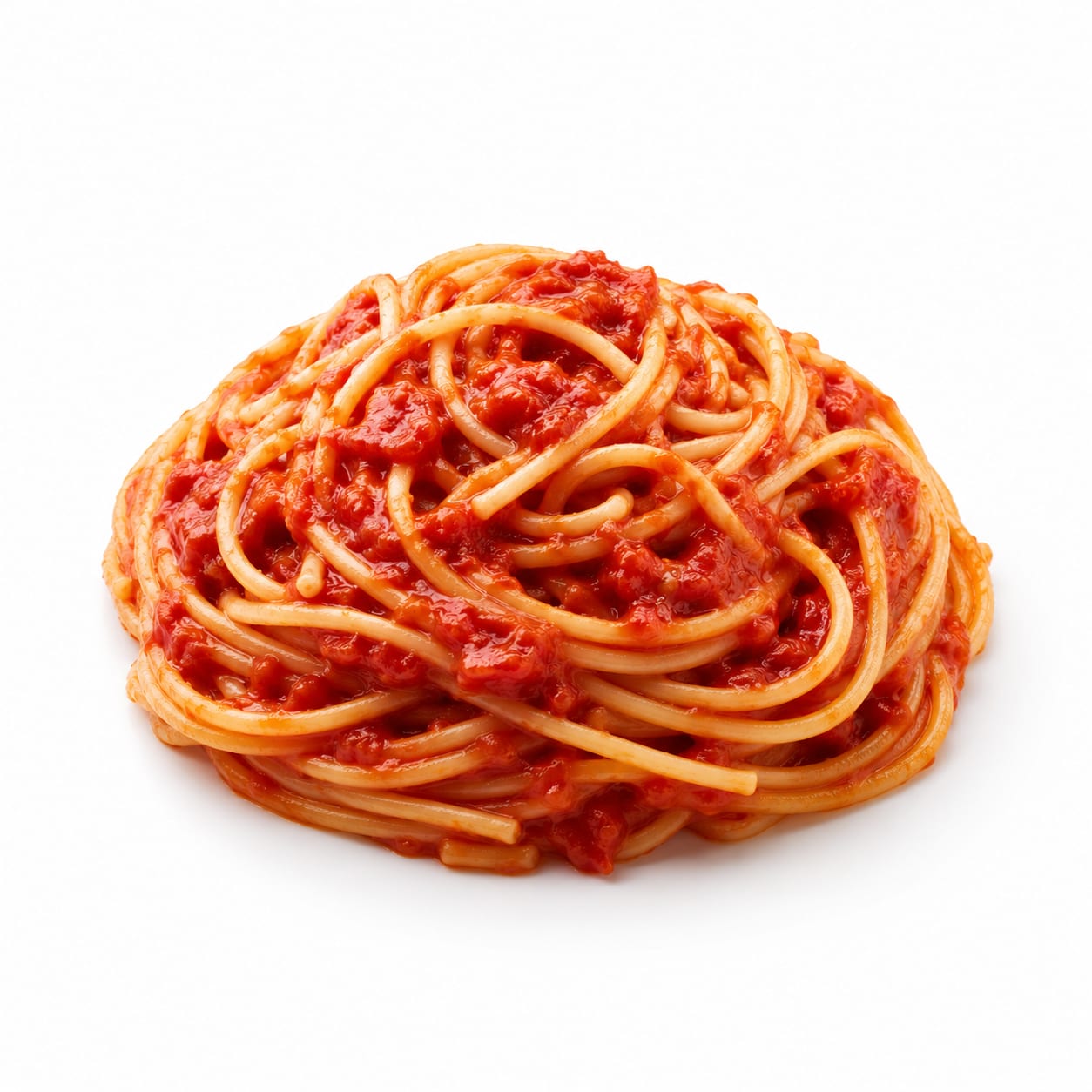
Spaghetti
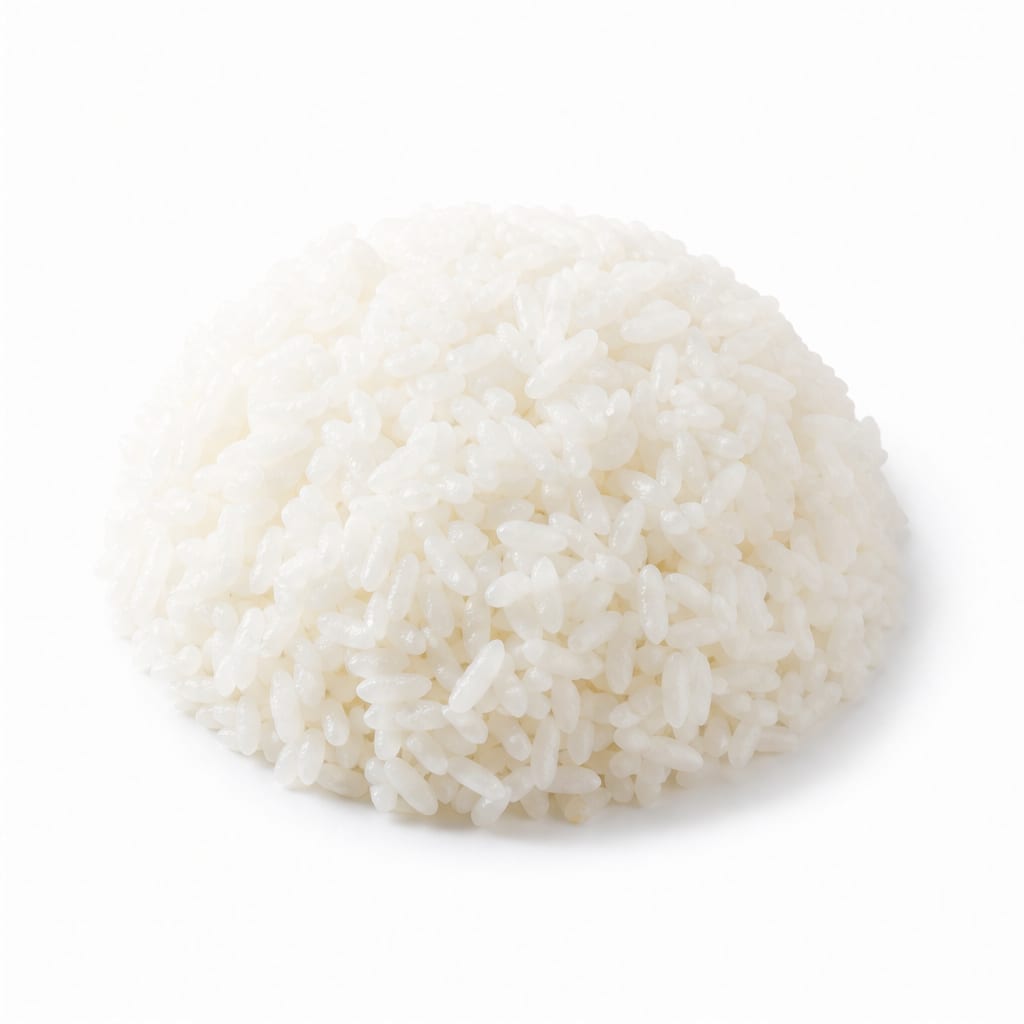
White rice
Spaghetti keeps you fuller longer and has a gentler blood sugar impact, while white rice digests faster and suits different cuisines and sensitive stomachs.
Spaghetti scores moderately higher due to better satiety, slightly more protein, and a lower glycemic impact. White rice falls behind mainly because of its faster blood sugar spike and lower nutrient density, though it wins on digestibility and convenience.
Satiety and steadier energy from spaghetti versus lighter digestion and faster energy from white rice.
At a glance
Executive summary
Overall
It depends
Healthier
Spaghetti
More practical
White rice
Daily use
Spaghetti
Key comparison lenses
blood sugar management
Both are high-glycemic refined carbs that spike blood sugar, but at different rates and intensities
weight management and satiety
Users often swap these staples hoping to feel fuller or eat fewer calories
daily staple sustainability
People choose one as their go-to carb for years, making long-term effects critical
meal versatility and cultural fit
Each pairs with completely different cuisines and cooking styles
athletic and energy needs
Both are popular pre-workout or post-workout carb sources
Best choice for
Spaghetti
- People managing blood sugar or prediabetes
- Anyone trying to stay full between meals
- Mediterranean-style eaters who pair carbs with vegetables and healthy fats
- Those who eat larger meals less frequently
White rice
- Post-workout refueling when you need quick carbs
- People with digestive sensitivity who need easy-to-digest meals
- Asian and Latin American cuisine lovers
- Anyone recovering from stomach illness
Least suitable for
Spaghetti
- People with gluten intolerance or celiac disease
- Those who need rapidly digesting carbs after intense exercise
- Anyone on a low-carb or keto diet
White rice
- People with diabetes or insulin resistance
- Anyone prone to afternoon energy crashes
- Those trying to increase protein intake from carb sources
Deep comparison
Dimension by dimension
Each lens scores both foods and breaks down who each option suits.
- Dimension 1 · Priority 95Spaghetti
blood sugar stability
Spaghetti · 55White rice · 35Spaghetti has a lower glycemic index, especially when cooked al dente, leading to a slower blood sugar rise.
Tradeoff
White rice delivers energy faster but crashes harder, while spaghetti provides steadier fuel over more time.
Why it matters
Frequent blood sugar spikes from white rice can increase hunger, fatigue, and long-term diabetes risk.
Real-world impact
A white rice lunch may leave you hungry by 3pm, whereas spaghetti with sauce keeps you satisfied until dinner.
Spaghetti
- Sustained energy through the afternoon
- People monitoring prediabetes
- Fewer cravings between meals
Better for
- Not ideal when you need immediate fast energy
Worse for
White rice
- Quick energy replenishment after depletion
- Endurance athletes mid-event refueling
Better for
- Afternoon energy crashes
- Difficulty controlling portions due to rapid hunger return
Worse for
- Dimension 2 · Priority 90Spaghetti
satiety and fullness
Spaghetti · 65White rice · 40Spaghetti is significantly more filling per calorie, partly due to its density and the way it is typically sauced.
Tradeoff
White rice feels lighter in the stomach, which can be a pro or con depending on your needs.
Why it matters
Feeling full matters for weight management and avoiding unnecessary snacking.
Real-world impact
A plate of spaghetti with marinara feels like a complete meal. A bowl of white rice often needs heavy additions to feel satisfying.
Spaghetti
- Weight management through natural portion control
- Fewer between-meal snacks
- More satisfying meal experience
Better for
- Can feel too heavy before exercise
Worse for
White rice
- Pre-race or pre-game meals where feeling light matters
- Hot weather eating when heavy meals feel unappealing
Better for
- Easy to overeat because hunger returns quickly
- May trigger second helpings
Worse for
- Dimension 3 · Priority 80Spaghetti
nutrient density
Spaghetti · 45White rice · 30Neither is a nutritional powerhouse, but enriched spaghetti provides slightly more iron, B vitamins, and protein per serving.
Tradeoff
Both are refined staples that need pairing with nutrient-rich foods to form a balanced meal.
Why it matters
Relying on either as a standalone staple without vegetables and protein leads to nutrient gaps.
Real-world impact
A spaghetti dinner with ground meat and sauce delivers more complete nutrition than plain white rice with a similar topping.
Spaghetti
- More protein per serving
- Better iron and B-vitamin content from enrichment
- Slightly more fiber
Better for
- Commercial sauces often add hidden sodium and sugar
Worse for
White rice
- Lower sodium naturally when eaten plain
- Easier to pair with nutrient-dense sides like fish and vegetables
Better for
- Almost no fiber or protein on its own
- Very low micronutrient content
Worse for
- Dimension 4 · Priority 78White rice
digestive tolerance
Spaghetti · 45White rice · 75White rice is one of the most easily digested foods available, while spaghetti contains gluten and is heavier on the stomach.
Tradeoff
Easy digestion comes at the cost of faster blood sugar impact and less satiety.
Why it matters
For people with sensitive digestion, IBS, or recovery from illness, white rice is often the only comfortable carb option.
Real-world impact
After a stomach bug, white rice is a go-to comfort food. Spaghetti would feel too heavy and could cause bloating.
Spaghetti
- More satisfying for people with normal digestion
Better for
- Gluten can cause bloating or reactions in sensitive people
- Heavier to digest before physical activity
Worse for
White rice
- Gentle on upset stomachs
- Low residue diet compatibility
- Safe for most food sensitivity episodes
Better for
- Lack of fiber can worsen constipation with regular consumption
Worse for
- Dimension 5 · Priority 72White rice
cooking convenience and versatility
Spaghetti · 55White rice · 70White rice is easier to batch cook, store, and reheat, and pairs with more global cuisines.
Tradeoff
Spaghetti offers more textural satisfaction but requires more active cooking and does not reheat as well.
Why it matters
The carb you can easily integrate into your routine is the one you will actually eat consistently.
Real-world impact
Rice cookers make white rice nearly effortless. Spaghetti requires boiling, timing, and draining, and leftovers get gummy.
Spaghetti
- One-pot meal potential with baked dishes
- More texturally satisfying as leftovers in casseroles
Better for
- Does not meal-prep or reheat as cleanly
- Limited to mostly Italian and Mediterranean flavor profiles
Worse for
White rice
- Rice cooker convenience
- Reheats well for meal prep
- Works across Asian, Latin, African, and Middle Eastern dishes
Better for
- Can feel monotonous as a daily staple without varied preparations
Worse for
- Dimension 6 · Priority 88Spaghetti
long-term metabolic health
Spaghetti · 50White rice · 32Regular white rice consumption is more strongly linked to type 2 diabetes risk, while spaghetti has a milder metabolic impact.
Tradeoff
Neither is ideal in large quantities, but spaghetti is the lesser metabolic burden when eaten regularly.
Why it matters
Daily staple choices compound over decades. A small glycemic difference repeated thousands of meals matters enormously.
Real-world impact
Populations eating white rice as a daily staple show higher diabetes rates unless offset by vegetables, legumes, and activity.
Spaghetti
- Lower long-term diabetes risk with regular consumption
- Better insulin response over time
Better for
- Portion sizes at restaurants are often excessive
- Garlic bread and heavy sauces add hidden calories
Worse for
White rice
- Less concern if paired with beans, lentils, or vegetables consistently
Better for
- Higher diabetes risk in sedentary populations
- Often eaten in large quantities without protein or fat to slow absorption
Worse for
Timeline
Health impact over time
Short-term
Hours to days
Spaghetti
- Moderate blood sugar rise that lasts 2-3 hours
- Good satiety that reduces snacking for several hours
- Possible bloating if you have gluten sensitivity
White rice
- Rapid blood sugar spike within 30-60 minutes
- Quick energy but hunger returns within 1-2 hours
- Very gentle on the digestive tract
Long-term
Months to years
Spaghetti
- Moderately lower diabetes risk compared to white rice when eaten regularly
- Better weight maintenance due to higher satiety
- Gluten exposure is fine for most people but problematic for celiacs
White rice
- Higher type 2 diabetes risk with frequent large portions, especially in sedentary people
- Possible weight gain from easy overconsumption and rapid hunger return
- Low fiber intake contributes to constipation if not offset by other foods
Risk profile
Safety & processing
Both are refined grain products with most of their natural bran and germ removed. Spaghetti is extruded and dried, while white rice is milled and polished. Neither contains significant artificial additives on its own, though commercial spaghetti sauces and flavored rice mixes can change that quickly.
Spaghetti
Gluten reactivity
highSpaghetti contains gluten, which triggers autoimmune reactions in people with celiac disease and discomfort in those with non-celiac gluten sensitivity.
Bacillus cereus in leftovers
mediumImproperly stored cooked pasta can harbor this toxin-producing bacteria, though the risk is lower than with rice.
White rice
Bacillus cereus from improper storage
highCooked white rice left at room temperature is a leading cause of B. cereus food poisoning. Refrigerate promptly and reheat thoroughly.
Arsenic exposure
mediumRice absorbs more arsenic from soil and water than other grains. Regular daily consumption, especially of rice grown in certain regions, can increase lifetime arsenic exposure.
Who wins for whom
Audience fit
Same foods, different winners depending on your goal.
children
It dependsSpaghetti is often more fun and filling for kids, but white rice is gentler on sensitive tummies and easier for toddlers to eat.
daily consumption
SpaghettiSpaghetti provides steadier energy and better satiety for daily meals, though both should be rotated with whole grain options.
diabetes
SpaghettiSpaghetti has a lower glycemic index and causes a slower, more manageable blood sugar rise, especially when cooked al dente.
elderly
White riceWhite rice is easier to chew and digest, which matters more as digestion slows with age.
muscle gain
White riceWhite rice digests quickly, making it ideal for post-workout glycogen replenishment when you need fast carbs without feeling heavy.
weight loss
SpaghettiSpaghetti is more filling per calorie and less likely to trigger overeating, especially when paired with protein-rich sauce.
Your move
Decision guide
Choose Spaghetti
- You want to stay full longer between meals
- Blood sugar management is a priority
- You love Mediterranean-style meals with tomato sauce, olive oil, and vegetables
- You tend to snack excessively after carb-heavy meals
Choose White rice
- You need quick-digesting carbs after intense workouts
- You have a sensitive stomach or are recovering from illness
- You cook Asian, Latin, or African cuisines regularly
- You use a rice cooker and value hands-off meal prep
Either works if
- You pair your carb with plenty of protein, vegetables, and healthy fat
- You rotate between different carb sources throughout the week
- You are active and metabolically healthy with no blood sugar concerns
Avoid both if
- You have diabetes and want the most blood-sugar-friendly carb option
- You are following a low-carb or ketogenic diet
- You want to maximize fiber intake from your grain choices
Final recommendation
For most people eating at home, spaghetti is the slightly better everyday choice because it keeps you fuller and spares your blood sugar. But white rice has real advantages for post-workout recovery, digestive comfort, and global cuisine variety. The smartest move is to rotate both and always pair them with protein and vegetables rather than eating either one plain.
Practical
Consumer tips
- 1
Cook spaghetti al dente to keep its glycemic index lower and texture more satisfying
- 2
Pair white rice with beans, lentils, or vegetables to slow digestion and reduce blood sugar spikes
- 3
Refrigerate leftover rice within one hour to prevent B. cereus growth
- 4
Try whole wheat spaghetti or brown rice as upgrade options that add fiber and nutrients
- 5
Control spaghetti portions by filling half your plate with vegetables first
- 6
Rinse white rice before cooking to reduce surface arsenic slightly
- 7
Avoid instant or pre-flavored rice packets, which often add sodium and preservatives