
Nutrition comparison
Spaghetti vs Whole Wheat Spaghetti: Which Is Actually Better for You?
Whole wheat spaghetti triples the fiber and steadies blood sugar, but regular spaghetti wins on taste. Compare nutrition, health impact, and real-world tradeoffs to choose wisely.
Overall winner · Whole wheat spaghetti
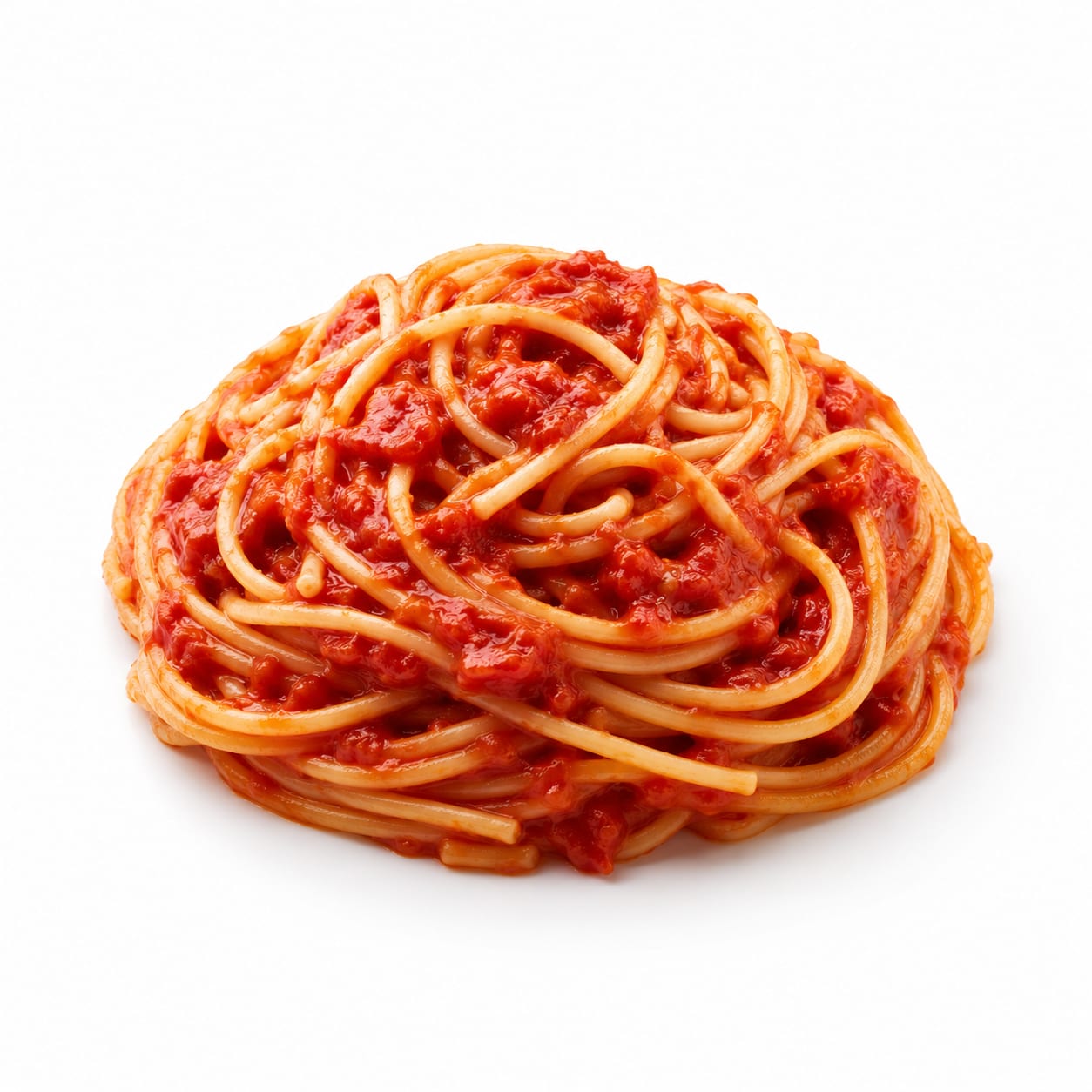
Spaghetti
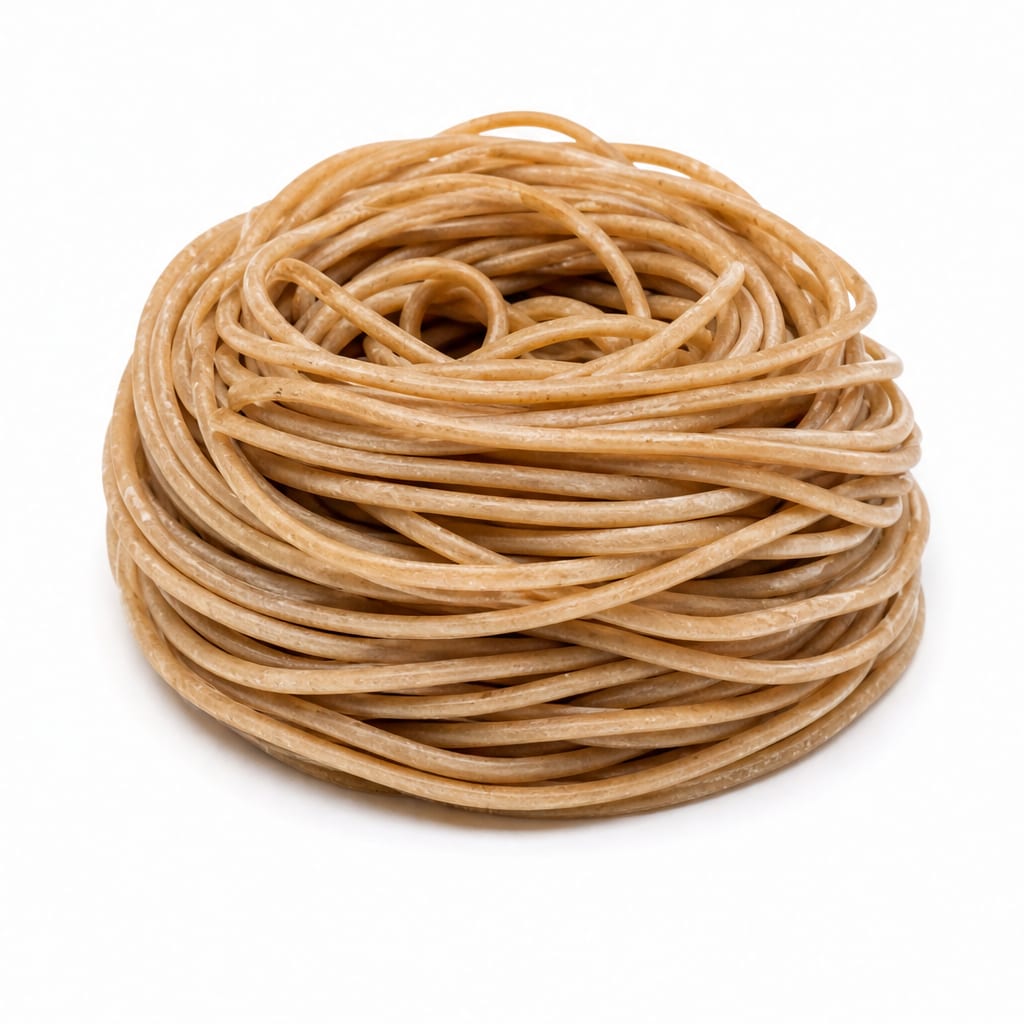
Whole wheat spaghetti
Whole wheat spaghetti delivers substantially more fiber, steadier energy, and better long-term health outcomes, though regular spaghetti wins on taste and texture for most people.
Whole wheat spaghetti scores notably higher due to its fiber advantage, blood sugar stability, and nutrient density. Regular spaghetti remains competitive on taste and quick energy but falls behind on nearly every health metric.
You trade the familiar smooth texture and mild flavor of regular spaghetti for significantly better blood sugar control, more fiber, and greater fullness with whole wheat spaghetti.
At a glance
Executive summary
Overall
Whole wheat spaghetti
Healthier
Whole wheat spaghetti
More practical
Spaghetti
Daily use
Whole wheat spaghetti
Key comparison lenses
blood sugar control and glycemic impact
The single biggest difference between refined and whole wheat pasta is how dramatically they affect blood sugar
fiber and satiety comparison
Fiber content gap is massive and drives fullness, digestion, and long-term health outcomes
long-term metabolic health
Repeated blood sugar spikes from refined pasta compound into real metabolic risk over years
taste and family acceptance
Many households struggle to switch because whole wheat spaghetti tastes noticeably different
nutrient density tradeoff
Refining strips significant vitamins and minerals that whole wheat spaghetti retains
Best choice for
Spaghetti
- Picky eaters and children who resist whole grain textures
- Special occasion meals where taste and tradition matter most
- People with digestive sensitivities to high fiber
- Athletes needing quick carbohydrate energy before competition
Whole wheat spaghetti
- Anyone managing blood sugar or prediabetes
- People trying to stay full longer between meals
- Those seeking better long-term metabolic health
- Anyone not meeting daily fiber targets
Least suitable for
Spaghetti
- People with diabetes or insulin resistance
- Anyone trying to lose weight through satiety-based eating
- Those who need sustained energy without crashes
Whole wheat spaghetti
- People with irritable bowel syndrome flaring from high fiber
- Traditional Italian cooking purists
- Anyone transitioning slowly who finds the taste too harsh
Deep comparison
Dimension by dimension
Each lens scores both foods and breaks down who each option suits.
- Dimension 1 · Priority 95Whole wheat spaghetti
Blood Sugar Stability
Spaghetti · 35Whole wheat spaghetti · 72Whole wheat spaghetti digests slowly, giving you a gentle energy curve instead of a spike and crash.
Tradeoff
Regular spaghetti delivers quick energy but leaves you hungry again sooner and causes sharper glucose spikes.
Why it matters
Blood sugar roller coasters drive cravings, fatigue, and over time, insulin resistance.
Real-world impact
After regular spaghetti, you may feel sleepy at your desk by 2pm. Whole wheat spaghetti keeps you steadier through the afternoon.
Spaghetti
- Pre-workout fueling when you need fast carbs
- Recovery meals after intense endurance exercise
Better for
- Sedentary evening meals
- Anyone with prediabetes or diabetes
Worse for
Whole wheat spaghetti
- Lunch when you still have hours of work ahead
- Dinner when you want to avoid late-night snacking
- Anyone monitoring fasting glucose levels
Better for
- Immediate pre-workout when rapid energy is the priority
Worse for
- Dimension 2 · Priority 90Whole wheat spaghetti
Fiber and Satiety
Spaghetti · 25Whole wheat spaghetti · 80Whole wheat spaghetti roughly triples the fiber content, making the same calorie portion far more filling.
Tradeoff
That extra fiber can cause bloating if your body is not used to it, requiring a gradual transition.
Why it matters
Fiber is the single most underrated nutrient for weight management, gut health, and disease prevention.
Real-world impact
A bowl of whole wheat spaghetti at dinner can keep you satisfied until morning. Regular spaghetti often leads to a kitchen raid by 9pm.
Spaghetti
- People recovering from gastrointestinal surgery needing low residue diets
- Days when your stomach is sensitive and you need gentle food
Better for
- Anyone struggling with chronic constipation
- People who find themselves hungry again shortly after meals
Worse for
Whole wheat spaghetti
- Weight loss efforts relying on natural portion control through fullness
- Improving gut microbiome diversity
- Reducing cholesterol through soluble fiber intake
Better for
- Sudden large increases in fiber without adequate water intake
- People with active IBS flare-ups
Worse for
- Dimension 3 · Priority 80Spaghetti
Taste and Palatability
Spaghetti · 85Whole wheat spaghetti · 55Regular spaghetti has a neutral, smooth character that pairs effortlessly with any sauce. Whole wheat spaghetti brings a nutty, earthier flavor and chewier bite.
Tradeoff
The heartier taste of whole wheat spaghetti works beautifully with robust sauces but can fight against delicate ones.
Why it matters
Food you actually enjoy is food you will actually eat. Taste drives long-term dietary adherence.
Real-world impact
Your kids will probably notice the switch. Strong sauces like marinara or meat ragù mask the difference better than light olive oil preparations.
Spaghetti
- Light seafood or oil-based sauces where pasta flavor is central
- Serving to guests who expect classic texture
- Traditional Italian recipes where authenticity matters
Better for
- No real taste disadvantage, just weaker nutritional profile
Worse for
Whole wheat spaghetti
- Hearty meat sauces where the nutty flavor complements richness
- Pesto and vegetable-heavy preparations
- Baked pasta dishes where firmness holds up well
Better for
- Subtle cream-based sauces where earthiness feels out of place
- Cold pasta salads where chewiness is less appealing
Worse for
- Dimension 4 · Priority 75Whole wheat spaghetti
Nutrient Density
Spaghetti · 30Whole wheat spaghetti · 75Refining wheat removes the bran and germ, stripping away most B vitamins, iron, magnesium, and zinc. Whole wheat spaghetti keeps them intact.
Tradeoff
Regular spaghetti is often enriched with some vitamins and iron, but this does not replace everything lost or match the natural package.
Why it matters
Eating nutrient-dense foods means every calorie works harder for your health, not just your hunger.
Real-world impact
A serving of whole wheat spaghetti provides meaningful magnesium for muscle function and B vitamins for energy metabolism. Regular spaghetti gives you calories with far less nutritional return.
Spaghetti
- Situations where calories alone are the priority, such as gaining weight during illness recovery
Better for
- Daily staple use where nutrient gaps accumulate over time
Worse for
Whole wheat spaghetti
- Anyone eating limited calories who needs more nutrition per bite
- People with marginal magnesium or zinc intake
- Pregnant women needing B vitamins and iron from food sources
Better for
- No real nutrient density disadvantage
Worse for
- Dimension 5 · Priority 65It depends
Digestive Tolerance
Spaghetti · 70Whole wheat spaghetti · 55Regular spaghetti is gentler on sensitive digestive systems. Whole wheat spaghetti feeds beneficial gut bacteria but can cause gas and bloating during adjustment.
Tradeoff
Short-term discomfort during transition versus long-term gut health improvement.
Why it matters
The best food on paper means nothing if it makes you feel awful after eating it.
Real-world impact
If you currently eat mostly refined grains, switching to whole wheat spaghetti overnight may cause bloating for a week. Gradual mixing eases the transition.
Spaghetti
- Active digestive flare-ups or gastritis
- Post-surgical low-fiber diets
- People who feel bloated after high-fiber meals
Better for
- Sluggish digestion and chronic constipation
Worse for
Whole wheat spaghetti
- Healthy guts that benefit from prebiotic fiber
- Chronic constipation relief
- Long-term microbiome health
Better for
- IBS or sensitive bowel days
- Rapid dietary transitions without gradual introduction
Worse for
- Dimension 6 · Priority 55Spaghetti
Cooking Versatility
Spaghetti · 80Whole wheat spaghetti · 60Regular spaghetti cooks more predictably, has a more consistent al dente window, and works in every recipe. Whole wheat spaghetti can become gummy if overcooked and has a narrower perfect texture range.
Tradeoff
Whole wheat spaghetti demands slightly more attention to cooking time but rewards you with a sturdier pasta that holds up better in leftovers.
Why it matters
A food that forgives cooking mistakes gets cooked more often.
Real-world impact
Regular spaghetti gives you a 30-second al dente window. Whole wheat spaghetti might give you 15 seconds before texture shifts. Set a timer.
Spaghetti
- Beginner cooks learning pasta timing
- Meal prep where exact cooking control is harder
- Recipes requiring delicate pasta handling
Better for
- Dishes where pasta disintegrates during long cooking or reheating
Worse for
Whole wheat spaghetti
- Baked dishes where structural integrity matters
- Leftover pasta that needs to survive reheating
- Cold pasta salads needing firmness
Better for
- Distracted weeknight cooking where timing is imprecise
Worse for
Timeline
Health impact over time
Short-term
Hours to days
Spaghetti
- Quick energy surge followed by a crash within 1-2 hours
- Less immediate fullness, leading to larger portions or sooner snacking
- Gentle on the stomach with minimal bloating risk
Whole wheat spaghetti
- Steady energy release over 3-4 hours without sharp dips
- Greater fullness from fewer calories due to fiber
- Possible gas or bloating if your body is unaccustomed to higher fiber intake
Long-term
Months to years
Spaghetti
- Repeated blood sugar spikes contribute to insulin resistance over years
- Low fiber intake is linked to higher colorectal cancer risk and chronic constipation
- Easier to overeat portions, which can drive gradual weight gain
Whole wheat spaghetti
- Consistent fiber intake supports lower cholesterol and heart disease risk
- Better blood sugar patterns reduce diabetes risk significantly
- Prebiotic fiber feeds gut bacteria linked to immune function and mood regulation
Risk profile
Safety & processing
Both are processed foods since the wheat has been milled and formed into pasta. The key difference is that regular spaghetti uses refined flour stripped of bran and germ, while whole wheat spaghetti uses the entire grain. Neither typically contains concerning additives, but whole wheat spaghetti retains the natural grain structure that refining removes.
Spaghetti
Glycemic load from refined carbohydrates
mediumNot a contamination risk, but the repeated blood sugar impact functions as a metabolic stressor with cumulative health consequences.
Enrichment iron overload potential
lowRefined pasta is often enriched with iron. For people with hemochromatosis or high iron stores, this can be a minor concern over time.
Whole wheat spaghetti
Phytic acid reducing mineral absorption
lowWhole grains contain phytic acid, which can slightly reduce absorption of iron, zinc, and calcium. This is rarely a practical problem in balanced diets.
Potential pesticide residue on bran
lowThe bran layer can retain more pesticide residue than refined flour. Choosing organic whole wheat spaghetti eliminates this concern.
Who wins for whom
Audience fit
Same foods, different winners depending on your goal.
children
It dependsRegular spaghetti is easier for kids to accept, but whole wheat spaghetti provides nutrients critical for growth. Mixing both or starting with thin whole wheat varieties can bridge the gap.
daily consumption
Whole wheat spaghettiDaily repetition amplifies the gap between refined and whole grains. What seems like a small fiber difference at one meal becomes a massive cumulative health advantage over months and years.
diabetes
Whole wheat spaghettiThe lower glycemic impact and higher fiber content create a much gentler blood sugar response, making whole wheat spaghetti clearly preferable for glucose management.
elderly
Whole wheat spaghettiOlder adults benefit greatly from fiber for digestion, B vitamins for cognitive health, and steadier blood sugar for metabolic protection.
muscle gain
SpaghettiRefined carbohydrates digest faster, delivering glucose to muscles more quickly after training when rapid glycogen replenishment is the goal.
weight loss
Whole wheat spaghettiTriple the fiber means you feel full on fewer calories and stay satisfied longer, naturally reducing overall intake.
Your move
Decision guide
Choose Spaghetti
- You are an athlete carb-loading before an event or refueling after intense training
- You have digestive sensitivities that make high-fiber meals uncomfortable
- You are cooking for a family that strongly resists whole grain textures and you need a starting point
- You are making a delicate sauce where pasta neutrality matters
Choose Whole wheat spaghetti
- You want steadier energy without afternoon crashes
- You are managing weight, blood sugar, or metabolic health
- You want to increase daily fiber intake without taking supplements
- You eat pasta regularly and care about long-term health outcomes
Either works if
- You only eat pasta occasionally, making the nutritional difference minimal overall
- You are mixing both in one pot to gradually adjust household preferences
- You pair pasta with so much sauce, protein, and vegetables that the pasta type becomes less important
Avoid both if
- You have celiac disease or confirmed gluten intolerance
- You are strictly limiting carbohydrates for ketogenic or very low-carb diets
- You have severe wheat allergy
Final recommendation
Make whole wheat spaghetti your default for everyday meals. The fiber, blood sugar stability, and long-term health benefits are too significant to ignore. Keep regular spaghetti for the occasional dish where taste and texture truly matter, like a special family recipe or pre-race carb load. If the taste gap feels too wide, try mixing half and half at first. Most people stop noticing the difference within two to three weeks as their palate adjusts.
Practical
Consumer tips
- 1
Cook whole wheat spaghetti 1-2 minutes less than package directions to avoid gumminess and preserve a pleasant chew
- 2
Pair whole wheat spaghetti with robust sauces like marinara, bolognese, or pesto where the nutty flavor enhances rather than competes
- 3
If switching feels drastic, start with 75% regular and 25% whole wheat, then shift the ratio over a few weeks
- 4
Rinse whole wheat spaghetti after cooking if you find the surface starch too heavy, though this removes some nutrients
- 5
Look for thin or angel hair whole wheat varieties if texture is the main barrier. They feel closer to regular pasta
- 6
Add extra sauce, vegetables, or protein to whole wheat dishes during transition. More toppings distract from the texture change
- 7
Drink plenty of water when increasing fiber intake to avoid constipation and bloating during the adjustment period
- 8
Check ingredient lists. Some whole wheat pastas blend refined and whole flour. Look for 100% whole wheat as the first and only flour