
Nutrition comparison
Spaghetti vs Quinoa: Which is Better for Energy and Health?
Compare spaghetti and quinoa on blood sugar, protein, weight loss, and more. Find out which grain is the healthier choice for your daily meals.
Overall winner · Quinoa
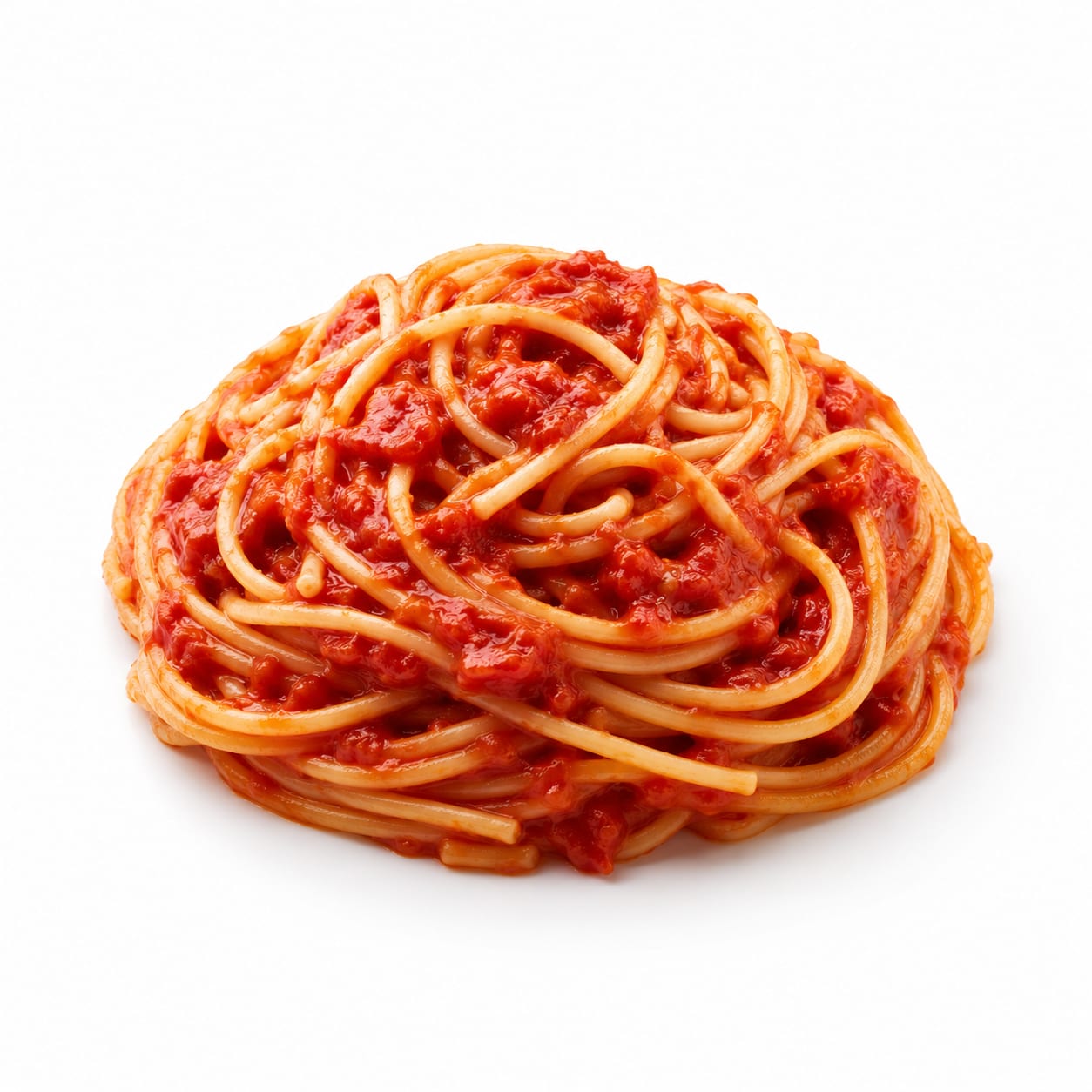
Spaghetti
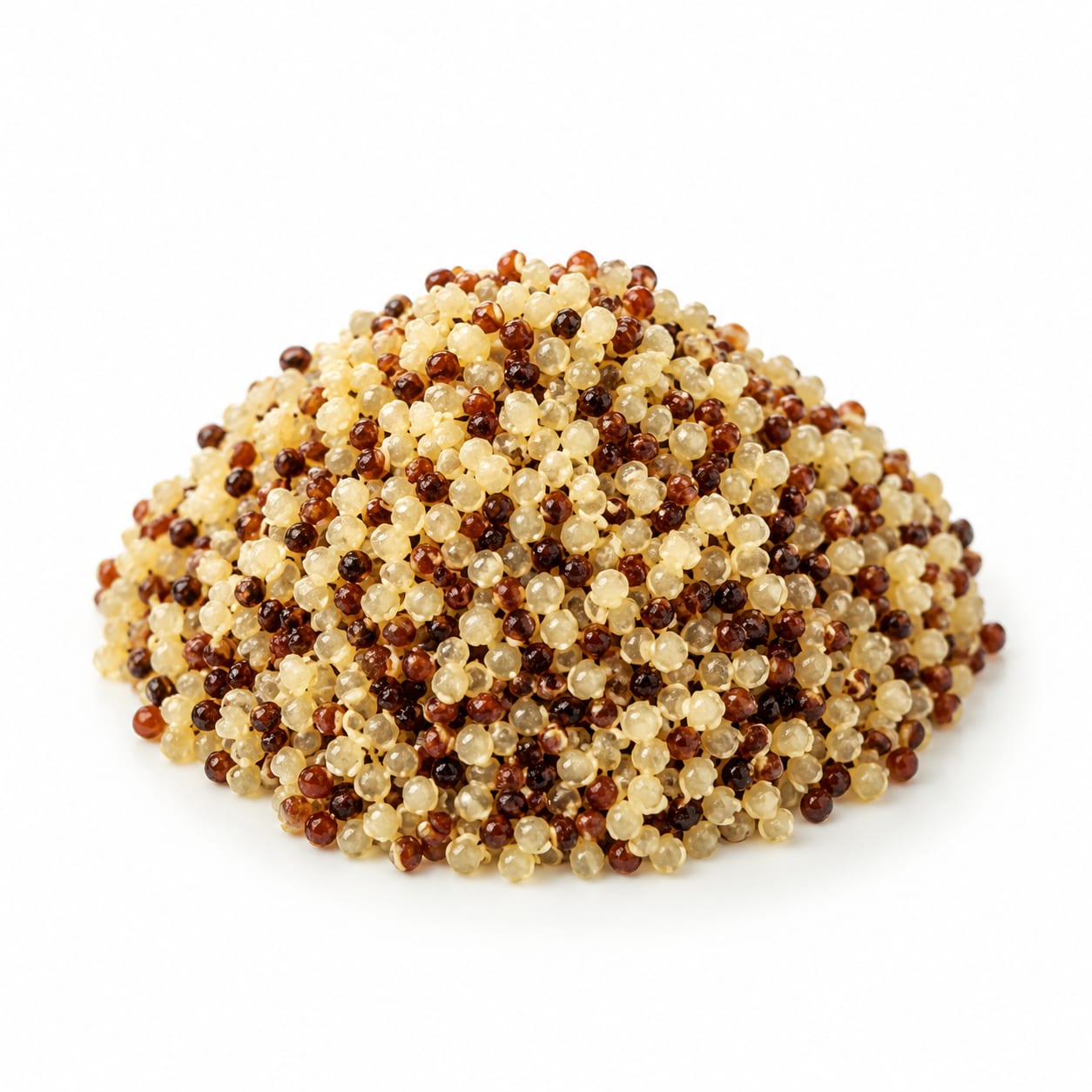
Quinoa
Quinoa delivers steadier energy and more protein, while spaghetti offers comforting familiarity and easier calorie loading.
Quinoa outscores spaghetti significantly due to its superior protein profile, higher fiber, and gentler impact on blood sugar. Spaghetti remains relevant for specific needs like carb-loading or budget constraints.
Nutritional density and blood sugar stability from quinoa versus comfort and convenience from spaghetti.
At a glance
Executive summary
Overall
Quinoa
Healthier
Quinoa
More practical
Spaghetti
Daily use
Quinoa
Key comparison lenses
Blood sugar stability and energy crashes
Refined spaghetti causes rapid glucose spikes, while quinoa provides slow-burning complex carbohydrates.
Protein quality and satiety
Quinoa is a complete protein, keeping you full much longer than spaghetti's incomplete protein profile.
Gluten tolerance and digestive comfort
Spaghetti contains gluten which triggers sensitivities, whereas quinoa is naturally gluten-free.
Budget and meal convenience
Spaghetti is a cheap, familiar comfort food, while quinoa costs more and requires flavor adjustments.
Best choice for
Spaghetti
- Spaghetti is ideal for pre-workout carb loading
- Spaghetti suits budget-friendly family meals
- Spaghetti satisfies comfort food cravings
Quinoa
- Quinoa is best for blood sugar management
- Quinoa suits plant-based protein boosts
- Quinoa fits gluten-free diets
Least suitable for
Spaghetti
- Spaghetti is least suitable for gluten intolerance or celiac
- Spaghetti is poor for low-carb or keto diets
- Spaghetti is bad for those needing steady energy without crashes
Quinoa
- Quinoa is less suitable for strict budget constraints
- Quinoa is tough for people who dislike earthy flavors
- Quinoa is not ideal for quick comfort meals
Deep comparison
Dimension by dimension
Each lens scores both foods and breaks down who each option suits.
- Dimension 1 · Priority 95Quinoa
Blood Sugar & Energy Stability
Spaghetti · 40Quinoa · 85Quinoa provides a slow, steady release of energy, while refined spaghetti can cause a quicker spike and crash.
Tradeoff
Choosing spaghetti means trading sustained energy for a faster, shorter-lived boost.
Why it matters
Steady energy prevents the afternoon slump and reduces cravings later in the day.
Real-world impact
Eating quinoa at lunch keeps you focused through the 3 PM slump; spaghetti might leave you reaching for a snack.
Spaghetti
- Spaghetti is better for quick pre-workout fuel
- Spaghetti is better for recovering from a hypoglycemic episode
Better for
- Spaghetti is worse for sitting at a desk all day
- Spaghetti is worse for avoiding afternoon cravings
Worse for
Quinoa
- Quinoa is better for sustained desk-job energy
- Quinoa is better for managing diabetes or insulin resistance
Better for
- Quinoa is worse for immediate post-workout glycogen depletion when you need sugar fast
Worse for
- Dimension 2 · Priority 90Quinoa
Protein & Satiety
Spaghetti · 35Quinoa · 90Quinoa is a rare plant-based complete protein, making it far more filling than spaghetti.
Tradeoff
You get much more hunger-fighting power from quinoa, but spaghetti is easier to eat in large quantities.
Why it matters
Higher protein and fiber keep you full longer, naturally reducing overall calorie intake.
Real-world impact
A quinoa bowl keeps you full for hours; a plate of spaghetti often leaves you hungry again within two hours.
Spaghetti
- Spaghetti is better for bulking up when you lack appetite
- Spaghetti is better for carb-loading before endurance events
Better for
- Spaghetti is worse for staying full between meals
- Spaghetti is worse for muscle maintenance on a plant-based diet
Worse for
Quinoa
- Quinoa is better for weight management
- Quinoa is better for plant-based diets needing complete proteins
Better for
- Quinoa is worse for trying to increase calorie intake easily
Worse for
- Dimension 3 · Priority 85Quinoa
Digestive Tolerance & Gluten
Spaghetti · 30Quinoa · 85Quinoa is naturally gluten-free and easier on sensitive stomachs, whereas traditional spaghetti contains gluten.
Tradeoff
Spaghetti offers a familiar chewy texture tied to gluten, while quinoa provides a safe alternative for sensitive guts.
Why it matters
Gluten can cause bloating and digestive distress for a significant portion of the population.
Real-world impact
Choosing quinoa eliminates the post-meal bloating that often follows a heavy spaghetti dish.
Spaghetti
- Spaghetti has no specific digestive advantage unless whole wheat is used for extra fiber tolerance
Better for
- Spaghetti is worse for gluten intolerance
- Spaghetti is worse for wheat allergies
- Spaghetti is worse for bloating-prone individuals
Worse for
Quinoa
- Quinoa is better for celiac disease
- Quinoa is better for IBS or gluten sensitivity
- Quinoa is better for reducing bloating
Better for
- Quinoa is worse for saponin sensitivity if not rinsed properly
Worse for
- Dimension 4 · Priority 75Spaghetti
Convenience & Cost
Spaghetti · 90Quinoa · 55Spaghetti is incredibly cheap and universally loved, while quinoa is pricier and has a more polarizing taste.
Tradeoff
You pay more for quinoa's nutritional benefits, while spaghetti offers budget-friendly comfort.
Why it matters
Daily food choices must fit your wallet and your family's taste preferences to be sustainable.
Real-world impact
Feeding a family of four on spaghetti costs a few dollars; quinoa can double or triple the grocery bill.
Spaghetti
- Spaghetti is better for large families on a budget
- Spaghetti is better for picky eaters
- Spaghetti is better for quick comfort meals
Better for
- Spaghetti is worse for maximizing nutritional value per dollar
Worse for
Quinoa
- Quinoa is better for investing in nutrient density
- Quinoa is better for solo diners prioritizing health
Better for
- Quinoa is worse for tight grocery budgets
- Quinoa is worse for feeding kids who resist new textures
Worse for
Timeline
Health impact over time
Short-term
Hours to days
Spaghetti
- Spaghetti gives a quick energy boost
- Spaghetti can cause potential bloating or heaviness
- Spaghetti provides satisfaction from comfort food
Quinoa
- Quinoa provides sustained fullness
- Quinoa offers stable energy without a crash
- Quinoa may cause mild digestive adjustment if unused to high fiber
Long-term
Months to years
Spaghetti
- Spaghetti poses a risk of blood sugar dysregulation if eaten frequently without fiber or protein
- Spaghetti may contribute to weight gain from easy overconsumption
Quinoa
- Quinoa supports better blood sugar management
- Quinoa makes weight maintenance easier due to satiety
- Quinoa improves nutrient intake from higher vitamins and minerals
Risk profile
Safety & processing
Standard spaghetti is a processed grain product stripped of its bran and germ, while quinoa is a whole seed eaten in its natural state.
Spaghetti
Gluten-related inflammation from spaghetti
mediumFor those with celiac or non-celiac gluten sensitivity, spaghetti triggers immune responses and gut damage.
Blood sugar spike from spaghetti
mediumRefined carbohydrates can rapidly elevate blood glucose, stressing metabolic health over time.
Quinoa
Saponin residue on quinoa
lowUnrinsed quinoa contains natural saponins that taste bitter and can cause mild stomach upset.
Cross-contamination with gluten in quinoa
lowIf processed in facilities that also handle wheat, quinoa may pick up trace gluten.
Who wins for whom
Audience fit
Same foods, different winners depending on your goal.
children
SpaghettiKids generally prefer the mild taste and fun texture of spaghetti, making mealtime less of a battle.
daily consumption
QuinoaQuinoa's nutrient profile supports daily consumption without the metabolic drawbacks of refined carbs.
diabetes
QuinoaQuinoa has a lower glycemic index and more fiber, preventing dangerous blood sugar spikes.
elderly
QuinoaOlder adults benefit more from quinoa's dense nutrients and fiber to prevent age-related muscle loss and constipation.
muscle gain
It dependsSpaghetti helps with carb-loading for heavy training, but quinoa provides better amino acids for muscle repair.
weight loss
QuinoaQuinoa's high protein and fiber create strong satiety, making it easier to eat fewer calories overall.
Your move
Decision guide
Choose Spaghetti
- You need cheap, comforting calories from spaghetti for a large family
- You are carb-loading with spaghetti before a marathon or intense workout
- You want spaghetti as a familiar base for a rich tomato sauce
Choose Quinoa
- You want steady energy from quinoa without the afternoon crash
- You are eating plant-based and need the complete protein from quinoa
- You are managing blood sugar or trying to lose weight with quinoa
Either works if
- You want a base for a veggie-heavy bowl or stir-fry
- You are mixing it with enough protein and fat to balance the meal
Avoid both if
- You are on a strict keto or very low-carb diet
- You have severe carbohydrate malabsorption issues
Final recommendation
Choose quinoa as your everyday staple for better energy and fullness, but keep spaghetti for occasional comfort meals or when you need affordable, quick calories.
Practical
Consumer tips
- 1
Rinse quinoa thoroughly before cooking to remove bitter saponins.
- 2
Pair spaghetti with a protein-rich sauce and vegetables to slow down sugar absorption.
- 3
Try whole wheat or legume-based spaghetti as a middle ground between taste and nutrition.
- 4
Cook quinoa in broth instead of water to boost flavor without adding cost.