
Nutrition comparison
Spaghetti vs Spaghetti Squash: Nutrition, Carbs, and Health Comparison
Comparing Spaghetti and Spaghetti squash? Discover the nutritional differences, carb counts, and which is better for weight loss or blood sugar control.
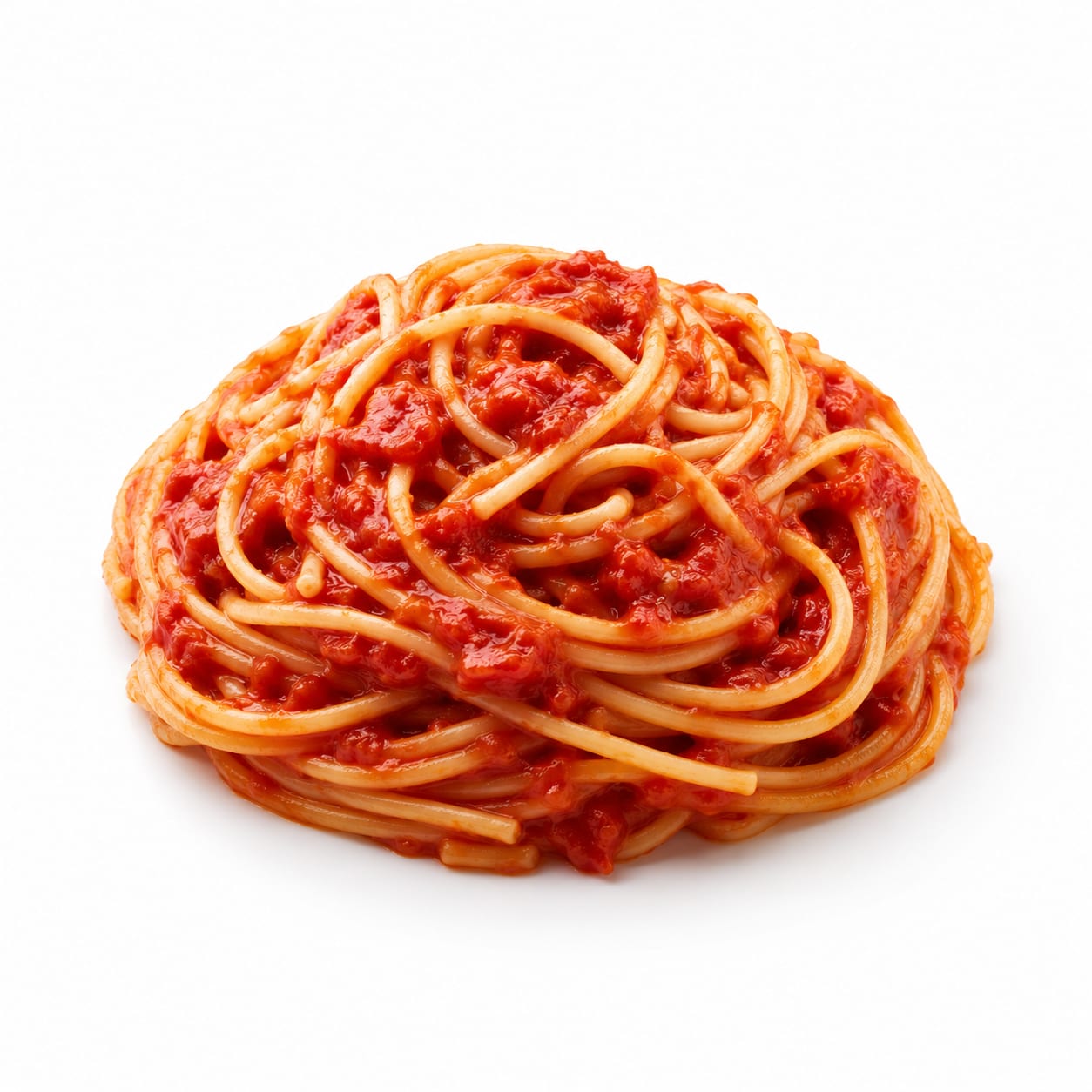
Spaghetti
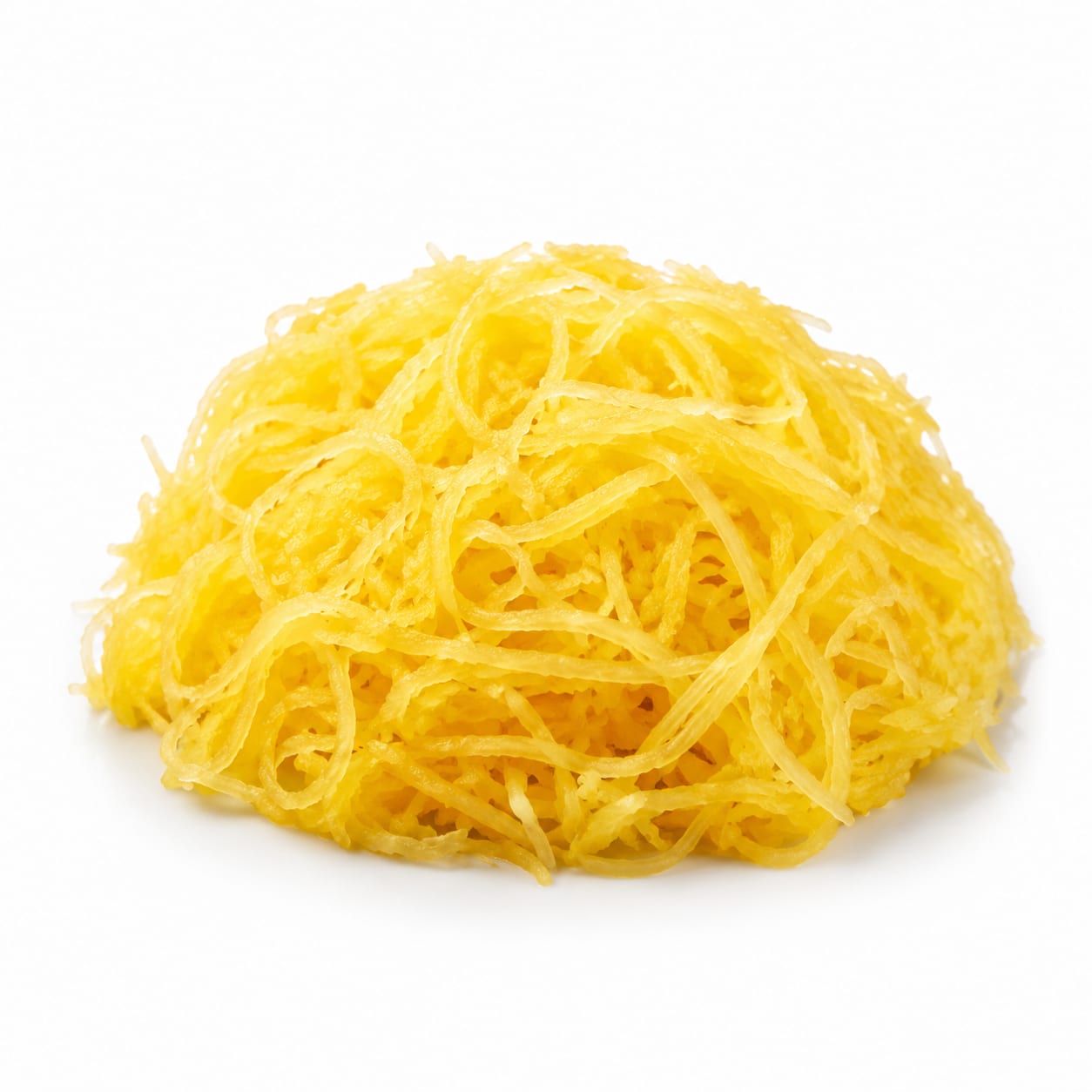
Spaghetti squash
Spaghetti squash wins for carb control and calorie density, while Spaghetti delivers superior comfort and energy for active lifestyles.
Spaghetti squash scores higher due to its favorable impact on blood sugar, lower calorie density, and higher micronutrient content, though Spaghetti remains relevant for energy needs and convenience.
The comforting, energy-dense satisfaction of traditional pasta versus the low-calorie, blood-sugar-friendly profile of the squash.
At a glance
Executive summary
Overall
It depends
Healthier
Spaghetti squash
More practical
Spaghetti
Daily use
It depends
Key comparison lenses
Low-carb diet compatibility
Spaghetti squash is famously used as a low-carb substitute for traditional pasta.
Blood sugar management
Refined wheat pasta causes significant blood sugar spikes compared to the fibrous squash.
Weight loss and calorie density
Spaghetti squash allows for much larger portion sizes for far fewer calories.
Meal satisfaction and comfort
Traditional spaghetti provides a chewy, comforting texture that squash cannot fully replicate.
Best choice for
Spaghetti
- Athletes needing quick carbohydrates
- Those seeking classic comfort food satisfaction
- Families cooking for picky eaters
Spaghetti squash
- People managing diabetes or insulin resistance
- Anyone aiming to cut calories without shrinking portion sizes
- Low-carb or keto dieters
Least suitable for
Spaghetti
- People with severe gluten intolerance or celiac disease
- Those on a strict low-carb diet
Spaghetti squash
- Endurance athletes needing dense carbohydrate fuel
- People wanting a quick 10-minute weeknight dinner
Deep comparison
Dimension by dimension
Each lens scores both foods and breaks down who each option suits.
- Dimension 1 · Priority 95Spaghetti squash
Blood Sugar Stability
Spaghetti · 30Spaghetti squash · 90Spaghetti squash keeps blood sugar steady, while traditional Spaghetti causes rapid spikes and crashes.
Tradeoff
You trade the quick energy burst of refined carbs for long-lasting, crash-free energy.
Why it matters
Steady blood sugar means fewer afternoon energy crashes and reduced cravings later in the day.
Real-world impact
Eating Spaghetti squash instead of regular Spaghetti helps avoid that heavy, sleepy feeling after a big pasta lunch.
Spaghetti
- Pre-workout carb loading
Better for
- Those with type 2 diabetes
Worse for
Spaghetti squash
- Preventing the post-meal energy crash
- Managing insulin resistance
Better for
- Situations requiring rapid glycogen replenishment
Worse for
- Dimension 2 · Priority 90Spaghetti squash
Calorie Density and Weight Management
Spaghetti · 25Spaghetti squash · 95Spaghetti squash lets you eat a massive bowl for a fraction of the calories in traditional Spaghetti.
Tradeoff
You sacrifice the dense caloric fuel of pasta, which can leave you hungry sooner if not paired with protein and fat.
Why it matters
Volume eating helps you feel full without overconsuming calories, making weight management feel less restrictive.
Real-world impact
You can have a huge plate of Spaghetti squash with marinara for under 150 calories, leaving room for more nutritious toppings.
Spaghetti
- Bulking up when you need a calorie surplus
Better for
- Those trying to lose belly fat
Worse for
Spaghetti squash
- Cutting calories without feeling deprived
- Creating low-calorie high-volume meals
Better for
- People with high caloric needs who struggle to eat enough
Worse for
- Dimension 3 · Priority 80Spaghetti
Satiety and Comfort
Spaghetti · 85Spaghetti squash · 55Traditional Spaghetti provides a chewy, comforting mouthfeel that Spaghetti squash simply cannot match.
Tradeoff
The psychological satisfaction of real pasta comes with a much heavier calorie toll.
Why it matters
Emotional satisfaction from food matters for long-term diet sustainability; feeling deprived often leads to bingeing.
Real-world impact
When you are craving a cozy bowl of pasta on a cold night, Spaghetti squash might leave you hunting for snacks an hour later.
Spaghetti
- Emotional eating and comfort food cravings
- Family dinners where everyone expects the real thing
Better for
- Those who tend to overeat comfort foods
Worse for
Spaghetti squash
- Light, refreshing summer meals
Better for
- Situations where deep comfort food satisfaction is the goal
Worse for
- Dimension 4 · Priority 75Spaghetti squash
Nutrient Density
Spaghetti · 35Spaghetti squash · 85Spaghetti squash offers vitamins and antioxidants, while refined Spaghetti is mostly empty starch.
Tradeoff
Whole wheat Spaghetti could close this gap, but standard white Spaghetti falls short on micronutrients.
Why it matters
Getting vitamins from your carb sources means your body runs better without relying entirely on supplements or vegetables on the side.
Real-world impact
Choosing Spaghetti squash gives you a small boost of vitamin C and potassium alongside your meal.
Spaghetti
- Enriched flour provides some B vitamins and iron
Better for
- Those relying on pasta as a dietary staple without other veggies
Worse for
Spaghetti squash
- Boosting overall micronutrient intake naturally
- Increasing dietary antioxidants
Better for
- Situations where B-vitamin fortification is the primary goal
Worse for
- Dimension 5 · Priority 70Spaghetti
Convenience and Preparation
Spaghetti · 90Spaghetti squash · 45Spaghetti boils in minutes, while Spaghetti squash requires roasting or microwaving and scraping.
Tradeoff
The extra prep time for the squash yields a healthier base, but it is rarely a quick weeknight shortcut.
Why it matters
When you are exhausted after work, convenience often wins over health, making pasta the default choice.
Real-world impact
You can cook dried Spaghetti in 10 minutes; Spaghetti squash takes at least 30-40 minutes in the oven.
Spaghetti
- Rushed weeknight dinners
- Meal prep beginners
Better for
- Those wanting to slow down and cook mindfully
Worse for
Spaghetti squash
- Weekend meal prep sessions
Better for
- Busy parents needing dinner on the table fast
Worse for
Timeline
Health impact over time
Short-term
Hours to days
Spaghetti
- Quick burst of energy followed by a potential crash
- Feeling comfortably full but potentially bloated
Spaghetti squash
- Steady, light energy without the sugar crash
- Feeling physically full but potentially unsatisfied if under-dressed
Long-term
Months to years
Spaghetti
- Frequent consumption may contribute to insulin resistance if portions are large
- Easy to overconsume calories leading to gradual weight gain
Spaghetti squash
- Supports healthy weight maintenance due to low calorie density
- Consistent fiber intake supports digestive regularity
Risk profile
Safety & processing
Spaghetti squash is a whole food straight from the farm, while regular Spaghetti is a processed product made from milled, refined wheat flour.
Spaghetti
Gluten intolerance
mediumContains gluten, which triggers adverse reactions in those with celiac disease or non-celiac gluten sensitivity.
Enriched flour additives
lowSome enriched pastas contain synthetic fortification that is harmless to most but bothersome to a small minority.
Spaghetti squash
Pesticide residue
lowAs a conventionally grown gourd, the skin may hold pesticide residue, though the consumed flesh is generally safe.
Who wins for whom
Audience fit
Same foods, different winners depending on your goal.
children
SpaghettiKids generally prefer the familiar, soft texture of traditional pasta and need the energy density for growth and activity.
daily consumption
Spaghetti squashSpaghetti squash is gentle on blood sugar and low in calories, making it a safer daily staple than refined carbohydrates.
diabetes
Spaghetti squashSpaghetti squash has a dramatically lower glycemic load, preventing the dangerous blood sugar spikes caused by refined pasta.
elderly
It dependsSpaghetti is easier to chew and provides needed calories for frail seniors, but Spaghetti squash offers better blood sugar control for those with age-related insulin resistance.
muscle gain
SpaghettiSpaghetti provides the dense, easily digestible carbohydrates needed to fuel heavy training and replenish glycogen.
weight loss
Spaghetti squashSpaghetti squash allows for massive portion sizes with minimal calories, making it far easier to sustain a calorie deficit.
Your move
Decision guide
Choose Spaghetti
- You are an athlete carb-loading before an event
- You are cooking for kids who reject vegetable substitutes
- You need a comforting, emotionally satisfying meal
Choose Spaghetti squash
- You are trying to lose weight without eating tiny portions
- You need to keep your blood sugar stable
- You want to increase your vegetable intake effortlessly
Either works if
- You are making a casserole where the sauce is the star
- You plan to load the dish with protein and healthy fats anyway
Avoid both if
- You are on a strict zero-carb carnivore diet
Final recommendation
Make Spaghetti squash your everyday base for pasta nights to keep calories and carbs in check, but keep traditional Spaghetti in the rotation for intense training days or when you genuinely need the comfort of the real thing.
Practical
Consumer tips
- 1
Roast Spaghetti squash cut-side down for better caramelization and easier shredding.
- 2
Sauté the shredded squash in a dry pan for a few minutes to remove excess moisture before adding sauce.
- 3
If transitioning to Spaghetti squash, try mixing it half-and-half with real Spaghetti at first to adjust your palate.
- 4
Toss Spaghetti squash with olive oil and parmesan before adding marinara to boost the satiety factor with healthy fats.