
Nutrition comparison
Spaghetti vs Soba Noodles: Which is Healthier?
Compare spaghetti and soba noodles to see which is better for blood sugar, weight loss, and daily nutrition. Discover the health tradeoffs between wheat and buckwheat.
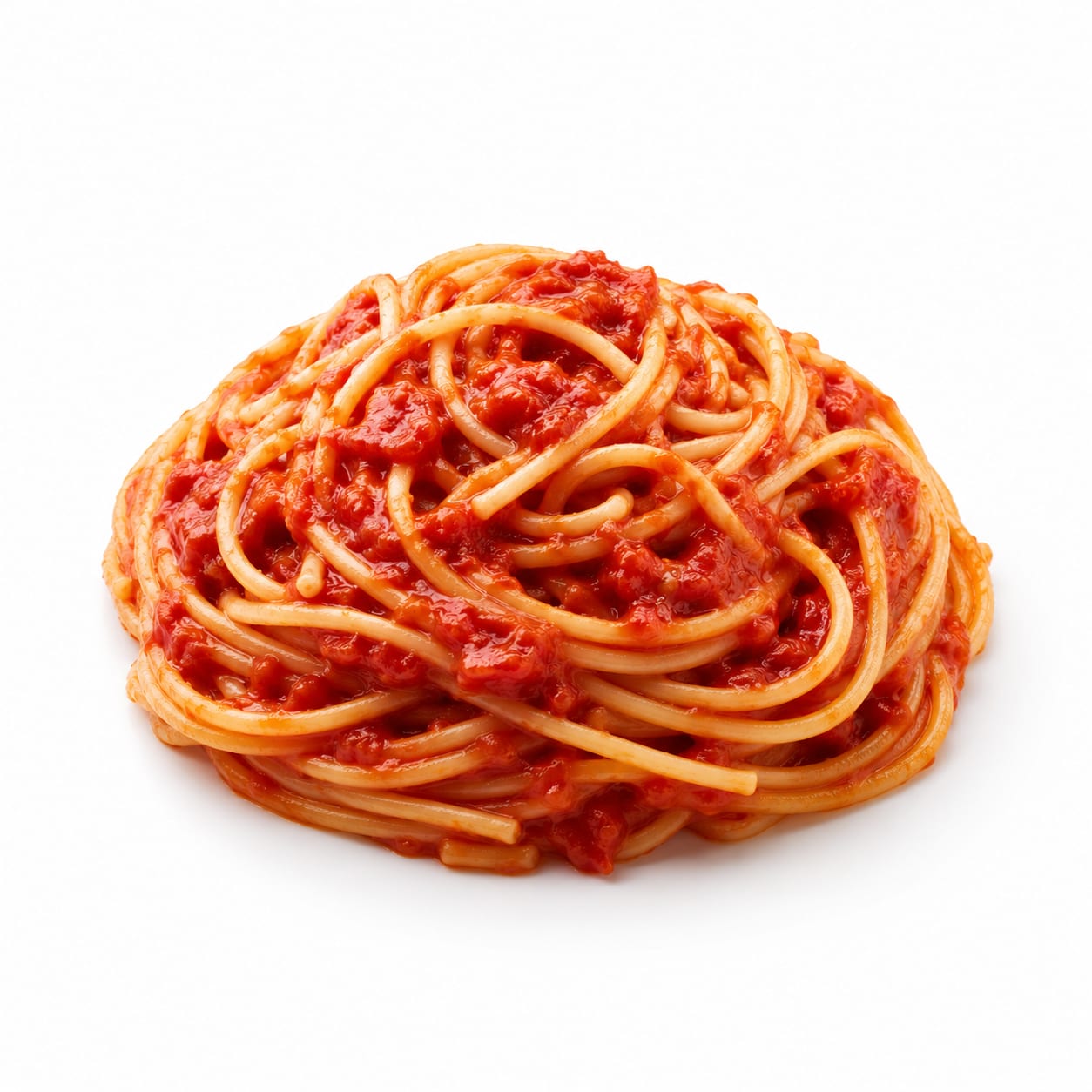
Spaghetti
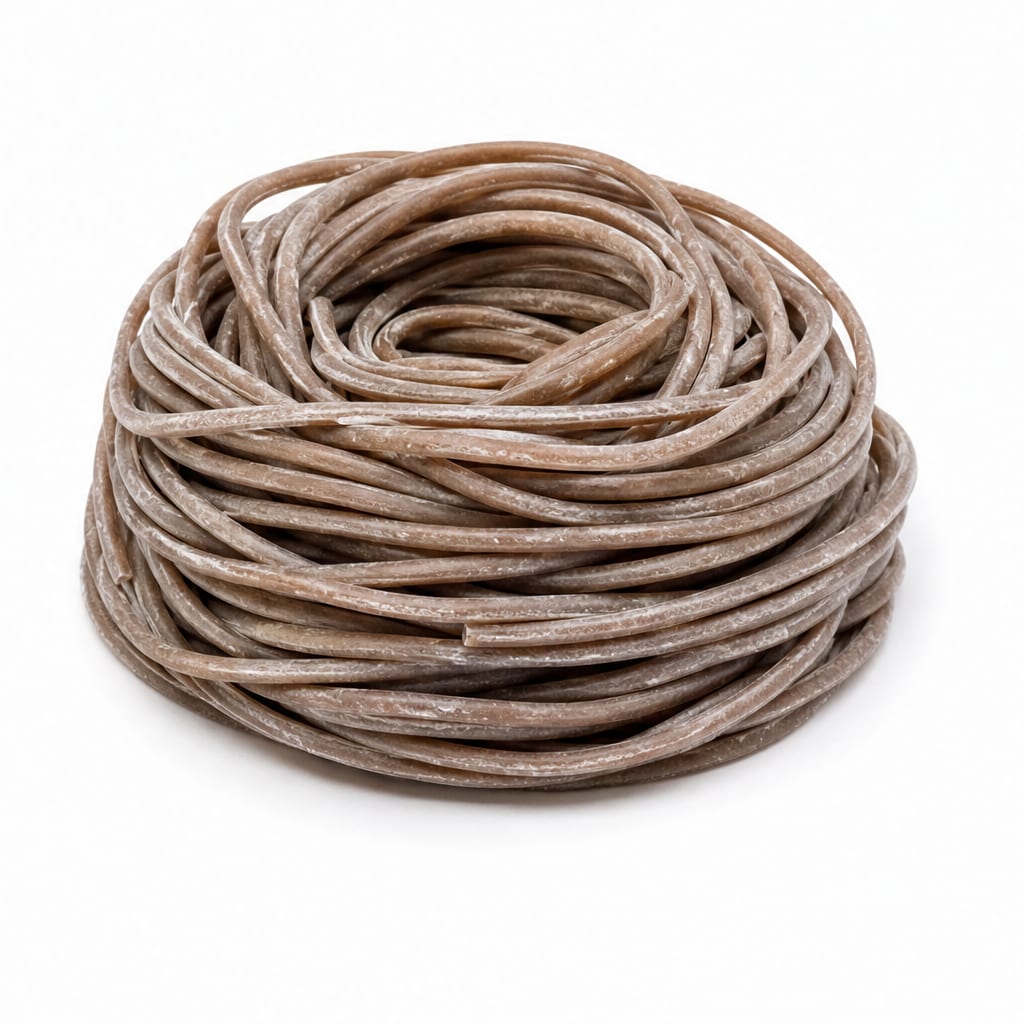
Soba noodles
Soba noodles win for blood sugar control and nutrient density, but spaghetti remains the champion of convenience and family-friendly meals.
Soba noodles score notably higher due to superior blood sugar stability and micronutrient content. Spaghetti scores lower because standard refined versions offer mostly empty carbs, though it remains highly practical.
You trade the comforting familiarity and easy energy of spaghetti for the steadier energy and richer nutrition of soba noodles.
At a glance
Executive summary
Overall
It depends
Healthier
Soba noodles
More practical
Spaghetti
Daily use
It depends
Key comparison lenses
Blood sugar stability and glycemic impact
Refined wheat spaghetti causes rapid blood sugar spikes, whereas buckwheat-based soba noodles release energy more slowly.
Gluten sensitivity and digestive comfort
Spaghetti is high in gluten, while 100% buckwheat soba is naturally gluten-free, making it a safer choice for sensitive stomachs.
Micronutrient density and antioxidant intake
Soba noodles provide significantly more minerals and antioxidants than standard refined spaghetti.
Everyday convenience and meal versatility
Spaghetti is a pantry staple with universal appeal, whereas soba noodles require specific preparation and pairings.
Best choice for
Spaghetti
- Athletes needing quick carbs after intense workouts
- Families with picky eaters
- Budget-conscious meal prep
Soba noodles
- People managing blood sugar or insulin resistance
- Those avoiding gluten
- Anyone seeking more minerals like manganese and magnesium
Least suitable for
Spaghetti
- People with diabetes or metabolic syndrome
- Those with celiac disease or gluten intolerance
Soba noodles
- Those with buckwheat allergies
- People seeking high-calorie carb loading
Deep comparison
Dimension by dimension
Each lens scores both foods and breaks down who each option suits.
- Dimension 1 · Priority 95Soba noodles
Blood Sugar Stability
Spaghetti · 30Soba noodles · 80Soba noodles keep your energy steady, while spaghetti often leads to a sugar rush and crash.
Tradeoff
You give up the quick, intense energy burst of spaghetti for long-lasting, crash-free energy with soba.
Why it matters
Steady blood sugar means fewer afternoon energy crashes and less cravings later in the day.
Real-world impact
Eating spaghetti can leave you hungry again two hours later; soba noodles keep you satisfied until your next meal.
Spaghetti
- Quick pre-workout fuel
- Recovering from intense endurance exercise
Better for
- Sitting at a desk all day
- Late-night dinners
Worse for
Soba noodles
- Preventing the afternoon slump
- Managing insulin resistance
Better for
- Immediate post-marathon recovery
Worse for
- Dimension 2 · Priority 80Soba noodles
Micronutrient Density
Spaghetti · 20Soba noodles · 85Soba noodles are loaded with minerals and antioxidants, whereas refined spaghetti is mostly empty calories.
Tradeoff
Spaghetti offers a blank canvas for sauces, but soba brings its own nutritional value to the bowl.
Why it matters
Minerals like magnesium and manganese support bone health and energy production without needing supplements.
Real-world impact
Choosing soba over spaghetti is an easy way to sneak more essential nutrients into a carb-heavy meal.
Spaghetti
- Absorbing fat-soluble vitamins from heavy meat sauces
Better for
- Preventing nutrient deficiencies
Worse for
Soba noodles
- Boosting daily mineral intake
- Increasing antioxidant consumption
Better for
- Keeping meals extremely cheap
Worse for
- Dimension 3 · Priority 85Soba noodles
Digestive Tolerance & Gluten
Spaghetti · 35Soba noodles · 85Pure soba is naturally gluten-free and easier to digest, while spaghetti's gluten can cause bloating for many.
Tradeoff
If you buy cheap soba blended with wheat, you lose the gluten-free benefit and get the worst of both worlds.
Why it matters
Bloating and brain fog after meals often trace back to gluten sensitivity, even if not full celiac disease.
Real-world impact
Swapping spaghetti for 100% buckwheat soba can mean the difference between a productive afternoon and a sluggish one.
Spaghetti
- Those with no gluten sensitivity who digest wheat well
Better for
- Those with wheat allergies or celiac disease
Worse for
Soba noodles
- People with irritable bowel syndrome
- Anyone reducing gluten intake
Better for
- People with rare buckwheat allergies
Worse for
- Dimension 4 · Priority 70Spaghetti
Convenience & Versatility
Spaghetti · 90Soba noodles · 60Spaghetti is a cheap, universally loved staple, while soba requires more specific pairings and costs more.
Tradeoff
You sacrifice some nutritional quality for a meal that practically cooks itself and pleases everyone.
Why it matters
The healthiest food only works if you actually eat it; spaghetti's ease of use makes it a realistic weekly staple.
Real-world impact
Spaghetti is perfect for a tired Tuesday night; soba might require a special grocery run and a lighter sauce approach.
Spaghetti
- Feeding a family of four on a budget
- Meal prepping in large batches
Better for
- Exploring diverse global cuisines
Worse for
Soba noodles
- Quick cold noodle salads for lunch
- Light summer dinners
Better for
- Hearty comfort food cravings
Worse for
Timeline
Health impact over time
Short-term
Hours to days
Spaghetti
- Quick burst of energy followed by a crash
- Potential bloating or heaviness if eaten in large portions
Soba noodles
- Sustained energy without the post-meal slump
- Lighter feeling in the stomach after eating
Long-term
Months to years
Spaghetti
- Frequent consumption may contribute to insulin resistance
- Low nutrient contribution to overall diet
Soba noodles
- Improved blood vessel health due to rutin antioxidants
- Better long-term blood sugar management
Risk profile
Safety & processing
Standard spaghetti is highly refined but usually free of artificial additives. Soba noodles are also processed, but 100% buckwheat versions retain much of the whole grain's natural nutrition.
Spaghetti
Glyphosate residue
mediumConventional wheat is often sprayed with glyphosate, which can leave trace residues in the final product.
Soba noodles
Buckwheat allergy
highBuckwheat is a potent allergen for a small percentage of people and can cause severe anaphylactic reactions.
Wheat cross-contamination
mediumMany commercial soba noodles are blended with wheat flour, making them unsafe for those with celiac disease unless certified 100% buckwheat.
Who wins for whom
Audience fit
Same foods, different winners depending on your goal.
children
SpaghettiKids universally love the mild taste and soft texture of spaghetti, making it an easy win for family dinners.
daily consumption
Soba noodlesSoba noodles offer more daily nutritional value without the metabolic drawbacks of refined wheat.
diabetes
Soba noodlesThe lower glycemic index and higher fiber content of soba noodles prevent dangerous blood sugar spikes.
elderly
Soba noodlesThe rutin in soba supports vascular health, and the steady energy is ideal for aging metabolisms.
muscle gain
SpaghettiSpaghetti provides a denser, faster-digesting carbohydrate source that is ideal for replenishing glycogen after heavy lifting.
weight loss
Soba noodlesSoba noodles keep you fuller for longer on fewer calories and prevent the insulin spikes that trigger fat storage.
Your move
Decision guide
Choose Spaghetti
- You are carb-loading for an athletic event
- You need a cheap, comforting meal that kids will eat without complaint
- You are pairing with a heavy, rich meat sauce
Choose Soba noodles
- You want steady energy without the afternoon crash
- You are sensitive to gluten or trying to reduce wheat intake
- You prefer lighter, broth-based or sesame-dressed meals
Either works if
- You are eating a balanced plate with plenty of protein and vegetables
- You just want a satisfying noodle dish and have no specific health goals
Avoid both if
- You are strictly following a low-carb or ketogenic diet
- You have severe sensitivities to both wheat and buckwheat
Final recommendation
Make soba noodles your default for everyday lunches and light dinners to reap the blood sugar and nutrient benefits. Keep spaghetti for occasional comfort meals or when you need quick, dense energy for intense physical activity.
Practical
Consumer tips
- 1
Always check the ingredient list on soba noodles; look for 100% buckwheat to ensure it is gluten-free and nutritionally superior.
- 2
If eating spaghetti, pair it with a fiber-rich tomato sauce and lean protein to slow down the blood sugar spike.
- 3
Rinse cooked soba noodles under cold water to remove excess starch and improve the noodle texture.
- 4
Choose whole wheat spaghetti if you want the familiarity of pasta but need better blood sugar control than the refined version.