
Nutrition comparison
Spaghetti vs Zucchini Noodles: Which Is Actually Better for You?
Complete nutritional comparison of Spaghetti versus zucchini noodles covering calories, carbs, blood sugar impact, weight loss, and real-world meal satisfaction. Find out which pasta alternative wins for your goals.
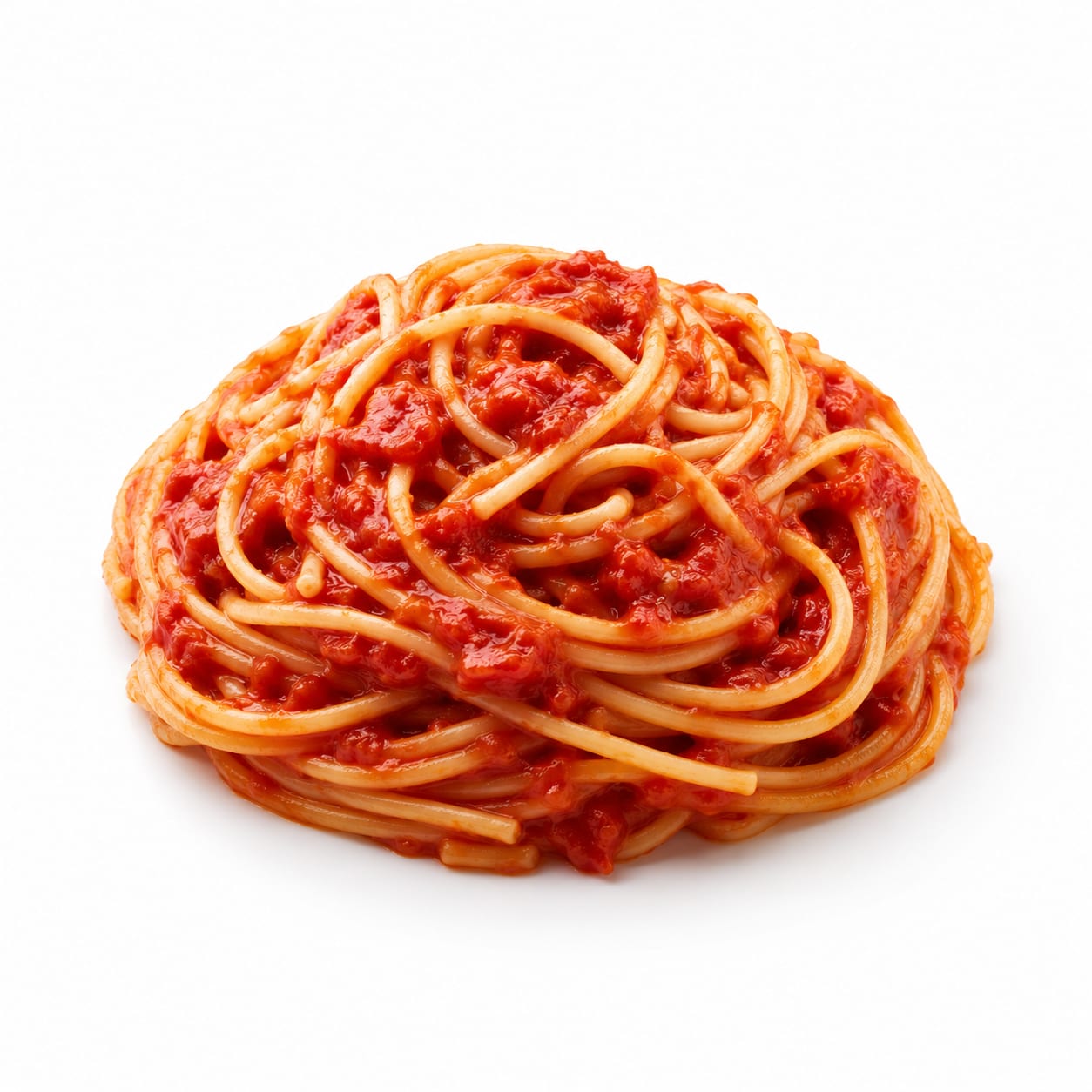
Spaghetti
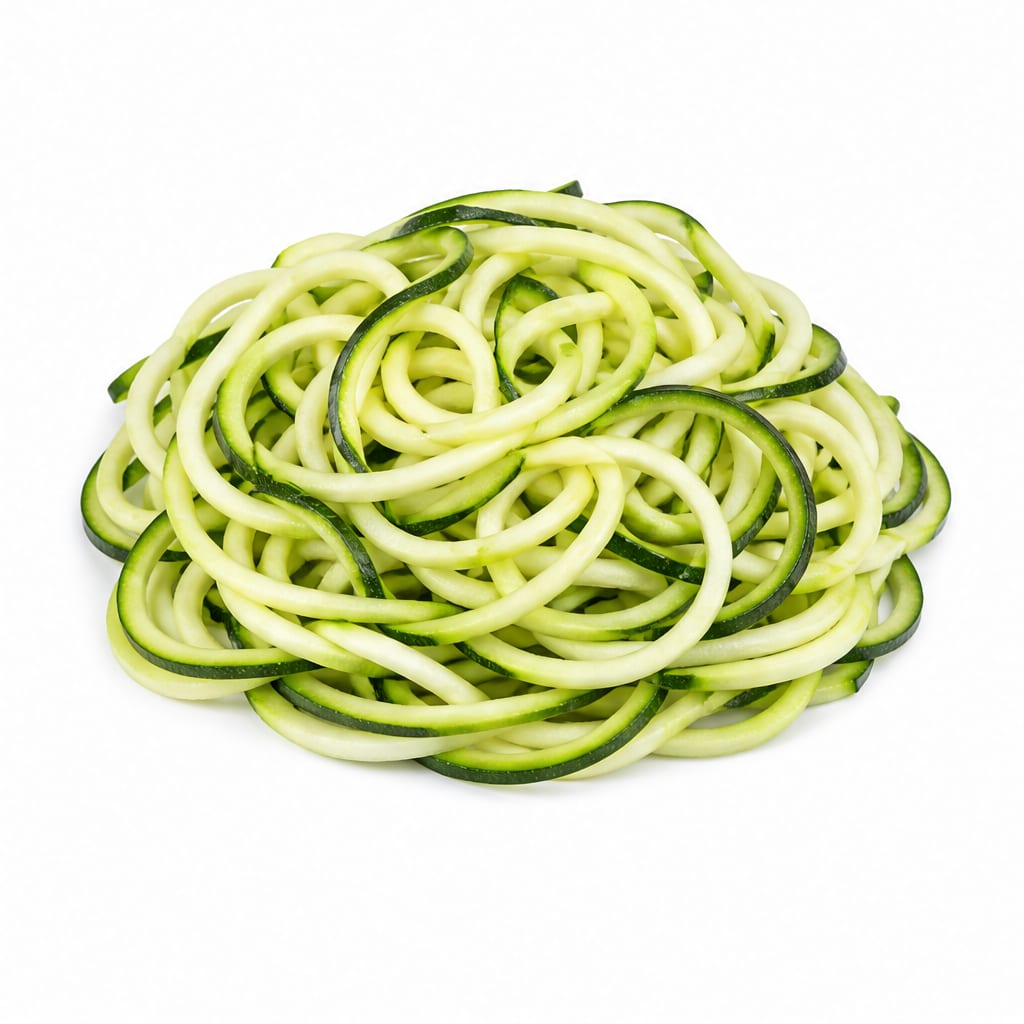
Zucchini noodles
Spaghetti fuels you; zucchini noodles lighten you. The right choice depends entirely on whether your body needs energy or a break from it.
Zucchini noodles score higher for health outcomes most people need, but Spaghetti earns meaningful points for satiety, energy, and meal satisfaction. The gap reflects that more adults benefit from reducing refined carbs than from adding them.
You trade sustained satisfying energy and comfort for dramatically fewer calories and carbs. Neither side is free.
At a glance
Executive summary
Overall
It depends
Healthier
Zucchini noodles
More practical
Spaghetti
Daily use
It depends
Key comparison lenses
blood sugar control and carb reduction
The most dramatic difference between these foods is carbohydrate content, making this the primary decision driver for most users
weight loss and calorie reduction
Zucchini noodles offer massive calorie savings, which is the most common reason people consider switching from pasta
meal satisfaction and comfort
Spaghetti provides emotional and physical fullness that zucchini noodles often cannot replicate, affecting long-term adherence
nutrient density versus energy density
Users want to understand what they gain nutritionally by swapping versus what they sacrifice in sustained energy
practical meal building
Zucchini noodles require different preparation and pairing strategies to create a complete satisfying meal
Best choice for
Spaghetti
- Athletes needing carb fuel before or after intense training
- People with high caloric needs who struggle to eat enough
- Anyone seeking comforting familiar meals that feel like real dinner
- Active individuals with healthy blood sugar doing endurance work
Zucchini noodles
- People managing diabetes or insulin resistance
- Anyone actively losing weight who wants large portion sizes
- Those reducing refined carbs without sacrificing the pasta experience
- People feeling sluggish after heavy meals and wanting lighter options
Least suitable for
Spaghetti
- People with diabetes or prediabetes monitoring blood sugar
- Anyone on a low-carb or ketogenic diet
- Those who tend to overeat pasta and struggle with portion control
- People seeking to reduce refined grain consumption
Zucchini noodles
- Athletes who need carbohydrate fuel for performance
- Underweight individuals needing calorie-dense meals
- People who feel unsatisfied and snack endlessly after light meals
- Anyone seeking long-lasting energy from their base food
Deep comparison
Dimension by dimension
Each lens scores both foods and breaks down who each option suits.
- Dimension 1 · Priority 95Zucchini noodles
blood sugar stability
Spaghetti · 30Zucchini noodles · 92Spaghetti causes a significant blood sugar spike followed by a crash. Zucchini noodles barely register glycogenically.
Tradeoff
You lose the quick energy burst from carbs but avoid the sleepy afternoon crash that follows.
Why it matters
Blood sugar roller coasters drive cravings, fatigue, and overeating. Stable energy feels better all day.
Real-world impact
After Spaghetti you may feel sleepy and hungry again within two hours. After zucchini noodles you stay even but may miss feeling full.
Spaghetti
- Quick pre-workout energy when you need fast fuel
Better for
- Post-meal energy crash within 1-2 hours
- Insulin spikes that promote fat storage
- Increased hunger soon after eating
Worse for
Zucchini noodles
- Steady afternoon energy without the crash
- Better fasting glucose numbers over time
- Fewer cravings between meals
Better for
- No carb fuel for high-intensity activity
Worse for
- Dimension 2 · Priority 90Zucchini noodles
calorie density and weight management
Spaghetti · 25Zucchini noodles · 95A typical Spaghetti serving delivers 5-10 times more calories than the same volume of zucchini noodles.
Tradeoff
You can eat a mountain of zucchini noodles for minimal calories, but you may feel less satisfied and compensate later.
Why it matters
Volume eating helps with weight loss because fullness signals come from stomach stretch, not just calories.
Real-world impact
You can have a massive plate of zucchini noodles with marinara for under 150 calories. The same Spaghetti plate costs 400+ calories before sauce.
Spaghetti
- People who struggle to eat enough calories
Better for
- Easy to consume 600+ calories without realizing it
- Portion creep is nearly inevitable at restaurants
Worse for
Zucchini noodles
- Large portion lovers who want to eat big without consequences
- Calorie counters seeking easy daily deficits
- Anyone who feels deprived on small portions
Better for
- May leave you hunting for snacks an hour later if eaten alone
Worse for
- Dimension 3 · Priority 85Spaghetti
satiety and meal satisfaction
Spaghetti · 82Zucchini noodles · 40Spaghetti provides genuine fullness from dense carbs and chew resistance. Zucchini noodles feel light, sometimes too light.
Tradeoff
Comfort and fullness come with a caloric price. Lightness comes with hunger risk.
Why it matters
Meals that do not satisfy lead to snacking, which often costs more calories than the original meal would have.
Real-world impact
A Spaghetti dinner feels like a real meal. A zucchini noodle dinner can feel like a side dish unless you add protein and fat deliberately.
Spaghetti
- Feeling genuinely full and done after eating
- Emotional satisfaction from comfort food
- Less likely to snack later in the evening
Better for
- That too-full feeling that slows you down
- Food coma effect after large servings
Worse for
Zucchini noodles
- Avoiding that overly stuffed heavy feeling
- Leaving room for other foods in your day
Better for
- Hunger returning within an hour
- Feeling like you ate a starter not a meal
- Needing to add multiple toppings to feel satisfied
Worse for
- Dimension 4 · Priority 80Zucchini noodles
nutrient density
Spaghetti · 35Zucchini noodles · 80Zucchini noodles bring vitamin C, potassium, and antioxidants. Refined Spaghetti brings mostly empty starch with some fortified iron.
Tradeoff
You lose B vitamins and iron from fortified pasta but gain hydration and micronutrients from zucchini.
Why it matters
Nutrient-dense foods support long-term health beyond just calorie counting.
Real-world impact
Zucchini noodles contribute to your daily vegetable intake. Spaghetti contributes to your starch intake. Most people need more vegetables.
Spaghetti
- Some B vitamins from enrichment
- Iron from fortification
Better for
- Essentially empty calories beyond fortified nutrients
- No meaningful vitamin or mineral profile
Worse for
Zucchini noodles
- Vitamin C for immune support
- Potassium for blood pressure regulation
- Antioxidants like lutein for eye health
- Water content for hydration
Better for
- Lower in B vitamins unless you eat fortified foods elsewhere
Worse for
- Dimension 5 · Priority 70Spaghetti
practicality and convenience
Spaghetti · 85Zucchini noodles · 55Spaghetti is shelf-stable, cheap, and cooks in one pot. Zucchini noodles require fresh produce, spiralizing, and quick use before spoilage.
Tradeoff
Convenience and cost favor Spaghetti heavily. Zucchini noodles demand more planning and prep effort.
Why it matters
The best food choice is one you actually make consistently. Friction kills good intentions.
Real-world impact
Spaghetti is a 10-minute pantry meal. Zucchini noodles require washing, spiralizing, salting to draw water, and patting dry. The difference is real on a tired Tuesday.
Spaghetti
- Pantry staple that lasts months
- Boil and done in under 10 minutes
- Cheap at under two dollars per pound
- Consistent texture every time
Better for
- Requires a large pot and starchy cleanup
Worse for
Zucchini noodles
- Pre-spiralized options available at many stores now
Better for
- Fresh zucchini spoils within days
- Spiralizer cleanup is annoying
- Watery texture if not prepared properly
- More expensive per serving than dried pasta
Worse for
- Dimension 6 · Priority 65Zucchini noodles
digestive tolerance
Spaghetti · 45Zucchini noodles · 78Zucchini noodles are gentle on digestion for most people. Spaghetti can cause bloating, especially for those with gluten sensitivity.
Tradeoff
Easier digestion versus more substantial gut-filling bulk.
Why it matters
Post-meal comfort affects your entire afternoon or evening. Bloating is miserable.
Real-world impact
Many people report feeling puffy and bloated after pasta but light and comfortable after zucchini noodles. If you have mild gluten issues, the difference is dramatic.
Spaghetti
- Fiber helps with bowel regularity in normal portions
Better for
- Bloating and water retention from refined carbs
- Gluten sensitivity reactions in susceptible people
- Heavy sluggish feeling that lingers
Worse for
Zucchini noodles
- Light feeling after eating
- No gluten-related bloating or discomfort
- High water content aids digestion
Better for
- Excess fiber can cause gas if you eat huge volumes suddenly
Worse for
Timeline
Health impact over time
Short-term
Hours to days
Spaghetti
- Quick energy from rapidly digested carbohydrates
- Possible blood sugar crash within 1-2 hours causing fatigue
- Bloating or water retention from refined starch
- Feeling physically full but potentially hungry again soon
Zucchini noodles
- Light energized feeling without heaviness
- Stable blood sugar with no crash
- Possible hunger soon after if eaten without protein or fat
- Immediate increase in vegetable intake for the day
Long-term
Months to years
Spaghetti
- Regular consumption linked to higher type 2 diabetes risk
- Contributes to elevated triglycerides with frequent intake
- Easy to accumulate excess calories leading to weight gain
- Fortified iron and B vitamins provide some nutritional benefit
Zucchini noodles
- Lower diabetes risk through reduced glycemic load
- Supports healthy blood pressure through potassium intake
- Consistent weight management from low calorie density
- Better hydration status from high water content
Risk profile
Safety & processing
Spaghetti is a processed grain product with minimal additives but significant refinement. Zucchini noodles are simply a vegetable cut into strips. The naturalness gap is substantial but Spaghetti is not heavily adulterated.
Spaghetti
glyphosate residue on conventional wheat
lowWheat crops may carry pesticide residues. Choosing organic pasta eliminates this concern entirely.
gluten reactivity
mediumSignificant portion of the population has undiagnosed gluten sensitivity causing inflammation and digestive distress.
Zucchini noodles
pesticide residue on conventional zucchini
mediumZucchini ranks moderate on pesticide residue lists. Peeling helps but removes nutrients. Organic is worthwhile here.
bacterial contamination from improper washing
lowAs a raw or lightly cooked vegetable, zucchini requires thorough washing to remove surface pathogens.
Who wins for whom
Audience fit
Same foods, different winners depending on your goal.
children
SpaghettiKids need energy-dense foods for growth and activity. Spaghetti is also far more accepted by picky eaters. Zucchini noodles can supplement but should not replace their carb needs.
daily consumption
Zucchini noodlesDaily pasta consumption adds up quickly in calories and glycemic load. Zucchini noodles can be eaten daily without metabolic consequence.
diabetes
Zucchini noodlesMinimal carbohydrate content means minimal blood sugar impact. Spaghetti requires careful portioning and pairing that most people will not sustain.
elderly
Zucchini noodlesOlder adults benefit from lower calorie density, easier digestion, and blood sugar stability. Nutrient density from zucchini supports aging health.
muscle gain
SpaghettiCarbohydrates fuel training intensity and replenish glycogen. The calories support the surplus needed for muscle growth.
weight loss
Zucchini noodlesMassive calorie savings per serving allow large portions without budget stress. You can eat a huge plate and stay in deficit easily.
Your move
Decision guide
Choose Spaghetti
- You are an active person who trains hard and needs carb fuel
- You are at a healthy weight with normal blood sugar and want comfort food
- You struggle to eat enough calories and need energy-dense meals
- You are cooking for children who need caloric meals they will actually eat
- You are having an occasional treat meal and want the real experience
Choose Zucchini noodles
- You are trying to lose weight or maintain a lower body weight
- You have diabetes, prediabetes, or insulin resistance
- You feel sluggish and bloated after regular pasta
- You want to eat large portions without calorie anxiety
- You are reducing refined carbs as a long-term health strategy
Either works if
- You mix both in a half-and-half bowl for balanced calories and satisfaction
- You rotate based on activity level: pasta on training days, zoodles on rest days
- You use Spaghetti for social meals and zucchini noodles for solo weeknight dinners
Avoid both if
- You have a severe wheat allergy AND a zucchini squash allergy, which is extremely rare
Final recommendation
Try the hybrid approach. Mix half Spaghetti with half zucchini noodles. You keep the comfort and chew of real pasta while cutting calories and carbs nearly in half. It is the most sustainable strategy because you do not feel deprived and you do not feel heavy. Over time, you can adjust the ratio toward more zucchini as your palate shifts. The best diet choice is always the one you can stick with, and this compromise is easier to maintain than either extreme.
Practical
Consumer tips
- 1
Salt your zucchini noodles and let them sit for 10 minutes, then pat dry. This prevents watery sauce ruining your meal.
- 2
Spiralize zucchini fresh. Pre-cut zoodles go mushy and watery within a day.
- 3
If switching to zucchini noodles, add olive oil and protein. Eating them plain guarantees you will be hungry again fast.
- 4
Choose whole wheat or legume-based Spaghetti for a middle ground. More fiber and protein with the same comfort.
- 5
Organic zucchini matters more than organic pasta. Zucchini carries more pesticide residue risk than dried wheat.
- 6
Boil Spaghetti in less water and do not rinse it. The starch helps sauce stick and creates a better eating experience.
- 7
Freeze extra zucchini noodles unblanched in single portions for quick weeknight meals without daily shopping.