
Tropical Fruit
Soursop
A fiber-rich tropical fruit with a creamy texture and sweet-tart flavor, known for its vitamin C content and unique antioxidant profile.
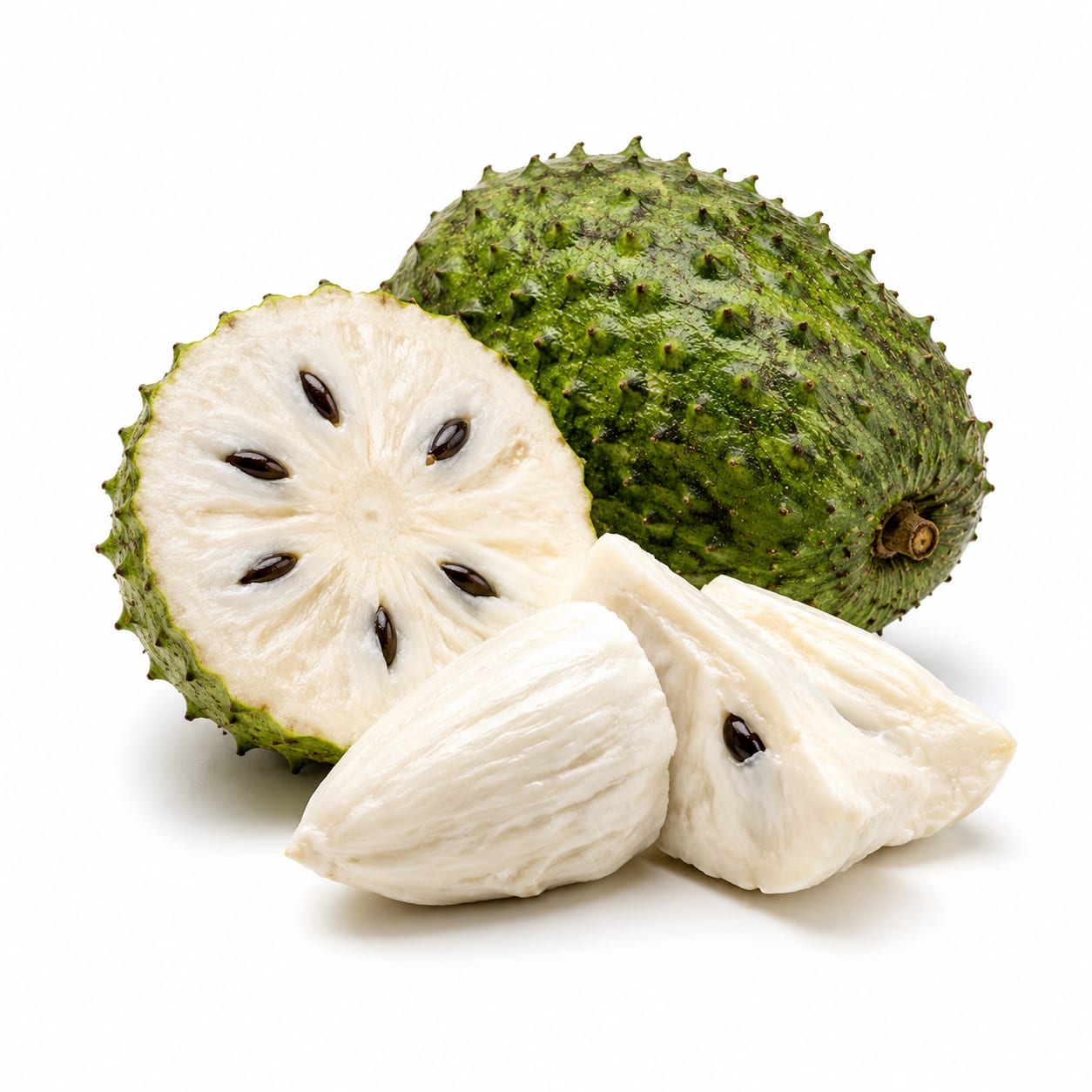
Soursop, also known as graviola, is a large, prickly green tropical fruit with a creamy white flesh that has a unique sweet-tart flavor combining hints of strawberry, pineapple, and citrus.
fiber-rich tropical carbohydrate fruit
Typical serving · 150g
Common varieties · cuban fiberless, morada, bennett, giant, wild soursop
Overall context score across nutrition, safety, and diet fit
At a glance
Quick facts
Simple indicators based on nutrition, processing, and diet fit.
The story
What makes it unique
Soursop is a carbohydrate-dominant fruit with moderate dietary fiber and high water content. It digests at a moderate pace due to its fiber matrix, providing reasonable satiety. Its macronutrient profile features natural sugars with negligible fat and protein. As a minimally processed whole food, it retains its cellular integrity and micronutrient density.
Varieties: cuban fiberless · morada · bennett · giant · wild soursop
Per 100g
Nutrition breakdown
Macro balance and key metrics at a glance.
Energy
Density 0.66 kcal/g
Protein
Carbs
Fat
Fiber
Sugar
13.5 g
Sodium
14 mg
Potassium
278 mg
Glycemic index
32
Glycemic load
5
Water content
81%
Standout compounds
Nutrient highlights
Vitamin C
highSupports immune system function and acts as a potent antioxidant to reduce oxidative stress.
Dietary Fiber
highPromotes digestive regularity, feeds gut microbiota, and stabilizes blood sugar levels.
Potassium
moderateHelps regulate blood pressure and supports proper muscle and nerve function.
Antioxidants
highContains acetogenins and other compounds that neutralize free radicals and reduce cellular damage.
Wellness map
Health scores & processing
NOVA processing scale
Minimally processed · Whole food
Fresh soursop is an intact whole food requiring no processing beyond peeling and deseeding.
Diet compatibility
- Weight loss
- Muscle gain
- Diabetes
- Gut health
- Low carb
- High protein
- Heart health
Relative standing
Food rankings
Qualitative ranks compared to similar whole foods.
- Satietygood
- Blood sugargood
- Nutrient densitymoderate
- Fitness fuelmoderate
- Processing qualityexcellent
Eat with confidence
Food safety profile
Fresh soursop flesh is safe for moderate consumption. The seeds and skin contain annonacin, a natural neurotoxin, and must not be eaten. Overconsumption of teas and extracts poses neurological risks.
Evidence confidence 85%
- Pesticidesmoderate
- Antibioticslow
- Heavy metalslow
- Contaminationlow
Watch for
- annonacin
- pesticide residues
Safer choices
Consume only the fresh, ripe flesh in typical serving sizes. Avoid soursop supplements and teas unless approved by a healthcare provider.
Prep tips
Wash the outer skin thoroughly before cutting to remove potential pesticide residues. Carefully remove all seeds as they are toxic if crushed or chewed.
Soursop contains annonacin, a neurotoxin found in the seeds and skin. High consumption of soursop tea or extract has been linked to atypical Parkinsonism. The flesh is generally safe in moderation, but seeds and skin should be strictly avoided.
Deep dive
Health analysis
How this food may fit different goals and preparation choices.
Weight loss
Low energy density and high fiber content improve fullness per calorie, making it a satisfying sweet treat for calorie-controlled diets.
Blood sugar
Despite its sugar content, the low glycemic index and high fiber slow glucose absorption, preventing rapid blood sugar spikes.
Fitness & energy
Provides quick-digesting natural sugars for short-term energy, but lacks the protein needed for muscle recovery.
Gut health
Dietary fiber supports healthy bowel movements and feeds beneficial gut bacteria, contributing to a healthy microbiome.
Processing quality
As a raw whole fruit, it retains maximum micronutrient availability and cellular integrity with no added ingredients.
Food safety
Annonacin in the seeds and skin is a legitimate neurological concern. Only the flesh should be consumed, and portion control is advised.
Common mistakes
Consuming soursop tea or extract as an alternative cancer treatment based on unsubstantiated claims, which risks annonacin toxicity.
Best preparation
Fresh raw consumption, blended into smoothies, or pureed into homemade desserts without added sugars.
Practical guide
Best use cases
When and how this food fits real eating patterns.
Tropical smoothie base
Adds a creamy texture and sweet-tart flavor to smoothies while providing fiber and vitamin C.
High-volume low-calorie snack
The high water and fiber content allows for a generous portion size without excessive calorie intake.
Vitamin C immune boost
Provides a natural source of ascorbic acid to support immune function and collagen synthesis.
Balance sheet
Pros & cons
Upsides
- High fiber content promotes satiety and gut health
- Low glycemic index helps stabilize blood sugar
- Rich in vitamin C and natural antioxidants
- Low energy density aids in weight management
- Contains no added sugars when consumed fresh
Trade-offs
- Contains annonacin, a neurotoxin that limits safe consumption frequency
- Seeds and skin are toxic and must be carefully avoided
- Natural sugar content is relatively high compared to berries
- Lacks significant protein or healthy fats
- Unsubstantiated cancer cure claims lead to dangerous misuse of extracts
Fit check
Who is it for?
Great match
- tropical fruit lovers seeking low-glycemic options
- high-volume low-calorie eating
- occasional natural immune support
- smoothie enthusiasts
Consider alternatives
- individuals with Parkinson's disease or neurological conditions
- strict ketogenic diets
- high-protein diet requirements
- daily heavy consumption
Side by side
How it compares
Open the full head-to-head analysis for nutrition, safety, and practical tradeoffs.
This food
Soursop
VS95% alike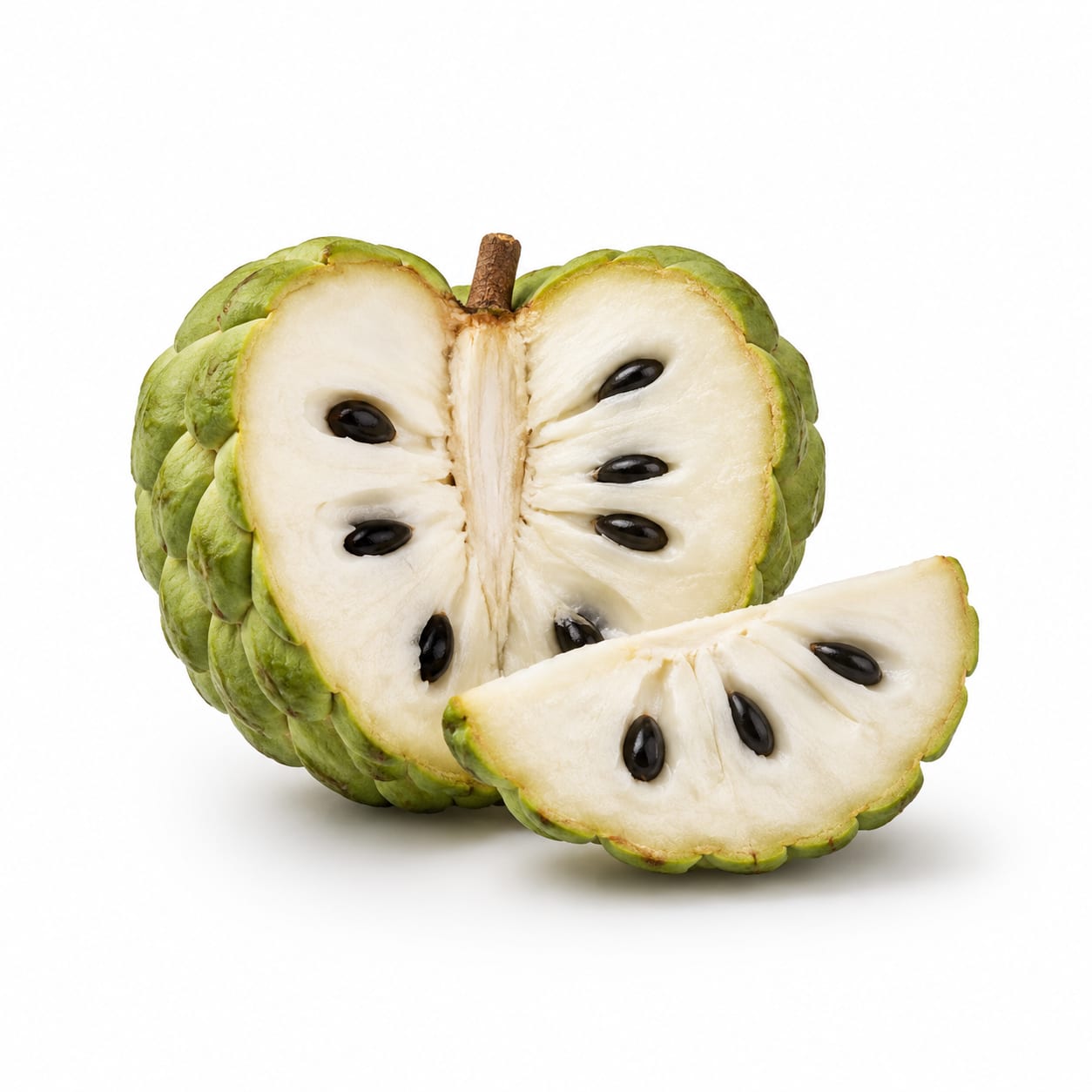
Compare with
Cherimoya
Cherimoya is slightly higher in calories and sugar but lacks the annonacin safety concerns of soursop, making it safer for regular consumption.
Soursop is lower in calories and sugar than cherimoya, but cherimoya is safer for frequent consumption due to lower annonacin risk.
This food
Soursop
VS90% alike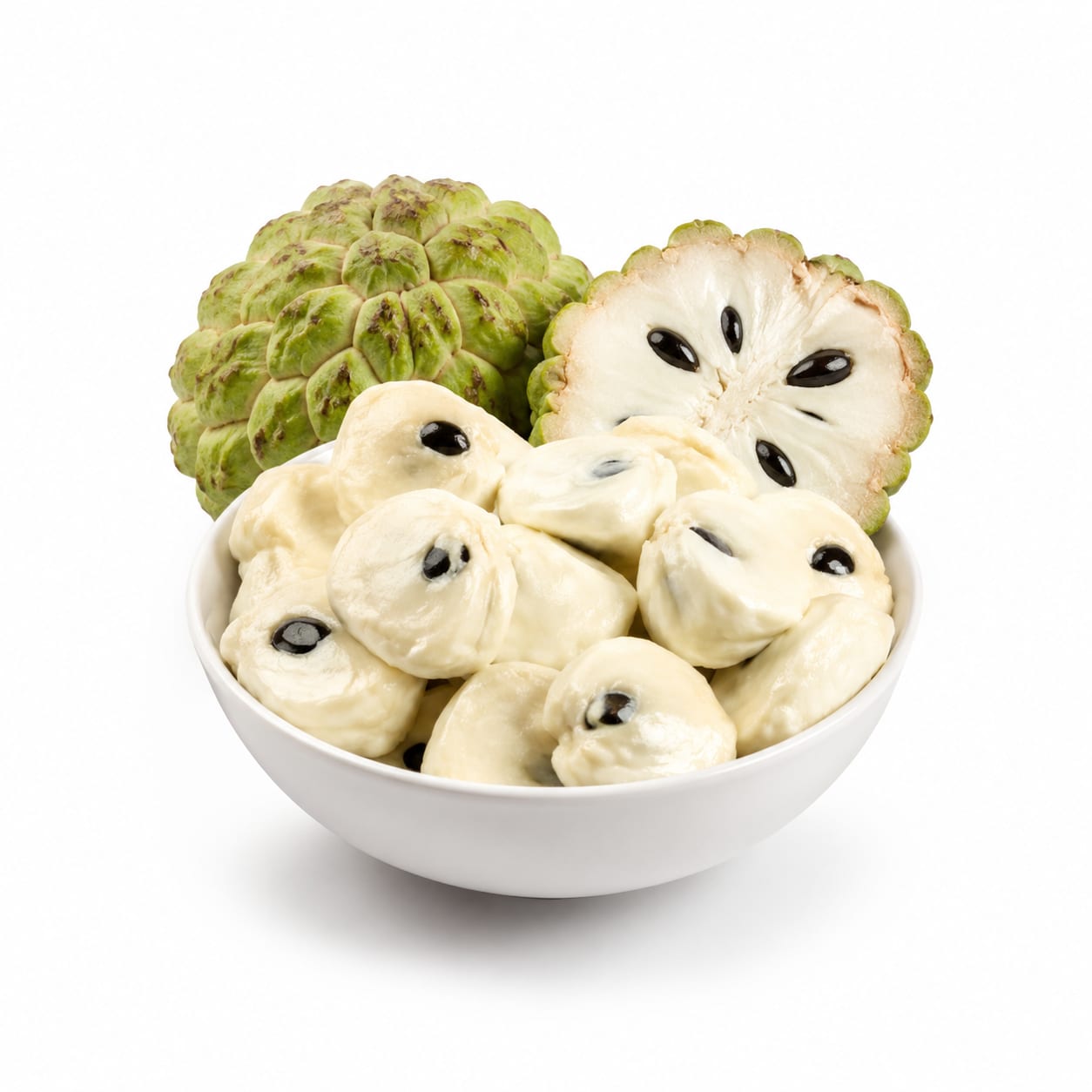
Compare with
Custard Apple
Custard apple provides more iron and vitamin B6, while soursop offers slightly fewer calories and a lower glycemic load.
Soursop is better for blood sugar control and weight loss, while custard apple is more nutrient-dense for overall fitness.
This food
Soursop
VS75% alike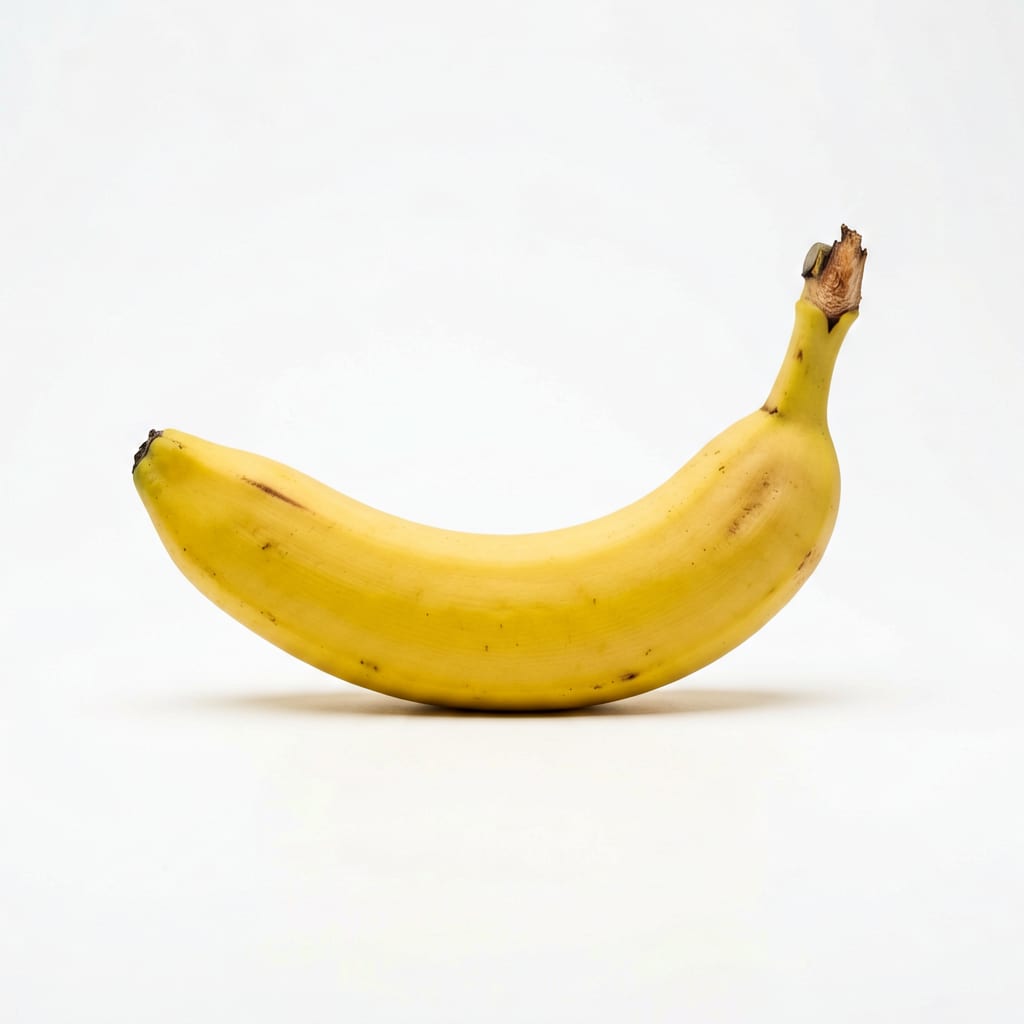
Compare with
Banana
Bananas are higher in carbs and potassium, making them better for post-workout recovery, while soursop has fewer calories and a lower glycemic impact.
Soursop is lower in calories and better for blood sugar than bananas, but bananas offer better quick energy for fitness.
This food
Soursop
VS70% alike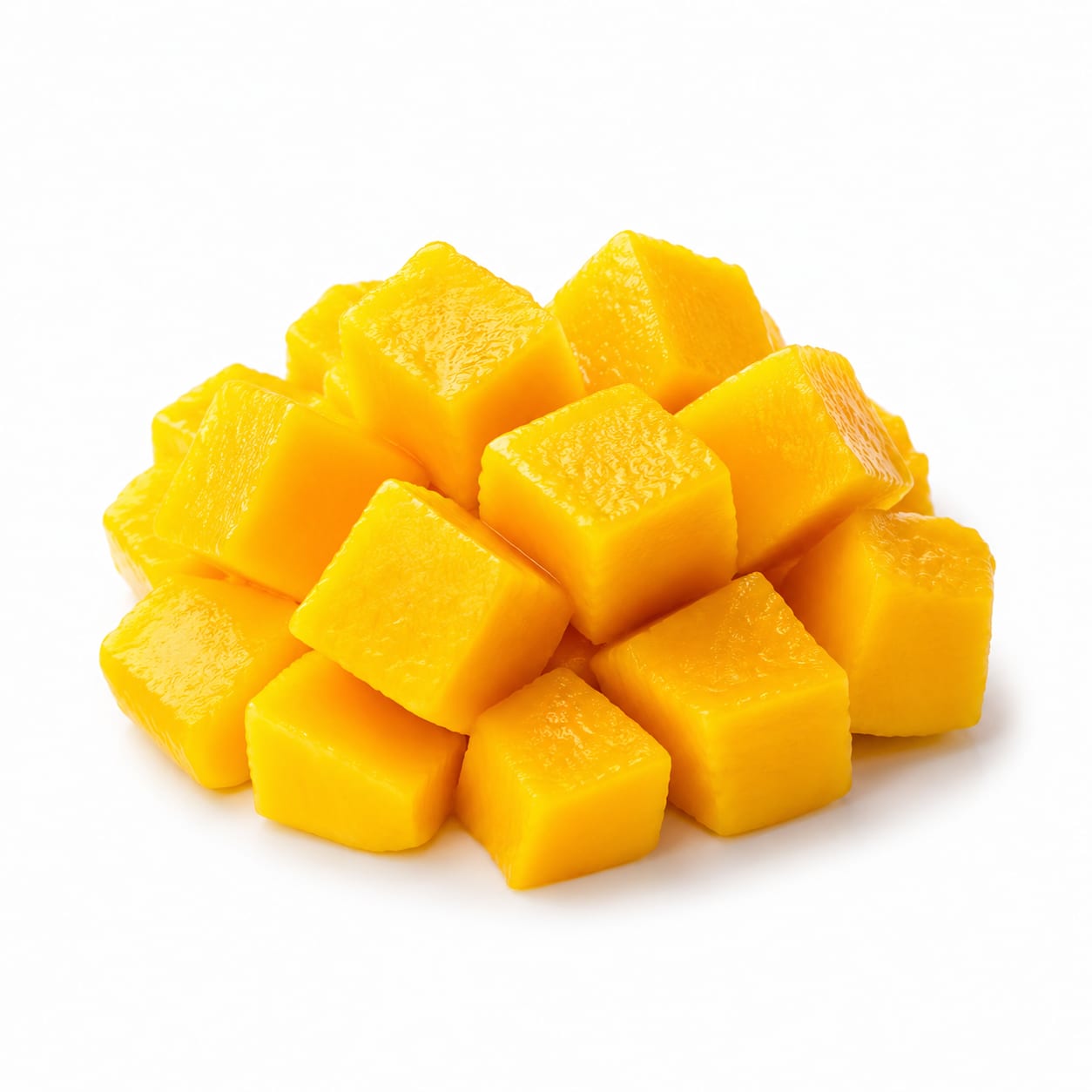
Compare with
Mango
Mango is significantly higher in sugar and vitamin A, while soursop provides more fiber and a lower glycemic load.
Soursop beats mango for weight loss and blood sugar control due to lower sugar and higher fiber, though mango is richer in vitamin A.
This food
Soursop
VS65% alike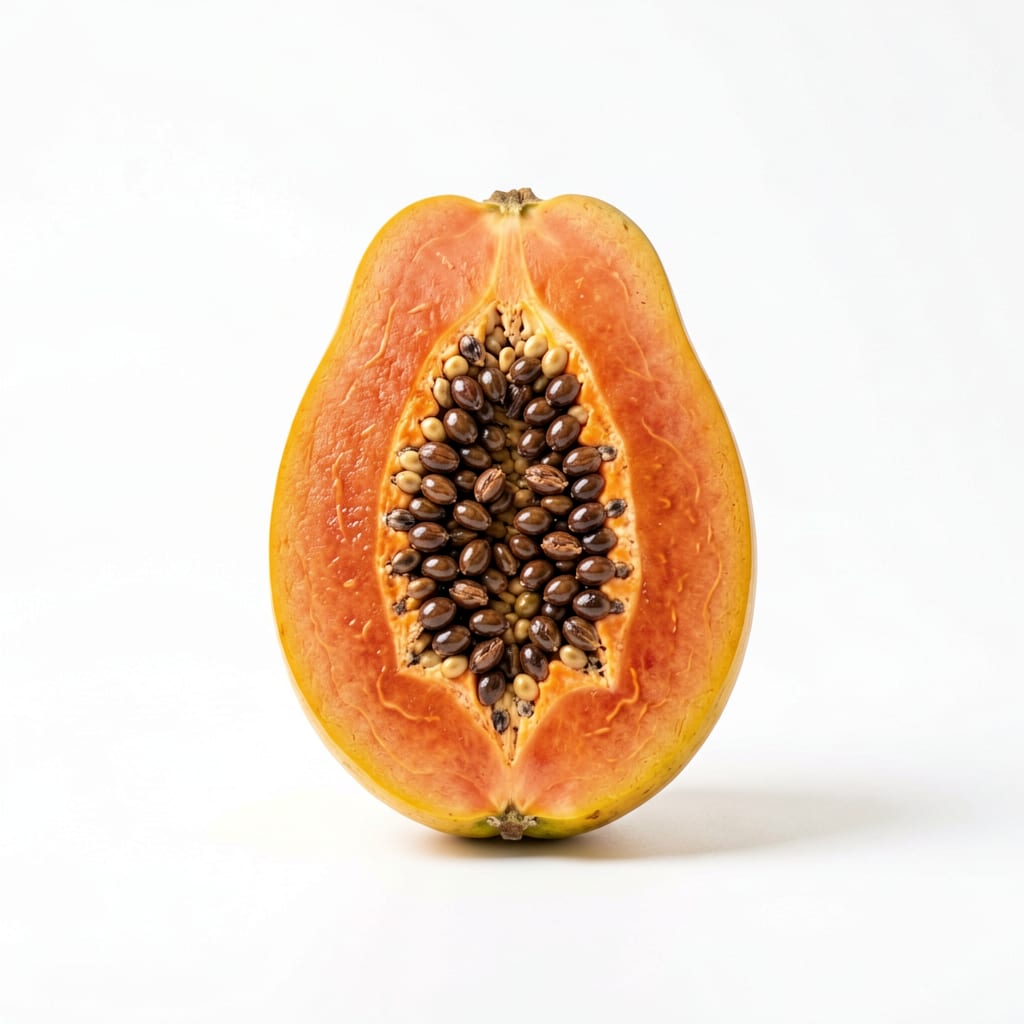
Compare with
Papaya
Papaya is lower in calories and contains digestive enzymes, while soursop offers more fiber and sustained satiety.
Papaya is lower in calories and aids digestion, while soursop provides more fiber and better blood sugar stability.
This food
Soursop
VS65% alike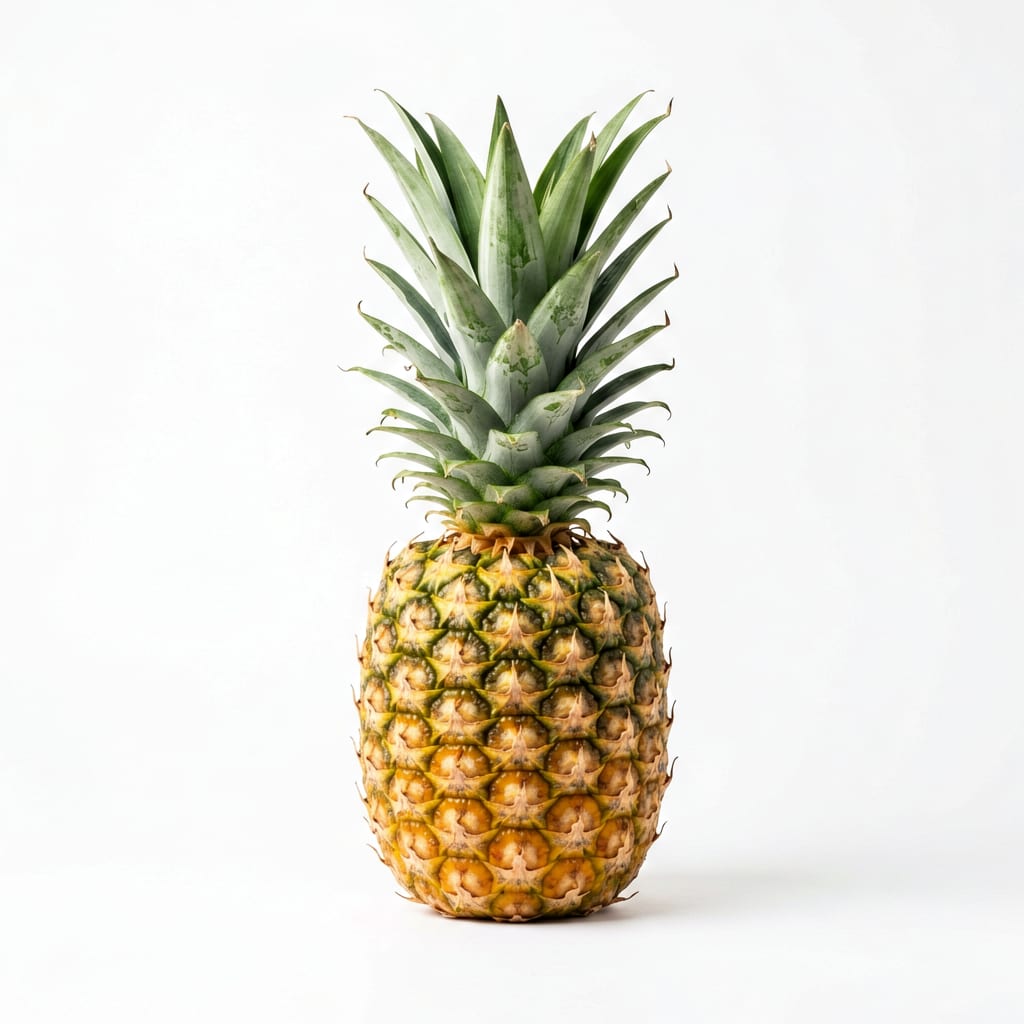
Compare with
Pineapple
Pineapple has slightly more sugar and a higher glycemic index but offers bromelain for digestion. Soursop is creamier and higher in fiber.
Soursop is higher in fiber and gentler on blood sugar than pineapple, but pineapple provides anti-inflammatory bromelain.
This food
Soursop
VS60% alike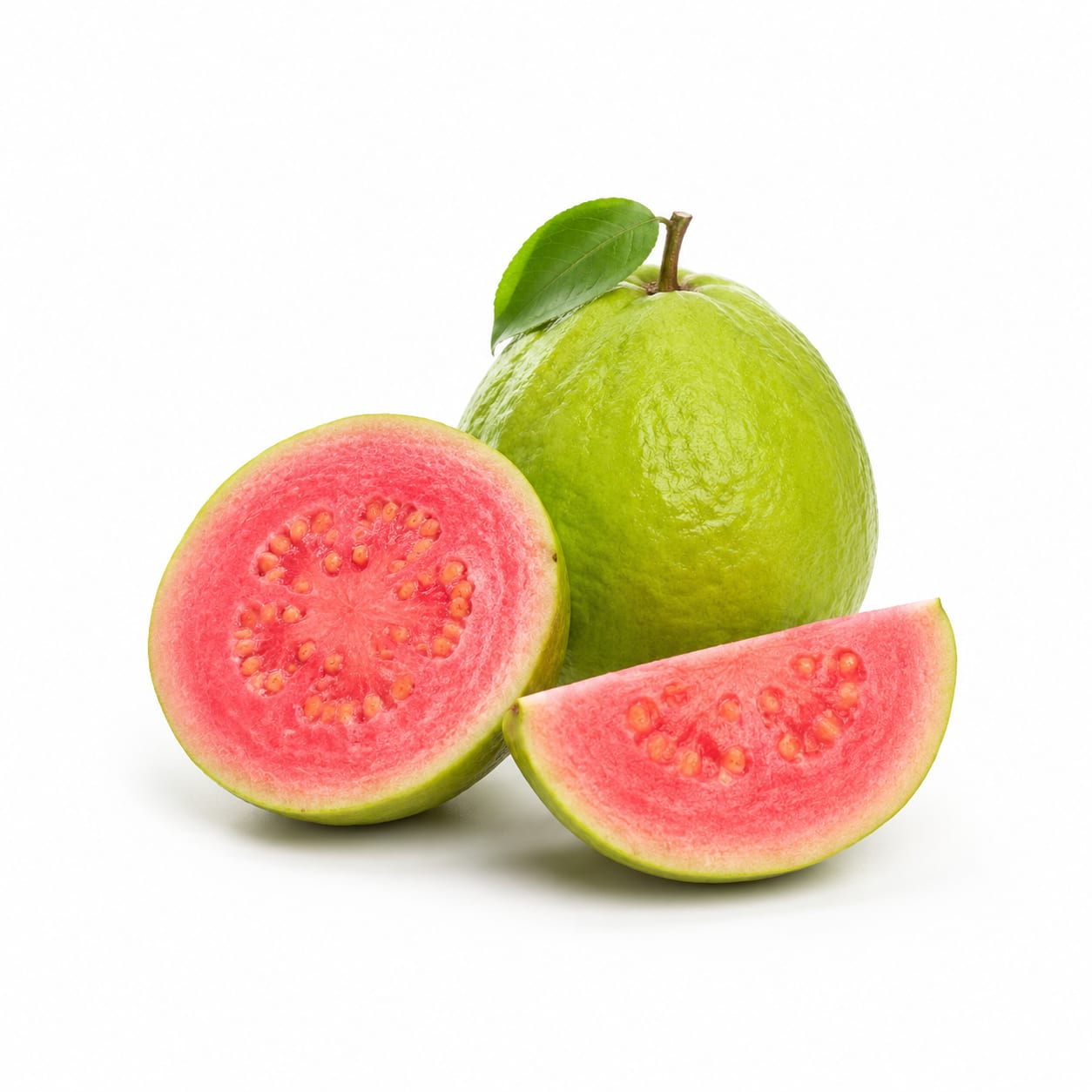
Compare with
Guava
Guava is vastly superior in fiber and vitamin C content with fewer calories, making it the healthier choice overall.
Guava outperforms soursop for weight loss, blood sugar, and immunity, offering more fiber and vitamin C with fewer calories.
This food
Soursop
VS55% alike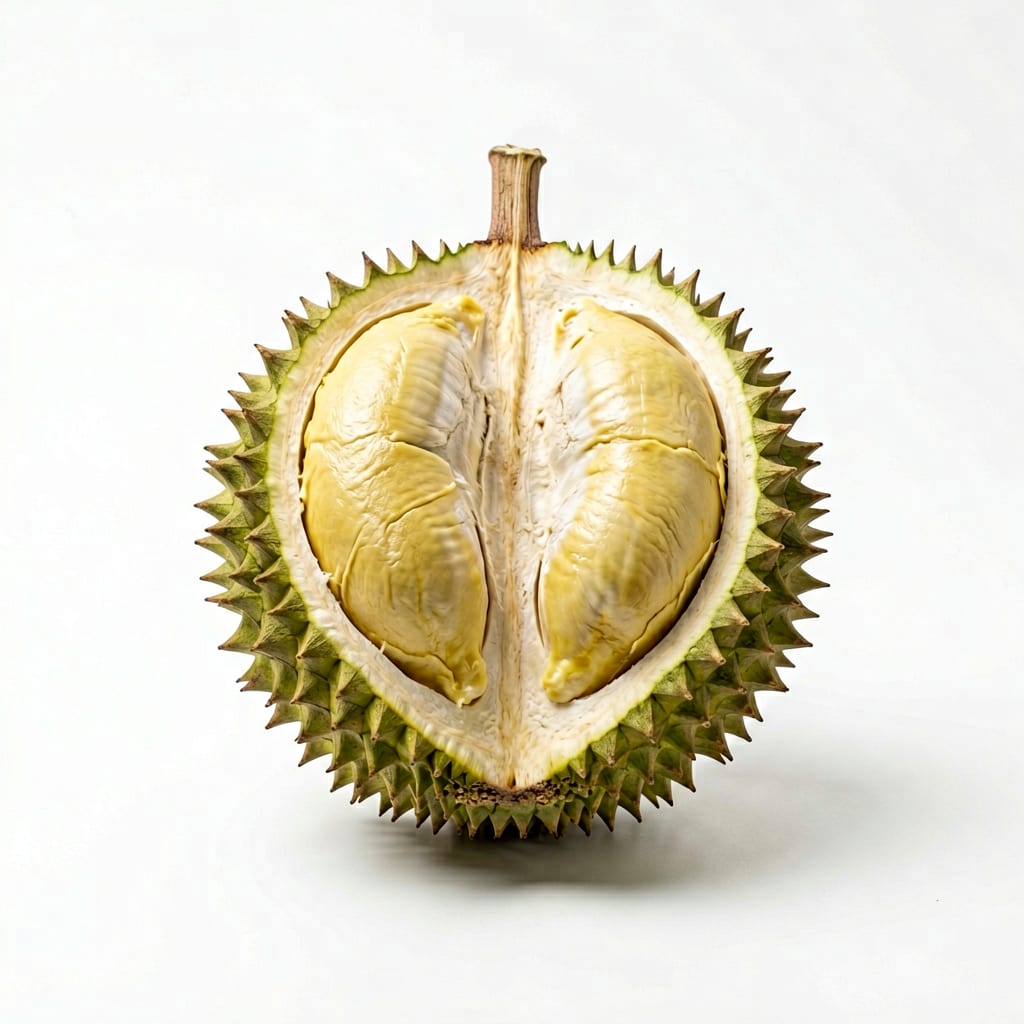
Compare with
Durian
Durian is extremely calorie-dense and high in fat, whereas soursop is a low-calorie, high-water fruit better suited for dieting.
Soursop is far better for weight loss with its low calorie count, while durian provides dense energy and fats for high-calorie needs.
This food
Soursop
VS55% alike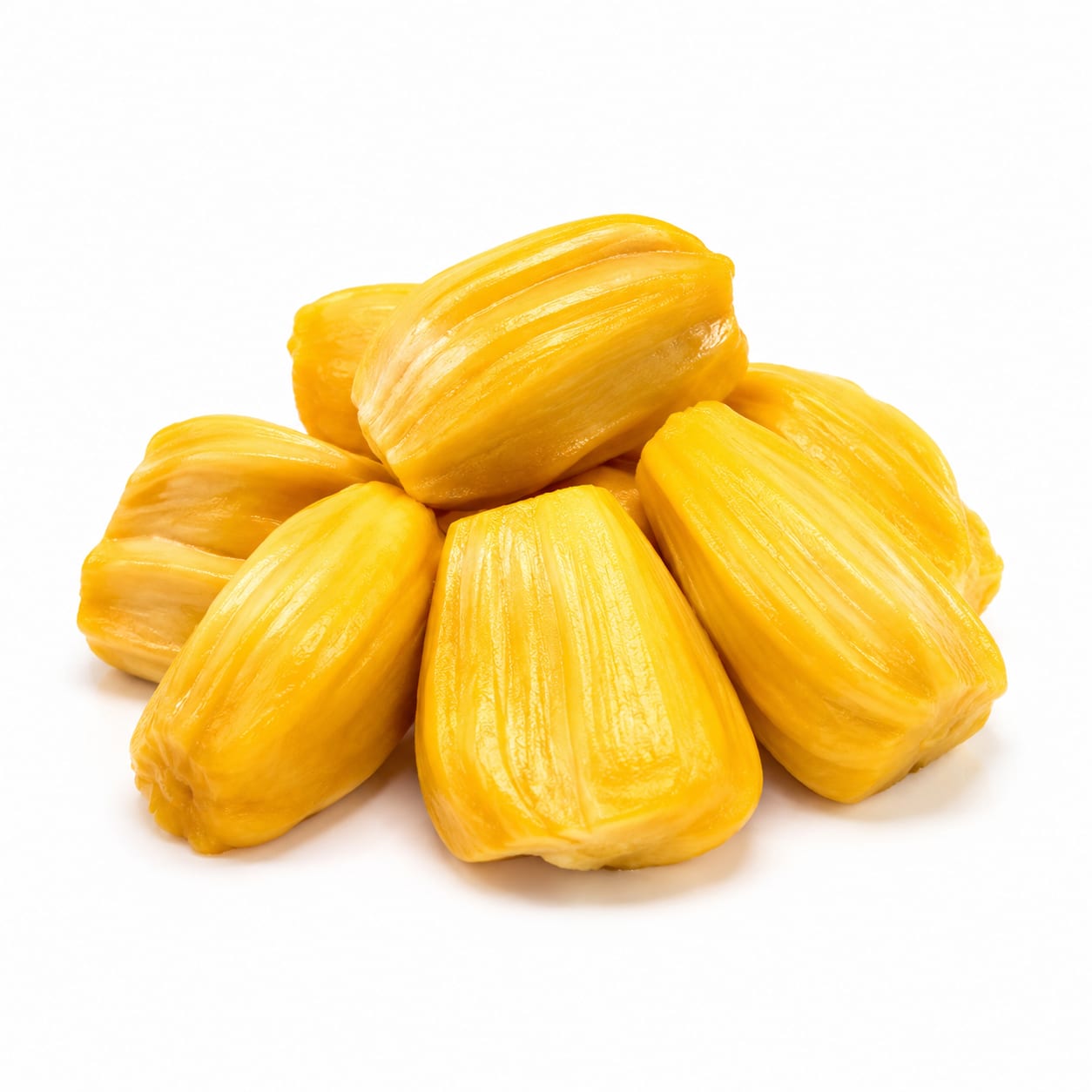
Compare with
Jackfruit
Jackfruit is higher in protein and often used as a meat substitute, but soursop is lower in calories and sugar.
Soursop is lower in sugar and better for weight loss, while jackfruit offers more protein and culinary versatility.
This food
Soursop
VS50% alike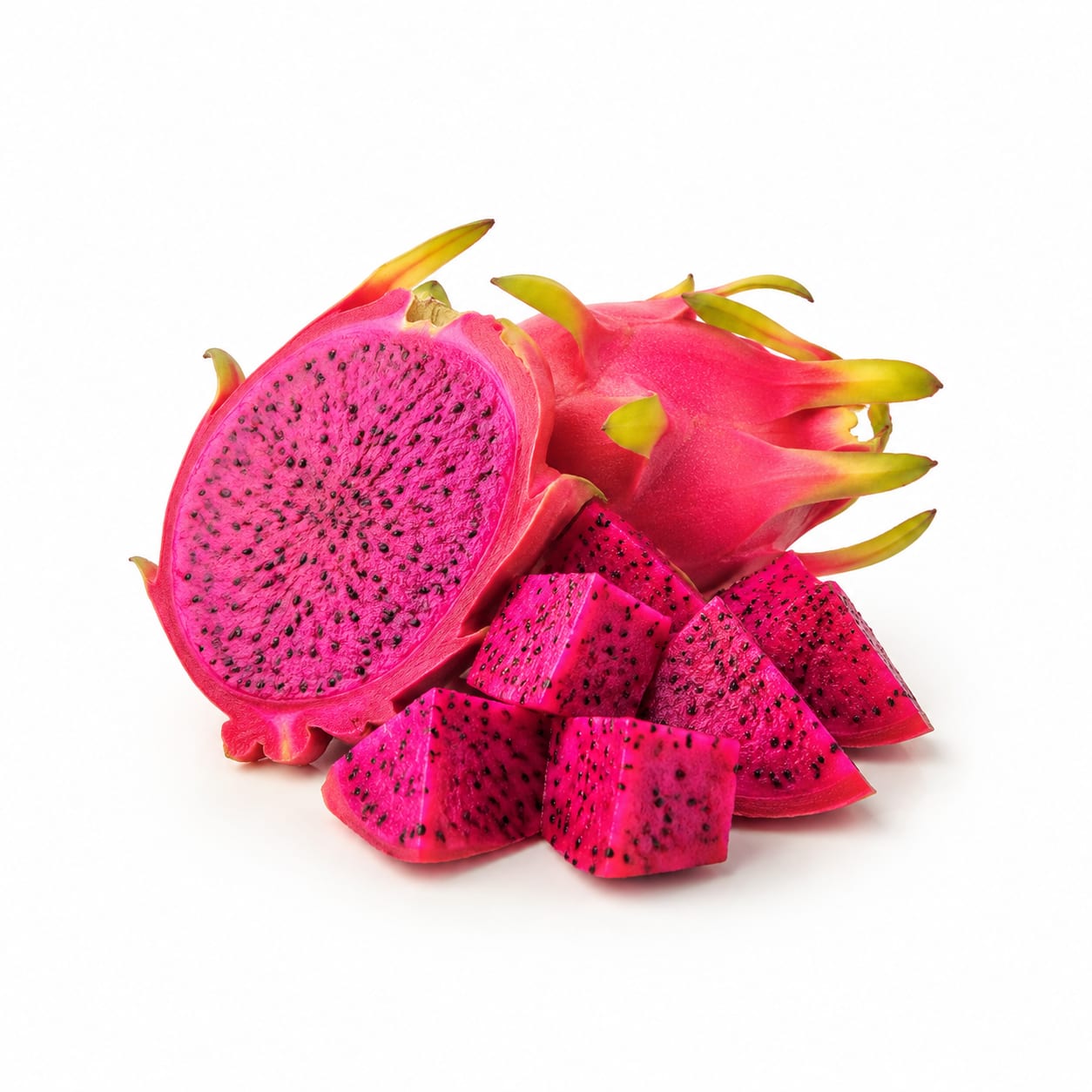
Compare with
Dragon Fruit
Dragon fruit is lower in sugar and higher in iron, while soursop provides more fiber and a stronger flavor profile.
Dragon fruit is lower in sugar and safer for daily consumption, while soursop offers more fiber and a creamier texture.
Common questions
FAQ
Answers aligned with how people search for this food.
Is soursop good for weight loss?
Yes, soursop is good for weight loss in moderation. It is low in calories and high in dietary fiber, which increases satiety and helps control appetite without consuming excess energy.
Can diabetics eat soursop?
Yes, diabetics can eat soursop in moderation. Although it contains natural sugars, it has a low glycemic index and high fiber content, which slows down sugar absorption and prevents rapid blood glucose spikes.
Is soursop safe to eat every day?
Eating soursop every day in large quantities is not recommended. The fruit contains annonacin, a natural compound that can be toxic to the nervous system in high amounts. Occasional consumption of the flesh is generally considered safe.
What are the side effects of eating too much soursop?
Consuming excessive amounts of soursop, especially the seeds, skin, or leaf teas, can lead to neurotoxicity. Symptoms may include movement disorders similar to Parkinson's disease due to the compound annonacin.
Does soursop really cure cancer?
No, there is no scientific evidence that soursop cures cancer in humans. While some laboratory studies show soursop extracts can kill cancer cells in test tubes, these results do not translate to proven human treatments, and avoiding conventional treatment for soursop is dangerous.
How much soursop is safe to eat?
A typical serving of 1/2 to 1 cup of the fresh flesh a few times a week is generally considered safe for most adults. Always avoid the seeds and skin, and avoid consuming concentrated teas or extracts without medical supervision.
Transparency
Data confidence
Estimated confidence for nutrition data, interpretation, safety notes, and comparisons.
Nutrition data
Health analysis
Food safety
Comparisons