
Nutrition comparison
Soursop vs Papaya: Nutrition, Safety, and Health Benefits Compared
Compare Soursop vs Papaya to see which tropical fruit is healthier. Learn about Papaya's digestive benefits and the important safety risks of Soursop.
Overall winner · Papaya
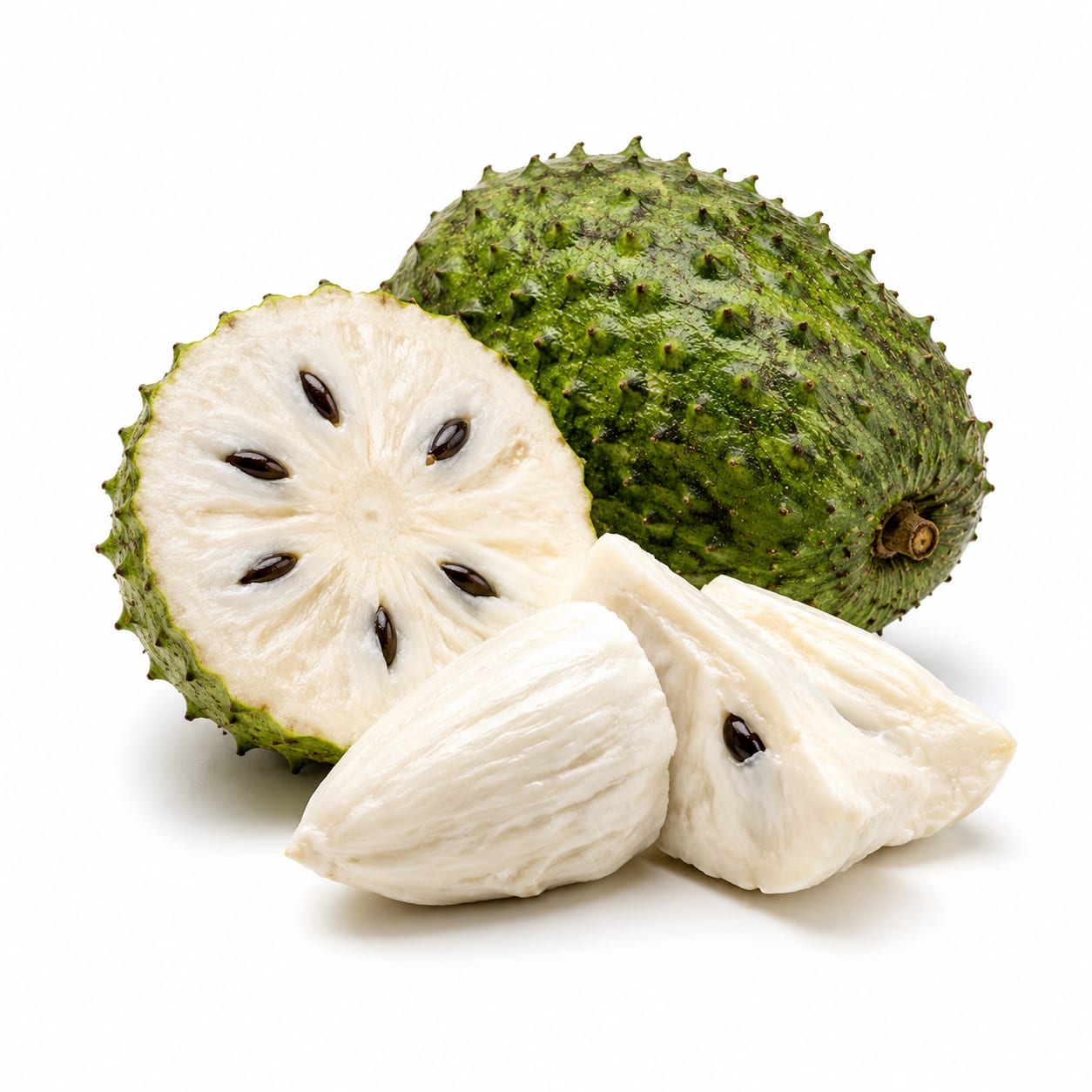
Soursop
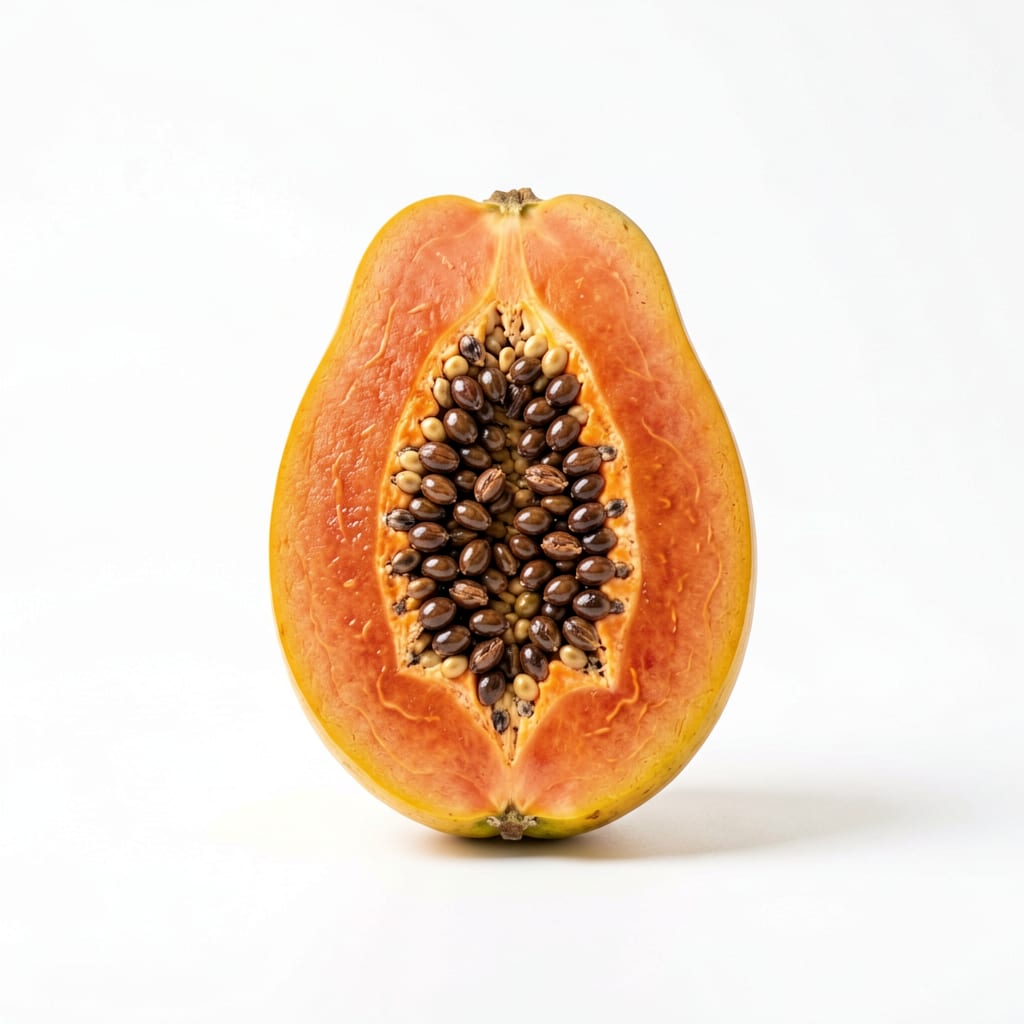
Papaya
Papaya is the safer, digestion-friendly daily choice, while Soursop offers unique antioxidants but carries neurotoxicity risks if eaten frequently.
Papaya scores higher due to its strong safety profile and proven digestive benefits, while Soursop is penalized for its potential neurotoxicity risks with regular consumption.
Soursop's unique phytonutrients come with rare but serious safety concerns, whereas Papaya delivers reliable digestive and immune benefits with fewer risks.
At a glance
Executive summary
Overall
Papaya
Healthier
Papaya
More practical
Papaya
Daily use
Papaya
Key comparison lenses
Safety and toxicity risks
Soursop contains annonacin, a neurotoxin, which is a major differentiator from Papaya's relatively safe profile.
Digestive health benefits
Papaya is renowned for its digestive enzymes, making it a functional food for gut health compared to Soursop.
Blood sugar and energy impact
Soursop is sweeter and higher in carbohydrates, while Papaya offers a lighter, lower-glycemic option.
Immune and antioxidant support
Both offer Vitamin C, but Papaya brings high Vitamin A, while Soursop provides unique but controversial phytochemicals.
Best choice for
Soursop
- People seeking exotic anti-inflammatory compounds from Soursop
- Occasional tropical fruit enthusiasts who enjoy Soursop's creamy texture
Papaya
- Daily fruit eaters looking for Papaya's reliable health benefits
- People with digestive issues who benefit from Papaya's enzymes
Least suitable for
Soursop
- People with Parkinson's disease or neurological risks who should avoid Soursop
- Pregnant women due to Soursop's potential toxicity
Papaya
- People with latex allergies who may react to Papaya
- Those strictly avoiding GMOs unless they source organic Papaya
Deep comparison
Dimension by dimension
Each lens scores both foods and breaks down who each option suits.
- Dimension 1 · Priority 90Papaya
Digestive Health
Soursop · 65Papaya · 95Papaya contains papain, a powerful enzyme that breaks down protein and soothes digestion after heavy meals. Soursop offers fiber but lacks specific digestive enzymes.
Tradeoff
Choosing Soursop means missing out on Papaya's targeted digestive relief, though Soursop's fiber still supports general regularity.
Why it matters
If you often feel bloated or sluggish after eating, Papaya acts like a natural digestive aid, while Soursop is just a source of roughage.
Real-world impact
Eating Papaya after a steak dinner can genuinely reduce bloating, whereas Soursop is better suited as a standalone snack.
Soursop
- Those who just want a high-fiber snack from Soursop
Better for
- Anyone seeking immediate relief from indigestion won't find it in Soursop
Worse for
Papaya
- People who need help breaking down heavy proteins with Papaya
Better for
- People with latex allergies who cannot safely eat Papaya
Worse for
- Dimension 2 · Priority 95Papaya
Safety and Toxicity
Soursop · 40Papaya · 80Soursop contains annonacin, a neurotoxin linked to atypical Parkinson's disease when consumed in large amounts. Papaya's main concerns are latex allergies and GMO status.
Tradeoff
Soursop's unique health claims come with a real, documented neurological risk that Papaya simply does not carry.
Why it matters
Frequent consumption of Soursop can lead to toxin buildup, making it unsuitable as a daily fruit, whereas Papaya is safe for most people to eat regularly.
Real-world impact
Eating Soursop daily could pose long-term neurological risks, while daily Papaya poses no such cumulative danger.
Soursop
- Those who only eat Soursop occasionally and accept the tradeoff
Better for
- People with a family history of Parkinson's should strictly limit Soursop
Worse for
Papaya
- Anyone prioritizing long-term neurological safety with Papaya
Better for
- Individuals with severe latex fruit syndrome should avoid Papaya
Worse for
- Dimension 3 · Priority 75Papaya
Blood Sugar and Energy
Soursop · 60Papaya · 80Papaya has less sugar and a lower glycemic load, providing steadier energy. Soursop is sweeter and higher in carbohydrates, which can cause quicker blood sugar spikes.
Tradeoff
Soursop provides a more energy-dense, satisfying sweet treat, but Papaya is easier on your blood sugar and better for sustained energy.
Why it matters
If you are watching your sugar intake or prone to afternoon energy crashes, Papaya is the much safer bet.
Real-world impact
A bowl of Papaya won't leave you crashing an hour later, while a large serving of Soursop might.
Soursop
- Athletes needing quick carbs from Soursop after a workout
Better for
- Diabetics who need to strictly control blood sugar should be cautious with Soursop
Worse for
Papaya
- People aiming for steady energy and lower sugar intake with Papaya
Better for
- Those looking for a calorie-dense, energy-packed fruit might find Papaya too light
Worse for
- Dimension 4 · Priority 70It depends
Immune and Antioxidant Support
Soursop · 82Papaya · 88Both are rich in Vitamin C. Papaya provides much more Vitamin A for skin and eye health, while Soursop offers unique acetogenins, though their safety is debated.
Tradeoff
Papaya gives you proven, safe vitamins, while Soursop offers more experimental antioxidant compounds that carry risks.
Why it matters
For daily immune support, Papaya is reliable and well-understood. Soursop's antioxidants are interesting but not worth the daily risk for most people.
Real-world impact
Eating Papaya regularly will visibly support skin health and immunity, while Soursop's benefits are harder to isolate and come with caveats.
Soursop
- Those specifically researching acetogenins who consume Soursop sparingly
Better for
- People who assume Soursop is a harmless daily immune booster
Worse for
Papaya
- Anyone wanting a straightforward, safe Vitamin A and C boost from Papaya
Better for
- Those looking for the most exotic, potent phytochemicals might find Papaya too basic
Worse for
Timeline
Health impact over time
Short-term
Hours to days
Soursop
- Quick energy from Soursop's higher natural sugar content
- Mild digestive regularity from Soursop's dietary fiber
Papaya
- Soothing relief for bloating or heavy meals thanks to Papaya's enzymes
- Quick hydration and a refreshing Vitamin C boost from Papaya
Long-term
Months to years
Soursop
- Potential risk of neurological issues if Soursop is consumed excessively
- Sustained antioxidant protection against cellular stress from Soursop's phytochemicals
Papaya
- Improved digestive regularity and gut health from regular Papaya consumption
- Better skin and eye health from Papaya's high Vitamin A content
Risk profile
Safety & processing
Both Soursop and Papaya are whole, raw tropical fruits with no artificial additives when eaten fresh.
Soursop
Annonacin neurotoxicity
highSoursop contains annonacin, a toxin that damages neurons and is linked to atypical Parkinson's disease with frequent, high-dose consumption.
Seed toxicity
mediumSoursop seeds contain higher concentrations of annonacin and should never be eaten.
Papaya
Latex-fruit allergy
mediumPeople with latex allergies may react to Papaya due to cross-reactive proteins, especially in unripe fruit.
GMO exposure
lowHawaiian Papayas are predominantly GMO; choosing organic or Caribbean varieties avoids this concern.
Who wins for whom
Audience fit
Same foods, different winners depending on your goal.
children
PapayaPapaya is safer, milder in flavor, and poses no neurological toxin risks, unlike Soursop.
daily consumption
PapayaPapaya is safe to eat every day, while Soursop should be limited to occasional use due to cumulative toxin risks.
diabetes
PapayaPapaya has a lower glycemic load and less sugar, offering safer blood sugar control compared to Soursop.
elderly
PapayaPapaya aids digestion and protects neurological health, whereas Soursop's annonacin is particularly dangerous for aging brains.
muscle gain
PapayaPapaya's papain enzymes help digest heavy protein meals, which is more useful for muscle building than Soursop's carb content.
weight loss
PapayaPapaya is lower in calories and sugar, making it a much lighter option for weight management than Soursop.
Your move
Decision guide
Choose Soursop
- You want a unique, creamy tropical treat occasionally
- You are specifically looking for acetogenin compounds and accept the risks of Soursop
Choose Papaya
- You want a safe, everyday fruit for digestion and immunity
- You need help digesting heavy meals without spiking blood sugar
- You want a low-calorie, nutrient-dense snack like Papaya
Either works if
- You just want a refreshing Vitamin C boost
- You love tropical fruits and want variety in your diet
Avoid both if
- You have severe latex allergies (Papaya)
- You are concerned about cumulative neurotoxin exposure (Soursop)
Final recommendation
Make Papaya your go-to daily tropical fruit for safe, reliable digestive and immune benefits. Enjoy Soursop only as an occasional treat to avoid the risks associated with its neurotoxins.
Practical
Consumer tips
- 1
Limit Soursop to a few times a month to avoid annonacin buildup.
- 2
Choose organic or non-Hawaiian Papaya to easily avoid GMOs.
- 3
Never eat Soursop seeds; they contain concentrated toxins.
- 4
Eat a small bowl of Papaya after a heavy protein meal to naturally reduce bloating.