
Nutrition comparison
Soursop vs Pineapple: Nutrition, Safety, and Health Benefits Compared
Discover the key differences between Soursop and Pineapple. Learn which tropical fruit is safer for daily use, better for digestion, and best for your health goals.
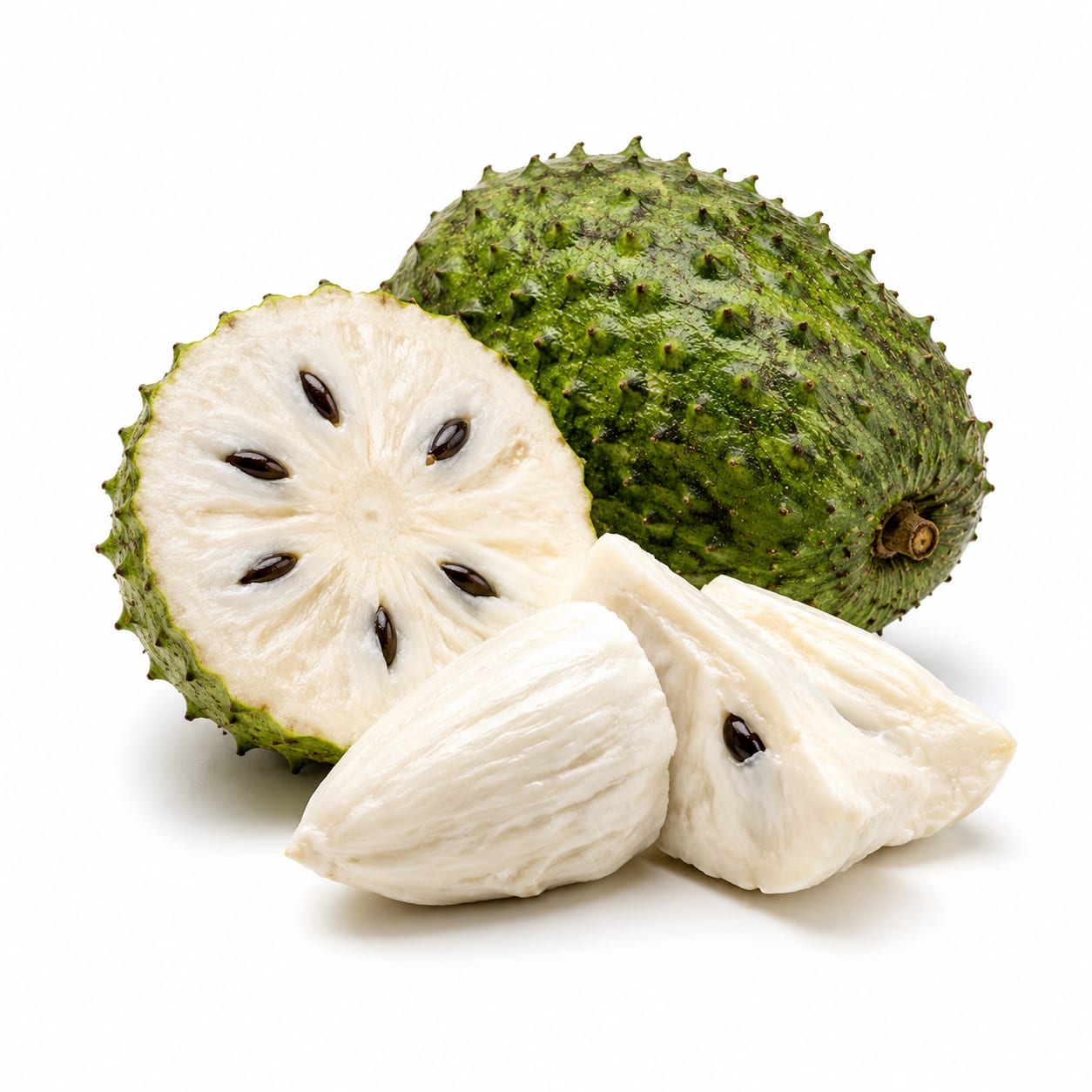
Soursop

Pineapple
Pineapple is the safer, more practical daily fruit with proven anti-inflammatory benefits, while Soursop offers a creamier, higher-fiber alternative but carries safety caveats if eaten too frequently.
Pineapple scores higher primarily due to its safety profile for daily consumption and well-documented therapeutic enzymes. Soursop is nutritionally strong but loses points because of the annonacin risk, which limits how often you can safely eat it.
You trade the digestive power and everyday safety of Pineapple for the unique fiber content and lower sugar of Soursop, which requires moderation due to natural neurotoxins.
At a glance
Executive summary
Overall
It depends
Healthier
Pineapple
More practical
Pineapple
Daily use
Pineapple
Key comparison lenses
Safety and long-term consumption risks
Soursop contains annonacin, a neurotoxin linked to Parkinson-like symptoms when consumed in excess, making safety a primary differentiator.
Digestive and anti-inflammatory benefits
Pineapple offers bromelain, a powerful enzyme for digestion and inflammation, while Soursop provides high fiber for gut regularity.
Blood sugar management
Both are sweet tropical fruits, but Soursop has a lower glycemic impact and more fiber, making it steadier for blood sugar.
Best choice for
Soursop
- People seeking a high-fiber, filling tropical fruit
- Those managing blood sugar who want a sweeter treat with less spike
- Anyone looking for occasional variety rather than daily consumption
Pineapple
- Athletes needing post-workout recovery and carb energy
- People with joint pain or inflammation seeking natural relief
- Families wanting a safe, everyday fruit for kids and adults
Least suitable for
Soursop
- People with Parkinson's disease or neurological vulnerabilities
- Those who consume large amounts of fruit daily without rotation
- Anyone on blood pressure medication without doctor approval
Pineapple
- People with severe acid reflux or mouth sensitivity
- Those on a strict keto or very low-carb diet
- Individuals allergic to latex due to cross-reactivity risk
Deep comparison
Dimension by dimension
Each lens scores both foods and breaks down who each option suits.
- Dimension 1 · Priority 95Pineapple
Safety and Toxicity
Soursop · 40Pineapple · 90Pineapple is very safe for daily eating, while Soursop contains annonacin, a natural neurotoxin that requires strict moderation.
Tradeoff
Soursop offers unique nutrients but at the cost of a cumulative neurotoxin risk if you eat it too often; Pineapple is worry-free.
Why it matters
Long-term brain health is non-negotiable. Eating Soursop daily could pose risks that outweigh its vitamin benefits.
Real-world impact
Enjoying Soursop occasionally is fine, but making it a daily habit could lead to neurological issues over time. Pineapple can be eaten daily without this concern.
Soursop
- Occasional therapeutic use in traditional contexts
Better for
- Daily consumption routines
- People with neurological risk factors
Worse for
Pineapple
- Worry-free daily snacking
- Long-term neurological safety
Better for
- Those with extreme sensitivity to acidic foods
Worse for
- Dimension 2 · Priority 85It depends
Digestive Health
Soursop · 80Pineapple · 85Pineapple uses bromelain enzymes to break down protein and soothe digestion, while Soursop uses high fiber to keep you regular.
Tradeoff
Pineapple is better after a heavy protein meal, while Soursop is better for preventing constipation and keeping you full.
Why it matters
Good digestion isn't one-size-fits-all. Enzymes help with breakdown, while fiber helps with transit time and satiety.
Real-world impact
Eat Pineapple after a steak dinner to feel less bloated. Eat Soursop in the morning to stay full and regular until lunch.
Soursop
- Improving gut regularity
- Feeling full longer between meals
Better for
- Soothing an upset stomach from heavy proteins
Worse for
Pineapple
- Breaking down heavy protein meals
- Reducing post-meal bloating
Better for
- Providing long-lasting satiety
Worse for
- Dimension 3 · Priority 80Soursop
Blood Sugar Stability
Soursop · 78Pineapple · 65Soursop has significantly more fiber and less sugar per serving, leading to a steadier blood sugar response than Pineapple.
Tradeoff
You get a gentler blood sugar curve with Soursop, but you miss out on the rapid energy replenishment that Pineapple offers.
Why it matters
If you are watching your glucose levels, tropical fruits can be tricky. Soursop makes it easier to enjoy a sweet treat without the crash.
Real-world impact
Soursop won't give you the afternoon energy crash that a big bowl of Pineapple might trigger.
Soursop
- Managing prediabetes or insulin resistance
- Avoiding afternoon energy crashes
Better for
- Rapid glycogen restoration post-workout
Worse for
Pineapple
- Quick carb replenishment after intense exercise
Better for
- Sustained energy without a sugar spike
Worse for
- Dimension 4 · Priority 75Pineapple
Anti-inflammatory and Immune Support
Soursop · 70Pineapple · 90Pineapple is a Vitamin C powerhouse and its bromelain strongly reduces inflammation, outperforming Soursop's general antioxidant content.
Tradeoff
Pineapple offers targeted, proven relief for joint pain and swelling, while Soursop provides more general cellular protection.
Why it matters
Chronic inflammation drives most modern diseases. Pineapple gives you a two-in-one hit of Vitamin C and bromelain to fight it effectively.
Real-world impact
Eating Pineapple regularly can noticeably reduce joint stiffness or sinus swelling. Soursop's effects are more subtle and less targeted.
Soursop
- General antioxidant variety
Better for
- Targeted relief from acute inflammation
Worse for
Pineapple
- Reducing joint pain and arthritis symptoms
- Bouncing back faster from colds
Better for
- Providing a low-sugar antioxidant source
Worse for
Timeline
Health impact over time
Short-term
Hours to days
Soursop
- Increased fullness and digestive regularity from high fiber
- Steadier energy without a sharp sugar spike
Pineapple
- Quick energy boost from natural sugars
- Temporary tingling or soreness in the mouth from bromelain enzymes
Long-term
Months to years
Soursop
- Potential neurological risks if consumed in large quantities over time due to annonacin
- Improved gut health from consistent fiber intake
Pineapple
- Reduced chronic inflammation and joint pain from bromelain
- Stronger immune resilience from high Vitamin C intake
Risk profile
Safety & processing
Both Soursop and Pineapple are whole, minimally processed fruits when eaten fresh. The main concern isn't additives, but rather the natural compounds within the fruits themselves—specifically annonacin in Soursop and bromelain in Pineapple.
Soursop
Annonacin neurotoxicity
highSoursop contains annonacin, a natural compound linked to Parkinson-like neurodegeneration. Eating it occasionally is fine, but daily or excessive consumption is dangerous.
Blood pressure interaction
mediumSoursop can naturally lower blood pressure, which might cause dizziness or faintness if combined with blood pressure medications.
Pineapple
Oral irritation from bromelain
lowThe enzyme that digests protein can also irritate the mucous membranes in your mouth, causing a temporary tingling or burning sensation.
Latex-fruit syndrome cross-reactivity
mediumPeople with latex allergies may experience an allergic reaction to Pineapple due to similar protein structures.
Who wins for whom
Audience fit
Same foods, different winners depending on your goal.
children
PineapplePineapple is safer for daily consumption and lacks the neurotoxin risks associated with Soursop, making it a better staple for developing bodies.
daily consumption
PineapplePineapple is safe to eat every day, whereas Soursop should be rotated or limited to occasional use due to its annonacin content.
diabetes
SoursopWith more fiber and a lower glycemic load, Soursop is less likely to cause dangerous blood sugar spikes.
elderly
PineapplePineapple's bromelain helps with common age-related joint inflammation, and it avoids the neurological risks of Soursop, which are especially concerning for older adults.
muscle gain
PineapplePineapple provides faster-digesting carbs for post-workout recovery and bromelain to help digest high-protein meals.
weight loss
SoursopSoursop is more filling and has less sugar per serving, making it easier to manage cravings and calorie intake.
Your move
Decision guide
Choose Soursop
- You want a high-fiber, filling fruit to help with weight management
- You are looking for a low-sugar tropical flavor to enjoy occasionally
- You have no neurological risk factors and want better blood sugar control
Choose Pineapple
- You want a safe, everyday fruit to fight inflammation and boost immunity
- You need a post-workout recovery snack that aids protein digestion
- You have joint pain or sinus issues and want natural relief
Either works if
- You just want a refreshing, vitamin-rich tropical snack
- You are rotating your fruit intake to get a variety of antioxidants
Avoid both if
- You are on a strict ketogenic diet and cannot tolerate the carbs
- You have severe fructose intolerance
Final recommendation
Make Pineapple your go-to daily tropical fruit for its safety and anti-inflammatory benefits. Enjoy Soursop as an occasional treat when you want something creamier and more filling, but keep it off your daily grocery list to protect your long-term neurological health.
Practical
Consumer tips
- 1
Limit Soursop to a few times a month to avoid the cumulative effects of annonacin.
- 2
If Pineapple makes your mouth sore, try grilling it or soaking it in salt water to neutralize the bromelain.
- 3
Always remove Soursop seeds before eating, as they contain higher concentrations of the toxic compounds.
- 4
Pair Pineapple with a protein source like Greek yogurt to blunt the blood sugar spike and get a balanced snack.