
Nutrition comparison
Soursop vs Guava: Nutrition, Safety, and Which Tropical Fruit to Eat Daily
Compare soursop and guava nutrition, vitamin C content, blood sugar impact, and safety. Learn why guava is the safer daily choice and soursop carries neurotoxin risks with regular consumption.
Overall winner · Guava
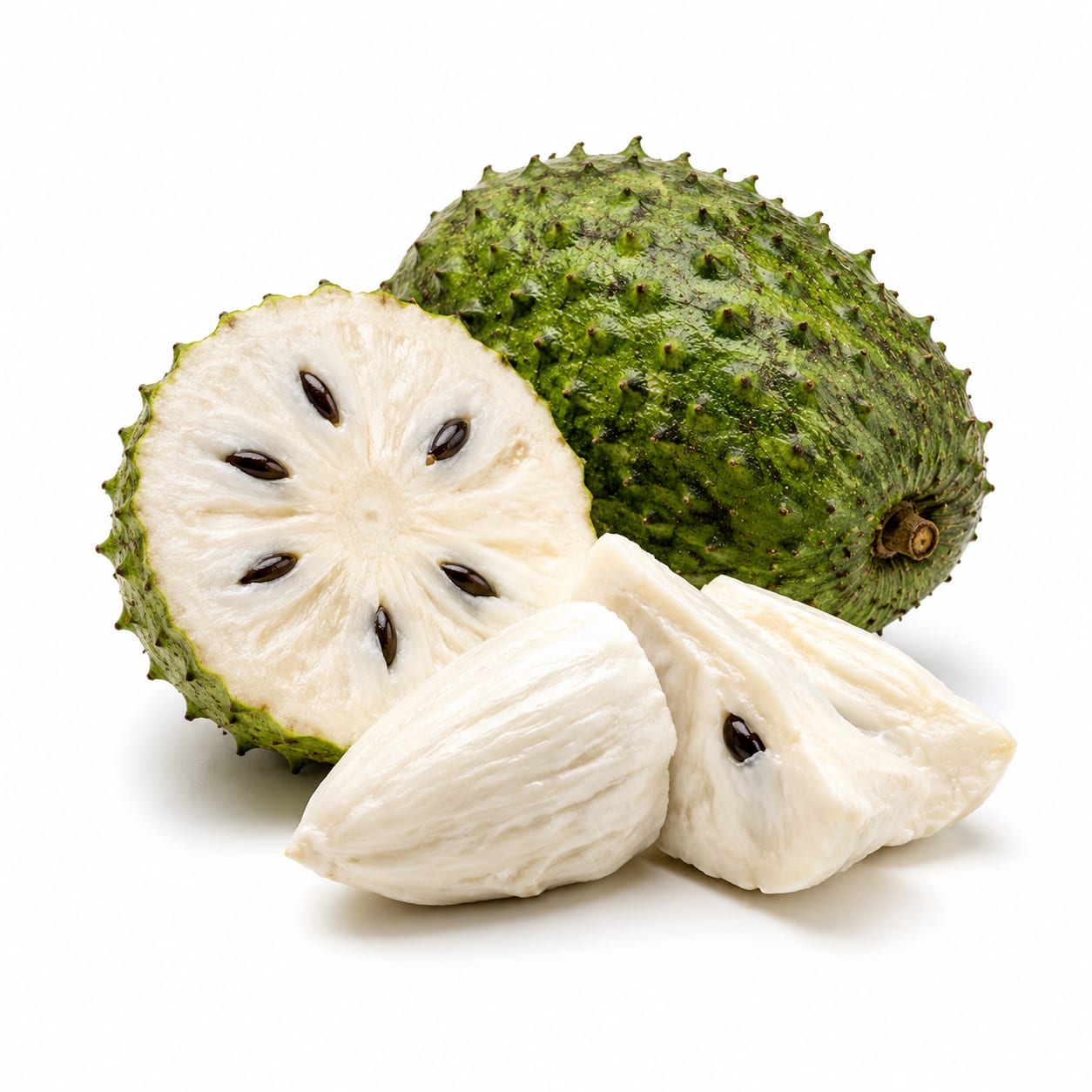
Soursop
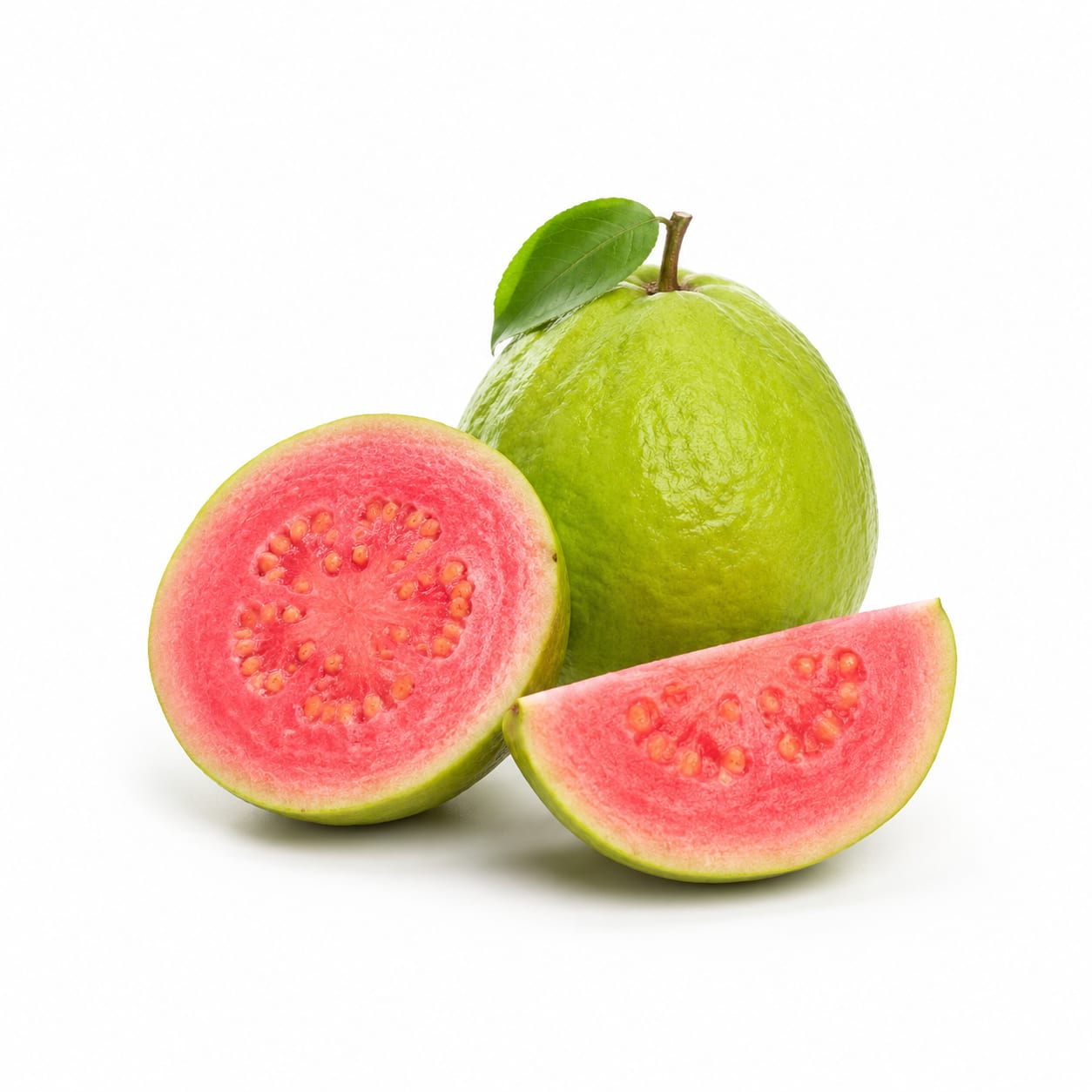
Guava
Guava is the safer, more nutrient-dense daily choice. Soursop offers unique flavor and occasional enjoyment but carries neurotoxin risks with regular consumption.
Guava scores significantly higher due to superior vitamin C content, better fiber profile, lower sugar, and absence of neurotoxin concerns. Soursop remains an enjoyable occasional fruit but its safety profile prevents a higher score.
Soursop delivers a creamy, exotic eating experience with interesting phytochemicals, but guava provides vastly more vitamin C, fiber, and safety for everyday eating.
At a glance
Executive summary
Overall
Guava
Healthier
Guava
More practical
Guava
Daily use
Guava
Key comparison lenses
safety and long-term consumption risks
Soursop contains annonacin, a neurotoxin linked to atypical Parkinson's with regular high consumption
vitamin C and immune support
Guava is one of the richest vitamin C sources on earth, while soursop provides modest amounts
blood sugar management
Guava's fiber-to-sugar ratio makes it diabetic-friendly; soursop's higher sugar content raises concerns
tropical fruit nutrition density
Both are nutrient-rich tropical fruits but guava dramatically outperforms on most vitamin and mineral metrics
digestive health and fiber
Guava offers exceptional fiber especially in its seeds, while soursop's creamy texture suggests less roughage
Best choice for
Soursop
- Occasional tropical fruit enthusiasts seeking unique flavors
- People interested in traditional herbal remedies under professional guidance
- Those wanting a creamy, dessert-like fruit experience with lower calorie density
Guava
- Daily fruit rotation focused on maximum nutrition per calorie
- People managing blood sugar or diabetes risk
- Anyone prioritizing immune support and skin health through vitamin C
- Families seeking a safe, kid-friendly tropical fruit
Least suitable for
Soursop
- People with Parkinson's disease or family history of neurodegenerative conditions
- Pregnant women due to annonacin concerns
- Anyone eating the fruit daily as a staple
Guava
- People who dislike seedy textures unless they choose seedless varieties
- Those on extremely low-fiber diets for medical reasons
Deep comparison
Dimension by dimension
Each lens scores both foods and breaks down who each option suits.
- Dimension 1 · Priority 93Guava
vitamin and mineral density
Soursop · 40Guava · 95Guava obliterates soursop on vitamin C, offering over 200mg per 100g versus soursop's roughly 20mg. Guava also delivers more potassium, folate, and vitamin A.
Tradeoff
Soursop provides some B vitamins and modest vitamin C, but you would need to eat roughly ten times the amount to match guava's vitamin C alone.
Why it matters
Vitamin C is critical for immune function, collagen production, and iron absorption. Guava essentially covers your daily needs in a single fruit.
Real-world impact
Eating one guava can meet your entire daily vitamin C requirement. You would need multiple soursops to achieve the same, increasing sugar and calorie intake significantly.
Soursop
- Those seeking B6 specifically in a fruit source
Better for
- Reliance on soursop for daily vitamin C needs
Worse for
Guava
- Immune support during cold season
- Skin health and anti-aging routines
- Iron absorption when eaten with iron-rich meals
- Post-surgery recovery needing vitamin C
Better for
- People avoiding high-acid fruits due to mouth sores
Worse for
- Dimension 2 · Priority 90Guava
blood sugar impact and diabetes friendliness
Soursop · 45Guava · 85Guava has a glycemic index around 12-24 and packs enough fiber to slow sugar absorption. Soursop has a higher GI around 30-40 with more sugar and less fiber per serving.
Tradeoff
Soursop's creamy sweetness comes with a higher sugar load that can spike blood sugar faster. Guava's fiber acts as a natural brake on glucose absorption.
Why it matters
Steady blood sugar means fewer energy crashes, reduced cravings, and lower diabetes risk over time.
Real-world impact
A guava snack keeps you satisfied without the afternoon energy dip. Soursop may taste more like a treat but can leave you hungry sooner.
Soursop
- Active individuals needing quicker energy after exercise
Better for
- Late-night snacking when blood sugar stability matters
Worse for
Guava
- Pre-diabetics managing glucose levels
- Weight loss diets requiring stable appetite
- PCOS patients improving insulin sensitivity
- Anyone avoiding the sugar crash cycle
Better for
- Endurance athletes needing fast carbohydrates mid-event
Worse for
- Dimension 3 · Priority 96Guava
safety and long-term consumption risks
Soursop · 35Guava · 92Soursop contains annonacin, a compound linked to atypical Parkinson's-like symptoms in populations consuming it regularly. Guava has no such neurotoxin concerns and is widely recognized as safe for daily consumption.
Tradeoff
Soursop's unique phytochemicals that show anti-cancer potential in lab studies are the same compounds raising neurological safety concerns. Guava offers safety without the gamble.
Why it matters
Neurodegenerative damage is irreversible. Regular soursop consumption, especially of seeds and tea made from leaves, accumulates risk over years.
Real-world impact
Enjoying soursop occasionally at a tropical fruit stand is fine. Making it a daily smoothie ingredient is not worth the long-term risk.
Soursop
- Short-term traditional remedy use under professional supervision
Better for
- People with family history of Parkinson's disease
- Daily juice or smoothie routines
- Consuming soursop leaves as tea
Worse for
Guava
- Pregnant women needing safe fruit options
- Older adults protecting neurological health
- Children developing lifelong fruit habits
- Anyone eating fruit multiple times daily
Better for
- No significant safety concerns for normal consumption
Worse for
- Dimension 4 · Priority 82Guava
fiber and digestive health
Soursop · 50Guava · 88Guava provides roughly 5-6g of fiber per 100g, much of it soluble from seeds and flesh. Soursop offers about 3g per 100g with less diversity in fiber type.
Tradeoff
Guava's seeds add excellent roughage but some people find the texture unpleasant. Soursop's creamy texture is easier to eat but delivers less digestive benefit.
Why it matters
Fiber feeds gut bacteria, prevents constipation, and helps maintain healthy cholesterol levels. Most people fall far short of daily fiber goals.
Real-world impact
Two guavas can provide nearly a quarter of your daily fiber. Soursop contributes but cannot be relied upon as a primary fiber source.
Soursop
- People with sensitive digestion who prefer low-roughage fruits
- Recovery from gastrointestinal flare-ups needing gentle foods
Better for
- Anyone counting on fruit for meaningful fiber intake
Worse for
Guava
- Chronic constipation relief
- Gut microbiome support through prebiotic fiber
- Cholesterol management diets
Better for
- People with diverticulitis who must avoid seeds
Worse for
- Dimension 5 · Priority 75It depends
antioxidant and phytochemical profile
Soursop · 72Guava · 78Guava wins on lycopene (pink varieties) and vitamin C antioxidants. Soursop offers unique acetogenins with promising lab research but unproven human benefits and known risks.
Tradeoff
Guava's antioxidants are well-studied and clearly beneficial. Soursop's compounds are scientifically interesting but come with safety questions that temper enthusiasm.
Why it matters
Antioxidants reduce inflammation and cellular damage. Proven antioxidants from guava are a safer bet than speculative ones from soursop.
Real-world impact
Pink guava delivers lycopene comparable to tomatoes, supporting heart and prostate health. Soursop's lab-showing anti-cancer compounds have not translated to proven human outcomes.
Soursop
- Those interested in emerging phytochemical research
- Traditional medicine practices under expert guidance
Better for
- Anyone self-treating cancer based on internet claims about soursop
Worse for
Guava
- Prostate health concerns in men
- Cardiovascular protection through lycopene
- Measurable anti-inflammatory dietary strategies
Better for
- No significant downsides in this dimension
Worse for
- Dimension 6 · Priority 70Guava
practicality and availability
Soursop · 40Guava · 72Guava is more widely available globally, ships better, and stores reasonably well. Soursop is fragile, spoils quickly, and is harder to find outside tropical regions.
Tradeoff
Soursop's delicate nature makes it a special-occasion find. Guava can be stocked regularly in most markets, making consistent daily consumption realistic.
Why it matters
The healthiest fruit is the one you can actually buy and eat regularly. Exotic appeal means nothing if you cannot access it.
Real-world impact
Guava appears in most grocery stores year-round in many countries. Soursop often requires specialty markets or frozen options, which may lose texture quality.
Soursop
- Tropical travelers wanting local seasonal experiences
- Access to Caribbean or Southeast Asian markets
Better for
- Rural areas with limited specialty produce
- Anyone wanting a dependable daily fruit staple
Worse for
Guava
- Weekly grocery shopping routines
- Meal prep and consistent dietary planning
- Families needing reliable fruit availability
Better for
- Regions where neither fruit grows locally
Worse for
Timeline
Health impact over time
Short-term
Hours to days
Soursop
- Provides quick natural energy from higher sugar content
- Mild digestive comfort due to creamy, low-roughage texture
- Refreshing hydration from high water content
Guava
- Rapid immune system support from concentrated vitamin C
- Sustained fullness from high fiber content
- Steady energy without significant blood sugar spikes
Long-term
Months to years
Soursop
- Potential neurological risk with frequent consumption due to annonacin accumulation
- Modest antioxidant benefits from regular phytochemical intake
- Possible dental concerns from sugar content if consumed frequently as juice
Guava
- Stronger immune resilience from consistent high vitamin C intake
- Improved gut health and regularity from daily fiber
- Better cardiovascular markers from lycopene and potassium
- Lower diabetes risk supported by low glycemic impact
Risk profile
Safety & processing
Both fruits are whole, unprocessed foods when eaten fresh. The main concern is not processing but soursop's inherent natural compound annonacin, which is a naturally occurring neurotoxin rather than an additive.
Soursop
annonacin neurotoxicity
highLinked to atypical Parkinsonism in populations with high soursop consumption. Annonacin crosses the blood-brain barrier and damages neurons. Risk increases with frequency and quantity consumed.
seed and leaf consumption
highSeeds contain concentrated annonacin and should never be eaten or blended. Soursop leaf tea carries even higher risk than the fruit flesh.
unripe fruit toxicity
mediumUnripe soursop contains higher concentrations of problematic alkaloids and should be avoided.
Guava
pesticide residue on conventionally grown
lowGuava can carry pesticide residues on the skin. Washing thoroughly or choosing organic reduces this minor concern.
seed-related digestive discomfort
lowSome people experience bloating from guava seeds if they eat large quantities. This is a comfort issue, not a safety concern.
Who wins for whom
Audience fit
Same foods, different winners depending on your goal.
children
GuavaGuava is safe, nutritious, and supports immune development without neurological risk concerns. Soursop should be limited in children due to developing nervous systems and annonacin exposure.
daily consumption
GuavaGuava can be safely eaten daily for years with accumulating health benefits. Soursop should be an occasional treat due to annonacin buildup concerns with regular intake.
diabetes
GuavaGuava's very low glycemic index and high fiber make it one of the best fruits for blood sugar management. Soursop's higher sugar and lower fiber create less favorable glucose responses.
elderly
GuavaOlder adults are more vulnerable to neurodegeneration. Guava's lycopene, vitamin C, and fiber support aging health without the neurological risk soursop carries.
muscle gain
It dependsNeither fruit is a protein source. Guava offers slightly more potassium for muscle recovery, while soursop's quicker carbohydrates might suit post-workout glycogen replenishment.
weight loss
GuavaGuava's high fiber and low sugar create lasting fullness with fewer calories. Soursop's higher sugar content can trigger cravings and provides less satiety per serving.
Your move
Decision guide
Choose Soursop
- You are traveling in the tropics and want an authentic local experience
- You enjoy it occasionally as a dessert fruit a few times per year
- You are working with a healthcare practitioner on traditional remedy protocols
- You prefer creamy, custard-like fruit textures over seedy ones
Choose Guava
- You want a daily fruit that builds long-term health safely
- You are managing blood sugar, weight, or immune concerns
- You are pregnant, elderly, or feeding children
- You want maximum nutrition per calorie from your fruit choices
- You need a reliable fruit you can find at regular grocery stores
Either works if
- You simply want a refreshing tropical fruit snack and both are available
- You are rotating through diverse fruits for dietary variety
- Neither fruit is a staple in your diet and both are occasional treats
Avoid both if
- You have a specific tropical fruit allergy
- You are on a very low-carb or ketogenic diet requiring minimal fruit sugar
- You have difficulty finding either fruit fresh and only have access to heavily sweetened canned versions
Final recommendation
Make guava your everyday tropical fruit. Its vitamin C content alone justifies regular consumption, and the fiber, lycopene, and safety profile make it one of the smartest fruit choices available. Save soursop for special occasions when you can enjoy its unique flavor without the risk of daily annonacin exposure. If you love soursop, limit it to a few times per year, avoid the seeds and leaves entirely, and never use it as a daily juice or smoothie ingredient.
Practical
Consumer tips
- 1
If you eat soursop, never blend the seeds into smoothies. Remove them completely before preparation.
- 2
Pink guava contains significantly more lycopene than white guava. Choose pink for heart and prostate benefits.
- 3
Frozen soursop pulp loses the fresh texture but retains most nutrients. Use it in smoothies rather than eating it thawed.
- 4
Guava with the skin on provides maximum fiber and vitamin C. Wash thoroughly but do not peel.
- 5
If soursop leaf tea is part of your cultural tradition, discuss the annonacin risk with your doctor before regular use.
- 6
One whole guava at breakfast covers more than your daily vitamin C needs. Pair it with iron-rich food to boost absorption.
- 7
Ripe soursop should yield slightly to pressure like a ripe avocado. Overripe fruit develops off-flavors and higher sugar concentration.