
Nutrition comparison
Soursop vs Mango: Which Tropical Fruit Is Safer and Healthier?
Compare soursop and mango on sugar, safety, vitamins, and daily suitability. Learn why mango wins for regular consumption and what risks soursop carries.
Overall winner · Mango
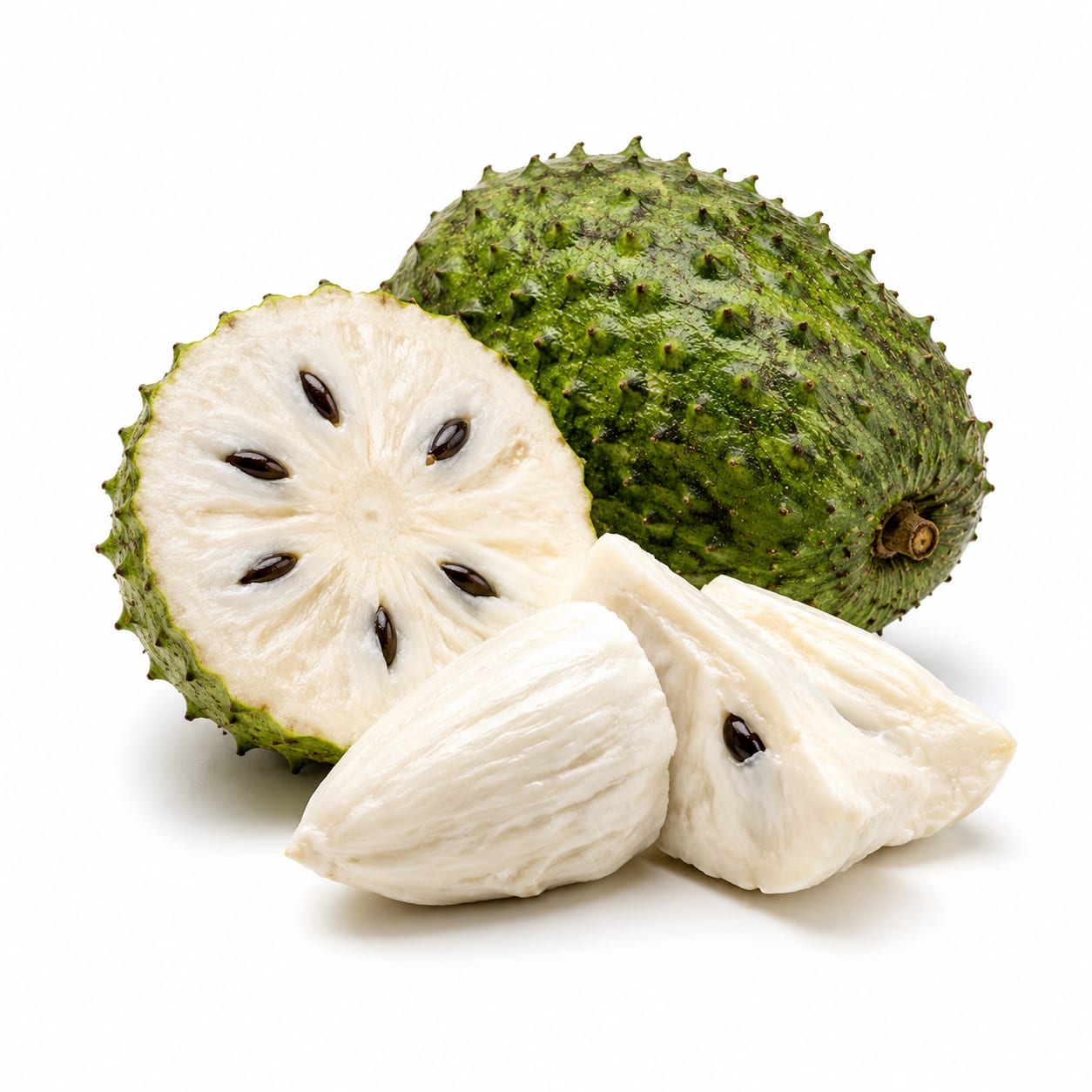
Soursop
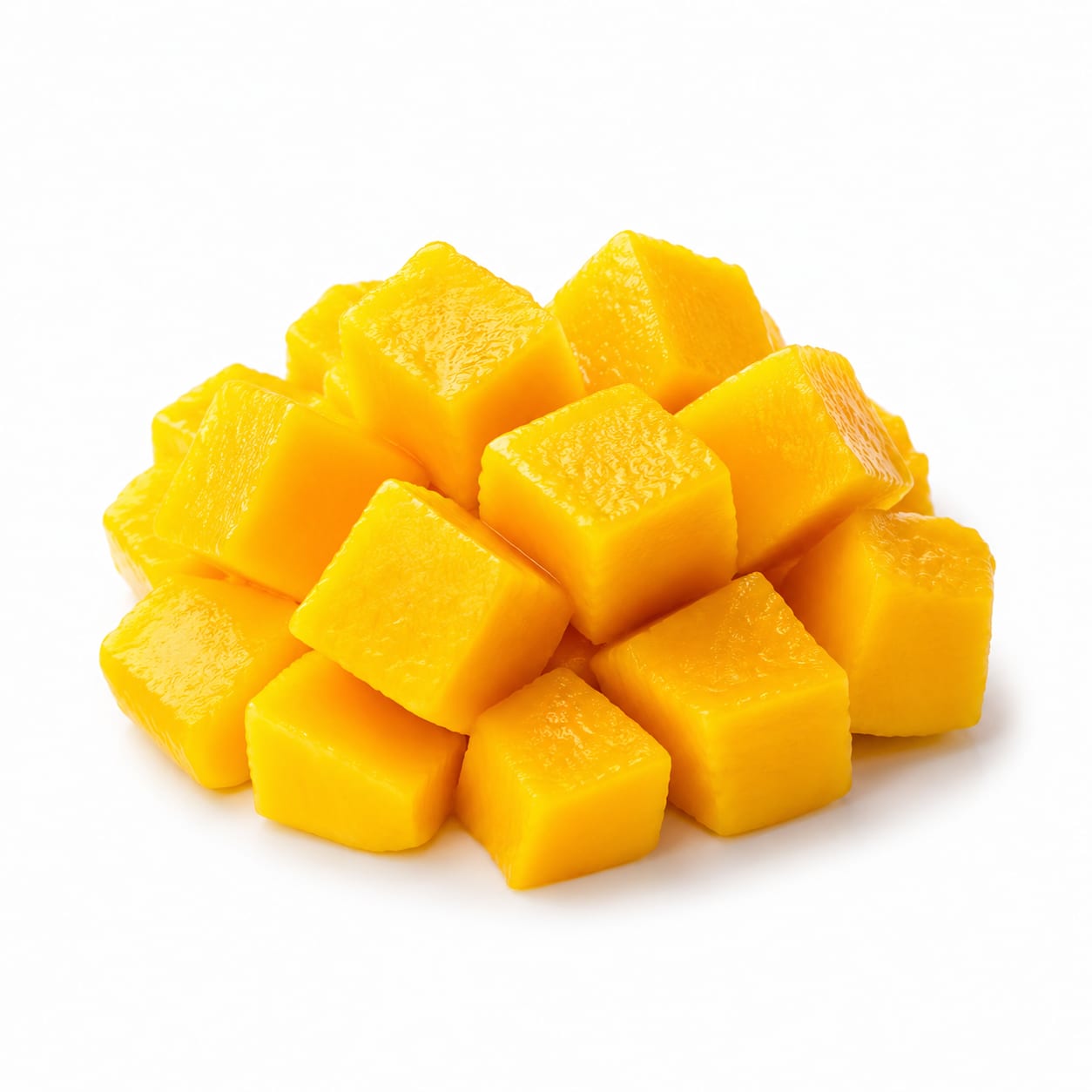
Mango
Mango is the safer, more practical daily fruit with broader nutritional benefits, while soursop offers unique compounds but carries meaningful neurotoxicity risk with regular consumption.
Mango scores notably higher primarily due to soursop's neurotoxicity risk, which penalizes its safety profile. Soursop's lower sugar and unique antioxidants partially offset this, but safety concerns limit its everyday viability.
Soursop has intriguing plant compounds and lower sugar, but its potential neurotoxic effects make it risky as a daily fruit. Mango is sweeter and higher in calories but far safer to eat regularly.
At a glance
Executive summary
Overall
Mango
Healthier
Mango
More practical
Mango
Daily use
Mango
Key comparison lenses
safety and toxicity concerns
Soursop carries documented neurotoxicity risk that significantly affects its suitability for regular consumption
sugar and blood sugar management
Both are tropical fruits with notably different sugar loads, making glycemic impact a primary decision factor
antioxidant and micronutrient profile
Users comparing these fruits often want to know which offers more protective compounds and vitamins
everyday practicality and availability
Mango is widely available globally while soursop is harder to find fresh, affecting real-world choices
digestive comfort and tolerance
Both fruits affect digestion differently, with mango being gentler for most people
Best choice for
Soursop
- People seeking lower-sugar tropical fruit options
- Those interested in traditional herbal remedies and plant compounds
- Individuals treating soursop as an occasional specialty fruit rather than a staple
Mango
- Families wanting a safe, kid-friendly tropical fruit
- Anyone eating fruit daily as part of a balanced diet
- People prioritizing vitamin A and folate intake
Least suitable for
Soursop
- People with Parkinson's disease or neurological conditions
- Pregnant women due to neurotoxicity concerns
- Anyone planning to consume it daily or in large quantities
- Children due to safety uncertainties
Mango
- People strictly limiting sugar intake
- Those managing diabetes who need low-glycemic fruits
- Individuals counting calories closely
Deep comparison
Dimension by dimension
Each lens scores both foods and breaks down who each option suits.
- Dimension 1 · Priority 88Soursop
sugar and glycemic impact
Soursop · 72Mango · 48Soursop contains significantly less sugar per serving, making it easier on blood sugar.
Tradeoff
Soursop's lower sugar comes with a tart, less universally appealing flavor that many people sweeten artificially, negating the benefit.
Why it matters
For anyone watching blood sugar or managing weight, sugar content is often the first filter when choosing fruit.
Real-world impact
A serving of mango can spike blood sugar noticeably, while soursop provides a steadier, gentler energy curve.
Soursop
- Diabetics seeking lower-sugar fruit options
- Keto-adjacent eaters wanting tropical flavor with less sugar
- People prone to afternoon energy crashes from sugar spikes
Better for
- People who add sugar to make soursop palatable, defeating the purpose
Worse for
Mango
- Athletes needing quick carbohydrate energy post-workout
- Children who need palatable fruit to develop healthy eating habits
Better for
- Insulin-resistant individuals who need tight glycemic control
- Anyone tracking daily sugar intake carefully
Worse for
- Dimension 2 · Priority 95Mango
safety and toxicity
Soursop · 35Mango · 88Soursop contains annonacin, a neurotoxin linked to atypical Parkinson's-like symptoms, while mango has no significant toxicity concerns.
Tradeoff
Soursop's unique acetogenins may have anti-cancer potential in lab studies, but the same compounds pose real neurological risk with regular consumption.
Why it matters
This is the single most important differentiator. A fruit that may harm your nervous system with regular use cannot be recommended as a daily staple regardless of other benefits.
Real-world impact
Populations that consume soursop regularly, such as in Guadeloupe, show elevated rates of atypical Parkinsonism. Occasional consumption appears safe, but daily use is inadvisable.
Soursop
- Nobody benefits from neurotoxicity risk, though occasional small portions appear safe
Better for
- People with any neurological condition or family history of Parkinson's
- Anyone consuming soursop tea or supplements daily
- Pregnant women
Worse for
Mango
- Everyone who values long-term neurological health
- Pregnant and breastfeeding women
- Children and elderly individuals more vulnerable to neurotoxins
Better for
- People with mango allergy, which is real but uncommon
Worse for
- Dimension 3 · Priority 78Mango
vitamin and mineral density
Soursop · 62Mango · 82Mango delivers substantially more vitamin A and folate, while soursop offers slightly more vitamin C and B vitamins.
Tradeoff
Mango's beta-carotene content is exceptional and supports eye and immune health directly, while soursop's vitamin profile is adequate but less concentrated in any single nutrient.
Why it matters
Vitamin A deficiency is common globally, and mango is one of the best fruit sources. Folate is critical for pregnant women and cardiovascular health.
Real-world impact
Eating mango regularly meaningfully contributes to your daily vitamin A needs in a way soursop simply cannot match.
Soursop
- People already getting ample vitamin A from other sources who want vitamin C variety
Better for
- Those relying on fruit as a primary vitamin A source
Worse for
Mango
- Pregnant women needing folate
- Anyone wanting to support eye health through diet
- Children who benefit from vitamin A for immune development
Better for
- People taking vitamin A supplements who need to avoid excess
Worse for
- Dimension 4 · Priority 72It depends
antioxidant and phytochemical profile
Soursop · 78Mango · 75Soursop's acetogenins and mango's mangiferin are both compelling antioxidants, but they serve different purposes and carry different risk profiles.
Tradeoff
Soursop's compounds are more pharmacologically active, which means more potential benefit and more potential harm. Mango's antioxidants are gentler and better studied for long-term safety.
Why it matters
Antioxidant diversity matters, but potency without safety is a poor trade for everyday eating.
Real-world impact
Mango's mangiferin has anti-inflammatory evidence without toxicity concerns, making it a more sustainable antioxidant source you can actually eat daily.
Soursop
- People viewing fruit as functional medicine in small, occasional doses
- Those specifically researching acetogenins under medical guidance
Better for
- Self-treaters using soursop as an unguided alternative cancer remedy
Worse for
Mango
- Anyone wanting reliable, safe daily antioxidant intake
- People managing chronic inflammation through diet
Better for
- Those seeking the most pharmacologically potent plant compounds available
Worse for
- Dimension 5 · Priority 70Mango
availability and practicality
Soursop · 35Mango · 85Mango is available in nearly every grocery store year-round, while fresh soursop is difficult to find outside tropical regions.
Tradeoff
Soursop's rarity makes it a special-occasion fruit, which naturally limits consumption to safer occasional levels but also makes it impractical as a dietary staple.
Why it matters
The healthiest fruit is the one you can actually buy and eat consistently.
Real-world impact
Most people can grab a mango at any supermarket. Finding fresh soursop often requires specialty stores, farmers markets, or frozen options of variable quality.
Soursop
- People living in tropical regions where soursop grows locally
- Adventurous eaters who enjoy seeking out specialty produce
Better for
- Anyone relying on consistent weekly meal prep with accessible ingredients
Worse for
Mango
- Busy families who shop at regular grocery stores
- Anyone who wants reliable access to their daily fruit
- People in temperate climates
Better for
- People in regions where mango import quality is poor
Worse for
- Dimension 6 · Priority 65Mango
digestive tolerance
Soursop · 55Mango · 75Mango contains digestive enzymes like amylase that aid breakdown, while soursop can cause stomach discomfort in some people.
Tradeoff
Mango is generally soothing to digestion, while soursop's fiber and acidity can irritate sensitive stomachs, especially in larger portions.
Why it matters
A fruit that causes bloating or discomfort won't be eaten consistently regardless of its nutritional merits.
Real-world impact
Mango is often recommended for digestion issues and even morning sickness. Soursop is more likely to cause nausea or stomach upset if eaten on an empty stomach.
Soursop
- People with robust digestion who tolerate acidic fruits well
Better for
- People with acid sensitivity or GERD
- Anyone prone to stomach upset from high-fiber fruits
Worse for
Mango
- Those with sensitive stomachs
- Pregnant women dealing with nausea
- Older adults with slower digestion
Better for
- Those with latex-fruit allergy syndrome who may react to mango
Worse for
Timeline
Health impact over time
Short-term
Hours to days
Soursop
- May cause mild stomach discomfort or nausea, especially on an empty stomach
- Provides steady energy without significant sugar crash
- Tart flavor can be refreshing but may require acclimation
Mango
- Quick energy boost from natural sugars, potentially followed by a mild crash
- Soothing to the digestive tract for most people
- Satisfying sweet flavor that curbs cravings effectively
Long-term
Months to years
Soursop
- Regular consumption poses documented neurotoxicity risk, particularly concerning for neurological health
- Potential anti-inflammatory benefits from acetogenins, though safety data is inadequate for daily use recommendations
- Lower sugar intake supports metabolic health if consumed in moderation
Mango
- Consistent vitamin A intake supports eye health and immune function over decades
- Folate contributes to cardiovascular and cognitive health long-term
- Higher sugar load may contribute to metabolic issues if portions are not managed
Risk profile
Safety & processing
Both fruits are whole, minimally processed foods when eaten fresh. The primary concern is not processing but soursop's inherent natural toxicity, which is a rare case where a whole food carries meaningful risk.
Soursop
Neurotoxicity from annonacin
highAnnonacin, a neurotoxin present in soursop, has been linked to atypical Parkinson's-like neurodegeneration in populations with high consumption. Occasional consumption appears safe, but regular intake is not recommended.
Pesticide residue on imported fruit
mediumSoursop imported from regions with looser pesticide regulations may carry higher residue. Washing thoroughly is essential.
Unreliable supplement market
mediumSoursop supplements and teas are largely unregulated, with inconsistent dosing and no safety standardization. These may deliver concentrated neurotoxins without labeling.
Mango
Pesticide residue on conventionally grown mango
mediumMango skins can retain pesticide residue. Peeling significantly reduces exposure, and organic options are widely available.
Allergic reactions in latex-fruit sensitive individuals
lowSome people with latex allergies react to mango, particularly the skin. This is uncommon but worth knowing.
Who wins for whom
Audience fit
Same foods, different winners depending on your goal.
children
MangoMango is safer, sweeter, and more palatable for children. Soursop's neurotoxicity risk makes it inappropriate as a regular fruit for kids.
daily consumption
MangoMango's safety profile, availability, and nutrient density make it suitable for daily eating. Soursop should be limited to occasional consumption.
diabetes
SoursopSoursop's lower glycemic impact makes it the better choice for blood sugar management, though neither fruit should be consumed in large quantities by diabetics.
elderly
MangoMango's vitamin A, folate, and digestive benefits support aging health without the neurological risk soursop carries.
muscle gain
MangoMango's higher carbohydrate content provides more readily available energy for training and recovery.
weight loss
SoursopSoursop's lower sugar and calorie density make it more weight-loss friendly per serving, though portion control with mango also works well.
Your move
Decision guide
Choose Soursop
- You want a lower-sugar tropical fruit and plan to eat it only occasionally
- You live where soursop grows locally and can enjoy it fresh in moderation
- You are specifically seeking variety in your fruit rotation and understand the safety limits
Choose Mango
- You want a safe, delicious daily fruit with strong vitamin A and folate content
- You are feeding a family and need something kids will actually eat
- You prioritize long-term safety and consistent availability
- You are pregnant, elderly, or have any neurological concerns
Either works if
- You simply want tropical fruit variety and will rotate both in small portions
- You are generally healthy and eat a diverse diet where neither fruit dominates
Avoid both if
- You are on a strict very-low-carb diet and cannot accommodate tropical fruit sugar
- You have fructose intolerance or specific tropical fruit allergies
Final recommendation
Make mango your everyday tropical fruit. It is safer, more nutritious overall, and easy to find. Enjoy soursop occasionally as a specialty treat, not a health supplement. The neurotoxicity risk is real and understated in wellness circles. No fruit is worth gambling your neurological health over, especially when mango offers comparable or better nutrition without the risk.
Practical
Consumer tips
- 1
Limit soursop to no more than once per week and avoid soursop teas and supplements entirely unless medically supervised
- 2
Peel mango before eating to reduce pesticide exposure and avoid the latex-fruit allergen in the skin
- 3
Choose frozen soursop pulp over supplements if you want the flavor, as it is less concentrated and easier to portion control
- 4
Freeze diced mango for smoothies to always have a safe, nutritious tropical option on hand
- 5
If you have any family history of Parkinson's disease, avoid soursop altogether as a precaution