
Nutrition comparison
Soursop vs Dragon Fruit: Safety, Nutrition, and Which Tropical Fruit to Eat Daily
Compare Soursop and Dragon Fruit on nutrition, safety, digestion, and daily usability. Learn why Dragon Fruit is the safer everyday choice and how Soursop's neurotoxicity risk changes the equation.
Overall winner · Dragon Fruit
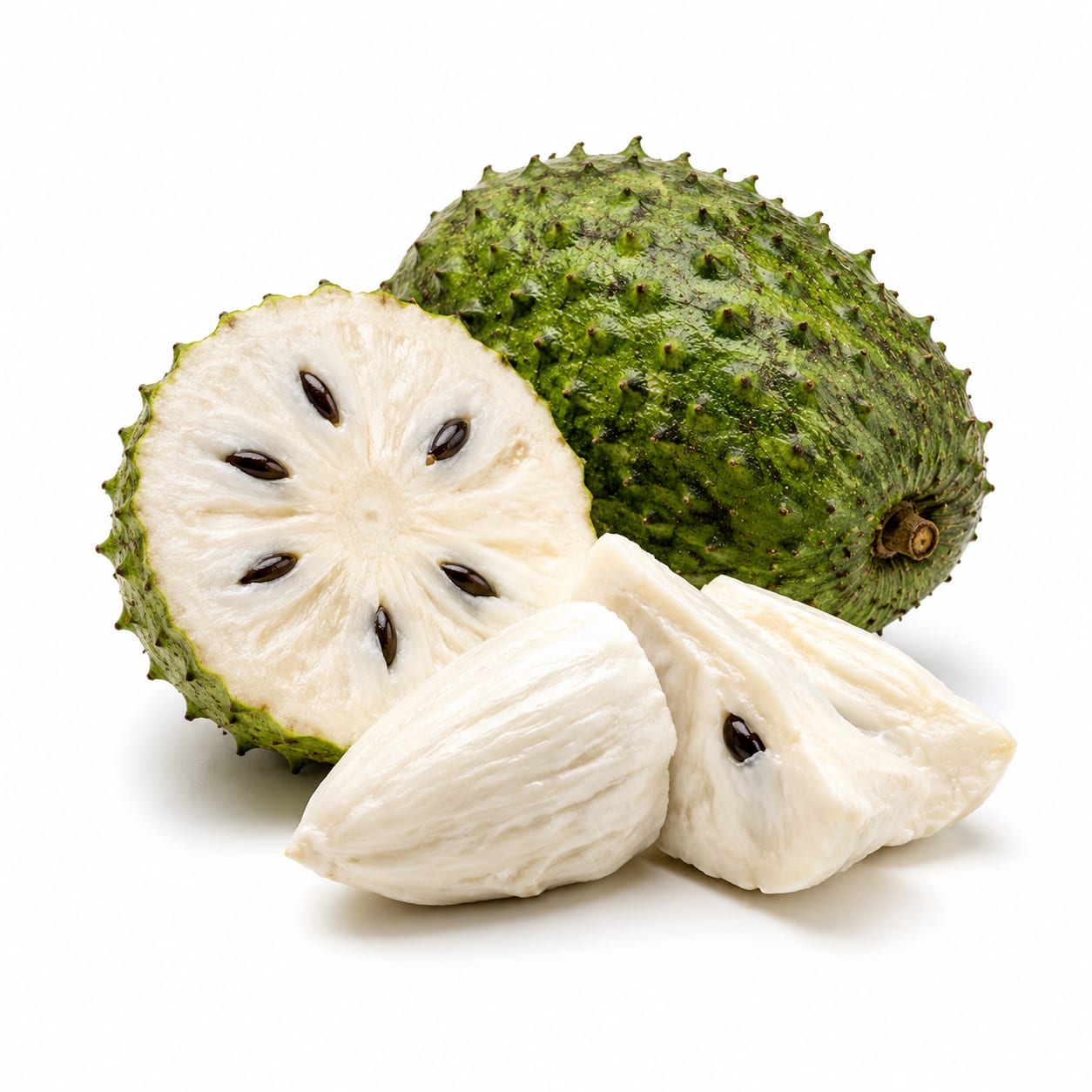
Soursop
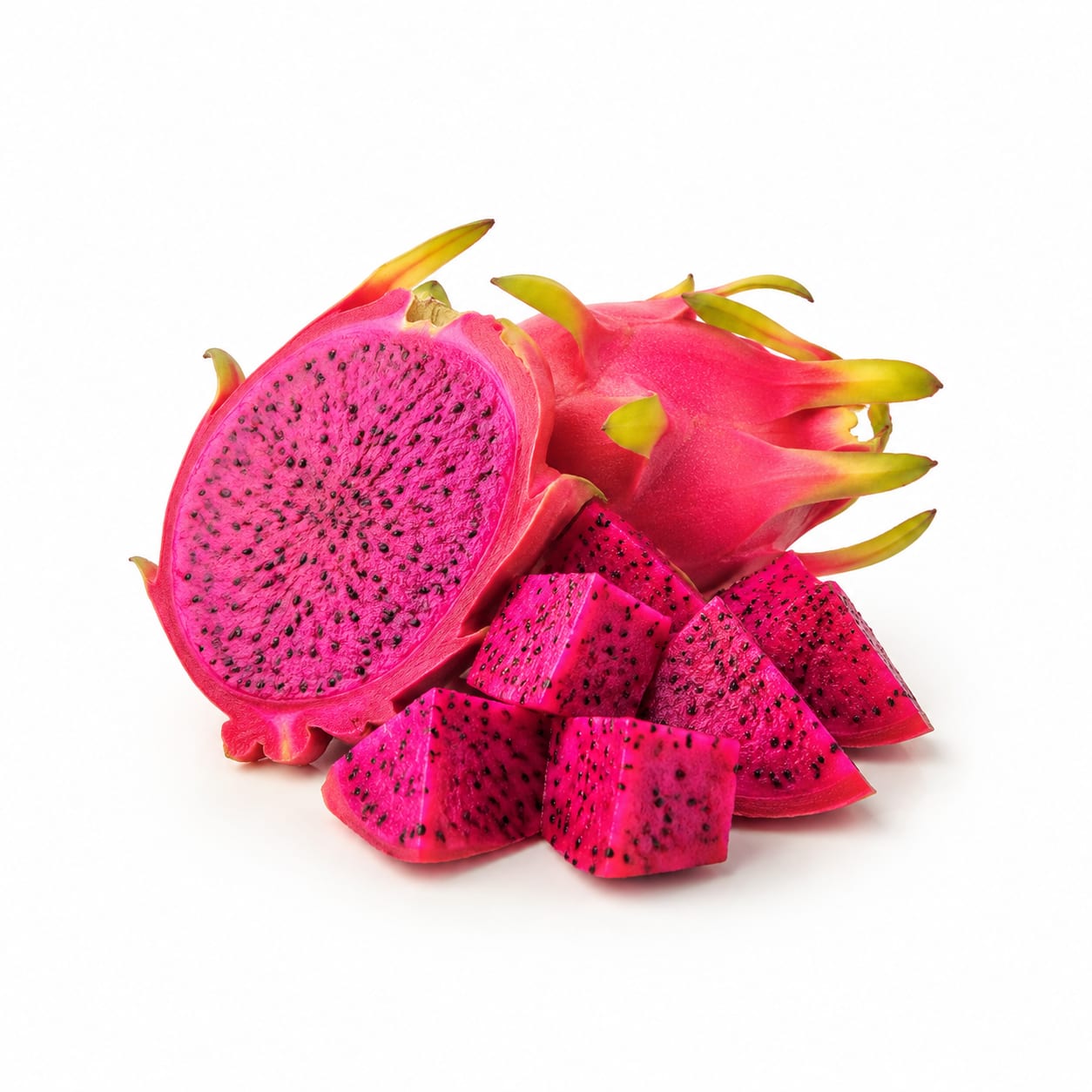
Dragon Fruit
Dragon Fruit is the safer everyday choice with negligible toxicity risk, while Soursop offers stronger medicinal properties but carries real neurological concerns with regular consumption.
Soursop loses significant ground on safety alone. The neurotoxicity concern is not theoretical — it is well-documented in populations with high consumption. Dragon Fruit wins not by being exceptional but by being reliably safe, gentle, and easy to incorporate daily.
Soursop delivers more potent bioactive compounds and fiber but at the cost of neurotoxicity risk with frequent use; Dragon Fruit is milder nutritionally but dramatically safer long-term.
At a glance
Executive summary
Overall
Dragon Fruit
Healthier
Dragon Fruit
More practical
Dragon Fruit
Daily use
Dragon Fruit
Key comparison lenses
safety and toxicity concerns
Soursop contains annonacin, a neurotoxin linked to atypical Parkinson's disease with regular consumption, making this the single most critical differentiator
digestive tolerance and gentleness
Dragon Fruit is famously gentle on the stomach while Soursop's fibrous texture and acidity can challenge sensitive digestion
antioxidant and immune benefits
Both are prized for immune support but through entirely different mechanisms and with different risk profiles
blood sugar management
Both are tropical fruits being considered by health-conscious users who often care about glycemic impact
everyday practicality and availability
Dragon Fruit is increasingly available year-round while Soursop remains niche and seasonal in most markets
Best choice for
Soursop
- People seeking traditional medicinal benefits under professional guidance
- Those wanting higher fiber intake from fruit
- Anyone treating Soursop as an occasional therapeutic rather than a daily snack
Dragon Fruit
- Daily fruit rotation with no safety worries
- Sensitive digestion or IBS management
- Parents introducing tropical fruit to children
- Blood sugar–conscious snackers wanting low-glycemic options
Least suitable for
Soursop
- Anyone with neurological conditions or family history of Parkinson's
- Pregnant and breastfeeding women due to neurotoxin exposure
- Children whose developing nervous systems are more vulnerable
- People who eat the same fruit daily without rotating
Dragon Fruit
- Those seeking strong anti-inflammatory or medicinal effects from fruit
- People wanting high-calorie satiety from a single serving
- Anyone looking for bold, intense tropical flavor
Deep comparison
Dimension by dimension
Each lens scores both foods and breaks down who each option suits.
- Dimension 1 · Priority 95Dragon Fruit
long_term_safety
Soursop · 35Dragon Fruit · 95This is the deciding factor. Soursop contains annonacin, which damages neurons and has been strongly linked to atypical Parkinson's in the Caribbean and Pacific regions where it is consumed regularly.
Tradeoff
Soursop's medicinal potency comes bundled with a neurotoxin that accumulates with repeated exposure; Dragon Fruit has no known toxicity even with daily consumption.
Why it matters
A fruit you eat occasionally is different from one you eat weekly. With Soursop, frequency matters enormously because annonacin is not cleared easily from the body.
Real-world impact
Eating Soursop weekly for years could meaningfully increase neurological risk. Dragon Fruit can be eaten daily for decades with no documented harm.
Soursop
- Short-term therapeutic use under professional supervision
Better for
- Building into a daily smoothie habit
- Pregnant women and children
- Anyone already at risk for neurodegenerative conditions
Worse for
Dragon Fruit
- Daily consumption without second-guessing
- Long-term dietary patterns spanning years
- Anyone with neurological concerns in their family history
Better for
- Dimension 2 · Priority 85Dragon Fruit
digestive_gentleness
Soursop · 50Dragon Fruit · 90Dragon Fruit is one of the most stomach-friendly tropical fruits available. Soursop's fibrous pulp and natural acidity can irritate sensitive digestive systems.
Tradeoff
Soursop offers more fiber per serving but Dragon Fruit's prebiotic fiber feeds gut bacteria without causing bloating or discomfort.
Why it matters
For anyone with IBS, acid sensitivity, or post-illness recovery, the difference between a fruit that soothes and a fruit that irritates is immediate.
Real-world impact
Dragon Fruit feels light and refreshing after eating. Soursop can feel heavy or cause mild stomach upset, especially on an empty stomach.
Soursop
- People wanting aggressive fiber intake for constipation relief
Better for
- Anyone prone to acid reflux or stomach irritation
- Eating before bed
Worse for
Dragon Fruit
- Sensitive stomachs and IBS sufferers
- Post-surgery or post-illness recovery eating
- Morning fruit on an empty stomach
- Children with delicate digestion
Better for
- Severe constipation requiring aggressive fiber
Worse for
- Dimension 3 · Priority 80Soursop
antioxidant_and_immune_profile
Soursop · 82Dragon Fruit · 72Soursop contains acetogenins and higher vitamin C per gram, giving it a more potent antioxidant punch. Dragon Fruit relies on betacyanins and vitamin C, which are effective but milder.
Tradeoff
Soursop's stronger medicinal compounds are the same ones tied to neurotoxicity — potency cuts both ways. Dragon Fruit's antioxidants are safer but less dramatic.
Why it matters
If you are specifically seeking immune support during illness, Soursop delivers more. But the delivery mechanism carries baggage.
Real-world impact
Soursop feels like medicine — strong effect, strong caveats. Dragon Fruit feels like nourishment — gentle support, no warnings needed.
Soursop
- Targeted immune support during acute illness
- Occasional therapeutic use rather than daily habit
Better for
- Relying on it daily for immune support due to accumulation risk
Worse for
Dragon Fruit
- Consistent daily immune maintenance
- Post-workout antioxidant replenishment
- Sustained long-term cellular protection
Better for
- Acute situations demanding strong antioxidant intervention
Worse for
- Dimension 4 · Priority 75Dragon Fruit
blood sugar_impact
Soursop · 60Dragon Fruit · 85Dragon Fruit has a lower glycemic load and less sugar per serving. Soursop contains more natural sugars and can cause a more noticeable blood sugar rise.
Tradeoff
Soursop's fiber helps slow absorption somewhat, but the higher sugar content still wins out. Dragon Fruit's mild sweetness comes with a gentler metabolic footprint.
Why it matters
For diabetics, prediabetics, or anyone tracking metabolic health, the difference between a low-glycemic and moderate-glycemic fruit is not trivial.
Real-world impact
Dragon Fruit won't spike your blood sugar or trigger cravings. Soursop might, especially if eaten in larger quantities.
Soursop
- Active individuals who burn through sugar quickly
Better for
- Late-night snacking
- Uncontrolled blood sugar conditions
Worse for
Dragon Fruit
- Diabetics and prediabetics
- Intermittent fasters breaking their fast gently
- Anyone managing afternoon energy crashes
Better for
- Athletes needing quick carbohydrate fuel
Worse for
- Dimension 5 · Priority 70Dragon Fruit
practicality_and_accessibility
Soursop · 40Dragon Fruit · 80Dragon Fruit is available in most grocery stores year-round and is trivial to prepare. Soursop is harder to find, seasonal, and requires careful seed removal since the seeds are toxic.
Tradeoff
Soursop's rarity makes it feel special but impractical. Dragon Fruit's availability makes it an easy habit.
Why it matters
The healthiest fruit is the one you actually eat consistently. Availability and ease of preparation directly impact adherence.
Real-world impact
Dragon Fruit: slice, scoop, eat in 30 seconds. Soursop: find a specialty store, wait for season, carefully remove toxic seeds, then enjoy.
Soursop
- Specialty culinary experiences
- Occasional traditional recipes
Better for
- Busy professionals with limited shopping time
- Anyone outside tropical or specialty markets
Worse for
Dragon Fruit
- Weekly meal prep and grocery routines
- Office snacks and on-the-go eating
- Families needing quick fruit options
Better for
- Culinary adventurers seeking unique flavors
Worse for
- Dimension 6 · Priority 65Soursop
satiety_and_fiber
Soursop · 78Dragon Fruit · 62Soursop is significantly more filling due to its dense fibrous pulp and higher calorie content per serving. Dragon Fruit is light and water-rich, which can leave you hungry sooner.
Tradeoff
Soursop keeps you full but at the cost of heavier digestion. Dragon Fruit is refreshing but may need pairing with protein or fat to satisfy.
Why it matters
If you are replacing a meal component or need a snack that actually holds you over, Soursop performs better as a standalone.
Real-world impact
A Soursop smoothie can replace a light meal. A Dragon Fruit smoothie is a supplement to a meal, not the meal itself.
Soursop
- Standalone snacks between meals
- Weight maintenance through higher satiety per serving
Better for
- Light meals where you want to feel energized, not full
Worse for
Dragon Fruit
- Light evening snacks when you want something refreshing
- Hydration-focused eating in hot weather
Better for
- Situations where the fruit needs to hold you over for 3+ hours
Worse for
Timeline
Health impact over time
Short-term
Hours to days
Soursop
- Noticeable fullness from fiber and pulp density
- Possible mild stomach discomfort or acidity on empty stomach
- Stronger vitamin C boost per serving compared to Dragon Fruit
Dragon Fruit
- Immediate hydration and light refreshment
- Very gentle on digestion with almost no discomfort risk
- Mild energy lift without blood sugar crash
Long-term
Months to years
Soursop
- Accumulating neurotoxin exposure if consumed regularly, potentially increasing Parkinson's risk
- Better long-term fiber intake if consumed cautiously and infrequently
- Possible kidney strain from oxalates in high quantities
Dragon Fruit
- Consistent prebiotic fiber supporting gut microbiome diversity
- Steady low-level antioxidant protection without toxicity buildup
- Improved regularity and digestive comfort over months and years
Risk profile
Safety & processing
Both fruits are typically consumed fresh and whole, making them equally clean from a processing standpoint. The concern with Soursop is not additives but the fruit's own natural compounds.
Soursop
Annonacin neurotoxicity
highAnnonacin damages neurons and has been causally linked to atypical Parkinson's disease in populations with high Soursop consumption. Even moderate regular intake may accumulate over time.
Toxic seeds
mediumSoursop seeds contain higher concentrations of annonacin and must be carefully removed before consumption. Accidental ingestion is a real risk, especially for children.
Oxalate content
lowContains moderate oxalates which may concern people with kidney stone history at high intake levels.
Dragon Fruit
Pesticide residue on imported varieties
lowDragon Fruit is typically low on pesticide concern lists, but imported varieties from Southeast Asia may have varying standards.
Mild laxative effect in large quantities
lowThe prebiotic fiber can cause loose stools if consumed in very large amounts, particularly when first introduced to the diet.
Who wins for whom
Audience fit
Same foods, different winners depending on your goal.
children
Dragon FruitNo neurotoxicity risk, easier to eat, milder flavor, and no dangerous seeds. Soursop is genuinely inappropriate as a regular children's fruit.
daily consumption
Dragon FruitSafety with daily use is Dragon Fruit's strongest advantage. Soursop should never be a daily fruit due to annonacin accumulation.
diabetes
Dragon FruitLower glycemic load and sugar content make Dragon Fruit the clearly safer option for blood sugar management.
elderly
Dragon FruitNeurotoxicity risk is especially concerning for older adults already facing increased neurodegenerative risk. Dragon Fruit's gentle digestion is also better suited to aging digestive systems.
muscle gain
It dependsNeither fruit is a meaningful protein source. Dragon Fruit slightly edges for post-workout hydration, while Soursop's calories may help bulk diets, but both are irrelevant for muscle gain directly.
weight loss
Dragon FruitDragon Fruit's lower calorie density and sugar content make it easier to fit into a calorie-controlled plan without triggering cravings.
Your move
Decision guide
Choose Soursop
- You are using it occasionally as a traditional remedy under professional guidance
- You have no neurological risk factors and plan to eat it no more than once or twice a month
- You are specifically seeking its acetogenin compounds for targeted therapeutic purposes
- You have reliable access to fresh Soursop and are comfortable with careful seed removal
Choose Dragon Fruit
- You want a safe daily tropical fruit with no toxicity concerns
- You have sensitive digestion, diabetes, or are feeding children
- You value convenience and availability in your regular grocery shopping
- You are building long-term dietary habits you want to sustain for decades
Either works if
- You are rotating through various tropical fruits and not committing to either as a staple
- You want variety in your antioxidant sources and are consuming both infrequently
Avoid both if
- You have a latex allergy, as both fruits carry some cross-reactivity risk
- You are on blood pressure medications without consulting your doctor, as both may have mild hypotensive effects
Final recommendation
Make Dragon Fruit your regular tropical fruit and treat Soursop as an occasional experience. The neurotoxicity concern with Soursop is not alarmism — it is well-documented and dose-dependent. Dragon Fruit gives you 80% of the nutritional benefit with near-zero risk. If you love Soursop, enjoy it a few times a year, not a few times a week.
Practical
Consumer tips
- 1
If you do eat Soursop, never consume the seeds or skin — the highest annonacin concentrations are there
- 2
Limit Soursop to no more than once per week, and consider once per month a safer rhythm
- 3
Red Dragon Fruit varieties contain more antioxidants than white — choose red when available
- 4
Freeze Dragon Fruit cubes for smoothies — it retains nutrients well and adds creaminess
- 5
If you have any family history of Parkinson's or neurological conditions, avoid Soursop entirely
- 6
Dragon Fruit pairs well with protein-rich foods like Greek yogurt to create a more balanced snack
- 7
When buying Soursop, ensure it is fully ripe — unripe fruit has higher concentrations of irritating compounds