
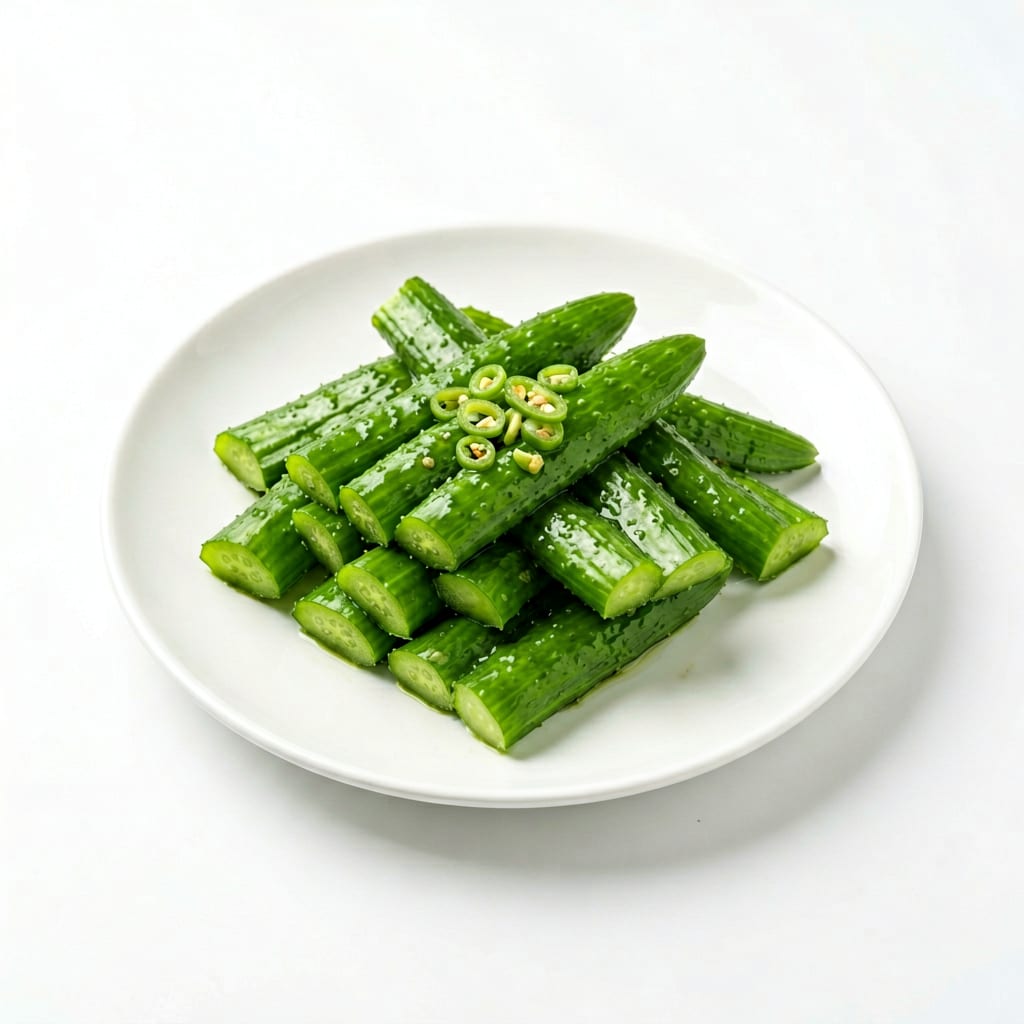
Vegetable
Snake Gourd
A low-calorie, high-water gourd vegetable commonly used in Asian cooking for blood sugar control and weight management.
A tropical climbing vine producing elongated, slender green fruits with a spongy, mild-tasting flesh, widely consumed in South and Southeast Asian cuisines.
high-volume low-calorie vegetable
Typical serving · 100g
Common varieties · long green, short green, white striped
Overall context score across nutrition, safety, and diet fit
At a glance
Quick facts
Simple indicators based on nutrition, processing, and diet fit.
The story
What makes it unique
Snake gourd is a high-water, low-calorie vegetable with a low glycemic index. Its mild fiber content slows digestion, promoting satiety without spiking blood sugar. As a minimally processed whole food, it retains its cellular structure and micronutrient profile.
Varieties: long green · short green · white striped
Per 100g
Nutrition breakdown
Macro balance and key metrics at a glance.
Energy
Density 0.17 kcal/g
Protein
Carbs
Fat
Fiber
Sugar
1.2 g
Sodium
5 mg
Potassium
160 mg
Glycemic index
20
Glycemic load
1
Water content
94%
Standout compounds
Nutrient highlights
Water
highPromotes hydration and physical fullness
Fiber
moderateSupports gut motility and slows glucose absorption
Vitamin C
moderateSupports immune function and acts as an antioxidant
Potassium
moderateHelps regulate blood pressure and fluid balance
Wellness map
Health scores & processing
NOVA processing scale
unprocessed · Whole food
Fresh snake gourd is a whole, unprocessed plant food.
Diet compatibility
- Weight loss
- Muscle gain
- Diabetes
- Gut health
- Low carb
- High protein
- Heart health
Relative standing
Food rankings
Qualitative ranks compared to similar whole foods.
- Satietygood
- Blood sugarexcellent
- Nutrient densitymoderate
- Fitness fuelpoor
- Processing qualityexcellent
Eat with confidence
Food safety profile
Snake gourd is generally safe with low contamination and pesticide risks. Standard washing is sufficient to remove surface debris and soil microbes.
Evidence confidence 85%
- Pesticideslow
- Antibioticslow
- Heavy metalslow
- Contaminationlow
Watch for
- soil-borne bacteria
Safer choices
Organic varieties if concerned about conventional agricultural sprays.
Prep tips
Rinse thoroughly under running water and peel if desired, though the skin is edible and contains fiber.
None significant.
Deep dive
Health analysis
How this food may fit different goals and preparation choices.
Weight loss
Extremely low in calories and high in water, making it ideal for volume eating and reducing overall caloric intake.
Blood sugar
Minimal carbohydrate content and low glycemic index prevent blood sugar spikes, making it highly suitable for diabetics.
Fitness & energy
Not a significant source of fuel for high-intensity exercise or muscle recovery due to low carbohydrate and protein content.
Gut health
Provides gentle dietary fiber that supports regular bowel movements and feeds beneficial gut bacteria.
Processing quality
A whole, unprocessed food that retains its natural nutrient matrix and cellular integrity.
Food safety
Very safe to consume; primary concern is standard agricultural washing to remove soil and potential pesticides.
Common mistakes
Overcooking until mushy, which reduces its fiber benefits and satiety potential, or cooking with excessive oil which negates its low-calorie advantage.
Best preparation
Lightly stir-fried, added to soups, or stuffed and baked to retain texture and nutrients without adding excess fat.
Practical guide
Best use cases
When and how this food fits real eating patterns.
high-volume low-calorie eating
Fill up your plate without exceeding calorie limits during a cut.
diabetic-friendly side dish
A low-carb vegetable that adds bulk to meals without spiking blood sugar.
digestive regularity
The fiber and high water content help maintain healthy bowel movements.
Balance sheet
Pros & cons
Upsides
- Extremely low in calories
- High water content promotes fullness
- Does not spike blood sugar
- Versatile in cooked dishes
- Supports digestive regularity
Trade-offs
- Very low in protein and healthy fats
- Not a significant source of energy for athletes
- Can become mushy if overcooked
- May be difficult to find outside of Asian markets
Fit check
Who is it for?
Great match
- weight loss diets
- blood sugar management
- volume eating
- low-carb meal plans
Consider alternatives
- muscle building
- high-intensity endurance fueling
- those needing calorie-dense foods
Side by side
How it compares
Open the full head-to-head analysis for nutrition, safety, and practical tradeoffs.
This food
Snake Gourd
VS95% alike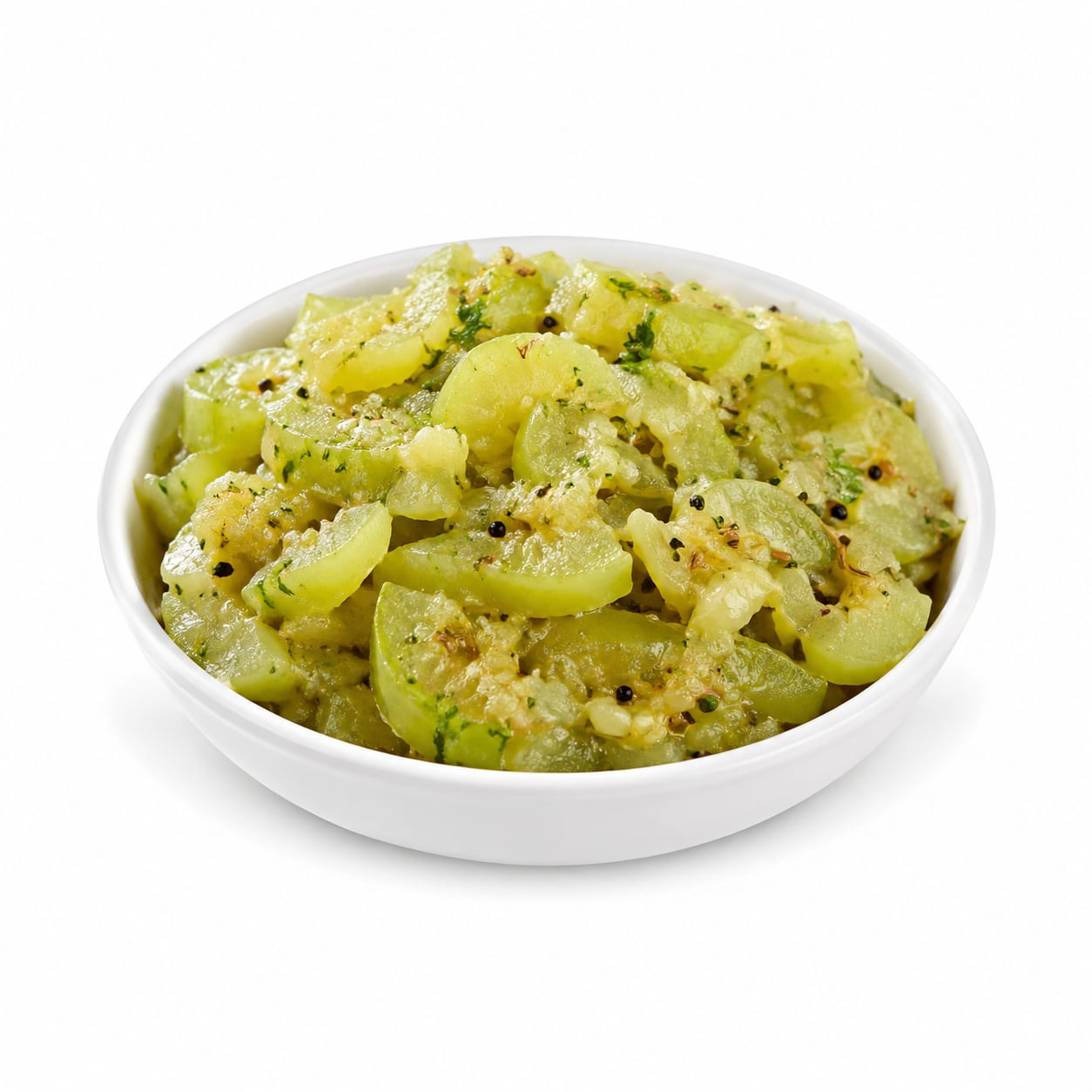
Compare with
Bottle Gourd
Both are mild, low-calorie gourds used in Asian cooking. Bottle gourd is slightly higher in water.
Snake gourd and bottle gourd are nutritionally almost identical, both offering extremely low calories and high water content for weight loss.
This food
Snake Gourd
VS80% alike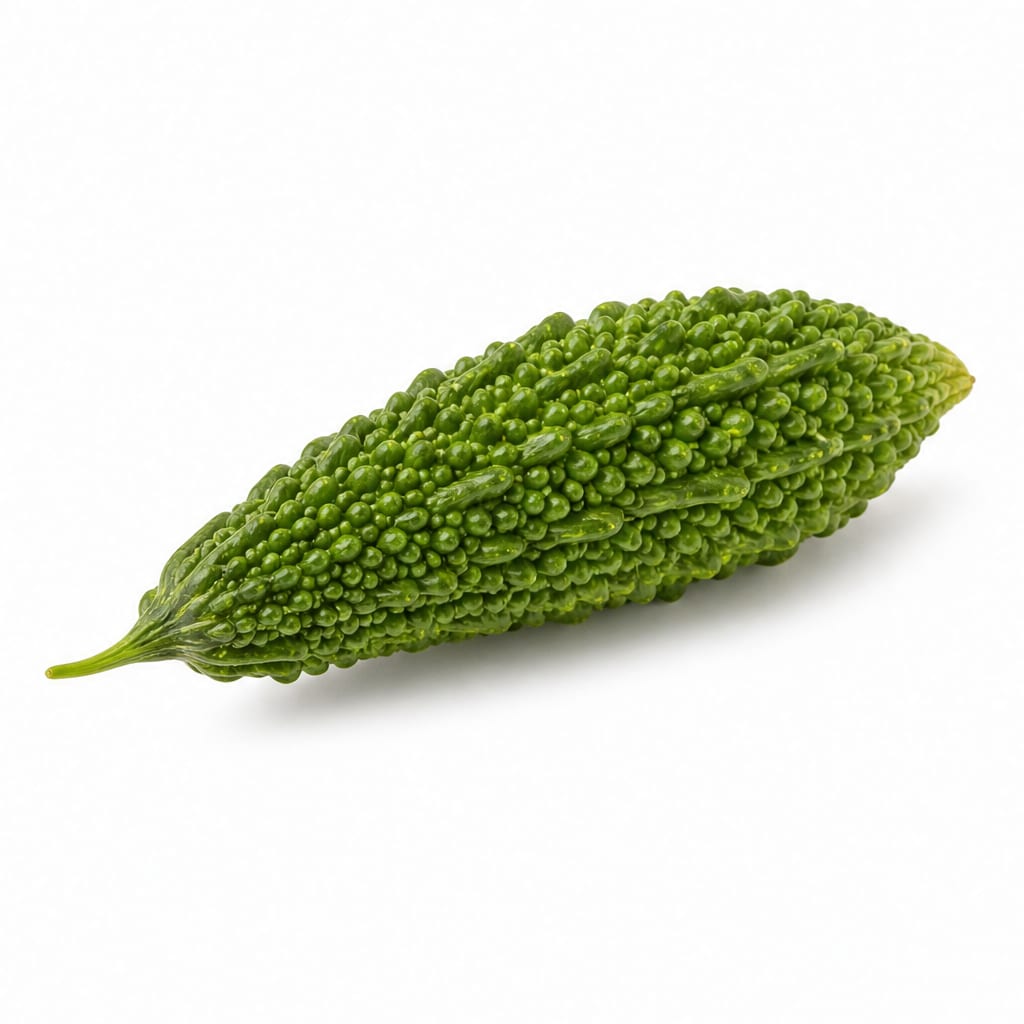
Compare with
Bitter Gourd
Bitter gourd has notable blood-sugar-lowering compounds but a harsh taste; snake gourd is milder and easier to eat regularly.
Bitter gourd beats snake gourd for active blood sugar control due to unique compounds, but snake gourd is much more palatable for daily eating.
This food
Snake Gourd
VS85% alike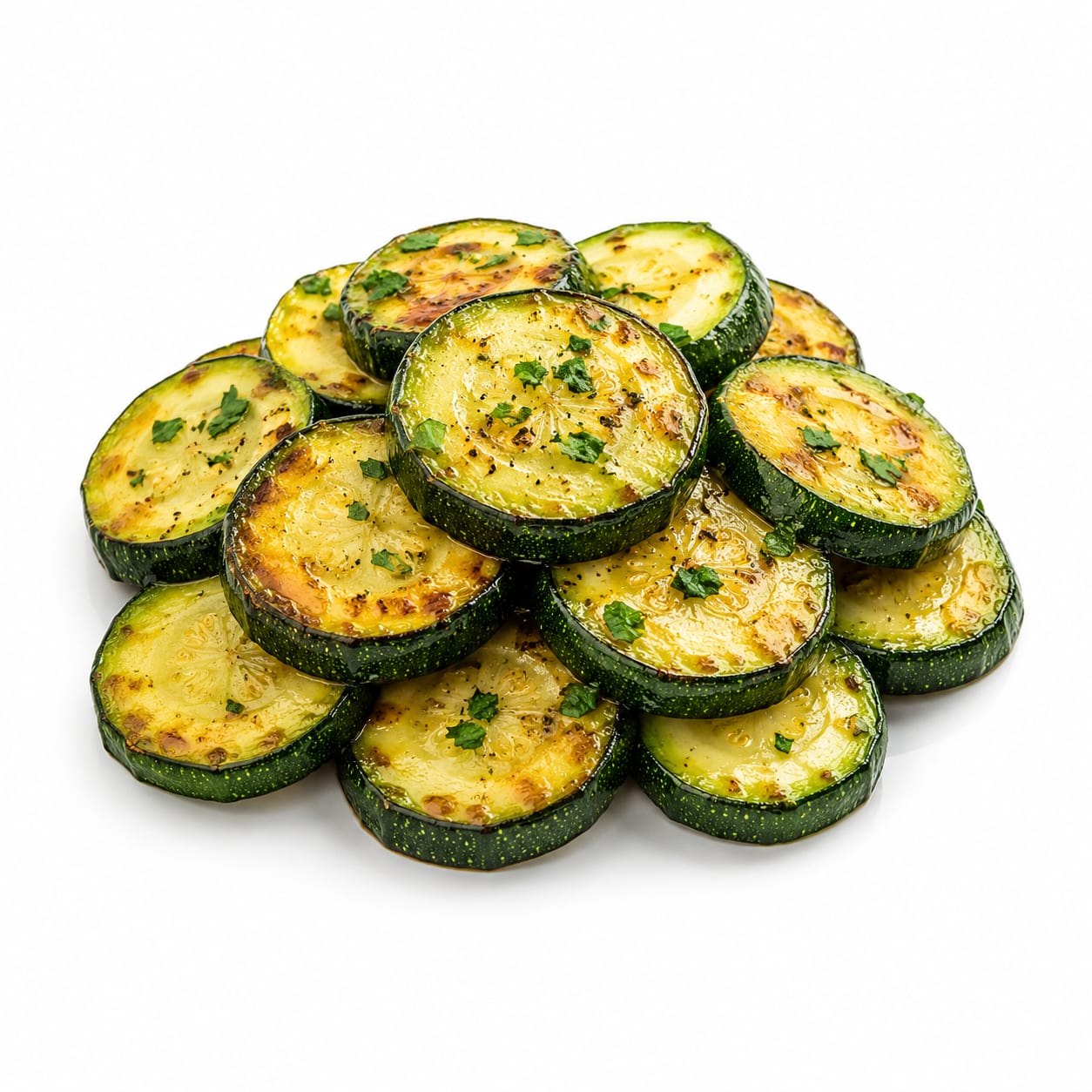
Compare with
Zucchini
Zucchini is more globally accessible and slightly lower in carbs, while snake gourd has a slightly firmer texture when cooked.
Zucchini is slightly lower in carbohydrates and easier to find, but both are excellent low-calorie substitutes for noodles.
This food
Snake Gourd
VS80% alike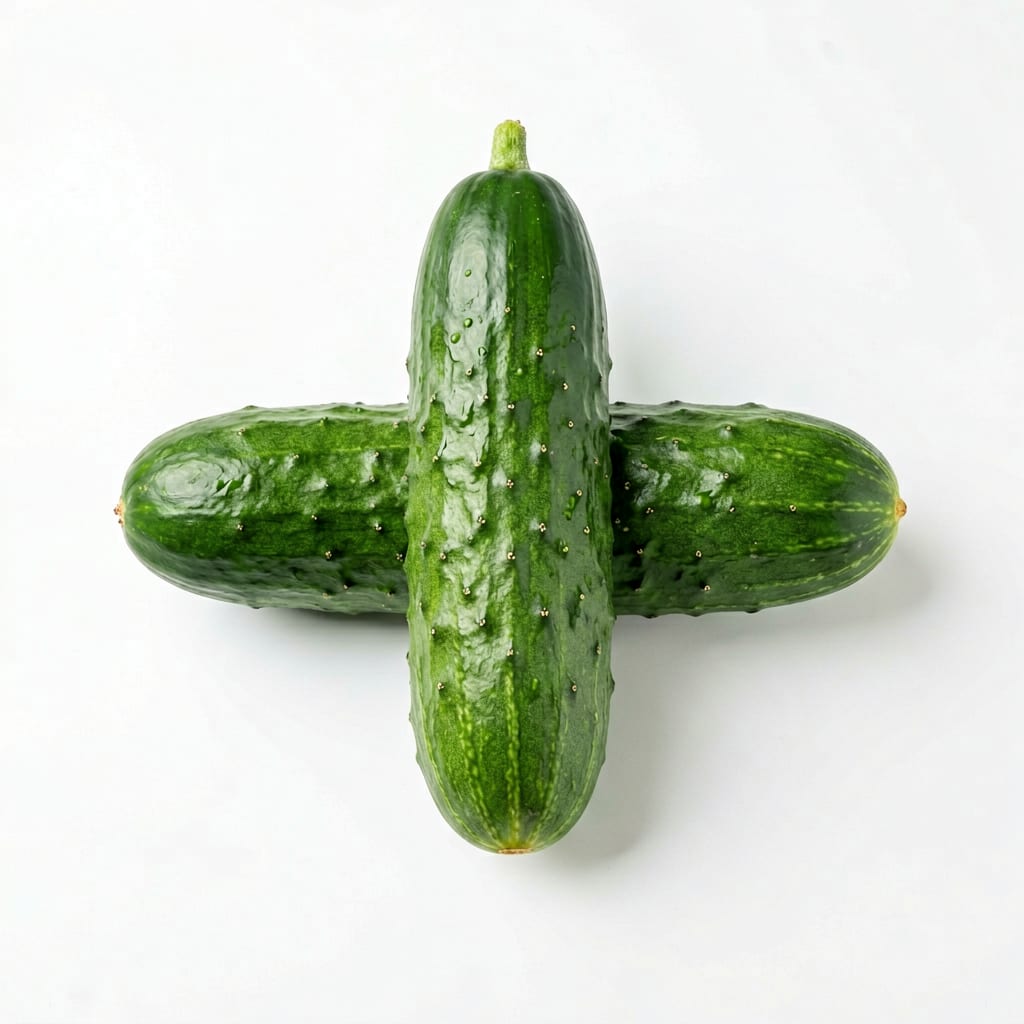
Compare with
Cucumber
Cucumber is typically eaten raw with crisp texture, while snake gourd is usually cooked.
Cucumber is better for raw salads, while snake gourd provides more cooking versatility and slightly more fiber for satiety.
This food
Snake Gourd
VS90% alike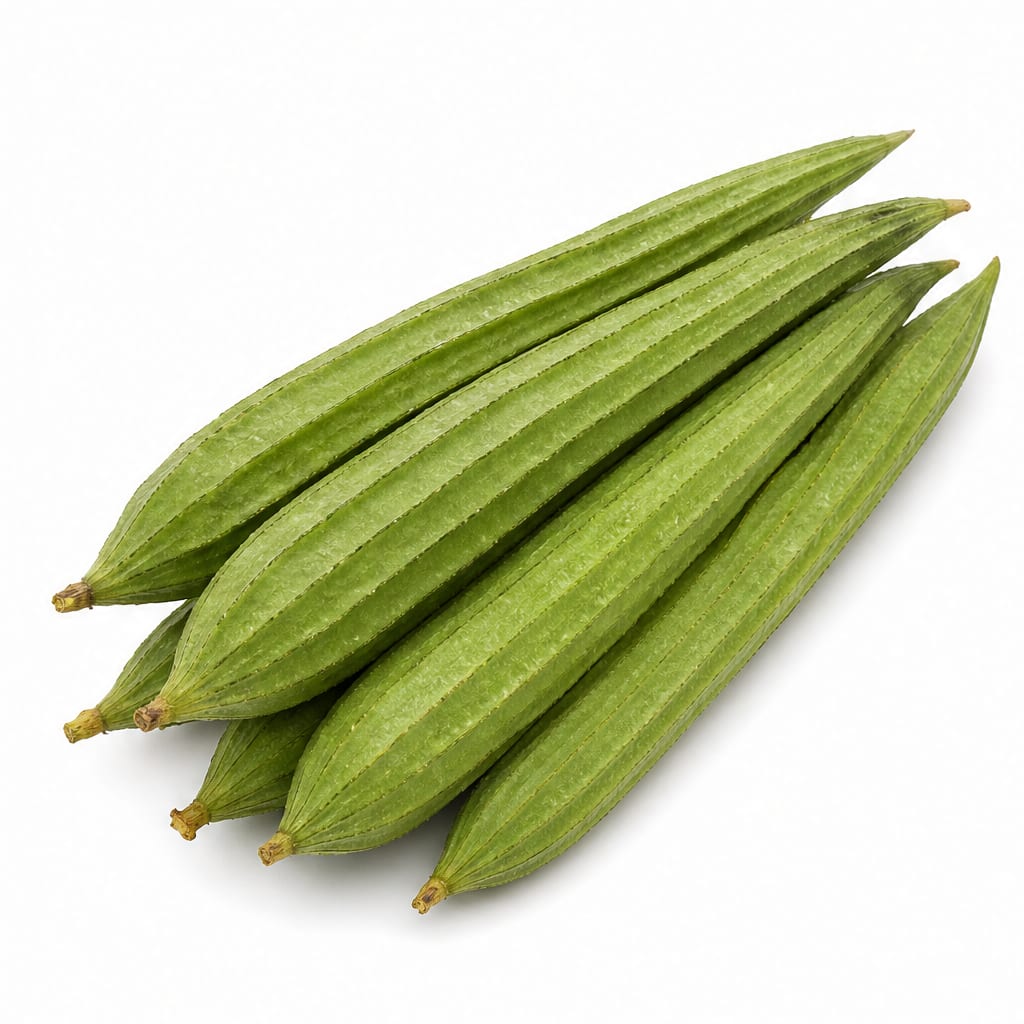
Compare with
Ridge Gourd
Ridge gourd has slightly more fiber, but both serve as excellent low-calorie bases for curries.
Ridge gourd offers slightly more fiber than snake gourd, but both are highly comparable low-calorie vegetables for weight loss.
This food
Snake Gourd
VS60% alike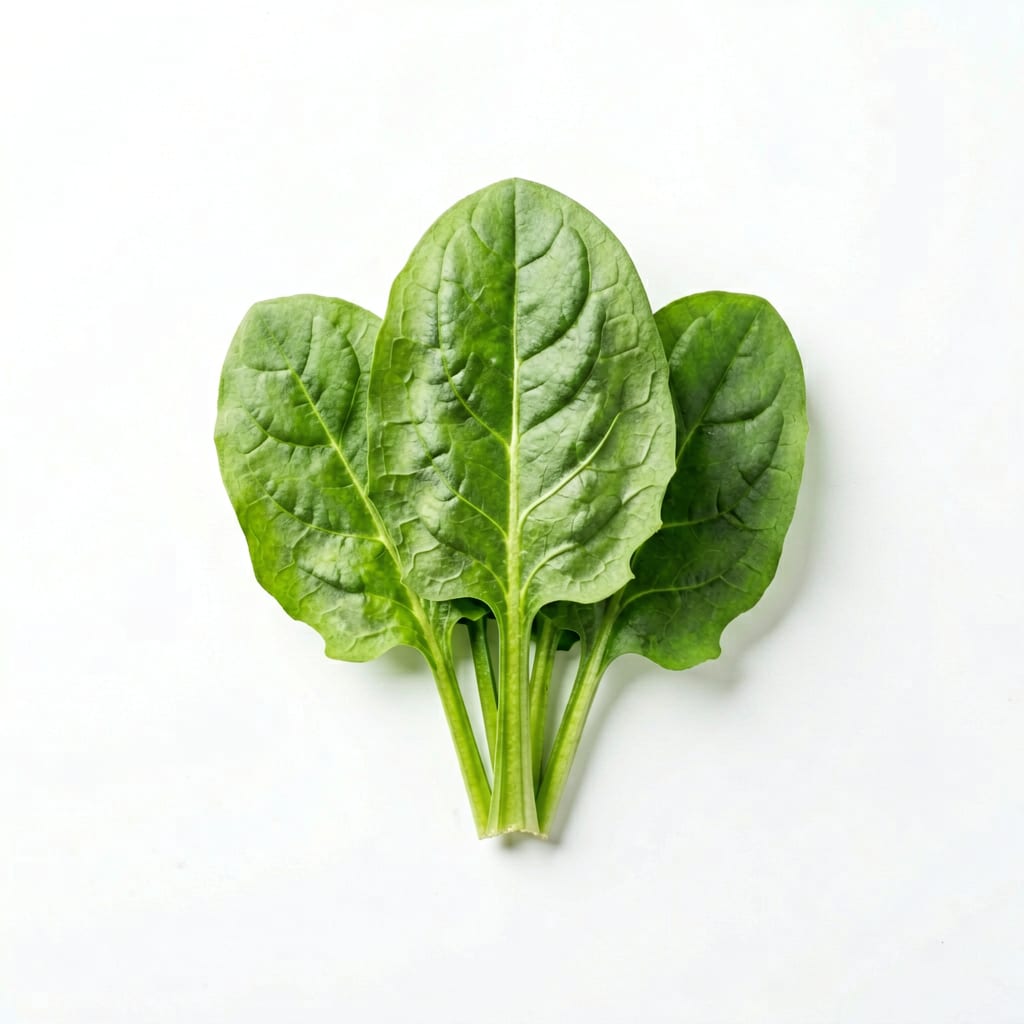
Compare with
Spinach
Spinach is far more nutrient-dense with higher vitamins and minerals per calorie.
Spinach provides significantly more micronutrients per calorie, while snake gourd offers more physical volume and chewing satisfaction.
This food
Snake Gourd
VS65% alike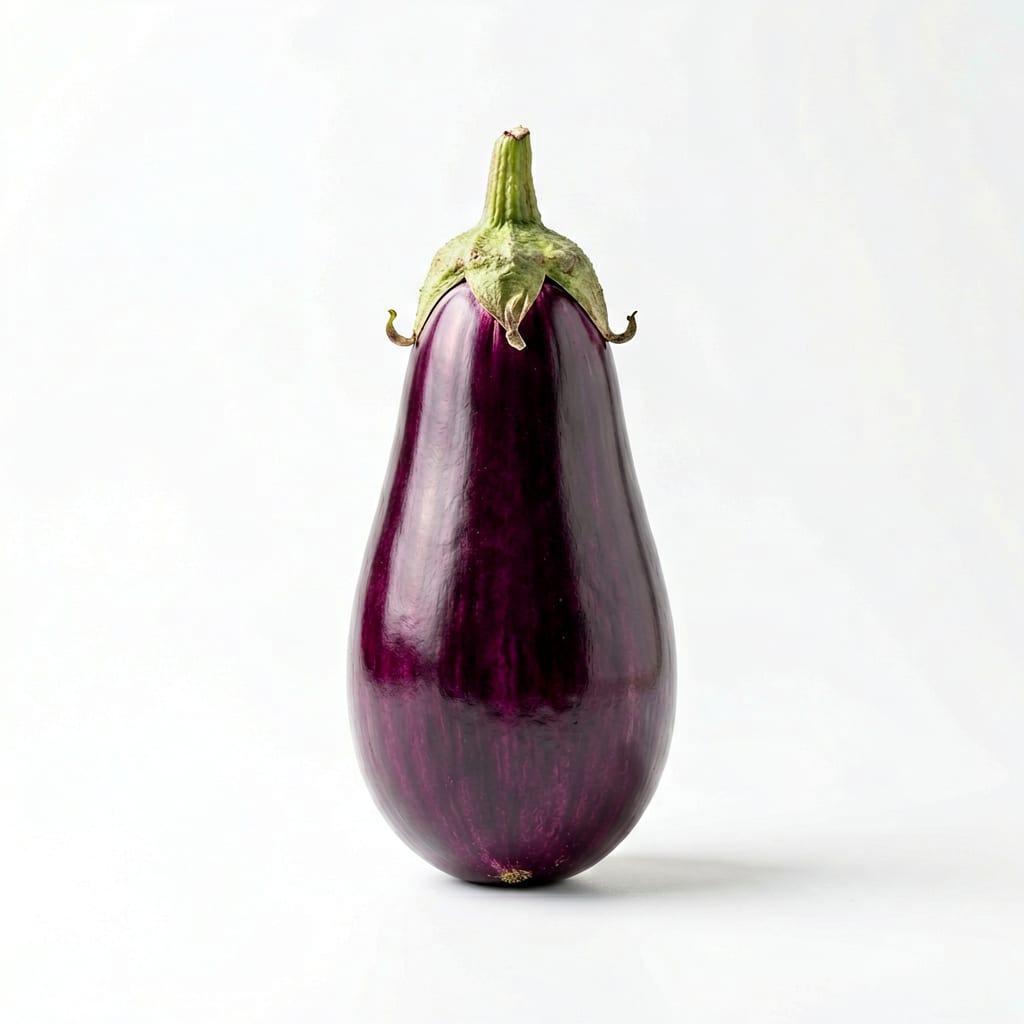
Compare with
Eggplant
Eggplant is higher in carbohydrates and calories but offers more dietary fiber.
Snake gourd is lower in calories and better for strict weight loss, while eggplant provides more fiber and a meatier texture.
This food
Snake Gourd
VS60% alike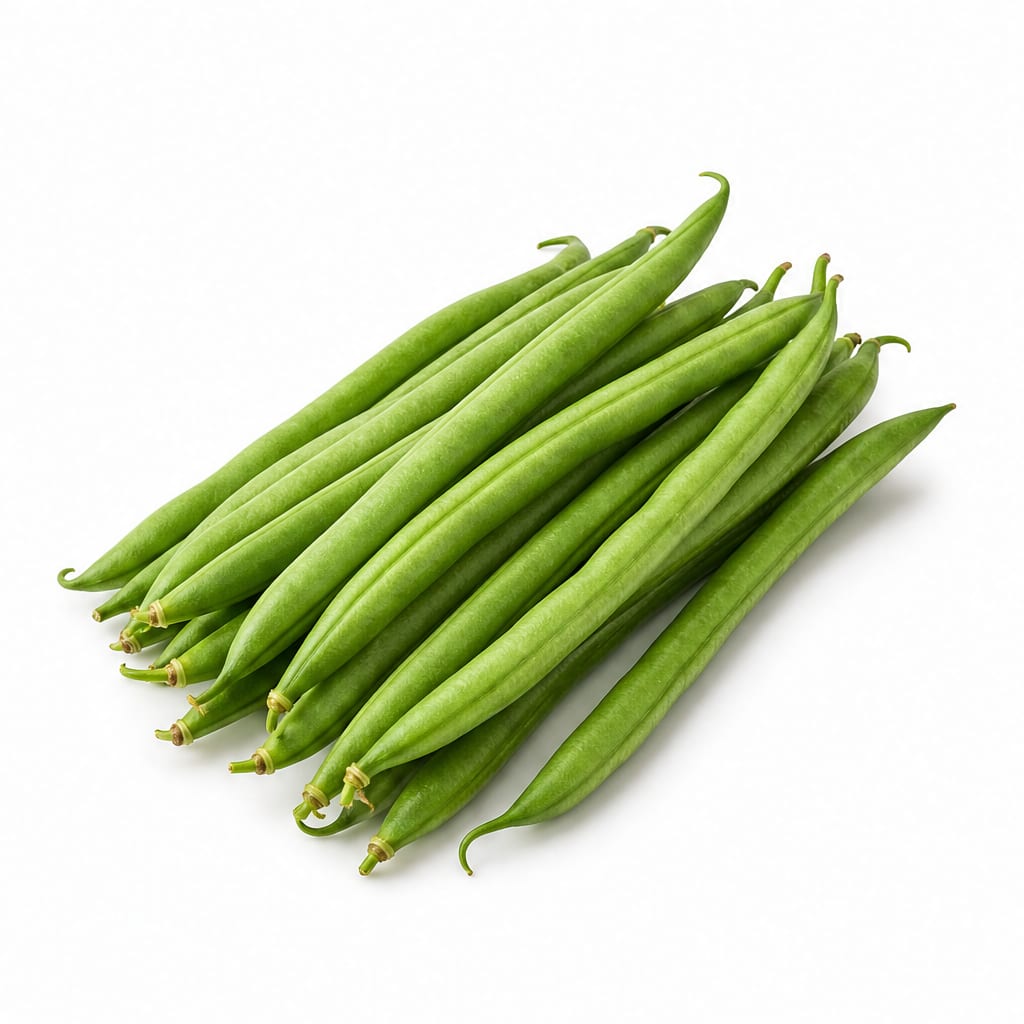
Compare with
Green Beans
Green beans are higher in protein and carbs, offering more nutrition per gram.
Green beans offer more protein and nutrients for fitness, while snake gourd provides fewer calories for strict weight loss.
This food
Snake Gourd
VS50% alike
Compare with
Pumpkin
Pumpkin is much higher in carbs and Vitamin A, while snake gourd is strictly low-carb.
Pumpkin provides more carbs and Vitamin A for energy and recovery, while snake gourd is the clear winner for low-carb and low-calorie diets.
This food
Snake Gourd
VS75% alike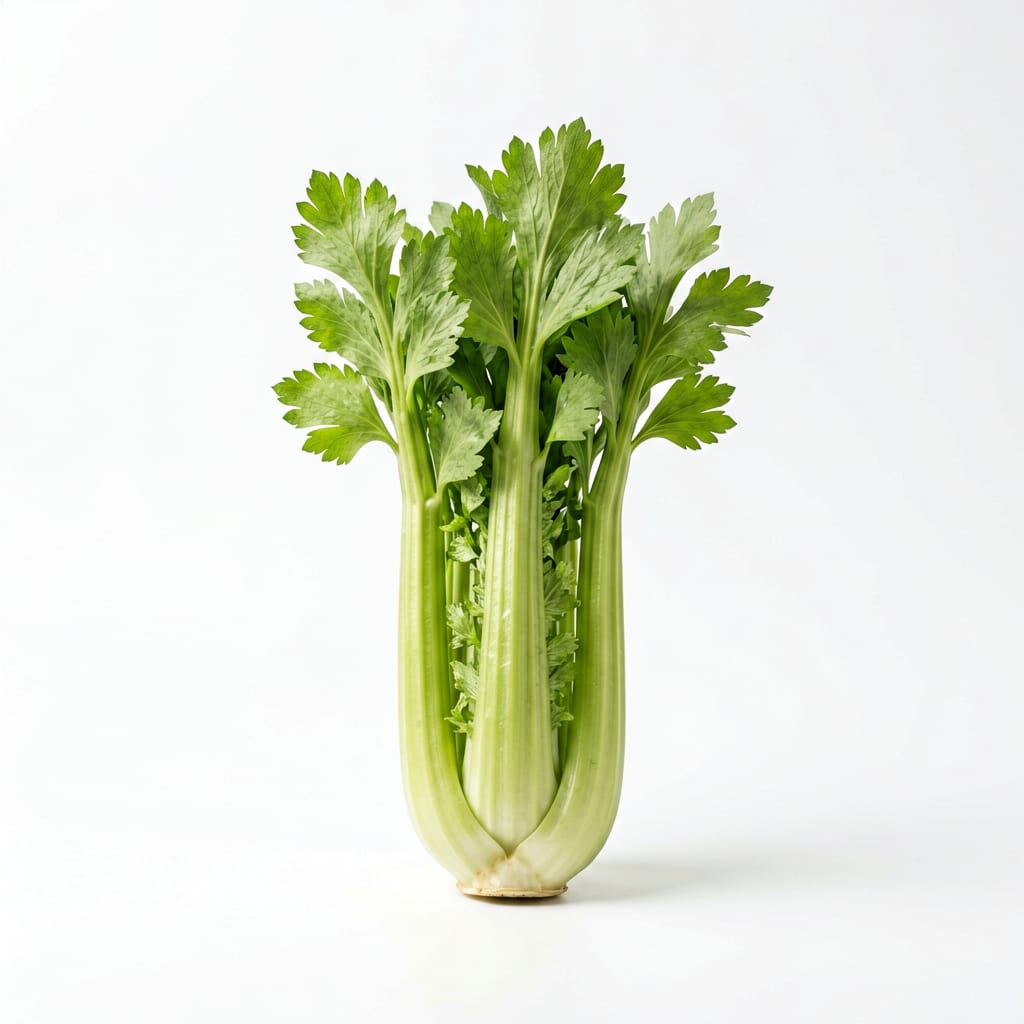
Compare with
Celery
Celery is crunchier and eaten raw, while snake gourd is cooked. Both are excellent for weight loss.
Celery and snake gourd are both ultra-low calorie volume foods; celery is better for raw snacking, snake gourd for cooked meals.
Common questions
FAQ
Answers aligned with how people search for this food.
Is snake gourd good for weight loss?
Yes, it is very low in calories and high in water, helping you feel full without consuming excess energy.
Can diabetics eat snake gourd?
Yes, it has a very low glycemic index and minimal carbohydrates, making it safe for blood sugar management.
How many calories are in snake gourd?
There are approximately 17 calories in 100 grams of raw snake gourd.
What is the difference between snake gourd and bitter gourd?
Snake gourd has a mild, slightly sweet taste and smooth texture, while bitter gourd is distinctly bitter with a rough, bumpy skin.
How do you cook snake gourd?
It is best lightly stir-fried, added to curries, or stuffed and baked to maintain its texture and nutritional value.
Does snake gourd have fiber?
Yes, it contains a modest amount of fiber (about 1.5g per 100g) which aids digestion and promotes satiety.
Can you eat snake gourd raw?
While not toxic raw, it is typically cooked to improve digestibility and texture, as raw gourd can be tough and bland.
Is snake gourd a keto-friendly vegetable?
Yes, with only 3.5g of carbs per 100g, it fits well into a low-carb or ketogenic diet.
Transparency
Data confidence
Estimated confidence for nutrition data, interpretation, safety notes, and comparisons.
Nutrition data
Health analysis
Food safety
Comparisons