
Nutrition comparison
Snake Gourd vs Bitter Gourd: Which Is Better for Blood Sugar, Digestion, and Daily Use?
Compare Snake Gourd and Bitter Gourd nutrition, health benefits, and taste. Discover which gourd is better for diabetes, weight loss, digestion, and everyday cooking.
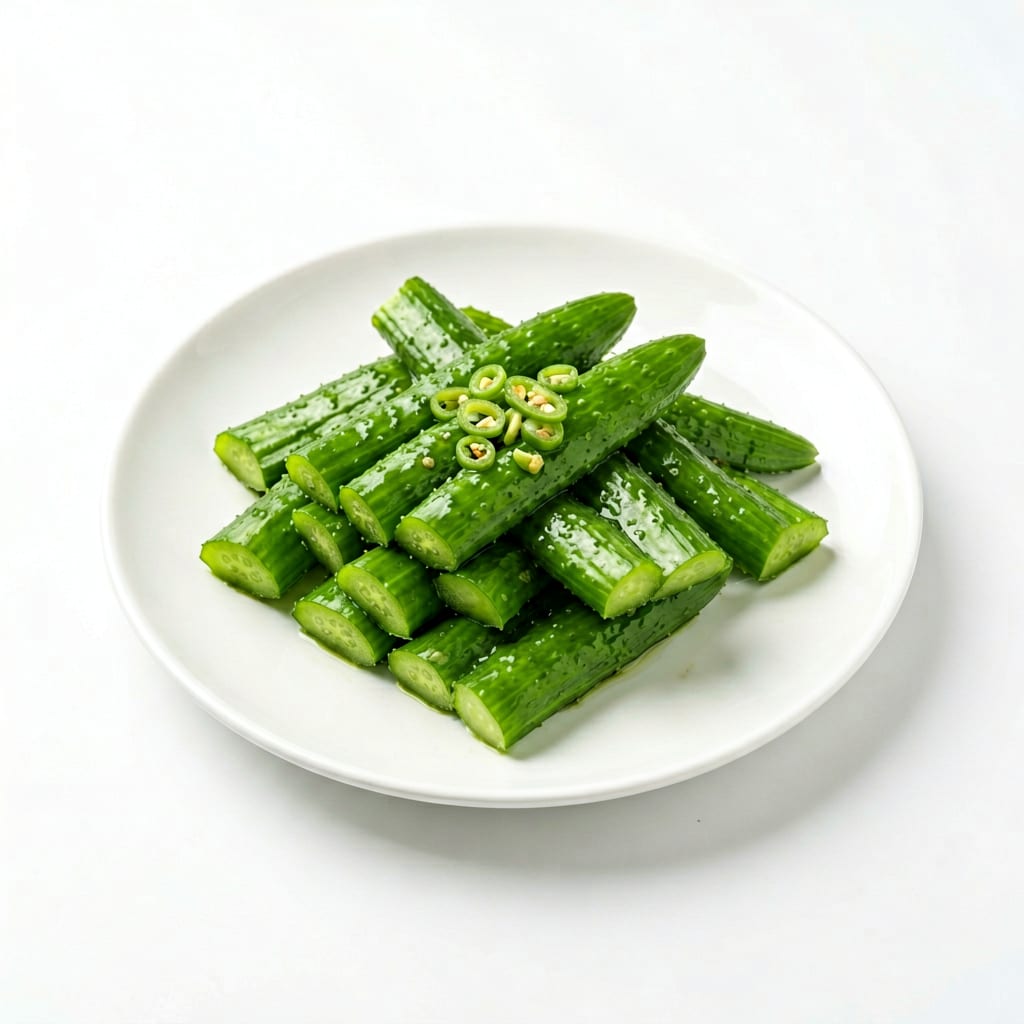
Snake Gourd
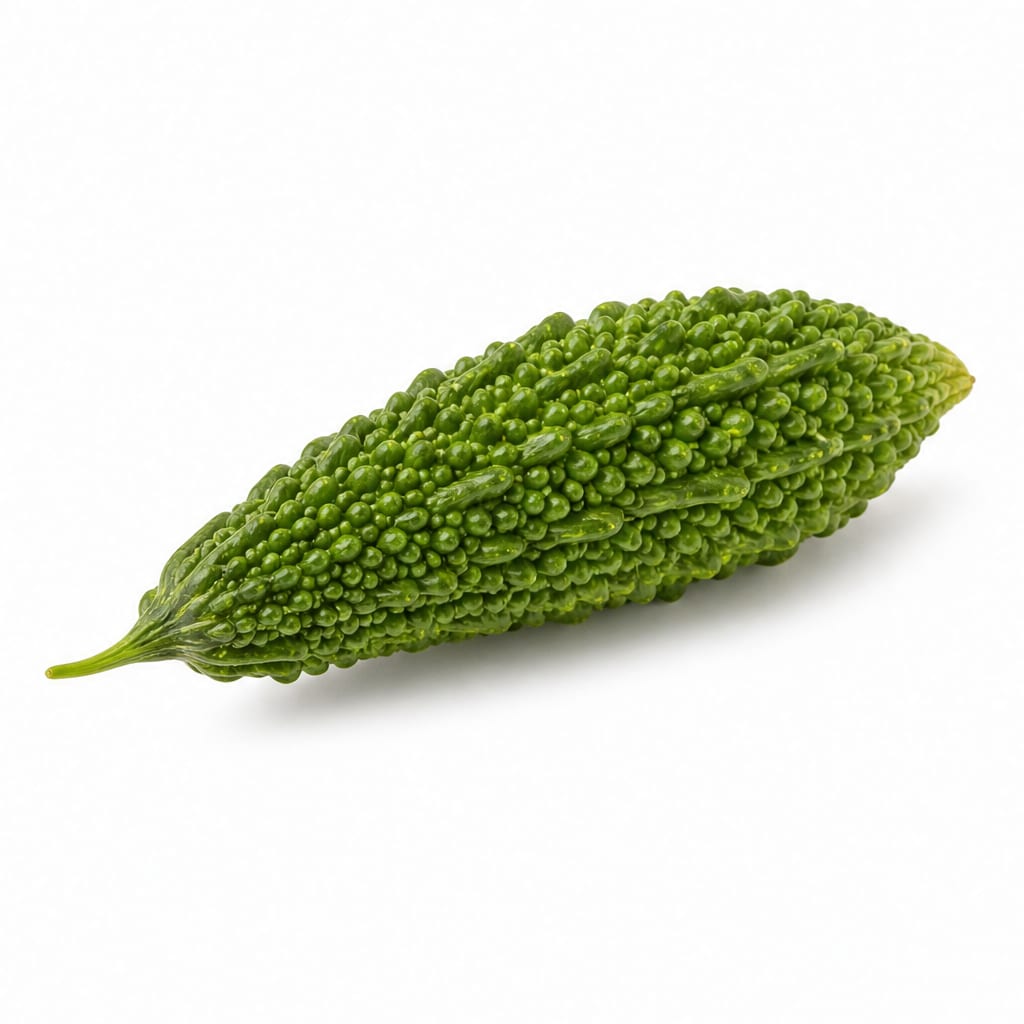
Bitter Gourd
Bitter Gourd is the medicinal powerhouse for blood sugar, but Snake Gourd is the sustainable daily vegetable most people can actually stick with.
Bitter Gourd scores slightly higher for medicinal and nutritional potency, but Snake Gourd's superior palatability and digestive gentleness narrow the gap significantly. In real life, the food you actually eat regularly beats the one you avoid.
Therapeutic potency versus everyday palatability — Bitter Gourd works harder but Snake Gourd stays on your plate longer.
At a glance
Executive summary
Overall
It depends
Healthier
Bitter Gourd
More practical
Snake Gourd
Daily use
Snake Gourd
Key comparison lenses
blood sugar management
Bitter Gourd is renowned for glucose-lowering compounds, making this the primary reason most people choose between these two gourds
digestive tolerance and comfort
Snake Gourd is gentle on the stomach while Bitter Gourd can irritate sensitive digestion, a major daily-use concern
taste and long-term adherence
Bitter Gourd's intense bitterness makes regular consumption challenging for most people, while Snake Gourd is mild and easy to incorporate
medicinal versus everyday food choice
These gourds serve different roles: Bitter Gourd is often therapeutic, Snake Gourd is more of a daily vegetable
weight management and calorie density
Both are extremely low in calories, but palatability affects how much oil and seasoning you need to make them enjoyable
Best choice for
Snake Gourd
- People with sensitive digestion who need a gentle vegetable
- Families wanting a mild gourd that children might accept
- Anyone seeking a low-calorie vegetable they can eat daily without fatigue
- Those who dislike bitter flavors but want gourd benefits
Bitter Gourd
- People managing type 2 diabetes or prediabetes
- Those specifically seeking blood sugar-lowering food therapy
- People who enjoy or tolerate bitter flavors well
- Anyone wanting maximum antioxidant and medicinal compound intake
Least suitable for
Snake Gourd
- People specifically seeking glucose-lowering food medicine
- Those wanting concentrated antioxidant compounds
- Anyone looking for a therapeutic rather than staple vegetable
Bitter Gourd
- People with gastric ulcers or sensitive stomachs
- Children and picky eaters
- Pregnant women in excess amounts due to uterine-stimulating properties
- Anyone on diabetes medication without doctor supervision due to additive glucose-lowering risk
Deep comparison
Dimension by dimension
Each lens scores both foods and breaks down who each option suits.
- Dimension 1 · Priority 95Bitter Gourd
Blood Sugar Management
Snake Gourd · 45Bitter Gourd · 92Bitter Gourd contains charantin and polypeptide-p, compounds that actively help lower blood glucose. Snake Gourd is neutral — it won't spike sugar but won't actively lower it either.
Tradeoff
You get real glucose-lowering medicine from Bitter Gourd, but it can push blood sugar too low if combined with diabetes medication.
Why it matters
For anyone monitoring glucose, this is the single most important difference between these two vegetables.
Real-world impact
A diabetic eating Bitter Gourd regularly may see measurable fasting sugar improvements. Snake Gourd simply keeps meals light without that therapeutic effect.
Snake Gourd
- Maintaining stable blood sugar without risk of hypoglycemia
- People not needing glucose intervention
Better for
- Anyone counting on food-based glucose control
Worse for
Bitter Gourd
- Actively reducing elevated blood sugar levels
- Complementing a diabetes management plan with doctor oversight
Better for
- Risk of blood sugar dropping too low when combined with medication
Worse for
- Dimension 2 · Priority 85Snake Gourd
Digestive Comfort
Snake Gourd · 88Bitter Gourd · 45Snake Gourd is soothing and easy on the stomach, often recommended for digestive recovery. Bitter Gourd can irritate the gut lining and cause discomfort, especially on an empty stomach.
Tradeoff
Gentle digestion versus potent liver stimulation — Bitter Gourd activates digestive enzymes aggressively, which is both its strength and its downside.
Why it matters
If a food causes bloating or burning, you won't eat it consistently regardless of its benefits.
Real-world impact
Snake Gourd feels light and comforting after a heavy meal. Bitter Gourd on an empty stomach can leave you feeling nauseous or acidic.
Snake Gourd
- People with gastritis or acid sensitivity
- Post-illness digestive recovery
- Gentle daily fiber intake
Better for
- Those wanting strong digestive enzyme stimulation
Worse for
Bitter Gourd
- Stimulating sluggish digestion and bile flow
Better for
- Anyone with ulcers, IBS, or sensitive stomach lining
Worse for
- Dimension 3 · Priority 80Snake Gourd
Taste and Palatability
Snake Gourd · 78Bitter Gourd · 35Snake Gourd has a mild, slightly sweet flavor that absorbs spices well. Bitter Gourd is intensely bitter — an acquired taste that many never acquire.
Tradeoff
Mild comfort food versus challenging medicine-like eating experience. You can serve Snake Gourd to anyone; Bitter Gourd requires dedication.
Why it matters
The healthiest food only works if you actually eat it. Bitter Gourd's taste is the number one reason people abandon it.
Real-world impact
Snake Gourd disappears into curries effortlessly. Bitter Gourd requires salt-soaking, special spice combinations, and still tastes bitter — which limits how often most people cook it.
Snake Gourd
- Family meals with diverse taste preferences
- Regular rotation without meal fatigue
- Recipes where the vegetable should complement, not dominate
Better for
- Culinary traditions where bitterness is valued as a flavor
Worse for
Bitter Gourd
- Traditional recipes specifically designed around its bitterness
- People who genuinely enjoy bitter flavors
Better for
- Getting children or picky eaters to consume vegetables
- Sustaining daily consumption beyond a few weeks
Worse for
- Dimension 4 · Priority 75Bitter Gourd
Antioxidant and Medicinal Potency
Snake Gourd · 50Bitter Gourd · 88Bitter Gourd is packed with bioactive compounds — charantin, vicine, polypeptide-p, and powerful antioxidants. Snake Gourd has modest nutritional value without standout medicinal compounds.
Tradeoff
Concentrated medicine-like compounds versus gentle everyday nutrition. Bitter Gourd works like a supplement; Snake Gourd works like food.
Why it matters
If you're eating gourds specifically for health benefits beyond basic nutrition, Bitter Gourd delivers significantly more.
Real-world impact
Bitter Gourd juice is a recognized home remedy for a reason. Snake Gourd juice is pleasant but not therapeutic.
Snake Gourd
- Consistent baseline nutrition without overwhelming the body
Better for
- Anyone seeking strong therapeutic food effects
Worse for
Bitter Gourd
- Targeted health interventions — blood sugar, liver support, inflammation
- Maximum antioxidant intake per serving
Better for
- Overconsumption risk — too many active compounds can stress the liver
Worse for
- Dimension 5 · Priority 60Snake Gourd
Weight Management Practicality
Snake Gourd · 75Bitter Gourd · 65Both are extremely low calorie, but Snake Gourd is easier to eat in larger quantities without added fat or strong seasonings to mask flavor.
Tradeoff
Bitter Gourd's bitterness often requires more oil, salt, or sugar in cooking to become palatable, which can undermine its low-calorie advantage.
Why it matters
A 15-calorie vegetable that requires 100 calories of oil to taste good is less useful than a 15-calorie vegetable you enjoy lightly steamed.
Real-world impact
Snake Gourd in a light stir-fry stays a low-calorie meal. Bitter Gourd often needs heavy spicing and frying to become enjoyable, adding hidden calories.
Snake Gourd
- Sustainable low-calorie meal volume
- Simple preparation without calorie-dense additions
Better for
- Less satiating due to milder flavor — you may eat more of other foods to feel satisfied
Worse for
Bitter Gourd
- Appetite suppression from bitter taste — some people eat less overall
Better for
- Compensatory eating — suffering through bitter food can trigger cravings for sweets after
Worse for
Timeline
Health impact over time
Short-term
Hours to days
Snake Gourd
- Light, comfortable fullness without bloating
- Mild cooling sensation — traditionally used to reduce body heat
- Gentle hydration from high water content
Bitter Gourd
- Noticeable blood sugar dip within hours of consumption
- Possible stomach discomfort or nausea if eaten on empty stomach
- Strong detoxifying sensation — increased urination is common
Long-term
Months to years
Snake Gourd
- Consistent gentle fiber intake supporting regular digestion
- Sustained low-calorie eating without meal fatigue
- Gradual improvement in gut comfort and regularity
Bitter Gourd
- Measurable improvement in fasting blood sugar for diabetics
- Enhanced liver function and bile production with regular consumption
- Risk of overtaxing the liver if consumed in excessive amounts daily
Risk profile
Safety & processing
Both gourds are whole, natural vegetables typically consumed fresh. Neither carries processing concerns. The real difference is what happens in your kitchen — Bitter Gourd often gets salt-soaked or heavily spiced to reduce bitterness, while Snake Gourd needs minimal treatment.
Snake Gourd
Pesticide residue on skin
mediumSnake Gourd's thin skin can retain pesticide residue. Peeling or thorough washing reduces this significantly.
Overripe bitterness
lowWhen overripe, Snake Gourd can develop unexpected bitterness. Select young, tender specimens.
Bitter Gourd
Hypoglycemia when combined with diabetes medication
highBitter Gourd's glucose-lowering effect compounds with metformin or insulin. Blood sugar can drop dangerously. Always consult a doctor.
Uterine stimulation during pregnancy
highTraditional medicine warns against excessive Bitter Gourd consumption during pregnancy due to compounds that may stimulate uterine contractions.
Gastrointestinal irritation
mediumRegular consumption on empty stomach can aggravate ulcers and acid reflux. Always eat with other foods.
Seed toxicity in large amounts
lowBitter Gourd seeds contain vicine, which can cause favism-like symptoms in susceptible individuals if consumed in very large quantities.
Who wins for whom
Audience fit
Same foods, different winners depending on your goal.
children
Snake GourdSnake Gourd's mild flavor is far more child-friendly. Bitter Gourd's taste is a hard sell to most kids, and its strong compounds are unnecessary for healthy children.
daily consumption
Snake GourdConsistency beats intensity. Snake Gourd is easy to eat every day without fatigue or side effects. Bitter Gourd works better as a targeted 3-4 times per week intervention.
diabetes
Bitter GourdBitter Gourd's charantin and polypeptide-p actively lower blood glucose. This is one of the most evidence-backed food interventions for diabetes management.
elderly
Snake GourdGentle digestion matters more with age. Snake Gourd provides nutrition without gastric stress. Bitter Gourd can aggravate sensitive older digestive systems.
muscle gain
It dependsNeither gourd is relevant for muscle gain — both are low-protein vegetables. Choose based on what complements your protein source without killing appetite.
weight loss
Snake GourdBoth are low calorie, but Snake Gourd's mild taste means you need less oil and seasoning to enjoy it, keeping total meal calories lower in practice.
Your move
Decision guide
Choose Snake Gourd
- You want a vegetable you can eat daily without dreading mealtime
- You have sensitive digestion, acid reflux, or a history of gastric issues
- You're cooking for a family with varying taste preferences
- You want low-calorie volume without complicated preparation
- You're already managing blood sugar well and don't need therapeutic intervention
Choose Bitter Gourd
- You have elevated blood sugar and want food-based support alongside medical treatment
- You can handle or enjoy bitter flavors and won't abandon it after a week
- You're specifically seeking liver-cleansing or detoxifying food therapy
- You have no stomach sensitivity and eat regular meals with other foods
- Your doctor has approved Bitter Gourd as part of your diabetes management plan
Either works if
- You want low-calorie vegetable variety in your diet
- You're exploring traditional gourd-based cooking and want to rotate both
- You have no specific health condition driving the choice
Avoid both if
- You're looking for protein-rich or calorie-dense foods — neither gourd provides meaningful energy
- You have a confirmed allergy to Cucurbitaceae family vegetables
- You expect either vegetable alone to solve a health problem without broader dietary changes
Final recommendation
Eat Snake Gourd as your daily vegetable and Bitter Gourd as your medicine. Snake Gourd gives you sustainable nutrition you can maintain for years. Bitter Gourd gives you targeted blood sugar and liver benefits that work best in measured doses — 3 to 4 times a week, never on an empty stomach, and always with your doctor's knowledge if you're on diabetes medication. The smartest approach uses both: Snake Gourd for consistency, Bitter Gourd for therapy.
Practical
Consumer tips
- 1
For Bitter Gourd: soak sliced pieces in salted water for 15 minutes, then squeeze and rinse to reduce bitterness significantly without losing all beneficial compounds.
- 2
For Snake Gourd: choose young, firm specimens with tender skin — overripe ones become spongy and lose their delicate texture.
- 3
Never eat Bitter Gourd on an empty stomach first thing in the morning — pair it with a balanced meal to protect your stomach lining.
- 4
If you're on diabetes medication, monitor your blood sugar closely when starting Bitter Gourd regularly — the combined effect can be stronger than expected.
- 5
Snake Gourd pairs beautifully with moong dal for a light, protein-enhanced meal that stays gentle on digestion.
- 6
Juicing Bitter Gourd concentrates its active compounds — a small glass is sufficient. Do not treat it like a regular juice you drink freely.
- 7
Both gourds lose some nutrients with prolonged cooking. Light stir-frying or steaming preserves more benefits than boiling.