
Nutrition comparison
Snake Gourd vs Cucumber: Nutrition, Health Benefits & Which to Choose
Compare Snake Gourd and Cucumber side by side. Discover which low-calorie vegetable offers better nutrition, digestion support, and blood sugar benefits for your diet.
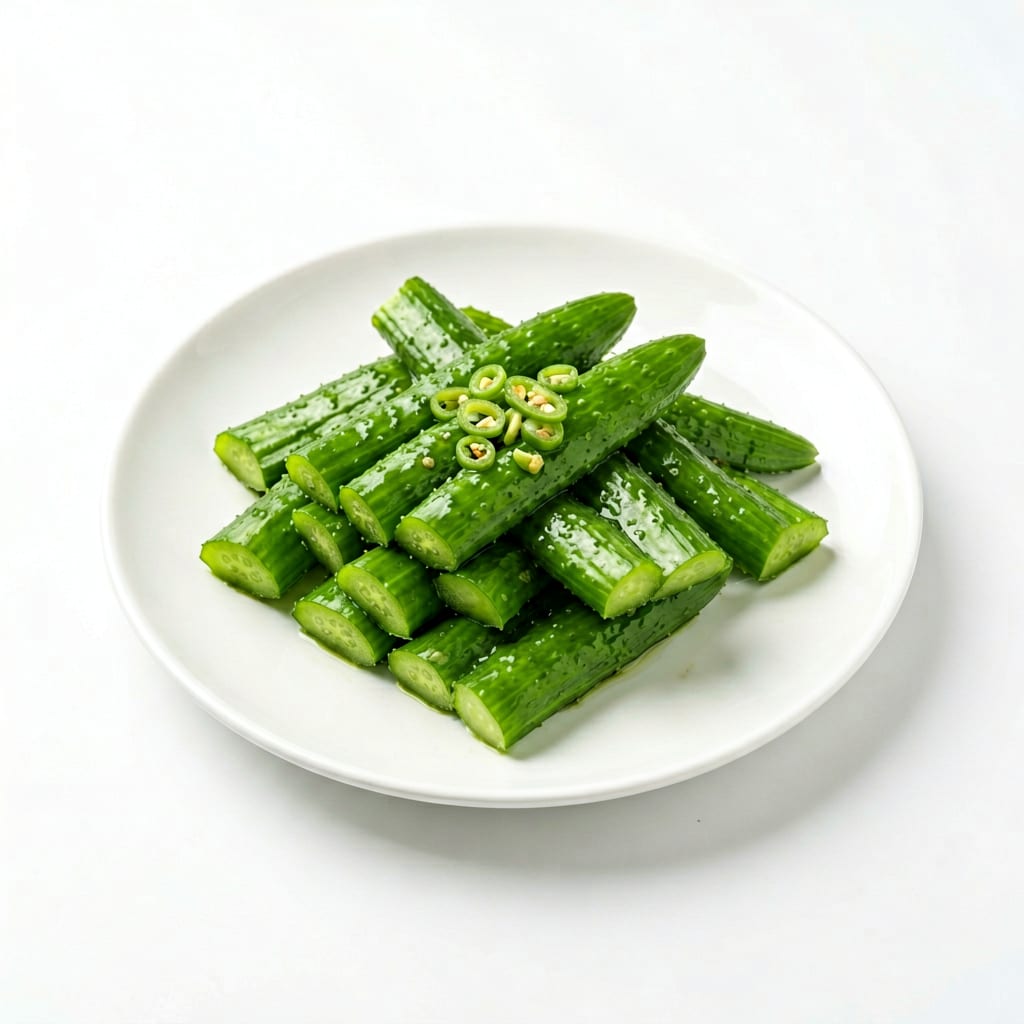
Snake Gourd
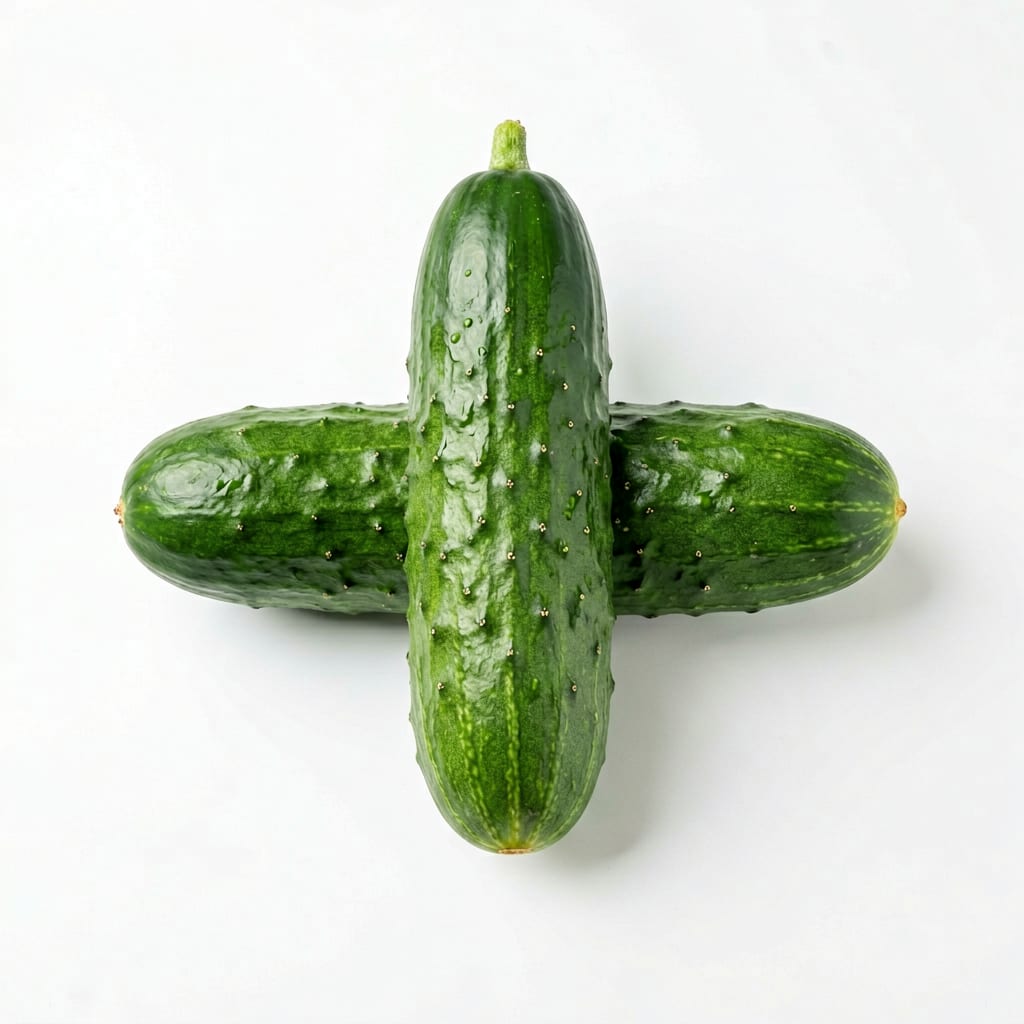
Cucumber
Snake Gourd delivers more fiber, vitamins, and medicinal benefits per calorie, while Cucumber wins on hydration, convenience, and universal accessibility.
Snake Gourd scores higher on nutritional merit and therapeutic value, but Cucumber's unmatched convenience and hydration keep it close. The gap reflects substance versus accessibility.
Nutritional depth versus everyday practicality — Snake Gourd nourishes more, but Cucumber fits into your life more easily.
At a glance
Executive summary
Overall
It depends
Healthier
Snake Gourd
More practical
Cucumber
Daily use
Cucumber
Key comparison lenses
nutrient density comparison between low-calorie vegetables
Both are extremely low-calorie vegetables, so the real decision comes down to which offers more nutritional value per bite
digestive health and gut benefits
Snake Gourd has traditional medicinal use for digestion, while cucumber is known for hydration — users want to know which gut benefit matters more
blood sugar management suitability
Both are low-glycemic vegetables often recommended for diabetes, but fiber content differences may tip the scale
everyday practicality and availability
Cucumber is universally available and requires no cooking; Snake Gourd is regional and typically requires preparation
weight loss effectiveness
Both are popular in weight loss diets, but satiety and culinary versatility differ significantly
Best choice for
Snake Gourd
- People managing blood sugar or digestive issues
- Those following South Asian or Ayurvedic dietary traditions
- Anyone wanting maximum nutrients from a low-calorie vegetable
- Home cooks who prepare cooked vegetable dishes regularly
Cucumber
- People who need quick, no-prep snacks
- Anyone prioritizing hydration in hot climates
- Busy individuals who want a zero-effort vegetable
- Those unfamiliar with cooking gourds or regional vegetables
Least suitable for
Snake Gourd
- People with zero access to Asian grocery stores
- Anyone wanting a grab-and-go raw snack
- Those who dislike mild bitter notes in vegetables
Cucumber
- People seeking significant fiber or protein from vegetables
- Those wanting therapeutic digestive or blood sugar benefits
- Anyone looking for nutrient-dense cooked dishes
Deep comparison
Dimension by dimension
Each lens scores both foods and breaks down who each option suits.
- Dimension 1 · Priority 95Snake Gourd
Nutrient Density
Snake Gourd · 82Cucumber · 48Snake Gourd provides significantly more fiber, vitamin C, calcium, and beneficial phytonutrients per serving than Cucumber.
Tradeoff
You gain real nutritional value with Snake Gourd but lose the effortless raw-eating experience of Cucumber.
Why it matters
When calories are nearly equal, the food that delivers more vitamins and minerals per bite is the better investment in your health.
Real-world impact
A serving of Snake Gourd actually contributes meaningfully to your daily fiber and vitamin needs; Cucumber mostly contributes water.
Snake Gourd
- Meeting daily fiber targets
- Boosting vitamin and mineral intake without extra calories
- Getting more out of every meal
Better for
- Quick no-prep nutrition — requires cooking
Worse for
Cucumber
- Staying hydrated without drinking more water
- Adding bulk to meals without any cooking
Better for
- Substantive nutritional contribution — it's mostly water
Worse for
- Dimension 2 · Priority 82Cucumber
Hydration
Snake Gourd · 60Cucumber · 95Cucumber is approximately 96% water, making it one of the most hydrating foods you can eat. Snake Gourd is also high in water but less so.
Tradeoff
Cucumber is essentially edible water with crunch; Snake Gourd hydrates less but nourishes more.
Why it matters
In hot weather or after exercise, eating Cucumber can meaningfully supplement your fluid intake in a way Snake Gourd cannot match.
Real-world impact
On a scorching day, a bowl of sliced Cucumber refreshes you like a drink with crunch. Snake Gourd feels more like eating a vegetable than drinking water.
Snake Gourd
- Post-meal satisfaction — more substance per bite
Better for
- Pure hydration needs — other foods and water do this better
Worse for
Cucumber
- Hot weather hydration
- Post-workout refreshment
- Replacing sugary drinks with a water-rich snack
Better for
- Feeling full — water leaves the stomach quickly
Worse for
- Dimension 3 · Priority 90Snake Gourd
Digestive Health
Snake Gourd · 88Cucumber · 62Snake Gourd has notably more fiber and a long history in traditional medicine as a digestive aid. Cucumber supports digestion mainly through hydration.
Tradeoff
Snake Gourd actively promotes healthy bowel function; Cucumber mainly keeps things moving through water content.
Why it matters
If you struggle with constipation or sluggish digestion, fiber is the proven solution — and Snake Gourd delivers meaningfully more of it.
Real-world impact
Regular Snake Gourd consumption can noticeably improve bowel regularity within days. Cucumber helps, but the effect is gentler and more indirect.
Snake Gourd
- Chronic constipation relief
- Gut microbiome support via prebiotic fiber
- Traditional digestive cleansing diets
Better for
- Situations where extra fiber causes bloating if introduced too quickly
Worse for
Cucumber
- Mild digestive comfort when you cannot tolerate fiber
- Staying regular when already eating a high-fiber diet
Better for
- Resolving actual digestive sluggishness — hydration alone is often insufficient
Worse for
- Dimension 4 · Priority 88Snake Gourd
Blood Sugar Management
Snake Gourd · 84Cucumber · 66Both are low-glycemic, but Snake Gourd's higher fiber content slows glucose absorption more effectively and has traditional use in blood sugar management.
Tradeoff
Snake Gourd gives you a stronger metabolic buffer; Cucumber is safe but passive — it will not spike blood sugar but will not actively help stabilize it either.
Why it matters
For people with diabetes or insulin resistance, the difference between a food that is merely safe and one that actively helps matters enormously.
Real-world impact
Eating Snake Gourd with a carb-heavy meal can blunt the blood sugar spike more effectively than Cucumber, which mainly adds water volume to your stomach.
Snake Gourd
- Diabetics seeking glucose-stabilizing foods
- Insulin-resistant individuals building a supportive diet
- Pairing with rice or bread to reduce glycemic impact
Better for
- Raw snacking for diabetics on the go — requires cooking
Worse for
Cucumber
- A safe snack that will never spike blood sugar
- Diabetics who need a zero-stress raw vegetable option
Better for
- Actively improving post-meal blood sugar — fiber is what moves the needle
Worse for
- Dimension 5 · Priority 85Cucumber
Convenience and Accessibility
Snake Gourd · 32Cucumber · 94Cucumber is available everywhere, requires no cooking, and can be eaten instantly. Snake Gourd is regionally available and always requires cooking.
Tradeoff
Cucumber is the ultimate convenience vegetable; Snake Gourd demands effort and sourcing that most people cannot manage daily.
Why it matters
The healthiest vegetable only helps if you actually eat it. Cucumber's ease makes it a realistic daily habit; Snake Gourd is more of a specialty choice.
Real-world impact
You can slice a Cucumber in 30 seconds for a snack. Snake Gourd requires peeling, chopping, cooking, and seasoning — a 20-minute commitment minimum.
Snake Gourd
- Planned home-cooked meals where nutrition is the priority
- Cultural dishes where Snake Gourd is a traditional ingredient
Better for
- Spontaneous snacking — impossible without cooking
- Availability outside South Asian markets
Worse for
Cucumber
- Quick work lunches
- Travel and on-the-go snacking
- Late-night snacking with zero preparation
- Households with limited cooking time
Better for
- Creating a nutritionally meaningful cooked dish — too watery and bland alone
Worse for
- Dimension 6 · Priority 78Snake Gourd
Satiety and Fullness
Snake Gourd · 72Cucumber · 55Snake Gourd's fiber and denser texture make it more filling per serving. Cucumber's water content fills you temporarily but hunger returns quickly.
Tradeoff
Snake Gourd keeps you satisfied longer; Cucumber fills your stomach briefly but leaves you hungry again within an hour.
Why it matters
For weight management, the vegetable that keeps you full longer reduces the chance of reaching for less healthy snacks between meals.
Real-world impact
A Snake Gourd curry with dinner keeps late-night cravings at bay. A Cucumber salad at dinner often means you are eyeing the pantry by 9 PM.
Snake Gourd
- Reducing between-meal snacking
- Making low-calorie meals feel more substantial
- Evening meals where late hunger is a problem
Better for
- Light snacking — too heavy when you just want a bite
Worse for
Cucumber
- Light refreshing snacks where you want to stay light
- Pre-dinner nibbles that do not spoil appetite
Better for
- Sustained fullness — water empties from the stomach fast
Worse for
Timeline
Health impact over time
Short-term
Hours to days
Snake Gourd
- Improved bowel movement regularity within a day or two
- Mild detoxifying effect as suggested by traditional medicine
- Better post-meal satiety compared to watery vegetables
Cucumber
- Immediate hydration boost, especially in hot weather
- Quick refreshing sensation with minimal digestive effort
- Very gentle on the stomach — almost no risk of digestive upset
Long-term
Months to years
Snake Gourd
- Better sustained blood sugar control with regular consumption
- Improved gut health from consistent fiber intake
- Potential anti-inflammatory benefits from unique phytonutrients
Cucumber
- Consistent hydration supporting kidney and skin health
- Easy maintenance of low-calorie eating patterns
- Minimal risk of any adverse effects even with daily consumption
Risk profile
Safety & processing
Both Snake Gourd and Cucumber are whole, natural vegetables typically consumed with minimal processing. Neither carries meaningful additive concerns when purchased fresh.
Snake Gourd
Pesticide residue
mediumGourds can retain pesticide residue on their skin. Peeling before cooking significantly reduces exposure.
Bitter compound accumulation
lowOccasionally, Snake Gourd can develop excess cucurbitacins causing bitterness. Extremely bitter specimens should be discarded as they may cause digestive distress.
Cucumber
Pesticide residue
mediumCucumbers are on the EWG's Dirty Dozen list due to pesticide residues. Peeling or choosing organic reduces risk substantially.
Wax coating
lowConventional Cucumbers are often coated with food-grade wax to retain moisture. Washing thoroughly or peeling removes most of it.
Who wins for whom
Audience fit
Same foods, different winners depending on your goal.
children
CucumberCucumber's mild flavor, crunch, and zero-prep raw eating make it far more kid-friendly. Most children resist cooked gourds with slightly bitter notes.
daily consumption
CucumberCucumber's universal availability and zero-prep convenience make it a realistic daily habit. Snake Gourd is excellent but too impractical for most people to eat every day.
diabetes
Snake GourdSnake Gourd's superior fiber content actively helps stabilize blood sugar, while Cucumber is merely safe without offering therapeutic benefit.
elderly
Snake GourdOlder adults benefit more from Snake Gourd's fiber for digestion and blood sugar support. Its soft cooked texture is also easy to chew for those with dental concerns.
muscle gain
It dependsNeither vegetable meaningfully supports muscle gain — both are low in protein and calories. Choose based on what complements your protein sources in a meal.
weight loss
Snake GourdBoth are extremely low in calories, but Snake Gourd's higher fiber content provides better satiety, making it easier to stick with a calorie deficit without feeling deprived.
Your move
Decision guide
Choose Snake Gourd
- You have access to an Asian grocery store and enjoy cooking
- Blood sugar management or digestive health is a top priority
- You want the most nutrition per calorie from your vegetables
- You are preparing traditional South or Southeast Asian dishes
Choose Cucumber
- You need a quick, no-cook vegetable you will actually eat daily
- Hydration is a concern, especially in hot climates
- You want a kid-friendly snack that requires zero effort
- You rarely cook and prefer raw, ready-to-eat options
Either works if
- You simply want more vegetables in your diet regardless of type
- Both are available and you enjoy variety in your meals
- Calorie minimization is your only goal — both are excellent
Avoid both if
- You need protein-dense or calorie-dense foods for weight gain
- You have a specific allergy to cucurbits or gourd family vegetables
Final recommendation
Eat Cucumber daily for effortless vegetable intake and hydration, and add Snake Gourd when you can for its superior nutritional and therapeutic benefits. The ideal approach uses both — Cucumber as your convenient baseline and Snake Gourd as your nutritional upgrade when cooking.
Practical
Consumer tips
- 1
Choose firm, unblemished Snake Gourds — soft spots indicate age and bitterness
- 2
Peel Cucumbers if you are concerned about pesticides, or buy organic since they are on the Dirty Dozen list
- 3
Cook Snake Gourd with mild spices like cumin and turmeric to enhance both flavor and anti-inflammatory benefits
- 4
Slice Cucumbers and store them in water in the fridge for an instant refreshing snack that lasts 2-3 days
- 5
If Snake Gourd tastes unusually bitter, discard it — this indicates cucurbitacin buildup that can cause nausea
- 6
Pair Cucumber with hummus or yogurt dip to add protein and make the snack more satisfying