
Nutrition comparison
Snake Gourd vs Celery: Which Low-Calorie Vegetable Is Better for You?
Snake Gourd offers richer nutrients and digestive benefits while Celery wins on convenience and hydration. Compare these low-calorie vegetables for weight loss, diabetes, and daily use.
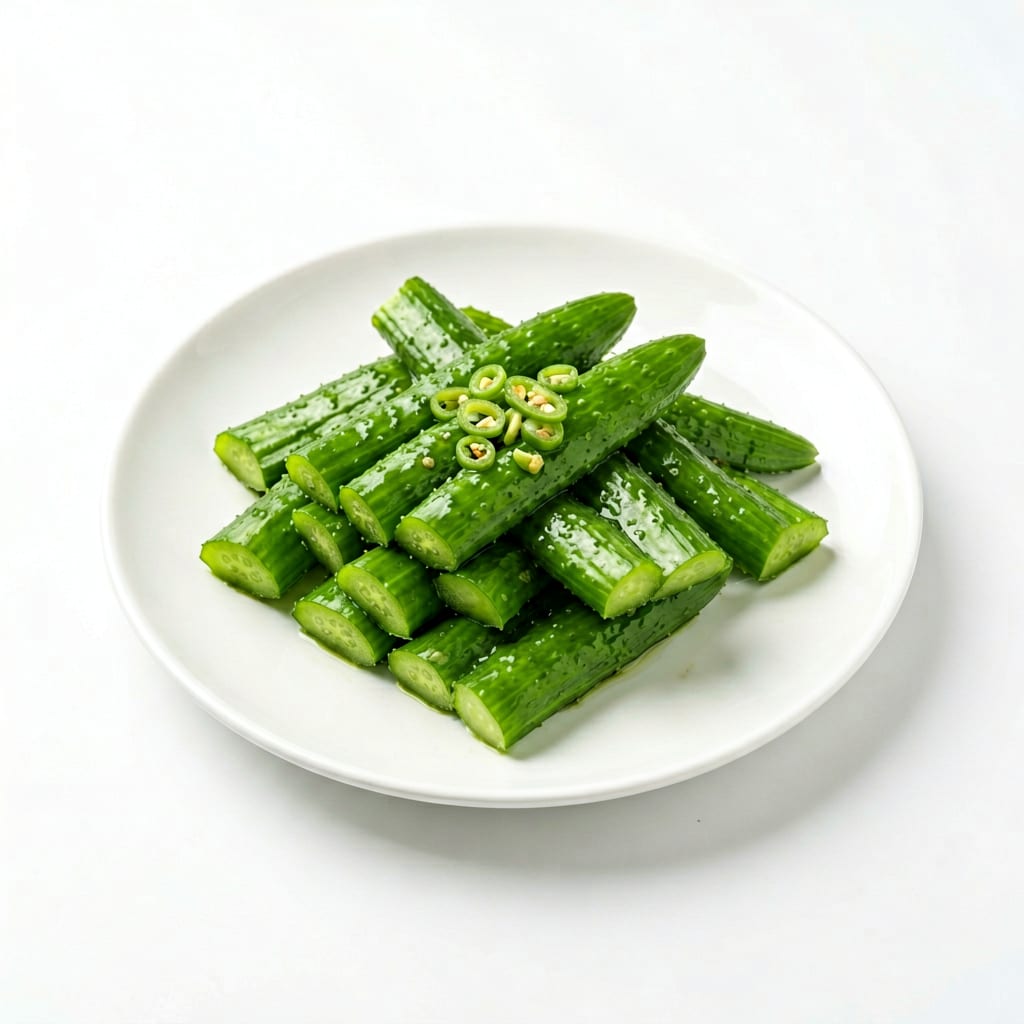
Snake Gourd
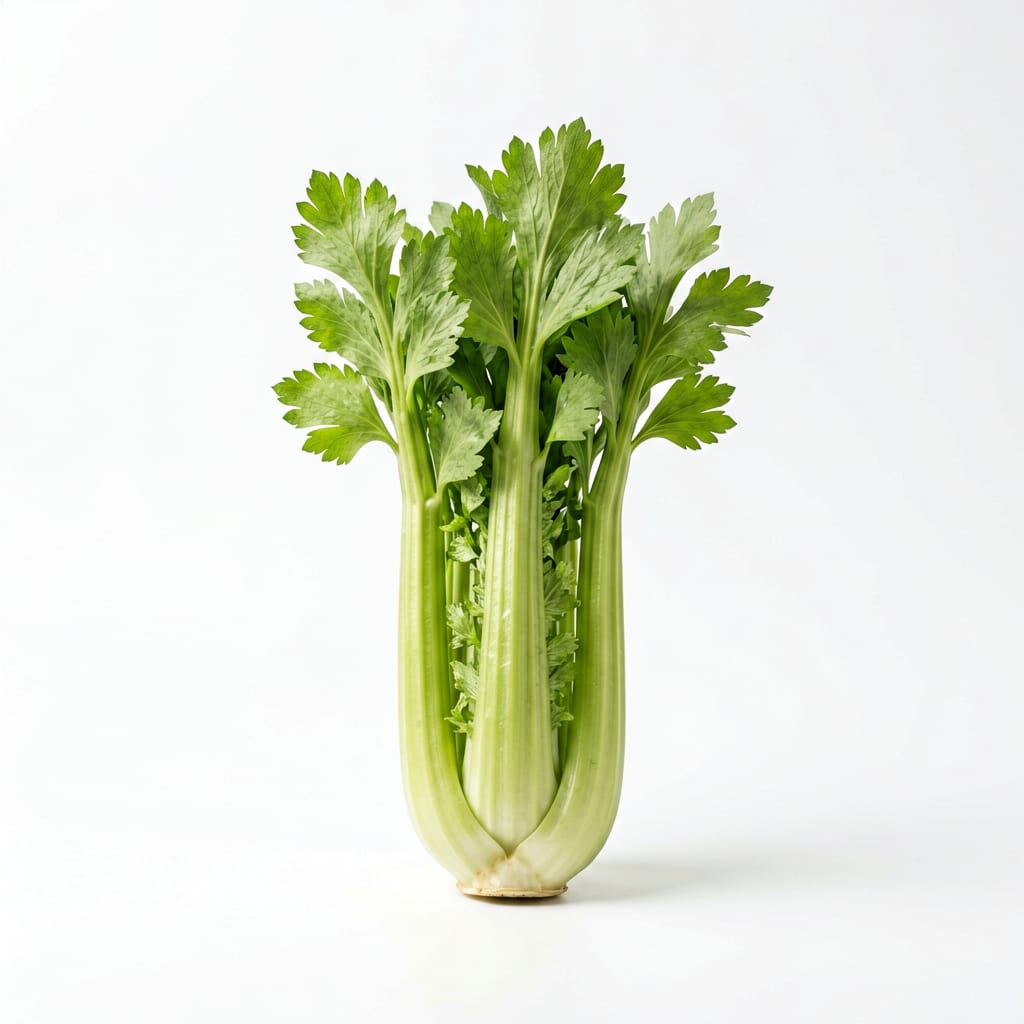
Celery
Snake Gourd offers richer micronutrients and stronger medicinal benefits, while Celery wins on convenience, raw snackability, and everyday accessibility.
Snake Gourd edges ahead on nutritional merit and medicinal value, but Celery's unmatched convenience and daily usability narrow the gap significantly. The close scores reflect that practical daily choice often favors Celery despite Snake Gourd's superior nutrient profile.
Nutritional depth and traditional healing power versus grab-and-go practicality and global availability.
At a glance
Executive summary
Overall
It depends
Healthier
Snake Gourd
More practical
Celery
Daily use
Celery
Key comparison lenses
low-calorie vegetable selection for weight management
Both are extremely low-calorie vegetables commonly chosen for weight loss, making this the primary decision driver
hydration and water content comparison
Both vegetables are heavily water-based, so understanding their hydration and satiety differences matters
digestive health and gut benefits
Snake Gourd has strong traditional use for digestive issues while Celery is known for fiber and gut motility
practical accessibility and culinary versatility
Celery is globally available and ready-to-eat raw, while Snake Gourd requires cooking and is regionally limited
anti-inflammatory and medicinal properties
Both have notable anti-inflammatory profiles but through different mechanisms and traditional uses
Best choice for
Snake Gourd
- People managing digestive disorders like constipation or bloating
- Those seeking higher vitamin and mineral density per calorie
- Cooking enthusiasts exploring nutrient-dense Asian vegetables
- Individuals following Ayurvedic or traditional medicine approaches
- Anyone wanting a more filling low-calorie cooked vegetable
Celery
- Busy people needing a ready-to-eat low-calorie snack
- Those prioritizing hydration through food
- Anyone meal-prepping raw vegetable sticks for the week
- People who want a crunchy, satisfying base for dips
- Households wanting an affordable, always-available vegetable
Least suitable for
Snake Gourd
- People with no access to Asian grocery stores
- Anyone wanting a no-prep raw snack
- Those unfamiliar with cooking gourds who may waste it
- Individuals on very low-fiber diets temporarily
Celery
- People with severe celery allergy (birch pollen cross-reactivity)
- Those on very low-sodium diets who need to watch natural sodium intake
- Anyone bothered by stringy texture without prep
- People seeking high micronutrient density per serving
Deep comparison
Dimension by dimension
Each lens scores both foods and breaks down who each option suits.
- Dimension 1 · Priority 90Snake Gourd
Nutrient Density Per Calorie
Snake Gourd · 82Celery · 58Snake Gourd delivers more vitamins and minerals per calorie than Celery, which is mostly water with modest micronutrients.
Tradeoff
You get richer nutrition from Snake Gourd but must cook it, while Celery gives you less nutrition instantly with zero prep.
Why it matters
When eating very low-calorie vegetables, maximizing the nutrients per bite becomes important to avoid hidden deficiencies.
Real-world impact
A serving of Snake Gourd contributes meaningfully to your vitamin A and C needs; Celery barely moves the needle on any micronutrient.
Snake Gourd
- Correcting mild vitamin deficiencies while losing weight
- Getting more nutritional value from limited calorie budgets
Better for
- Moments when you need immediate food with zero prep
Worse for
Celery
- Quick hydration with trace nutrients as a bonus
- Situations where any vegetable is better than none
Better for
- Reliance on Celery as a primary vegetable leading to nutrient gaps
Worse for
- Dimension 2 · Priority 85Snake Gourd
Satiety and Fullness
Snake Gourd · 74Celery · 55Snake Gourd's fiber and cooked texture make it more filling, while Celery's extreme water content means hunger returns quickly.
Tradeoff
Snake Gourd keeps you satisfied longer after a meal, but Celery is easier to graze on throughout the day.
Why it matters
Low-calorie vegetables that leave you hungry defeat the purpose of choosing them for weight management.
Real-world impact
A cooked Snake Gourd side dish at dinner helps you feel full; a Celery stick at 3 PM barely takes the edge off.
Snake Gourd
- Main meals where lasting fullness matters
- Preventing late-night snacking after dinner
Better for
- Snacking situations where cooking is impossible
Worse for
Celery
- Mindless munching when you just want oral fixation
- Light snacking between meals without feeling heavy
Better for
- Replacing actual meals and staying hungry all day
Worse for
- Dimension 3 · Priority 88Celery
Convenience and Accessibility
Snake Gourd · 35Celery · 92Celery is available in nearly every grocery store worldwide and requires no cooking. Snake Gourd is specialty-store dependent and always needs cooking.
Tradeoff
Celery's convenience means you will actually eat it daily; Snake Gourd's extra steps mean it may sit unused in your fridge.
Why it matters
The healthiest vegetable only works if you actually eat it regularly. Accessibility often beats nutritional superiority.
Real-world impact
You can grab Celery on any grocery run and eat it within seconds. Snake Gourd requires a specialty trip, peeling, and cooking before the first bite.
Snake Gourd
- Weekend meal prep when you are already cooking
- Cultural dishes where it is a standard ingredient
Better for
- Impulse healthy eating decisions
- Quick lunch assembly
Worse for
Celery
- Busy weeknights with no time to cook
- Office snacks and lunchbox additions
- Travel and on-the-go eating
Better for
- Gourmet cooking requiring depth of flavor
Worse for
- Dimension 4 · Priority 80Snake Gourd
Digestive Health Benefits
Snake Gourd · 85Celery · 70Snake Gourd has a long Ayurvedic history as a digestive remedy with mild laxative effects. Celery supports gut motility through fiber and water but is less targeted.
Tradeoff
Snake Gourd actively soothes and regulates digestion, while Celery more passively supports regular bowel movements.
Why it matters
For people with chronic digestive issues, a vegetable with medicinal digestive properties can be genuinely therapeutic.
Real-world impact
Snake Gourd in a light curry can help with bloating and irregularity. Celery helps you stay regular but will not resolve specific digestive discomfort.
Snake Gourd
- Managing chronic constipation or sluggish digestion
- Post-illness digestive recovery
- Ayurvedic dietary protocols
Better for
- Acute diarrhea where more fiber and laxative effect is unwanted
Worse for
Celery
- Maintaining everyday regularity
- Adding bulk to a low-fiber diet
Better for
- Specific digestive disorders needing therapeutic intervention
Worse for
- Dimension 5 · Priority 72Celery
Hydration Value
Snake Gourd · 70Celery · 90Celery is roughly 95% water and provides exceptional food-based hydration. Snake Gourd is also high in water but less extreme.
Tradeoff
Celery is essentially crunchy water with benefits, while Snake Gourd offers a better nutrition-to-water ratio.
Why it matters
In hot climates or for people who struggle to drink enough water, high-water vegetables supplement fluid intake meaningfully.
Real-world impact
Eating Celery on a hot afternoon genuinely helps with hydration. Snake Gourd contributes fluids too, but usually as part of a cooked dish with other ingredients.
Snake Gourd
- Soups and stews where water content blends with the dish
Better for
- Raw hydration-focused snacking
Worse for
Celery
- Hot weather snacking for hydration
- Post-workout refreshment alongside water
- Replacing high-calorie snacks while staying hydrated
Better for
- Situations where you need lasting energy, not just water
Worse for
- Dimension 6 · Priority 75Snake Gourd
Anti-Inflammatory and Medicinal Properties
Snake Gourd · 80Celery · 65Snake Gourd contains compounds with documented anti-inflammatory, hepatoprotective, and antioxidant effects in traditional and emerging research. Celery offers apigenin and luteolin but less potently.
Tradeoff
Snake Gourd functions closer to a medicinal food, while Celery provides gentle anti-inflammatory support as part of a normal diet.
Why it matters
Chronic inflammation underlies many diseases, and choosing foods with stronger anti-inflammatory compounds adds up over years.
Real-world impact
Regular Snake Gourd consumption may support liver health and reduce systemic inflammation more noticeably. Celery helps but more subtly over time.
Snake Gourd
- Managing chronic inflammatory conditions
- Supporting liver health naturally
- Complementing anti-inflammatory dietary protocols
Better for
- People expecting immediate anti-inflammatory effects from food
Worse for
Celery
- Casual daily anti-inflammatory support without effort
- Adding flavonoid diversity to an already healthy diet
Better for
- Therapeutic-level anti-inflammatory dietary needs
Worse for
- Dimension 7 · Priority 78Snake Gourd
Blood Sugar Stability
Snake Gourd · 82Celery · 75Both vegetables have minimal impact on blood sugar, but Snake Gourd's higher fiber and traditional use in diabetes management give it a slight edge.
Tradeoff
The difference is small since neither vegetable spikes blood sugar, but Snake Gourd may actively help moderate glucose levels.
Why it matters
For people with diabetes or insulin resistance, every food choice that gently supports glucose control matters cumulatively.
Real-world impact
Snake Gourd is traditionally served to diabetic patients in South Asian cultures for its glucose-moderating effects. Celery is safe but not therapeutic for blood sugar.
Snake Gourd
- Diabetics seeking foods that actively support glucose control
- Insulin-resistant individuals building a therapeutic diet
Better for
- Situations requiring portable, immediate snacks
Worse for
Celery
- Anyone needing a blood-sugar-safe snack between meals
- Pre-workout fuel that will not cause sugar crashes
Better for
- Replacing medically-targeted dietary interventions
Worse for
Timeline
Health impact over time
Short-term
Hours to days
Snake Gourd
- Promotes bowel regularity within hours of eating
- Mild diuretic effect reducing water retention
- Light, comfortable fullness without heaviness after meals
Celery
- Immediate hydration boost from high water content
- Quick crunchy satisfaction that temporarily curbs snacking urges
- Gentle stimulation of digestion through fiber and water
Long-term
Months to years
Snake Gourd
- May support liver health and reduce systemic inflammation over months
- Consistent fiber intake supports healthy gut microbiome diversity
- Traditional evidence suggests improved glucose metabolism with regular consumption
Celery
- Sustained hydration habits support kidney function and skin health
- Regular raw vegetable intake correlates with lower cardiovascular risk
- Apigenin from Celery may offer cumulative anti-cancer benefits over years
Risk profile
Safety & processing
Both Snake Gourd and Celery are whole, unprocessed vegetables eaten close to their natural state. Neither carries additive concerns when purchased fresh. The only processing consideration is that Celery is sometimes sold pre-cut in packages with slight quality loss, while Snake Gourd is almost always sold whole and fresh.
Snake Gourd
Pesticide residue on conventionally grown gourds
mediumGourds in some regions receive heavy pesticide applications. Washing and peeling significantly reduces exposure. Choose organic when available.
Bitterness indicating cucurbitacin toxicity
lowRarely, Snake Gourd can develop extreme bitterness from cucurbitacins, which are toxic. If it tastes unusually bitter, discard it immediately.
Celery
High pesticide residue (Dirty Dozen list regular)
highCelery consistently ranks among produce with the most pesticide residues. Washing helps but does not eliminate all residues. Organic is strongly recommended.
Allergic reactions in birch pollen-sensitive individuals
mediumOral allergy syndrome can cause mouth itching and swelling in people allergic to birch pollen. Cooking Celery reduces this risk significantly.
Natural sodium content
lowCelery contains about 30-40mg sodium per stalk. Not concerning for most people but worth monitoring for those on strict low-sodium diets.
Who wins for whom
Audience fit
Same foods, different winners depending on your goal.
children
CeleryCelery sticks with peanut butter or hummus are a kid-friendly classic. Snake Gourd requires cooking and has a flavor profile less familiar to most children.
daily consumption
CeleryCelery's grab-and-go nature makes daily consumption realistic. Snake Gourd's prep requirements make daily use unlikely for most people outside its cultural cuisine.
diabetes
Snake GourdSnake Gourd has traditional use in diabetes management and may actively support glucose regulation. Celery is safe but lacks therapeutic evidence for blood sugar control.
elderly
Snake GourdSnake Gourd is softer when cooked, easier to chew and digest, and supports regularity and liver health common concerns in older adults. Celery's stringy texture can be challenging for dental issues.
muscle gain
It dependsNeither vegetable is meaningful for muscle gain directly. Both serve as low-calorie sides to protein-rich meals. Celery is easier to pair with protein dips; Snake Gourd works well in protein curries.
weight loss
It dependsCelery is more practical for daily low-calorie snacking, but Snake Gourd provides better satiety per calorie in meals. Choose based on whether you snack raw or cook meals.
Your move
Decision guide
Choose Snake Gourd
- You have access to an Asian grocery store and enjoy cooking
- Digestive health or liver support is a priority for you
- You want the most nutrition per calorie from your vegetables
- You are managing diabetes or blood sugar concerns
- You enjoy South or Southeast Asian cuisine regularly
Choose Celery
- You need a zero-prep vegetable you will actually eat every day
- Hydration through food matters to you
- You want a portable snack for work, school, or commuting
- You are building a sustainable healthy snacking habit
- Raw crunch and dip compatibility are important to you
Either works if
- You simply want more vegetables in your diet regardless of type
- Both are available and you enjoy variety in your vegetable rotation
- You are tracking calories and both fit easily within your budget
Avoid both if
- You need calorie-dense or protein-rich foods for weight gain
- You have specific allergies to either vegetable
- You are seeking a single vegetable to meet all nutritional needs
Final recommendation
Keep Celery in your fridge for daily raw snacking—it is the vegetable you will actually reach for. Add Snake Gourd when you are cooking meals and want something more nutritionally rewarding. They serve different roles: Celery is your everyday convenience vegetable, Snake Gourd is your therapeutic cooking vegetable. If you must pick only one for health outcomes, Snake Gourd wins. If you must pick only one for realistic daily use, Celery wins.
Practical
Consumer tips
- 1
Buy organic Celery whenever possible—it consistently ranks high for pesticide residue and washing alone does not remove it all
- 2
If Snake Gourd tastes unusually bitter, spit it out and discard the rest; extreme bitterness in gourds signals cucurbitacin toxicity
- 3
Peel Snake Gourd before cooking to reduce pesticide exposure and improve texture; the skin can be tough and bitter
- 4
Store Celery wrapped in aluminum foil in the crisper—it stays crisp far longer than in plastic bags
- 5
Pair Celery with protein-rich dips like hummus or peanut butter to turn a low-calorie snack into something actually satisfying
- 6
Snake Gourd pairs excellently with lentils in dal, creating a complete protein dish with enhanced digestive benefits
- 7
If you cannot find Snake Gourd locally, look for it frozen in Asian grocery stores—nutritional quality remains good
- 8
Remove Celery strings by peeling the outer stalks with a vegetable peeler for a much better eating experience, especially for older adults