
Nutrition comparison
Snake Gourd vs Pumpkin: Which is Better for Weight Loss and Nutrition?
Compare Snake Gourd and Pumpkin to discover the best low-calorie vegetable for weight loss, blood sugar, and vitamins. Find out which gourd wins for your diet.
Overall winner · Pumpkin
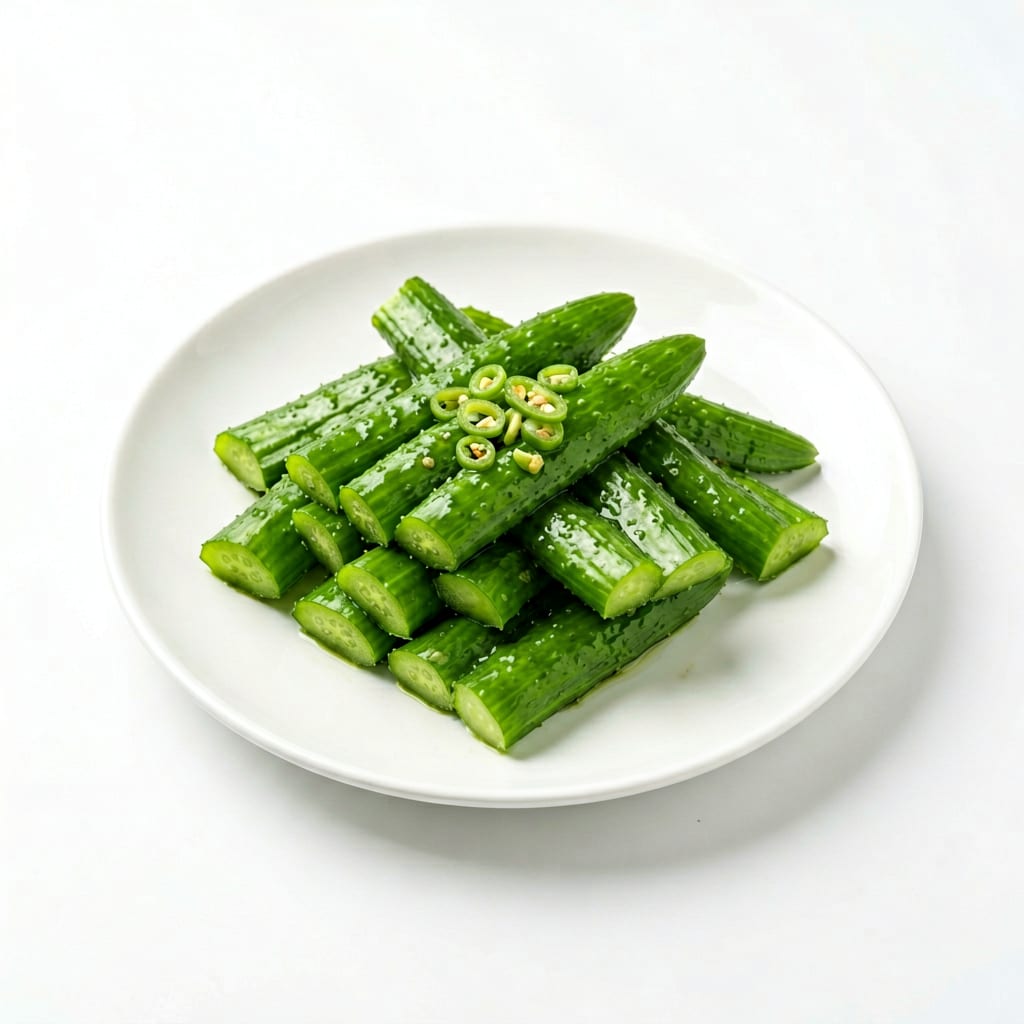
Snake Gourd
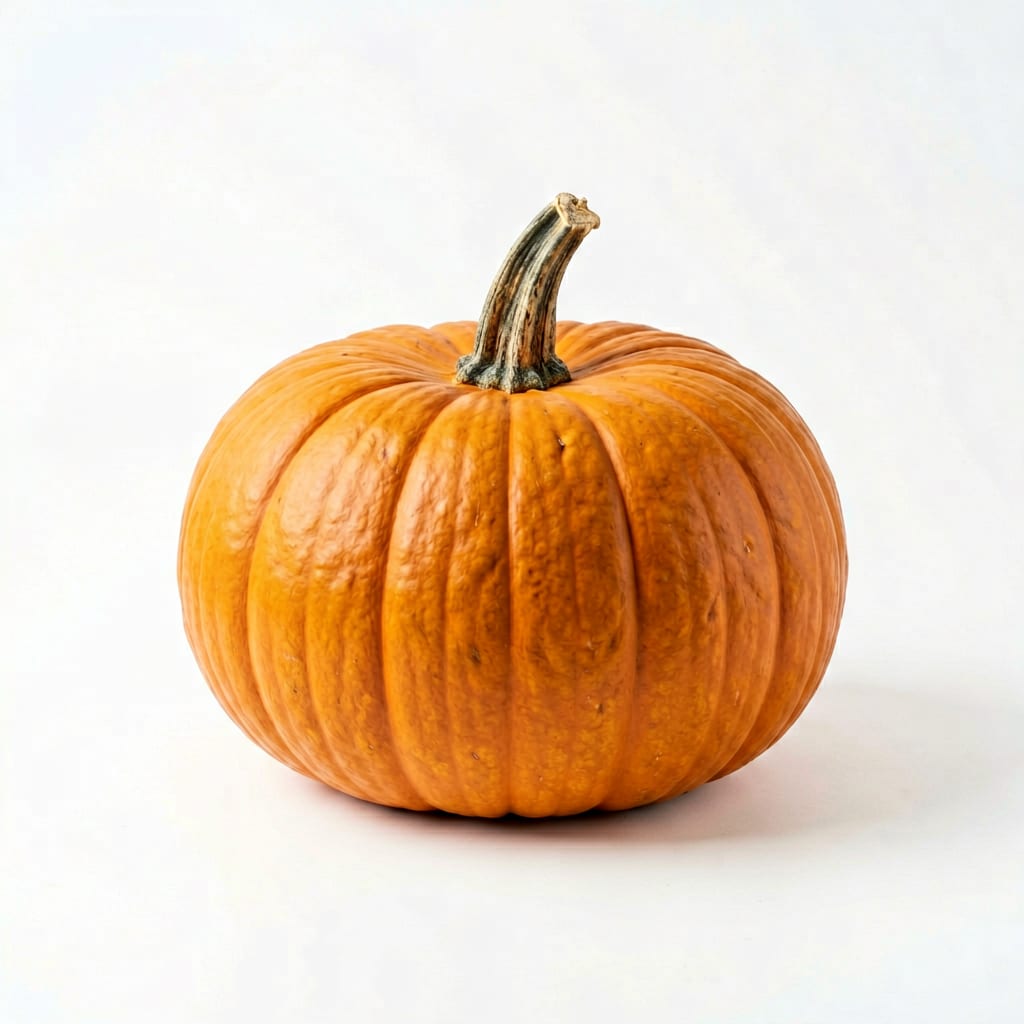
Pumpkin
Pumpkin wins for overall nutritional value and versatility, but Snake Gourd is the ultimate ultra-low-calorie food for strict weight loss.
Pumpkin scores higher due to its exceptional micronutrient profile and culinary flexibility. Snake Gourd remains a solid choice but is nutritionally lighter.
Pumpkin offers far more vitamins and flavor, while Snake Gourd provides maximum food volume with almost zero calories.
At a glance
Executive summary
Overall
Pumpkin
Healthier
Pumpkin
More practical
Pumpkin
Daily use
Pumpkin
Key comparison lenses
Weight loss and calorie density
Both are low-calorie vegetables, but Snake Gourd is exceptionally low, making it a key differentiator for dieters.
Micronutrient density and immunity
Pumpkin is a powerhouse of Vitamin A and antioxidants, while Snake Gourd is mostly water and fiber.
Blood sugar management
Both have low glycemic loads, but their differing carb profiles matter for diabetic meal planning.
Culinary versatility and practicality
Pumpkin is globally accessible and used in sweet and savory dishes; Snake Gourd is more regional and specific.
Best choice for
Snake Gourd
- Strict calorie restriction and weight loss
- Hot weather meals requiring light, hydrating foods
- Very low-carb or keto diet side dishes
Pumpkin
- Boosting immunity and eye health via Vitamin A
- Family-friendly meals needing natural sweetness
- Post-workout recovery needing antioxidant support
Least suitable for
Snake Gourd
- Those needing calorie density or healthy weight gain
- Diets requiring high vitamin and mineral intake
- People unfamiliar with its preparation
Pumpkin
- Strict zero-carb diets due to slightly higher carb content
- People avoiding orange vegetables for skin discoloration (carotenemia)
Deep comparison
Dimension by dimension
Each lens scores both foods and breaks down who each option suits.
- Dimension 1 · Priority 90Pumpkin
Micronutrient Density
Snake Gourd · 25Pumpkin · 95Pumpkin is loaded with beta-carotene, Vitamin C, and potassium, while Snake Gourd offers minimal vitamins.
Tradeoff
You sacrifice broad vitamin intake with Snake Gourd, but its low sugar content can be a benefit for some.
Why it matters
Vitamin A is critical for vision and immune function. Pumpkin delivers over 200% of your daily needs per serving.
Real-world impact
Eating Pumpkin regularly supports eye health and skin glow. Snake Gourd keeps you light but won't move the needle on vitamins.
Snake Gourd
- Minimizing sugar and carb intake
Better for
- Reliance on it as a primary nutrient source
Worse for
Pumpkin
- Preventing Vitamin A deficiency
- Supporting immune health during cold season
Better for
- Those tracking strict carbohydrate macros
Worse for
- Dimension 2 · Priority 85Snake Gourd
Weight Loss and Satiety
Snake Gourd · 92Pumpkin · 78Snake Gourd is almost entirely water and fiber, offering massive portion sizes for negligible calories.
Tradeoff
Snake Gourd fills your stomach with fewer calories, but Pumpkin provides longer-lasting energy due to its complex carbs.
Why it matters
Volume eating helps control hunger without overconsuming calories, making dieting feel less restrictive.
Real-world impact
A large bowl of Snake Gourd curry feels incredibly filling for under 50 calories, preventing late-night snacking.
Snake Gourd
- Volume eating on a cut
- Late-night low-calorie meals
Better for
- Feeling hungry again quickly due to lack of caloric substance
Worse for
Pumpkin
- Sustained energy between meals
- Active individuals needing moderate carbs
Better for
- Accidentally overeating if prepared with added sugars or fats
Worse for
- Dimension 3 · Priority 80Snake Gourd
Blood Sugar Stability
Snake Gourd · 88Pumpkin · 80Both are diabetic-friendly, but Snake Gourd has virtually zero impact on blood sugar.
Tradeoff
Pumpkin has slightly more carbs, but its fiber slows absorption. Snake Gourd simply lacks the carbs to cause a spike.
Why it matters
Avoiding glucose spikes prevents energy crashes and reduces diabetes risk.
Real-world impact
Snake Gourd is a worry-free side for insulin-resistant individuals. Pumpkin is safe but requires slightly more portion awareness.
Snake Gourd
- Insulin-resistant individuals
- Pre-diabetics managing strict glucose
Better for
- Lacks the energy replenishment needed after intense activity
Worse for
Pumpkin
- Providing steady, slow-burning energy for athletes
Better for
- Large portions might cause a minor glucose uptick compared to Snake Gourd
Worse for
- Dimension 4 · Priority 75Pumpkin
Culinary Versatility
Snake Gourd · 45Pumpkin · 90Pumpkin works in soups, pies, roasts, and smoothies globally. Snake Gourd is mostly limited to regional savory curries.
Tradeoff
Pumpkin's natural sweetness makes it adaptable but requires more recipe creativity for savory diets.
Why it matters
You are more likely to eat healthy foods that fit into diverse, enjoyable recipes.
Real-world impact
You can meal-prep Pumpkin in bulk for both sweet and savory dishes. Snake Gourd requires specific cooking methods to remove bitterness.
Snake Gourd
- Traditional Asian savory cooking
Better for
- Getting bored due to limited recipe options
Worse for
Pumpkin
- Meal prepping diverse weekly menus
- Baking and dessert alternatives
Better for
- Clashing with savory dishes if sweetness is unwanted
Worse for
Timeline
Health impact over time
Short-term
Hours to days
Snake Gourd
- Immediate feeling of lightness after eating
- High hydration from its 95% water content
- Quick relief from constipation due to fiber
Pumpkin
- Quick boost in antioxidants supporting skin health
- Sustained energy from complex carbohydrates
- Gentle, comforting digestion from soft fibers
Long-term
Months to years
Snake Gourd
- Easier long-term weight maintenance due to low calorie density
- Improved digestive regularity
- Lower risk of metabolic syndrome from zero sugar intake
Pumpkin
- Significantly reduced risk of Vitamin A deficiency and vision issues
- Stronger immune defense against infections
- Better skin elasticity and cell turnover from beta-carotene
Risk profile
Safety & processing
Both are whole, natural vegetables. However, canned Pumpkin can sometimes contain hidden additives or BPA from can linings, making fresh Pumpkin the safer natural choice.
Snake Gourd
Cucurbitacin toxicity
mediumOccasionally, Snake Gourd can develop high levels of cucurbitacins, causing extreme bitterness and stomach distress. Always taste a tiny raw piece before cooking; if intensely bitter, discard it.
Pumpkin
Canned Pumpkin BPA and additives
lowCanned varieties may have BPA in linings or added sugars in pie fillings. Opt for 100% pure puree or fresh Pumpkin to avoid this.
Who wins for whom
Audience fit
Same foods, different winners depending on your goal.
children
PumpkinPumpkin's natural sweetness and high Vitamin A content make it far more appealing and beneficial for growing kids.
daily consumption
PumpkinPumpkin offers a broader, more necessary spectrum of daily vitamins and fits into more meals.
diabetes
Snake GourdSnake Gourd has virtually zero carbohydrates and will not spike blood sugar at all.
elderly
PumpkinPumpkin is easy to chew, gentle on the stomach, and provides crucial nutrients for vision and immunity in older adults.
muscle gain
It dependsNeither is optimal for muscle gain as both are low in protein, but Pumpkin offers slightly more carbs for glycogen replenishment.
weight loss
Snake GourdSnake Gourd provides massive food volume for almost zero calories, making it the ultimate weight loss hack.
Your move
Decision guide
Choose Snake Gourd
- You are aggressively cutting calories and need high-volume meals
- You want a cooling, light vegetable for hot summer days
- You are managing strict blood sugar levels and need zero-carb sides
Choose Pumpkin
- You want to boost your Vitamin A and antioxidant intake
- You need a versatile ingredient for both sweet and savory meal prep
- You are cooking for children or elderly family members needing nutrient density
Either works if
- You simply need a low-calorie, fiber-rich side dish for dinner
- You are trying to increase your daily vegetable intake
Avoid both if
- You are looking for a primary protein source to build muscle
Final recommendation
Make Pumpkin your daily driver for its unmatched vitamins and versatility. Bring in Snake Gourd when you need a break from heavy meals or want to aggressively cut calories without going hungry.
Practical
Consumer tips
- 1
If buying canned Pumpkin, ensure the only ingredient is pumpkin to avoid hidden sugars.
- 2
Always taste-test a small slice of raw Snake Gourd before cooking; extreme bitterness means it is unsafe to eat.
- 3
Roast Pumpkin seeds instead of throwing them away for a crunchy, magnesium-rich snack.
- 4
Do not overcook Snake Gourd; it turns mushy quickly and loses its pleasant crunch.