
Nutrition comparison
Snake Gourd vs Green Beans: Nutrition, Benefits, and Which Is Healthier
Compare Snake Gourd and Green Beans side by side. Discover which vegetable offers better nutrition, easier availability, and the right fit for your diet goals.
Overall winner · Green Beans
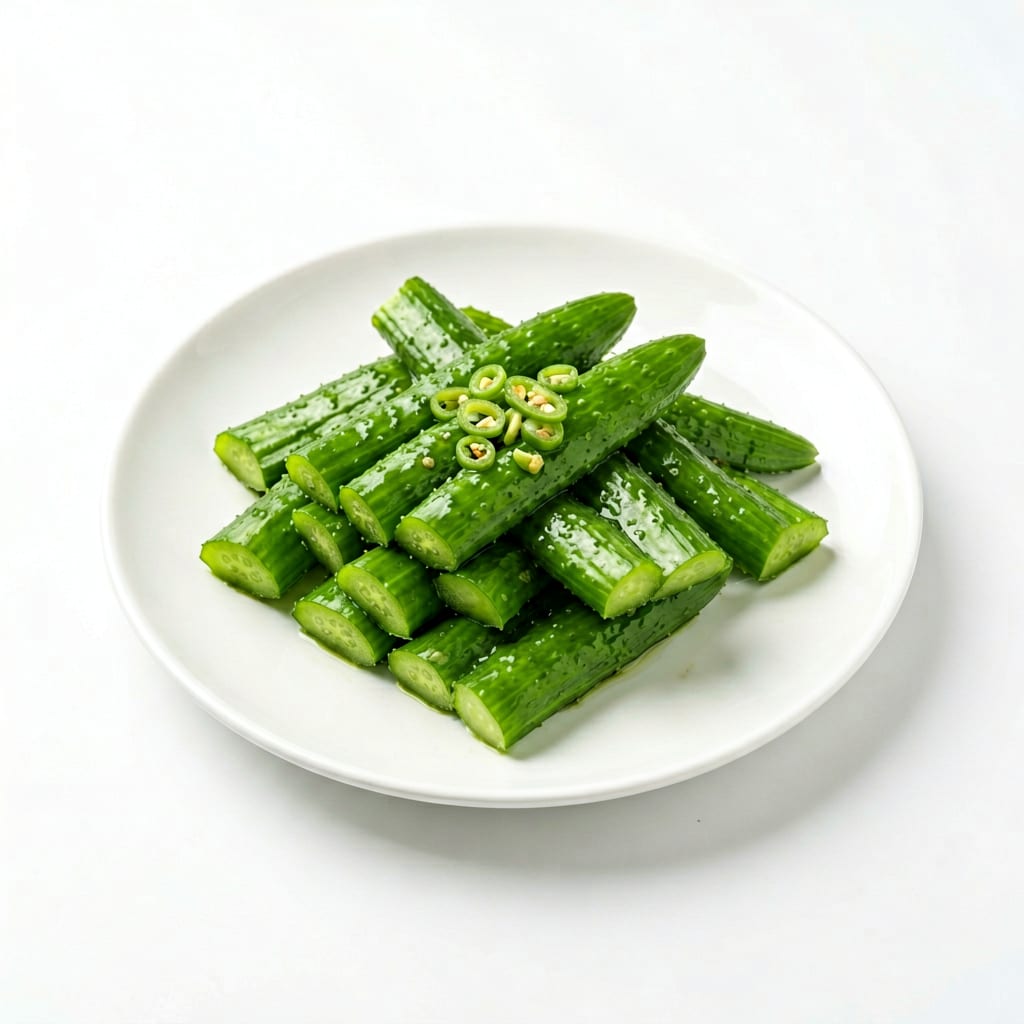
Snake Gourd
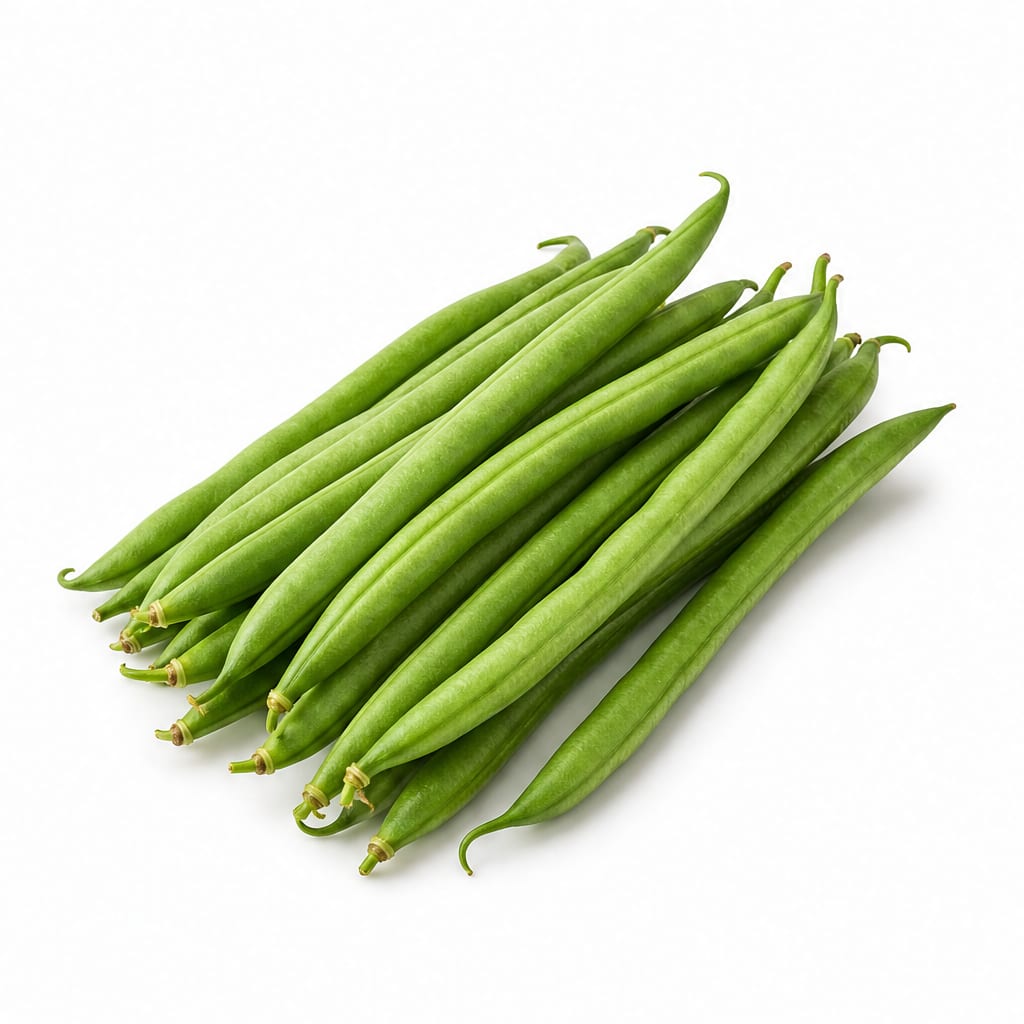
Green Beans
Green Beans win on nutrient density, availability, and everyday practicality, while Snake Gourd offers unique digestive and cooling benefits rooted in traditional medicine.
Green Beans score higher due to superior nutrient density, wider availability, and more research-backed health benefits. Snake Gourd remains valuable but is limited by accessibility and less documented nutritional data.
Green Beans deliver broader nutrition and easier access, but Snake Gourd provides specialized traditional health benefits and lower calories if you can find it.
At a glance
Executive summary
Overall
Green Beans
Healthier
Green Beans
More practical
Green Beans
Daily use
Green Beans
Key comparison lenses
nutrient density comparison
Users want to know which vegetable delivers more vitamins and minerals per serving
digestive health benefits
Both vegetables are traditionally consumed for gut health, making this a key differentiator
practical availability
Snake Gourd is regionally limited while Green Beans are globally accessible, affecting real-world choices
weight management potential
Both are low-calorie vegetables often chosen for weight loss diets
blood sugar friendliness
Both are low-glycemic options commonly recommended for diabetic diets
Best choice for
Snake Gourd
- People following Ayurvedic or traditional South Asian diets
- Those seeking a cooling, low-calorie vegetable for hot climates
- Anyone managing constipation with traditional remedies
- Home cooks exploring regional Indian or Southeast Asian cuisine
Green Beans
- Families needing a nutrient-dense everyday vegetable
- Anyone meal prepping on a budget
- People wanting reliable fiber and vitamin K intake
- Those who value easy availability at any grocery store
Least suitable for
Snake Gourd
- People without access to Asian grocery stores
- Anyone unfamiliar with preparing gourds
- Those wanting a protein-rich vegetable side dish
- Busy cooks needing quick-prep options
Green Beans
- People with severe oxalate sensitivity or kidney stone history
- Those who experience bloating from legume-family vegetables
- Anyone seeking traditional cooling properties in food
Deep comparison
Dimension by dimension
Each lens scores both foods and breaks down who each option suits.
- Dimension 1 · Priority 92Green Beans
Nutrient Density
Snake Gourd · 55Green Beans · 82Green Beans pack significantly more vitamins K, C, folate, and minerals per serving than Snake Gourd.
Tradeoff
Snake Gourd is lighter and lower in calories but comes with fewer micronutrients per bite.
Why it matters
If you are eating vegetables primarily for vitamin intake, Green Beans deliver more per serving.
Real-world impact
A cup of Green Beans covers about 25% of your daily vitamin K needs, while Snake Gourd covers far less across most vitamins.
Snake Gourd
- Very low-calorie diet phases
- Light meals in hot weather
Better for
- Reliance on this as a primary nutrient source
- Preventing vitamin K deficiency
Worse for
Green Beans
- Meeting daily vitamin requirements
- Pregnant women needing folate
- Bone health support through vitamin K
Better for
- Extremely low-calorie diet protocols
Worse for
- Dimension 2 · Priority 88Green Beans
Fiber and Digestive Health
Snake Gourd · 65Green Beans · 78Green Beans offer more fiber per serving, but Snake Gourd has traditional laxative and gut-soothing properties.
Tradeoff
Green Beans provide reliable insoluble fiber for regularity, while Snake Gourd offers a gentler, cooling effect on the digestive tract.
Why it matters
Fiber intake directly affects fullness, blood sugar control, and gut health over time.
Real-world impact
Green Beans help you stay regular and full longer. Snake Gourd may help with occasional constipation and feels lighter on the stomach.
Snake Gourd
- Soothing an irritated digestive tract
- Traditional remedies for constipation
- Hot-climate meals where heavy fiber feels uncomfortable
Better for
- Meeting recommended daily fiber targets alone
Worse for
Green Beans
- Consistent daily fiber intake
- Supporting healthy gut microbiome diversity
- Feeling full and satisfied after meals
Better for
- Sensitive stomachs that react to legume-family fiber
Worse for
- Dimension 3 · Priority 80It depends
Blood Sugar Stability
Snake Gourd · 75Green Beans · 75Both vegetables have minimal impact on blood sugar and are safe for diabetic diets.
Tradeoff
Snake Gourd is slightly lower in carbohydrates, but Green Beans provide more fiber which slows glucose absorption.
Why it matters
Steady blood sugar prevents energy crashes and reduces diabetes risk over time.
Real-world impact
Neither vegetable will spike your blood sugar. Both are smart choices for a diabetic-friendly plate.
Snake Gourd
- Ultra-low-carb eating plans
- Meals where you want near-zero glycemic impact
Better for
Green Beans
- Sustained energy release from fiber
- Balanced meals with protein and complex carbs
Better for
- Dimension 4 · Priority 85Green Beans
Availability and Convenience
Snake Gourd · 30Green Beans · 92Green Beans are available year-round in nearly every grocery store worldwide. Snake Gourd is mostly found in Asian markets and specialty shops.
Tradeoff
You can grab Green Beans anywhere, but Snake Gourd requires effort to source and may not always be fresh.
Why it matters
The healthiest vegetable is the one you can actually buy and eat consistently.
Real-world impact
Most people can find Green Beans within minutes. Finding fresh Snake Gourd might require a trip to a specialty store or growing it yourself.
Snake Gourd
- Home gardeners in tropical or subtropical climates
- Cooking regional authentic recipes
Better for
- Anyone living outside tropical or Asian-dense areas
- Reliable weekly meal planning
Worse for
Green Beans
- Weekly grocery runs at any supermarket
- Meal prep consistency
- Last-minute dinner planning
Better for
- Dimension 5 · Priority 72Green Beans
Culinary Versatility
Snake Gourd · 55Green Beans · 80Green Beans work in salads, stir-fries, casseroles, and sides across many cuisines. Snake Gourd is more niche.
Tradeoff
Green Beans adapt to almost any dish, while Snake Gourd shines in specific traditional recipes but has limited range.
Why it matters
Versatility determines how often you actually cook and eat a vegetable.
Real-world impact
Green Beans can be steamed, roasted, sautéed, or eaten raw. Snake Gourd needs cooking and pairs best with spiced dishes.
Snake Gourd
- Traditional South Asian curries and stews
- Exploring new flavors and regional cooking
Better for
- Raw preparations
- Quick-prep cooking methods
Worse for
Green Beans
- Quick weeknight sides
- Salads and cold dishes
- Blending into multiple cuisine styles
Better for
- Dimension 6 · Priority 68Snake Gourd
Traditional and Medicinal Value
Snake Gourd · 85Green Beans · 45Snake Gourd has deep roots in Ayurvedic and traditional medicine for digestion, fever, and liver support. Green Beans lack this medicinal reputation.
Tradeoff
Snake Gourd carries centuries of traditional health wisdom, but Green Beans have more modern clinical evidence for nutritional benefits.
Why it matters
For people who value food-as-medicine approaches, traditional use adds meaningful confidence.
Real-world impact
If you follow Ayurvedic principles, Snake Gourd is considered cooling, detoxifying, and balancing for Pitta dosha.
Snake Gourd
- Ayurvedic dietary practices
- Traditional detox and cooling regimens
- Cultural and heritage cooking
Better for
- Those seeking clinically validated health claims
Worse for
Green Beans
- Evidence-based nutrition planning
- Standard dietary guidelines compliance
Better for
- Traditional medicine frameworks
Worse for
Timeline
Health impact over time
Short-term
Hours to days
Snake Gourd
- Light, hydrating meals that feel easy on the stomach
- Mild laxative effect that may help with occasional constipation
- Cooling sensation beneficial in hot weather
Green Beans
- Noticeable fullness after meals due to higher fiber content
- Steady energy without blood sugar spikes
- Possible mild bloating if you are sensitive to legume-family vegetables
Long-term
Months to years
Snake Gourd
- Consistent digestive support when consumed regularly in traditional diets
- Low calorie intake supporting weight maintenance
- Potential liver-supportive benefits based on traditional use, though clinical evidence is limited
Green Beans
- Improved bone density from consistent vitamin K intake
- Better cardiovascular health through fiber and antioxidant support
- Reduced constipation and improved gut regularity over time
Risk profile
Safety & processing
Both Snake Gourd and Green Beans are whole, minimally processed vegetables. When bought fresh, neither carries additive concerns. Canned Green Beans may contain added sodium, so fresh or frozen is preferable.
Snake Gourd
Pesticide residue
mediumSnake Gourd grown conventionally may carry pesticide residues, especially in regions with less regulated farming practices. Washing thoroughly and choosing organic when available reduces this risk.
Bitter varieties causing toxicity
lowSome wild or improperly cultivated gourds can develop cucurbitacins causing bitterness and digestive distress. Commercially sold Snake Gourd is typically safe, but extremely bitter taste is a warning sign.
Green Beans
Pesticide residue
mediumGreen Beans frequently appear on the Environmental Working Group's Dirty Dozen list due to pesticide residues. Opting for organic reduces exposure significantly.
Lectin content when undercooked
lowRaw or undercooked Green Beans contain lectins that can cause nausea and digestive upset. Cooking thoroughly eliminates this concern.
Oxalate content
lowGreen Beans contain moderate oxalates which may contribute to kidney stone formation in susceptible individuals. This is not a concern for most people.
Who wins for whom
Audience fit
Same foods, different winners depending on your goal.
children
Green BeansGreen Beans are milder in flavor, easier to find, and more familiar to most children. Their tender-crisp texture is also more kid-friendly than the soft, slightly gelatinous texture of cooked Snake Gourd.
daily consumption
Green BeansGreen Beans are easier to source, prepare, and integrate into daily meals across diverse cuisines, making them more sustainable as an everyday vegetable.
diabetes
It dependsBoth are excellent low-glycemic choices. Snake Gourd has marginally fewer carbs, while Green Beans offer more fiber for glucose regulation. The difference is negligible in a balanced meal.
elderly
Green BeansGreen Beans provide more vitamin K for bone health and folate for cognitive support, both critical for aging adults. Their wider availability also makes consistent consumption easier.
muscle gain
Green BeansGreen Beans contain slightly more protein per serving, though neither vegetable is a significant protein source. Both should be paired with protein-rich foods.
weight loss
Green BeansGreen Beans provide more fiber and protein per calorie, keeping you fuller longer and reducing overall calorie intake throughout the day.
Your move
Decision guide
Choose Snake Gourd
- You follow Ayurvedic dietary principles and want a cooling vegetable
- You have access to fresh Snake Gourd at local Asian markets
- You are dealing with mild constipation and want a traditional remedy
- You are cooking South Asian recipes where Snake Gourd is the authentic ingredient
- You live in a tropical climate and want low-calorie, hydrating meals
Choose Green Beans
- You want a nutrient-dense vegetable available at any grocery store
- You are meal prepping for the week and need reliable, versatile ingredients
- You are focused on bone health and need consistent vitamin K intake
- You want a vegetable that works in salads, stir-fries, and side dishes equally well
- You are feeding a family and need kid-friendly options
Either works if
- You are managing blood sugar and need low-glycemic vegetable options
- You want to increase your daily vegetable variety
- You are looking for low-calorie sides to support weight maintenance
Avoid both if
- You have severe oxalate restrictions for kidney stone prevention, as both contain moderate oxalates
- You are looking for a high-protein vegetable to serve as a main dish
Final recommendation
Green Beans are the smarter everyday choice for most people due to their superior nutrient density, easy availability, and culinary flexibility. However, if you have access to Snake Gourd and value traditional medicine or want a uniquely cooling, ultra-light vegetable, it is worth incorporating occasionally. The best approach is rotating both when possible to maximize nutrient diversity.
Practical
Consumer tips
- 1
Choose organic Green Beans when possible, as they frequently test high for pesticide residues
- 2
If buying Snake Gourd, look for firm, green specimens without soft spots or yellowing
- 3
Never eat Green Beans raw — always cook them thoroughly to neutralize lectins
- 4
If your Snake Gourd tastes unusually bitter, discard it immediately as this indicates cucurbitacin toxicity
- 5
Frozen Green Beans retain most of their nutrients and are a practical, affordable option year-round
- 6
Snake Gourd pairs well with cumin, turmeric, and coconut — traditional spice combinations that also boost anti-inflammatory benefits
- 7
Store Snake Gourd in the refrigerator and use within 3-4 days, as it spoils faster than Green Beans