
Nutrition comparison
Snake Gourd vs Eggplant: Nutrition, Digestion, and Cooking Comparison
Compare Snake Gourd and Eggplant to see which is better for weight loss, digestion, and cooking. Learn about oil absorption, nightshade sensitivity, and antioxidants.
Overall winner · Snake Gourd
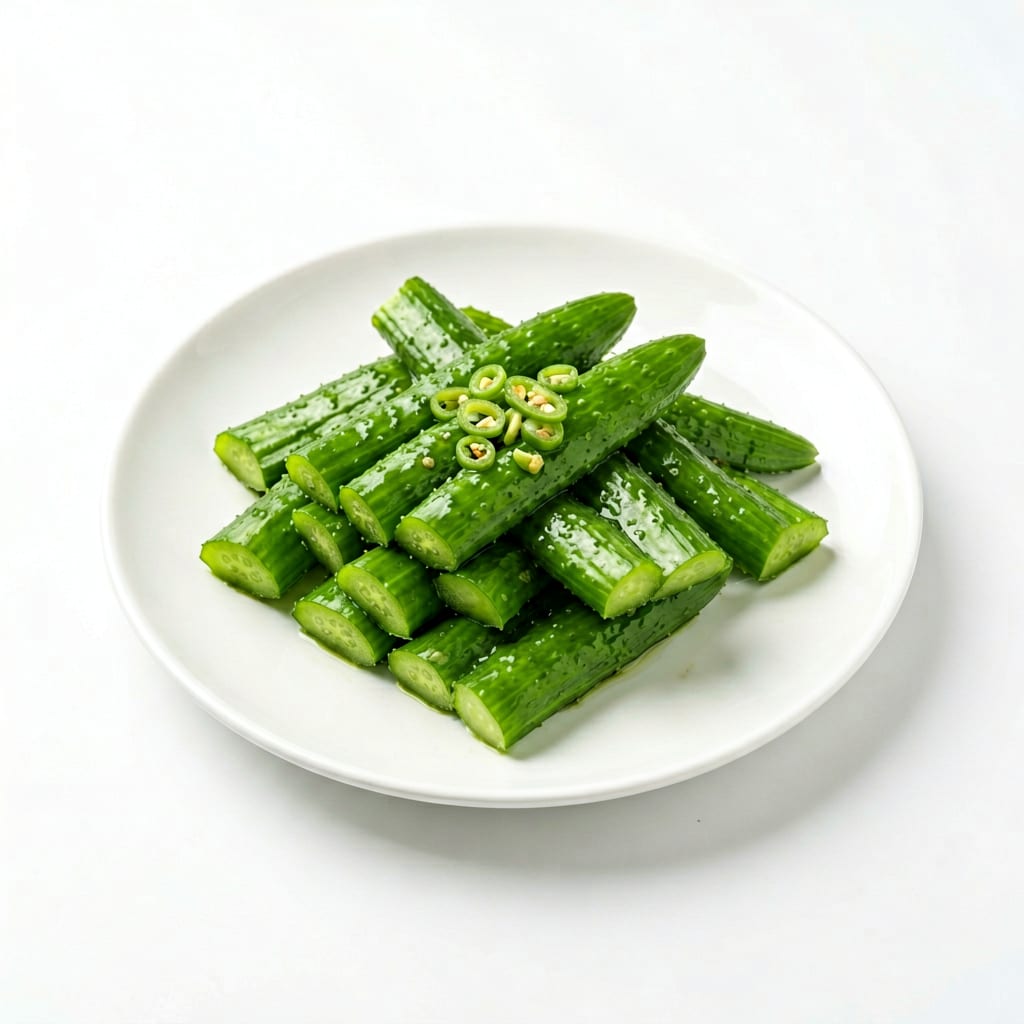
Snake Gourd
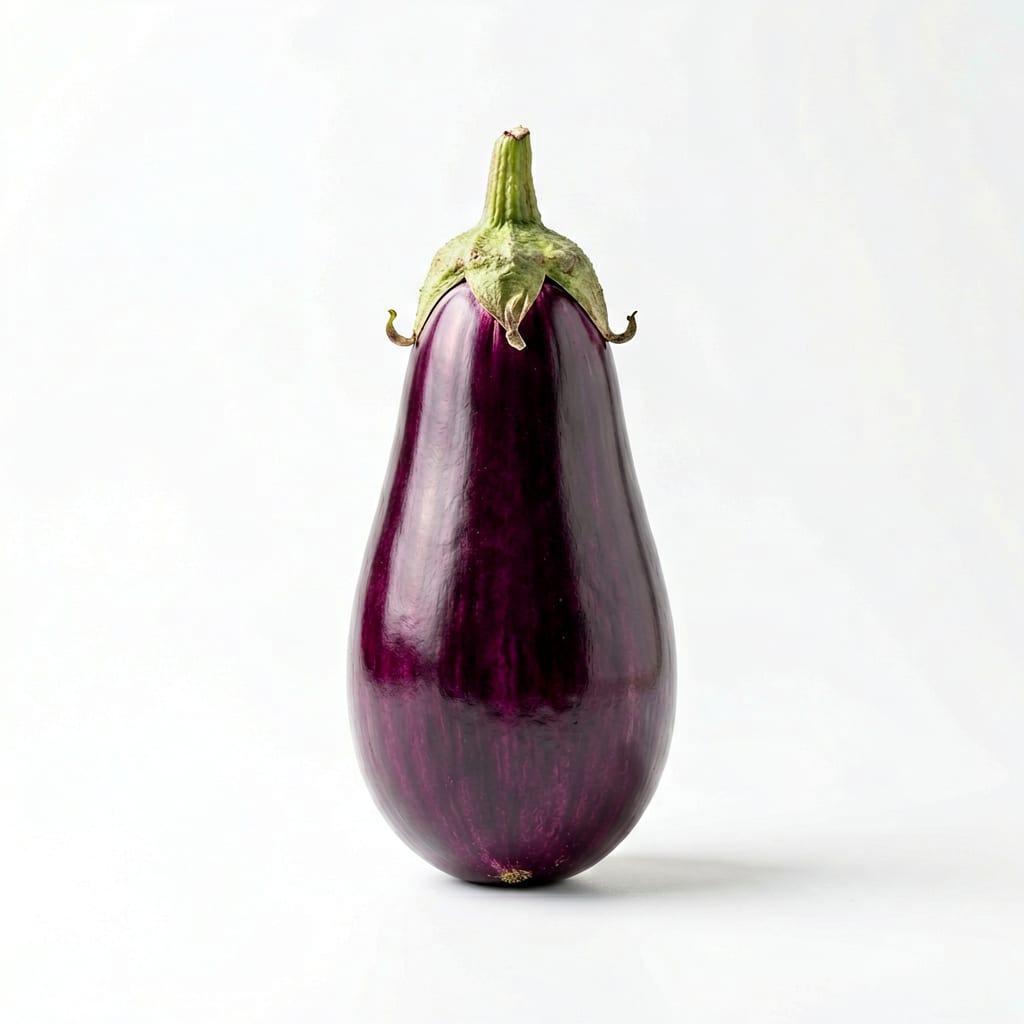
Eggplant
Snake Gourd wins for effortless low-calorie hydration and easy digestion, while Eggplant brings stronger antioxidants but risks becoming a calorie bomb if fried.
Snake Gourd scores slightly higher due to its effortless low-calorie profile and digestive ease, while Eggplant loses points for its tendency to absorb heavy amounts of cooking oil.
Light, watery crunch versus rich, meaty depth that soaks up oil.
At a glance
Executive summary
Overall
Snake Gourd
Healthier
Snake Gourd
More practical
Eggplant
Daily use
Snake Gourd
Key comparison lenses
Weight management and calorie control
Both are low-calorie vegetables, but their cooking behaviors drastically change final calorie counts.
Digestive comfort and gut sensitivity
Snake Gourd is soothing, while Eggplant is a nightshade that can trigger inflammation in sensitive people.
Culinary oil absorption
Eggplant acts like a sponge for oil, turning a low-cal vegetable into a high-cal dish, whereas Snake Gourd does not.
Antioxidant intake
Eggplant offers deep purple antioxidants, while Snake Gourd is milder in this category.
Best choice for
Snake Gourd
- Staying hydrated on very low calories
- Soothing an upset stomach or sensitive digestion
- Light, cooling summer meals
Eggplant
- Hearty vegetarian mains and meat substitutes
- Boosting antioxidant intake
- Grilling, roasting, and making dips
Least suitable for
Snake Gourd
- Hearty, filling meals where you want substance
- People wanting strong savory flavors without heavy seasoning
Eggplant
- Strict low-calorie diets if pan-fried
- People with nightshade sensitivities or joint pain
Deep comparison
Dimension by dimension
Each lens scores both foods and breaks down who each option suits.
- Dimension 1 · Priority 95Snake Gourd
Calorie Density & Weight Management
Snake Gourd · 95Eggplant · 68Snake Gourd is incredibly low in calories and mostly water, making it a virtually free food. Eggplant is also low-cal raw but acts like a sponge for oil.
Tradeoff
You get near-zero calories with Snake Gourd, but Eggplant offers a more satisfying, meaty bite that actually fills you up.
Why it matters
If you are tracking calories, how a vegetable cooks matters as much as its raw stats.
Real-world impact
A pan-fried Eggplant dish can easily pack 300+ calories from oil, whereas Snake Gourd stays light no matter how you cook it.
Snake Gourd
- Strict calorie counters
- Low-fat diet followers
Better for
- People needing energy-dense meals
Worse for
Eggplant
- Those who need volume and satiety from healthy fats
Better for
- Anyone casually frying vegetables without tracking oil
Worse for
- Dimension 2 · Priority 88Snake Gourd
Digestive Comfort & Gut Health
Snake Gourd · 90Eggplant · 70Snake Gourd is known in traditional medicine for being easy on the stomach and cooling. Eggplant's skin and seeds can bother sensitive guts, and it is a nightshade.
Tradeoff
Snake Gourd soothes the digestive tract, while Eggplant provides more fiber but carries a risk of bloating or irritation for some.
Why it matters
Nightshades can trigger inflammation or digestive issues in sensitive individuals.
Real-world impact
If you have a sensitive stomach or joint pain, Snake Gourd is a safer bet for daily eating.
Snake Gourd
- People with IBS or sensitive stomachs
- Those avoiding nightshades
Better for
- Those who find watery vegetables unappealing
Worse for
Eggplant
- People needing a fiber boost for regularity
Better for
- People with nightshade sensitivities or arthritis
Worse for
- Dimension 3 · Priority 78Eggplant
Antioxidant Power
Snake Gourd · 50Eggplant · 92Eggplant, especially its skin, is rich in nasunin and anthocyanins. Snake Gourd has some antioxidants but is not an antioxidant powerhouse.
Tradeoff
You sacrifice the deep purple antioxidant punch of Eggplant when choosing the paler Snake Gourd.
Why it matters
Antioxidants protect cells from damage and support long-term brain and heart health.
Real-world impact
Eating grilled Eggplant with the skin on gives your body a strong dose of protective compounds you will not get from Snake Gourd.
Snake Gourd
- Those who get antioxidants from other colorful foods
Better for
- Those relying on this vegetable for vitamin variety
Worse for
Eggplant
- Anyone looking to maximize cellular protection
- Brain health focus
Better for
- People who peel the vegetable, losing all the benefits
Worse for
- Dimension 4 · Priority 82Eggplant
Culinary Versatility & Cooking Behavior
Snake Gourd · 58Eggplant · 88Eggplant is a culinary chameleon used in baba ganoush, parmigiana, and stir-fries. Snake Gourd is more niche, often limited to curries and stews.
Tradeoff
Eggplant absorbs flavors and transforms textures beautifully, but it also absorbs oil. Snake Gourd stays firm and watery but will not mimic meat.
Why it matters
A vegetable you enjoy cooking and eating consistently is better than one you rarely use.
Real-world impact
Eggplant makes it easier to replace meat in meals, while Snake Gourd is mostly a supporting player in soups and curries.
Snake Gourd
- Quick, light cooking like stir-fries
- Traditional Asian recipes
Better for
- Western-style comfort food
Worse for
Eggplant
- Hearty vegetarian meals
- Dips and spreads
Better for
- Quick, low-oil weeknight sides
Worse for
- Dimension 5 · Priority 70Eggplant
Availability & Practicality
Snake Gourd · 35Eggplant · 95Eggplant is a global supermarket staple. Snake Gourd is mostly found in Asian or specialty markets.
Tradeoff
Eggplant is always easy to find, while tracking down Snake Gourd takes effort unless you grow it.
Why it matters
Convenience heavily influences whether a healthy food actually makes it into your cart.
Real-world impact
You can grab Eggplant anywhere, but Snake Gourd might require a trip to a specialty grocery store.
Snake Gourd
- Home gardeners in warm climates
- Shoppers at Asian markets
Better for
- Rural or limited grocery access
Worse for
Eggplant
- One-stop supermarket shoppers
- People who value easy availability
Better for
- Those bored with common vegetables
Worse for
Timeline
Health impact over time
Short-term
Hours to days
Snake Gourd
- Immediate hydration
- Light feeling after meals
- Relief from constipation
Eggplant
- High satiety from fiber and fat absorption
- Potential bloating if undercooked
- Oil-heavy calorie intake if fried
Long-term
Months to years
Snake Gourd
- Gentle on the digestive system over time
- Supports low-calorie dietary adherence
Eggplant
- Strong cellular protection from antioxidants
- Possible nightshade-related joint inflammation for sensitive individuals
Risk profile
Safety & processing
Both are whole, natural vegetables with minimal processing concerns when bought fresh.
Snake Gourd
Pesticide residue
mediumLike many gourds, conventional farming may use pesticides; washing and peeling helps reduce exposure.
Eggplant
Solanine sensitivity
lowAs a nightshade, Eggplant contains solanine, which can trigger joint pain or digestive upset in sensitive people, though typical consumption is safe.
Oil oxidation from frying
mediumFrying Eggplant at high temperatures can oxidize the large amounts of absorbed oil, creating harmful compounds.
Who wins for whom
Audience fit
Same foods, different winners depending on your goal.
children
EggplantEggplant's versatility makes it easier to sneak into kid-friendly dishes like pasta sauces and nuggets.
daily consumption
Snake GourdSnake Gourd is lighter and less likely to cause digestive buildup or inflammation over time.
diabetes
Snake GourdSnake Gourd has a lower glycemic impact and fewer hidden calories from cooking oils.
elderly
Snake GourdSnake Gourd is softer and easier to digest, avoiding the potential nightshade joint issues Eggplant can cause.
muscle gain
It dependsNeither is a significant protein source, though Eggplant pairs better with hearty protein dishes due to its texture.
weight loss
Snake GourdSnake Gourd's high water content and resistance to oil absorption keep calories reliably low.
Your move
Decision guide
Choose Snake Gourd
- You want guaranteed low-calorie meals without tracking oil
- You have nightshade sensitivity or joint pain
- You need a cooling, hydrating vegetable for hot weather
Choose Eggplant
- You want a satisfying meat substitute for hearty meals
- You are grilling, roasting, or making savory dips
- You want maximum antioxidant benefits from your veggies
Either works if
- You need a low-calorie base for a curry or stew
- You are looking to increase your daily vegetable intake
Avoid both if
- You need a high-protein food to meet macro goals
Final recommendation
Choose Snake Gourd for effortless low-calorie hydration and digestive comfort, or Eggplant when you want a hearty, antioxidant-rich meal—just watch the cooking oil.
Practical
Consumer tips
- 1
Salt Eggplant slices and let them sweat before cooking to significantly reduce oil absorption.
- 2
Do not overcook Snake Gourd; it turns mushy quickly and loses its delicate crunch.
- 3
Keep the skin on Eggplant to get the maximum antioxidant benefit from nasunin.
- 4
If you have arthritis, try swapping Eggplant for Snake Gourd for a few weeks to see if symptoms improve.