
Nutrition comparison
Snake Gourd vs Zucchini: Nutrition, Digestion, and Which to Choose
Compare Snake Gourd and Zucchini on digestion, nutrients, versatility, and daily practicality. Find out which low-calorie vegetable fits your health goals and cooking style.
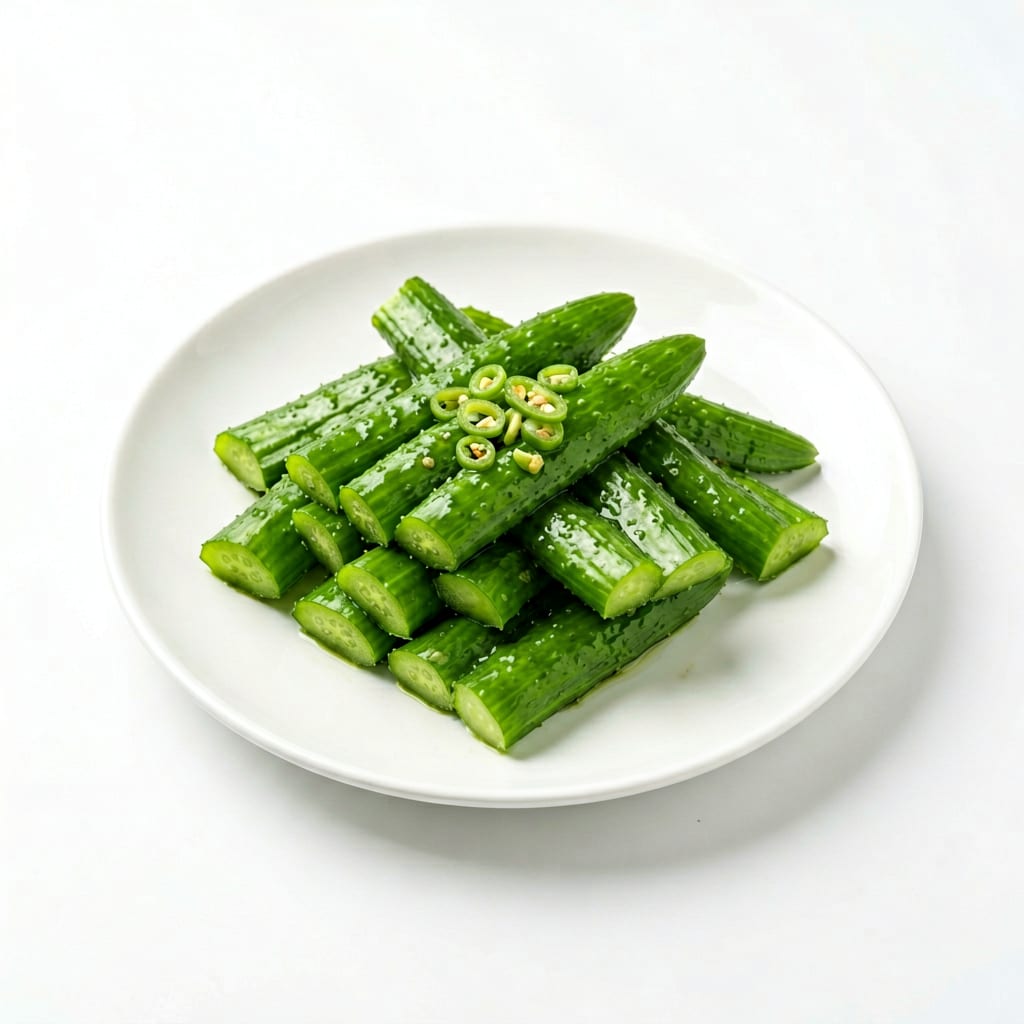
Snake Gourd
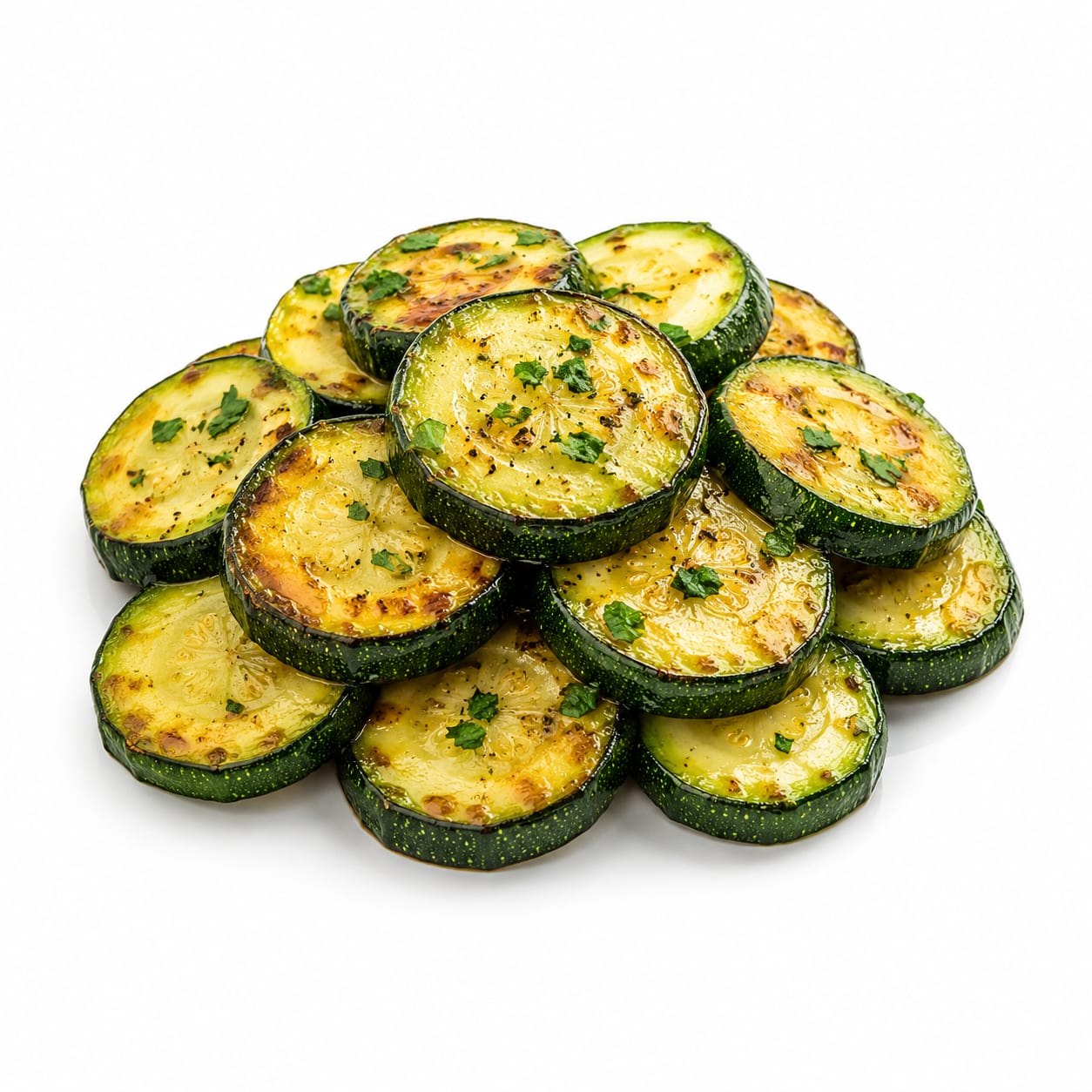
Zucchini
Zucchini wins on accessibility and everyday versatility; Snake Gourd wins on digestive benefits and traditional therapeutic value.
Zucchini scores slightly higher due to superior practicality and broader nutrient accessibility, but Snake Gourd's digestive and therapeutic edge keeps it competitive for specific health goals.
Snake Gourd offers stronger digestive and cooling benefits but is harder to find and cook with, while Zucchini is universally available and recipe-friendly with milder health effects.
At a glance
Executive summary
Overall
It depends
Healthier
Snake Gourd
More practical
Zucchini
Daily use
Zucchini
Key comparison lenses
Low-calorie vegetable selection for weight management
Both vegetables are extremely low in calories, making the subtle nutritional differences critical for decision-making
Digestive health and gut comfort
Snake Gourd has notable digestive and mild laxative properties while Zucchini is gentler and more universally tolerated
Culinary versatility and everyday practicality
Zucchini is globally available and recipe-flexible whereas Snake Gourd is region-specific and requires more cooking knowledge
Blood sugar management
Both are excellent for blood sugar but fiber type differences matter for glycemic response
Hydration and cooling properties
Snake Gourd is traditionally valued for cooling and hydrating properties in hot climates
Best choice for
Snake Gourd
- People seeking digestive regularity and gut relief
- Those in hot climates wanting cooling, hydrating foods
- Anyone following Ayurvedic or traditional South Asian dietary practices
- People managing constipation or sluggish digestion
Zucchini
- Busy home cooks needing a versatile weeknight vegetable
- Anyone meal prepping or batch cooking
- People new to vegetable-forward eating who prefer mild flavors
- Those who want reliable nutrition without specialty shopping
Least suitable for
Snake Gourd
- People without access to Asian or specialty grocery stores
- Those unfamiliar with cooking gourds and unsure about preparation
- Anyone sensitive to slight bitterness in vegetables
Zucchini
- Those specifically seeking digestive stimulation or laxative effects
- People wanting traditional cooling properties in hot weather
- Anyone looking for more bioavailable iron from vegetables
Deep comparison
Dimension by dimension
Each lens scores both foods and breaks down who each option suits.
- Dimension 1 · Priority 92Snake Gourd
Digestive Health and Gut Comfort
Snake Gourd · 88Zucchini · 72Snake Gourd has a clear edge for digestive stimulation and regularity, while Zucchini is gentler but less actively therapeutic.
Tradeoff
Snake Gourd's mild laxative effect helps sluggish digestion but may cause loose stools in sensitive people; Zucchini is safer for sensitive stomachs but won't actively improve transit time.
Why it matters
If you struggle with constipation or bloating, Snake Gourd works like a gentle natural remedy. Zucchini is better if you just need something light that will not irritate.
Real-world impact
Eating Snake Gourd regularly can mean more comfortable, predictable bathroom trips. Zucchini simply will not upset your stomach.
Snake Gourd
- Chronic constipation sufferers
- People with sluggish digestion
- Those wanting food-as-medicine gut support
Better for
- People with diarrhea-predominant IBS
- Those already taking laxatives
Worse for
Zucchini
- People with irritable bowel or sensitive digestion
- Anyone recovering from stomach illness
- Those who need a neutral, non-stimulating vegetable
Better for
- Anyone needing active digestive stimulation
Worse for
- Dimension 2 · Priority 85It depends
Nutritional Density and Micronutrients
Snake Gourd · 76Zucchini · 78Both are low-calorie and nutrient-light compared to darker vegetables, but Zucchini edges ahead on vitamin C and antioxidants while Snake Gourd offers more iron and folate.
Tradeoff
Zucchini provides more lutein for eye health and vitamin C for immunity; Snake Gourd delivers slightly more iron and folate which matter more for blood health and energy.
Why it matters
Neither vegetable is a nutritional powerhouse, so the choice depends on which micronutrient gap matters more to you.
Real-world impact
Zucchini supports eye health and immune function over time. Snake Gourd subtly supports blood health and energy, especially relevant for women and vegetarians.
Snake Gourd
- Women with low iron or heavy periods
- Vegetarians needing plant-based iron sources
- Pregnant women seeking natural folate
Better for
- Those primarily seeking antioxidant variety
Worse for
Zucchini
- People concerned about eye health and screen fatigue
- Those wanting immune support from vitamin C
- Anyone needing more potassium for blood pressure
Better for
- People with iron deficiency concerns
Worse for
- Dimension 3 · Priority 88Zucchini
Culinary Versatility and Ease of Use
Snake Gourd · 55Zucchini · 92Zucchini is one of the most versatile vegetables available; Snake Gourd requires specific cooking knowledge and pairs best with South Asian flavors.
Tradeoff
Zucchini works raw, grilled, baked, spiralized, or stuffed with almost any cuisine. Snake Gourd needs cooking and shines mainly in curries and stews.
Why it matters
The vegetable you actually enjoy cooking and eating regularly always beats the one that sits in your fridge unused.
Real-world impact
Zucchini can become pasta, fritters, bread, or a quick stir-fry on any busy night. Snake Gourd requires a recipe and some confidence to prepare well.
Snake Gourd
- Home cooks comfortable with Indian or Southeast Asian recipes
- Those wanting to explore traditional cuisine
Better for
- Beginners unsure about gourd preparation
- Anyone short on cooking time
Worse for
Zucchini
- Busy people who need quick, flexible meal options
- Anyone meal prepping for the week
- Families with picky eaters who prefer mild flavors
- People who enjoy raw vegetable snacks
Better for
- Those specifically wanting to cook traditional South Asian dishes
Worse for
- Dimension 4 · Priority 80It depends
Blood Sugar Stability
Snake Gourd · 82Zucchini · 80Both are excellent for blood sugar with minimal carbohydrate load. Snake Gourd's slightly higher fiber gives it a marginal edge for glycemic control.
Tradeoff
The difference is small enough that preparation method matters more than the vegetable itself. Added oils or sauces can shift the glycemic impact more than the vegetable choice.
Why it matters
For diabetes management, both are safe choices. Focus on how you cook them rather than which one you pick.
Real-world impact
Either vegetable keeps blood sugar steady when eaten as part of a balanced meal. Neither will cause spikes on its own.
Snake Gourd
- Diabetics wanting maximum fiber per serving
- Those pairing vegetables with higher-carb foods
Better for
- Those who overcook it into a soft mush, reducing fiber benefit
Worse for
Zucchini
- Diabetics who prefer smaller, more frequent meals
- Anyone counting carbs precisely
Better for
- People who eat it breaded and fried, negating blood sugar benefits
Worse for
- Dimension 5 · Priority 75Snake Gourd
Hydration and Cooling Effect
Snake Gourd · 90Zucchini · 74Snake Gourd is traditionally prized for cooling the body and supporting hydration in hot climates, while Zucchini hydrates without the therapeutic cooling reputation.
Tradeoff
Snake Gourd's cooling property is culturally validated and physiologically plausible due to its high water and mineral content, but Zucchini is also over 90 percent water and easier to eat in larger quantities.
Why it matters
In hot weather or after illness, Snake Gourd feels more refreshing and restorative. Zucchini is hydrating but does not carry the same traditional reputation.
Real-world impact
A Snake Gourd curry on a hot day feels genuinely cooling and lighter. Zucchini refreshes but without the same perceived relief.
Snake Gourd
- People in hot, humid climates
- Those recovering from fever or dehydration
- Anyone following Ayurvedic cooling food principles
Better for
- Those in cold climates who want warming foods
Worse for
Zucchini
- People in temperate climates who do not need cooling effects
- Athletes wanting post-workout hydration with mild flavor
Better for
- People specifically seeking traditional cooling remedies
Worse for
- Dimension 6 · Priority 82Zucchini
Availability and Affordability
Snake Gourd · 45Zucchini · 90Zucchini is available year-round in virtually every grocery store worldwide. Snake Gourd is mostly found in Asian markets and seasonal in many regions.
Tradeoff
Easy access means you will actually eat Zucchini consistently. Snake Gourd's limited availability makes it a occasional specialty rather than a daily staple for most people.
Why it matters
The healthiest vegetable only works if you can buy and eat it regularly. Consistency always beats occasional perfection.
Real-world impact
Zucchini is always there when you need it, affordable, and easy to substitute into any recipe. Snake Gourd requires a special trip and may not be in stock.
Snake Gourd
- People living near well-stocked Asian grocery stores
- Those who grow their own gourds in home gardens
Better for
- Rural shoppers without specialty store access
- Anyone unwilling to make extra shopping trips
Worse for
Zucchini
- Anyone shopping at regular supermarkets
- People on a budget who need affordable produce
- Those who want reliable year-round access
Better for
Timeline
Health impact over time
Short-term
Hours to days
Snake Gourd
- Promotes bowel regularity within hours of eating
- Provides noticeable cooling sensation in hot weather
- Very light on the stomach, unlikely to cause bloating
Zucchini
- Gentle satiety without heaviness after meals
- Quick hydration from high water content
- Neutral digestion with almost no gastrointestinal side effects
Long-term
Months to years
Snake Gourd
- Improved digestive regularity with consistent consumption
- Better iron status over time due to higher iron content
- Traditional use suggests benefits for liver and kidney function, though evidence is preliminary
Zucchini
- Eye health support from regular lutein and zeaxanthin intake
- Consistent low-calorie intake supports weight maintenance
- Blood pressure support from potassium content over time
Risk profile
Safety & processing
Both Snake Gourd and Zucchini are whole, natural vegetables typically sold fresh and unprocessed. Neither carries meaningful additive concerns unless purchased pre-cut or frozen with sauces.
Snake Gourd
Bitter compound accumulation in overripe gourds
mediumExtremely bitter Snake Gourd may contain elevated cucurbitacins, which can cause nausea and digestive distress. Always taste a small piece before cooking large amounts.
Pesticide residue on non-organic imports
mediumImported Snake Gourd may carry higher pesticide residues depending on origin country. Washing thoroughly and peeling reduces exposure.
Zucchini
Pesticide residue on conventionally grown zucchini
lowZucchini typically tests moderate for pesticide residue. Peeling or choosing organic reduces concern significantly.
Rare cucurbitacin toxicity in bitter zucchini
lowOccasionally zucchini can develop high cucurbitacin levels causing bitterness and illness. Discard any unusually bitter zucchini immediately.
Who wins for whom
Audience fit
Same foods, different winners depending on your goal.
children
ZucchiniZucchini's mild, slightly sweet flavor and soft texture when cooked make it far more kid-friendly than Snake Gourd's slight bitterness.
daily consumption
ZucchiniZucchini's easy availability, neutral flavor, and recipe flexibility make it sustainable as a daily vegetable year-round.
diabetes
Snake GourdSnake Gourd's slightly higher fiber content and traditional use for blood sugar management give it a marginal edge, though both are excellent choices.
elderly
Snake GourdSnake Gourd's digestive benefits and softer cooked texture support the common elderly concerns of constipation and difficulty chewing tougher vegetables.
muscle gain
It dependsNeither vegetable meaningfully supports muscle gain. Both serve as low-calorie plate fillers alongside protein sources.
weight loss
ZucchiniBoth are extremely low calorie, but Zucchini's versatility means you will actually eat it regularly and in larger volumes, creating better long-term satiety habits.
Your move
Decision guide
Choose Snake Gourd
- You struggle with constipation or sluggish digestion
- You live in a hot climate and want traditional cooling foods
- You have access to Asian grocery stores and enjoy cooking South Asian recipes
- You are looking for slightly more iron and folate from your vegetables
Choose Zucchini
- You want a versatile vegetable you will actually cook with every week
- You shop at regular grocery stores and value convenience
- You have picky eaters or children who prefer milder flavors
- You want reliable eye health and immune support from daily vegetable intake
Either works if
- You just need a low-calorie vegetable to fill your plate
- Blood sugar management is your primary concern
- You enjoy both and can rotate them seasonally
Avoid both if
- You need calorie-dense or protein-rich foods for weight gain
- You are looking for vegetables with high omega-3 or fat-soluble vitamin content
Final recommendation
Keep Zucchini as your everyday vegetable for its reliability and versatility, but add Snake Gourd when you find it fresh and want its digestive and cooling benefits. They complement each other well rather than competing.
Practical
Consumer tips
- 1
If trying Snake Gourd for the first time, cook it in a simple dal or coconut curry to appreciate its texture without being overwhelmed by unfamiliar flavor.
- 2
Always taste a tiny raw piece of either vegetable before cooking. If it is unusually bitter, discard it to avoid cucurbitacin toxicity.
- 3
Zucchini absorbs flavor beautifully but also absorbs oil quickly. Sauté with minimal oil or grill for better calorie control.
- 4
Snake Gourd pairs naturally with turmeric, cumin, and ginger, which amplify its digestive benefits.
- 5
Freeze extra Zucchini by grating it first for easy addition to soups and baked goods later.
- 6
If Snake Gourd is unavailable, bottle gourd or opo squash makes a reasonable substitute with similar properties.