
Nutrition comparison
Snake Gourd vs Spinach: Nutrition, Safety, and Which Green Is Better for You
Compare snake gourd and spinach side by side. Discover which is better for kidney health, nutrient density, digestion, and daily use with practical tradeoff analysis.
Overall winner · Spinach
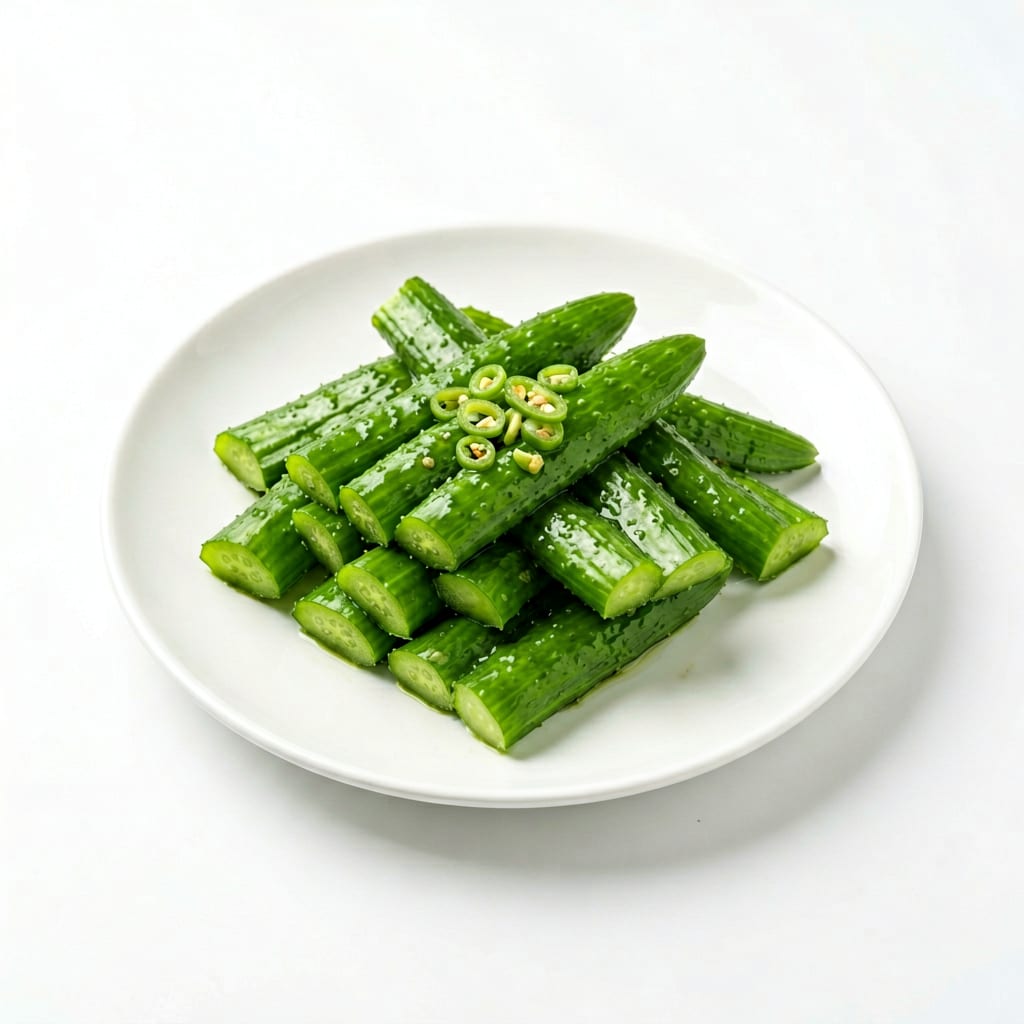
Snake Gourd
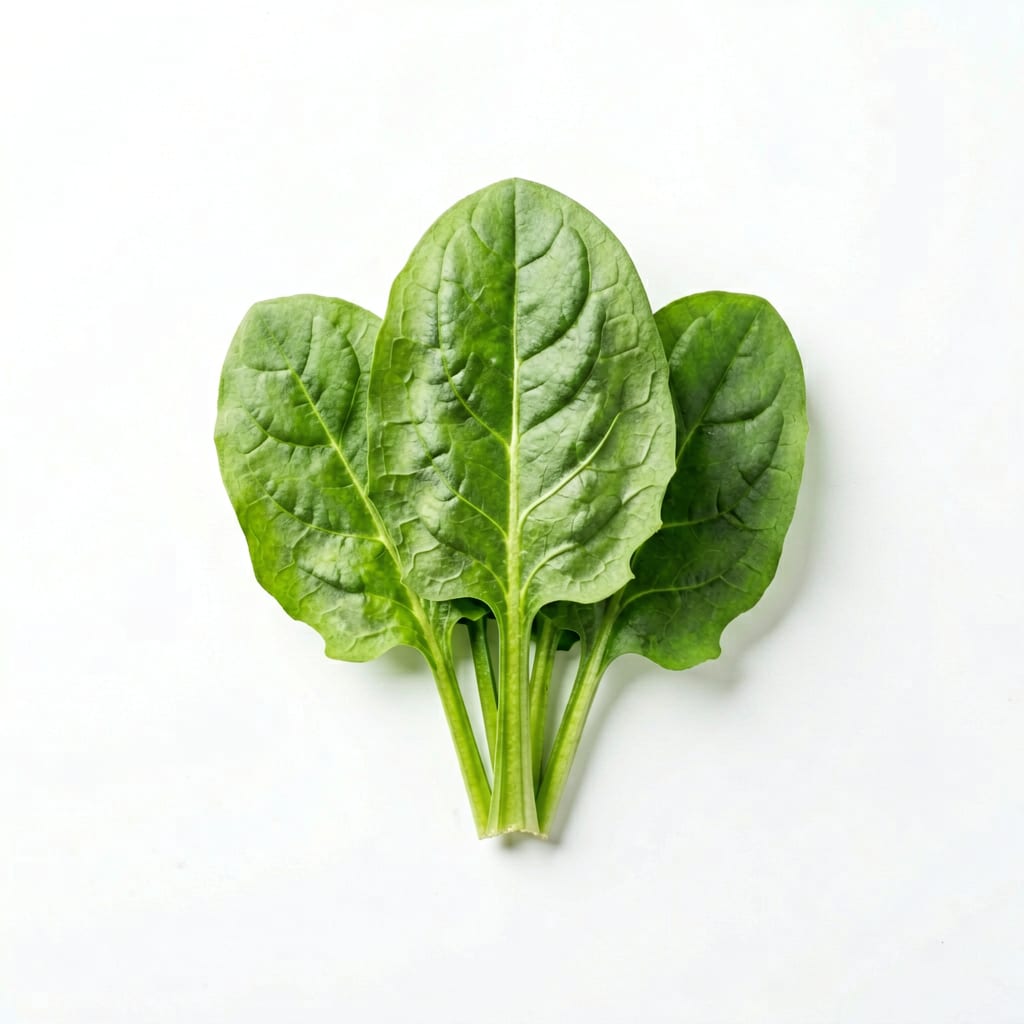
Spinach
Spinach delivers far more vitamins and antioxidants per bite, but snake gourd is the gentler, safer choice for kidney health and sensitive stomachs.
Spinach scores significantly higher due to its exceptional nutrient density and proven health benefits. Snake gourd remains valuable for specific populations but offers less overall nutritional impact per serving.
Nutritional firepower versus digestive and renal safety. Spinach loads you with nutrients but comes with oxalate baggage; snake gourd is milder and safer but less nutritionally impressive.
At a glance
Executive summary
Overall
Spinach
Healthier
Spinach
More practical
Spinach
Daily use
It depends
Key comparison lenses
nutrient density comparison
Spinach is famously nutrient-dense while snake gourd is lighter and more hydrating, making this the core tradeoff
mineral bioavailability
Spinach contains oxalates that block calcium and iron absorption, while snake gourd lacks this interference
kidney stone risk
Oxalate content in spinach is a real concern for susceptible individuals, making snake gourd the safer option
digestive gentleness
Snake gourd is traditionally used for digestive soothing, while spinach can cause discomfort for some
everyday accessibility
Spinach is globally available year-round while snake gourd requires specialty stores in most regions
Best choice for
Snake Gourd
- People prone to kidney stones
- Those with oxalate sensitivity
- Anyone with iron absorption concerns who still wants greens
- People seeking a cooling, gentle vegetable for digestive upset
Spinach
- Anyone needing maximum nutrition per calorie
- People focused on eye health and vision protection
- Those wanting versatile greens for multiple cuisines
- Pregnant women needing folate
Least suitable for
Snake Gourd
- Those seeking maximum vitamin density
- People without access to specialty or Asian grocery stores
- Anyone wanting raw salad greens
Spinach
- People with a history of calcium oxalate kidney stones
- Those with severe iron absorption issues
- Anyone on blood thinners who must limit vitamin K
Deep comparison
Dimension by dimension
Each lens scores both foods and breaks down who each option suits.
- Dimension 1 · Priority 94Spinach
vitamin_density
Snake Gourd · 35Spinach · 92Spinach is a vitamin powerhouse with massive amounts of vitamin K, A, and folate. Snake gourd provides modest amounts of vitamin C and some B vitamins but cannot compete.
Tradeoff
You get dramatically more vitamins with spinach, but the oxalates in spinach reduce how much calcium your body actually absorbs from it.
Why it matters
Vitamin K and folate are hard to get in sufficient quantities from most foods. Spinach makes this easy; snake gourd does not.
Real-world impact
A single cup of cooked spinach covers over 100% of your daily vitamin K needs. Snake gourd would require many servings to match even a fraction of that.
Snake Gourd
- Getting gentle hydration with modest vitamin support
Better for
- Relying on it as a primary vitamin source
Worse for
Spinach
- Meeting daily vitamin K and A requirements easily
- Supporting bone density through vitamin K
- Boosting folate intake during pregnancy
Better for
- Those who must restrict vitamin K due to blood thinners
Worse for
- Dimension 2 · Priority 85Snake Gourd
mineral_bioavailability
Snake Gourd · 72Spinach · 48Snake gourd provides minerals your body can actually absorb. Spinach contains plenty of iron and calcium, but oxalates bind them and block absorption significantly.
Tradeoff
Spinach has more total minerals on paper, but you absorb far less. Snake gourd has fewer minerals but delivers a higher percentage of what it contains.
Why it matters
Eating iron-rich food that your body cannot absorb is misleading. Bioavailability matters more than label numbers.
Real-world impact
Only about 5% of the iron in spinach gets absorbed. Pairing spinach with vitamin C helps, but snake gourd avoids this problem entirely.
Snake Gourd
- Anyone with iron deficiency wanting absorbable minerals
- People who want straightforward mineral nutrition without pairing strategies
Better for
- Getting large total mineral quantities
Worse for
Spinach
- Situations where you pair spinach with vitamin C foods to boost absorption
Better for
- Relying on spinach alone for iron or calcium needs
Worse for
- Dimension 3 · Priority 80Snake Gourd
kidney_stone_safety
Snake Gourd · 95Spinach · 30Snake gourd is extremely safe for kidney health. Spinach is one of the highest-oxalate foods commonly eaten and a known trigger for calcium oxalate stones.
Tradeoff
If you have ever had a kidney stone, spinach is a genuine risk food. Snake gourd lets you eat greens without worry.
Why it matters
Kidney stones are excruciating and recurrent. Dietary oxalate reduction is a primary prevention strategy.
Real-world impact
A single serving of spinach can contain 750mg of oxalates. Most urologists advise stone-formers to stay under 100mg per day total.
Snake Gourd
- Anyone with a kidney stone history
- People following a low-oxalate diet
- Those wanting worry-free daily greens
Better for
- No real downside here for kidney health
Worse for
Spinach
- People with no kidney stone risk who want maximum nutrients
Better for
- Stone-formers who eat spinach regularly
- Anyone with oxalate sensitivity
Worse for
- Dimension 4 · Priority 76Spinach
antioxidant_diversity
Snake Gourd · 45Spinach · 90Spinach contains lutein, zeaxanthin, quercetin, and kaempferol. Snake gourd has some antioxidants but a much narrower profile with less research backing.
Tradeoff
Spinach offers proven eye-protective antioxidants that snake gourd simply cannot match. The tradeoff is again the oxalate content that comes packaged with these compounds.
Why it matters
Lutein and zeaxanthin specifically protect the retina and are hard to find in most foods. Spinach is a top source.
Real-world impact
Regular spinach consumption is linked to lower risk of age-related macular degeneration. Snake gourd has no equivalent evidence.
Snake Gourd
- Getting mild antioxidant support without oxalate exposure
Better for
- Those specifically seeking lutein and zeaxanthin
Worse for
Spinach
- Protecting long-term eye health
- Reducing oxidative stress with well-studied compounds
Better for
- No real antioxidant downside, only oxalate concerns
Worse for
- Dimension 5 · Priority 72Snake Gourd
digestive_tolerance
Snake Gourd · 88Spinach · 55Snake gourd is traditionally used to soothe digestion and is gentle on the stomach. Spinach can cause bloating or discomfort, especially raw or in large amounts.
Tradeoff
If your gut is sensitive, snake gourd feels light and comforting. Spinach may cause gas, especially if you have trouble with fibrous greens.
Why it matters
A food that causes discomfort will not be eaten consistently, no matter how nutritious it is.
Real-world impact
Snake gourd is often recommended in Ayurvedic traditions for people with weak digestion or recovering from illness. Spinach is more likely to cause post-meal bloating.
Snake Gourd
- Recovering from stomach illness
- Having a sensitive or irritable digestive system
- Needing a light vegetable during hot weather
Better for
- Wanting a fiber-dense food for promoting fullness
Worse for
Spinach
- Those with robust digestion who tolerate greens well
Better for
- Anyone with IBS or raw greens intolerance
Worse for
- Dimension 6 · Priority 65Spinach
availability_and_versatility
Snake Gourd · 30Spinach · 92Spinach is available in nearly every grocery store worldwide and works in salads, smoothies, soups, and stir-fries. Snake gourd requires specialty stores and has limited culinary applications outside South Asian cuisine.
Tradeoff
Spinach fits into almost any meal effortlessly. Snake gourd requires more effort to find and learn to cook.
Why it matters
The healthiest food is the one you actually eat regularly. Accessibility drives consistency.
Real-world impact
You can grab spinach anywhere, toss it into anything, and eat it raw or cooked. Snake gourd demands a trip to an Asian market and specific recipe knowledge.
Snake Gourd
- Cooking traditional South or Southeast Asian dishes
- Exploring new vegetables with specific recipes in mind
Better for
- Spontaneous cooking without specialty ingredients
Worse for
Spinach
- Quick weeknight meals
- Smoothies and salads
- Meal prep with minimal planning
Better for
- Rarely a downside for availability
Worse for
- Dimension 7 · Priority 58Snake Gourd
hydration_and_lightness
Snake Gourd · 90Spinach · 60Snake gourd has extremely high water content and feels very light when eaten. Spinach also hydrates but is denser and more filling when cooked.
Tradeoff
Snake gourd is perfect when you want something refreshing and barely-there. Spinach is better when you want substance and satisfaction from your greens.
Why it matters
In hot climates or after illness, a light hydrating vegetable can be more appealing than nutrient-dense but heavier greens.
Real-world impact
Snake gourd dishes feel like eating water with mild flavor. This is either exactly what you want or deeply unsatisfying depending on your appetite.
Snake Gourd
- Hot summer meals
- Recovery from illness when appetite is low
- Light dinners before bed
Better for
- When you need your vegetables to actually fill you up
Worse for
Spinach
- Meals where greens should contribute substance and satisfaction
- Post-workout nutrition
Better for
- Very hot days when heavy food feels unappealing
Worse for
Timeline
Health impact over time
Short-term
Hours to days
Snake Gourd
- Gentle hydration after eating
- Mild digestive soothing and regularity
- Very low risk of any adverse reaction
Spinach
- Noticeable nutrient boost after a single serving
- Possible bloating if eaten raw in large amounts
- Immediate contribution to daily vitamin K and folate needs
Long-term
Months to years
Snake Gourd
- Consistent gentle fiber support for regularity
- Kidney-safe daily green vegetable option
- Modest but reliable mineral absorption over time
Spinach
- Significant protection against age-related eye degeneration
- Reduced inflammation markers with regular consumption
- Potential kidney stone risk if consumed excessively by susceptible individuals
- Improved bone density through consistent vitamin K intake
Risk profile
Safety & processing
Both vegetables are whole foods typically eaten in their natural state. Neither carries processing concerns. The main difference is that spinach is more likely to be found pre-washed in bags, which involves minimal handling but no additives.
Snake Gourd
Pesticide residue
mediumSnake gourd is often grown with pesticide use in commercial farming. Washing thoroughly is important, but it is not typically flagged as a high-residue crop.
Contamination from handling
lowAs with any fresh produce, improper handling at markets can introduce bacteria. Cooking eliminates most risk.
Spinach
Oxalate accumulation
highSpinach is one of the highest dietary oxalate sources. Regular large servings can contribute to kidney stone formation in vulnerable people.
Pesticide residue
mediumSpinach consistently appears on the Environmental Working Group's Dirty Dozen list for high pesticide residue. Organic options are strongly recommended.
Bacterial contamination in pre-washed bags
mediumRecalls of bagged spinach due to E. coli and listeria have occurred multiple times. Pre-washed does not mean contamination-free.
Who wins for whom
Audience fit
Same foods, different winners depending on your goal.
children
SpinachSpinach provides critical nutrients for growing bodies including folate, iron, and vitamin A. Its versatility in smoothies and pasta dishes makes it easier to sneak into meals.
daily consumption
It dependsFor most healthy adults, spinach daily is fine and beneficial. For anyone with kidney stone history or oxalate sensitivity, snake gourd is the safer daily green.
diabetes
SpinachSpinach has more fiber and magnesium, both linked to better blood sugar regulation. Its very low glycemic impact and higher nutrient density make it slightly more protective.
elderly
It dependsSpinach is better for bone density and eye health, but snake gourd is safer for elderly individuals with kidney issues or fragile digestion. The choice depends on specific health concerns.
muscle gain
SpinachNeither vegetable is a significant protein source, but spinach provides more magnesium and nitrates which support exercise performance and recovery.
weight loss
SpinachSpinach provides more nutrients per calorie and more fiber for satiety, making it easier to stay nourished while cutting calories.
Your move
Decision guide
Choose Snake Gourd
- You have a history of kidney stones or are on a low-oxalate diet
- You struggle with digesting heavier greens and want something gentle
- You are cooking South Asian dishes where snake gourd is traditional
- You want a cooling, hydrating vegetable for hot weather
Choose Spinach
- You want maximum nutrition per serving with no specific health restrictions
- Eye health and long-term vision protection are priorities
- You need a versatile green that works in everything from smoothies to stir-fries
- You are pregnant or trying to conceive and need folate
Either works if
- You simply want more vegetables in your diet and enjoy both
- You are rotating greens for dietary variety, which is ideal
Avoid both if
- You are on a strict vitamin K restriction due to blood-thinning medication and have not consulted your doctor about green vegetable intake
Final recommendation
Eat spinach as your primary green for its unmatched nutrient density, but rotate in snake gourd if you have kidney concerns, digestive sensitivity, or want variety. The ideal approach is alternating between both rather than choosing only one. If kidney stones are a personal or family concern, make snake gourd your default and treat spinach as an occasional food.
Practical
Consumer tips
- 1
Buy organic spinach whenever possible due to its high pesticide residue rankings
- 2
Pair spinach with vitamin C foods like lemon juice or tomatoes to significantly improve iron absorption
- 3
If you have kidney stone risk but want spinach nutrients, boiling spinach and discarding the water can reduce oxalate content by up to 87%
- 4
Snake gourd is best found at Asian grocery stores; look for firm, pale green specimens without soft spots
- 5
Both vegetables lose nutrients with prolonged storage. Use within 3-4 days of purchase for maximum benefit.
- 6
Snake gourd pairs well with coconut, cumin, and mild spices. It does not work well raw in salads.
- 7
For smoothies, spinach blends seamlessly while snake gourd is not a suitable raw addition