
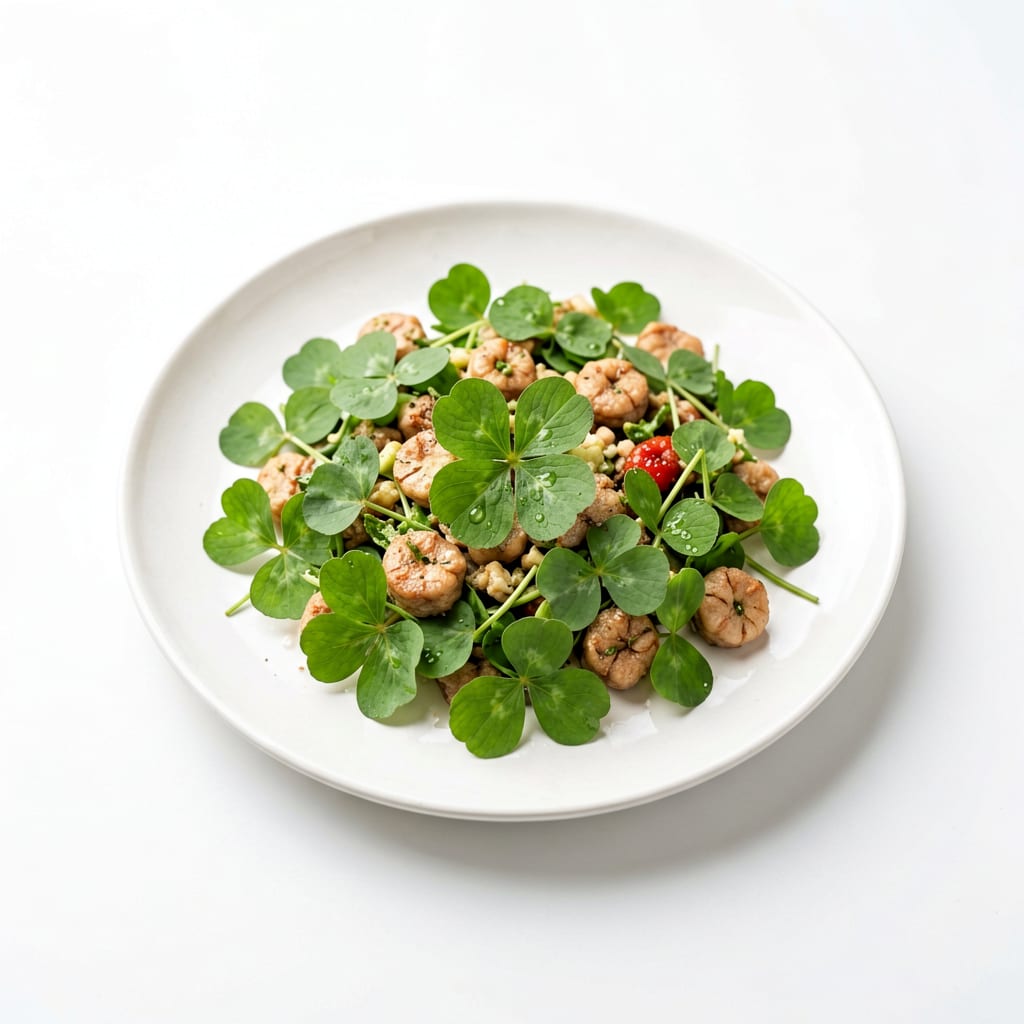
Leafy Green Vegetable / Medicinal Herb
Shepherd's Purse
Shepherd's purse is a wild, edible leafy green from the mustard family known for its distinct heart-shaped seed pods and medicinal properties.
Shepherd's purse is a common annual weed in the mustard family, often foraged as a leafy green or used in traditional medicine for its hemostatic properties.
low-calorie foraged green with medicinal properties
Typical serving · 30g
Common varieties · Capsella bursa-pastoris (common), Capsella rubella (pink shepherd's purse)
Overall context score across nutrition, safety, and diet fit
At a glance
Quick facts
Simple indicators based on nutrition, processing, and diet fit.
The story
What makes it unique
Shepherd's purse is a fast-digesting, low-calorie leafy green rich in vitamins K and C, flavonoids, and choline. Its bitter compounds stimulate digestion, while its low energy density and high water content promote satiety. Typically consumed fresh or dried, it is minimally processed.
Varieties: Capsella bursa-pastoris (common) · Capsella rubella (pink shepherd's purse)
Per 100g
Nutrition breakdown
Macro balance and key metrics at a glance.
Energy
Density 0.43 kcal/g
Protein
Carbs
Fat
Fiber
Sugar
1.5 g
Sodium
40 mg
Potassium
340 mg
Glycemic index
15
Glycemic load
1
Water content
86%
Standout compounds
Nutrient highlights
Vitamin K
highEssential for blood clotting and bone metabolism.
Vitamin C
moderateSupports immune function and acts as an antioxidant.
Flavonoids
moderateProvide antioxidant and anti-inflammatory effects.
Dietary Fiber
moderatePromotes digestive regularity and gut health.
Wellness map
Health scores & processing
NOVA processing scale
Minimally processed · Whole food
Typically consumed fresh, foraged, or dried for teas. No industrial processing involved when eaten as a whole food.
Diet compatibility
- Weight loss
- Muscle gain
- Diabetes
- Gut health
- Low carb
- High protein
- Heart health
Relative standing
Food rankings
Qualitative ranks compared to similar whole foods.
- Satietygood
- Blood sugarexcellent
- Nutrient densitygood
- Fitness fuelpoor
- Processing qualityexcellent
Eat with confidence
Food safety profile
Safe for general consumption in moderate amounts, but should not be eaten by pregnant women due to uterine-stimulating effects. Foragers must be careful to avoid polluted soils and correctly identify the plant to avoid toxic look-alikes.
Evidence confidence 75%
- Pesticideslow
- Antibioticslow
- Heavy metalsmoderate
- Contaminationmoderate
Watch for
- soil heavy metals
- vehicle exhaust pollutants
- parasites
Safer choices
Organically cultivated leafy greens like spinach or arugula if foraging safety is a concern.
Prep tips
Wash thoroughly under running water to remove soil and potential parasites. Avoid foraging near roadsides or industrial areas.
Not commonly regulated as a commercial food crop; primarily foraged. Contains compounds that stimulate uterine contractions.
Deep dive
Health analysis
How this food may fit different goals and preparation choices.
Weight loss
Extremely low energy density and high water content allow for large portion sizes with minimal calories, promoting fullness.
Blood sugar
Very low glycemic index and load. The fiber content slows glucose absorption, making it safe for blood sugar management.
Fitness & energy
Not a significant source of macronutrient fuel for exercise, but provides micronutrient support for overall metabolic function.
Gut health
Bitter compounds stimulate digestive enzymes and bile flow, while dietary fiber supports healthy bowel movements and gut microbiota.
Processing quality
Whole, unprocessed plant food retaining all natural micronutrients and phytochemicals.
Food safety
Primary risks stem from foraging in contaminated soils and misidentification. Contains uterine stimulants, posing a risk during pregnancy.
Common mistakes
Foraging near polluted areas or confusing it with toxic weeds. Consuming it during pregnancy or while taking blood-clotting medications without medical supervision.
Best preparation
Eaten raw in salads for maximum vitamin retention, lightly sautéed, or brewed as a medicinal tea.
Practical guide
Best use cases
When and how this food fits real eating patterns.
Foraged salad green
Adds a peppery, bitter kick to mixed green salads when young leaves are harvested.
Traditional herbal tea
Dried leaves can be brewed into a tea for medicinal purposes, particularly for menstrual support.
High-volume low-calorie eating
Large portions can be consumed with minimal caloric impact due to high water and low energy density.
Balance sheet
Pros & cons
Upsides
- Very low in calories and carbohydrates
- Rich in vitamin K for bone and blood health
- Bitter compounds aid digestion
- Free and abundant if safely foraged
- Low glycemic impact
Trade-offs
- Unsafe for pregnant women due to uterine stimulation
- Risk of misidentification when foraging
- Can accumulate heavy metals from polluted soil
- Bitter taste may not appeal to everyone
- Not widely available in grocery stores
Fit check
Who is it for?
Great match
- foraging enthusiasts
- low-carb diets
- blood sugar management
- high-volume low-calorie eating
Consider alternatives
- pregnant women
- people on blood thinners without medical advice
- those seeking high-protein foods
- urban foraging in high-traffic areas
Side by side
How it compares
Open the full head-to-head analysis for nutrition, safety, and practical tradeoffs.
This food
Shepherd's Purse
VS95% alike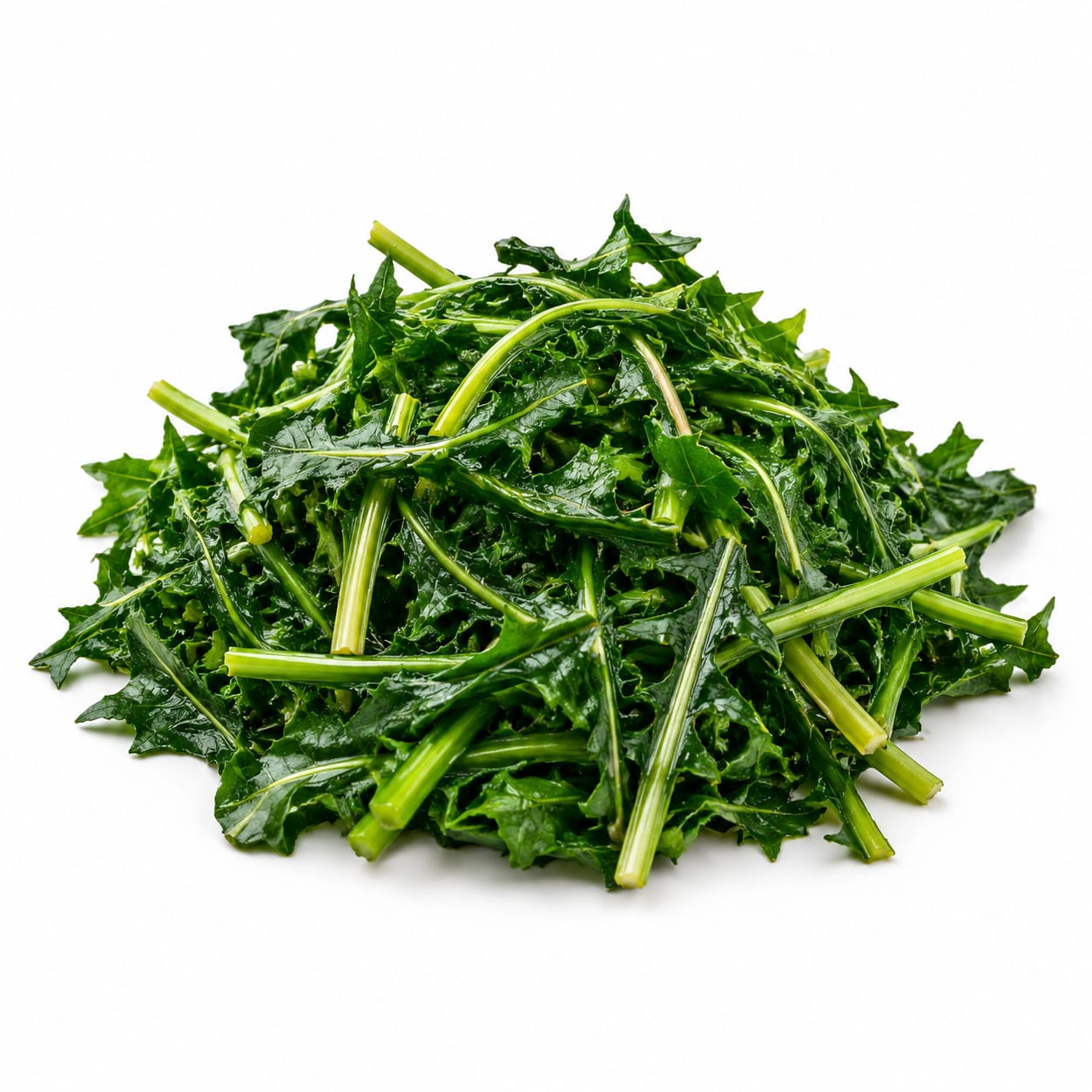
Compare with
Dandelion Greens
Dandelion greens are more diuretic, while shepherd's purse is known for hemostatic properties. Both are highly nutritious, low-calorie wild greens.
Dandelion greens and shepherd's purse are both low-calorie foraged greens, but dandelion acts as a diuretic while shepherd's purse is traditionally used to stop bleeding.
This food
Shepherd's Purse
VS85% alike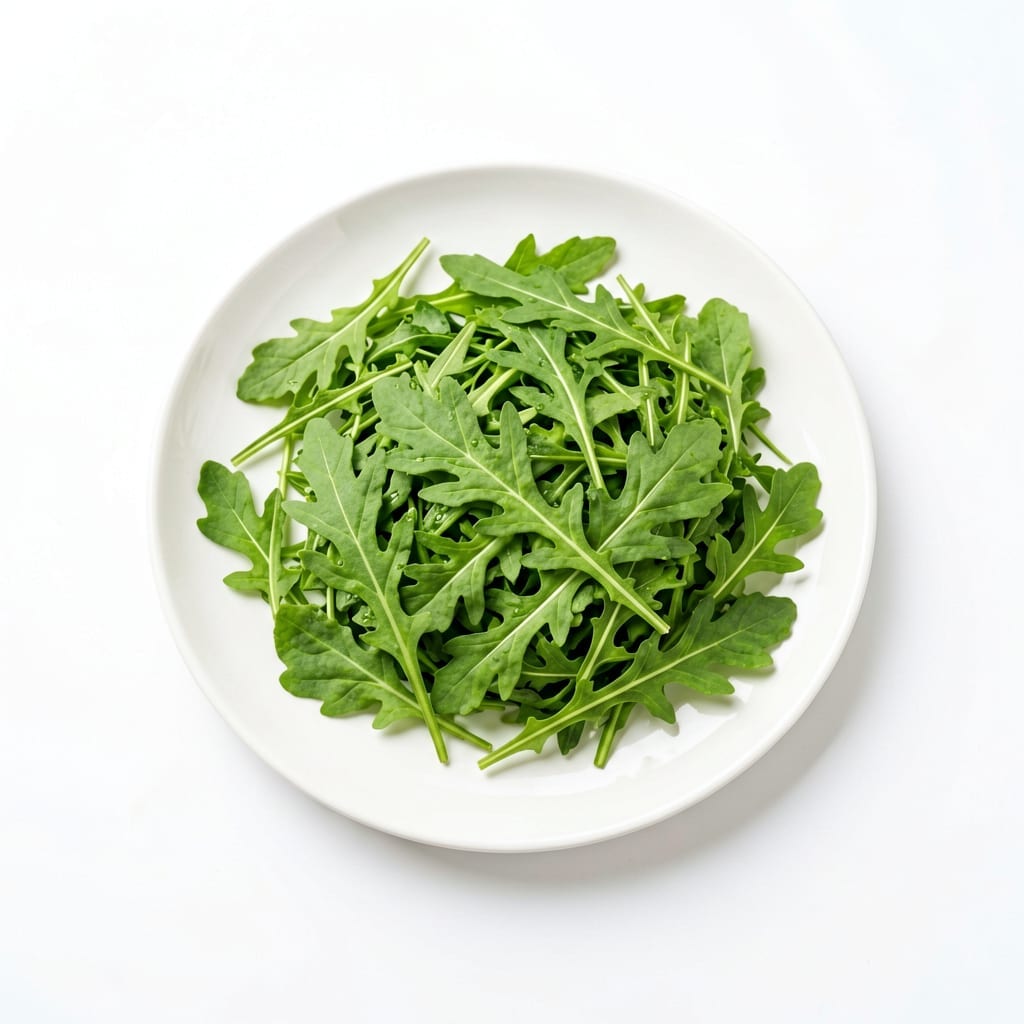
Compare with
Arugula
Arugula is milder and widely available commercially, whereas shepherd's purse is more bitter and usually foraged.
Arugula offers a similar peppery flavor to shepherd's purse but is easier to find in stores and milder in taste.
This food
Shepherd's Purse
VS80% alike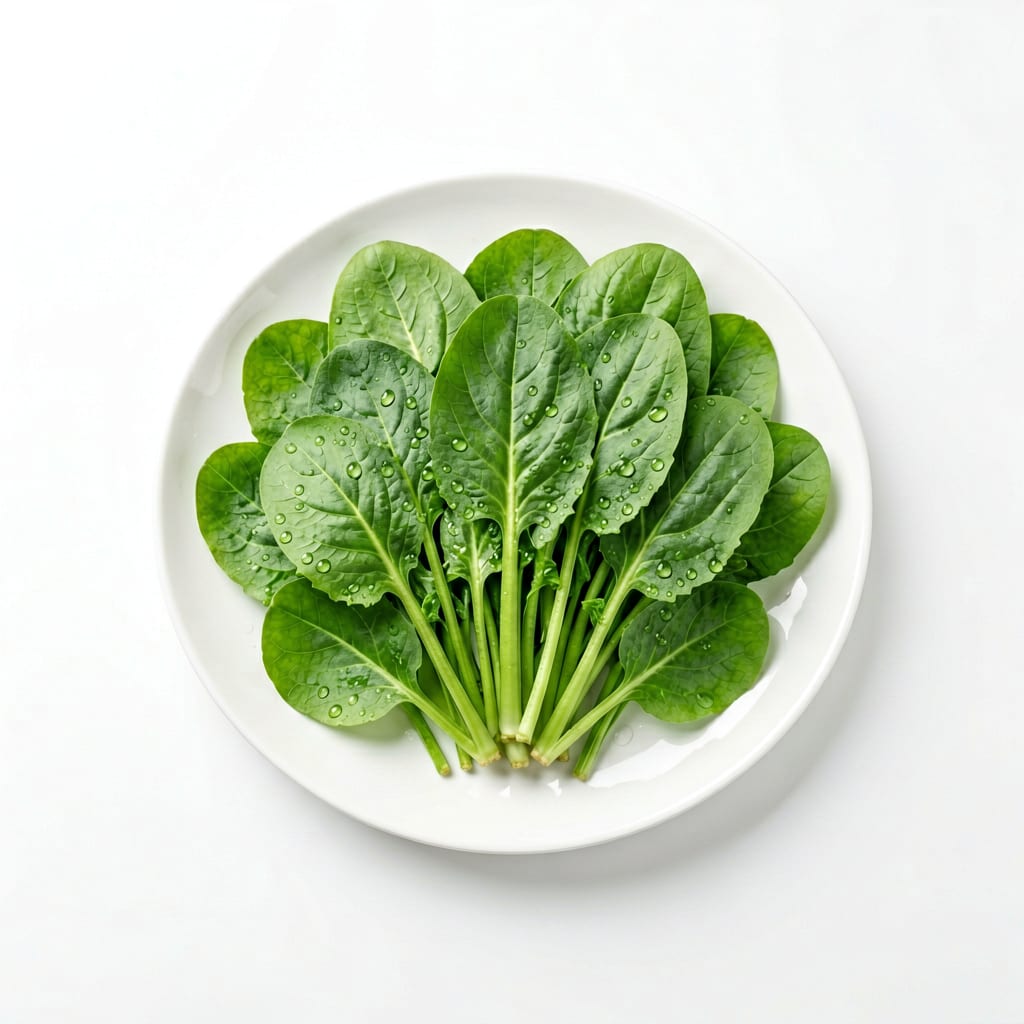
Compare with
Watercress
Watercress is slightly higher in vitamin C and commercially cultivated, making it safer and more accessible than foraged shepherd's purse.
Watercress provides a similar peppery bite to shepherd's purse but is commercially available and slightly richer in certain antioxidants.
This food
Shepherd's Purse
VS75% alike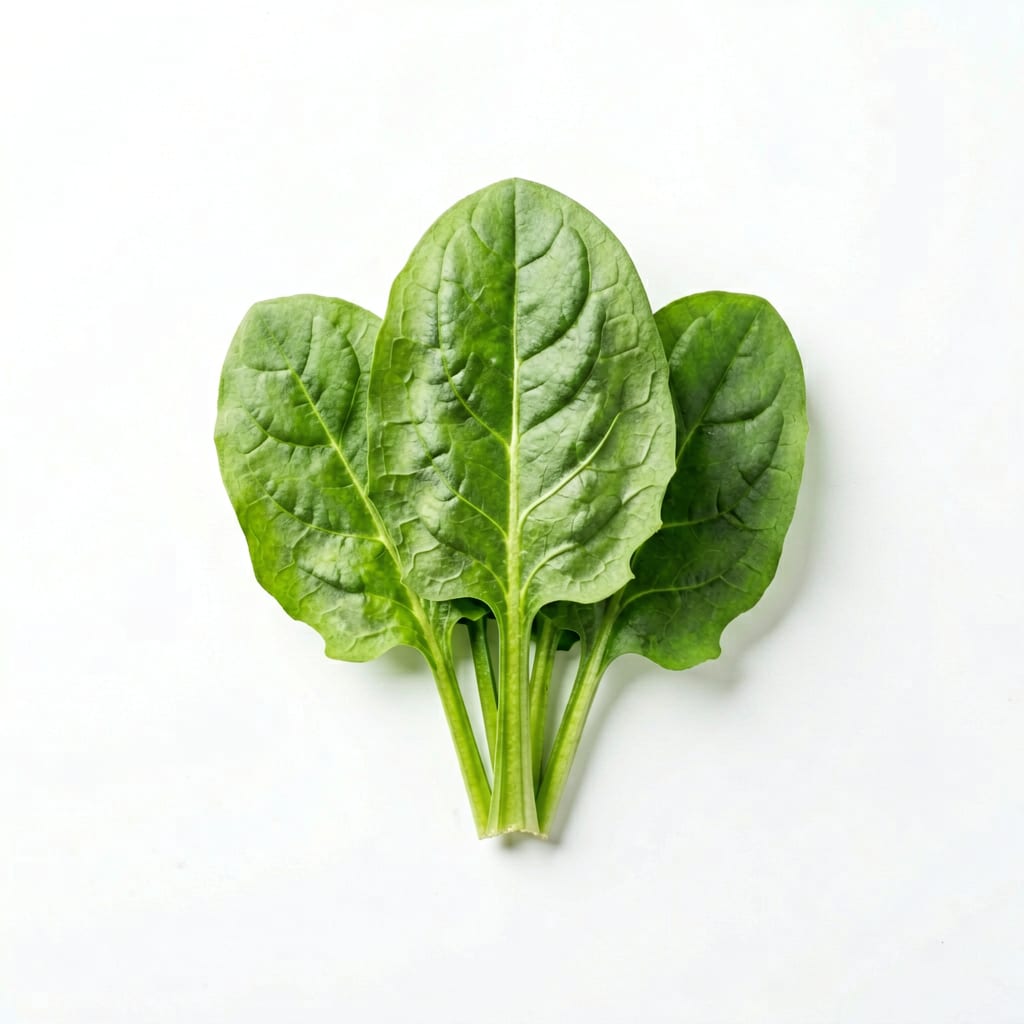
Compare with
Spinach
Spinach is milder, more versatile, and higher in folate and iron, while shepherd's purse is distinctly bitter and primarily foraged.
Spinach is milder and more versatile for cooking than shepherd's purse, offering higher iron and folate content.
This food
Shepherd's Purse
VS75% alike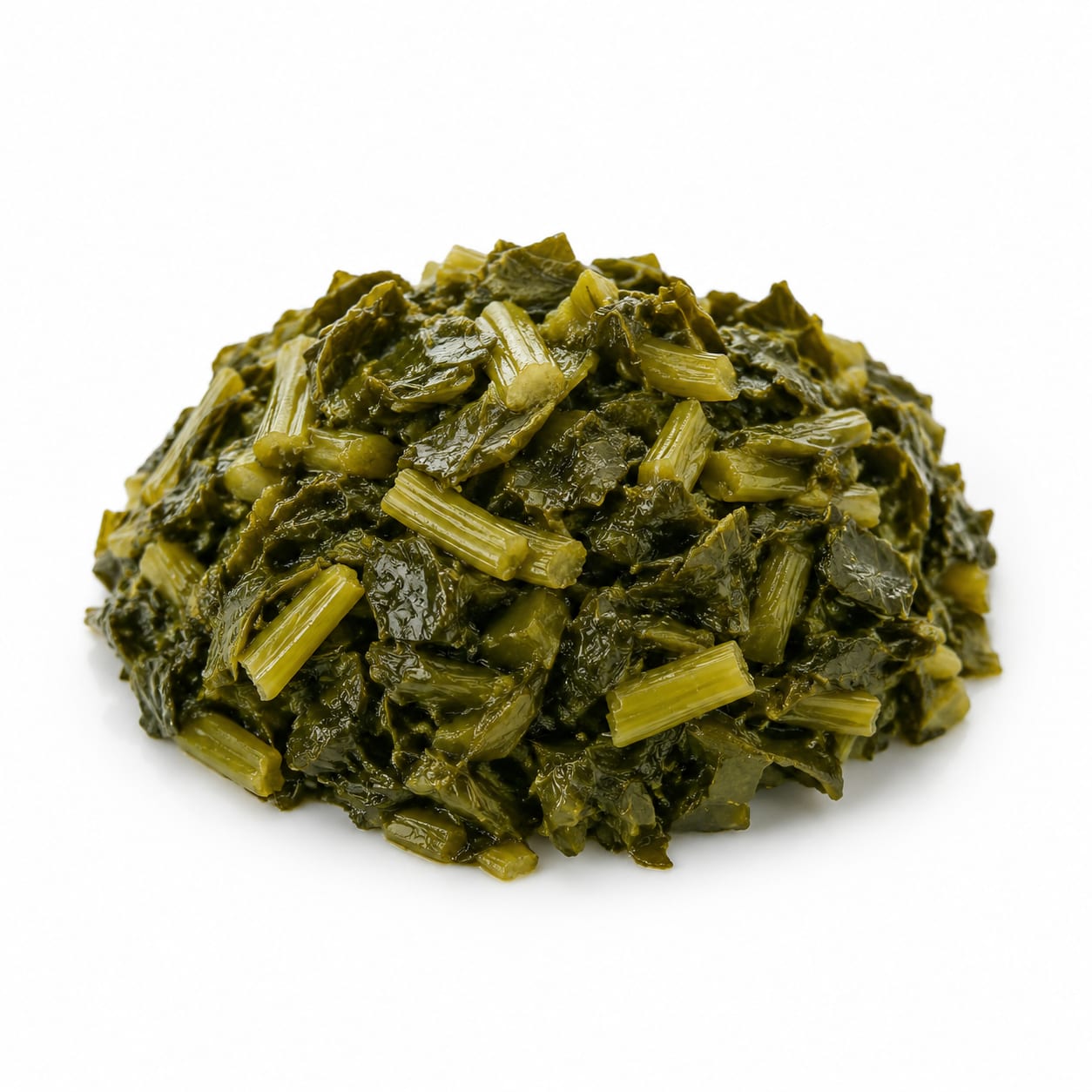
Compare with
Mustard Greens
Mustard greens are larger, more common in cooking, and have a stronger horseradish-like heat compared to the peppery bitterness of shepherd's purse.
Mustard greens offer a spicier kick and larger leaves for cooking compared to the thinner, more bitter shepherd's purse.
This food
Shepherd's Purse
VS70% alike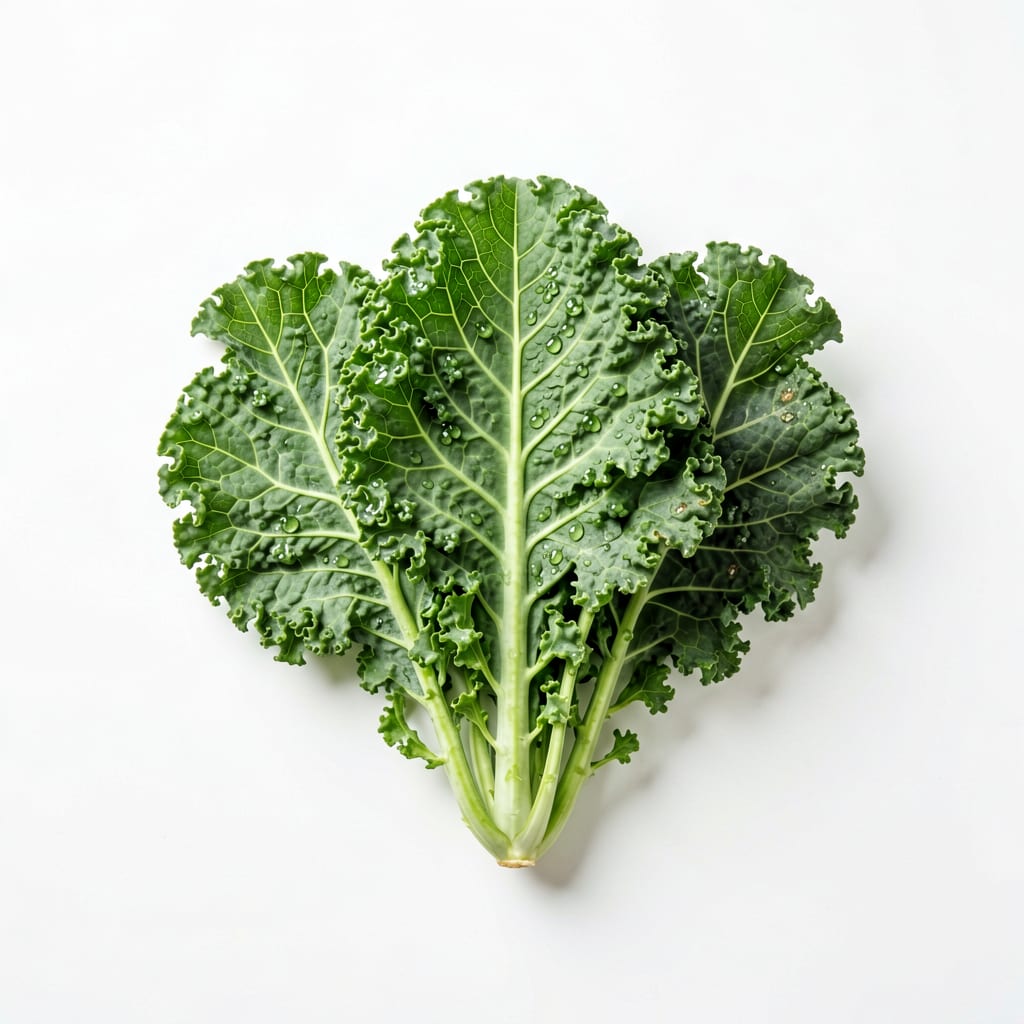
Compare with
Kale
Kale is denser in fiber and vitamins per calorie, while shepherd's purse offers unique medicinal compounds but lower overall macronutrient volume.
Kale is higher in fiber and more filling, while shepherd's purse is lower in calories and offers unique medicinal properties.
This food
Shepherd's Purse
VS70% alike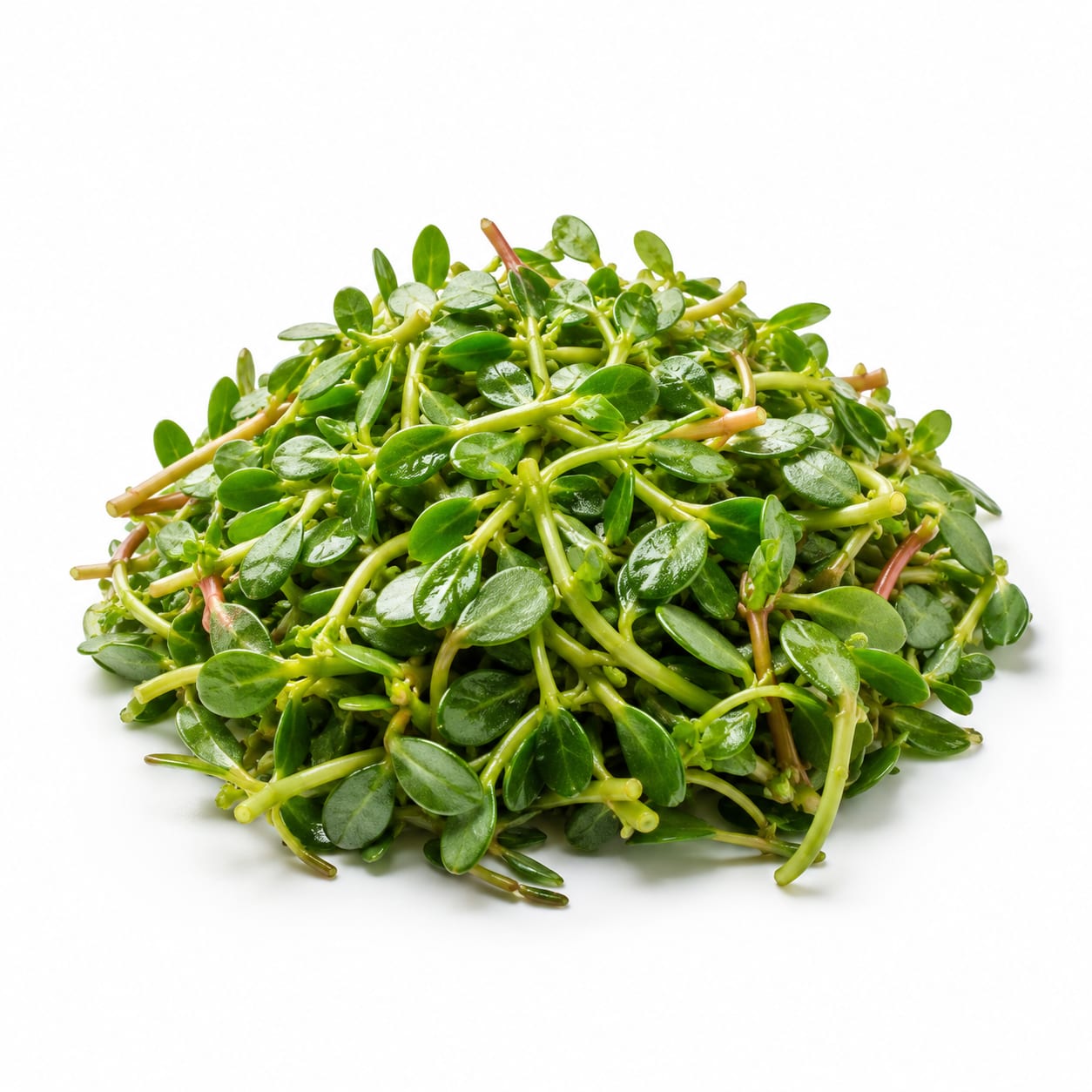
Compare with
Purslane
Purslane is succulent with a lemony flavor and high omega-3 content, whereas shepherd's purse is thin, peppery, and high in vitamin K.
Purslane provides omega-3s and a lemony crunch, while shepherd's purse offers a peppery flavor and higher vitamin K.
This food
Shepherd's Purse
VS65% alike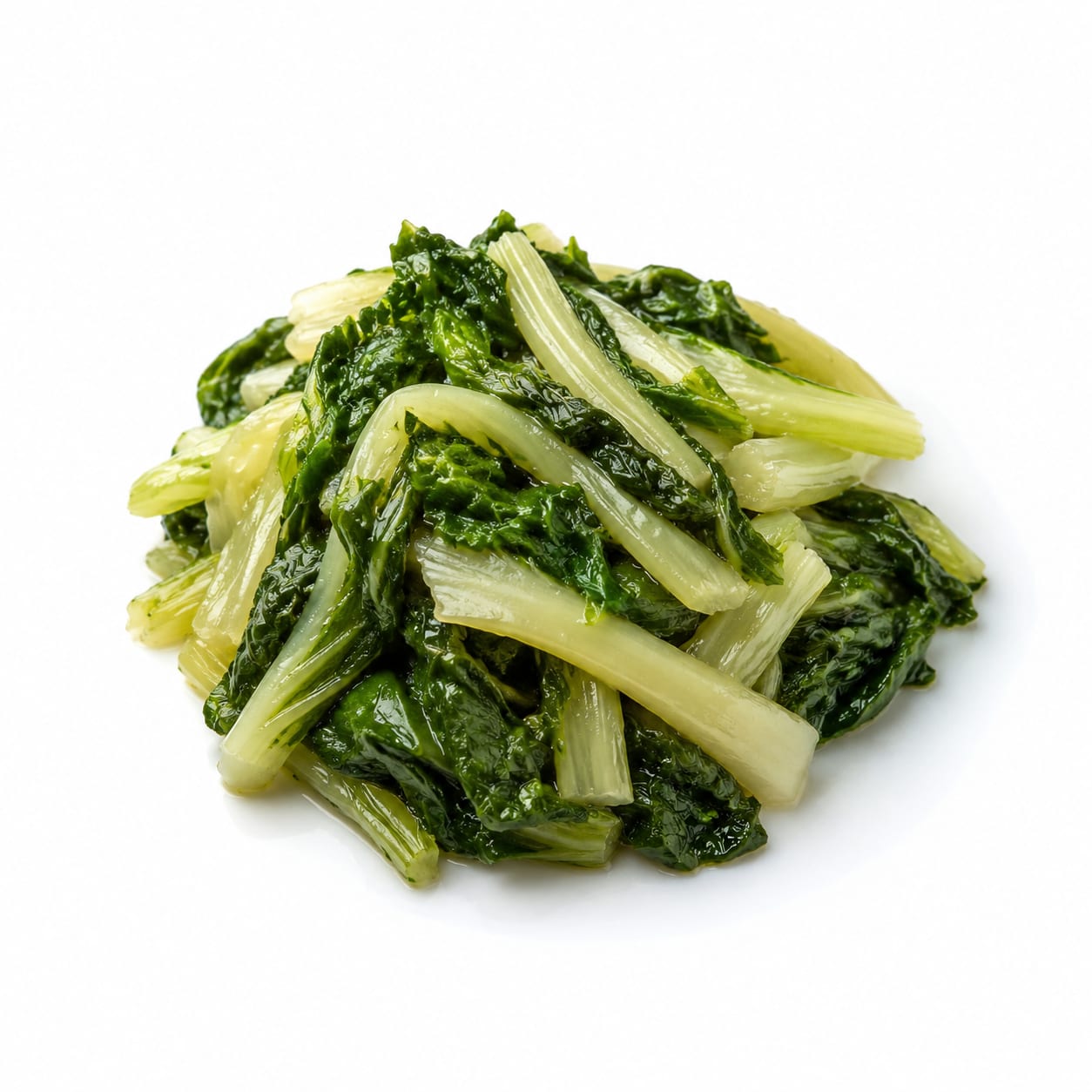
Compare with
Chicory
Chicory is often cultivated for its roots (coffee substitute) and leaves, offering more dietary inulin, while shepherd's purse is valued for blood-related traditional remedies.
Chicory is higher in inulin fiber for gut health, whereas shepherd's purse is traditionally used for its hemostatic properties.
This food
Shepherd's Purse
VS60% alike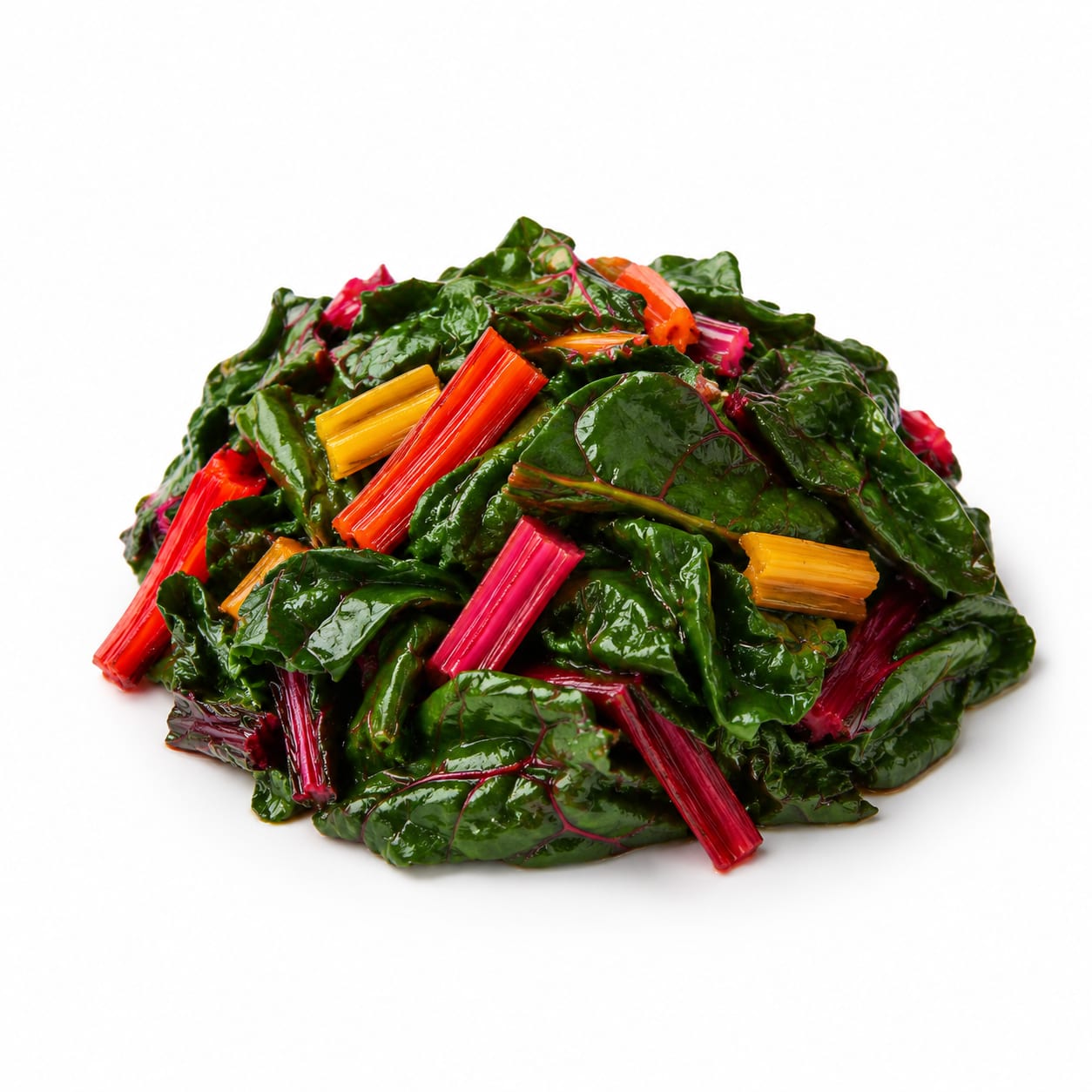
Compare with
Swiss Chard
Swiss chard offers larger, milder leaves suitable for cooking wraps, while shepherd's purse is a delicate, strong-flavored foraged green.
Swiss chard is milder and better for cooked dishes, while shepherd's purse is a low-calorie foraged green with a stronger flavor.
This food
Shepherd's Purse
VS50% alike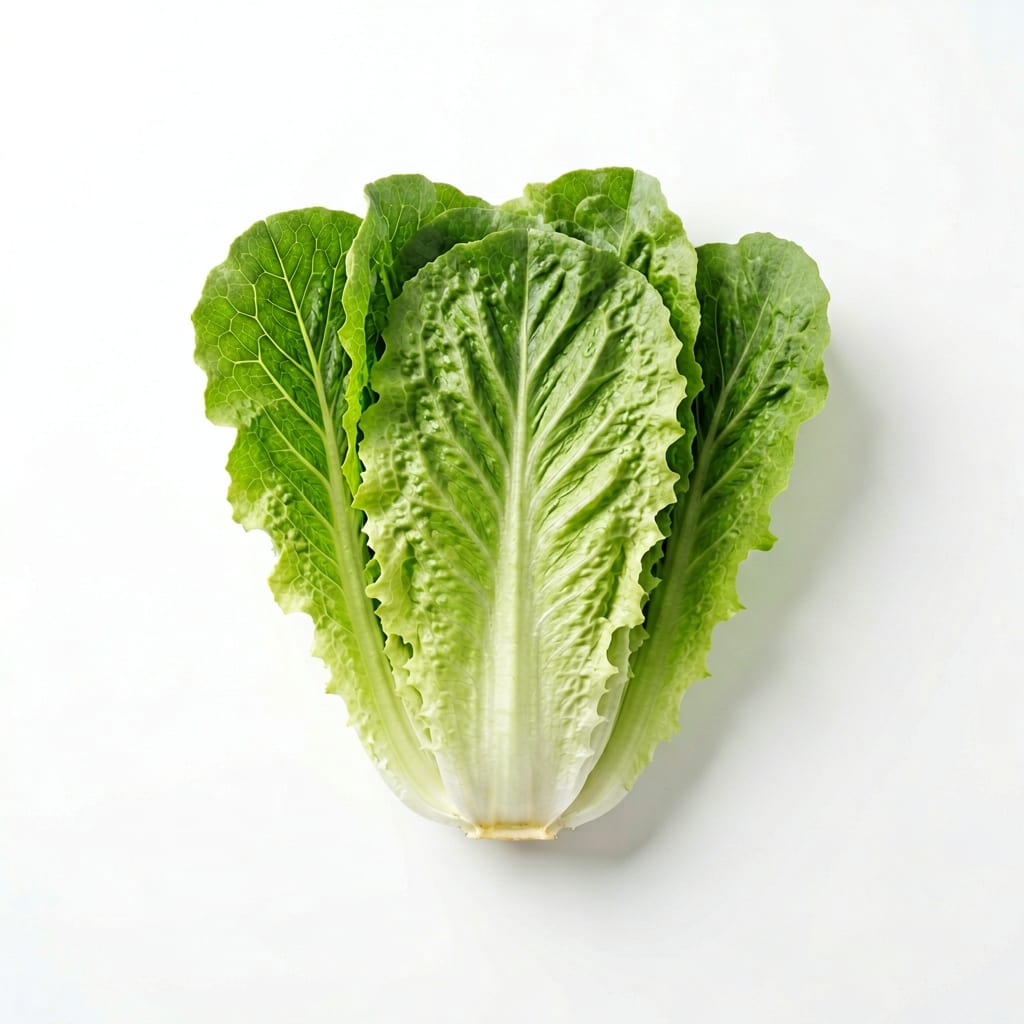
Compare with
Romaine Lettuce
Romaine is crisp, mild, and high in water volume, whereas shepherd's purse is thin, peppery, and significantly higher in vitamin K and bitter compounds.
Romaine is crisp and mild for salads, while shepherd's purse is a nutrient-dense, peppery green with far more vitamin K per calorie.
Common questions
FAQ
Answers aligned with how people search for this food.
Is shepherd's purse safe to eat?
Yes, for most people it is safe when properly identified and washed. However, it should be strictly avoided during pregnancy due to its uterine-stimulating properties.
Can you eat shepherd's purse raw?
Yes, young leaves can be eaten raw in salads. They have a peppery, slightly bitter flavor similar to arugula or mustard greens.
Is shepherd's purse safe during pregnancy?
No, shepherd's purse contains compounds that can stimulate uterine contractions and should be completely avoided during pregnancy.
What are the health benefits of shepherd's purse?
It is rich in vitamins K and C, supports digestion through bitter compounds, and has traditional use as a natural remedy to help stop bleeding.
How do you identify shepherd's purse?
It features a rosette of deeply lobed leaves at the base and distinct heart-shaped or triangular seed pods along the flowering stem.
What does shepherd's purse taste like?
It has a peppery, slightly bitter flavor that resembles arugula or watercress, becoming more bitter as the plant matures.
Does shepherd's purse stop bleeding?
Traditionally, it has been used in herbal medicine as a hemostatic agent to help stop bleeding, but it should not replace professional medical treatment for severe bleeding.
Is shepherd's purse a weed?
Yes, it is commonly considered a weed in gardens and lawns, but it is also a highly nutritious and medicinal wild green.
Transparency
Data confidence
Estimated confidence for nutrition data, interpretation, safety notes, and comparisons.
Nutrition data
Health analysis
Food safety
Comparisons