
Nutrition comparison
Shepherd's Purse vs Arugula: Safety, Nutrition, and Daily Use Compared
Comparing Shepherd's Purse and Arugula for nutrition, safety, and everyday use. Learn which peppery green is better for daily salads, which carries medicinal risks, and when to choose each one.
Overall winner · Arugula

Shepherd's Purse
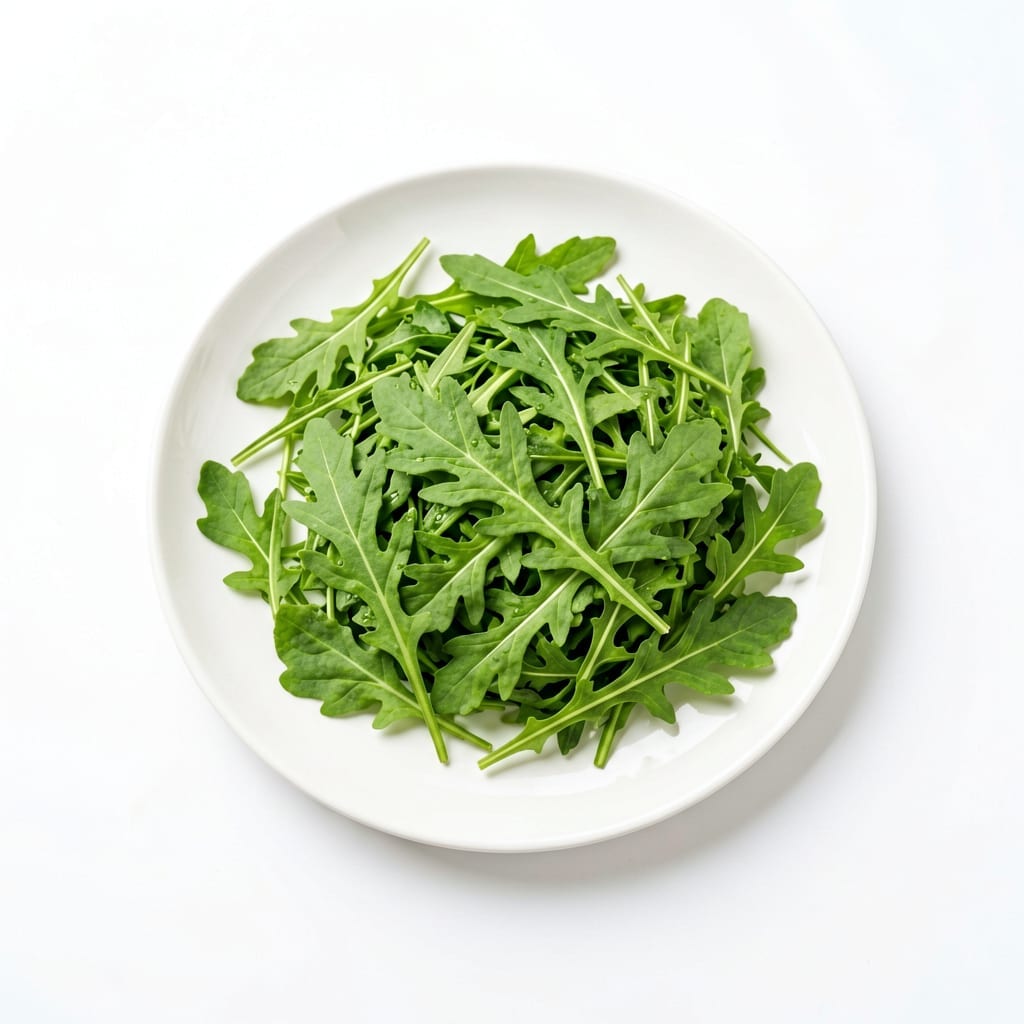
Arugula
Arugula is the safer, more practical choice for everyday eating, while Shepherd's Purse offers unique medicinal properties that come with real tradeoffs.
Arugula scores significantly higher due to superior safety profile, grocery accessibility, and established culinary use. Shepherd's Purse loses ground on daily-use safety concerns and limited availability, though it earns credit for unique medicinal value.
Shepherd's Purse delivers stronger medicinal effects especially for bleeding concerns, but Arugula wins on safety, availability, and carefree daily use.
At a glance
Executive summary
Overall
Arugula
Healthier
Arugula
More practical
Arugula
Daily use
Arugula
Key comparison lenses
safety for daily consumption
Shepherd's Purse contains hemostatic compounds that affect blood clotting, making daily use risky for certain people
practical availability
Arugula is a grocery store staple while Shepherd's Purse is primarily foraged or specialty-sourced
medicinal vs food balance
Shepherd's Purse straddles the line between herb and medicine, which changes how it should be consumed
nutritional density comparison
Both are cruciferous greens but differ significantly in vitamin K content and mineral profiles
culinary versatility
Users want to know which green integrates more easily into everyday meals
Best choice for
Shepherd's Purse
- People seeking natural support for heavy menstrual bleeding
- Those interested in traditional herbal remedies under professional guidance
- Foragers wanting to utilize wild-growing plants
- Individuals with mild bleeding concerns who want a food-based approach
Arugula
- Everyday salad eaters wanting a flavorful nutrient-dense green
- Anyone on blood-thinning medication who needs stable vitamin K intake
- Home cooks wanting a versatile peppery green for multiple dishes
- Families needing a safe, widely available leafy vegetable
Least suitable for
Shepherd's Purse
- People on anticoagulant medications like warfarin
- Pregnant women due to uterine-stimulating effects
- Children who need predictably safe everyday vegetables
- Anyone unfamiliar with proper foraging identification
Arugula
- People with severe oxalate sensitivity though levels are moderate
- Those who dislike peppery or bitter flavors in their greens
Deep comparison
Dimension by dimension
Each lens scores both foods and breaks down who each option suits.
- Dimension 1 · Priority 95Arugula
safety_and_daily_use
Shepherd's Purse · 40Arugula · 92Arugula is a well-established food with minimal safety concerns. Shepherd's Purse contains compounds that actively affect blood clotting and uterine function.
Tradeoff
Shepherd's Purse offers real hemostatic benefits but cannot be eaten carelessly like a normal vegetable.
Why it matters
Daily consumption of Shepherd's Purse could interfere with medications or create unexpected bleeding risks, especially before surgery.
Real-world impact
You can toss arugula into any meal without a second thought. Shepherd's Purse requires awareness of your medications, health conditions, and portion sizes.
Shepherd's Purse
- Short-term use for menstrual bleeding support
- Situational medicinal applications
Better for
- Carefree daily salads
- Anyone on blood thinners
Worse for
Arugula
- Unrestricted daily consumption
- Families with diverse medication profiles
- Post-surgical recovery eating
Better for
- Targeted bleeding support
Worse for
- Dimension 2 · Priority 78Arugula
nutritional_density
Shepherd's Purse · 65Arugula · 80Both greens punch above their weight nutritionally, but Arugula delivers more documented vitamins per serving, especially vitamin K and folate.
Tradeoff
Shepherd's Purse has notable flavonoid content and unique phytochemicals, but its nutritional profile is less studied and harder to quantify reliably.
Why it matters
When eating greens daily, consistent and well-documented nutrient delivery matters more than theoretical benefits from understudied compounds.
Real-world impact
A cup of arugula reliably contributes to your daily vitamin K, folate, and calcium needs. Shepherd's Purse likely helps too, but the data is murkier.
Shepherd's Purse
- Unique antioxidant compounds not found in common greens
- Traditional mineral-rich profiles from wild foraging
Better for
- Precise nutritional planning due to variable wild-harvested content
Worse for
Arugula
- Reliable vitamin K for bone and blood health
- Consistent folate intake
- Well-documented nitrate content for blood pressure support
Better for
- Novel phytochemical diversity
Worse for
- Dimension 3 · Priority 88Arugula
availability_and_convenience
Shepherd's Purse · 25Arugula · 95Arugula is available in nearly every grocery store year-round. Shepherd's Purse requires foraging knowledge, specialty suppliers, or home growing.
Tradeoff
Choosing Shepherd's Purse means committing effort to sourcing and identification, while Arugula is as easy as any standard produce item.
Why it matters
The best nutritious food is one you can actually obtain regularly. Exotic or foraged greens often get abandoned due to access friction.
Real-world impact
You can grab arugula during any weekly grocery run. Shepherd's Purse might require planning, research, or mail-order specialty sources.
Shepherd's Purse
- Free if you forage in uncontaminated areas
- Rewarding for gardening enthusiasts
Better for
- Busy professionals without foraging time
- Urban dwellers without foraging access
Worse for
Arugula
- Instant grocery availability
- No identification skills required
- Consistent quality and cleanliness standards
Better for
- Those who value self-sufficiency and wild food skills
Worse for
- Dimension 4 · Priority 70Arugula
culinary_versatility
Shepherd's Purse · 50Arugula · 82Arugula works in salads, pizzas, pestos, sandwiches, and cooked dishes. Shepherd's Purse is edible but has a more limited culinary tradition outside certain Asian cuisines.
Tradeoff
Shepherd's Purse can add interesting flavor to soups and dumplings, but it lacks the broad recipe compatibility that makes arugula a kitchen staple.
Why it matters
A green you enjoy cooking with gets eaten. One that sits in the fridge because you are unsure how to use it becomes food waste.
Real-world impact
Arugula pairs with almost anything from eggs to pasta. Shepherd's Purse works best in specific traditional recipes and may feel out of place in Western dishes.
Shepherd's Purse
- Traditional Asian soup and dumpling recipes
- Foraged-food cooking adventures
Better for
- Raw salad applications due to medicinal potency
- Quick casual meals
Worse for
Arugula
- Salads and raw preparations
- Pizza toppings and sandwich layers
- Pesto alternatives to basil
- Quick sautés and pasta toss-ins
Better for
- Authentic traditional Asian recipes calling for Shepherd's Purse specifically
Worse for
- Dimension 5 · Priority 72It depends
anti_inflammatory_and_antioxidant_potential
Shepherd's Purse · 72Arugula · 74Both greens offer meaningful antioxidant capacity. Arugula has well-documented glucosinolates and nitrates. Shepherd's Purse brings unique flavonoids but with less clinical validation.
Tradeoff
Arugula's antioxidant benefits are better proven in human studies. Shepherd's Purse may have untapped potential but relies more on traditional evidence.
Why it matters
If you are eating greens partly for long-term disease protection, proven compounds with human data provide more confidence.
Real-world impact
Regular arugula consumption has been linked to measurable blood pressure and inflammation improvements. Shepherd's Purse likely helps too, but you are trusting tradition over clinical data.
Shepherd's Purse
- Unique flavonoid combinations with potential synergistic effects
- Traditional use for inflammatory conditions
Better for
- Evidence-based confidence in specific health outcomes
Worse for
Arugula
- Clinically studied glucosinolate content
- Documented nitrate benefits for vascular health
- More reliable antioxidant delivery per serving
Better for
- Novel anti-inflammatory compounds that remain undiscovered
Worse for
Timeline
Health impact over time
Short-term
Hours to days
Shepherd's Purse
- May reduce active bleeding due to hemostatic compounds
- Could cause mild digestive adjustment if unused to wild greens
- Potential interaction with blood-thinning medications within hours of consumption
Arugula
- Mild blood pressure lowering from dietary nitrates within hours
- Peppery flavor may stimulate digestion and appetite
- Easy on the stomach with virtually no adverse short-term effects
Long-term
Months to years
Shepherd's Purse
- Possible cumulative effects on blood clotting with regular use
- Traditional use suggests benefits for menstrual and wound-related bleeding
- Risk of medication interference if used daily without medical oversight
Arugula
- Consistent cardiovascular support from regular nitrate intake
- Bone density maintenance from reliable vitamin K delivery
- Reduced chronic inflammation markers from glucosinolate consumption
Risk profile
Safety & processing
Both greens are whole, unprocessed foods. Shepherd's Purse is typically wild-harvested, which maximizes naturalness but introduces contamination uncertainty. Arugula from grocery stores is cultivated under regulated conditions, offering more consistency.
Shepherd's Purse
Blood clotting interference
highShepherd's Purse contains hemostatic compounds that can counteract anticoagulant medications like warfarin, posing serious risks for people with clotting disorders or those preparing for surgery.
Uterine stimulation
highTraditional use indicates uterine-stimulating effects, making this herb unsafe during pregnancy as it could trigger contractions.
Foraging misidentification
mediumWild harvesting carries the risk of confusing Shepherd's Purse with toxic lookalikes, especially for inexperienced foragers.
Environmental contamination
mediumWild-harvested plants may absorb heavy metals, pesticides, or pollutants from soil and roadside environments if sourced from contaminated areas.
Arugula
Pesticide residue
lowConventional arugula may carry pesticide residues, but washing thoroughly or choosing organic significantly reduces this concern.
Oxalate content
lowArugula contains moderate oxalates, which could be relevant for people prone to kidney stones, though levels are much lower than spinach.
Who wins for whom
Audience fit
Same foods, different winners depending on your goal.
children
ArugulaArugula is a well-understood, safe vegetable for kids. Shepherd's Purse's medicinal potency and lack of pediatric safety data make it inappropriate as a regular children's food.
daily consumption
ArugulaArugula can be eaten daily without safety concerns. Shepherd's Purse should be used more selectively due to its pharmacologically active compounds.
diabetes
ArugulaArugula has essentially zero impact on blood sugar and its reliable availability makes it an easy addition to diabetes-friendly meals. Shepherd's Purse is also low-carb but carries unnecessary risk for daily use.
elderly
ArugulaOlder adults are more likely to be on blood-thinning medications or have clotting concerns, making Shepherd's Purse's hemostatic properties a potential danger rather than a benefit.
muscle gain
ArugulaNeither green is a protein source, but arugula's nitrates may improve exercise performance and its convenience supports consistent intake alongside protein-rich meals.
weight loss
ArugulaArugula is extremely low in calories, widely available, and easy to bulk up meals with. Its accessibility makes it a more sustainable weight loss tool.
Your move
Decision guide
Choose Shepherd's Purse
- You are working with a qualified herbalist for menstrual bleeding support
- You want to explore traditional wild foods and have reliable foraging skills
- You are not on blood thinners and want occasional medicinal green intake
- You grow it yourself and understand proper harvesting and preparation
Choose Arugula
- You want a flavorful daily salad green with proven nutritional benefits
- You take any medications that affect blood clotting
- You are pregnant or might become pregnant
- You value convenience and grocery store reliability
- You cook for a family and need universally safe ingredients
Either works if
- You want a peppery green for a specific recipe and have access to both
- You are generally healthy and not on medications that interact with either
Avoid both if
- You have severe oxalate-related kidney stone issues and need very low-oxalate greens
- You are looking for a protein-rich food rather than a leafy vegetable
Final recommendation
Make arugula your everyday green. It delivers reliable nutrition, fits into virtually any meal, and poses no safety concerns for normal consumption. Keep Shepherd's Purse as an occasional therapeutic option if you are drawn to its traditional uses, but treat it more like an herbal remedy than a salad staple. If you do use Shepherd's Purse, consult a healthcare provider especially if you take any medications or are pregnant.
Practical
Consumer tips
- 1
Wash arugula thoroughly even if pre-washed to remove residual grit and potential pesticide traces
- 2
If foraging Shepherd's Purse, harvest only from clean areas away from roadsides and industrial zones
- 3
Start with small amounts of Shepherd's Purse to assess your personal reaction before increasing portions
- 4
Choose organic arugula when possible to minimize pesticide exposure while keeping cost reasonable
- 5
Never mix Shepherd's Purse into salads for guests without disclosing its medicinal properties
- 6
Freeze arugula in olive oil ice cube trays for quick flavor additions to cooked dishes
- 7
If you grow Shepherd's Purse, label it clearly to avoid accidental overconsumption by household members