
Nutrition comparison
Shepherd's Purse vs Purslane: Which Wild Green Is Better for Your Health?
Compare Shepherd's Purse and Purslane nutrition, safety, and culinary uses. Discover why Purslane's omega-3 content makes it the superior daily green, and when Shepherd's Purse's medicinal properties might be worth choosing.
Overall winner · Purslane

Shepherd's Purse
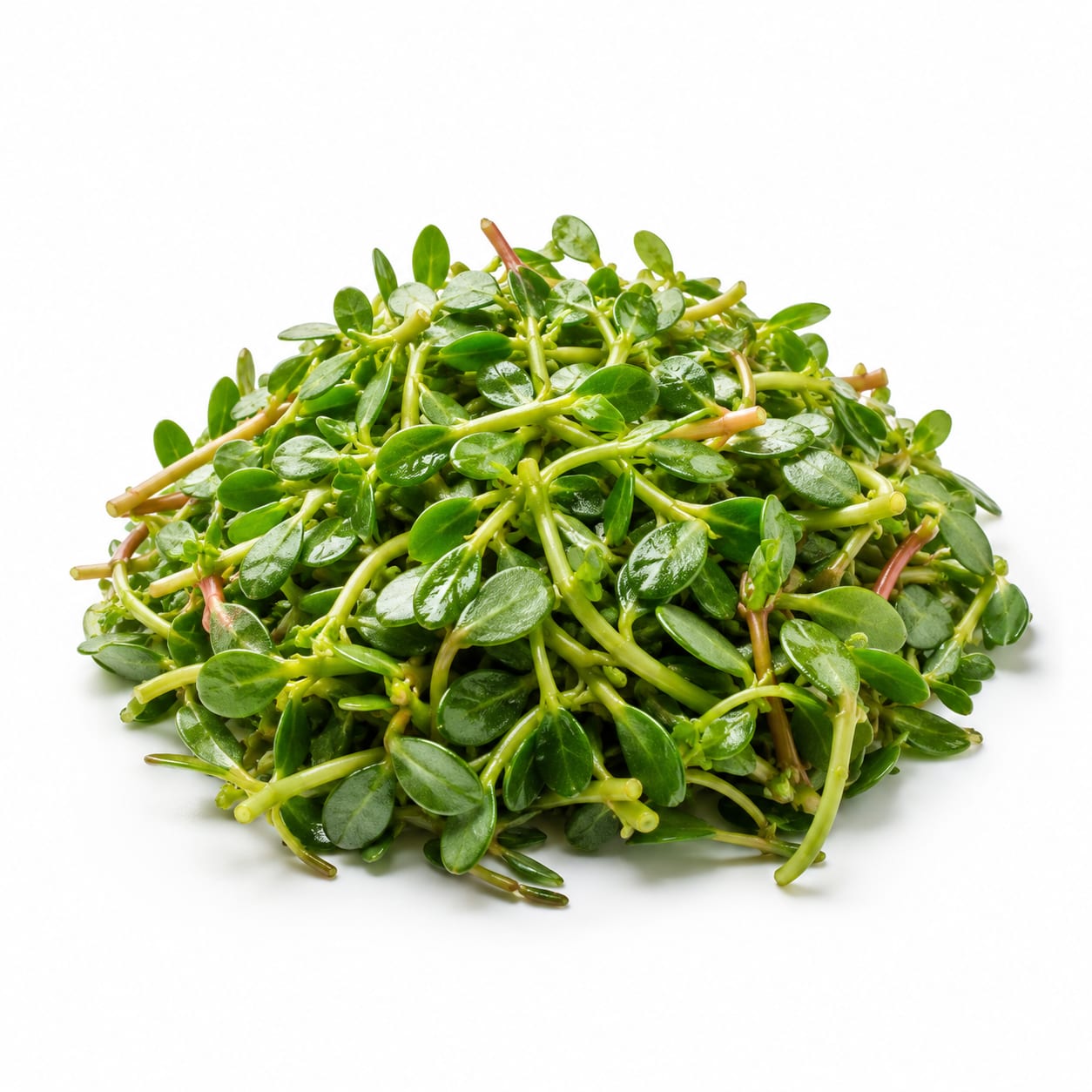
Purslane
Purslane is the safer, more nutritious, and more versatile choice for most people, thanks to its exceptional omega-3 content and culinary friendliness. Shepherd's Purse has specific medicinal value but carries more safety caveats.
Purslane scores notably higher due to its superior nutritional profile, culinary versatility, and fewer safety restrictions. Shepherd's Purse loses ground primarily on safety concerns and limited culinary appeal, though it retains value for specific medicinal applications.
Purslane gives you a nutrient-dense culinary green with heart-healthy omega-3s, while Shepherd's Purse offers targeted medicinal properties at the cost of more safety restrictions and a less pleasant eating experience.
At a glance
Executive summary
Overall
Purslane
Healthier
Purslane
More practical
Purslane
Daily use
Purslane
Key comparison lenses
nutritional density and omega3
Purslane is one of the richest plant sources of omega-3 fatty acids, making this the standout differentiator between these two foraged greens
pregnancy and medication safety
Shepherd's Purse has uterotonic and hemostatic properties that make it risky for pregnant women and people on blood thinners
foraging safety and identification
Both are wild-foraged plants with lookalike risks and contamination concerns that supermarket greens don't carry
medicinal vs culinary use
Shepherd's Purse leans medicinal with blood-clotting compounds, while Purslane is primarily a culinary green with nutritional benefits
anti inflammatory potential
Both plants offer anti-inflammatory compounds but through different mechanisms, with Purslane's omega-3s being more broadly beneficial
Best choice for
Shepherd's Purse
- People seeking natural support for heavy menstrual bleeding
- Those interested in traditional hemostatic remedies
- Foragers in cooler climates where it grows abundantly
- Individuals wanting a peppery mustard-green flavor
Purslane
- Anyone wanting plant-based omega-3 fatty acids
- Home cooks seeking a versatile, lemony salad green
- People following Mediterranean or Middle Eastern diets
- Those looking for anti-inflammatory daily greens
Least suitable for
Shepherd's Purse
- Pregnant women due to uterotonic effects
- People on blood-thinning medications
- Those with low blood pressure
- Anyone unfamiliar with safe foraging identification
Purslane
- People prone to calcium oxalate kidney stones
- Those on diuretic medications without medical supervision
- Anyone foraging from contaminated soils or roadsides
- Individuals allergic to plants in the Portulacaceae family
Deep comparison
Dimension by dimension
Each lens scores both foods and breaks down who each option suits.
- Dimension 1 · Priority 95Purslane
omega3_fatty_acid_content
Shepherd's Purse · 10Purslane · 92Purslane is one of the richest leafy vegetable sources of alpha-linolenic acid (ALA), an omega-3 fatty acid rarely found in greens. Shepherd's Purse contains negligible omega-3s.
Tradeoff
You would need to eat enormous quantities of Shepherd's Purse to get even a fraction of the omega-3s found in a modest serving of Purslane.
Why it matters
Omega-3s support heart health, brain function, and inflammation control. Most people don't get enough, and Purslane is an easy plant-based way to boost intake.
Real-world impact
Adding Purslane to your salads a few times a week can meaningfully contribute to your omega-3 intake, especially if you eat little to no fish.
Shepherd's Purse
- Minimal omega-3 intake is irrelevant if you already supplement or eat fatty fish daily
Better for
- Relies on other foods or supplements entirely for omega-3 needs
Worse for
Purslane
- Vegetarians and vegans needing plant-based omega-3s
- Anyone not eating fatty fish regularly
- People wanting to support heart and brain health through food
Better for
- Omega-3 content can vary significantly based on growing conditions
Worse for
- Dimension 2 · Priority 85Purslane
vitamin_and_mineral_density
Shepherd's Purse · 62Purslane · 80Both offer respectable vitamin and mineral content, but Purslane delivers more vitamin A, potassium, and magnesium per serving. Shepherd's Purse provides good vitamin K and some vitamin C.
Tradeoff
Purslane covers a broader micronutrient spectrum, while Shepherd's Purse is more narrowly concentrated in vitamin K.
Why it matters
Broader micronutrient coverage means more physiological systems supported from a single food, reducing the need for variety to meet needs.
Real-world impact
A Purslane-containing meal supports eye health, electrolyte balance, and bone health simultaneously. Shepherd's Purse mainly supports blood clotting and bone metabolism through vitamin K.
Shepherd's Purse
- Those specifically wanting to boost vitamin K intake
Better for
- Narrower nutrient profile requires more dietary variety elsewhere
Worse for
Purslane
- Anyone wanting broader micronutrient coverage from greens
- People needing potassium for blood pressure management
- Those seeking vitamin A for eye and immune health
Better for
- Oxalate content may reduce absorption of some minerals like calcium
Worse for
- Dimension 3 · Priority 90Purslane
safety_and_medication_interactions
Shepherd's Purse · 35Purslane · 70Shepherd's Purse contains compounds that affect blood clotting and uterine contractions, creating significant interactions with medications and pregnancy. Purslane's main concern is oxalate content.
Tradeoff
Shepherd's Purse's medicinal properties become safety liabilities for certain populations, while Purslane's oxalate concern is more manageable and affects fewer people.
Why it matters
A food that interacts with blood thinners or threatens pregnancy limits who can safely eat it. Oxalate concerns are narrower and easier to mitigate.
Real-world impact
Pregnant women, people on warfarin, and those with bleeding disorders should avoid Shepherd's Purse. Purslane mainly requires caution for kidney stone formers.
Shepherd's Purse
- Not applicable for this dimension given safety profile
Better for
- Anyone on blood-thinning medications
- Pregnant or breastfeeding women
- People with hypotension
Worse for
Purslane
- Pregnant women seeking nutritious greens
- People on anticoagulant medications
- Those wanting fewer safety concerns with regular consumption
Better for
- People with a history of calcium oxalate kidney stones
Worse for
- Dimension 4 · Priority 75Purslane
culinary_versatility_and_taste
Shepherd's Purse · 45Purslane · 78Purslane has a pleasant lemony tang and crisp succulent texture that works in salads, soups, and stir-fries. Shepherd's Purse is peppery and bitter, better suited as a minor ingredient than a featured green.
Tradeoff
Purslane can carry a dish, while Shepherd's Purse is more of a background flavor accent. This affects how often you'll actually want to eat either.
Why it matters
The best nutritious food is one you enjoy eating regularly. Taste and versatility directly impact long-term dietary adherence.
Real-world impact
You'll likely find yourself reaching for Purslane more often because it genuinely tastes good raw. Shepherd's Purse requires more culinary effort to make enjoyable.
Shepherd's Purse
- Fans of peppery mustard-green flavors
- Those wanting a bitter green for digestive stimulation
Better for
- Bitterness limits how much most people enjoy eating it
- Tougher texture when mature
Worse for
Purslane
- Home cooks wanting a versatile salad green
- People who enjoy lemony, refreshing flavors
- Anyone wanting to eat their greens raw without masking the taste
Better for
- Mucilaginous texture bothers some people
- Wilts quickly after harvesting
Worse for
- Dimension 5 · Priority 78Purslane
anti_inflammatory_potential
Shepherd's Purse · 55Purslane · 80Purslane's omega-3s and betalain pigments provide well-documented anti-inflammatory effects. Shepherd's Purse has flavonoids with some anti-inflammatory activity, but the evidence is weaker.
Tradeoff
Purslane fights inflammation through multiple well-studied pathways. Shepherd's Purse offers modest anti-inflammatory support alongside stronger hemostatic properties.
Why it matters
Chronic inflammation underlies most modern diseases. A food that actively reduces it delivers long-term health value beyond basic nutrition.
Real-world impact
Regular Purslane consumption may help reduce joint stiffness, cardiovascular risk, and systemic inflammation markers over time.
Shepherd's Purse
- Those wanting anti-inflammatory effects alongside hemostatic benefits
Better for
- Anti-inflammatory effects are less potent and less studied
Worse for
Purslane
- Anyone with chronic inflammatory conditions
- People seeking dietary inflammation support
- Those wanting multi-pathway anti-inflammatory action
Better for
- Benefits require consistent consumption, not occasional use
Worse for
- Dimension 6 · Priority 72It depends
foraging_accessibility
Shepherd's Purse · 68Purslane · 65Shepherd's Purse grows widely in temperate regions and is easy to identify by its distinctive heart-shaped seed pods. Purslane prefers warmer climates and has more dangerous lookalikes.
Tradeoff
Shepherd's Purse is easier to identify confidently in cool climates. Purslane is more available in hot climates but requires more caution with lookalikes like spurge species.
Why it matters
Misidentification of foraged plants can cause serious illness. The easier a plant is to identify, the safer the foraging experience.
Real-world impact
A beginner forager in the northern US can identify Shepherd's Purse with confidence. A southern forager will find Purslane abundant but must learn to distinguish it from toxic spurge.
Shepherd's Purse
- Beginner foragers in temperate climates
- Those who value foolproof identification features
Better for
- Less commonly available in markets if you don't forage
Worse for
Purslane
- Foragers in warm, dry climates where it thrives
- People familiar with distinguishing it from spurge
Better for
- Toxic spurge lookalikes create real risk for novices
Worse for
Timeline
Health impact over time
Short-term
Hours to days
Shepherd's Purse
- May reduce active bleeding due to hemostatic compounds
- Can cause mild digestive upset in sensitive individuals
- Peppery taste may stimulate digestion and appetite
- Potential blood pressure lowering in some people
Purslane
- Provides quick hydration from high water content
- Lemony flavor can refresh and stimulate appetite
- Mucilaginous texture may soothe digestive irritation
- Immediate omega-3 contribution to that day's intake
Long-term
Months to years
Shepherd's Purse
- Consistent use could affect blood clotting parameters
- May support heavy menstrual bleeding management when used cyclically
- Potential for blood pressure reduction with regular consumption
- Vitamin K contribution supports bone density over time
Purslane
- Regular omega-3 intake supports cardiovascular health long-term
- Anti-inflammatory compounds may reduce chronic disease risk
- Oxalate accumulation could contribute to kidney stones in susceptible people
- Antioxidant intake supports cellular aging defense
Risk profile
Safety & processing
Both plants are typically consumed wild-harvested or home-grown with minimal processing. Neither is commonly found in processed food products. This is as natural as food gets, which also means no quality control standards apply unless you grow them yourself.
Shepherd's Purse
Uterotonic effects
highShepherd's Purse can stimulate uterine contractions, making it unsafe during pregnancy. Traditional use actually includes inducing menstruation, which underscores the risk.
Blood clotting interaction
highHemostatic compounds can interfere with anticoagulant medications like warfarin, potentially reducing their effectiveness and increasing clotting risk.
Hypotensive effect
mediumMay lower blood pressure, which is concerning for people already dealing with low blood pressure or taking antihypertensive medications.
Foraging misidentification
mediumWhile distinctive when seeding, young plants without seed pods could be confused with other mustard family members of varying edibility.
Environmental contamination
mediumWild-harvested plants absorb soil contaminants including heavy metals, pesticides, and roadside pollutants. Source location matters greatly.
Purslane
Oxalate content
mediumPurslane contains oxalates that can contribute to kidney stone formation in susceptible individuals. Cooking reduces but doesn't eliminate oxalates.
Toxic lookalikes
highSpurge species can resemble Purslane but contain toxic latex sap. The key difference is that spurge stems are hairy and produce white sap when broken, while Purslane stems are smooth and hairless.
Diuretic interaction
lowPurslane has mild diuretic properties that could amplify the effects of diuretic medications, potentially causing dehydration or electrolyte imbalance.
Environmental contamination
mediumLike all foraged greens, Purslane accumulates environmental contaminants. Its low-growing habit makes it especially prone to soil and roadside pollution exposure.
Nitrate accumulation
lowPurslane can accumulate nitrates from soil, which is generally harmless for adults but potentially concerning for infants if consumed in large quantities.
Who wins for whom
Audience fit
Same foods, different winners depending on your goal.
children
PurslanePurslane's mild lemony flavor is more kid-friendly than Shepherd's Purse's bitterness. However, both require careful sourcing to avoid contamination, and neither should be foraged for children without expertise.
daily consumption
PurslanePurslane can be eaten daily by most people without safety concerns. Shepherd's Purse's cumulative effects on blood clotting and blood pressure make daily consumption inadvisable without medical supervision.
diabetes
PurslanePurslane's omega-3s and fiber support insulin sensitivity and blood sugar regulation. Both have minimal glycemic impact, but Purslane offers more metabolic benefits overall.
elderly
PurslanePurslane's omega-3s support cardiovascular and cognitive health, both key concerns for older adults. Shepherd's Purse's blood-clotting effects could interact dangerously with medications common in elderly populations.
muscle gain
It dependsNeither is a meaningful protein source. Both are essentially calorie-free garnishes for muscle-building meals. Purslane's omega-3s may slightly support recovery, but the difference is negligible.
weight loss
PurslaneBoth are extremely low in calories, but Purslane's superior taste and culinary versatility make it easier to eat regularly as a filling, nutrient-dense salad base.
Your move
Decision guide
Choose Shepherd's Purse
- You specifically want a natural remedy for heavy menstrual bleeding
- You are a confident forager in a temperate climate looking for medicinal greens
- You enjoy peppery, bitter flavors and want a mustard-green alternative
- You have verified the plant is growing in a clean, uncontaminated environment
Choose Purslane
- You want a nutritious, omega-3-rich green to eat regularly
- You are looking for a lemony salad green that tastes good raw
- You follow a plant-based diet and need more omega-3 sources
- You want anti-inflammatory benefits from everyday food choices
Either works if
- You want to diversify your wild greens intake beyond supermarket options
- You are an experienced forager who can identify both plants confidently
- You are growing them in a controlled home garden environment
Avoid both if
- You are pregnant and unsure about medicinal plant effects
- You cannot verify the plants were harvested from clean, uncontaminated soil
- You are on blood-thinning medications and haven't consulted your doctor
- You are a beginner forager without reliable identification skills
Final recommendation
For most people, Purslane is the clear winner as a regular dietary green. Its omega-3 content, pleasant taste, and broader safety profile make it practical for everyday eating. Shepherd's Purse is best viewed as a medicinal herb rather than a daily vegetable. If you forage, learn both, but keep Purslane on your plate and Shepherd's Purse in your first aid kit.
Practical
Consumer tips
- 1
When foraging Purslane, always break a stem to confirm there is no white milky sap, which would indicate a toxic spurge lookalike.
- 2
Shepherd's Purse is easiest to identify when it has its distinctive heart-shaped seed pods, which resemble tiny purses.
- 3
Both plants are best harvested young and tender. Mature leaves become tough and bitter.
- 4
If buying either plant, farmers markets are your best bet. Neither is commonly found in supermarkets.
- 5
Purslane wilts quickly after harvest. Use it within a day or store it wrapped in damp paper in the refrigerator.
- 6
Cooking Purslane reduces its oxalate content, making it safer for those concerned about kidney stones.
- 7
Shepherd's Purse tea is the most common medicinal preparation. Use 1-2 teaspoons of dried herb per cup of hot water.
- 8
Never harvest either plant from roadsides, industrial areas, or lawns treated with chemicals.
- 9
If growing at home, both plants are prolific self-seeders. Plant once and they will return annually.
- 10
Purslane pairs exceptionally well with tomatoes, cucumbers, and feta in Mediterranean-style salads.