
Nutrition comparison
Shepherd's Purse vs Watercress: Which Green Is Better for Your Health?
Compare Shepherd's Purse and Watercress side by side. Discover which leafy green wins for nutrient density, safety, and daily use. Learn the key tradeoffs and find the right choice for your health goals.
Overall winner · Watercress

Shepherd's Purse
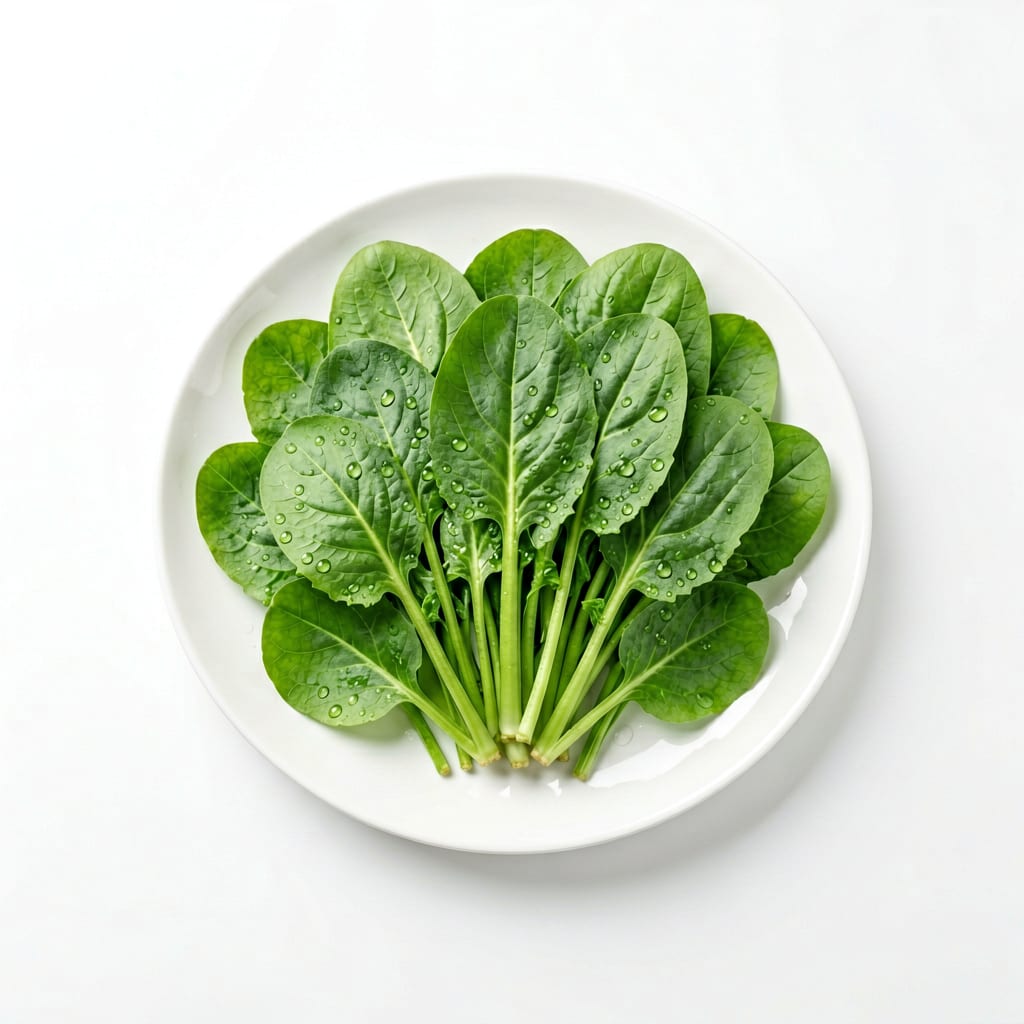
Watercress
Watercress wins for everyday nutrition and safety, but Shepherd's Purse holds unique medicinal value that Watercress cannot replace.
Watercress scores significantly higher due to its unmatched nutrient density, commercial availability, and extensive research backing. Shepherd's Purse is not inferior nutritionally but loses points on safety consistency, accessibility, and limited culinary versatility.
Watercress gives you proven nutrient density and easy access, while Shepherd's Purse offers specialized hemostatic benefits but comes with foraging risks and limited availability.
At a glance
Executive summary
Overall
Watercress
Healthier
Watercress
More practical
Watercress
Daily use
Watercress
Key comparison lenses
nutrient density comparison
Watercress ranks #1 on the CDC nutrient density index, making this the most critical differentiator
foraging vs commercial safety
Shepherd's Purse is primarily foraged while Watercress is commercially available, creating major safety and practicality gaps
medicinal vs culinary use
Shepherd's Purse has strong hemostatic properties that blur the line between food and medicine
cancer fighting potential
Watercress contains glucosinolates with well-studied chemoprotective effects
everyday accessibility
Most consumers can find Watercress at grocery stores but would struggle to source Shepherd's Purse reliably
Best choice for
Shepherd's Purse
- People seeking natural blood-clotting support
- Herbalists and traditional medicine practitioners
- Foragers wanting nutrient-rich wild greens
- Women dealing with heavy menstrual bleeding under professional guidance
Watercress
- Anyone wanting the most nutrient-dense leafy green available
- People focused on cancer risk reduction through diet
- Those who need a reliable, store-bought supergreen
- Families looking for a safe daily salad green
Least suitable for
Shepherd's Purse
- People on blood-thinning medications
- Anyone unfamiliar with safe foraging identification
- Pregnant women due to uterine-stimulating effects
- Those wanting a convenient grocery-store green
Watercress
- People on warfarin who need stable vitamin K intake
- Anyone with compromised immune systems if eating raw watercress from unverified sources
- Those on extremely tight grocery budgets
Deep comparison
Dimension by dimension
Each lens scores both foods and breaks down who each option suits.
- Dimension 1 · Priority 95Watercress
nutrient_density
Shepherd's Purse · 62Watercress · 97Watercress is arguably the most nutrient-dense vegetable on the planet per calorie, while Shepherd's Purse is nutritious but not in the same tier.
Tradeoff
You get broader vitamin and mineral coverage from Watercress, but Shepherd's Purse provides unique compounds like bursinic acid that have specific medicinal applications.
Why it matters
If you are eating greens primarily to maximize your nutrient intake per bite, Watercress is the clear winner by a wide margin.
Real-world impact
A small handful of Watercress delivers more vitamin K, vitamin C, and beta-carotene than most salads twice its size.
Shepherd's Purse
- Targeted hemostatic support
- Traditional herbal applications
Better for
- Cannot compete with Watercress on overall nutrient breadth
- Less researched for nutritional profiling
Worse for
Watercress
- Maximizing vitamin and mineral intake per calorie
- Meeting daily micronutrient needs easily
- Bone health through vitamin K
- Immune support through vitamin C
Better for
- Lacks the specific hemostatic compounds found in Shepherd's Purse
Worse for
- Dimension 2 · Priority 88Watercress
safety_and_contamination_risk
Shepherd's Purse · 45Watercress · 72Shepherd's Purse carries foraging misidentification risks, while Watercress has aquatic parasite concerns but benefits from commercial quality control.
Tradeoff
Commercial Watercress is safer due to regulated growing conditions, but raw Watercress from wild water sources can carry liver flukes. Shepherd's Purse is generally safe when correctly identified but foraging always carries uncertainty.
Why it matters
Eating the wrong wild plant or consuming contaminated water-grown greens can cause serious illness, making this a deciding factor for many people.
Real-world impact
Misidentifying Shepherd's Purse could mean consuming a toxic lookalike. Eating wild Watercress from contaminated streams could mean liver fluke infection.
Shepherd's Purse
- Lower risk of aquatic parasites since it grows on land
- No liver fluke risk
Better for
- Foraging misidentification is a real danger
- No commercial quality control for most sources
- Can accumulate toxins from contaminated soil
Worse for
Watercress
- Commercially grown options undergo safety testing
- Regulated agricultural standards reduce contamination
- Easier to verify source quality
Better for
- Raw wild Watercress can carry Fasciola hepatica
- Aquatic growing conditions invite bacterial contamination
Worse for
- Dimension 3 · Priority 82Shepherd's Purse
medicinal_and_therapeutic_value
Shepherd's Purse · 85Watercress · 70Shepherd's Purse has a long documented history as a hemostatic herb that actively stops bleeding, while Watercress offers more general preventive health benefits.
Tradeoff
Shepherd's Purse is closer to medicine than food in some contexts, which is powerful but requires caution. Watercress is safer for daily use but less targeted in its effects.
Why it matters
If you have a specific health concern like heavy bleeding, Shepherd's Purse may be genuinely therapeutic. For general health optimization, Watercress is more appropriate.
Real-world impact
Shepherd's Purse has been used to manage nosebleeds, heavy periods, and minor wounds. Watercress is better thought of as daily cancer-prevention nutrition.
Shepherd's Purse
- Actively reduces bleeding through vasoconstrictive compounds
- Traditional use for postpartum hemorrhage support
- Diuretic properties for fluid retention
- Anti-inflammatory wound healing
Better for
- Medicinal potency means more contraindications
- Can interfere with blood thinners dangerously
Worse for
Watercress
- Glucosinolates with documented chemoprotective activity
- Cardiovascular protective effects from nitrates
- DNA damage protection shown in clinical studies
Better for
- No acute therapeutic applications comparable to hemostatic action
Worse for
- Dimension 4 · Priority 75Watercress
accessibility_and_convenience
Shepherd's Purse · 20Watercress · 78Watercress is available in most grocery stores and farmers markets. Shepherd's Purse is rarely sold commercially and must usually be foraged.
Tradeoff
You can grab Watercress on any shopping trip, but Shepherd's Purse requires knowledge, effort, and seasonal availability to source.
Why it matters
The healthiest green in the world is useless if you cannot reliably obtain it. Consistency matters more than perfection.
Real-world impact
Most people have never seen Shepherd's Purse for sale. Watercress sits next to arugula and spinach in the produce aisle.
Shepherd's Purse
- Free if you forage correctly
- Grows abundantly in many regions as a weed
Better for
- Almost never found in stores
- Requires foraging expertise
- Seasonal availability limits consistency
- Cannot rely on it as a dietary staple
Worse for
Watercress
- Available year-round in grocery stores
- Consistent quality and quantity
- No foraging knowledge required
- Easy to incorporate into regular meal prep
Better for
- More expensive than common greens like spinach
- Short shelf life, wilts quickly
Worse for
- Dimension 5 · Priority 65Watercress
culinary_versatility
Shepherd's Purse · 48Watercress · 74Watercress works in salads, soups, sandwiches, and smoothies with a pleasant peppery kick. Shepherd's Purse is edible but more bitter and less adaptable in the kitchen.
Tradeoff
Watercress elevates dishes with flavor and texture, while Shepherd's Purse is often tolerated rather than enjoyed.
Why it matters
You will eat more of what tastes good. A nutrient-dense green you actually enjoy matters more than one you have to force down.
Real-world impact
Watercress makes a classic soup, a gourmet salad base, and a sandwich layer. Shepherd's Purse is best mixed into other dishes to mask its bitterness.
Shepherd's Purse
- Can be used in small amounts as a medicinal tea
- Interesting foraged ingredient for adventurous cooks
Better for
- Bitter flavor limits appeal
- Best hidden in mixed dishes rather than featured
- Texture can be tough in older plants
Worse for
Watercress
- Excellent raw in salads
- Classic in soups and stir-fries
- Works as a sandwich green or garnish
- Pleasant peppery flavor most people enjoy
Better for
- Wilts quickly when cooked, losing volume and texture
Worse for
- Dimension 6 · Priority 78Watercress
antioxidant_and_cancer_fighting_potential
Shepherd's Purse · 60Watercress · 88Watercress contains glucosinolates that convert to isothiocyanates, compounds with strong anti-cancer evidence. Shepherd's Purse has antioxidants but less clinical backing.
Tradeoff
Watercress has specific, well-studied cancer-fighting compounds. Shepherd's Purse offers general antioxidant activity without the same depth of evidence.
Why it matters
For long-term disease prevention, the glucosinolate content in Watercress is one of the best dietary tools available.
Real-world impact
Studies show Watercress consumption can reduce DNA damage in white blood cells within hours of eating it.
Shepherd's Purse
- Flavonoid content provides antioxidant support
- Some anti-inflammatory compounds
Better for
- Lacks the specific glucosinolate profile that makes Watercress exceptional
- Far less clinical research on cancer outcomes
Worse for
Watercress
- Phenethyl isothiocyanate inhibits carcinogen activation
- Nitrates support vascular health and blood pressure
- Proven DNA-protective effects in human trials
- Consistent evidence for lung and colon cancer risk reduction
Better for
- Benefits are preventive, not therapeutic
Worse for
Timeline
Health impact over time
Short-term
Hours to days
Shepherd's Purse
- May slow active bleeding due to hemostatic compounds
- Can act as a mild diuretic, increasing urination
- Slight digestive stimulation from bitter compounds
- Potential uterine stimulation, which is dangerous during pregnancy
Watercress
- Noticeable energy lift from high B-vitamin and iron content
- Quick hydration boost from high water content
- Peppery flavor can clear sinuses mildly
- Blood pressure support from natural nitrates
Long-term
Months to years
Shepherd's Purse
- Consistent use may help manage chronic heavy bleeding conditions
- Possible interaction with long-term anticoagulant therapy
- Antioxidant intake supports general cellular health
- Risk of mineral imbalance if consumed in large medicinal quantities
Watercress
- Reduced cancer risk from regular glucosinolate intake
- Stronger bones from exceptional vitamin K levels
- Better cardiovascular health from dietary nitrates
- Improved skin health from beta-carotene and vitamin C
Risk profile
Safety & processing
Both greens are whole, unprocessed foods when consumed fresh. Neither typically carries additive concerns. The main difference is that commercially packaged Watercress may be pre-washed with mild sanitizers, while foraged Shepherd's Purse is as natural as it gets but carries environmental contamination uncertainty.
Shepherd's Purse
Foraging misidentification
highShepherd's Purse resembles several other mustard-family plants, some of which may be toxic. Incorrect identification is the most serious risk for consumers.
Soil contaminant accumulation
mediumAs a weed growing in disturbed soils, Shepherd's Purse can absorb heavy metals and agricultural chemicals from contaminated ground.
Drug interaction with anticoagulants
highThe hemostatic compounds can directly counteract blood-thinning medications like warfarin, creating dangerous clotting risk.
Pregnancy complications
highShepherd's Purse can stimulate uterine contractions and affect blood clotting during pregnancy, making it unsafe for expectant mothers.
Watercress
Liver fluke infection from wild-harvested plants
highWatercress growing in contaminated natural waterways can carry Fasciola hepatica, a parasite that causes serious liver damage. Only commercially grown Watercress should be consumed raw.
Vitamin K interference with warfarin
mediumExtremely high vitamin K content can destabilize anticoagulant therapy if intake varies significantly day to day.
Bacterial contamination in aquatic growing conditions
mediumWater-grown greens can harbor E. coli and Salmonella if water quality is poor. Commercial operations monitor this carefully.
Who wins for whom
Audience fit
Same foods, different winners depending on your goal.
children
WatercressWatercress is milder, safer, and commercially regulated. Shepherd's Purse is too risky for children due to foraging uncertainty and hemostatic effects.
daily consumption
WatercressWatercress is safe, available, and well-tolerated for daily use. Shepherd's Purse should not be consumed daily due to its medicinal potency and potential effects on blood clotting.
diabetes
WatercressWatercress has an essentially zero glycemic impact and its antioxidant content helps combat oxidative stress associated with diabetes complications.
elderly
WatercressWatercress supports bone density through vitamin K and cardiovascular health through nitrates, both critical concerns for older adults. Its soft texture when cooked is also easier to chew.
muscle gain
It dependsNeither green is a meaningful protein source. Watercress offers slightly better nitric oxide support for blood flow during exercise, but the difference is negligible for muscle building.
weight loss
WatercressWatercress provides maximum nutrition at only 11 calories per 100g, making it one of the lowest-calorie foods on earth. Shepherd's Purse is also low-calorie but harder to eat in volume due to bitterness.
Your move
Decision guide
Choose Shepherd's Purse
- You are working with a qualified herbalist for bleeding management
- You are an experienced forager who can confidently identify it
- You need short-term hemostatic support and are not on blood thinners
- You want to explore traditional medicinal foods with professional guidance
Choose Watercress
- You want the most nutrient-dense green you can buy at a store
- You are focused on long-term cancer prevention and heart health
- You need a daily salad green that tastes good and is easy to find
- You are feeding a family and need something safe and consistent
Either works if
- You want a peppery green to add variety to your diet
- You are interested in wild and specialty greens beyond basic spinach
- You are looking for natural vitamin K sources
Avoid both if
- You are on warfarin and cannot maintain consistent vitamin K intake
- You have a compromised immune system and cannot safely eat raw greens
- You cannot verify the source of either plant
Final recommendation
Make Watercress your everyday green. It is the safest, most nutrient-dense, and most accessible choice for regular consumption. Keep Shepherd's Purse in mind as a specialized herbal option if you ever need its unique hemostatic properties, but only use it with proper knowledge or professional guidance. For most people, Watercress is the practical winner by a wide margin.
Practical
Consumer tips
- 1
Always buy commercially grown Watercress rather than harvesting from streams to avoid liver fluke parasites
- 2
If you forage Shepherd's Purse, go with an experienced guide and never harvest from roadsides or chemically treated areas
- 3
Wash Watercress thoroughly even if pre-washed, as the aquatic growing environment can harbor bacteria
- 4
Add Watercress to your diet gradually if you take blood thinners, keeping your vitamin K intake consistent day to day
- 5
Shepherd's Purse is best consumed as a tea or tincture for medicinal purposes rather than as a salad green
- 6
Store Watercress like fresh flowers: stems in water, bagged loosely in the fridge, and use within 2-3 days
- 7
If you are pregnant, avoid Shepherd's Purse entirely due to its uterine-stimulating effects