
Nutrition comparison
Shepherd's Purse vs Swiss Chard: Nutrition, Safety & Uses Compared
Compare Shepherd's Purse and Swiss Chard to discover which leafy green is safer, more nutritious, and better for your diet. Learn about pregnancy risks, oxalates, and culinary uses.
Overall winner · Swiss Chard

Shepherd's Purse
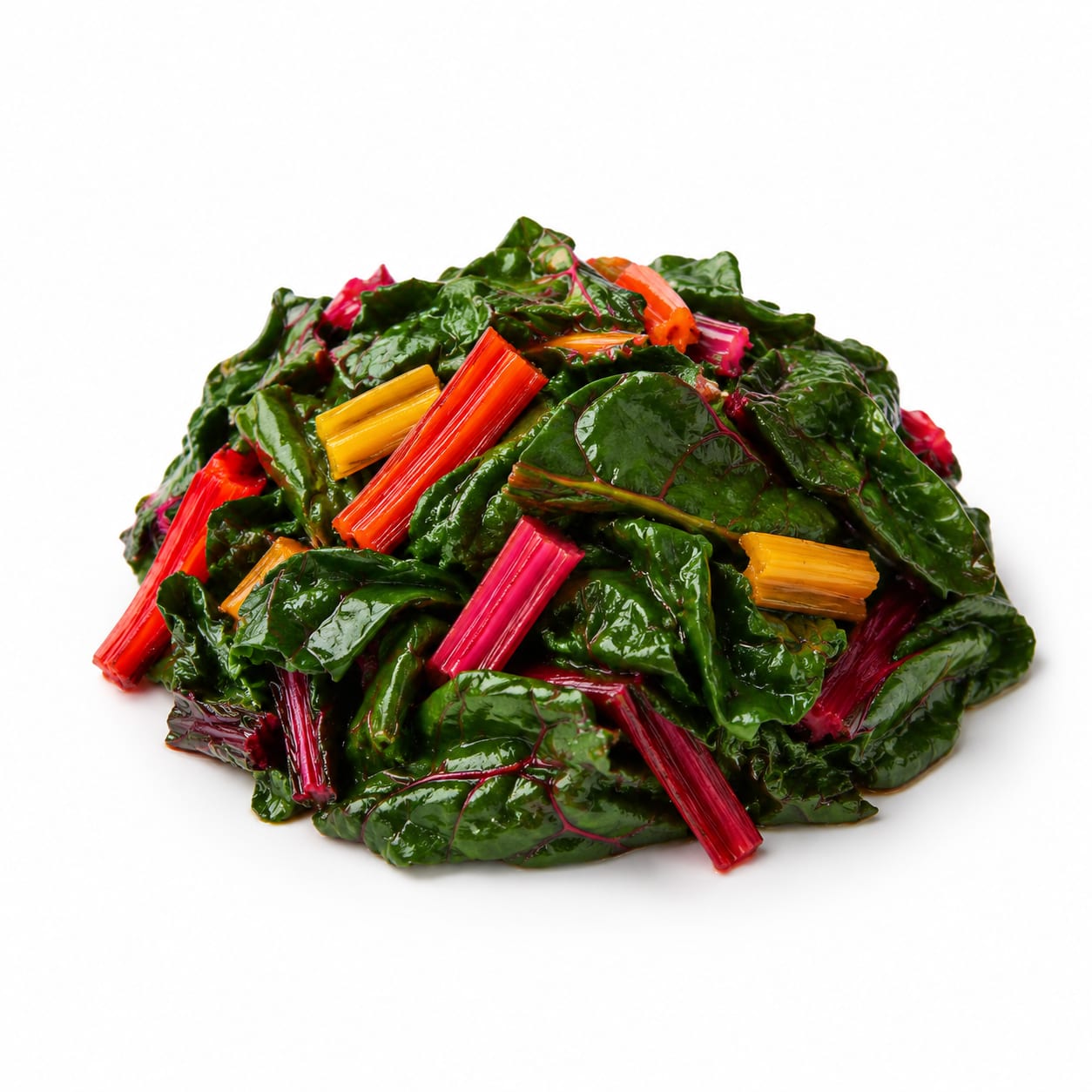
Swiss Chard
Swiss Chard is the more reliable daily green with unmatched vitamin density, while Shepherd's Purse offers unique medicinal benefits but carries higher safety risks and accessibility hurdles.
Swiss Chard scores significantly higher due to its well-documented nutrient density, broad availability, and safer profile for daily consumption. Shepherd's Purse loses ground on safety restrictions and lack of consistent commercial availability.
Cultivated nutritional consistency versus wild medicinal potency with pregnancy risks.
At a glance
Executive summary
Overall
Swiss Chard
Healthier
Swiss Chard
More practical
Swiss Chard
Daily use
Swiss Chard
Key comparison lenses
Nutrient density and vitamin profile
Leafy greens are primarily consumed for their micronutrient content, making this the core comparison point.
Safety and toxicity risks
Swiss Chard contains high oxalates, while Shepherd's Purse has medicinal compounds that affect blood clotting and pregnancy, making safety a major differentiator.
Accessibility and practical use
Swiss Chard is a grocery store staple, whereas Shepherd's Purse is mostly foraged or found at farmers markets, impacting daily practicality.
Medicinal vs. nutritional value
Shepherd's Purse has a strong history in herbal medicine for bleeding, while Swiss Chard is strictly a nutritional powerhouse.
Best choice for
Shepherd's Purse
- People seeking traditional herbal remedies for heavy menstrual bleeding
- Foragers looking to utilize wild, local greens
- Those wanting a peppery, bitter green for occasional culinary variety
Swiss Chard
- People needing a reliable, high-vitamin daily green
- Anyone prioritizing bone and heart health
- Home cooks wanting a versatile green with edible stems
Least suitable for
Shepherd's Purse
- Pregnant women due to uterine stimulant properties
- People on blood-thinning medications
- Beginner foragers who might misidentify the plant
Swiss Chard
- People with a history of calcium oxalate kidney stones
- Those extremely sensitive to bitter flavors
- Anyone needing a calorie-dense food source
Deep comparison
Dimension by dimension
Each lens scores both foods and breaks down who each option suits.
- Dimension 1 · Priority 95Swiss Chard
Vitamin and Mineral Density
Shepherd's Purse · 65Swiss Chard · 95Swiss Chard is a nutritional powerhouse loaded with vitamins K, A, and C, easily outperforming Shepherd's Purse in standard dietary minerals.
Tradeoff
You get far more immune-boosting and bone-building vitamins per cup with Swiss Chard, but Shepherd's Purse offers unique flavonoids not typically highlighted in standard nutrition databases.
Why it matters
Consistent vitamin intake from greens supports long-term bone density and immune resilience without needing supplements.
Real-world impact
Eating Swiss Chard regularly makes a noticeable dent in your daily vitamin needs, whereas Shepherd's Purse acts more like a light supplemental garnish.
Shepherd's Purse
- Adding trace flavonoids and unique phytochemicals to your diet
Better for
- Relies on less precise nutritional data due to its wild nature
Worse for
Swiss Chard
- Meeting daily vitamin K and A requirements
- Boosting magnesium and potassium intake for muscle recovery
Better for
- High oxalates can bind to calcium and iron, reducing actual absorption
Worse for
- Dimension 2 · Priority 90Swiss Chard
Safety and Toxicity
Shepherd's Purse · 45Swiss Chard · 70Both greens have safety considerations, but Shepherd's Purse poses stricter medical contraindications, especially for pregnant women.
Tradeoff
Swiss Chard's main issue is oxalates which can be mitigated by cooking, while Shepherd's Purse's blood-clotting and uterine effects are absolute dealbreakers for certain people.
Why it matters
Eating healthy should never accidentally trigger a medical complication, making safety profiles just as important as nutrient profiles.
Real-world impact
A pregnant woman can safely eat cooked Swiss Chard, but consuming Shepherd's Purse could potentially stimulate uterine contractions.
Shepherd's Purse
- Those looking for a natural remedy to slow minor bleeding
Better for
- Strictly contraindicated during pregnancy
- Risky for individuals on anticoagulant medications
Worse for
Swiss Chard
- Pregnant women seeking safe leafy greens
- People wanting a green that is safe in large quantities when cooked
Better for
- Problematic for those prone to kidney stones if eaten raw
Worse for
- Dimension 3 · Priority 80Swiss Chard
Practicality and Availability
Shepherd's Purse · 30Swiss Chard · 95Swiss Chard is available in nearly every supermarket year-round, while Shepherd's Purse is primarily a foraged specialty item.
Tradeoff
You trade the adventure and zero-cost of foraging Shepherd's Purse for the absolute convenience and reliability of buying Swiss Chard.
Why it matters
A food's health benefits are irrelevant if you cannot easily and safely acquire it on a Tuesday afternoon.
Real-world impact
You can grab Swiss Chard on any grocery run, but finding Shepherd's Purse requires specific seasonal knowledge or specialty store access.
Shepherd's Purse
- Connecting with local wild ecosystems
- Accessing free nutrition if you are a skilled forager
Better for
- High risk of misidentification by novice foragers
- Seasonal and highly localized availability
Worse for
Swiss Chard
- Consistent meal prep without supply chain surprises
- Easy access for busy weeknight cooking
Better for
- Costs money and is subject to grocery store markups
Worse for
- Dimension 4 · Priority 70Swiss Chard
Culinary Versatility
Shepherd's Purse · 55Swiss Chard · 85Swiss Chard offers both tender leaves and crunchy, colorful stems, making it far more versatile in the kitchen than the delicate Shepherd's Purse.
Tradeoff
Shepherd's Purse brings a unique peppery, mustard-like flavor but lacks the substantial texture needed for standalone side dishes.
Why it matters
Versatility keeps healthy eating interesting and prevents diet fatigue.
Real-world impact
Swiss Chard can be the base of a hearty stir-fry or soup, while Shepherd's Purse is better used as a minor mixing green or garnish.
Shepherd's Purse
- Adding a peppery kick to salads and soups
Better for
- Leaves wilt down to almost nothing when cooked
- Lacks structural integrity for stuffed recipes
Worse for
Swiss Chard
- Making substantial, filling vegetable dishes
- Using both stems and leaves for varied texture
Better for
- Bitterness requires balancing with acid or fat for some palates
Worse for
Timeline
Health impact over time
Short-term
Hours to days
Shepherd's Purse
- May help reduce heavy menstrual flow due to hemostatic properties
- Can cause stomach upset in large quantities if unaccustomed to wild greens
Swiss Chard
- Provides an immediate boost in hydration and electrolytes
- Raw consumption might cause throat scratchiness due to oxalate crystals
Long-term
Months to years
Shepherd's Purse
- Potential risk of blood thickness changes if consumed excessively alongside medications
- Provides diverse wild phytonutrients that support gut microbiome diversity
Swiss Chard
- Significantly supports bone density and cardiovascular health through high vitamin K and magnesium
- Consistent raw consumption could contribute to kidney stone formation in susceptible individuals
Risk profile
Safety & processing
Both greens are whole, natural foods. Shepherd's Purse is about as natural as it gets, often growing wild without agricultural intervention, while Swiss Chard is a cultivated crop that may carry standard agricultural residues unless organically grown.
Shepherd's Purse
Pregnancy complications
highShepherd's Purse can stimulate uterine contractions and should be strictly avoided during pregnancy.
Medication interference
mediumCan interfere with blood thinners and thyroid medications due to its active chemical compounds.
Foraging misidentification
highHarvesting wild carries the inherent risk of confusing it with toxic look-alikes.
Swiss Chard
Kidney stones
mediumHigh in oxalates which can bind to calcium and form stones in prone individuals; cooking reduces this risk significantly.
Pesticide residue
lowConventionally grown chard may carry pesticide residue; washing thoroughly or choosing organic mitigates this.
Who wins for whom
Audience fit
Same foods, different winners depending on your goal.
children
Swiss ChardSwiss Chard is much safer for children when cooked, whereas Shepherd's Purse is too medicinal and risky for developing bodies.
daily consumption
Swiss ChardSwiss Chard has a safer profile for everyday use, while Shepherd's Purse is better reserved for occasional or targeted herbal use.
diabetes
Swiss ChardSwiss Chard has a more established profile of fiber and antioxidants that help stabilize blood sugar levels after meals.
elderly
Swiss ChardThe high vitamin K in Swiss Chard is excellent for bone health in older adults, provided they are not on conflicting blood thinners.
muscle gain
Swiss ChardSwiss Chard offers more magnesium and potassium, which are crucial for muscle recovery and preventing cramps.
weight loss
Swiss ChardSwiss Chard provides more volume and fiber per serving, helping you feel fuller on fewer calories.
Your move
Decision guide
Choose Shepherd's Purse
- You are an experienced forager looking to utilize wild plants
- You are seeking a traditional herbal approach for managing minor bleeding issues
- You want a peppery, wild flavor to occasionally spice up a salad or soup
Choose Swiss Chard
- You want a reliable, nutrient-dense green for your weekly meal prep
- You are focused on improving bone health or cardiovascular function
- You need a versatile vegetable that can be sautéed, steamed, or added to soups
Either works if
- You are looking to diversify your leafy green intake beyond basic spinach and kale
- You enjoy bitter greens and want to rotate different varieties for gut health
Avoid both if
- You are on strict blood-thinning medications without doctor approval
- You have severe oxalate sensitivity or a history of calcium oxalate kidney stones
Final recommendation
Make Swiss Chard your go-to daily green for its unmatched nutrient density and culinary reliability. Treat Shepherd's Purse as a specialty herb or medicinal remedy rather than a dietary staple, and always avoid it if you are pregnant or on blood thinners.
Practical
Consumer tips
- 1
Always boil or steam Swiss Chard before eating to drastically reduce its oxalate content, making its minerals easier to absorb.
- 2
If foraging for Shepherd's Purse, be 100% certain of identification, as it resembles several other wild mustards, some of which are undesirable.
- 3
Use Swiss Chard stems like celery or asparagus; they hold up beautifully to braising and pickling.
- 4
Never consume Shepherd's Purse in medicinal quantities without consulting a qualified herbalist or healthcare provider.