
Nutrition comparison
Shepherd's Purse vs Kale: Which Green Is Better for Your Health?
Compare Shepherd's Purse and Kale side by side. Kale wins for daily nutrition and safety, but Shepherd's Purse offers unique medicinal benefits for bleeding support. Learn the tradeoffs.
Overall winner · Kale

Shepherd's Purse
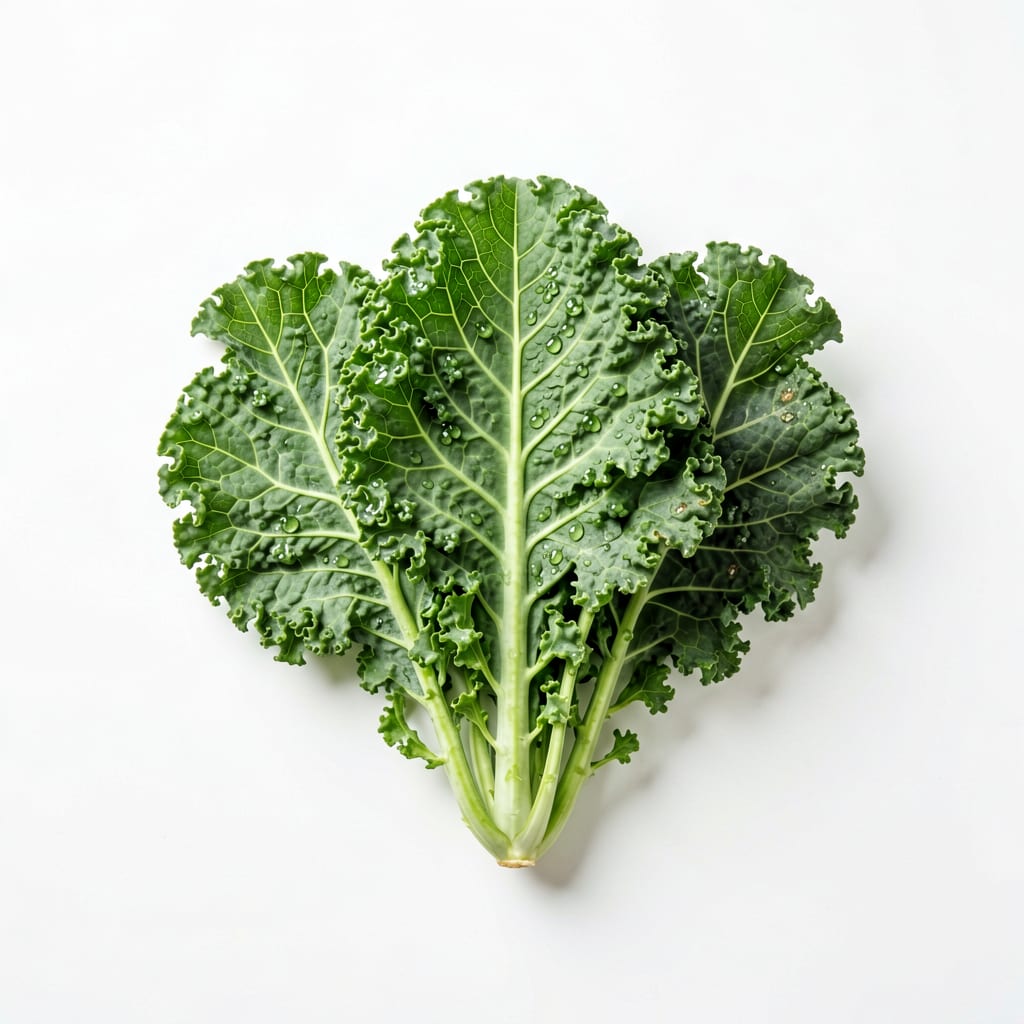
Kale
Kale is the more practical and nutrient-dense everyday green, while Shepherd's Purse offers unique medicinal properties but requires caution and is harder to find.
Kale scores significantly higher due to superior availability, better-studied nutrition, and fewer contraindications. Shepherd's Purse has niche medicinal value but is not ideal as a regular dietary green.
Kale delivers reliable, well-studied nutrition with broad availability; Shepherd's Purse provides specialized herbal benefits but carries blood-clotting risks and is rarely found in stores.
At a glance
Executive summary
Overall
Kale
Healthier
Kale
More practical
Kale
Daily use
Kale
Key comparison lenses
Nutrient density and vitamin content
Both are leafy greens in the Brassicaceae family, so vitamin and mineral comparison is the most natural starting point
Medicinal vs nutritional use
Shepherd's Purse is primarily known as a medicinal herb while Kale is a staple food green, making their intended use contexts very different
Accessibility and everyday practicality
Kale is universally available in stores whereas Shepherd's Purse is largely foraged or specialty-sourced
Safety and contraindication awareness
Shepherd's Purse has notable blood-clotting effects that limit who can safely consume it regularly
Culinary versatility
Users need to understand how each green fits into actual meals and recipes
Best choice for
Shepherd's Purse
- People seeking natural support for heavy menstrual bleeding
- Herbalists looking for hemostatic remedies
- Foragers wanting to use wild-growing local plants
- Those interested in traditional Chinese medicine approaches
Kale
- Anyone wanting a reliable nutrient-dense daily green
- People focusing on bone health through vitamin K and calcium
- Those managing inflammation through diet
- Families needing an affordable, accessible superfood
Least suitable for
Shepherd's Purse
- People on blood-thinning medications like warfarin
- Pregnant women due to uterotonic effects
- Anyone who needs easy grocery store access
- Those unfamiliar with safe foraging identification
Kale
- People with severe thyroid issues sensitive to goitrogens
- Those prone to kidney stones from oxalates
- Anyone who finds bitter greens unpalatable and won't eat them
Deep comparison
Dimension by dimension
Each lens scores both foods and breaks down who each option suits.
- Dimension 1 · Priority 93Kale
Vitamin and Mineral Density
Shepherd's Purse · 55Kale · 92Kale is one of the most nutrient-dense greens available, with exceptionally high vitamins K, A, and C. Shepherd's Purse contains respectable nutrients but is far less studied and likely lower in key vitamins.
Tradeoff
Shepherd's Purse offers some unique compounds like bursinic acid, but Kale's vitamin profile is dramatically more documented and reliable.
Why it matters
Consistent vitamin intake from a well-characterized food makes Kale the safer bet for meeting daily nutritional needs.
Real-world impact
A single cup of raw Kale covers over 100% of daily vitamin K and A needs. Shepherd's Purse cannot match this reliability.
Shepherd's Purse
- Supplementing trace compounds not found in common greens
Better for
- Reliable daily vitamin targets
- Predictable nutrient content
Worse for
Kale
- Meeting daily vitamin K requirements
- Boosting vitamin A intake
- Supporting immune function with vitamin C
- Improving calcium intake from plant sources
Better for
- Dimension 2 · Priority 88Shepherd's Purse
Medicinal and Therapeutic Value
Shepherd's Purse · 86Kale · 62Shepherd's Purse has a long history in herbal medicine, particularly for stopping bleeding and supporting uterine health. Kale has general anti-inflammatory benefits but lacks targeted medicinal applications.
Tradeoff
Shepherd's Purse is more pharmacologically active, but that same potency means it carries real contraindications that Kale does not.
Why it matters
If you are specifically seeking a hemostatic or menstrual support herb, Shepherd's Purse fills a role Kale cannot.
Real-world impact
Herbalists use Shepherd's Purse tinctures for heavy periods and nosebleeds. Kale simply cannot serve this purpose.
Shepherd's Purse
- Reducing heavy menstrual bleeding
- Supporting wound healing
- Traditional postpartum recovery
- Mild urinary tract support
Better for
- Anyone needing predictable, mild effects
Worse for
Kale
- General anti-inflammatory diet support
- Long-term chronic disease risk reduction
Better for
- Targeted acute therapeutic use
Worse for
- Dimension 3 · Priority 86Kale
Safety and Contraindications
Shepherd's Purse · 45Kale · 72Shepherd's Purse can dangerously interact with blood thinners and stimulate uterine contractions. Kale has goitrogen and oxalate concerns but they are more manageable for most people.
Tradeoff
Kale's risks are dose-dependent and mostly resolved by cooking. Shepherd's Purse's risks are pharmacological and can be serious even at moderate doses for vulnerable people.
Why it matters
A food you cannot safely eat regularly is a poor choice as a dietary staple regardless of its benefits.
Real-world impact
Someone on warfarin eating Shepherd's Purse could face serious bleeding complications. Kale's thyroid effects are mostly a concern at very high raw intake.
Shepherd's Purse
- Blood thinner users
- Pregnant women
- Post-surgical patients
Worse for
Kale
- People on anticoagulant therapy
- Pregnant women
- Those with bleeding disorders
- Anyone wanting worry-free daily consumption
Better for
- Severe thyroid patients eating large raw amounts daily
Worse for
- Dimension 4 · Priority 84Kale
Availability and Practicality
Shepherd's Purse · 25Kale · 95Kale is available in virtually every grocery store year-round. Shepherd's Purse is primarily a foraged plant or specialty herb that most people will never encounter in a store.
Tradeoff
You can build meals around Kale easily. Shepherd's Purse requires foraging knowledge, specialty suppliers, or growing it yourself.
Why it matters
The healthiest green in the world provides zero benefit if you cannot reliably access it.
Real-world impact
Kale can be added to any shopping list in any town. Shepherd's Purse requires planning, knowledge, or mail-order herbs.
Shepherd's Purse
- Foragers with wildcrafting skills
- People with dedicated herb gardens
Better for
- Weeknight dinner convenience
- Reliable supply chain
Worse for
Kale
- Busy families
- Urban dwellers without foraging access
- Anyone wanting consistent weekly meal planning
- Budget-conscious shoppers
Better for
- Dimension 5 · Priority 78Kale
Culinary Versatility
Shepherd's Purse · 40Kale · 85Kale works in salads, smoothies, soups, chips, stir-fries, and more. Shepherd's Purse is primarily used as a minor ingredient in soups or as a medicinal tea.
Tradeoff
Kale's tougher texture actually becomes an advantage in cooked dishes. Shepherd's Purse has a pleasant peppery flavor but limited recipe applications.
Why it matters
A green you can cook many ways stays interesting. A one-note herb gets boring or forgotten.
Real-world impact
Kale can replace lettuce, spinach, or cabbage in most recipes. Shepherd's Purse is more of a garnish or tea ingredient.
Shepherd's Purse
- Adding peppery notes to Asian soups
- Brewing medicinal herbal teas
Better for
- Recipe variety
- Family meal integration
Worse for
Kale
- Massaged raw salads
- Smoothie ingredient
- Baked kale chips
- Hearty soups and stews
- Stir-fry additions
Better for
- Dimension 6 · Priority 80Kale
Antioxidant and Anti-inflammatory Profile
Shepherd's Purse · 60Kale · 88Kale contains well-documented flavonoids like quercetin and kaempferol plus glucosinolates. Shepherd's Purse has flavonoids and phenolic compounds but with less research backing.
Tradeoff
Kale's antioxidant benefits are proven across large population studies. Shepherd's Purse shows promise but lacks equivalent evidence.
Why it matters
When fighting chronic inflammation, you want the option with the strongest evidence base.
Real-world impact
Regular Kale consumption is linked to lower heart disease and cancer risk in large studies. Shepherd's Purse cannot make this claim yet.
Shepherd's Purse
- Niche flavonoid diversity
Better for
- Evidence-based confidence in outcomes
Worse for
Kale
- Reducing systemic inflammation
- Lowering oxidative stress markers
- Long-term cardiovascular protection
- Cancer risk reduction through glucosinolates
Better for
Timeline
Health impact over time
Short-term
Hours to days
Shepherd's Purse
- May reduce active bleeding due to hemostatic compounds
- Can cause mild digestive upset in sensitive individuals
- Potential uterine stimulation makes it risky during pregnancy
- Diuretic effect may increase urination frequency
Kale
- Provides immediate boost in vitamins K, A, and C
- Raw kale can cause bloating or gas in some people
- High fiber supports satiety and regular digestion
- Juicing large amounts may cause mild thyroid slowdown
Long-term
Months to years
Shepherd's Purse
- Chronic use could interfere with anticoagulant therapy effectiveness
- Traditional use suggests benefits for circulatory health but evidence is limited
- Prolonged daily consumption is not well-studied and not recommended
- Possible cumulative effects on blood clotting factors
Kale
- Consistent intake associated with lower cardiovascular disease risk
- Glucosinolates may reduce certain cancer risks over time
- High vitamin K supports long-term bone density
- Lutein and zeaxanthin protect against macular degeneration
Risk profile
Safety & processing
Both greens are whole, minimally processed foods when purchased fresh. Kale is sometimes sold pre-washed and bagged, which adds minor processing but no additives. Shepherd's Purse is typically consumed in its natural state when foraged or purchased as a dried herb.
Shepherd's Purse
Blood thinner interaction
highShepherd's Purse promotes clotting and can counteract warfarin, Eliquis, and other anticoagulants, potentially causing dangerous blood clots.
Pregnancy complications
highUterine-stimulating properties could trigger contractions or miscarriage. Avoid during pregnancy entirely.
Foraging misidentification
mediumWild harvesting carries risk of confusing Shepherd's Purse with toxic lookalikes unless you are experienced.
Contamination from foraging sites
mediumRoadside or industrial area foraging may expose plants to heavy metals, pesticides, or pollutants.
Kale
Goitrogenic effects
mediumRaw kale contains goitrogens that can interfere with thyroid function, especially in people with existing thyroid conditions. Cooking significantly reduces this risk.
Oxalate content
lowKale contains moderate oxalates which may contribute to kidney stone formation in susceptible individuals, though less than spinach.
Pesticide residue
lowKale frequently appears on the EWG Dirty Dozen list. Choosing organic reduces exposure risk significantly.
Who wins for whom
Audience fit
Same foods, different winners depending on your goal.
children
KaleKale can be hidden in smoothies or baked into chips for kids. Shepherd's Purse's blood-clotting effects and lack of safety data make it inappropriate for children.
daily consumption
KaleKale is safe, accessible, and well-studied for daily use. Shepherd's Purse is best used occasionally and therapeutically, not as a daily green.
diabetes
KaleKale's fiber slows glucose absorption and its low glycemic impact is well-documented. Shepherd's Purse lacks equivalent research for blood sugar management.
elderly
KaleKale's bone-supporting vitamin K and eye-protecting lutein are especially valuable for older adults. Shepherd's Purse's anticoagulant interactions are particularly dangerous for elderly patients commonly on blood thinners.
muscle gain
KaleNeither green is a protein source, but Kale's vitamin K supports bone health under training stress and its versatility means it pairs easily with protein-rich meals.
weight loss
KaleKale provides high volume and fiber for very few calories, making it easier to fill up without overeating. Shepherd's Purse is not consumed in large enough quantities to meaningfully affect satiety.
Your move
Decision guide
Choose Shepherd's Purse
- You are working with a qualified herbalist for menstrual or bleeding support
- You want to expand your foraging skills with a safe, identifiable wild plant
- You are brewing targeted medicinal teas rather than seeking a daily vegetable
- You have confirmed you are not on blood thinners and not pregnant
Choose Kale
- You want a reliable nutrient-dense green for everyday meals
- You are shopping at a regular grocery store this week
- You care about long-term anti-inflammatory and antioxidant benefits
- You need a versatile ingredient that works in salads, smoothies, and cooked dishes
- You are feeding a family and need broad safety and appeal
Either works if
- You enjoy bitter, peppery greens and want variety in your diet
- You are interested in broadening your cruciferous vegetable intake beyond the basics
- You live somewhere both are seasonally available
Avoid both if
- You are on strict anticoagulant therapy and your doctor has advised limiting all vitamin K-rich greens
- You have severe oxalate sensitivity or active kidney stones
- You cannot reliably identify wild plants and are tempted to forage without training
Final recommendation
Make Kale your everyday green. It is accessible, well-studied, and safe for nearly everyone. Keep Shepherd's Purse in mind as a therapeutic herb for specific situations like heavy menstrual bleeding, but use it under guidance and never alongside blood thinners. If you forage, learn positive identification from an expert before consuming any wild plant.
Practical
Consumer tips
- 1
Buy organic Kale when possible to reduce pesticide exposure, as it frequently tests high for residues.
- 2
Massage raw Kale with olive oil and salt for five minutes to soften it for salads — this makes it far more enjoyable to eat.
- 3
Cook Kale lightly to reduce goitrogens while preserving most vitamins — steaming for 3-5 minutes is ideal.
- 4
If you want to try Shepherd's Purse, purchase from reputable herb suppliers rather than foraging until you are confident in identification.
- 5
Never combine Shepherd's Purse with anticoagulant medications without explicit doctor approval.
- 6
Freeze extra Kale in portioned bags for smoothies — it retains nutrients well and blends more easily when frozen.
- 7
Start with small amounts of either green if you are not used to high-fiber vegetables to avoid bloating.