
Nutrition comparison
Shepherd's Purse vs Romaine Lettuce: Nutrition, Safety, and Taste
Compare Shepherd's Purse and Romaine Lettuce to see which green is healthier, safer, and better for your diet. Learn about foraging risks, nutrient density, and daily use.
Overall winner · Romaine Lettuce

Shepherd's Purse
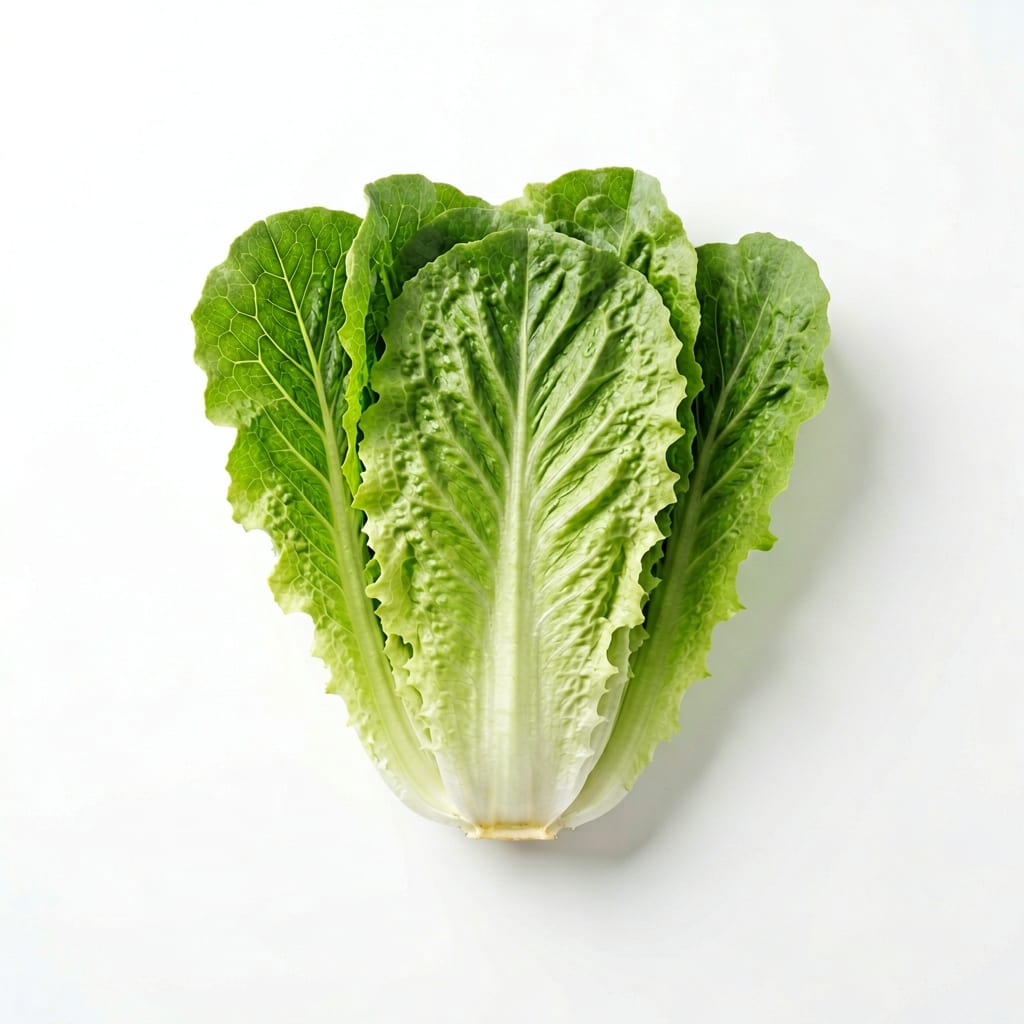
Romaine Lettuce
Romaine Lettuce is the safer, more practical everyday green, while Shepherd's Purse offers a surprising nutrient punch but carries foraging and medicinal risks.
Romaine Lettuce scores higher due to its unmatched convenience, safety, and culinary versatility for the average consumer. Shepherd's Purse is nutritionally superior but loses points on accessibility and safety risks.
Nutritional potency and traditional medicine benefits versus everyday safety and convenience.
At a glance
Executive summary
Overall
Romaine Lettuce
Healthier
It depends
More practical
Romaine Lettuce
Daily use
Romaine Lettuce
Key comparison lenses
Foraging vs Supermarket Availability
Shepherd's Purse is primarily a foraged wild green, while Romaine is a ubiquitous supermarket staple, heavily impacting practical access.
Nutrient Density per Calorie
Wild greens like Shepherd's Purse often pack a denser nutritional punch than cultivated lettuces, which are mostly water.
Blood Clotting and Medicinal Effects
Shepherd's Purse contains active compounds that affect blood clotting, making it a functional food rather than a neutral vegetable.
Food Safety and Contamination Risks
Comparing the bacterial outbreak risks of commercial Romaine against the misidentification and pollution risks of foraging.
Best choice for
Shepherd's Purse
- Experienced foragers seeking nutrient-dense wild greens
- People looking for traditional hemostatic remedies under supervision
Romaine Lettuce
- Busy families needing a reliable salad base
- Anyone wanting a low-calorie, hydrating daily green
Least suitable for
Shepherd's Purse
- Pregnant women due to uterine stimulating effects
- People on blood thinners due to coagulant properties
- Untrained foragers who might misidentify the plant
Romaine Lettuce
- Those bored with mild flavors
- People seeking highly concentrated mineral sources
Deep comparison
Dimension by dimension
Each lens scores both foods and breaks down who each option suits.
- Dimension 1 · Priority 90Shepherd's Purse
Nutrient Density
Shepherd's Purse · 88Romaine Lettuce · 65Shepherd's Purse packs significantly more iron, calcium, and protein per gram than Romaine Lettuce.
Tradeoff
You get more vitamins and minerals from Shepherd's Purse, but you have to source it safely and manage its active compounds.
Why it matters
Higher nutrient density means you get more health benefits per bite, which is great if your diet lacks minerals.
Real-world impact
Eating Shepherd's Purse can help boost iron intake naturally, while Romaine mostly provides hydration and vitamin A.
Shepherd's Purse
- Boosting iron levels
- Increasing calcium intake naturally
Better for
- Those who want a neutral, low-impact salad base
Worse for
Romaine Lettuce
- Hydrating without overloading on active plant compounds
Better for
- Those needing dense mineral nutrition from their greens
Worse for
- Dimension 2 · Priority 95Romaine Lettuce
Convenience and Availability
Shepherd's Purse · 30Romaine Lettuce · 95Romaine Lettuce is available in every grocery store, while Shepherd's Purse is rarely sold and usually foraged.
Tradeoff
You trade the unique nutritional profile of a wild green for the grab-and-go ease of a supermarket staple.
Why it matters
If a food is hard to find, you simply won't eat it regularly, no matter how healthy it is.
Real-world impact
You can build a daily salad habit with Romaine effortlessly; Shepherd's Purse requires planning, knowledge, and seasonal access.
Shepherd's Purse
- Adventurous eaters who enjoy foraging
Better for
- People with no foraging experience or access to clean wild spaces
Worse for
Romaine Lettuce
- Weekly meal preppers
- Anyone shopping at regular grocery stores
Better for
- Those seeking rare or gourmet wild ingredients
Worse for
- Dimension 3 · Priority 88Romaine Lettuce
Safety and Side Effects
Shepherd's Purse · 45Romaine Lettuce · 75Shepherd's Purse contains compounds that affect blood clotting and carries foraging risks, whereas Romaine's main risk is occasional bacterial outbreaks.
Tradeoff
The medicinal properties of Shepherd's Purse make it risky for some people, while Romaine is generally benign if washed properly.
Why it matters
Interactions with medications or pregnancy can turn a healthy green into a hazard.
Real-world impact
Eating Shepherd's Purse before surgery or while on blood thinners could cause complications; Romaine just needs a good rinse.
Shepherd's Purse
- People specifically looking for its traditional coagulant properties
Better for
- Anyone taking blood thinners
- Expectant mothers
Worse for
Romaine Lettuce
- Pregnant women
- People on anticoagulant medication
- Risk-averse eaters
Better for
- Those concerned about large-scale agricultural E. coli outbreaks
Worse for
- Dimension 4 · Priority 75Romaine Lettuce
Culinary Versatility
Shepherd's Purse · 50Romaine Lettuce · 85Romaine is crisp, mild, and works raw or grilled, while Shepherd's Purse is peppery and best cooked or used as an herb.
Tradeoff
Romaine adapts to almost any dish, whereas Shepherd's Purse has a strong flavor that dominates.
Why it matters
A versatile green gets eaten more often and reduces food waste.
Real-world impact
You can use Romaine for salads, lettuce wraps, and grilling; Shepherd's Purse is mostly limited to sautés and soups.
Shepherd's Purse
- Flavor enthusiasts wanting a peppery, mustard-like kick
Better for
- Those who prefer mild, background greens
Worse for
Romaine Lettuce
- Making Caesar salads
- Creating low-carb sandwich wraps
Better for
- Cooked green recipes where a stronger flavor is desired
Worse for
Timeline
Health impact over time
Short-term
Hours to days
Shepherd's Purse
- May help stop minor bleeding due to hemostatic properties
- Can cause stomach upset in large amounts due to oxalates and strong compounds
Romaine Lettuce
- Provides quick hydration from high water content
- Delivers a light, crisp feeling without digestive heaviness
Long-term
Months to years
Shepherd's Purse
- Potential for mineral accumulation if consumed excessively
- Risk of interfering with long-term blood thinner medications
Romaine Lettuce
- Supports consistent vitamin A and K intake for bone and eye health
- Very low calorie intake might leave you hungry if used as a main staple
Risk profile
Safety & processing
Both are whole, natural greens. Shepherd's Purse is usually wild-harvested, while Romaine is commercially farmed, but neither typically contains artificial additives.
Shepherd's Purse
Misidentification
highForaging carries the risk of confusing Shepherd's Purse with toxic look-alikes.
Environmental contamination
mediumWild plants can absorb pollutants, pesticides, or heavy metals from roadside or urban soil.
Medicinal interactions
highContains compounds that constrict blood vessels and promote clotting, dangerous for those on blood thinners.
Romaine Lettuce
Bacterial contamination
mediumRomaine has been linked to E. coli outbreaks due to agricultural runoff, requiring thorough washing.
Who wins for whom
Audience fit
Same foods, different winners depending on your goal.
children
Romaine LettuceRomaine is mild, safe, and easy to chew, whereas Shepherd's Purse has medicinal properties and a strong flavor kids might dislike.
daily consumption
Romaine LettuceRomaine's safety profile, mild flavor, and easy availability make it a far better daily staple.
diabetes
Romaine LettuceRomaine is a safe, reliable, low-carb staple that won't interact with medications.
elderly
Romaine LettuceOlder adults are often on medications like blood thinners, making Shepherd's Purse risky, while Romaine is safe and hydrating.
muscle gain
It dependsNeither is a significant protein source, though Shepherd's Purse has slightly more protein per calorie.
weight loss
Romaine LettuceRomaine Lettuce is incredibly low in calories and easy to eat in large volumes, making it a better filler food.
Your move
Decision guide
Choose Shepherd's Purse
- You are an experienced forager with access to clean land
- You want a nutrient-dense wild green with traditional medicinal properties
- You are not on blood thinners or pregnant
Choose Romaine Lettuce
- You want a reliable, easy-to-find salad base
- You need a mild green that pairs with anything
- You are meal-prepping for the week
Either works if
- You just need a serving of leafy greens for dinner
- You want to boost your daily vitamin K intake
Avoid both if
- You have severe oxalate sensitivities
- You need a high-protein food source
Final recommendation
Stick with Romaine Lettuce for your everyday salads and wraps. It is safe, convenient, and versatile. Treat Shepherd's Purse as an occasional foraged delicacy or herbal remedy, but only if you are absolutely certain of its identification and free from medication conflicts.
Practical
Consumer tips
- 1
Wash Romaine Lettuce thoroughly under running water to reduce any risk of bacterial contamination.
- 2
Never forage Shepherd's Purse unless you are 100% confident in identifying it and know the soil is free from pesticides and pollutants.
- 3
If trying Shepherd's Purse, cook it like spinach to mellow its peppery flavor and reduce oxalates.
- 4
Avoid Shepherd's Purse if you are pregnant, trying to conceive, or taking anticoagulant drugs like Warfarin.