
Nutrition comparison
Shepherd's Purse vs Spinach: Nutrition, Safety & Medicinal Benefits
Compare Shepherd's Purse vs Spinach for nutrition, oxalates, and safety. Discover which green is better for kidney stones, daily meals, and medicinal use.
Overall winner · Spinach

Shepherd's Purse
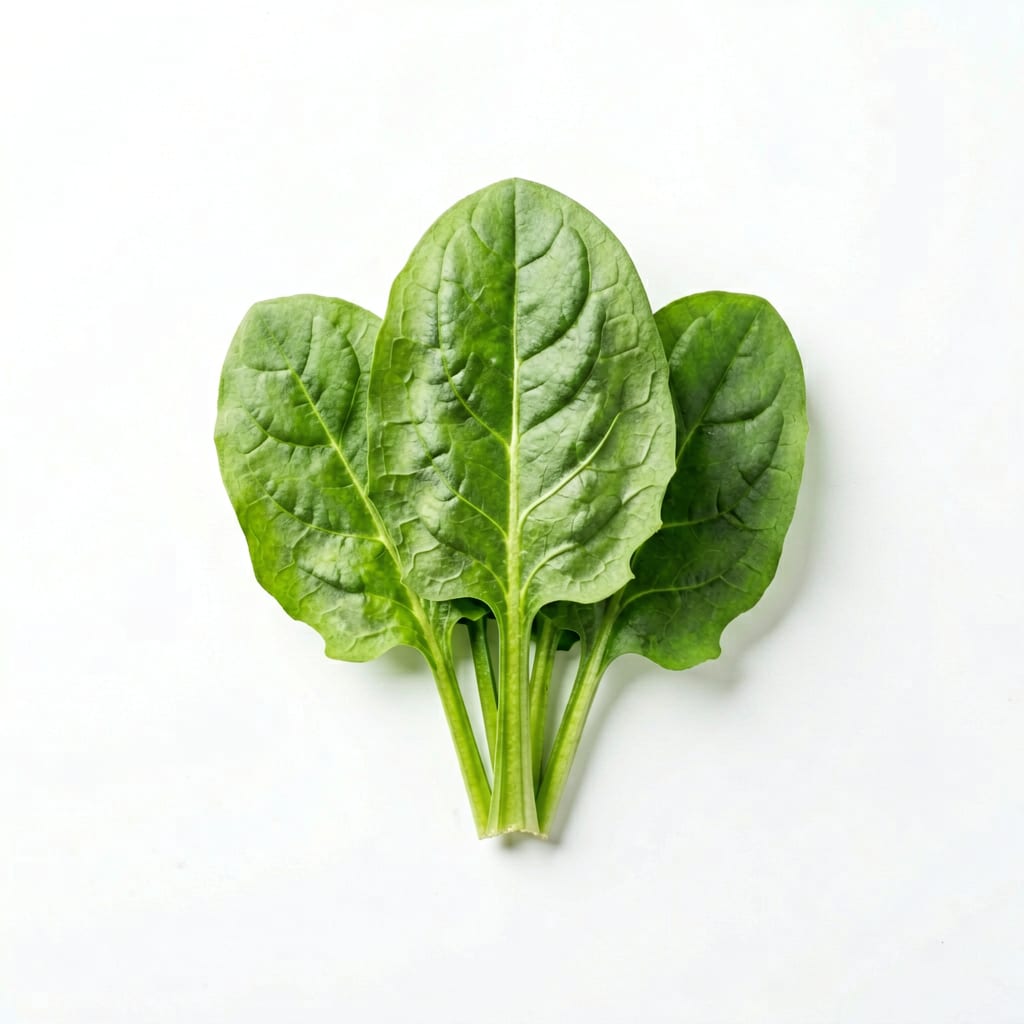
Spinach
Spinach is the safer, more practical daily green with proven nutritional density, while Shepherd's Purse offers unique medicinal benefits and better mineral absorption but carries foraging risks.
Spinach scores significantly higher due to its accessibility, proven nutritional profile, and culinary versatility. Shepherd's Purse scores lower primarily because of foraging safety concerns, lack of commercial availability, and potential medicinal interactions, despite its excellent low-oxalate profile.
You trade the reliable, heavy-duty nutrition and safety of Spinach for the low-oxalate, hemostatic medicinal properties of Shepherd's Purse.
At a glance
Executive summary
Overall
Spinach
Healthier
Spinach
More practical
Spinach
Daily use
Spinach
Key comparison lenses
Nutritional density and vitamin profile
Users comparing leafy greens primarily want to know which packs more vitamins and minerals per bite.
Safety and foraging risks
Shepherd's Purse is often foraged rather than farmed, introducing misidentification and contamination risks unlike commercial Spinach.
Oxalate content and mineral absorption
Spinach is notoriously high in oxalates which block nutrient absorption, making this a critical differentiator.
Medicinal vs culinary use
Shepherd's Purse has strong traditional medicinal properties that Spinach lacks, shifting the comparison from pure food to functional remedy.
Best choice for
Shepherd's Purse
- People prone to kidney stones needing low-oxalate greens
- Those seeking traditional herbal remedies for heavy menstrual bleeding
- Adventurous foragers wanting a local, sustainable weed
Spinach
- Everyday meal preppers looking for versatile, cheap nutrition
- Athletes needing dietary nitrates for blood flow
- Families wanting a safe, grocery-store staple
Least suitable for
Shepherd's Purse
- Beginner foragers who might confuse it with toxic lookalikes
- People on blood-thinning medications due to its clotting effects
- Those wanting a mild, sweet flavor for smoothies
Spinach
- People with a history of calcium oxalate kidney stones
- Those needing highly bioavailable iron or calcium without preparation tricks
Deep comparison
Dimension by dimension
Each lens scores both foods and breaks down who each option suits.
- Dimension 1 · Priority 95Spinach
Vitamin and Mineral Density
Shepherd's Purse · 70Spinach · 92Spinach delivers a much heavier punch of Vitamins A, C, K, and folate per serving compared to Shepherd's Purse.
Tradeoff
While Spinach has more total minerals, its high oxalates bind to them, making them harder to absorb than the minerals in Shepherd's Purse.
Why it matters
Eating Spinach guarantees a massive dose of eye-protecting vitamin A and blood-clotting vitamin K that is hard to match.
Real-world impact
A handful of Spinach in a smoothie easily boosts your daily vitamin intake, whereas Shepherd's Purse acts more like a light herbal garnish nutritionally.
Shepherd's Purse
- Bioavailable calcium and iron intake without cooking
Better for
- Reliably hitting high nutritional targets
Worse for
Spinach
- Reaching daily folate goals during pregnancy
- Boosting overall vitamin intake effortlessly
Better for
- Absorbing raw iron and calcium due to oxalate binding
Worse for
- Dimension 2 · Priority 90Spinach
Safety and Sourcing
Shepherd's Purse · 45Spinach · 85Spinach is a regulated, commercially farmed crop, while Shepherd's Purse is mostly foraged, carrying risks of misidentification and soil contamination.
Tradeoff
You give up the absolute purity of a wild, untainted plant to get the guaranteed safety of a grocery store vegetable.
Why it matters
Eating the wrong weed or one sprayed with roadside herbicides can cause severe illness, making Shepherd's Purse a risky choice for the untrained.
Real-world impact
You can grab a bag of Spinach without a second thought, but eating Shepherd's Purse requires expert botanical knowledge to avoid poisoning.
Shepherd's Purse
- Avoiding agricultural pesticide residues if foraged deep in clean wild areas
Better for
- Risk of misidentification with toxic weeds
- Exposure to roadside pollutants or herbicides
Worse for
Spinach
- Guaranteed food safety and consistent quality
- Avoiding toxic lookalikes
Better for
- Exposure to standard farming pesticides if not organic
Worse for
- Dimension 3 · Priority 85Shepherd's Purse
Oxalate Load and Digestion
Shepherd's Purse · 90Spinach · 40Shepherd's Purse is naturally low in oxalates, whereas Spinach is one of the highest-oxalate foods available.
Tradeoff
Spinach offers more nutrients but traps them behind oxalates that can cause kidney stones, while Shepherd's Purse offers less nutrition but absorbs smoothly.
Why it matters
For the roughly 10% of people prone to kidney stones, raw Spinach is a dangerous trigger food.
Real-world impact
If you have sensitive kidneys, you can eat a Shepherd's Purse salad worry-free, but a raw Spinach salad might land you in the ER.
Shepherd's Purse
- Preventing kidney stone formation
- Getting calcium and iron without needing to boil the greens first
Better for
- No significant oxalate-related downsides
Worse for
Spinach
- There are no real digestive advantages to high oxalates
Better for
- Triggering kidney stones in susceptible individuals
- Blocking iron and calcium absorption if eaten raw
Worse for
- Dimension 4 · Priority 75Shepherd's Purse
Medicinal and Functional Properties
Shepherd's Purse · 88Spinach · 50Shepherd's Purse is a powerful traditional hemostatic herb used to stop bleeding, a trait Spinach completely lacks.
Tradeoff
You lose everyday culinary versatility in exchange for a targeted, medicinal effect on blood clotting and menstrual flow.
Why it matters
If you are dealing with heavy bleeding, Shepherd's Purse acts almost like a natural medicine, while Spinach is just food.
Real-world impact
A tea made from Shepherd's Purse can help manage a heavy period, whereas Spinach tea would offer no such benefit.
Shepherd's Purse
- Managing heavy menstrual bleeding naturally
- Reducing minor internal bleeding
Better for
- Interfering with blood-thinning medications like Warfarin
Worse for
Spinach
- Supporting general cardiovascular health via dietary nitrates
Better for
- Lacks targeted medicinal properties for acute conditions
Worse for
Timeline
Health impact over time
Short-term
Hours to days
Shepherd's Purse
- May help quickly reduce heavy menstrual flow or minor nosebleeds
- Slightly bitter taste might aid digestion and stimulate appetite
Spinach
- Dietary nitrates can quickly improve blood flow and lower blood pressure within hours
- Eating large amounts raw can cause stomach discomfort due to oxalates
Long-term
Months to years
Shepherd's Purse
- Consistent use could potentially lead to blood clots if overconsumed
- Provides a safe, long-term green option for chronic kidney stone formers
Spinach
- High vitamin K ensures strong bones and reduced fracture risk over time
- Lutein and zeaxanthin significantly protect against age-related macular degeneration
Risk profile
Safety & processing
Both are whole, natural leafy greens. Shepherd's Purse is usually eaten wild and completely unprocessed, while Spinach is commercially farmed but still arrives as a raw, whole food.
Shepherd's Purse
Toxic Misidentification
highShepherd's Purse resembles several toxic weeds; harvesting without expert knowledge is dangerous.
Medicinal Interaction
mediumIts blood-clotting properties can severely interfere with anticoagulant drugs and should be avoided by those on blood thinners.
Environmental Contamination
mediumWild plants absorb heavy metals and pollutants from roadside soil or agricultural runoff if foraged in the wrong area.
Spinach
Oxalate Kidney Stones
mediumExtremely high in oxalates, which bind to calcium and can form painful stones in susceptible people.
Pesticide Residue
lowConventionally grown Spinach frequently appears on the EWG's Dirty Dozen list for pesticide residues; washing thoroughly or buying organic is advised.
Who wins for whom
Audience fit
Same foods, different winners depending on your goal.
children
SpinachSpinach is a safe, mild, and widely available way to sneak vitamins into kids' meals without the risks of foraging.
daily consumption
SpinachSpinach is cheap, accessible, and easy to incorporate into daily meals without the safety concerns of a medicinal herb.
diabetes
SpinachSpinach has a glycemic index of essentially zero and its high magnesium content helps improve insulin sensitivity.
elderly
SpinachThe high vitamin K in Spinach is crucial for bone density and preventing fractures in older adults, provided they aren't on blood thinners.
muscle gain
SpinachSpinach contains dietary nitrates that can improve mitochondrial efficiency and blood flow during exercise.
weight loss
SpinachSpinach is extremely low in calories but physically bulky, making it far easier to eat in large volumes to feel full.
Your move
Decision guide
Choose Shepherd's Purse
- You are an experienced forager with a reliable, clean harvesting spot
- You struggle with kidney stones and need a low-oxalate alternative to Spinach
- You are looking for a natural remedy to manage heavy menstrual bleeding
Choose Spinach
- You want a reliable, nutrient-dense green for daily meals
- You are shopping at a grocery store and want guaranteed safety
- You want to boost your eye health, bone density, and folate intake
Either works if
- You just need a basic garnish for a soup or stew
- You are rotating leafy greens to diversify your nutrient intake
Avoid both if
- You are on blood-thinning medications like Warfarin without doctor approval
- You have severe digestive issues that make handling any raw greens difficult
Final recommendation
Make Spinach your everyday workhorse green for its unmatched convenience and vitamin density. Treat Shepherd's Purse as a specialty item—use it occasionally if you are a skilled forager or specifically need its low-oxalate and blood-clotting benefits, but do not rely on it as your dietary staple.
Practical
Consumer tips
- 1
If you have kidney stones but want Spinach's nutrients, boil it and discard the water to remove up to 50% of the oxalates.
- 2
Never forage Shepherd's Purse near roads, old industrial sites, or agricultural fields that might spray herbicides.
- 3
If taking blood thinners, keep your Spinach intake consistent rather than suddenly eating large amounts, as its high Vitamin K can counteract your medication.
- 4
Pair Spinach with a source of vitamin C, like lemon juice, to significantly boost iron absorption and counteract the oxalates.