
Nutrition comparison
Shepherd's Purse vs Mustard Greens: Nutrition, Medicinal Value, and Which to Choose
Compare Shepherd's Purse and Mustard Greens side by side. Discover which green is better for daily nutrition, medicinal use, safety, and cooking versatility with expert analysis.
Overall winner · Mustard Greens

Shepherd's Purse
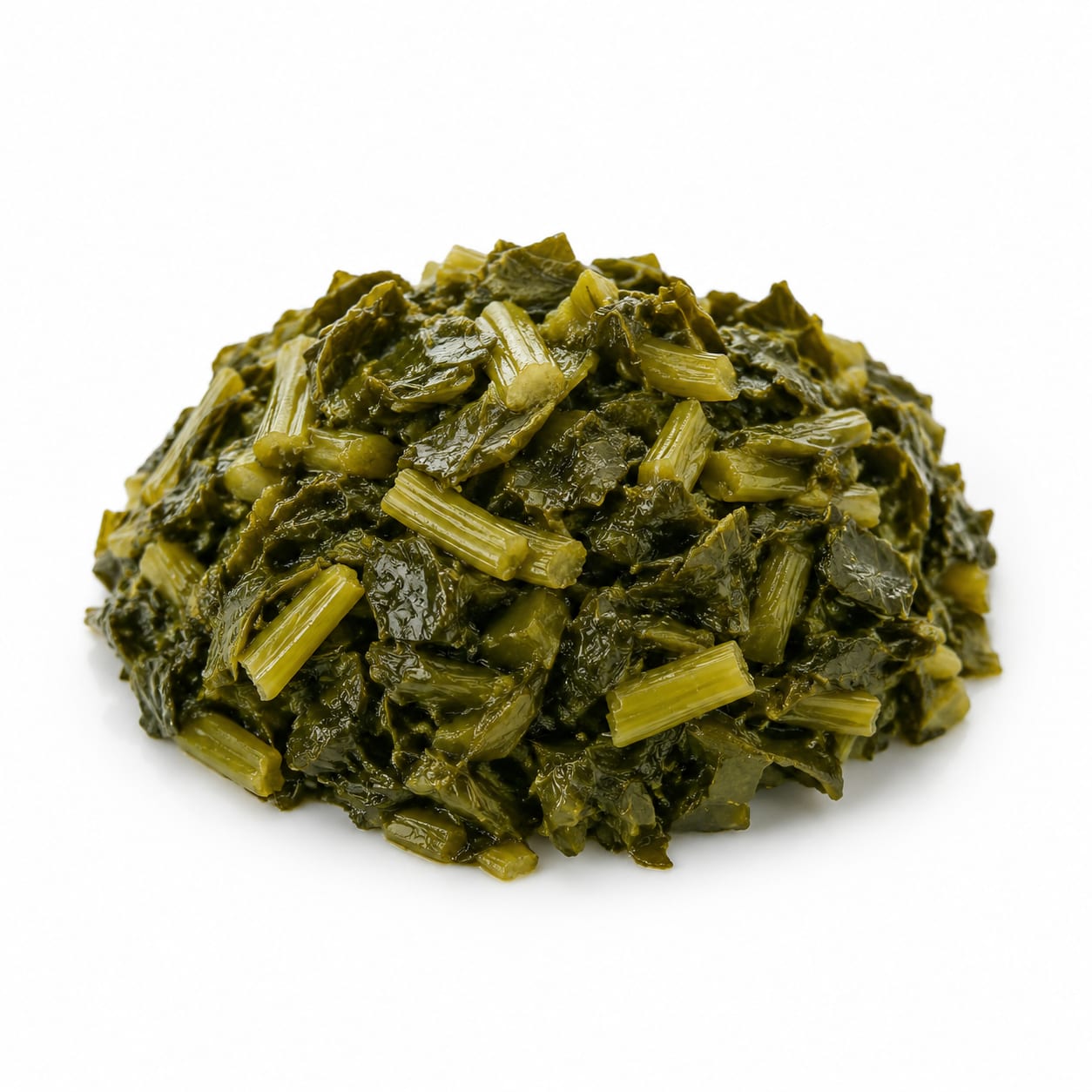
Mustard Greens
Mustard Greens win for everyday nutrition and practicality, but Shepherd's Purse offers unique medicinal value that no common green can replicate.
Mustard Greens score significantly higher due to superior accessibility, well-documented nutrition, and culinary versatility. Shepherd's Purse earns respectable marks for unique medicinal value and nutrient density but loses ground on safety concerns, availability, and limited everyday usability.
Mustard Greens give you reliable, accessible nutrition for daily meals; Shepherd's Purse gives you targeted medicinal benefits but requires careful sourcing and caution with medications.
At a glance
Executive summary
Overall
Mustard Greens
Healthier
Mustard Greens
More practical
Mustard Greens
Daily use
Mustard Greens
Key comparison lenses
nutritional density comparison
Both are nutrient-dense leafy greens but with very different vitamin and mineral profiles that affect daily health decisions
medicinal vs culinary use
Shepherd's Purse is primarily known for medicinal properties while Mustard Greens are a staple culinary green with well-documented nutrition
accessibility and practicality
Mustard Greens are widely available in stores; Shepherd's Purse is mostly foraged or specialty-sourced, creating a major practical gap
safety and contraindications
Shepherd's Purse has notable blood-clotting effects that matter for certain medications and conditions, while Mustard Greens have goitrogen concerns
antioxidant and anti inflammatory value
Both offer distinct phytochemical profiles with different anti-inflammatory and cellular protection benefits
Best choice for
Shepherd's Purse
- People seeking natural support for heavy menstrual bleeding
- Those interested in traditional herbal remedies for minor wounds
- Foragers wanting nutrient-dense wild greens
- Individuals looking for vitamin K-rich options beyond common greens
Mustard Greens
- Everyday cooks wanting a flavorful, nutrient-packed side dish
- People focused on bone health and immune support long-term
- Anyone seeking affordable, store-bought leafy greens with proven nutrition
- Families wanting a versatile cooking green with wide recipe compatibility
Least suitable for
Shepherd's Purse
- People on blood thinners like warfarin due to vitamin K and hemostatic effects
- Those who need reliable grocery store availability
- Anyone unfamiliar with safe foraging identification
- Pregnant women without medical guidance due to uterotonic properties
Mustard Greens
- People with thyroid issues who eat large amounts raw
- Those sensitive to bitter or peppery flavors
- Individuals prone to kidney stones from oxalates if consuming raw frequently
Deep comparison
Dimension by dimension
Each lens scores both foods and breaks down who each option suits.
- Dimension 1 · Priority 93Mustard Greens
vitamin_and_mineral_density
Shepherd's Purse · 72Mustard Greens · 88Mustard Greens deliver more consistent and measurable amounts of vitamins K, A, C, and folate per serving, with extensive nutritional databases backing the numbers.
Tradeoff
Shepherd's Purse contains respectable vitamin K and vitamin C levels, but its nutrition data is less established since it is primarily a wild food with variable composition.
Why it matters
When you eat leafy greens daily for health, predictable nutrient content matters more than occasional peaks in wild varieties.
Real-world impact
A serving of Mustard Greens reliably covers over 100% of your vitamin K needs and significant vitamin A, while Shepherd's Purse amounts vary based on growing conditions and harvest time.
Shepherd's Purse
- Supplementing vitamin K in a whole-food form with synergistic plant compounds
Better for
- Relying on consistent dosing of specific vitamins since wild plants vary widely
Worse for
Mustard Greens
- Consistent daily vitamin K, A, and C intake
- Meeting folate needs during pregnancy with medical approval
- Building bone-supportive nutrition habits long-term
Better for
- Nothing significant; Mustard Greens are a nutritional benchmark among leafy greens
Worse for
- Dimension 2 · Priority 87Shepherd's Purse
medicinal_and_therapeutic_value
Shepherd's Purse · 86Mustard Greens · 65Shepherd's Purse has centuries of documented use as a hemostatic herb that helps slow bleeding, a property virtually no common cooking green shares.
Tradeoff
This medicinal power comes with real contraindications that Mustard Greens simply do not carry, making Shepherd's Purse more potent but less carefree.
Why it matters
If you are dealing with heavy periods, nosebleeds, or minor wounds, Shepherd's Purse offers functional medicine in food form that you cannot get from produce aisle greens.
Real-world impact
Some herbalists recommend Shepherd's Purse tincture or tea for menstrual heaviness, while Mustard Greens cannot serve this purpose regardless of how much you eat.
Shepherd's Purse
- Managing heavy menstrual flow naturally
- Supporting blood clotting for minor cuts and nosebleeds
- Traditional postpartum support under professional guidance
Better for
- Anyone on anticoagulant therapy who needs to avoid pro-clotting herbs
Worse for
Mustard Greens
- Long-term anti-inflammatory benefits from glucosinolates
- Cellular protection through well-studied antioxidant compounds
- Cardiovascular support through regular dietary inclusion
Better for
- Acute therapeutic applications beyond general nutrition
Worse for
- Dimension 3 · Priority 90Mustard Greens
availability_and_everyday_practicality
Shepherd's Purse · 35Mustard Greens · 92Mustard Greens are available year-round in most grocery stores and farmers markets; Shepherd's Purse is primarily a foraged plant rarely found in commerce.
Tradeoff
You can build consistent meal plans around Mustard Greens; Shepherd's Purse requires foraging knowledge, specialty suppliers, or home growing.
Why it matters
The healthiest green is the one you can actually obtain and eat regularly, not the one with impressive properties you can never find.
Real-world impact
Most people can grab Mustard Greens on any grocery run; finding fresh Shepherd's Purse means foraging in spring, ordering dried herb online, or growing it yourself.
Shepherd's Purse
- Connecting with wild food traditions and foraging communities
Better for
- Spontaneous recipe decisions
- Urban dwellers without foraging access
- People uncomfortable with wild plant identification
Worse for
Mustard Greens
- Reliable weekly meal planning
- Consistent grocery budgeting
- Family meals where everyone recognizes the ingredient
Better for
- Nothing meaningful; this is Mustard Greens' strongest advantage
Worse for
- Dimension 4 · Priority 82Mustard Greens
culinary_versatility_and_flavor
Shepherd's Purse · 55Mustard Greens · 83Mustard Greens bring a peppery kick that works in stir-fries, soups, salads, and braises across many cuisines; Shepherd's Purse is milder but less culinarily established.
Tradeoff
Shepherd's Purse has a pleasant, slightly peppery taste when young but lacks the recipe tradition and flavor impact that makes Mustard Greens a kitchen staple worldwide.
Why it matters
Flavor drives whether you actually keep eating a green long-term. Boring greens get abandoned regardless of nutrition.
Real-world impact
Mustard Greens can star in Southern braises, Indian saags, and Chinese stir-fries with abundant recipes available; Shepherd's Purse mostly appears in foraging guides and herbal preparations.
Shepherd's Purse
- Adding subtle flavor to salads when leaves are young and tender
- Herbal tea preparations with functional benefits
Better for
- Standing alone as a main side dish
- Finding recipes beyond basic sautés
Worse for
Mustard Greens
- Hearty braised greens as a side dish
- Spicy additions to soups and stews
- Raw in mixed salads for peppery contrast
- Traditional recipes across Southern, Asian, and African cuisines
Better for
- Delicate raw preparations where extreme pepperiness overwhelms
Worse for
- Dimension 5 · Priority 85Mustard Greens
safety_and_contraindication_profile
Shepherd's Purse · 52Mustard Greens · 78Mustard Greens have well-understood precautions mainly around goitrogens when raw; Shepherd's Purse has blood-affecting properties that interact with medications and pregnancy.
Tradeoff
Shepherd's Purse's medicinal strength is also its safety liability, requiring more caution than any standard cooking green.
Why it matters
Eating something that affects blood clotting while on warfarin or during pregnancy can have real consequences that go beyond typical food choices.
Real-world impact
You can add Mustard Greens to most diets with minimal concern after cooking; Shepherd's Purse requires checking medications and health conditions first.
Shepherd's Purse
- Situations where hemostatic effects are intentionally desired
Better for
- Blood thinner users who must avoid pro-clotting foods
- Pregnant women without professional guidance
- People with clotting disorders who need careful management
Worse for
Mustard Greens
- Safe inclusion in most diets without medication checks
- Consumption during pregnancy when cooked and eaten in normal food amounts
- Long-term daily use without monitoring concerns
Better for
- Raw consumption in large amounts for those with thyroid conditions
Worse for
- Dimension 6 · Priority 78It depends
antioxidant_and_phytochemical_diversity
Shepherd's Purse · 76Mustard Greens · 80Mustard Greens are rich in glucosinolates that convert to cancer-fighting isothiocyanates; Shepherd's Purse contains unique flavonoids and choline with different protective pathways.
Tradeoff
Mustard Greens offer better-studied cancer-protective compounds, while Shepherd's Purse provides phytochemicals with less research but distinct mechanisms.
Why it matters
Different antioxidant families support different body systems, so diversity matters more than absolute quantity for long-term health.
Real-world impact
Regular Mustard Greens consumption links to lower cancer risk in population studies; Shepherd's Purse has promising compounds but lacks equivalent human research.
Shepherd's Purse
- Diversifying your antioxidant intake beyond common brassica compounds
- Accessing flavonoids that support vascular integrity
Better for
- Evidence-based confidence in disease prevention outcomes
Worse for
Mustard Greens
- Glucosinolate-derived cellular protection with strong research backing
- Consistent anti-inflammatory compound delivery with each serving
Better for
- Providing phytochemical diversity if you already eat many brassica vegetables
Worse for
Timeline
Health impact over time
Short-term
Hours to days
Shepherd's Purse
- May help reduce active menstrual bleeding within hours of consumption as tea or tincture
- Can support blood clotting for minor cuts when applied topically as a poultice
- Mild diuretic effect that may increase urination slightly
- Possible mild digestive stimulation from bitter compounds
Mustard Greens
- Noticeable energy and satiety from fiber and nutrient density within a meal
- Peppery flavor can clear sinuses and stimulate digestion
- Raw consumption may slightly suppress thyroid function temporarily due to goitrogens
- Quick vitamin K boost that supports normal blood clotting within hours
Long-term
Months to years
Shepherd's Purse
- Potential support for managing chronic heavy menstrual cycles when used consistently
- Vitamin K contribution to bone density maintenance over years
- Possible vascular health benefits from flavonoid content with regular consumption
- Risk of excessive clotting tendency if combined with blood-thinning medication long-term
Mustard Greens
- Reduced cancer risk associated with regular glucosinolate intake from cruciferous vegetables
- Stronger bones from consistent vitamin K and calcium intake over years
- Better cardiovascular markers from anti-inflammatory compound accumulation
- Improved digestive regularity from sustained fiber intake
Risk profile
Safety & processing
Both greens are whole, unprocessed foods at their natural state. Shepherd's Purse is typically wild-harvested with minimal human intervention, while Mustard Greens are cultivated but equally unprocessed when bought fresh. Neither carries meaningful additive concerns in their raw form.
Shepherd's Purse
Medication interaction with blood thinners
highShepherd's Purse contains compounds that promote blood clotting and can directly counteract anticoagulant medications like warfarin, creating dangerous interaction potential.
Uterine stimulation during pregnancy
highTraditional use suggests Shepherd's Purse can stimulate uterine contractions, making it risky during pregnancy without professional supervision.
Misidentification during foraging
mediumAs a wild-harvested plant, incorrect identification could lead to consuming toxic look-alikes, especially for inexperienced foragers.
Environmental contamination in wild harvests
mediumWild plants absorb soil and water contaminants including heavy metals and pesticides from their uncontrolled growing environments.
Mustard Greens
Goitrogenic effects from raw consumption
mediumRaw Mustard Greens contain goitrogens that can interfere with thyroid function, particularly concerning for people with existing thyroid conditions. Cooking largely neutralizes this risk.
Oxalate content affecting kidney stone formation
lowMustard Greens contain moderate oxalates that may contribute to kidney stone formation in susceptible individuals, especially when consumed raw in large quantities.
Pesticide residue on conventional produce
lowLike all leafy greens, conventional Mustard Greens may carry pesticide residue; choosing organic reduces this concern significantly.
Who wins for whom
Audience fit
Same foods, different winners depending on your goal.
children
Mustard GreensMustard Greens are a recognized food with established safety for kids when cooked; Shepherd's Purse lacks pediatric safety data and its blood-affecting properties are inappropriate for children.
daily consumption
Mustard GreensMustard Greens are safe, accessible, and well-tolerated for daily use; Shepherd's Purse is better used periodically for specific purposes rather than as a daily vegetable.
diabetes
Mustard GreensMustard Greens provide reliable fiber and antioxidants with minimal carbohydrate impact, supporting blood sugar stability as a regular dietary component.
elderly
Mustard GreensMustard Greens support bone density and cardiovascular health without medication interaction concerns for seniors commonly on blood thinners; Shepherd's Purse poses significant interaction risks for this population.
muscle gain
Mustard GreensNeither green is a protein source, but Mustard Greens offer more practical nutrient support around workouts as an accessible, cookable vegetable that complements protein-rich meals.
weight loss
Mustard GreensMustard Greens provide more volume, fiber, and satiety per calorie with easy portion control as a cooked side dish, supporting sustainable weight management.
Your move
Decision guide
Choose Shepherd's Purse
- You want natural support for heavy menstrual bleeding and have cleared it with your doctor
- You are an experienced forager seeking nutrient-dense wild greens
- You need a hemostatic herb for minor external bleeding as part of an herbal first aid approach
- You already eat plenty of brassica vegetables and want phytochemical diversity
Choose Mustard Greens
- You want a reliable, delicious cooking green for weekly meals
- Bone health, immune support, and cancer prevention are long-term priorities
- You need a green that works across many recipes and cuisines
- You take blood thinners or want a green safe during pregnancy
Either works if
- You simply want more leafy greens in your diet and can access either
- Vitamin K intake is your primary goal from greens
Avoid both if
- You have severe oxalate sensitivity and kidney stone issues, especially consuming them raw
- You are on strict vitamin K restriction for medical reasons
Final recommendation
Make Mustard Greens your everyday green for proven nutrition and kitchen versatility. Consider adding Shepherd's Purse occasionally if you forage or want its unique medicinal properties, but always check for medication interactions first. The best long-term strategy is building consistent habits around accessible foods, and Mustard Greens deliver that reliability.
Practical
Consumer tips
- 1
Always cook Mustard Greens if you have thyroid concerns; steaming or sautéing neutralizes most goitrogens while preserving nutrients.
- 2
If foraging Shepherd's Purse, harvest only from clean areas away from roads and agricultural runoff, and confirm identification with an expert.
- 3
Shepherd's Purse is most potent when harvested before flowering; young leaves are also more tender and better for salads.
- 4
Blanch Mustard Greens before adding to soups or stir-fries to reduce bitterness and improve texture.
- 5
If you are on warfarin or other blood thinners, avoid Shepherd's Purse entirely and maintain consistent vitamin K intake from Mustard Greens instead.
- 6
Freeze-dried Shepherd's Purse powder is available from herbal suppliers if foraging is not an option, offering more controlled dosing than wild harvesting.
- 7
Pair Mustard Greens with a fat source like olive oil or sesame oil to absorb their fat-soluble vitamins K and A effectively.