
Berry
Sea Buckthorn
A nutrient-dense, bright orange superberry uniquely high in omega-7 fatty acids and vitamin C.
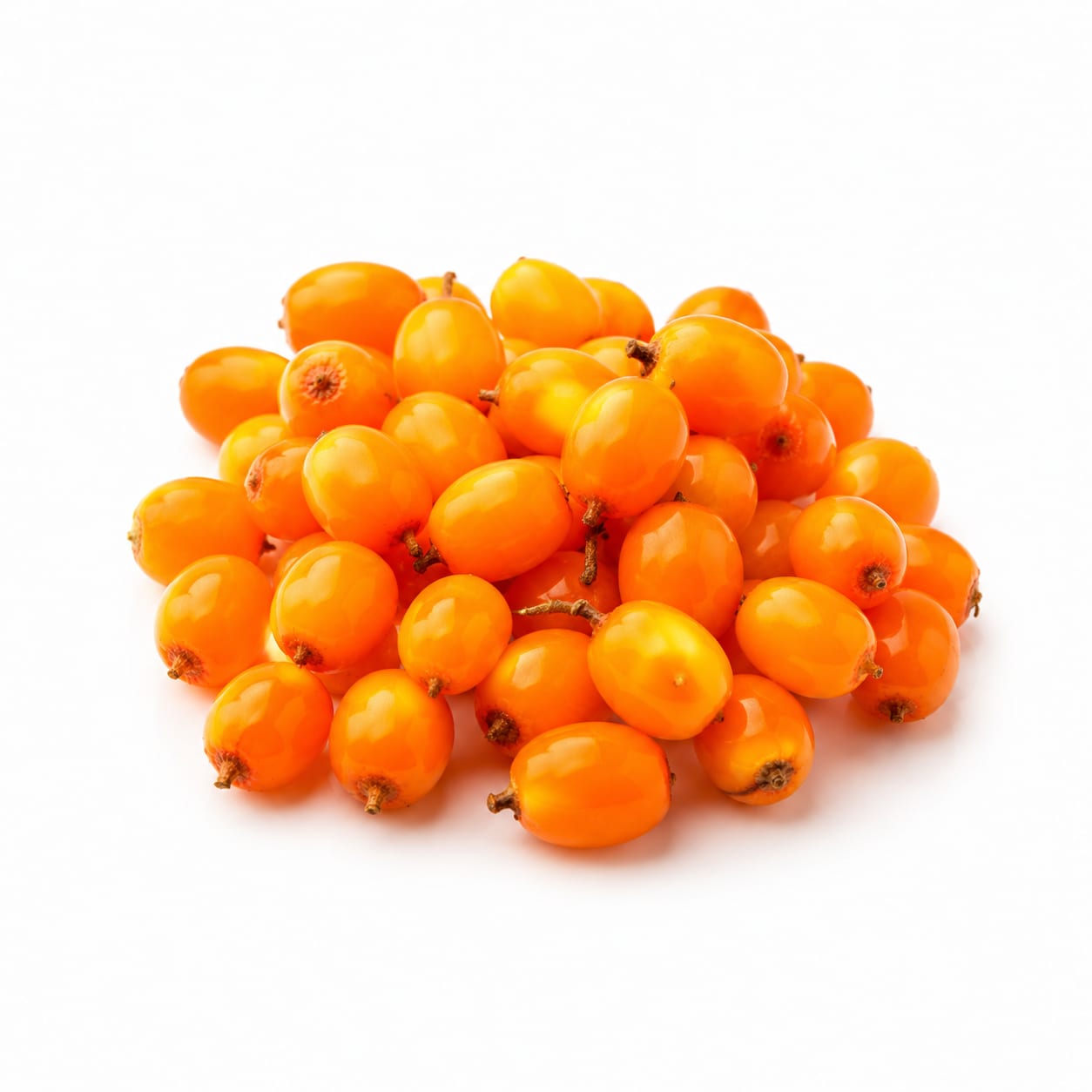
Sea buckthorn is a small, bright orange-yellow berry that grows on the Hippophae rhamnoides shrub. Known for its exceptionally tart flavor, it is uniquely rich in omega-7 fatty acids and vitamin C, making it highly valued in both nutrition and skincare.
high-fat functional berry with exceptional omega-7 and vitamin C content
Typical serving · 28g
Common varieties · hippophae rhamnoides, hippophae salicifolia, hippophae tibetana
Overall context score across nutrition, safety, and diet fit
At a glance
Quick facts
Simple indicators based on nutrition, processing, and diet fit.
The story
What makes it unique
Sea buckthorn berries digest moderately due to their fiber and fat content, which slows gastric emptying. They provide a rare plant-based source of omega-7 (palmitoleic acid) alongside high concentrations of ascorbic acid and carotenoids. The macronutrient profile features a higher fat content than most berries, contributing to greater satiety. Processing typically involves juicing or oil extraction to mitigate the extreme tartness of the raw fruit.
Varieties: hippophae rhamnoides · hippophae salicifolia · hippophae tibetana
Per 100g
Nutrition breakdown
Macro balance and key metrics at a glance.
Energy
Density 0.82 kcal/g
Protein
Carbs
Fat
Fiber
Sugar
5.1 g
Sodium
3 mg
Potassium
140 mg
Glycemic index
15
Glycemic load
1.7
Water content
80%
Standout compounds
Nutrient highlights
Omega-7 Fatty Acids
highSupports skin hydration, mucous membrane health, and cellular signaling.
Vitamin C
highBoosts collagen production, immune function, and acts as a potent antioxidant.
Vitamin E
highProtects cell membranes from oxidative damage and works synergistically with vitamin C.
Carotenoids
moderateSupports eye health and provides systemic anti-inflammatory effects.
Wellness map
Health scores & processing
NOVA processing scale
minimally processed · Whole food
Raw sea buckthorn berries are unprocessed whole foods. However, they are rarely eaten raw due to extreme tartness and are typically cold-pressed into juices, purees, or oils, which minimally alters their nutritional profile.
Diet compatibility
- Weight loss
- Muscle gain
- Diabetes
- Gut health
- Low carb
- High protein
- Heart health
Relative standing
Food rankings
Qualitative ranks compared to similar whole foods.
- Satietygood
- Blood sugarexcellent
- Nutrient densityexcellent
- Fitness fuelmoderate
- Processing qualityexcellent
Eat with confidence
Food safety profile
Sea buckthorn is generally very safe. It grows in harsh, coastal, or mountainous environments that typically require few to no pesticides. As with all berries, washing is recommended to remove potential agricultural residues or soil contaminants.
Evidence confidence 88%
- Pesticideslow
- Antibioticslow
- Heavy metalslow
- Contaminationlow
Watch for
- agricultural chemical residues
Safer choices
Organic cold-pressed sea buckthorn juice or oil to ensure purity and avoid diluent additives.
Prep tips
If purchasing fresh berries, rinse thoroughly under cold water. For supplements or oils, choose cold-pressed, hexane-free varieties.
Minimal regulatory concerns; often wild-harvested or grown organically due to its hardiness in poor soil conditions.
Deep dive
Health analysis
How this food may fit different goals and preparation choices.
Weight loss
Low energy density and high fiber content promote fullness, while the unique fat content slows digestion, reducing overall calorie intake at subsequent meals.
Blood sugar
Extremely low glycemic index and load. The combination of fiber, fat, and low sugar prevents blood sugar spikes, making it highly suitable for glucose management.
Fitness & energy
Not a primary energy source for high-intensity exercise due to low carbohydrate density, but the healthy fats and antioxidants support recovery and reduce exercise-induced oxidative stress.
Gut health
Contains soluble fiber and polyphenols that act as prebiotics, supporting beneficial gut bacteria. Traditional use also targets gastric mucosal health.
Processing quality
Whole berries are unprocessed. Commercial products vary; cold-pressed oils and purees retain nutrients, while sweetened juices and syrups significantly increase added sugar content.
Food safety
Very low risk of contamination or pesticide exposure. The plant's natural resilience reduces the need for agricultural chemicals.
Common mistakes
Consuming sea buckthorn juices loaded with added sugars to mask the natural tartness, which negates the blood sugar benefits. Also, confusing sea buckthorn seed oil with berry oil, as they have different fatty acid profiles.
Best preparation
Blending a small amount of pure unsweetened puree into smoothies, mixing with yogurt, or using the cold-pressed oil as a dietary supplement or salad dressing.
Practical guide
Best use cases
When and how this food fits real eating patterns.
skin and mucous membrane support
The high omega-7 content hydrates and repairs mucous membranes and skin cells from the inside out.
low-calorie flavor boost
A small amount of unsweetened puree adds a bright, citrusy punch to smoothies and yogurt without excess calories.
antioxidant recovery aid
Post-exercise consumption helps combat oxidative stress due to the dense concentration of vitamin C and carotenoids.
Balance sheet
Pros & cons
Upsides
- Richest plant source of rare omega-7 fatty acids
- Exceptionally high in vitamin C, exceeding oranges
- Very low glycemic index, ideal for blood sugar control
- Powerful antioxidant profile supports skin and immune health
- Hardy plant typically grown without pesticides
Trade-offs
- Extremely tart flavor makes it unpalatable raw
- Often sold as sweetened juices or expensive supplements
- Can interact with blood-thinning medications
- Fresh berries are highly perishable and hard to find
Fit check
Who is it for?
Great match
- skin and mucous membrane health
- blood sugar control
- antioxidant supplementation
- low-carb fruit alternatives
Consider alternatives
- quick pre-workout energy
- high-protein diets
- those on blood thinners without medical advice
- consumers seeking sweet, easy-to-eat berries
Side by side
How it compares
Open the full head-to-head analysis for nutrition, safety, and practical tradeoffs.
This food
Sea Buckthorn
VS85% alike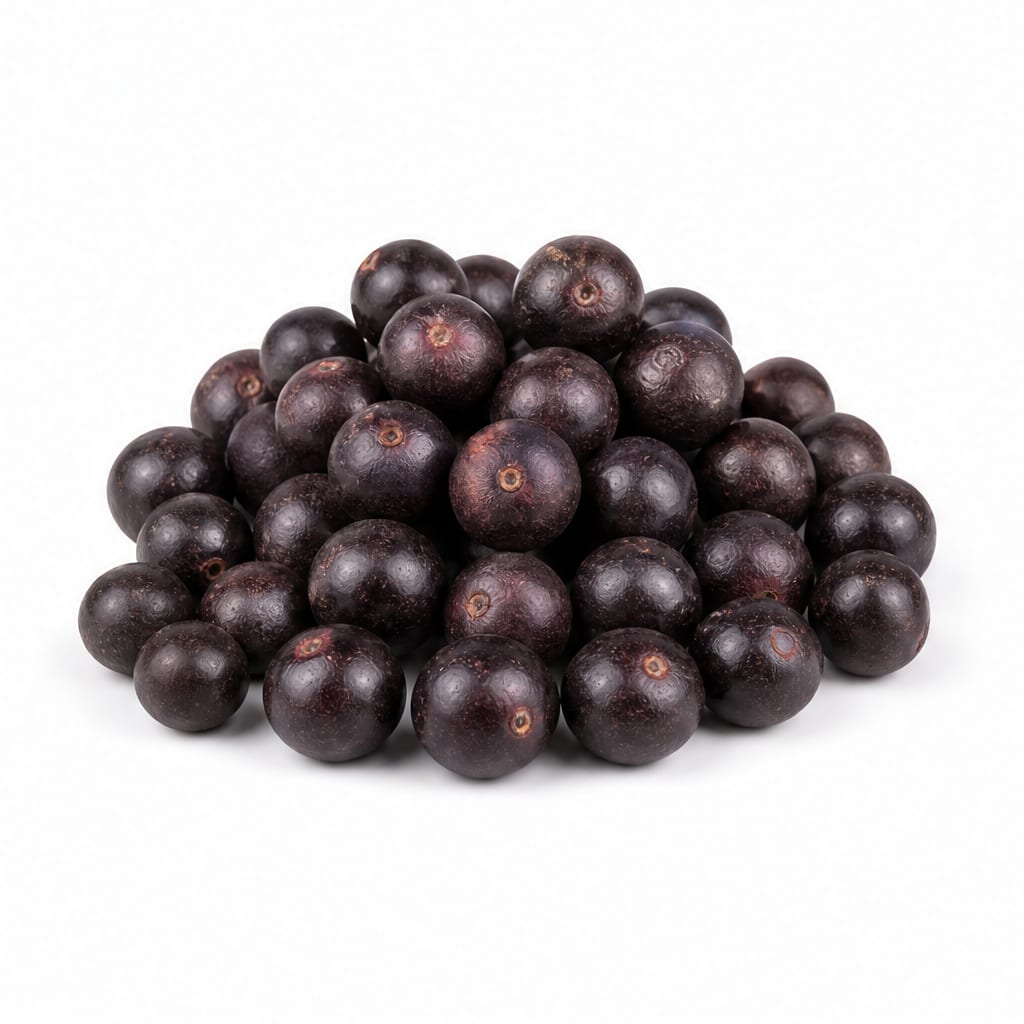
Compare with
Acai Berry
Acai is higher in antioxidants and heart-healthy fats, but sea buckthorn is uniquely rich in omega-7 and vitamin C.
Sea buckthorn provides more vitamin C and unique omega-7 for skin health, while acai offers more antioxidants and healthy fats for heart health.
This food
Sea Buckthorn
VS80% alike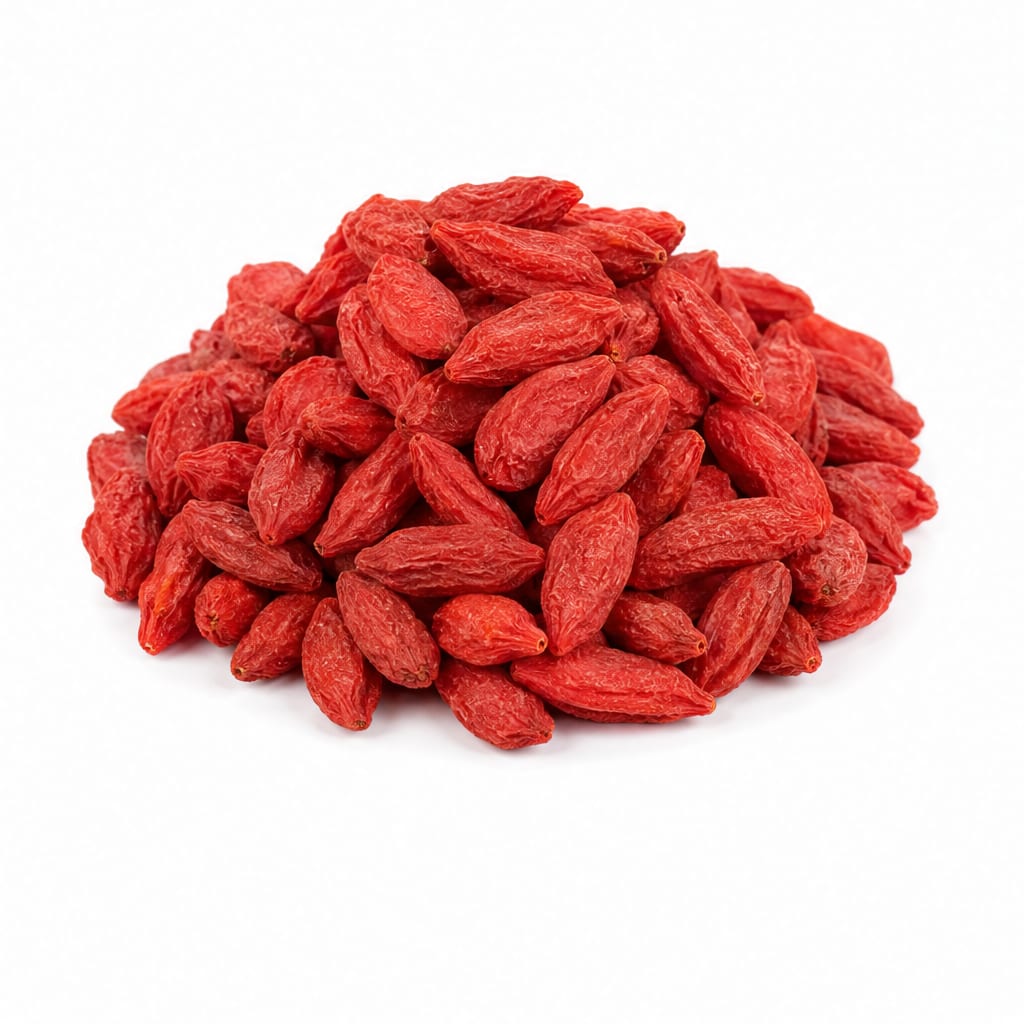
Compare with
Goji Berry
Goji berries are higher in protein and easier to snack on, but sea buckthorn has a vastly superior omega-3/7/9 profile and lower sugar.
Sea buckthorn is lower in sugar and higher in rare omega-7 fats, whereas goji berries provide more protein and are easier to eat dried.
This food
Sea Buckthorn
VS75% alike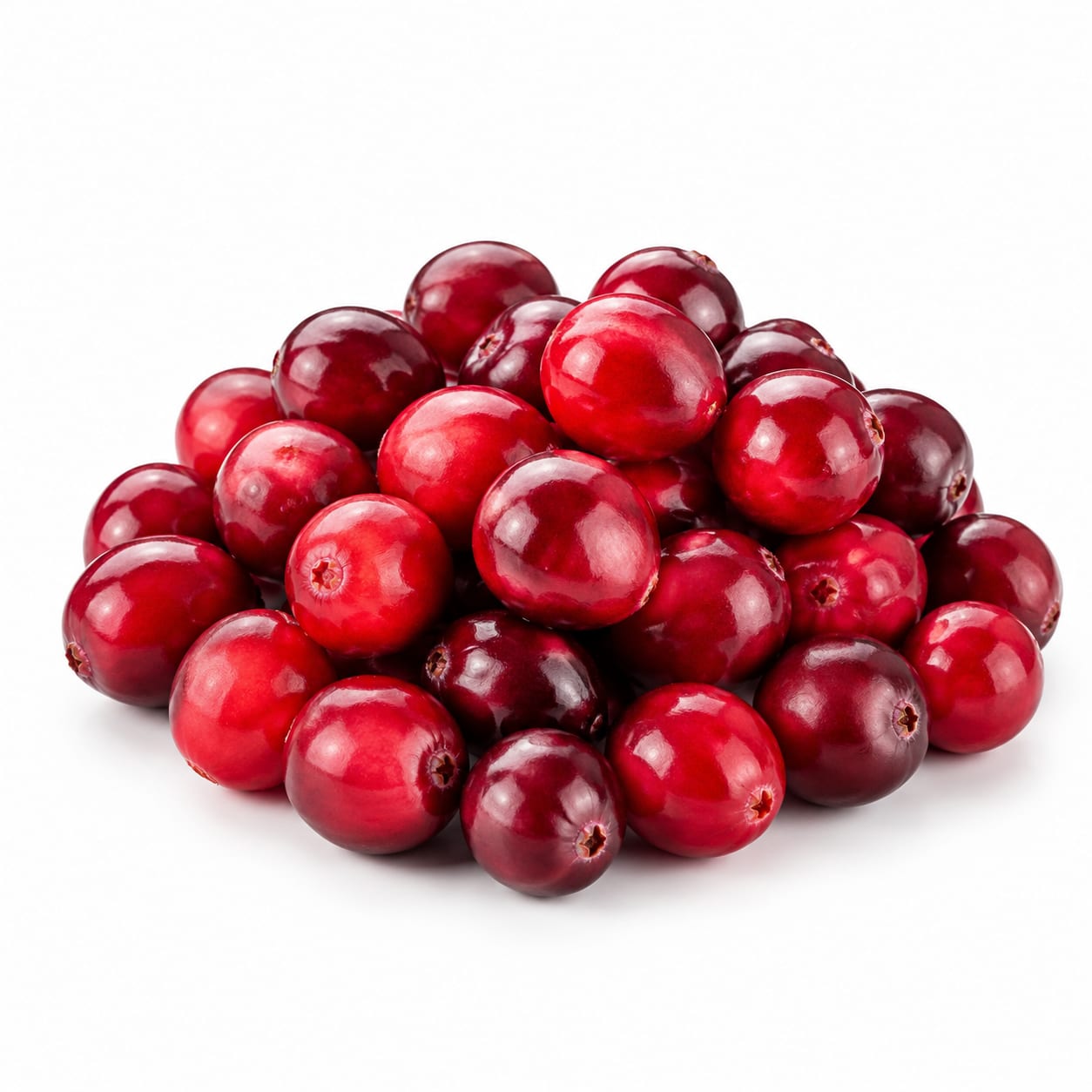
Compare with
Cranberry
Cranberries are renowned for urinary tract health, while sea buckthorn targets skin and mucous membranes with its omega-7 content.
Sea buckthorn offers more healthy fats and vitamin C, while cranberries are specifically proven for urinary tract health.
This food
Sea Buckthorn
VS90% alike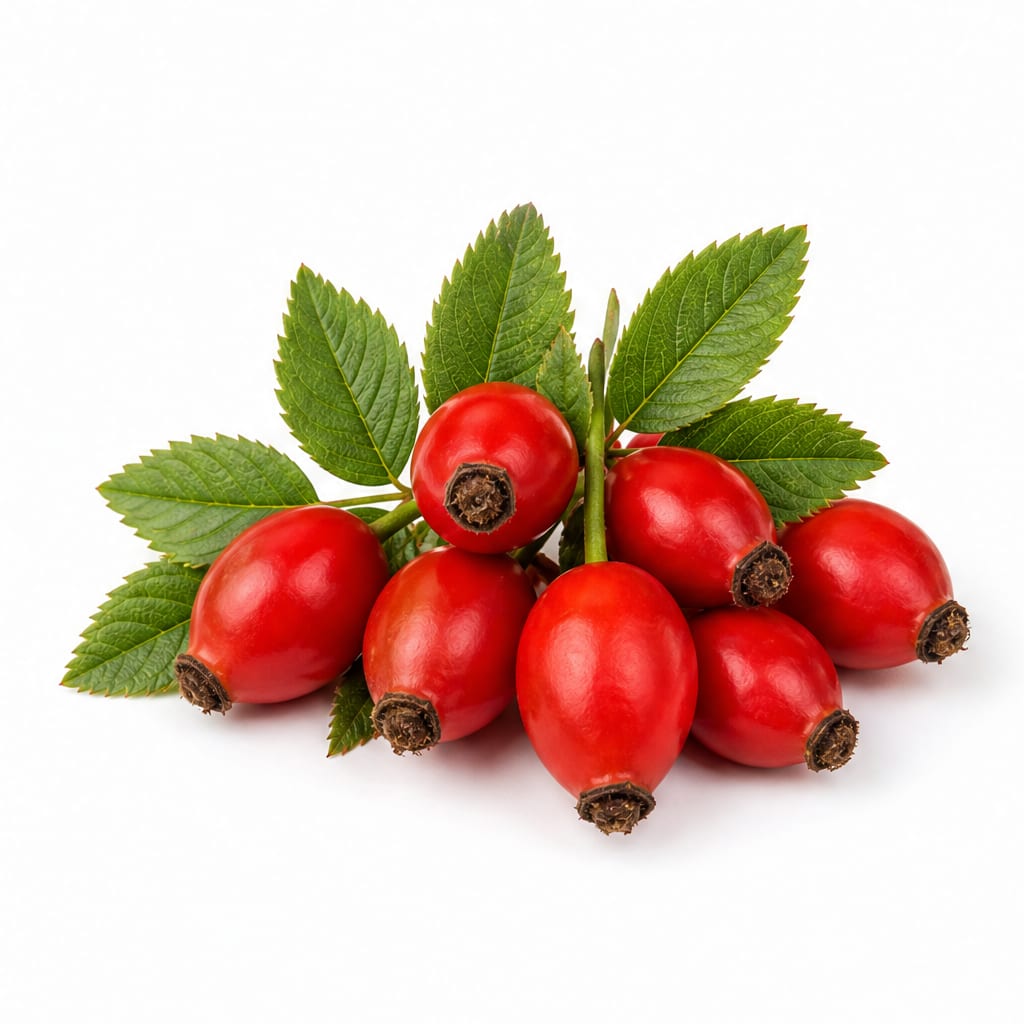
Compare with
Rosehip
Rosehips are slightly higher in vitamin C and easier to find as tea, but sea buckthorn provides the unique omega-7 fatty acid.
Both are vitamin C powerhouses, but sea buckthorn uniquely provides omega-7 for skin, while rosehip is more accessible as a tea.
This food
Sea Buckthorn
VS65% alike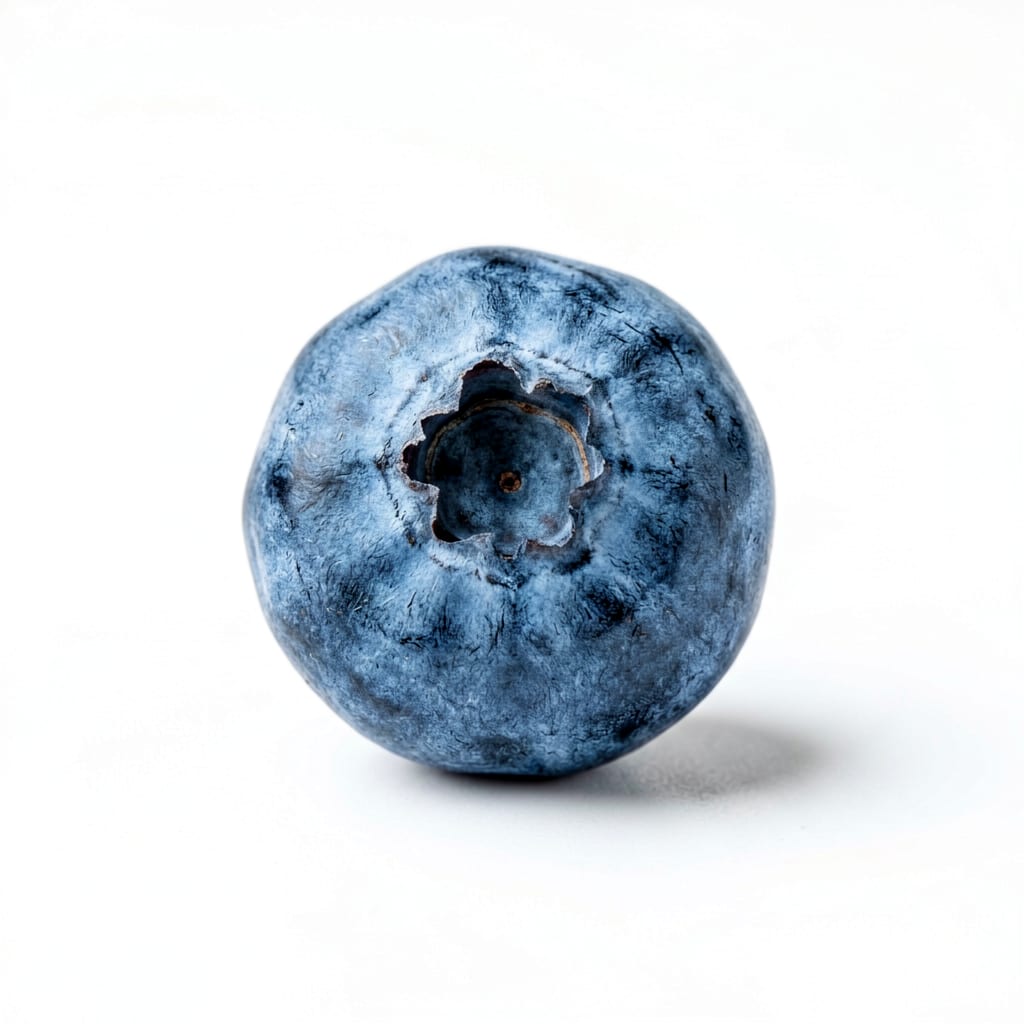
Compare with
Blueberry
Blueberries are sweeter and higher in anthocyanins for brain health, while sea buckthorn is far superior in vitamin C and healthy fats.
Blueberries are sweeter and better for brain health, while sea buckthorn is lower in sugar and packed with vitamin C and omega-7.
This food
Sea Buckthorn
VS60% alike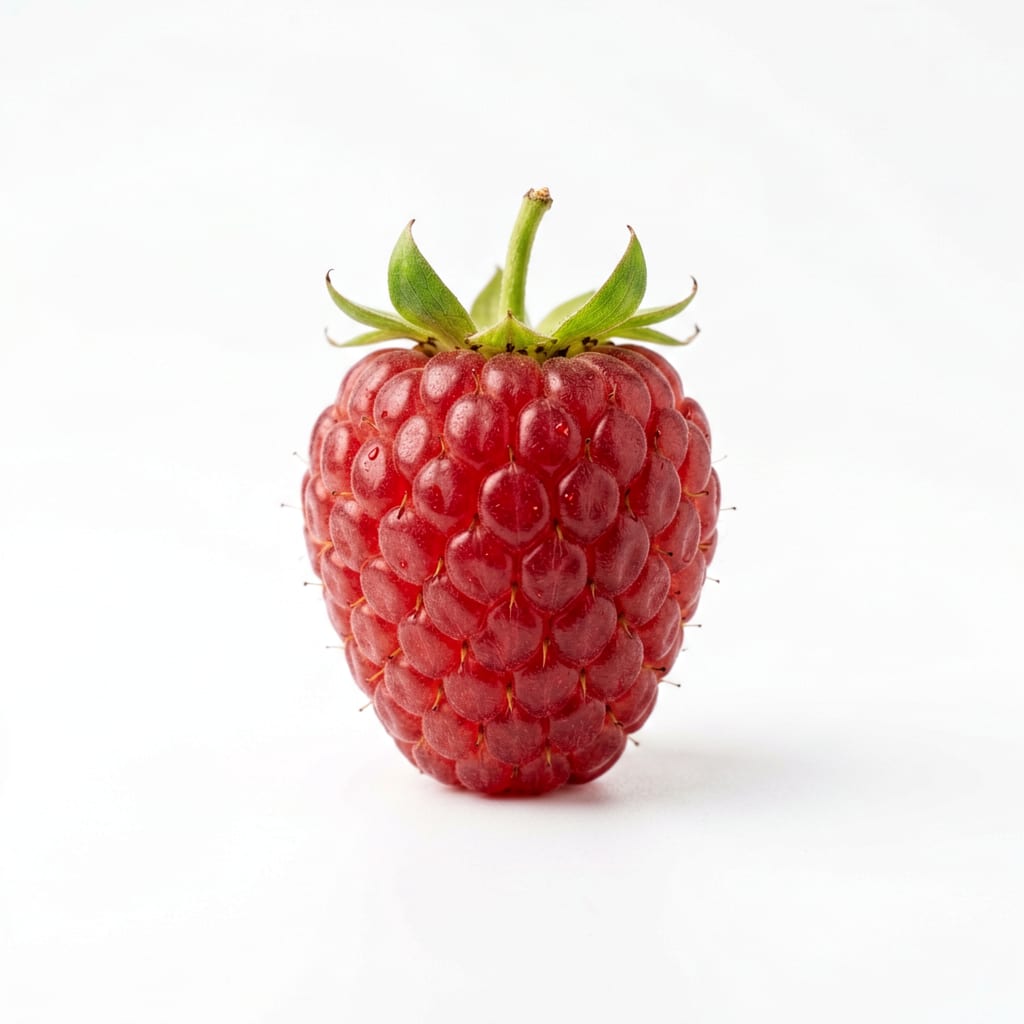
Compare with
Raspberry
Raspberries are higher in fiber and easy to eat fresh, but sea buckthorn provides a vastly superior fat-soluble vitamin and omega fatty acid profile.
Raspberries offer more fiber and a sweeter taste, while sea buckthorn delivers unique omega-7 fats and much more vitamin C.
This food
Sea Buckthorn
VS85% alike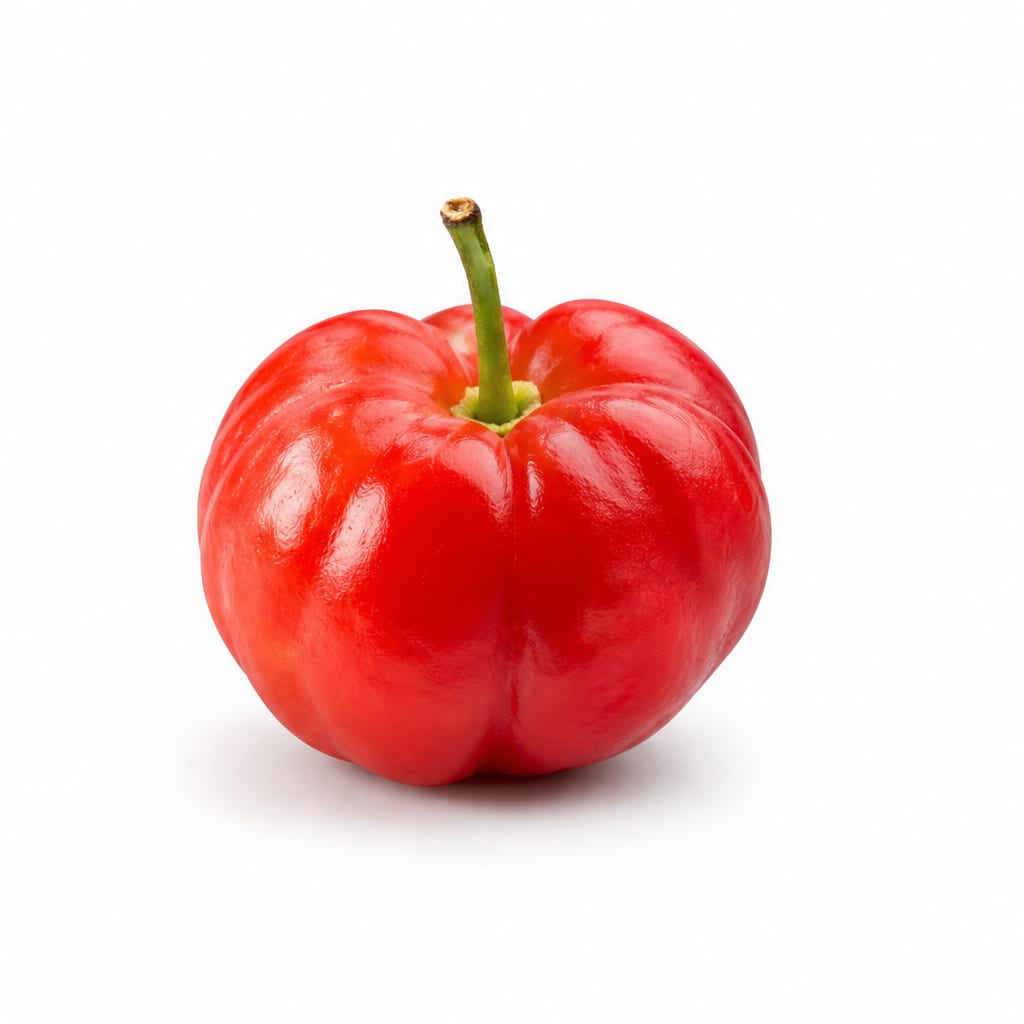
Compare with
Acerola Cherry
Acerola is the ultimate vitamin C bomb, but sea buckthorn provides a broader nutrient profile including essential fatty acids.
Acerola is the top choice for pure vitamin C, but sea buckthorn adds healthy fats and omega-7 for broader health benefits.
This food
Sea Buckthorn
VS55% alike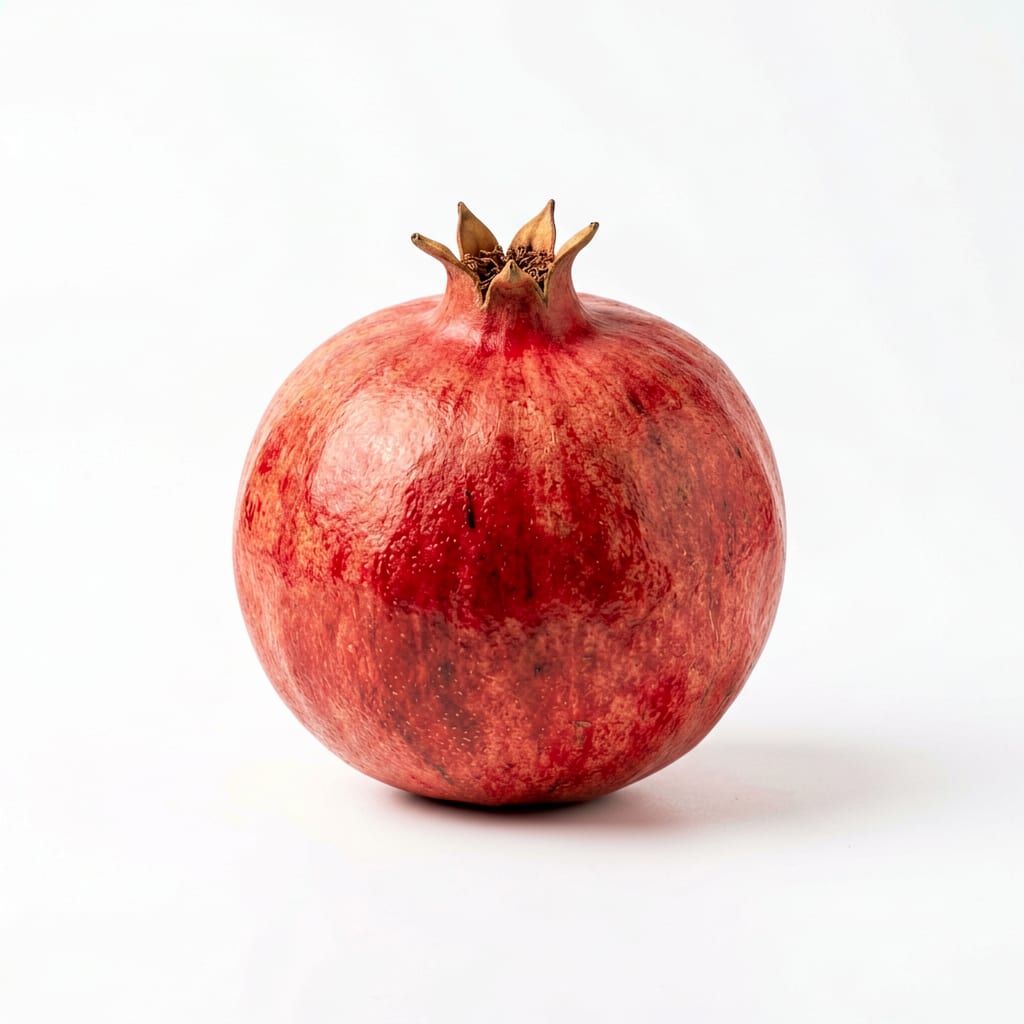
Compare with
Pomegranate
Pomegranate excels in heart health and polyphenols, while sea buckthorn leads in vitamin C and omega fatty acids.
Pomegranate is better for heart health polyphenols, while sea buckthorn is superior for skin health and vitamin C.
This food
Sea Buckthorn
VS75% alike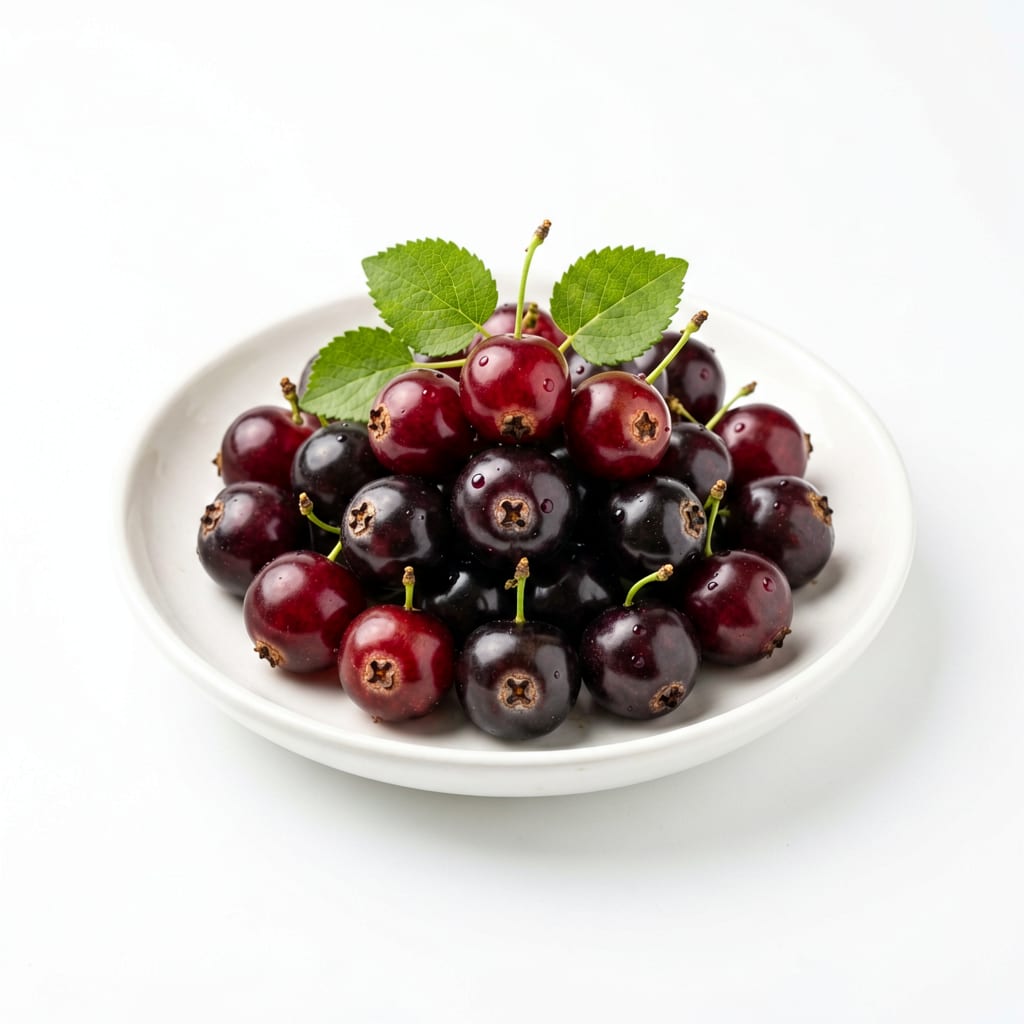
Compare with
Blackcurrant
Blackcurrants are easier to find fresh and great for immunity, but sea buckthorn offers the added benefit of omega-7.
Blackcurrants are more accessible and great for immunity, but sea buckthorn uniquely provides omega-7 fats for skin and mucous membranes.
This food
Sea Buckthorn
VS50% alike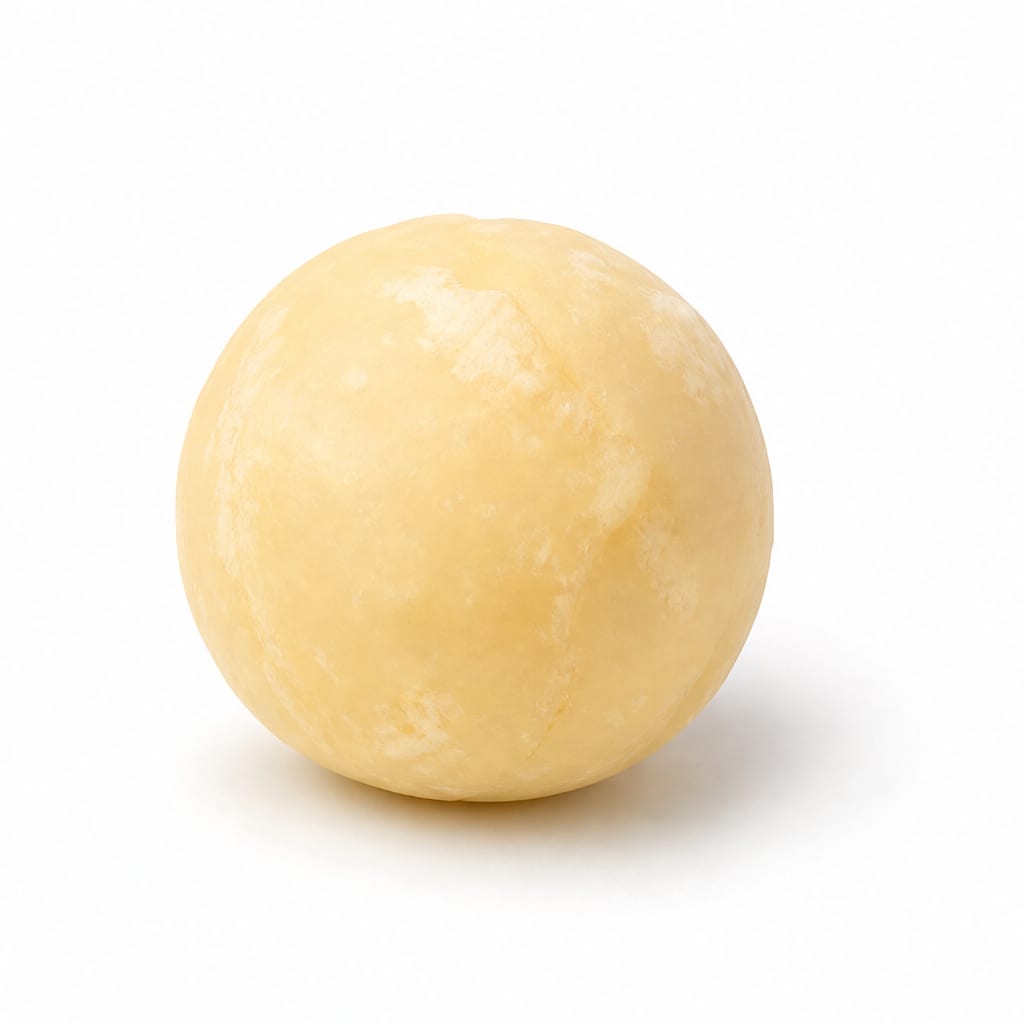
Compare with
Macadamia Nut
Macadamias are a high-calorie snack rich in omega-7 and monounsaturated fats, while sea buckthorn offers omega-7 with minimal calories and high vitamin C.
Macadamia nuts provide omega-7 with high calories and fat, while sea buckthorn delivers omega-7 alongside vitamin C with far fewer calories.
Common questions
FAQ
Answers aligned with how people search for this food.
Is sea buckthorn good for weight loss?
Yes, sea buckthorn can support weight loss. It is low in calories and high in fiber and healthy fats, which increase satiety and help control appetite.
Can diabetics eat sea buckthorn?
Yes, sea buckthorn has a very low glycemic index and load. Its fiber and fat content slow sugar absorption, making it a safe fruit choice for blood sugar management, provided it is not consumed as a sweetened juice.
Why is sea buckthorn good for skin?
Sea buckthorn is uniquely rich in omega-7 fatty acids, which support skin cell membranes and mucous membrane hydration. It also contains high levels of vitamin C and vitamin E, which promote collagen synthesis and protect against UV damage.
What does sea buckthorn taste like?
Sea buckthorn has an intensely tart, sour, and astringent flavor with a subtle tropical, citrus-like aroma. It is rarely eaten raw and usually sweetened or blended.
Can you eat raw sea buckthorn berries?
You can eat them raw, but their extreme tartness makes them unpalatable for most people. They are typically pressed into juice, pureed, or extracted into oil.
Is sea buckthorn the only plant with omega-7?
While it is not the absolute only plant source, sea buckthorn is by far the richest and most common plant-based source of omega-7 (palmitoleic acid), which is otherwise mainly found in macadamia nuts and animal fats.
Does sea buckthorn interact with medications?
Sea buckthorn may slow blood clotting. Taking it alongside anticoagulant or antiplatelet medications could increase the risk of bruising and bleeding. Consult a doctor if on blood thinners.
Transparency
Data confidence
Estimated confidence for nutrition data, interpretation, safety notes, and comparisons.
Nutrition data
Health analysis
Food safety
Comparisons