
Nutrition comparison
Sea Buckthorn vs Goji Berry: Which Superfruit Is Better for You?
Compare Sea Buckthorn and Goji Berry head-to-head on vitamin C, omega-7, skin health, eye health, sugar content, and more. Find out which superfruit fits your goals.
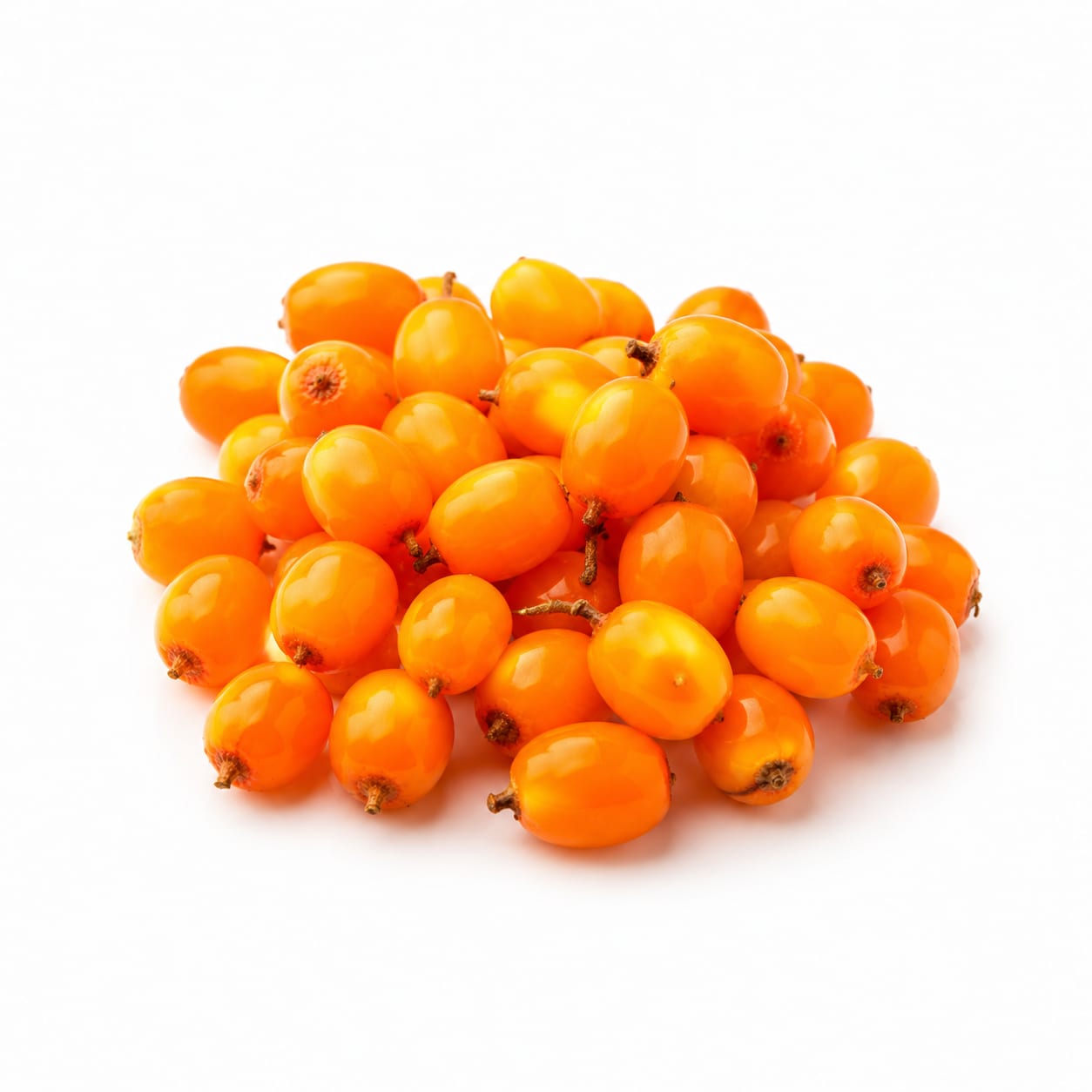
Sea Buckthorn
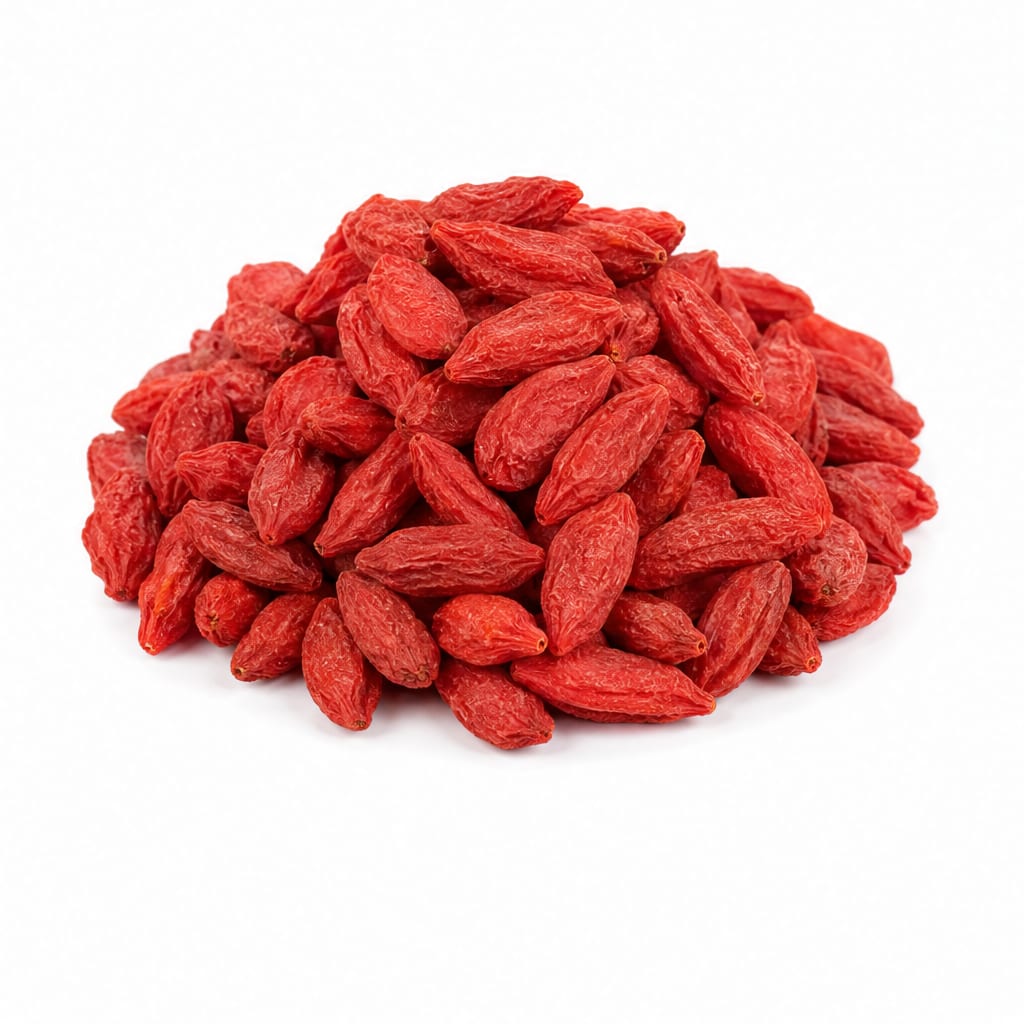
Goji Berry
Sea Buckthorn dominates for vitamin C, omega-7, and skin health. Goji Berry wins for eye health, convenience, and gentler taste. Pick based on your priority.
Sea Buckthorn scores higher due to its extraordinary vitamin C and unique omega-7 content, but loses practicality points for availability and taste. Goji Berry is more user-friendly and accessible but has less dramatic nutritional differentiation from other berries.
Sea Buckthorn offers unmatched omega-7 and vitamin C but is harder to find and very tart. Goji Berry is sweeter, more accessible, and better for eyes, but carries more sugar and less dramatic nutrient density.
At a glance
Executive summary
Overall
It depends
Healthier
Sea Buckthorn
More practical
Goji Berry
Daily use
Goji Berry
Key comparison lenses
superfruit antioxidant comparison
Both are premium superfruits prized for exceptional antioxidant density, so users want to know which delivers more protective value
skin and beauty benefits
Sea Buckthorn is famous for omega-7 and skin health, while Goji Berry is known for anti-aging carotenoids — a direct beauty showdown
eye health and vision support
Goji Berry is renowned for zeaxanthin content, making eye health a key differentiator
sugar and blood sugar impact
Dried Goji Berries contain notable sugar, while Sea Buckthorn is far more tart and lower in sugar — critical for metabolic decisions
practical availability and ease of use
Goji Berries are widely available dried, while Sea Buckthorn is harder to find and often consumed as juice or oil
Best choice for
Sea Buckthorn
- Skin health and anti-aging from within
- Maximum vitamin C intake
- Omega-7 fatty acid supplementation
- Inflammatory skin conditions like eczema or acne
- Immune system support during illness
Goji Berry
- Eye health and macular protection
- Gentle daily superfruit addition to oatmeal or trail mix
- People who find very tart flavors unpalatable
- Traditional longevity and vitality practices
- Convenient snacking on the go
Least suitable for
Sea Buckthorn
- People on blood-thinning medications due to omega content
- Those who dislike very sour or tart flavors
- Budget-conscious shoppers seeking affordable superfoods
- Anyone needing easy grocery store availability
Goji Berry
- People managing blood sugar who need low-sugar options
- Those on warfarin or blood thinners due to potential interactions
- People sensitive to dried fruit and concentrated sugars
- Anyone avoiding sulfite-preserved dried fruits
Deep comparison
Dimension by dimension
Each lens scores both foods and breaks down who each option suits.
- Dimension 1 · Priority 95Sea Buckthorn
Vitamin C and Antioxidant Density
Sea Buckthorn · 97Goji Berry · 68Sea Buckthorn is one of the most vitamin C-dense fruits on the planet, often containing 10-12 times more than oranges. Goji Berry has respectable vitamin C but cannot compete at this level.
Tradeoff
You get far more immune-boosting power from Sea Buckthorn, but the extreme tartness makes it harder to consume in quantity compared to the pleasant sweetness of Goji Berry.
Why it matters
Higher vitamin C intake directly supports immune resilience, collagen production, and oxidative stress defense — especially during cold season or high-stress periods.
Real-world impact
A small serving of Sea Buckthorn juice can cover your entire daily vitamin C needs. With Goji Berry, you would need a much larger portion to approach the same effect.
Sea Buckthorn
- Immune defense during illness
- Collagen and skin repair
- Recovery from intense exercise
Better for
- Dental enamel erosion if consumed as pure juice frequently
Worse for
Goji Berry
- Gentle antioxidant support without acidity
- People with sensitive stomachs who find high-acid foods irritating
Better for
- Situations requiring maximum vitamin C impact quickly
Worse for
- Dimension 2 · Priority 90Sea Buckthorn
Skin Health and Beauty
Sea Buckthorn · 94Goji Berry · 72Sea Buckthorn is uniquely rich in omega-7 palmitoleic acid, a rare fatty acid that supports skin hydration, elasticity, and repair from within. Goji Berry supports skin through carotenoids but lacks the omega advantage.
Tradeoff
Sea Buckthorn is clearly superior for skin-specific outcomes, but its oil or juice form is less pleasant than snacking on dried Goji Berries for general beauty routines.
Why it matters
Omega-7 is exceptionally rare in foods. For anyone dealing with dry skin, eczema, or aging concerns, Sea Buckthorn provides something no other common superfruit can match.
Real-world impact
Consistent Sea Buckthorn consumption can visibly improve skin moisture and smoothness within weeks. Goji Berry contributes more indirectly through general antioxidant protection.
Sea Buckthorn
- Dry or mature skin types
- Eczema and inflammatory skin conditions
- Post-sun skin recovery
- Oral and mucous membrane health
Better for
- Those expecting instant cosmetic results without consistent use
Worse for
Goji Berry
- General anti-aging as part of a varied diet
- People who prefer food-based beauty support over targeted supplementation
Better for
- Anyone specifically targeting omega-7 deficiency or severe dry skin
Worse for
- Dimension 3 · Priority 85Goji Berry
Eye Health and Vision
Sea Buckthorn · 60Goji Berry · 92Goji Berry is one of the richest natural sources of zeaxanthin, a carotenoid critical for macular health. Sea Buckthorn has beta-carotene but lacks the targeted eye-protective compounds.
Tradeoff
Goji Berry offers meaningful protection against age-related macular degeneration, while Sea Buckthorn's eye benefits are more general and less evidence-backed.
Why it matters
Zeaxanthin specifically accumulates in the retina and filters harmful blue light. This is not easily replaced by generic antioxidants.
Real-world impact
Eating Goji Berries regularly is one of the most evidence-supported dietary strategies for long-term eye health, especially for people over 40 or with heavy screen exposure.
Sea Buckthorn
- General oxidative protection that indirectly supports eye tissues
Better for
- Targeted eye health protocols
Worse for
Goji Berry
- Macular degeneration prevention
- Heavy screen users concerned about blue light damage
- Night vision support
- Family history of eye disease
Better for
- People who only need general antioxidant support without specific eye focus
Worse for
- Dimension 4 · Priority 80Sea Buckthorn
Sugar Content and Blood Sugar Impact
Sea Buckthorn · 85Goji Berry · 55Dried Goji Berries contain significant natural sugar, making them a concern for blood sugar management. Sea Buckthorn is extremely low in sugar and very tart instead.
Tradeoff
Sea Buckthorn is far safer for blood sugar but tastes sharply sour. Goji Berry is enjoyable and sweet but can spike blood sugar if eaten in quantity.
Why it matters
For anyone with insulin resistance, prediabetes, or metabolic concerns, the sugar difference between these two superfruits is meaningful in daily life.
Real-world impact
A handful of dried Goji Berries can contain 10-15g of sugar. Sea Buckthorn juice or puree has negligible sugar, making it far easier on blood glucose.
Sea Buckthorn
- Diabetics and prediabetics
- Keto and low-carb dieters
- Anyone avoiding sugar crashes
Better for
- Those who need palatable options to stay consistent with healthy habits
Worse for
Goji Berry
- Athletes needing quick natural energy
- People who find low-sugar foods unsustainable long-term
Better for
- Blood sugar-sensitive individuals
- Anyone tracking carbohydrate intake carefully
Worse for
- Dimension 5 · Priority 82Sea Buckthorn
Omega Fatty Acid Profile
Sea Buckthorn · 96Goji Berry · 35Sea Buckthorn contains omega-3, 6, 7, and 9 fatty acids — an almost unique combination in a single fruit. Goji Berry has negligible omega fatty acid content.
Tradeoff
This is Sea Buckthorn's standout advantage with no real rival in the berry world, but it matters most when consumed as oil rather than dried fruit.
Why it matters
Omega-7 is nearly impossible to find in common foods. This makes Sea Buckthorn irreplaceable for anyone specifically seeking this fatty acid for skin, mucous membrane, or anti-inflammatory benefits.
Real-world impact
Taking Sea Buckthorn oil capsules or using the oil topically delivers measurable omega-7 intake. Goji Berry cannot fill this nutritional niche at all.
Sea Buckthorn
- Mucous membrane dryness including vaginal and oral dryness
- Cardiovascular anti-inflammatory support
- Combined omega-3 through 9 supplementation from a single source
Better for
- People on blood thinners who must limit omega supplementation
Worse for
Goji Berry
- No meaningful omega advantage exists for Goji Berry
Better for
- Anyone seeking plant-based omega-7 specifically
Worse for
- Dimension 6 · Priority 70Goji Berry
Taste and Enjoyment
Sea Buckthorn · 40Goji Berry · 78Goji Berries are mildly sweet with a pleasant chewy texture, easy to enjoy by the handful. Sea Buckthorn is intensely sour and astringent, requiring dilution or mixing.
Tradeoff
Goji Berry is simply more enjoyable to eat, which matters for consistency. Sea Buckthorn's harsh taste often requires blending into smoothies or sweetening.
Why it matters
The best superfood is the one you actually eat regularly. Taste aversion is a real barrier to long-term adherence.
Real-world impact
Most people can snack on Goji Berries daily without effort. Sea Buckthorn often requires recipe creativity or supplementation in capsule form to maintain consistency.
Sea Buckthorn
- People who love sour flavors and find them energizing
- Culinary experimenters who enjoy creating recipes
Better for
- Anyone who finds very sour foods unpleasant
- Quick snacking situations
Worse for
Goji Berry
- Casual health-conscious eaters who want easy habits
- Children and picky eaters
- Office snacking and trail mix inclusion
Better for
- Those who find dried fruit textures unappealing
Worse for
- Dimension 7 · Priority 72Goji Berry
Availability and Convenience
Sea Buckthorn · 38Goji Berry · 82Goji Berries are available in most health food stores, supermarkets, and online. Sea Buckthorn is niche, often requiring specialty stores or online ordering, and usually sold as juice or oil rather than whole fruit.
Tradeoff
Goji Berry wins on accessibility and ease of incorporation into daily life. Sea Buckthorn requires more effort to source and use.
Why it matters
Convenience directly impacts consistency. A superfood you can grab at any grocery store beats one you must special-order every time.
Real-world impact
You can find dried Goji Berries at most grocery stores today. Sea Buckthorn often requires planning ahead and paying premium shipping.
Sea Buckthorn
- People willing to order supplements online and plan ahead
- Those who prefer juice or oil delivery formats
Better for
- Last-minute meal prep
- Rural areas with limited specialty food access
Worse for
Goji Berry
- Impulse or routine grocery shoppers
- Travel-friendly nutrition
- People who want to start immediately without waiting for delivery
Better for
- People who prefer fresh or frozen over dried fruit
Worse for
Timeline
Health impact over time
Short-term
Hours to days
Sea Buckthorn
- Rapid vitamin C boost supporting immediate immune response
- Noticeable skin hydration improvement within days when using the oil
- Possible stomach upset from high acidity if consumed on an empty stomach
- Tart taste may cause facial puckering or salivary rush
Goji Berry
- Quick natural energy from natural sugars in dried form
- Mild mood lift from pleasant eating experience
- Blood sugar elevation if consumed in large quantities at once
- Gentle antioxidant infusion without digestive harshness
Long-term
Months to years
Sea Buckthorn
- Sustained skin health improvement including moisture and elasticity
- Reduced mucous membrane dryness throughout the body
- Stronger immune resilience with consistent vitamin C intake
- Potential omega-7 benefits for cardiovascular and metabolic health
- Possible dental enamel wear if pure juice is consumed frequently without rinsing
Goji Berry
- Measurable increase in zeaxanthin levels protecting macular health
- Gradual antioxidant protection against cellular aging
- Possible blood sugar management challenges if overconsumed regularly
- Support for general vitality and immune function over time
- Risk of weight gain if dried fruit portions are not monitored
Risk profile
Safety & processing
Both are minimally processed in their pure forms. However, commercially dried Goji Berries sometimes contain sulfites or added sugar, which raises the additive concern. Sea Buckthorn is typically sold as pure juice, oil, or freeze-dried powder with minimal additives. Always check labels on both, but especially on dried Goji Berry products.
Sea Buckthorn
Blood thinner interaction
mediumThe omega fatty acids in Sea Buckthorn may enhance the effect of anticoagulant medications. Consult a doctor if taking warfarin or similar drugs.
Dental erosion
lowHighly acidic juice consumed frequently can erode tooth enamel over time. Rinse mouth with water after consuming pure Sea Buckthorn juice.
Gastrointestinal irritation
lowThe extreme acidity may cause heartburn or stomach discomfort if taken on an empty stomach in large amounts.
Goji Berry
Drug interaction with anticoagulants
highGoji Berry can significantly interact with warfarin and other blood thinners, potentially reducing their effectiveness. This is well-documented and requires medical supervision.
Sulfite sensitivity
mediumMany commercially available dried Goji Berries are treated with sulfites as a preservative, which can trigger reactions in sensitive individuals including asthma attacks.
Pesticide residue
mediumGoji Berries from certain regions, particularly conventional farming operations, have shown elevated pesticide residues. Choosing organic mitigates this concern.
Atropa belladonna contamination
lowRare cases of nightshade berry contamination in Goji shipments have been reported. Reputable brands with quality testing minimize this risk.
Who wins for whom
Audience fit
Same foods, different winners depending on your goal.
children
Goji BerryGoji Berries are sweeter, easier to chew, and more appealing to kids. Sea Buckthorn's extreme tartness is a hard sell for most children.
daily consumption
Goji BerryGoji Berry is easier to incorporate into daily meals — sprinkle on oatmeal, add to smoothies, or eat straight. Sea Buckthorn requires more effort to consume consistently due to taste and availability.
diabetes
Sea BuckthornSea Buckthorn's near-zero sugar content makes it clearly safer for blood sugar management. Dried Goji Berries can cause glucose spikes if portion control slips.
elderly
Goji BerryGoji Berry's zeaxanthin is specifically protective against age-related macular degeneration, a top concern for older adults. The gentle taste is also more sustainable for daily use.
muscle gain
Goji BerryGoji Berry provides slightly more protein per serving and quick-digesting carbohydrates useful post-workout. Neither is a primary muscle-building food, but Goji Berry fits better into recovery nutrition.
weight loss
Sea BuckthornSea Buckthorn's negligible sugar content and strong satiety from omega fatty acids make it more compatible with weight loss diets. Dried Goji Berries are calorie-dense and easy to overeat.
Your move
Decision guide
Choose Sea Buckthorn
- You prioritize skin health, hydration, and anti-aging from within
- You want maximum vitamin C from a natural source
- You are specifically seeking omega-7 fatty acids
- You are managing blood sugar or following a low-carb diet
- You enjoy tart, sour flavors or are comfortable with supplements
Choose Goji Berry
- Eye health and macular protection are your top concern
- You want a convenient, pleasant-tasting daily superfruit
- You are new to superfoods and need something easy to start with
- You prefer snacking over supplementing
- You follow traditional Chinese wellness practices
Either works if
- You want general antioxidant support and can access both
- You rotate superfoods for nutrient diversity
- You are healthy and simply adding variety to your diet
Avoid both if
- You are on warfarin or other blood thinners without medical clearance
- You have known allergies to similar berries
- You expect miracle cures rather than gradual nutritional support
Final recommendation
For most people, Goji Berry is the more practical daily choice due to taste, availability, and eye health benefits. However, if skin health or omega-7 intake is your specific goal, Sea Buckthorn is irreplaceable. The ideal approach is using both strategically: Goji Berry as your daily superfruit snack and Sea Buckthorn oil or juice as a targeted skin and immune supplement.
Practical
Consumer tips
- 1
Choose organic Goji Berries to minimize pesticide exposure and avoid sulfites
- 2
Look for Sea Buckthorn oil if skin health is your primary goal — it delivers omega-7 more effectively than juice alone
- 3
Dilute Sea Buckthorn juice with water or blend into smoothies to manage the intense tartness
- 4
Limit dried Goji Berry portions to about a quarter cup to avoid excess sugar intake
- 5
Store both products away from heat and light to preserve antioxidant potency
- 6
If on blood thinners, talk to your doctor before adding either superfruit regularly
- 7
Freeze-dried Sea Buckthorn powder offers a convenient middle ground between juice and oil formats
- 8
Avoid Goji Berry products with added sugar — check ingredient lists carefully