
Nutrition comparison
Sea Buckthorn vs Pomegranate: Which Superfruit Is Actually Better for You?
Sea Buckthorn delivers unmatched vitamin C and rare omega-7s, but Pomegranate offers proven heart benefits and everyday practicality. Compare these antioxidant powerhouses to find your best choice.
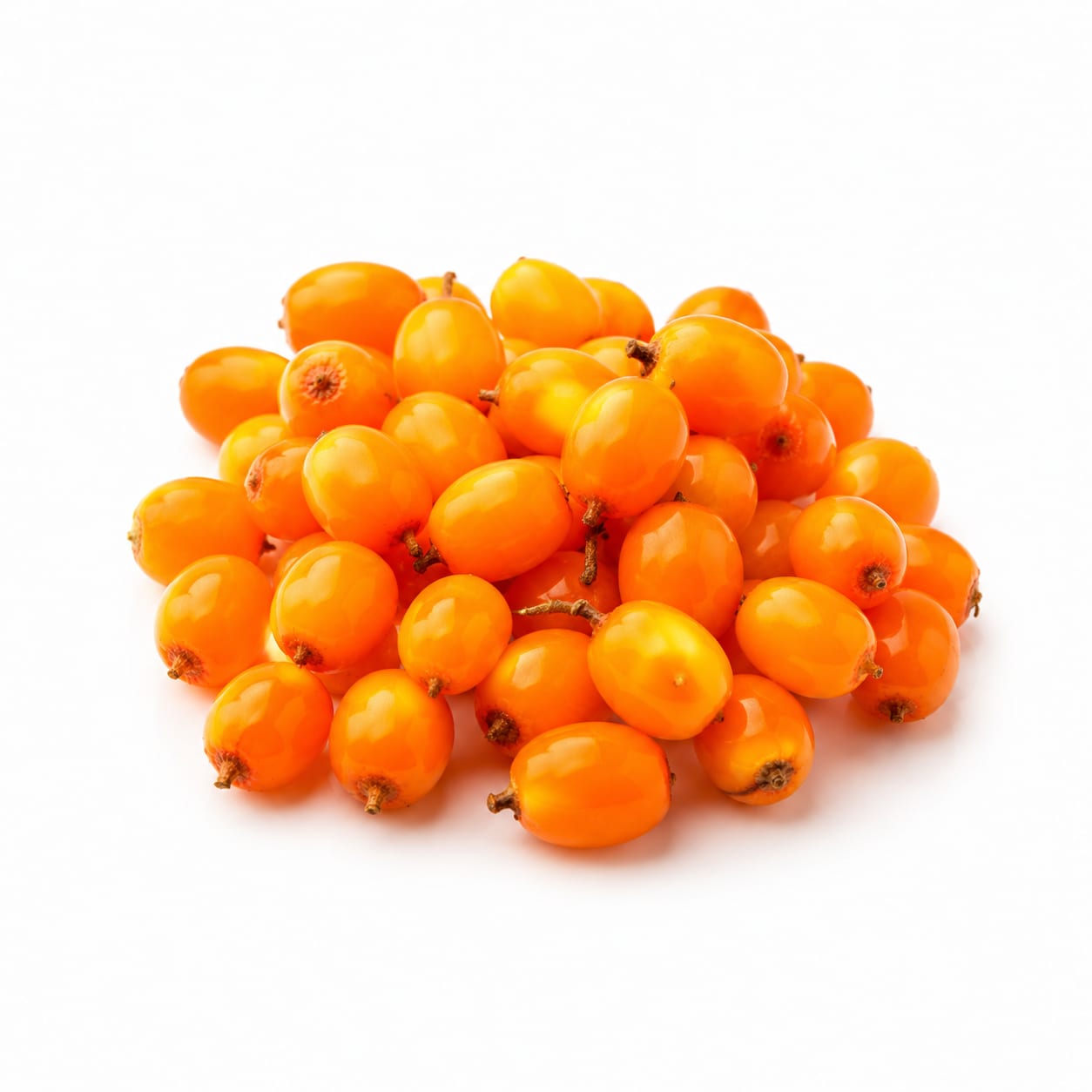
Sea Buckthorn
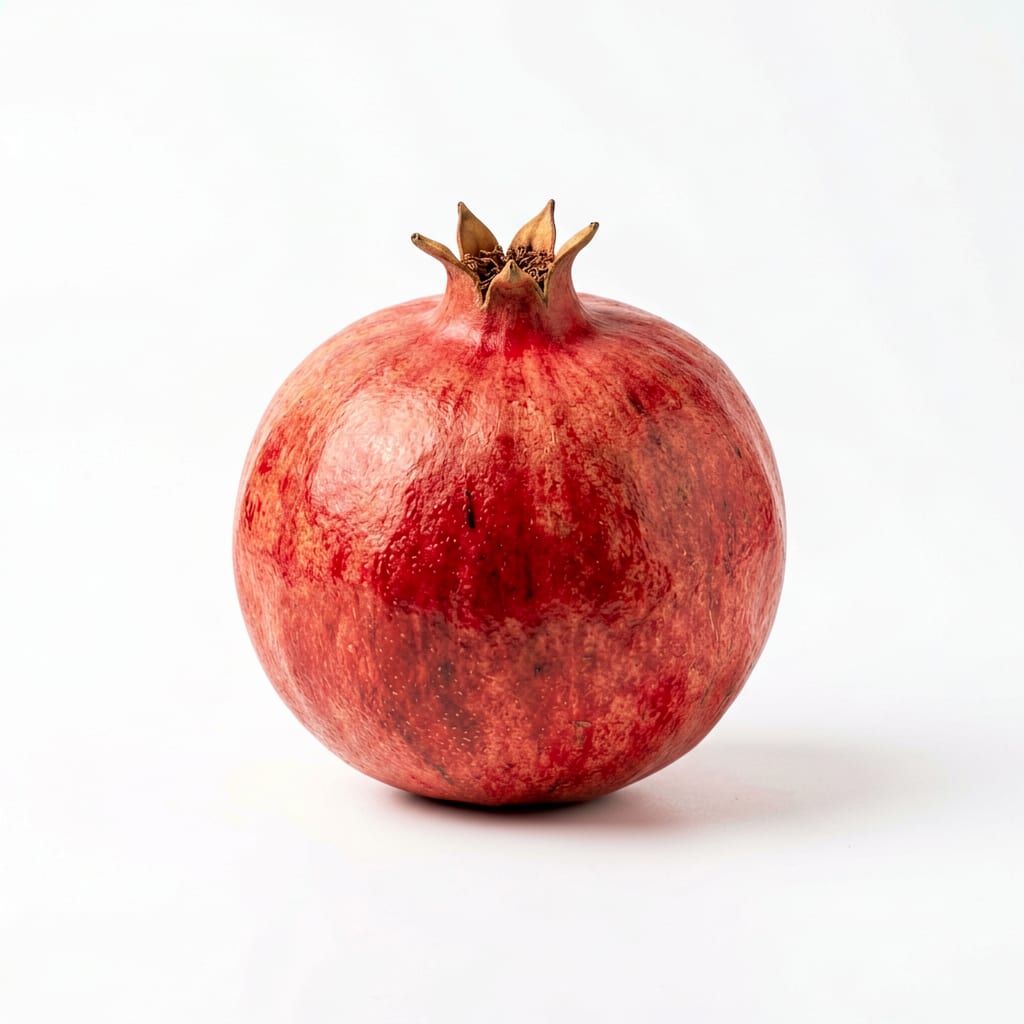
Pomegranate
Sea Buckthorn is the concentrated nutrient bomb with unmatched vitamin C and rare omega-7s, while Pomegranate is the practical daily antioxidant champion with better taste and accessibility.
Pomegranate edges ahead primarily through practicality and sustainability — its superior taste, wider availability, and extensive research make it easier to consume consistently. Sea Buckthorn scores higher on raw nutrient density but loses ground on everyday usability.
Maximum nutritional intensity versus sustainable daily enjoyment — Sea Buckthorn delivers more per gram but Pomegranate is far easier to actually eat regularly.
At a glance
Executive summary
Overall
It depends
Healthier
It depends
More practical
Pomegranate
Daily use
Pomegranate
Key comparison lenses
antioxidant superiority
Both foods are antioxidant powerhouses but through completely different compounds, making this the core comparison
immune and skin health
Sea Buckthorn's exceptional vitamin C and omega-7 content directly contrasts with Pomegranate's polyphenol-driven benefits
practical everyday use
Availability, taste, and ease of consumption differ dramatically between these two fruits
heart health and inflammation
Both target cardiovascular health through different mechanisms worth comparing
cost and accessibility
Sea Buckthorn is niche and expensive while Pomegranate is mainstream and affordable
Best choice for
Sea Buckthorn
- Skin health and anti-aging routines
- Immune system spikes during illness
- Omega-7 supplementation needs
- Targeted anti-inflammatory protocols
- People seeking rare nutrient density
Pomegranate
- Daily heart health maintenance
- Sustainable long-term antioxidant intake
- Enjoyable healthy snacking
- Family-friendly fruit options
- Budget-conscious superfruit choices
Least suitable for
Sea Buckthorn
- Pickpy eaters sensitive to tartness
- Budget-limited households
- Those wanting casual everyday fruit
- People who dislike sour flavors
- Anyone needing easy grocery availability
Pomegranate
- Those specifically seeking omega-7 fatty acids
- Maximum vitamin C per serving needs
- People wanting oil-extractable skin benefits
- Targeted mucous membrane healing
Deep comparison
Dimension by dimension
Each lens scores both foods and breaks down who each option suits.
- Dimension 1 · Priority 95Sea Buckthorn
Vitamin C Potency
Sea Buckthorn · 97Pomegranate · 42Sea Buckthorn contains roughly 12 times more vitamin C than Pomegranate per serving, making it one of the richest fruit sources on Earth.
Tradeoff
That extreme vitamin C comes with intense sourness that makes pure Sea Buckthorn hard to consume in meaningful quantities without dilution or sweetening.
Why it matters
If you're fighting off a cold or need immune support, Sea Buckthorn delivers a vitamin C payload that Pomegranate simply cannot match.
Real-world impact
A single shot of Sea Buckthorn juice can cover your entire daily vitamin C needs, while you'd need several Pomegranates to achieve the same.
Sea Buckthorn
- Acute immune support during illness
- Collagen production and skin repair
- Iron absorption enhancement when taken with meals
Better for
- Sensitive stomachs may find the acidity harsh
- Pure juice can erode tooth enamel over time
Worse for
Pomegranate
- Gentle daily vitamin C without stomach upset
- Combining with other vitamin C sources gradually
Better for
- Inadequate as a standalone vitamin C source
Worse for
- Dimension 2 · Priority 92Sea Buckthorn
Omega Fatty Acid Profile
Sea Buckthorn · 94Pomegranate · 25Sea Buckthorn is one of the only fruit sources of omega-7 fatty acids, alongside omega-3, 6, and 9. Pomegranate contains negligible omega fats.
Tradeoff
The omega-7 in Sea Buckthorn specifically supports skin and mucous membrane health, but you need consistent intake from supplements or oils to get therapeutic amounts.
Why it matters
Omega-7 is extremely rare in the diet and supports hydration of skin, eyes, and internal mucous membranes — Pomegranate offers nothing comparable.
Real-world impact
People taking Sea Buckthorn oil for dry eyes or vaginal dryness often notice improvements within weeks; Pomegranate cannot replicate this effect.
Sea Buckthorn
- Chronic dry skin conditions
- Mucous membrane support including dry eyes
- Inflammatory skin conditions like eczema
- Comprehensive omega supplementation
Better for
- Whole fruit contains less omega-7 than concentrated oil extracts
Worse for
Pomegranate
- Those getting omega-3s from other sources like fish
Better for
- Anyone relying on it for essential fatty acid intake
Worse for
- Dimension 3 · Priority 90Pomegranate
Antioxidant Diversity
Sea Buckthorn · 82Pomegranate · 91Pomegranate's punicalagins and ellagic acid create a broader, more researched antioxidant profile with proven cardiovascular benefits.
Tradeoff
Sea Buckthorn has strong antioxidants too, but its research base is thinner and its compounds less studied for long-term human outcomes.
Why it matters
Pomegranate antioxidants have been shown to reduce arterial plaque, lower blood pressure, and fight chronic inflammation in ways Sea Buckthorn hasn't yet demonstrated.
Real-world impact
Drinking Pomegranate juice daily has measurable effects on blood pressure within weeks — the evidence is that strong and consistent.
Sea Buckthorn
- Carotenoid-based antioxidant needs
- Vitamin E and flavonoid synergy
Better for
- Less clinical evidence for specific disease outcomes
Worse for
Pomegranate
- Heart disease prevention
- Prostate health in men
- Blood pressure management
- Chronic systemic inflammation
Better for
- Missing the carotenoid and vitamin E complexity Sea Buckthorn offers
Worse for
- Dimension 4 · Priority 88Pomegranate
Taste and Enjoyability
Sea Buckthorn · 35Pomegranate · 85Pomegranate offers a pleasant sweet-tart balance with satisfying arils, while Sea Buckthorn is aggressively sour and astringent.
Tradeoff
Sea Buckthorn's intense flavor means it's almost always diluted, sweetened, or taken as a supplement — rarely enjoyed as a whole food.
Why it matters
The best superfood is one you actually want to eat. Pomegranate is a joy to consume; Sea Buckthorn is often a chore.
Real-world impact
You'll happily snack on Pomegranate arils straight from the fruit. Sea Buckthorn will likely make your face pucker and require mixing into smoothies or yogurt.
Sea Buckthorn
- Those who love intensely sour flavors
- Culinary experimentation in small amounts
Better for
- Most people find pure Sea Buckthorn unpalatable
- Requires preparation to make it enjoyable
Worse for
Pomegranate
- Enjoyable daily snacking
- Sharing with family including children
- Adding to salads and desserts naturally
Better for
- Can be messy to eat and stain clothing
Worse for
- Dimension 5 · Priority 85Pomegranate
Availability and Cost
Sea Buckthorn · 30Pomegranate · 80Pomegranate is available in virtually every grocery store at reasonable prices. Sea Buckthorn is specialty, expensive, and often only found as juice or supplements.
Tradeoff
Sea Buckthorn's rarity drives up cost and limits access, but also means when you find it, it's typically high-quality and carefully sourced.
Why it matters
Consistency requires accessibility. You can buy Pomegranates year-round; Sea Buckthorn requires planning, online ordering, or specialty store visits.
Real-world impact
A Pomegranate costs $1-3 at most stores. Sea Buckthorn juice or supplements often run $15-40 for a small bottle.
Sea Buckthorn
- Those willing to invest in targeted supplementation
- Access to specialty or online health stores
Better for
- Limited geographic availability
- High cost per serving
- Fresh fruit nearly impossible to find
Worse for
Pomegranate
- Budget-conscious consumers
- Convenient grocery shopping
- Families needing affordable healthy options
Better for
- Seasonal quality variation in some regions
Worse for
- Dimension 6 · Priority 82Sea Buckthorn
Skin Health Impact
Sea Buckthorn · 93Pomegranate · 72Sea Buckthorn's combination of vitamin C, vitamin E, carotenoids, and omega-7 makes it uniquely powerful for skin health from the inside out.
Tradeoff
Topical Sea Buckthorn oil may deliver skin benefits faster than ingestion, while Pomegranate's skin benefits come only from eating it regularly.
Why it matters
If radiant skin is your goal, Sea Buckthorn addresses hydration, elasticity, and repair simultaneously — a rare triple action.
Real-world impact
Many people report visible skin improvements within 2-4 weeks of daily Sea Buckthorn oil. Pomegranate's skin benefits are real but slower and subtler.
Sea Buckthorn
- Anti-aging skin routines
- Chronic dry or flaky skin
- Acne-prone skin needing internal support
- Eczema and inflammatory skin conditions
Better for
- Oral consumption needs consistent daily intake for skin results
Worse for
Pomegranate
- UV damage protection through polyphenols
- Gradual collagen support through antioxidants
Better for
- Less targeted skin hydration support
Worse for
- Dimension 7 · Priority 80Pomegranate
Heart Health Evidence
Sea Buckthorn · 65Pomegranate · 90Pomegranate has robust clinical evidence for reducing blood pressure, improving cholesterol, and slowing arterial plaque progression.
Tradeoff
Sea Buckthorn shows cardiovascular promise through omega-3 and antioxidant content, but lacks the depth of human trials that Pomegranate has.
Why it matters
If you have hypertension or a family history of heart disease, Pomegranate is one of the most evidence-backed fruits you can eat.
Real-world impact
Cardiologists increasingly recommend daily Pomegranate consumption. Sea Buckthorn remains a promising but less validated option.
Sea Buckthorn
- Reducing triglycerides through omega-3 content
- Anti-inflammatory cardiovascular protection
Better for
- Less direct evidence for blood pressure reduction
Worse for
Pomegranate
- Lowering blood pressure
- Reducing LDL oxidation
- Slowing atherosclerosis progression
- Improving overall lipid profiles
Better for
- Does not provide omega-3 fatty acids for heart health
Worse for
- Dimension 8 · Priority 72Pomegranate
Digestive Tolerance
Sea Buckthorn · 55Pomegranate · 78Pomegranate is gentle on most digestive systems and may help with gut inflammation. Sea Buckthorn's high acidity can irritate sensitive stomachs.
Tradeoff
Sea Buckthorn has traditional use for gastric ulcers, but its acidity makes it problematic for some people when consumed as juice.
Why it matters
A superfood that causes stomach discomfort defeats its own purpose — tolerance determines whether you can sustain intake.
Real-world impact
Pomegranate arils are soothing and easy to digest. Sea Buckthorn juice on an empty stomach can cause heartburn in sensitive individuals.
Sea Buckthorn
- Traditional use suggests ulcer-healing properties in oil form
- May support mucous membrane lining when taken as oil
Better for
- High acidity triggers reflux in prone individuals
- Concentrated juice can cause stomach upset
Worse for
Pomegranate
- Gentle on sensitive stomachs
- Anti-inflammatory for gut lining
- Prebiotic fiber from arils supports gut bacteria
Better for
- Seeds may bother those with diverticulitis
Worse for
Timeline
Health impact over time
Short-term
Hours to days
Sea Buckthorn
- Rapid vitamin C boost within hours of consumption
- Possible stomach discomfort if taken undiluted on empty stomach
- Immediate tart, astringent mouth sensation
- Quick hydration support from juice form
Pomegranate
- Steady antioxidant absorption without digestive upset
- Satisfying hydration from juicy arils
- Mild blood pressure lowering effect within hours
- Pleasant satiety from fiber-rich seeds
Long-term
Months to years
Sea Buckthorn
- Improved skin hydration and elasticity with consistent use
- Enhanced immune resilience from sustained high vitamin C intake
- Potential reduction in systemic inflammation markers
- Mucous membrane health improvement throughout the body
Pomegranate
- Measurable reduction in blood pressure over weeks to months
- Slowed progression of arterial plaque buildup
- Reduced chronic inflammation markers
- Improved prostate health markers in men
- Better endothelial function for vascular health
Risk profile
Safety & processing
Both are whole foods when consumed fresh, but Sea Buckthorn is almost never eaten fresh due to its extreme tartness. Most Sea Buckthorn products involve juicing, sweetening, or oil extraction, which introduces more processing steps. Pomegranate arils are commonly eaten as-is with minimal intervention. Watch for added sugars in Sea Buckthorn juices and blends.
Sea Buckthorn
Added sugars in commercial juices
mediumMany Sea Buckthorn juice products add significant sugar or blend with sweeter juices to mask tartness, undermining health benefits
Supplement quality variation
mediumSea Buckthorn oil and supplement quality varies widely between brands with limited standardization
Potential blood thinning interaction
lowOmega-3 content may compound blood thinner effects at high supplemental doses
Pomegranate
Pesticide residue on conventional fruit
mediumPomegranate skins can retain pesticide residues; choosing organic reduces exposure significantly
Medication interactions with juice
lowPomegranate juice may interact with certain medications similar to grapefruit, though less potently
Choking hazard for young children
lowIndividual arils are safe but whole seeds could pose a minor choking risk for toddlers
Who wins for whom
Audience fit
Same foods, different winners depending on your goal.
children
PomegranateKids enjoy the sweet-tart taste and fun texture of Pomegranate arils; Sea Buckthorn's extreme sourness makes it a hard sell for most children
daily consumption
PomegranatePomegranate is enjoyable, affordable, and easy to find year-round — the three pillars of sustainable daily intake that Sea Buckthorn struggles to match
diabetes
PomegranatePomegranate has a lower glycemic index and its polyphenols may improve insulin sensitivity, while Sea Buckthorn juices often contain added sugars that spike blood glucose
elderly
PomegranatePomegranate's proven cardiovascular benefits and gentle digestion suit older adults well, plus the seeds provide fiber for common constipation issues
muscle gain
It dependsNeither fruit is a protein source; Sea Buckthorn's vitamin C may slightly aid recovery, while Pomegranate's nitrates could improve exercise blood flow
weight loss
PomegranatePomegranate provides satisfying fiber and volume with fewer calories per serving, making it more filling and easier to incorporate into calorie-controlled eating
Your move
Decision guide
Choose Sea Buckthorn
- You want maximum vitamin C and omega-7 in a single source
- Skin health from the inside out is a top priority
- You're comfortable with supplements or specialty products
- Budget is not a primary concern
- You enjoy or can tolerate intensely sour flavors
- You need targeted mucous membrane or dryness support
Choose Pomegranate
- You want a heart-healthy fruit with strong clinical evidence
- Daily enjoyment and sustainability matter more than peak nutrient density
- You're feeding a family and need affordable, accessible options
- You prefer eating whole foods over taking supplements
- Blood pressure management is a health goal
- You want antioxidant benefits without extreme tartness
Either works if
- You want to boost overall antioxidant intake beyond common fruits
- Anti-inflammatory eating is a priority
- You're building a diverse superfruit rotation
- Skin and heart health both matter to you
Avoid both if
- You're on blood thinners without medical supervision
- You have severe fruit allergies or sensitivities
- You expect either fruit alone to solve health problems without dietary changes
Final recommendation
For most people, Pomegranate is the smarter daily choice — it's enjoyable, affordable, and backed by decades of research. Think of Sea Buckthorn as a targeted supplement rather than a staple food. If skin health or omega-7 intake is your priority, add Sea Buckthorn oil or juice to your routine alongside Pomegranate. The best approach for those who can afford it: eat Pomegranate daily and supplement with Sea Buckthorn a few times per week.
Practical
Consumer tips
- 1
If buying Sea Buckthorn juice, check the ingredient list — many brands add 30-50% sugar or apple juice to make it palatable
- 2
Sea Buckthorn oil capsules deliver omega-7 benefits without the sour taste, making them more practical than juice for many people
- 3
Pomegranate arils freeze well — buy in bulk when in season and freeze portions for months of use
- 4
Roll Pomegranate firmly on a counter before cutting to release arils more easily and reduce mess
- 5
Sea Buckthorn's orange color signals high beta-carotene content — the deeper the orange, the more nutrient-dense
- 6
Choose whole Pomegranate over bottled juice to get fiber and avoid added sugars
- 7
If trying Sea Buckthorn for the first time, start with a small amount mixed into a smoothie rather than drinking it straight
- 8
Organic Pomegranate is worth the premium since the skin is thick and can trap pesticide residues