
Nutrition comparison
Sea Buckthorn vs Raspberry: Which Berry is Healthier?
Compare Sea Buckthorn vs Raspberry for health benefits, omega-7, fiber, and skin health. Find out which berry is best for your diet.
Overall winner · Raspberry
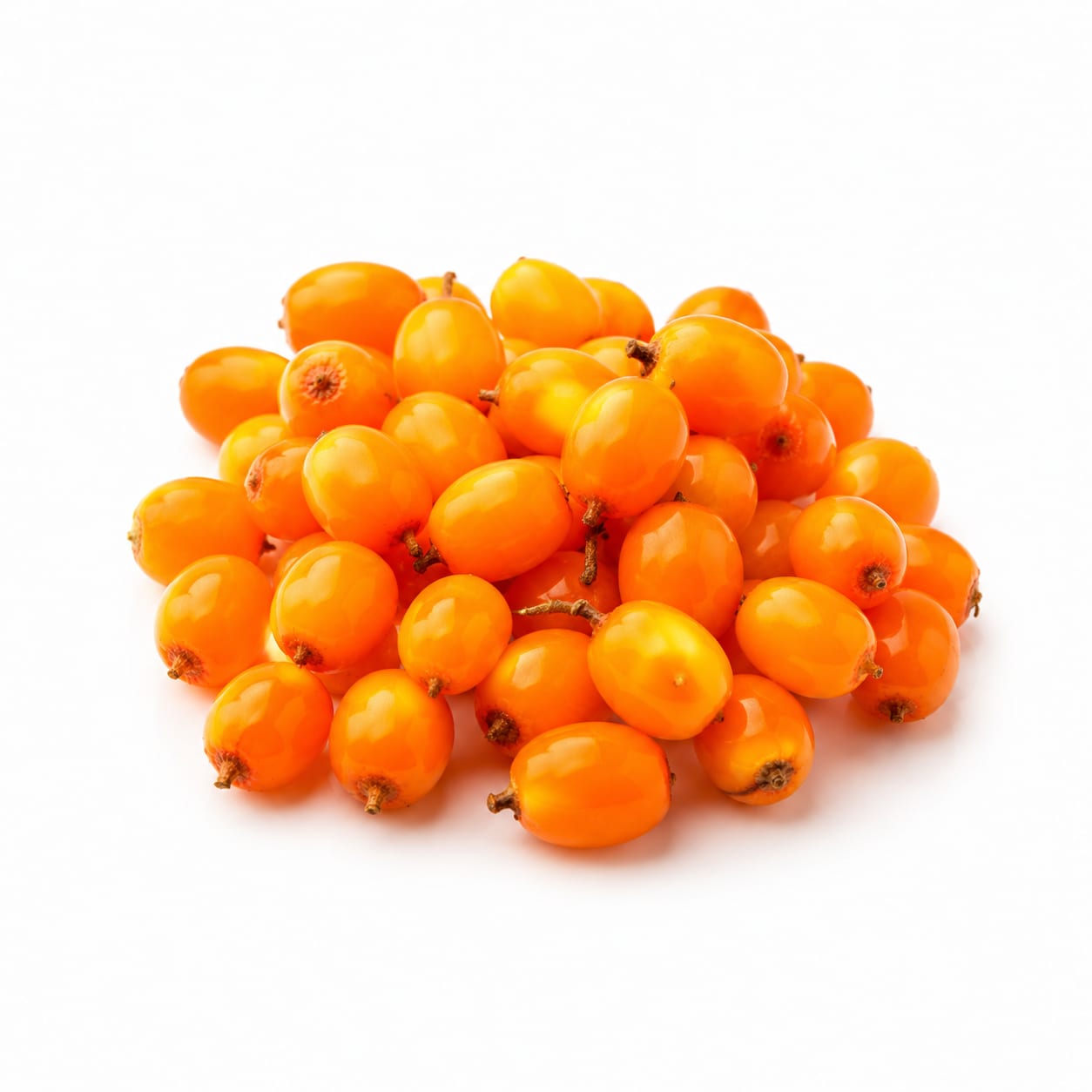
Sea Buckthorn
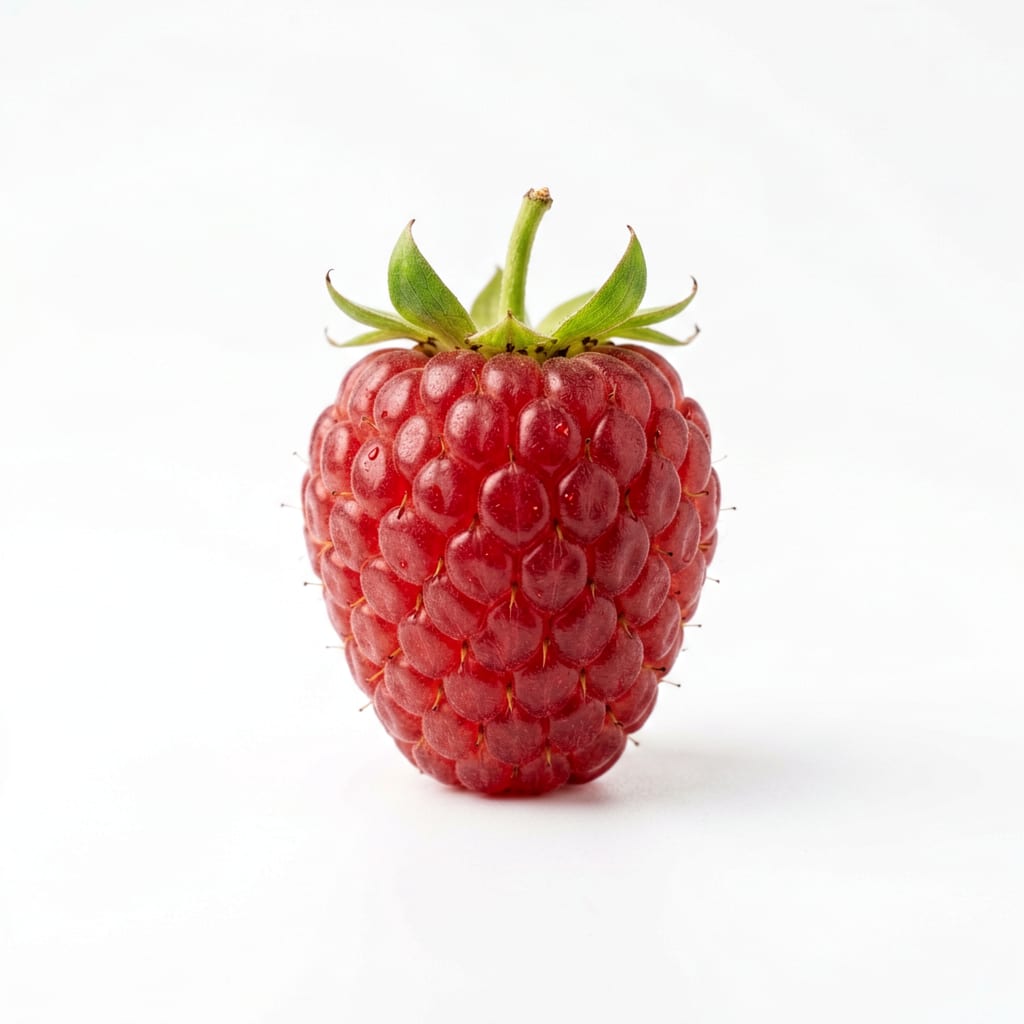
Raspberry
Raspberry is the everyday fiber champion, while Sea Buckthorn is a concentrated specialty supplement in berry form.
Raspberry scores higher overall due to its practicality, high fiber, and everyday usability. Sea Buckthorn is nutritionally elite in specific areas but loses points on taste, accessibility, and culinary versatility.
Sea Buckthorn offers rare omega-7s and massive Vitamin C, but Raspberry provides far more fiber, better taste, and easier access.
At a glance
Executive summary
Overall
Raspberry
Healthier
It depends
More practical
Raspberry
Daily use
Raspberry
Key comparison lenses
Targeted skin and mucous membrane health vs. daily digestive support
Sea Buckthorn is uniquely famous for omega-7s and skin hydration, while Raspberries are a fiber powerhouse for gut health.
Specialty supplement vs. everyday whole food
Sea Buckthorn is often consumed as an oil or powder supplement due to its intense tartness, whereas Raspberries are a staple whole fruit.
Antioxidant and Vitamin C density
Both are rich in antioxidants, but Sea Buckthorn offers a massively concentrated dose of Vitamin C compared to the more moderate levels in Raspberries.
Best choice for
Sea Buckthorn
- Targeting skin hydration and mucous membrane health
- Seeking rare omega-7 fatty acids
- Needing a concentrated Vitamin C boost
Raspberry
- Improving daily digestion and regularity
- Managing blood sugar and cravings
- Finding an affordable, widely available snack
Least suitable for
Sea Buckthorn
- People sensitive to very tart or acidic flavors
- Those on a tight grocery budget
- Anyone looking for a high-fiber whole food
Raspberry
- Those specifically seeking omega-7 fatty acids
- Situations requiring extremely high Vitamin C concentration in a small dose
Deep comparison
Dimension by dimension
Each lens scores both foods and breaks down who each option suits.
- Dimension 1 · Priority 95Sea Buckthorn
Nutrient Density & Unique Compounds
Sea Buckthorn · 96Raspberry · 82Sea Buckthorn is a nutritional powerhouse, packing far more Vitamin C and unique omega-7 fatty acids than Raspberries.
Tradeoff
You get rare nutrients with Sea Buckthorn, but in a less palatable, harder-to-eat package than Raspberries.
Why it matters
Omega-7s are rare in the diet and crucial for skin and mucous membrane health, giving Sea Buckthorn a distinct edge.
Real-world impact
Taking Sea Buckthorn oil or a small serving of the puree can visibly improve dry skin, whereas Raspberries offer broader but less targeted daily nutrition.
Sea Buckthorn
- Targeted skin support
- Immune system spikes
Better for
- Those who want a mild-tasting, easy-to-consume nutrient source
Worse for
Raspberry
- Broad-spectrum daily antioxidants
Better for
- Situations requiring concentrated therapeutic doses of Vitamin C or omega-7
Worse for
- Dimension 2 · Priority 90Raspberry
Digestive Health & Satiety
Sea Buckthorn · 55Raspberry · 95Raspberries are one of the highest-fiber fruits available, making them far superior for digestion and keeping you full.
Tradeoff
Sea Buckthorn supports mucous membranes but lacks the fiber bulk that makes Raspberries so satisfying and gut-friendly.
Why it matters
High fiber means steadier blood sugar, less cravings, and better bowel movements—areas where Raspberries excel.
Real-world impact
A bowl of Raspberries will keep you full until lunch; Sea Buckthorn will not, unless paired with other filling foods.
Sea Buckthorn
- Soothing an irritated gut lining
Better for
- Managing appetite or increasing daily fiber intake
Worse for
Raspberry
- Staying full between meals
- Improving daily bowel regularity
Better for
- Soothing internal mucous membrane dryness
Worse for
- Dimension 3 · Priority 85Raspberry
Practicality & Accessibility
Sea Buckthorn · 40Raspberry · 92Raspberries are available in nearly every grocery store, while Sea Buckthorn is a niche product usually found as juice, oil, or dried powder.
Tradeoff
Sea Buckthorn requires more effort and money to source, whereas Raspberries are easy to find fresh or frozen year-round.
Why it matters
The best healthy food is the one you can actually buy and eat consistently.
Real-world impact
You can toss frozen Raspberries into a smoothie any day of the week; finding fresh Sea Buckthorn requires specialty shopping or online orders.
Sea Buckthorn
- Targeted supplementation routines
Better for
- Quick and easy everyday snacking
Worse for
Raspberry
- Spontaneous grocery runs
- Budget-friendly weekly meal prep
Better for
- None significant
Worse for
- Dimension 4 · Priority 80Raspberry
Taste & Culinary Versatility
Sea Buckthorn · 50Raspberry · 90Raspberries are naturally sweet-tart and versatile, while Sea Buckthorn is intensely sour and astringent, often needing sweeteners.
Tradeoff
Sea Buckthorn's extreme tartness limits how you can eat it, whereas Raspberries are delicious straight from the container.
Why it matters
If a food doesn't taste good, you won't eat it regularly, no matter how healthy it is.
Real-world impact
Raspberries are an easy addition to yogurt, oatmeal, or salads; Sea Buckthorn is usually mixed into smoothies to mask its intense acidity.
Sea Buckthorn
- Adding a sharp, citrusy zing to recipes in small doses
Better for
- Eating out of hand as a casual snack
Worse for
Raspberry
- Enjoying a satisfying, refreshing snack on its own
Better for
- Providing a strong, punchy citrus-like flavor accent
Worse for
- Dimension 5 · Priority 88Sea Buckthorn
Skin & Inflammation Support
Sea Buckthorn · 95Raspberry · 75Sea Buckthorn is renowned for skin health due to its unique omega-7 content and high carotenoid levels, outperforming Raspberries here.
Tradeoff
Raspberries offer general anti-inflammatory antioxidants, but Sea Buckthorn provides specific building blocks for skin hydration and repair.
Why it matters
Omega-7 fatty acids are rare and directly support skin cell membranes and mucous membranes throughout the body.
Real-world impact
Regular Sea Buckthorn consumption can help with dry skin and eyes, while Raspberries offer more general cellular protection.
Sea Buckthorn
- Combating chronically dry skin
- Supporting vaginal or gastrointestinal mucous membranes
Better for
- Those who just want a simple, everyday antioxidant boost
Worse for
Raspberry
- General whole-body inflammation reduction
Better for
- Addressing specific issues with internal or external dryness
Worse for
Timeline
Health impact over time
Short-term
Hours to days
Sea Buckthorn
- Quick burst of Vitamin C for immune support
- Potential stomach upset if eaten in large amounts due to high acidity
Raspberry
- Immediate feeling of fullness from fiber
- Gentle, steady energy without a sugar crash
Long-term
Months to years
Sea Buckthorn
- Noticeable improvement in skin hydration and elasticity
- Better mucous membrane integrity, reducing dryness
Raspberry
- Improved gut microbiome diversity from high fiber
- Easier weight management and stable blood sugar over time
Risk profile
Safety & processing
Both are whole foods in their natural state, but Sea Buckthorn is rarely eaten fresh and is often processed into juices or oils with added ingredients, whereas Raspberries are typically consumed fresh or frozen.
Sea Buckthorn
Added sugars in commercial products
mediumBecause Sea Buckthorn is extremely tart, commercial juices and purees often contain high amounts of added sugar to make it palatable.
Oxalate content
lowContains moderate oxalates, which could be a minor concern for those prone to kidney stones if consumed in large amounts.
Raspberry
Pesticide residue
highRaspberries are consistently on the EWG's Dirty Dozen list due to high pesticide residue; buying organic is highly recommended.
Mold and spoilage
mediumRaspberries are highly perishable and prone to mold, requiring careful storage and quick consumption.
Who wins for whom
Audience fit
Same foods, different winners depending on your goal.
children
RaspberryRaspberries are sweet, easy to eat, and safe for kids; Sea Buckthorn is too sour for most children and usually consumed as a supplement.
daily consumption
RaspberryRaspberries are easy to find, affordable, and delicious every day; Sea Buckthorn is better treated as a targeted daily supplement rather than a staple food.
diabetes
RaspberryRaspberries have a very low glycemic index and high fiber, making blood sugar management much easier than the often-sweetened Sea Buckthorn products.
elderly
It dependsSea Buckthorn is excellent for age-related dryness and skin issues, while Raspberries are better for the digestive regularity that older adults often need.
muscle gain
It dependsNeither is a primary muscle-building food, though both offer antioxidants that aid recovery.
weight loss
RaspberryRaspberries provide high fiber and volume for very few calories, keeping you full longer than Sea Buckthorn.
Your move
Decision guide
Choose Sea Buckthorn
- You struggle with dry skin, eyes, or mucous membranes and want a food-based solution.
- You want a massive, concentrated dose of Vitamin C and rare omega-7s.
- You are okay with a specialty product that requires mixing into smoothies or taking as an oil.
Choose Raspberry
- You want a delicious, high-fiber fruit to support daily digestion and fullness.
- You need an affordable, widely available berry for everyday meals and snacks.
- You are focused on steady blood sugar and weight management.
Either works if
- You want to boost your overall antioxidant intake.
- You are making a smoothie and want a nutrient-dense berry addition.
Avoid both if
- You have a severe berry allergy or salicylate sensitivity.
Final recommendation
Keep Raspberries as your daily dietary staple for fiber, taste, and general health, and add Sea Buckthorn as a targeted supplement if you specifically need omega-7s for skin or mucous membrane support.
Practical
Consumer tips
- 1
Buy frozen Raspberries to save money and avoid the rapid spoilage of fresh berries.
- 2
If buying Sea Buckthorn juice or puree, read the label carefully to avoid added sugars that negate its health benefits.
- 3
Blend Sea Buckthorn powder or a small amount of puree with Raspberries and a banana to mask the intense tartness while getting the best of both.
- 4
Choose organic Raspberries whenever possible to avoid high pesticide residues.