
Nutrition comparison
Sea Buckthorn vs Blueberry: Which Berry Is Actually Better for You?
Sea Buckthorn obliterates Blueberry in vitamin C and omega-7, but Blueberry wins on taste, price, and daily practicality. Here is how to choose the right berry for your health goals.
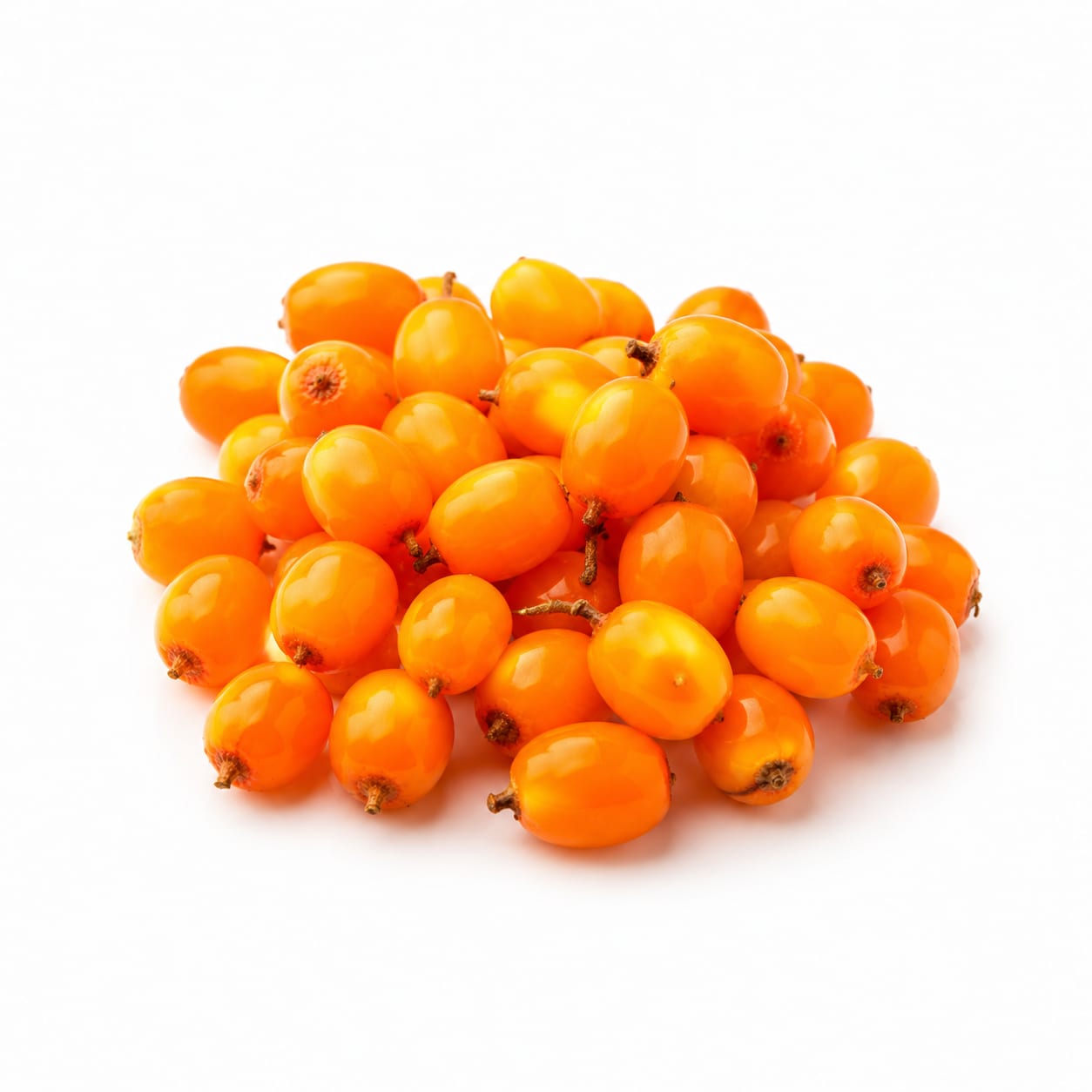
Sea Buckthorn
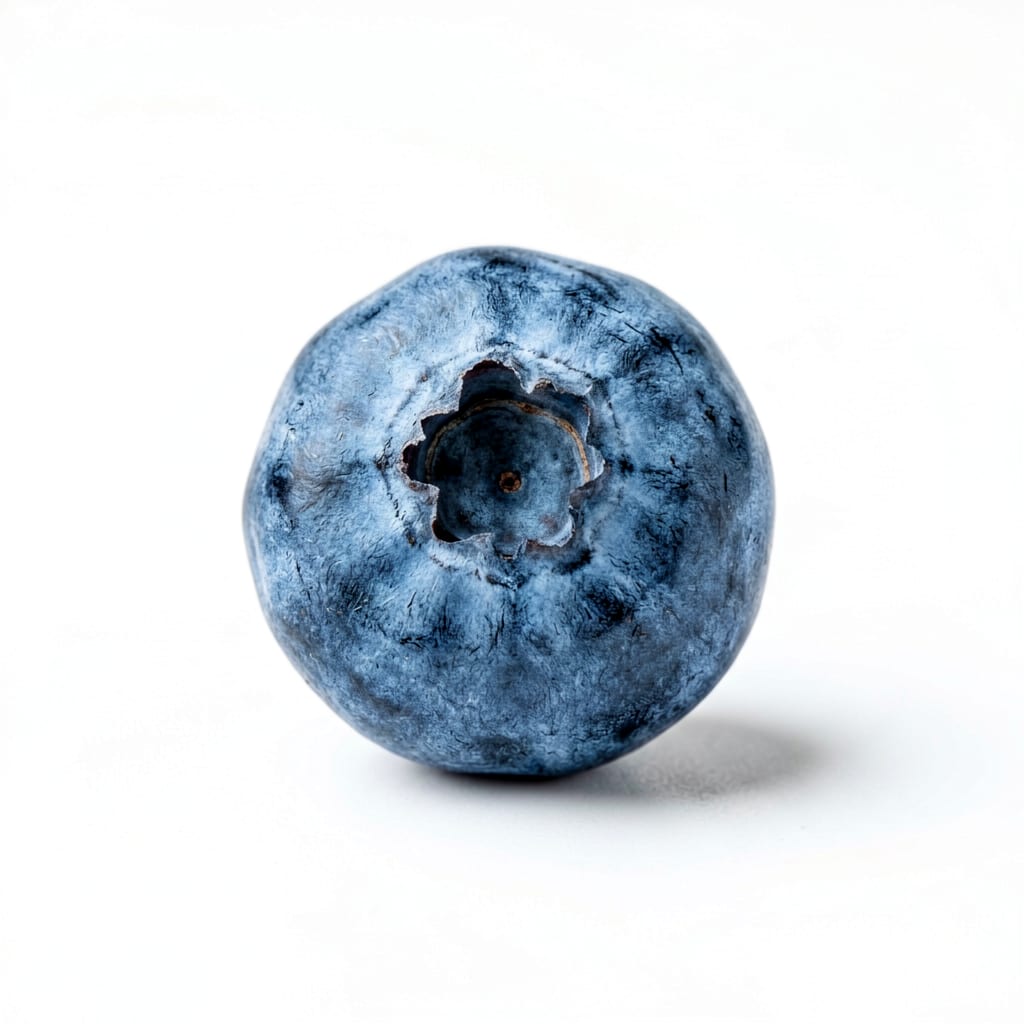
Blueberry
Sea Buckthorn is a nutritional powerhouse that obliterates Blueberry in vitamin C and omega-7 content, but Blueberry wins on taste, availability, and daily sustainability.
Sea Buckthorn scores higher on raw nutritional potency, but Blueberry stays close because its practical advantages — taste, availability, daily ease — make consistent consumption far more likely. A supplement you never take beats nothing; a berry you enjoy daily compounds over time.
Maximum nutrient density versus everyday enjoyment and practicality — Sea Buckthorn is the supplement-like berry, Blueberry is the lifestyle berry.
At a glance
Executive summary
Overall
It depends
Healthier
Sea Buckthorn
More practical
Blueberry
Daily use
Blueberry
Key comparison lenses
antioxidant and vitamin density
Sea Buckthorn is one of the most vitamin-dense berries on earth, while Blueberry is famous for anthocyanins — users want to know which delivers more real health value
skin and immune health
Sea Buckthorn's rare omega-7 and massive vitamin C content make it a standout for skin and immunity, a key differentiator from Blueberry
everyday practicality and enjoyment
Blueberry is sweet, widely available, and easy to eat daily; Sea Buckthorn is tart, harder to find, and often requires processing — this shapes real-world decisions
long term disease prevention
Both berries are linked to reduced chronic disease risk but through different pathways — omega-7 vs anthocyanins
value for money
Sea Buckthorn products are significantly more expensive than Blueberries, so users need to know if the premium is justified
Best choice for
Sea Buckthorn
- Targeted skin health support
- Immune system boosting during cold season
- Omega-7 supplementation for mucous membrane health
- People seeking the highest vitamin C from a natural source
- Dry eye or vaginal dryness support
Blueberry
- Sustainable daily antioxidant intake
- Brain health and cognitive aging
- Heart health through consistent anthocyanin consumption
- Families wanting a kid-friendly superfruit
- Weight management and low-calorie snacking
Least suitable for
Sea Buckthorn
- People who dislike tart or sour flavors
- Budget-conscious shoppers needing regular intake
- Anyone wanting a casual snack berry
- Those who need easy grocery store availability
Blueberry
- People needing therapeutic doses of vitamin C
- Those specifically targeting omega-7 deficiency
- Anyone looking for noticeable skin health improvements from a single food
Deep comparison
Dimension by dimension
Each lens scores both foods and breaks down who each option suits.
- Dimension 1 · Priority 95Sea Buckthorn
vitamin_and_mineral_density
Sea Buckthorn · 96Blueberry · 62Sea Buckthorn delivers dramatically more vitamin C, vitamin E, and beta-carotene per serving than Blueberry.
Tradeoff
You get exceptional nutrient density from Sea Buckthorn, but it often comes in processed forms like juice or oil that may lose some potency.
Why it matters
If you are trying to correct deficiencies or want maximum micronutrient impact from small portions, Sea Buckthorn is in a different league.
Real-world impact
A single serving of Sea Buckthorn can provide 5-10x the vitamin C of a serving of Blueberries — that is the difference between meeting and far exceeding your daily needs.
Sea Buckthorn
- Boosting immunity during illness
- Correcting low vitamin C intake
- Supporting collagen production for skin
Better for
- People who assume all berries are nutritionally similar and underdose
Worse for
Blueberry
- Gentle, steady micronutrient intake without overwhelming doses
- Getting a broader mineral profile including manganese
Better for
- Anyone relying on Blueberries alone for vitamin C will fall short
Worse for
- Dimension 2 · Priority 90Sea Buckthorn
unique_fatty_acid_profile
Sea Buckthorn · 94Blueberry · 35Sea Buckthorn is one of the only plant sources of omega-7 fatty acids, which support skin, mucous membranes, and cardiovascular health. Blueberries have negligible fat content.
Tradeoff
This is Sea Buckthorn's signature advantage — no common berry competes here — but you typically need oil or supplement forms to get meaningful omega-7 doses.
Why it matters
Omega-7 is rare in the diet and linked to reduced inflammation and improved moisture in skin and mucosal tissues. This makes Sea Buckthorn genuinely unique among berries.
Real-world impact
For people with dry eyes, dry skin, or vaginal dryness, Sea Buckthorn omega-7 may offer noticeable relief that Blueberry simply cannot provide.
Sea Buckthorn
- Mucous membrane and skin hydration
- Anti-inflammatory support through omega-7
- People seeking a plant-based omega-7 source
Better for
- Those expecting omega-3 benefits specifically — Sea Buckthorn has some but is not a primary source
Worse for
Blueberry
- Low-fat dietary approaches where any fat content is unwanted
Better for
- Anyone hoping for meaningful fatty acid intake from their berry choice
Worse for
- Dimension 3 · Priority 88It depends
antioxidant_type_and_diversity
Sea Buckthorn · 85Blueberry · 88Blueberry leads in anthocyanins which support brain and heart health; Sea Buckthorn leads in carotenoids and vitamin E which support skin and eyes. Different antioxidants, different strengths.
Tradeoff
Blueberry's anthocyanins have stronger evidence for cognitive benefits, while Sea Buckthorn's carotenoids are better for skin and eye surface health.
Why it matters
Antioxidant quality matters more than quantity — the right antioxidant for your concern matters more than total ORAC scores.
Real-world impact
Eating Blueberries regularly is linked to slower cognitive decline in aging adults. Sea Buckthorn is linked to improved skin elasticity and UV protection. Pick based on your priority.
Sea Buckthorn
- Skin aging and UV defense
- Eye surface health beyond the retina
- Reducing visible signs of oxidative stress
Better for
- People focused primarily on brain health outcomes
Worse for
Blueberry
- Brain health and memory preservation
- Cardiovascular protection via anthocyanins
- Long-term cognitive aging support
Better for
- Those wanting visible skin benefits from their antioxidant intake
Worse for
- Dimension 4 · Priority 85Blueberry
taste_and_palatability
Sea Buckthorn · 40Blueberry · 90Blueberries are sweet, mild, and universally liked. Sea Buckthorn is intensely tart, astringent, and acidic — most people cannot eat it raw in quantity.
Tradeoff
Sea Buckthorn's intense flavor signals its nutrient density, but it makes daily consumption a chore without sweeteners or blending.
Why it matters
The healthiest food is the one you actually eat consistently. Taste is not superficial — it determines compliance.
Real-world impact
A handful of Blueberries is a pleasure. A handful of raw Sea Buckthorn berries is a challenge. This shapes whether a habit sticks.
Sea Buckthorn
- People who enjoy sour flavors and bitter greens
- Using small amounts as a flavor accent in smoothies
Better for
- Anyone with sensitivity to acidic foods
- Smoothie-only users who find it overpowers other flavors
Worse for
Blueberry
- Kids and picky eaters
- Casual snacking without preparation
- Adding to cereal, yogurt, or oatmeal effortlessly
Better for
- People who find mild flavors boring and want intensity
Worse for
- Dimension 5 · Priority 82Blueberry
availability_and_convenience
Sea Buckthorn · 30Blueberry · 92Blueberries are available year-round in most grocery stores. Fresh Sea Buckthorn is nearly impossible to find outside specialty markets and growing regions.
Tradeoff
Sea Buckthorn's scarcity means you will likely buy it as juice, oil, powder, or frozen — each with different quality and cost tradeoffs.
Why it matters
Convenience determines consistency. The most nutrient-dense berry in the world provides zero benefit if you cannot access it regularly.
Real-world impact
You can grab Blueberries at any supermarket on any day. Finding Sea Buckthorn requires online ordering, specialty stores, or growing your own — adding friction that kills habits.
Sea Buckthorn
- People willing to order supplements or specialty products online
- Those who enjoy seeking out unique ingredients
Better for
- Rural areas with limited specialty food access
- Impulse buyers who need immediate availability
Worse for
Blueberry
- Busy people who shop at regular grocery stores
- Anyone who wants to start eating a healthy berry today
- Meal preppers who need reliable weekly availability
Better for
- People in regions where Blueberries are imported and expensive
Worse for
- Dimension 6 · Priority 78Blueberry
blood_sugar_and_metabolic_impact
Sea Buckthorn · 65Blueberry · 82Both berries are low-glycemic, but Blueberry's lower acidity and sugar content make it gentler on blood sugar. Sea Buckthorn juice often has added sugars to offset tartness.
Tradeoff
Whole Sea Buckthorn berries are fine for blood sugar, but most commercial Sea Buckthorn products are sweetened juices that spike glucose.
Why it matters
If you are managing diabetes or insulin resistance, the form of Sea Buckthorn you choose matters enormously — juice with added sugar undermines its health benefits.
Real-world impact
A bowl of fresh Blueberries will not spike your blood sugar. A glass of commercial Sea Buckthorn juice might, depending on the brand.
Sea Buckthorn
- Using unsweetened Sea Buckthorn powder or oil for metabolic safety
- Small-dose supplementation rather than juice consumption
Better for
- Anyone drinking sweetened Sea Buckthorn juice thinking it is automatically healthy
Worse for
Blueberry
- Diabetics wanting a safe, whole-food fruit snack
- Steady energy without sugar crashes
- People who track glycemic load carefully
Better for
- People who overeat Blueberries and consume excess fructose
Worse for
- Dimension 7 · Priority 75Blueberry
cost_and_value
Sea Buckthorn · 35Blueberry · 80Blueberries are affordable and widely available at scale. Sea Buckthorn products carry a significant premium — often 3-5x the cost per serving.
Tradeoff
Sea Buckthorn's unique nutrients may justify the cost for targeted health goals, but for general antioxidant intake, Blueberry delivers better value.
Why it matters
Cost determines sustainability. A superfood you cannot afford to eat regularly provides less benefit than a good food you eat every day.
Real-world impact
A pint of Blueberries costs $3-5. A small bottle of Sea Buckthorn juice or oil can cost $15-30. Over a year, that difference compounds significantly.
Sea Buckthorn
- Targeted therapeutic use where the omega-7 or vitamin C dose matters
- Short-term immune or skin health campaigns
Better for
- Long-term daily use for budget-constrained consumers
- Anyone comparing cost per antioxidant unit
Worse for
Blueberry
- Daily long-term antioxidant intake on a budget
- Families feeding multiple people
- Students or fixed-income households
Better for
- Situations where only omega-7 will address the health concern
Worse for
Timeline
Health impact over time
Short-term
Hours to days
Sea Buckthorn
- Rapid vitamin C boost supporting immune response within hours
- Potential stomach upset from high acidity if consumed in large amounts
- Noticeable energy lift from B-vitamin content and micronutrient density
- Skin may feel more hydrated within days when using Sea Buckthorn oil
Blueberry
- Gentle blood sugar stability after meals due to fiber content
- Mild anti-inflammatory effect that builds over days of consistent intake
- Comforting, satisfying snack that reduces cravings for sweeter treats
- Improved digestive regularity from fiber if eaten daily
Long-term
Months to years
Sea Buckthorn
- Stronger skin barrier and reduced signs of skin aging from omega-7 and carotenoids
- Better mucous membrane integrity — helpful for dry eyes and vaginal dryness
- Enhanced immune resilience with consistent vitamin C saturation
- Possible cardiovascular benefits from omega-7, though evidence is still emerging
Blueberry
- Slower cognitive decline associated with long-term anthocyanin intake
- Reduced cardiovascular risk markers from consistent polyphenol consumption
- Better insulin sensitivity with regular whole-berry consumption
- Preserved vision health through retinal-specific antioxidant protection
Risk profile
Safety & processing
Fresh Blueberries are typically sold whole and unprocessed. Sea Buckthorn is almost always consumed as juice, oil, powder, or supplement — forms that involve processing and sometimes added sugars or carrier ingredients. Whole Sea Buckthorn berries exist but are rare in commerce.
Sea Buckthorn
Added sugars in commercial juice products
mediumMany Sea Buckthorn juices contain significant added sugar to mask the extreme tartness, which undermines metabolic benefits.
Supplement quality inconsistency
mediumSea Buckthorn oils and powders vary widely in potency and purity depending on the manufacturer, with limited third-party testing.
Potential medication interactions
lowHigh vitamin C and omega content could theoretically interact with blood thinners or cholesterol medications at supplement doses.
Blueberry
Pesticide residue on conventional Blueberries
mediumBlueberries frequently appear on the EWG Dirty Dozen list — conventional berries carry measurable pesticide residues. Organic reduces this significantly.
Mold and spoilage
lowBlueberries spoil quickly and can harbor mold that produces allergens. Inspect before eating and refrigerate promptly.
Who wins for whom
Audience fit
Same foods, different winners depending on your goal.
children
BlueberryKids enjoy sweet Blueberries as a snack. Sea Buckthorn's extreme tartness and typical supplement form make it impractical for children.
daily consumption
BlueberryBlueberry is affordable, available, tasty, and easy to eat every day. Sea Buckthorn's cost, taste, and access barriers make daily use unrealistic for most people.
diabetes
BlueberryWhole Blueberries have a proven low glycemic impact and improve insulin sensitivity. Sea Buckthorn juice often contains added sugars that are counterproductive.
elderly
It dependsBlueberry supports cognitive aging and is easy to eat. Sea Buckthorn supports dry eyes, skin thinning, and immune vulnerability — both address different elderly concerns.
muscle gain
It dependsNeither berry is a muscle-building food. Sea Buckthorn offers more vitamin C for collagen synthesis and recovery, but the difference is marginal for this goal.
weight loss
BlueberryBlueberries are lower in calories, more satisfying to eat in volume, and easier to incorporate as a daily snack without added sugars.
Your move
Decision guide
Choose Sea Buckthorn
- You want targeted skin, eye, or mucous membrane support and are willing to pay a premium
- Your immune system needs a serious boost during cold and flu season
- You are specifically seeking omega-7 fatty acids from a plant source
- You enjoy tart, intense flavors or already blend strong-tasting ingredients into smoothies
- You are building a supplement stack and want a whole-food-based vitamin C and carotenoid source
Choose Blueberry
- You want a sustainable daily antioxidant habit you will actually maintain
- Brain health and cognitive aging are your top long-term priorities
- You need a kid-friendly, budget-friendly, grocery-store-available superfruit
- You are managing blood sugar and want a fruit that will not spike glucose
- You prefer eating whole foods over supplements or processed berry products
Either works if
- You want antioxidant diversity and can use both for different purposes
- You are generally healthy and just want to eat more berries
- You alternate between targeted supplementation and daily whole-food habits
Avoid both if
- You have a berry allergy or salicylate sensitivity
- You are on a very tight budget and need calorie-dense nutrition over specialty fruits
- You expect either berry alone to fix a health problem without broader dietary changes
Final recommendation
Use Blueberry as your daily antioxidant foundation — it is the one you will actually eat consistently. Add Sea Buckthorn as a targeted supplement for skin, immune, or omega-7 needs during periods when those concerns are heightened. Think of Blueberry as your daily multivitamin and Sea Buckthorn as your specialty prescription.
Practical
Consumer tips
- 1
If buying Sea Buckthorn, choose oil or unsweetened powder over juice to avoid added sugars and get the most concentrated omega-7 content
- 2
Buy organic Blueberries when possible — they consistently rank high for pesticide residue on conventional produce
- 3
Freeze Blueberries in bulk when in season — they retain their antioxidant content and are far cheaper than fresh out of season
- 4
Start with small amounts of Sea Buckthorn to test your tolerance for its acidity — it can cause stomach upset in sensitive people
- 5
Blend Sea Buckthorn powder with sweeter fruits like banana or mango to make the tartness palatable without adding refined sugar
- 6
If you grow Sea Buckthorn, harvest the berries after a frost — they become slightly sweeter and easier to process