
Nutrition comparison
Sea Buckthorn vs Blackcurrant: Which Superberry Is Right for You?
Compare Sea Buckthorn and Blackcurrant nutrition, antioxidants, omega-7, vitamin C, and health benefits. Find out which berry fits your skin, eye health, and daily nutrition goals.
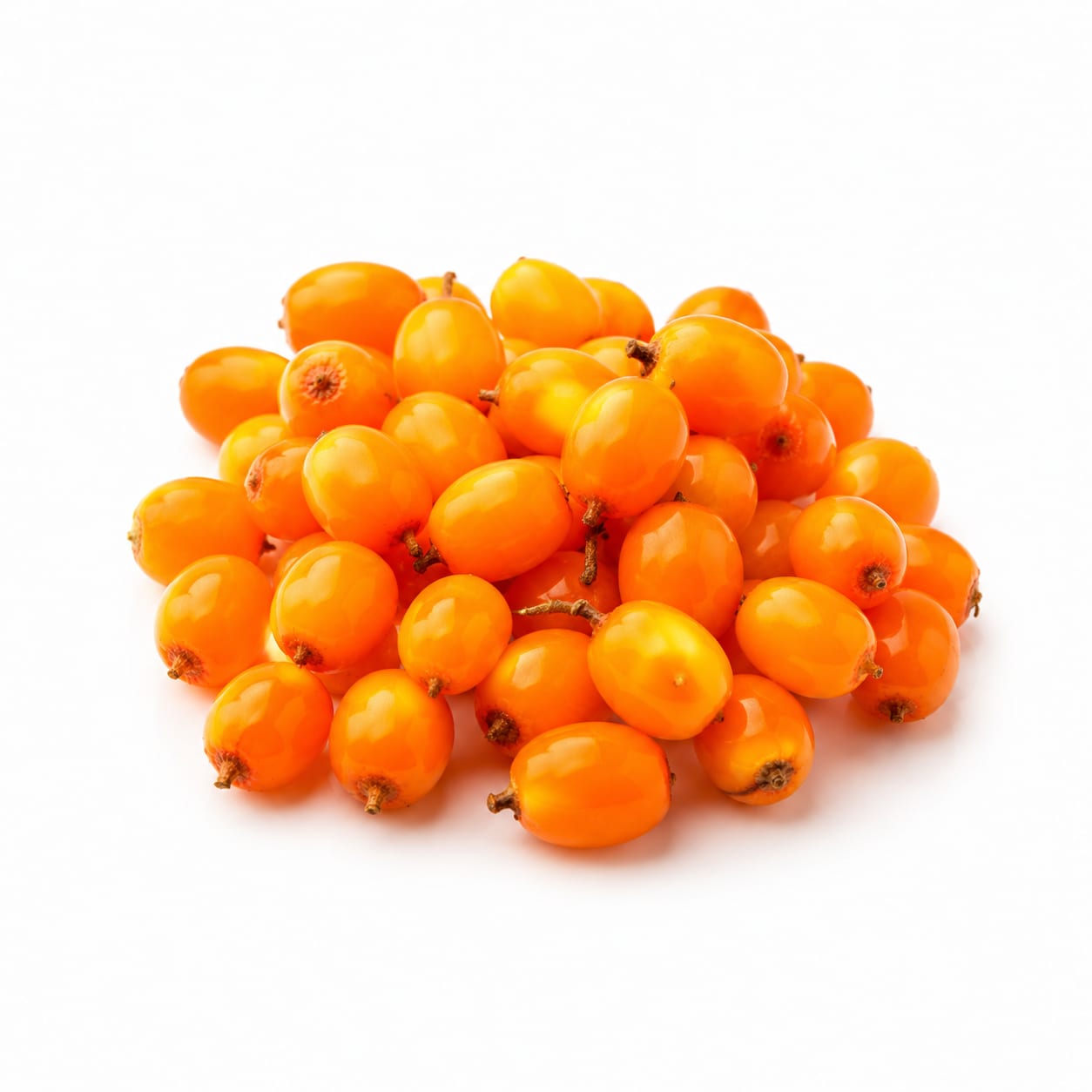
Sea Buckthorn
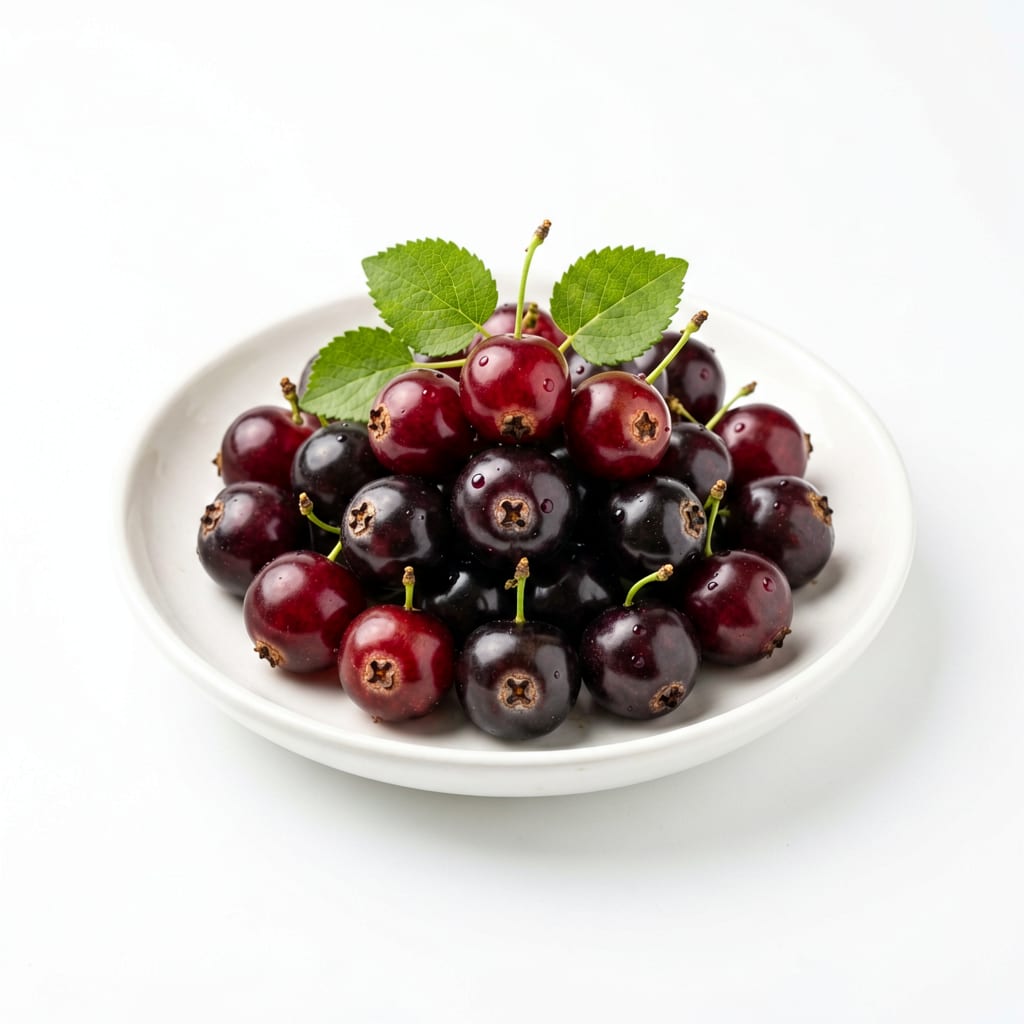
Blackcurrant
Sea Buckthorn is the exotic nutrient powerhouse with unmatched omega-7 and vitamin C density, while Blackcurrant is the more practical, better-tasting antioxidant champion with superior anthocyanins.
Sea Buckthorn edges ahead on raw nutrient density and unique omega-7 content, but Blackcurrant closes the gap with superior practicality, taste, anthocyanin concentration, and everyday usability. The close scores reflect that neither is universally better — they serve different health priorities.
Raw nutritional potency and skin benefits versus palatability, accessibility, and eye health support.
At a glance
Executive summary
Overall
It depends
Healthier
It depends
More practical
Blackcurrant
Daily use
Blackcurrant
Key comparison lenses
antioxidant superiority
Both berries are legendary for antioxidant density, but through completely different compounds — users want to know which delivers more real-world protection
vitamin C maximization
Sea Buckthorn and Blackcurrant are both top-tier vitamin C sources, making direct potency comparison critical
skin and beauty benefits
Sea Buckthorn's rare omega-7 content makes it a cult favorite for skin health, a key differentiator users actively seek
practical everyday use
Taste, availability, and ease of regular consumption differ dramatically between these two berries
eye health and circulation
Blackcurrant's anthocyanin concentration is among the highest of any fruit, making it a standout for vision and vascular health
Best choice for
Sea Buckthorn
- People prioritizing skin health and wound healing
- Those seeking maximum vitamin C per serving
- Anyone wanting rare omega-7 fatty acids from food
- Individuals with dry mucous membranes or dry eye issues
- Beauty-from-within supplement seekers
Blackcurrant
- People wanting an antioxidant-rich berry they actually enjoy eating
- Those focused on eye health and night vision
- Anyone seeking better circulation and vascular protection
- Families wanting a nutritious berry for everyday meals
- Budget-conscious consumers wanting superfood benefits without premium pricing
Least suitable for
Sea Buckthorn
- People sensitive to very tart or astringent flavors
- Those on a tight grocery budget
- Anyone wanting a casual snack berry
- Individuals who dislike processing berries into juices or oils
Blackcurrant
- People specifically seeking omega-7 fatty acids
- Those wanting the absolute highest vitamin C concentration available
- Anyone with salicylate sensitivity (blackcurrants are moderate-high)
Deep comparison
Dimension by dimension
Each lens scores both foods and breaks down who each option suits.
- Dimension 1 · Priority 95Sea Buckthorn
Vitamin C Potency
Sea Buckthorn · 96Blackcurrant · 82Sea Buckthorn delivers roughly 400-600mg of vitamin C per 100g, significantly outpacing Blackcurrant's still-impressive 180-200mg.
Tradeoff
Sea Buckthorn wins on concentration, but Blackcurrant's vitamin C is easier to consume in larger quantities because it's more palatable raw.
Why it matters
Vitamin C supports immune function, collagen synthesis, and iron absorption — getting more from a single serving simplifies supplementation decisions.
Real-world impact
A single tablespoon of Sea Buckthorn puree may cover your entire daily vitamin C needs, while you'd need a larger portion of Blackcurrants to match it.
Sea Buckthorn
- Immune support during illness
- Collagen production and skin repair
- Iron absorption enhancement when taken with meals
Better for
- Intensely sour taste makes large servings unpleasant
- Vitamin C degrades quickly in stored juice products
Worse for
Blackcurrant
- Enjoyable way to maintain consistent daily vitamin C intake
- Less risk of overconsumption due to milder concentration
Better for
- Lower concentration means you need more volume for therapeutic doses
Worse for
- Dimension 2 · Priority 92It depends
Antioxidant Diversity and Depth
Sea Buckthorn · 88Blackcurrant · 90Sea Buckthorn offers broader antioxidant variety including carotenoids and superoxide dismutase, while Blackcurrant delivers deeper anthocyanin concentration than almost any other fruit.
Tradeoff
Breadth of antioxidant types versus depth in the specific anthocyanin family that most directly supports vision and circulation.
Why it matters
Different antioxidants protect different tissues — carotenoids favor skin and mucous membranes, while anthocyanins favor eyes and blood vessels.
Real-world impact
If you work at a screen all day, Blackcurrant's anthocyanins may feel more impactful. If you're recovering from skin damage, Sea Buckthorn's carotenoid spectrum shines brighter.
Sea Buckthorn
- Skin barrier recovery and UV damage protection
- Mucous membrane healing throughout the body
- Broader-spectrum cellular defense
Better for
- Lower anthocyanin content means less targeted eye and vascular benefit
Worse for
Blackcurrant
- Reducing eye strain and supporting night vision
- Protecting small blood vessels from oxidative damage
- Supporting brain health through vascular pathways
Better for
- Missing the rare carotenoid profile that Sea Buckthorn provides
Worse for
- Dimension 3 · Priority 88Sea Buckthorn
Omega Fatty Acid Profile
Sea Buckthorn · 94Blackcurrant · 62Sea Buckthorn is one of the only plant sources of omega-7 fatty acids, alongside omega-3, 6, and 9. Blackcurrant offers gamma-linolenic acid (GLA), an omega-6, but lacks omega-7 entirely.
Tradeoff
A truly unique omega-7 source versus a solid but less rare GLA source.
Why it matters
Omega-7 supports mucous membrane hydration, skin elasticity, and anti-inflammatory signaling — it's extremely hard to find in other foods.
Real-world impact
People with chronically dry skin, dry eyes, or vaginal dryness may notice meaningful improvement from regular Sea Buckthorn consumption that Blackcurrant simply cannot replicate.
Sea Buckthorn
- Skin hydration from within
- Dry eye and dry mouth support
- Anti-inflammatory benefits across mucosal tissues
- Complete omega spectrum in a single food
Better for
- Omega-7 research is still emerging compared to omega-3 evidence
Worse for
Blackcurrant
- Hormonal balance support through GLA
- Anti-inflammatory benefits for PMS and joint discomfort
Better for
- Missing the omega-7 advantage entirely
- GLA is available from several other common sources like evening primrose oil
Worse for
- Dimension 4 · Priority 82Blackcurrant
Taste and Palatability
Sea Buckthorn · 38Blackcurrant · 78Blackcurrant is tart but enjoyable fresh, in jams, and smoothies. Sea Buckthorn is intensely sour and astringent — most people cannot eat it raw and prefer it diluted in juice or mixed into foods.
Tradeoff
Nutritional potency that requires masking versus a berry you can actually eat by the handful.
Why it matters
The healthiest food only works if you actually consume it consistently. Taste directly impacts long-term adherence.
Real-world impact
Blackcurrant easily becomes a daily habit in yogurt, smoothies, or as a snack. Sea Buckthorn often requires deliberate effort to incorporate — juices, oils, or supplements.
Sea Buckthorn
- Intense flavor works well as a small daily shot or tonic
- Pairs beautifully with honey or sweet fruits in small amounts
Better for
- Most people cannot eat it raw without wincing
- Requires preparation or mixing to be palatable
- Strong flavor can dominate smoothies and recipes
Worse for
Blackcurrant
- Enjoyable fresh as a snack berry
- Versatile in cooking, baking, smoothies, and preserves
- Children more likely to accept it
Better for
- Still quite tart compared to common berries like strawberries
Worse for
- Dimension 5 · Priority 78Blackcurrant
Availability and Cost
Sea Buckthorn · 35Blackcurrant · 72Blackcurrant is widely available frozen, in juices, and as preserves across Europe and increasingly worldwide. Sea Buckthorn remains a specialty item — harder to find fresh and often expensive as juice or oil.
Tradeoff
Premium niche superfood pricing versus accessible superfood at reasonable cost.
Why it matters
Consistency matters more than perfection. A berry you can afford and find weekly beats one you purchase once as a treat.
Real-world impact
Blackcurrant frozen bags cost roughly the same as other frozen berries. Sea Buckthorn juice often costs 3-5x more per serving than standard berry juices.
Sea Buckthorn
- Available as concentrated oil supplements for targeted omega-7 intake
- Growing online availability of frozen puree
Better for
- Fresh berries nearly impossible to find outside specialty markets
- Premium pricing limits regular use for most households
Worse for
Blackcurrant
- Widely stocked in supermarket freezer sections
- Affordable enough for daily consumption
- Available in multiple convenient forms year-round
Better for
- Fresh blackcurrants still less common than strawberries or blueberries in many regions
Worse for
- Dimension 6 · Priority 80Blackcurrant
Eye and Vision Health
Sea Buckthorn · 65Blackcurrant · 92Blackcurrant's anthocyanin concentration is among the highest of any fruit, directly supporting retinal blood flow and visual acuity. Sea Buckthorn helps with dry eyes via omega-7 but lacks the anthocyanin depth.
Tradeoff
Targeted retinal and vascular eye support versus dry eye relief through different mechanisms.
Why it matters
Screen-heavy lifestyles make eye health nutrition increasingly relevant, and the two berries address different aspects of visual wellness.
Real-world impact
If your eyes feel tired after screen time, Blackcurrant may noticeably reduce strain within weeks. If your eyes feel dry and irritated, Sea Buckthorn's omega-7 may provide more relief.
Sea Buckthorn
- Chronic dry eye relief
- Mucous membrane hydration throughout the visual system
Better for
- Does not directly enhance retinal blood flow or visual acuity
Worse for
Blackcurrant
- Reducing visual fatigue from prolonged screen use
- Supporting night vision and dark adaptation
- Protecting retinal blood vessels from oxidative stress
Better for
- Less effective for dry eye specifically compared to omega-7 sources
Worse for
Timeline
Health impact over time
Short-term
Hours to days
Sea Buckthorn
- Rapid vitamin C boost supporting immediate immune response
- Noticeable energy lift from B-vitamin content and vitamin C synergy
- Possible stomach discomfort if consumed in large amounts due to high acidity
Blackcurrant
- Quick antioxidant absorption supporting circulation and eye comfort
- Mild blood sugar stabilization from fiber content
- Refreshing hydration when consumed as whole berries
Long-term
Months to years
Sea Buckthorn
- Improved skin elasticity and hydration from consistent omega-7 intake
- Strengthened mucous membranes reducing susceptibility to infections
- Enhanced wound healing capacity from sustained high vitamin C status
- Potential reduction in systemic inflammation markers
Blackcurrant
- Preserved visual function and reduced age-related eye decline
- Better peripheral circulation and cardiovascular protection
- Sustained anti-inflammatory benefits reducing chronic disease risk
- Improved vascular flexibility from consistent anthocyanin intake
Risk profile
Safety & processing
Both berries are typically consumed in minimally processed forms — fresh, frozen, or cold-pressed juices. However, Sea Buckthorn's intense flavor means it is more frequently sold with added sweeteners or as a blended juice, so label reading matters more. Pure Blackcurrant products are easier to find without added sugars.
Sea Buckthorn
Added sugars in commercial juices
mediumMany Sea Buckthorn juice products contain significant added sugar or apple juice filler to mask sourness — check labels carefully.
Blood thinning interaction
lowHigh omega content may mildly affect blood clotting. Consult a doctor if taking anticoagulant medications.
Blackcurrant
Salicylate content
lowBlackcurrants contain moderate levels of salicylates which may affect sensitive individuals, particularly those with aspirin sensitivity.
Pesticide residue on conventional crops
mediumBerries are typically higher on the pesticide residue index. Choosing organic frozen blackcurrants reduces this concern significantly.
Who wins for whom
Audience fit
Same foods, different winners depending on your goal.
children
BlackcurrantBlackcurrant's milder tartness and familiar berry form make it far more acceptable to kids. Sea Buckthorn's extreme sourness usually triggers rejection.
daily consumption
BlackcurrantTaste, cost, and availability make Blackcurrant realistic as a daily habit. Sea Buckthorn works better as a targeted supplement than a daily food.
diabetes
BlackcurrantWhole Blackcurrants provide fiber that slows sugar absorption. Sea Buckthorn is often consumed as juice with added sweeteners, making glycemic control trickier.
elderly
It dependsSea Buckthorn excels for dry mucous membranes and skin thinning common in aging. Blackcurrant better addresses vision decline and circulatory issues. Both serve different elderly health priorities.
muscle gain
It dependsNeither berry is a protein source. Sea Buckthorn's vitamin C supports collagen for connective tissue repair, while Blackcurrant's anthocyanins aid exercise recovery through improved circulation.
weight loss
BlackcurrantBlackcurrant is easier to eat in controlled portions as a satisfying snack, while Sea Buckthorn's common juice form often includes added sugars that add hidden calories.
Your move
Decision guide
Choose Sea Buckthorn
- You specifically want omega-7 for skin, dry eyes, or mucous membrane support
- You're comfortable with small concentrated servings rather than large portions
- You're building a beauty-from-within nutrition protocol
- You enjoy tart flavors or don't mind mixing into smoothies with sweeter fruits
- You want the highest vitamin C concentration per gram possible
Choose Blackcurrant
- You want an antioxidant-rich berry you'll actually look forward to eating
- Eye health and screen fatigue relief are top priorities
- You need something affordable and accessible for daily use
- You prefer whole food forms over juices or oils
- You're feeding a family and need broad appeal
Either works if
- You want to boost overall antioxidant intake beyond common berries
- You're rotating superfoods for nutritional diversity
- You enjoy tart flavors and want variety in your berry rotation
Avoid both if
- You take blood-thinning medications without medical supervision
- You have a known berry allergy or salicylate sensitivity
- You're seeking a high-protein or calorie-dense food
Final recommendation
For most people, Blackcurrant is the smarter daily choice — it delivers outstanding anthocyanin benefits in a form you'll actually enjoy consistently. Add Sea Buckthorn as a targeted supplement for skin health, omega-7, or vitamin C megadosing rather than trying to make it your everyday berry. The best approach for serious health optimizers: keep frozen Blackcurrants in your freezer for daily smoothies, and a bottle of pure Sea Buckthorn oil or puree for concentrated skin and mucous membrane support a few times per week.
Practical
Consumer tips
- 1
Look for Sea Buckthorn products with no added sugar — pure juice, puree, or oil only. Many commercial versions are cut with apple juice and sweeteners.
- 2
Frozen Blackcurrants retain nearly all their anthocyanin content and are far more affordable than fresh — always choose frozen unless you have a local source.
- 3
Sea Buckthorn oil is the most efficient way to get omega-7 without the sour taste — a teaspoon daily covers your needs.
- 4
Add Blackcurrants to overnight oats or yogurt for an effortless daily antioxidant boost that requires zero prep.
- 5
If trying Sea Buckthorn juice for the first time, start with a small shot mixed into a smoothie rather than drinking it straight — the sourness catches people off guard.
- 6
Choose organic Blackcurrants when possible — berries consistently rank high for pesticide residue on conventional crops.