
Nutrition comparison
Sea Buckthorn vs Cranberry: Which Berry Is Better for Your Health Goals?
Compare Sea Buckthorn and Cranberry for vitamin C, UTI prevention, skin health, and omega-7 content. Find out which berry fits your specific health needs and when to use both.
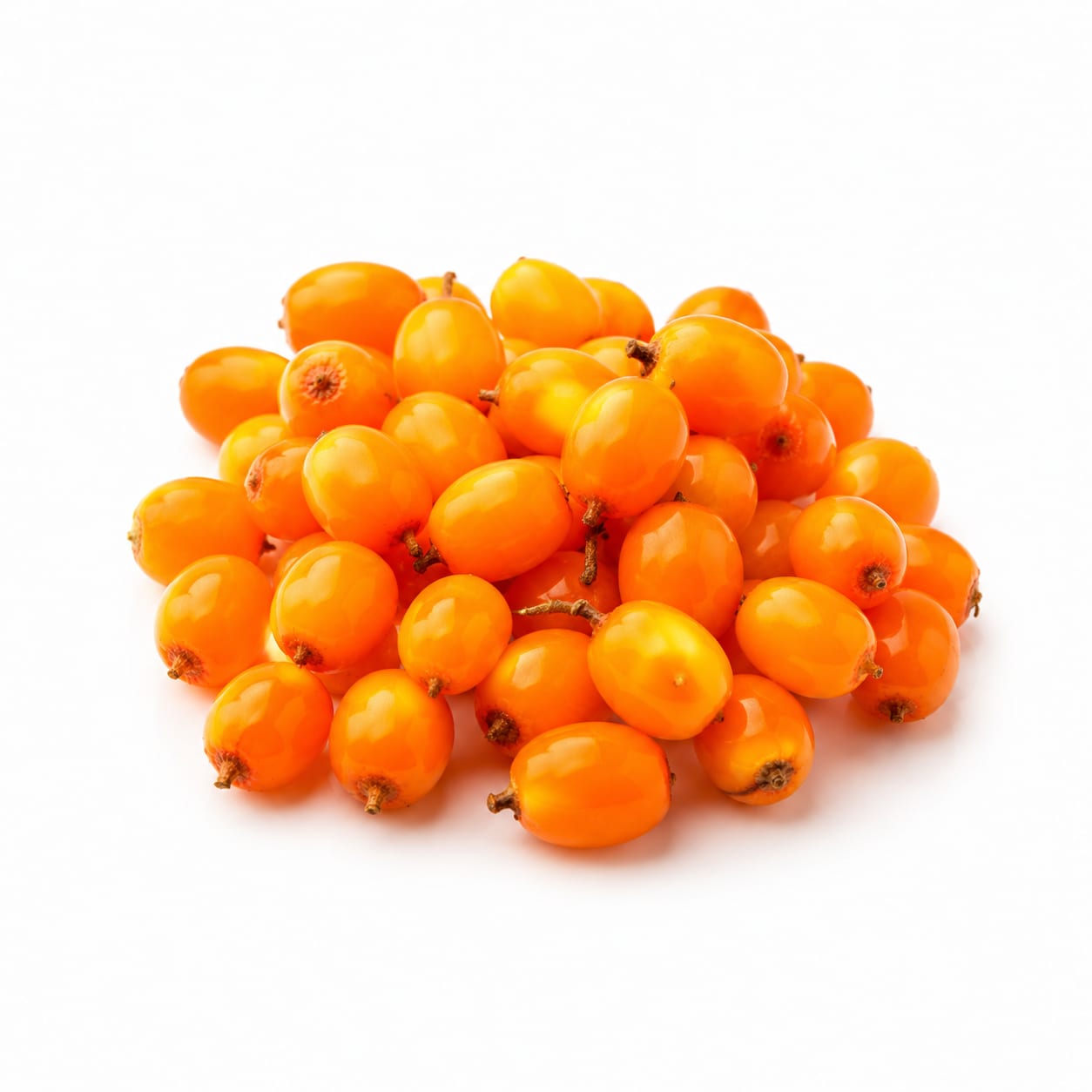
Sea Buckthorn
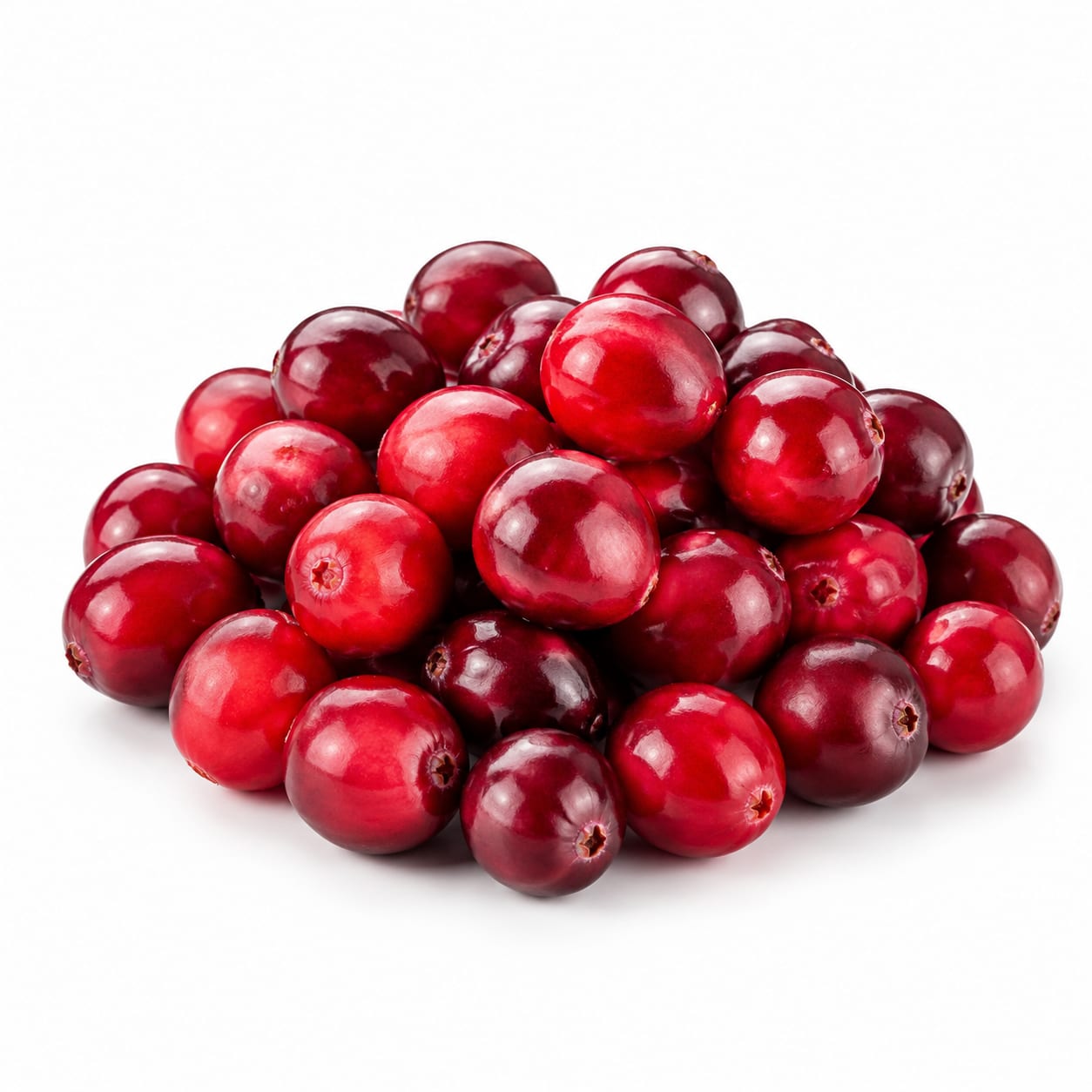
Cranberry
Sea Buckthorn is the vitamin C and omega-7 powerhouse for skin and immunity. Cranberry is the proven UTI defender and everyday practical choice. They serve different health goals.
Sea Buckthorn scores slightly higher for its exceptional nutrient density and unique omega-7 content, but Cranberry stays close due to superior accessibility, affordability, and strong clinical evidence for UTI prevention. The narrow gap reflects that neither is universally better — they excel in different health contexts.
Sea Buckthorn offers vastly more vitamin C and rare omega-7 fats for skin health, but Cranberry is far more accessible, affordable, and backed by decades of UTI research.
At a glance
Executive summary
Overall
It depends
Healthier
It depends
More practical
Cranberry
Daily use
Cranberry
Key comparison lenses
immune support and vitamin c
Both berries are renowned for vitamin C content, but Sea Buckthorn delivers dramatically more — often 10x the amount found in cranberries, making this a decisive differentiator for immunity-focused users.
urinary tract health
Cranberry is the gold standard for UTI prevention. This is the single most common reason people seek out either berry, and Cranberry wins decisively here.
skin and mucous membrane health
Sea Buckthorn is uniquely rich in omega-7 fatty acids, which support skin hydration and mucous membrane integrity — a benefit Cranberry cannot match.
antioxidant diversity
Both offer potent but different antioxidant profiles. Sea Buckthorn brings carotenoids and superoxide dismutase; Cranberry delivers proanthocyanidins. Users benefit from understanding these distinct strengths.
practical availability and cost
Cranberry is widely available in grocery stores year-round. Sea Buckthorn remains niche, often requiring specialty shops or online ordering, impacting real-world usability.
Best choice for
Sea Buckthorn
- People focused on skin health and hydration
- Anyone seeking maximum vitamin C from a natural source
- Those dealing with dry mucous membranes or eye dryness
- Individuals wanting rare omega-7 fatty acids
- People looking for immune support during cold season
Cranberry
- People prone to recurrent UTIs
- Anyone wanting an affordable, widely available superfruit
- Those who prefer a berry with extensive clinical research
- People looking for a daily urinary tract maintenance berry
- Consumers who value easy grocery store access
Least suitable for
Sea Buckthorn
- People on a tight budget — Sea Buckthorn is expensive and hard to find
- Anyone needing immediate UTI prevention support
- Those who dislike very tart, astringent flavors
- People wanting something they can grab at any supermarket
Cranberry
- People seeking high omega-7 intake for skin support
- Anyone looking for top-tier vitamin C density per serving
- Those wanting carotenoid-rich nutrition for eye health
- People sensitive to commonly added sugars in cranberry products
Deep comparison
Dimension by dimension
Each lens scores both foods and breaks down who each option suits.
- Dimension 1 · Priority 95Sea Buckthorn
Vitamin C Potency
Sea Buckthorn · 97Cranberry · 52Sea Buckthorn is one of the richest natural vitamin C sources on Earth, delivering roughly 6–12 times more than Cranberry per serving.
Tradeoff
You get extraordinary vitamin C from Sea Buckthorn, but it costs significantly more per serving than Cranberry.
Why it matters
Vitamin C directly supports immune function, collagen production, and iron absorption. A single serving of Sea Buckthorn can cover several days' worth of needs.
Real-world impact
During cold season, Sea Buckthorn juice could meaningfully boost your vitamin C intake in a way Cranberry simply cannot match per serving.
Sea Buckthorn
- Immune support during illness
- Collagen and skin repair
- Iron absorption enhancement
Better for
- Cost per vitamin C unit is higher than simple supplements
Worse for
Cranberry
- Those who get enough vitamin C from other sources and prioritize other benefits
Better for
- Cannot serve as a primary vitamin C strategy
Worse for
- Dimension 2 · Priority 90Cranberry
Urinary Tract Health
Sea Buckthorn · 30Cranberry · 95Cranberry contains unique proanthocyanidins that prevent bacteria from adhering to urinary tract walls — a mechanism supported by extensive clinical research.
Tradeoff
Cranberry is the evidence-based choice for UTI prevention, while Sea Buckthorn offers no comparable benefit for urinary health.
Why it matters
For the millions of people dealing with recurrent UTIs, this is the single most important differentiator between these two berries.
Real-world impact
A daily glass of unsweetened Cranberry juice is a proven, practical strategy for reducing UTI recurrence. Sea Buckthorn cannot replace this benefit.
Sea Buckthorn
- Not applicable for urinary tract concerns
Better for
- Anyone specifically seeking UTI support should not rely on Sea Buckthorn
Worse for
Cranberry
- Recurrent UTI prevention
- Post-antibiotic urinary tract maintenance
- General urinary tract hygiene in vulnerable populations
Better for
- Many commercial cranberry juices are loaded with added sugar, which can counteract benefits
Worse for
- Dimension 3 · Priority 85Sea Buckthorn
Skin and Mucous Membrane Support
Sea Buckthorn · 94Cranberry · 35Sea Buckthorn is uniquely rich in omega-7 palmitoleic acid, which supports skin barrier function, hydration, and mucous membrane health throughout the body.
Tradeoff
If skin hydration and mucous membrane integrity are priorities, Sea Buckthorn is in a different league. Cranberry offers little in this area.
Why it matters
Omega-7 is rare in the food supply. Sea Buckthorn is one of the few plant sources, making it valuable for people with dry skin, dry eyes, or vaginal dryness.
Real-world impact
People struggling with chronically dry skin or mucous membranes may notice meaningful improvement with daily Sea Buckthorn oil or juice over several weeks.
Sea Buckthorn
- Chronic dry skin conditions
- Vaginal dryness support
- Eye dryness and mucous membrane integrity
- Post-menopausal skin changes
Better for
- Results take weeks of consistent use to become noticeable
Worse for
Cranberry
- Not applicable for skin and mucous membrane concerns
Better for
- Lacks the fatty acid profile needed for skin barrier support
Worse for
- Dimension 4 · Priority 80It depends
Antioxidant Diversity
Sea Buckthorn · 88Cranberry · 82Sea Buckthorn offers carotenoids, flavonoids, and superoxide dismutase. Cranberry delivers proanthocyanidins and anthocyanins. Both are potent but target different oxidative pathways.
Tradeoff
Sea Buckthorn covers more antioxidant categories including fat-soluble carotenoids, while Cranberry excels in polyphenol-specific pathways linked to cardiovascular and urinary health.
Why it matters
Antioxidant diversity matters more than total quantity. Different antioxidants protect different tissues and systems.
Real-world impact
Ideally, you would consume both. But if forced to choose, Sea Buckthorn gives broader antioxidant coverage while Cranberry gives deeper coverage in specific polyphenol pathways.
Sea Buckthorn
- Broad-spectrum antioxidant coverage including fat-soluble types
- Eye health via beta-carotene and lutein
- Cell membrane protection from diverse free radicals
Better for
- Less researched for specific disease-prevention outcomes compared to Cranberry polyphenols
Worse for
Cranberry
- Cardiovascular-focused polyphenol protection
- Specific anti-adhesion benefits beyond typical antioxidant function
Better for
- Missing the carotenoid and fat-soluble antioxidant categories entirely
Worse for
- Dimension 5 · Priority 75Cranberry
Availability and Practicality
Sea Buckthorn · 28Cranberry · 88Cranberry is available in every grocery store in multiple forms. Sea Buckthorn requires specialty shops, online ordering, or supplement form, and costs substantially more.
Tradeoff
Cranberry wins on convenience and price. Sea Buckthorn requires effort and expense to source consistently.
Why it matters
The healthiest berry in the world only works if you can actually buy it and use it regularly. Consistency beats perfection.
Real-world impact
You can grab Cranberry juice at any corner store. Sea Buckthorn might require a $30 online order for a small bottle of juice or oil that lasts a week.
Sea Buckthorn
- Available as concentrated supplements for targeted use
- Growing online availability
Better for
- Hard to find in physical stores
- Premium pricing limits regular use
- Limited culinary recipe ecosystem
Worse for
Cranberry
- Year-round grocery store access
- Multiple affordable formats: fresh, frozen, dried, juice
- Easy to incorporate into daily routines
Better for
- Fresh cranberries are seasonal in most regions
Worse for
- Dimension 6 · Priority 70It depends
Sugar and Additive Concerns
Sea Buckthorn · 72Cranberry · 55Both berries are extremely tart and rarely consumed without sweetening. However, Cranberry products are more frequently loaded with added sugars, while Sea Buckthorn is often sold in purer supplement forms.
Tradeoff
Cranberry juice cocktails often contain more sugar than soda. Sea Buckthorn products tend to be sold as concentrated, unsweetened supplements, but this varies by brand.
Why it matters
The health benefits of either berry can be completely undermined by added sugars, especially for people managing blood sugar or weight.
Real-world impact
A glass of commercial cranberry juice cocktail can contain 30+ grams of added sugar. Always choose unsweetened versions of either berry.
Sea Buckthorn
- More commonly sold in unsweetened supplement and oil forms
- Less likely to be diluted with sugar-laden juice blends
Better for
- Pure Sea Buckthorn juice is extremely tart and hard to drink without dilution
Worse for
Cranberry
- Unsweetened cranberry juice and whole cranberries are available if you read labels carefully
Better for
- Cranberry juice cocktails are among the most sugar-laden beverages in the juice aisle
Worse for
Timeline
Health impact over time
Short-term
Hours to days
Sea Buckthorn
- Rapid vitamin C boost supporting immediate immune response
- Noticeable energy from B-vitamin content in some formulations
- Very tart taste that can cause mouth puckering or mild stomach discomfort if consumed undiluted
Cranberry
- Quick urinary tract flushing effect when consumed as unsweetened juice
- Immediate antioxidant delivery to the bloodstream
- Sour taste may cause digestive discomfort in sensitive individuals on an empty stomach
Long-term
Months to years
Sea Buckthorn
- Improved skin hydration and elasticity from consistent omega-7 intake
- Enhanced mucous membrane integrity reducing dryness symptoms
- Stronger immune resilience from sustained high vitamin C consumption
- Potential reduction in inflammation markers due to carotenoid and flavonoid intake
Cranberry
- Significantly reduced UTI recurrence with daily consumption
- Improved cardiovascular markers from polyphenol intake
- Better oral health due to anti-adhesion properties affecting oral bacteria
- Potential reduction in H. pylori stomach infection risk
Risk profile
Safety & processing
Both berries are naturally tart and minimally processed when consumed whole or as pure juice. However, Cranberry products are far more likely to contain added sugars, preservatives, and juice blends that dilute the active compounds. Sea Buckthorn is typically sold in purer forms — as cold-pressed juice, oil, or freeze-dried powder — because its niche market demands quality. If you choose Cranberry, scrutinize labels to avoid juice cocktails that are essentially sugar water with cranberry flavoring.
Sea Buckthorn
Interactions with blood-thinning medications
mediumSea Buckthorn contains omega-3 and omega-7 fatty acids that may have mild anticoagulant effects. Consult a doctor if taking warfarin or similar medications.
Allergic reactions in sensitive individuals
lowThough rare, some people report skin rashes or gastrointestinal upset when first consuming Sea Buckthorn. Start with small amounts.
Quality variability in supplements
mediumThe Sea Buckthorn supplement market is less regulated than Cranberry products. Third-party testing and reputable brands matter more here.
Cranberry
High sugar intake from commercial juice products
highMany cranberry juice drinks contain 25-35g of added sugar per serving, which can spike blood sugar, promote weight gain, and ironically increase UTI risk by feeding bacteria.
Kidney stone risk with excessive consumption
mediumCranberries contain oxalates. People with a history of calcium oxalate kidney stones should moderate intake and stay well hydrated.
Medication interactions with warfarin
mediumCranberry can interact with blood thinners like warfarin, potentially increasing bleeding risk. This interaction is well-documented.
Who wins for whom
Audience fit
Same foods, different winners depending on your goal.
children
CranberryCranberry is more palatable and available in child-friendly formats like diluted juice blends. Sea Buckthorn's extreme tartness and limited availability make it impractical for most kids.
daily consumption
CranberryCranberry's affordability, availability, and ease of use make it far more sustainable as a daily habit. Sea Buckthorn is better used as a targeted supplement.
diabetes
Sea BuckthornSea Buckthorn products are more commonly available in unsweetened forms and have a lower glycemic impact. Cranberry products frequently contain added sugars that spike blood glucose.
elderly
It dependsCranberry is better for UTI prevention common in elderly populations. Sea Buckthorn is better for skin thinning, dryness, and mucous membrane issues that increase with age. Choose based on the specific concern.
muscle gain
It dependsNeither berry is relevant for muscle gain. Both provide negligible protein. Choose based on other health priorities.
weight loss
CranberryUnsweetened Cranberry is lower in calories and more accessible for daily use. However, both require vigilance about added sugars in commercial products.
Your move
Decision guide
Choose Sea Buckthorn
- You want maximum vitamin C from a whole food source
- Skin hydration, dryness, or mucous membrane health is a priority
- You are willing to pay a premium for unique omega-7 fatty acids
- You can source it reliably online or from specialty shops
- You want broad-spectrum antioxidant coverage including carotenoids
Choose Cranberry
- UTI prevention is your primary goal
- You need something affordable and easy to find at any grocery store
- You want a berry with decades of clinical research behind it
- You prefer a daily habit that is easy to maintain long-term
- You are looking for cardiovascular and oral health polyphenol benefits
Either works if
- You want general antioxidant support and can access both
- You are building a diverse berry rotation for broad phytonutrient coverage
- You tolerate tart flavors and avoid sweetened juice products
Avoid both if
- You are on blood-thinning medications without medical supervision
- You have oxalate-sensitive kidney stones and consume large quantities
- You plan to drink sweetened juice cocktails instead of pure berry products
- You expect either berry to replace medical treatment for active infections
Final recommendation
For most people, Cranberry is the smarter daily choice due to its accessibility, affordability, and proven UTI benefits. Add Sea Buckthorn as a targeted supplement if skin dryness, mucous membrane health, or maximum vitamin C intake matters to you. They complement each other beautifully — Cranberry for urinary and cardiovascular protection, Sea Buckthorn for skin, immune, and mucous membrane support. If budget forces one choice, pick based on your primary health concern, not general 'superfood' rankings.
Practical
Consumer tips
- 1
Always choose unsweetened cranberry juice or whole cranberries over juice cocktails — the sugar content in commercial blends negates most health benefits
- 2
Sea Buckthorn oil is the most concentrated way to get omega-7 benefits for skin; the juice is better for vitamin C
- 3
If Sea Buckthorn juice is too tart, dilute it with sparkling water or blend into a smoothie rather than buying sweetened versions
- 4
Freeze fresh cranberries when in season — they last months and retain their nutrient density
- 5
Look for Sea Buckthorn products that specify the species (Hippophae rhamnoides) and the part used — seed oil and berry oil have different fatty acid profiles
- 6
For UTI prevention, 8-16 ounces of unsweetened cranberry juice daily is the clinically studied amount — small amounts are insufficient
- 7
Both berries can interact with blood thinners — always inform your doctor if consuming them regularly in therapeutic amounts