
Nutrition comparison
Sea Buckthorn vs Acai Berry: Which Superfood Berry Is Better for You?
Compare Sea Buckthorn and Acai Berry head-to-head on antioxidants, omega-7, vitamin C, skin benefits, taste, and daily practicality. Find out which berry fits your health goals.
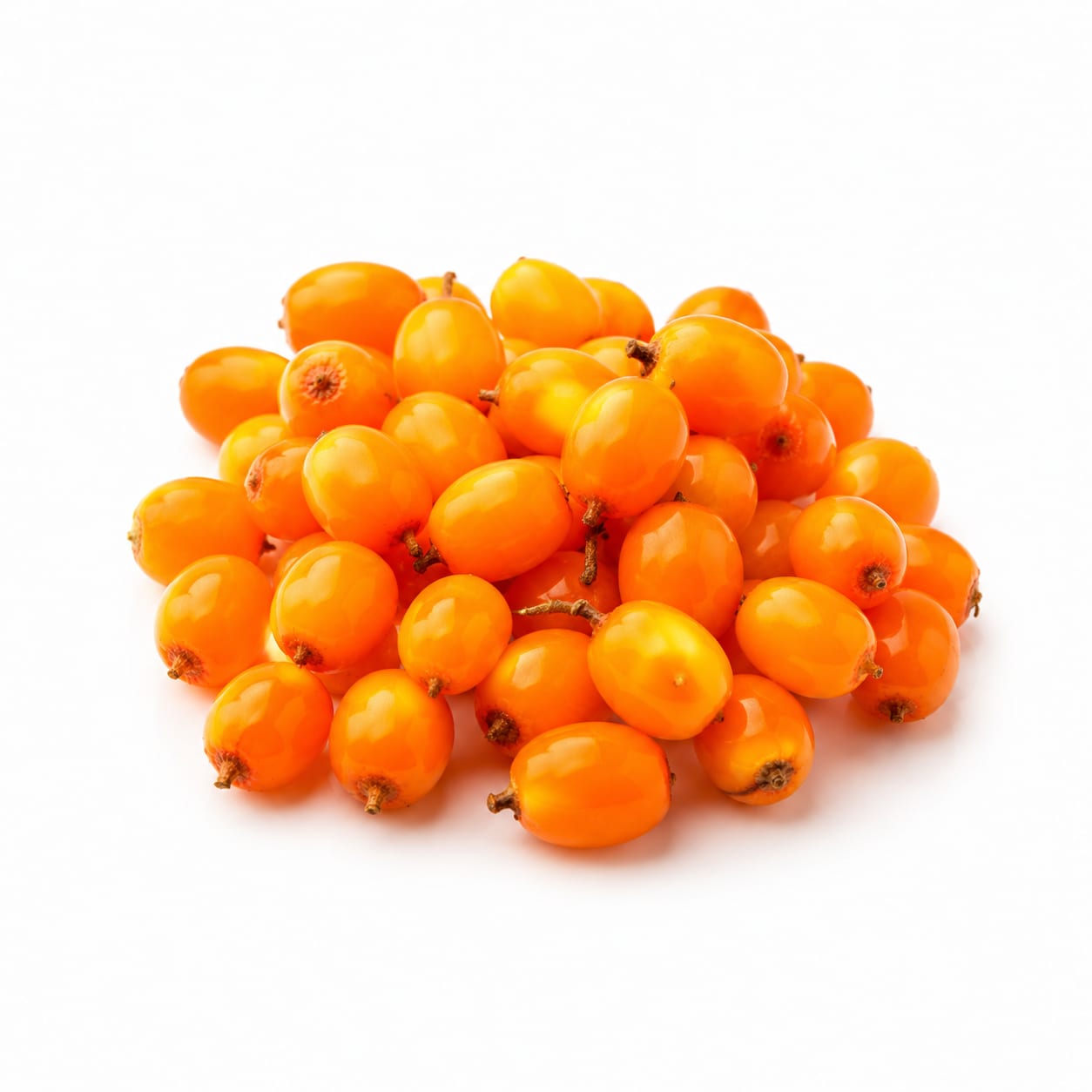
Sea Buckthorn
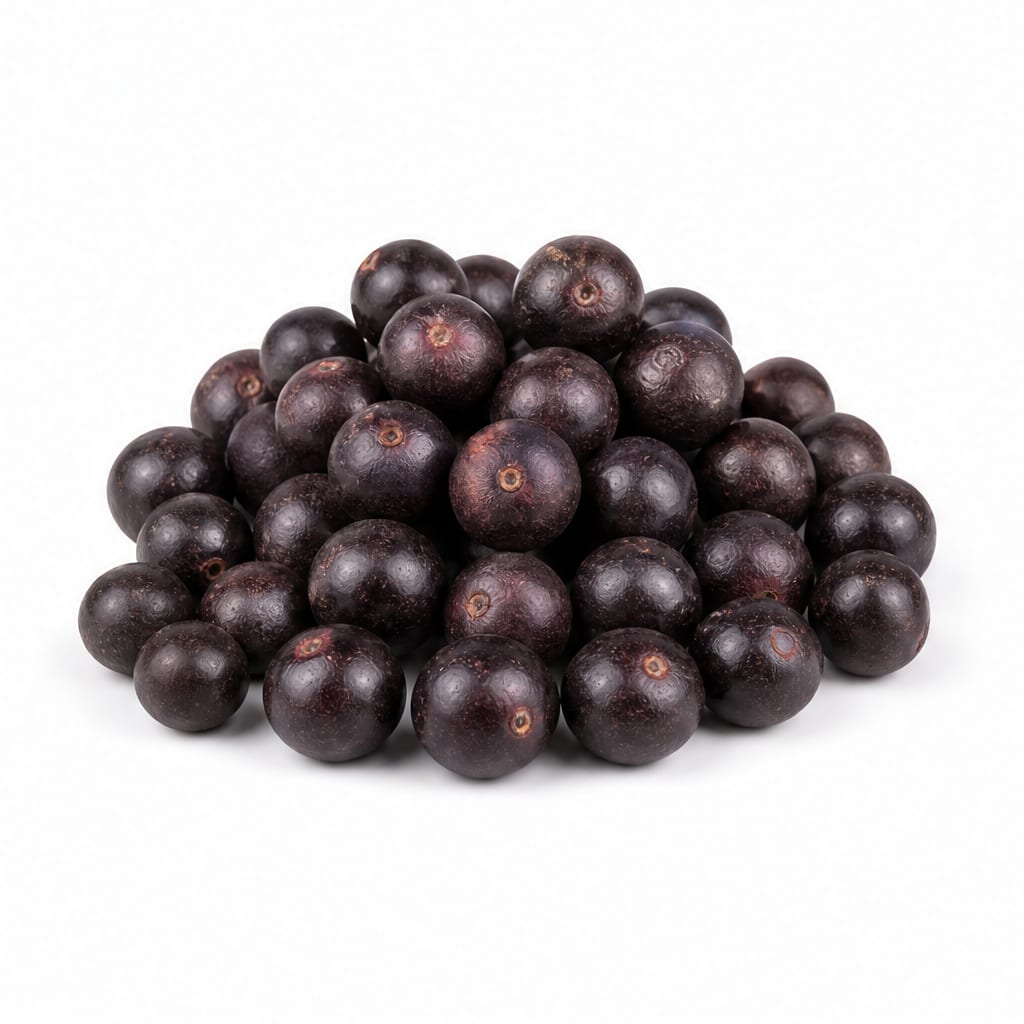
Acai Berry
Sea Buckthorn dominates for vitamin C, omega-7, and immune support, while Acai Berry wins on anthocyanin antioxidants and is far easier to find in smoothie bowls and grocery stores.
Sea Buckthorn edges ahead nutritionally due to its unmatched omega-7 content and extraordinary vitamin C levels, but Acai Berry's superior accessibility and broader product ecosystem narrow the gap significantly for everyday consumers.
Rare omega-7 and massive vitamin C versus deeper antioxidant variety and mainstream accessibility.
At a glance
Executive summary
Overall
It depends
Healthier
Sea Buckthorn
More practical
Acai Berry
Daily use
Acai Berry
Key comparison lenses
antioxidant superiority
Both are marketed as antioxidant powerhouses but through completely different compounds — vitamin C and carotenoids vs anthocyanins
unique fatty acid benefits
Sea Buckthorn is one of the only plant sources of rare omega-7 fatty acids, which sets it apart dramatically
skin and beauty from within
Both berries are popular in beauty and anti-aging communities, but they support skin through different mechanisms
practical availability and cost
Neither berry is typically eaten fresh outside its native region, so processing and availability become real decision factors
immune support comparison
Sea Buckthorn's extraordinary vitamin C content makes it a cold-season favorite, while Acai offers more modest immune support
Best choice for
Sea Buckthorn
- People seeking omega-7 for skin, mucous membrane, or digestive healing
- Anyone wanting a potent natural vitamin C source during cold season
- Those dealing with dry skin, dry eyes, or vaginal dryness
- Individuals looking for anti-inflammatory support for joints or gut
Acai Berry
- People prioritizing deep antioxidant variety for anti-aging and cellular protection
- Anyone who wants a superfood that blends easily into smoothies and bowls
- Those seeking heart-health supportive anthocyanins
- People who value convenience and wider product availability
Least suitable for
Sea Buckthorn
- People sensitive to very tart or acidic flavors
- Anyone on a tight budget who cannot afford specialty supplements or imported products
- Those who want an easy-to-find grocery store option
Acai Berry
- People watching their calorie intake closely, as acai bowls are often calorie-dense with toppings
- Anyone expecting high vitamin C content from their berry supplement
- Those concerned about added sugars in commercial acai products
Deep comparison
Dimension by dimension
Each lens scores both foods and breaks down who each option suits.
- Dimension 1 · Priority 95It depends
antioxidant_profile
Sea Buckthorn · 82Acai Berry · 88Acai Berry offers deeper antioxidant variety through anthocyanins and polyphenols, while Sea Buckthorn delivers a massive vitamin C punch and rare carotenoids.
Tradeoff
Acai provides broader cellular defense against oxidative stress, but Sea Buckthorn's vitamin C is more immediately bioavailable and measurable in daily immune function.
Why it matters
Different antioxidants protect different systems — anthocyanins shield blood vessels and brain tissue, while vitamin C fuels immune cells and collagen production.
Real-world impact
If you feel run-down during cold season, Sea Buckthorn gives you a more noticeable immune lift. If you are thinking long-term about aging and cellular damage, Acai Berry has the edge.
Sea Buckthorn
- Acute immune support during illness
- Collagen production and skin repair
- Quick antioxidant replenishment after stress
Better for
- Less diversity in antioxidant types
- Vitamin C is water-soluble and not stored long-term
Worse for
Acai Berry
- Long-term cardiovascular protection
- Neuroprotective benefits over decades
- Reducing chronic low-grade oxidative damage
Better for
- Lower direct vitamin C impact on immune function
- Anthocyanin absorption can be variable
Worse for
- Dimension 2 · Priority 92Sea Buckthorn
unique_fatty_acids
Sea Buckthorn · 95Acai Berry · 55Sea Buckthorn is one of the rarest plant sources of omega-7 palmitoleic acid, which supports skin, mucous membranes, and metabolic health. Acai Berry contains omega-3, 6, and 9 but nothing uniquely rare.
Tradeoff
You would need to eat macadamia nuts or specific animal fats to get omega-7 elsewhere, making Sea Buckthorn genuinely special. Acai's fatty acids are beneficial but easily found in other foods.
Why it matters
Omega-7 supports the moisture barrier of skin, eyes, and digestive tract — areas where many people struggle with dryness and irritation as they age.
Real-world impact
If you deal with chronically dry skin, dry eyes, or digestive lining issues, Sea Buckthorn's omega-7 can feel like a targeted remedy. Acai Berry simply cannot fill that specific gap.
Sea Buckthorn
- Skin hydration and elasticity from within
- Mucous membrane repair in gut and respiratory tract
- Metabolic signaling benefits linked to insulin sensitivity
Better for
- Omega-7 is less studied than omega-3 for long-term outcomes
Worse for
Acai Berry
- General cardiovascular support from omega-3 and omega-9
- Anti-inflammatory baseline from balanced fat profile
Better for
- No unique fatty acid — everything available is easily obtained from olive oil, nuts, or fish
Worse for
- Dimension 3 · Priority 85Sea Buckthorn
vitamin_and_mineral_density
Sea Buckthorn · 90Acai Berry · 68Sea Buckthorn delivers extraordinary vitamin C, significant vitamin E, beta-carotene, and several B vitamins. Acai Berry offers modest amounts of vitamin A, calcium, and iron but is not a standout micronutrient source.
Tradeoff
Sea Buckthorn functions almost like a natural multivitamin with a vitamin C emphasis, while Acai Berry's value lies more in its antioxidant polyphenols than its vitamin content.
Why it matters
If you are relying on a superfood to fill nutritional gaps, Sea Buckthorn actually moves the needle on measurable vitamin intake. Acai Berry is better thought of as an antioxidant supplement.
Real-world impact
A single serving of Sea Buckthorn can cover your entire daily vitamin C requirement multiple times over. Acai Berry's vitamin contributions are real but modest enough that you would not notice a deficiency if you stopped taking it.
Sea Buckthorn
- Meeting daily vitamin C needs easily
- Boosting vitamin E for skin and immune synergy
- Getting provitamin A for eye health
Better for
- Extremely tart flavor makes it hard to consume large amounts raw
Worse for
Acai Berry
- Small calcium and iron contributions useful in plant-based diets
Better for
- Vitamin C content is surprisingly low for a berry marketed as a superfood
Worse for
- Dimension 4 · Priority 85Acai Berry
availability_and_convenience
Sea Buckthorn · 42Acai Berry · 82Acai Berry is widely available as frozen pulp, smoothie packs, powders, and supplements in most grocery stores. Sea Buckthorn remains a niche product found mostly in specialty shops or online.
Tradeoff
You can build Acai into a daily breakfast routine with almost no effort. Finding quality Sea Buckthorn requires research, planning, and often paying premium shipping.
Why it matters
The best superfood is the one you actually eat consistently. Acai Berry wins on sustainability of habit because it fits into existing routines.
Real-world impact
On a busy Tuesday morning, you can grab an acai smoothie pack from the freezer. Finding Sea Buckthorn juice or oil might require a special order and cost two to three times as much.
Sea Buckthorn
- Available as concentrated oil for targeted skin and supplement use
Better for
- Rarely found in physical stores
- Often expensive due to import and small-scale production
- Limited product formats compared to Acai
Worse for
Acai Berry
- Frozen smoothie packs in most major grocery chains
- Widely available as powder for easy blending
- Restaurant and juice bar menu staple
Better for
- Commercial acai products often contain added sugars and fillers
Worse for
- Dimension 5 · Priority 88Sea Buckthorn
skin_and_beauty_benefits
Sea Buckthorn · 92Acai Berry · 75Sea Buckthorn's combination of omega-7, vitamin C, vitamin E, and beta-carotene makes it one of the most complete skin-nourishing foods available. Acai Berry supports skin through antioxidants but lacks the moisture-specific omega-7.
Tradeoff
Sea Buckthorn addresses both skin structure through collagen-building vitamin C and skin moisture through omega-7. Acai Berry protects existing skin from oxidative damage but does not actively rebuild or hydrate.
Why it matters
For people struggling with dry, aging, or damaged skin, Sea Buckthorn targets the root causes more directly. Acai Berry is better as preventive maintenance.
Real-world impact
After a month of consistent Sea Buckthorn oil or juice, many people notice softer skin and less dryness. Acai Berry's skin benefits are real but subtler and slower to appear.
Sea Buckthorn
- Chronically dry or flaky skin
- Supporting skin healing after damage or irritation
- Improving skin elasticity from the inside out
Better for
- Topical omega-7 products may be more targeted than oral consumption for skin
Worse for
Acai Berry
- Protecting skin from UV and environmental oxidative stress
- Maintaining skin appearance in already-well-hydrated individuals
Better for
- Cannot address skin dryness through fatty acid pathways the way Sea Buckthorn does
Worse for
- Dimension 6 · Priority 70Acai Berry
taste_and_culinary_versatility
Sea Buckthorn · 45Acai Berry · 78Acai Berry has a mild, pleasant berry-chocolate flavor that blends easily into smoothies and bowls. Sea Buckthorn is intensely tart and acidic, which limits how much people enjoy consuming it raw.
Tradeoff
Acai Berry is something you look forward to eating. Sea Buckthorn is something you take like medicine — effective but not pleasurable for most people.
Why it matters
Taste determines consistency. If a health food tastes bad, most people will abandon it within weeks regardless of its benefits.
Real-world impact
An acai bowl feels like a treat. A shot of Sea Buckthorn juice feels like a wellness chore. That emotional difference matters for long-term adherence.
Sea Buckthorn
- Adds bright citrus-like acidity to small-batch recipes and dressings
- Works well as a small juice shot or supplement capsule
Better for
- Intensely sour flavor is off-putting for many
- Hard to use in large quantities in recipes
Worse for
Acai Berry
- Enjoyable as a smoothie bowl base
- Pleasant enough to eat daily without dread
- Pairs well with granola, banana, and other fruits
Better for
- Commercial preparations often mask the natural flavor with added sweeteners
Worse for
Timeline
Health impact over time
Short-term
Hours to days
Sea Buckthorn
- Noticeable energy lift from high vitamin C and B-vitamin content
- Possible mild digestive adjustment due to acidity if consumed in large amounts
- Quick immune system support during early stages of a cold
Acai Berry
- Sustained energy without crash when consumed as part of a balanced bowl
- Mild anti-inflammatory effect noticeable after consistent use over days
- Satiety from healthy fats and fiber in whole-pulp form
Long-term
Months to years
Sea Buckthorn
- Improved skin hydration and elasticity from sustained omega-7 intake
- Stronger immune resilience with consistent vitamin C exposure
- Potential benefits for mucous membrane health in digestive and respiratory tracts
- Possible support for metabolic health through omega-7 signaling pathways
Acai Berry
- Reduced oxidative stress markers from consistent anthocyanin intake
- Cardiovascular protective effects linked to polyphenol consumption
- Potential neuroprotective benefits associated with long-term berry polyphenol diets
- Better aging outcomes tied to high-antioxidant dietary patterns
Risk profile
Safety & processing
Sea Buckthorn is typically sold as cold-pressed juice, oil, or freeze-dried powder with minimal processing. Acai Berry is almost always sold as frozen pulp or powder that requires more processing to preserve it during transport from the Amazon, and commercial acai products frequently contain added sugars and fillers.
Sea Buckthorn
Pesticide residue in conventionally grown berries
mediumSea Buckthorn grown in China and parts of Eastern Europe may have variable pesticide standards. Choosing certified organic reduces this concern significantly.
Potential interaction with blood-thinning medications
lowThe omega fatty acid content and vitamin K in Sea Buckthorn could theoretically interact with anticoagulants, though clinical evidence is limited.
Acai Berry
Added sugars and fillers in commercial acai products
highMany frozen acai smoothie packs and bowls contain significant added sugar, soy lecithin, and citric acid. Always check ingredient lists for unsweetened pure acai.
Heavy metal contamination in some sourced products
mediumAcai grown in certain regions of the Amazon may be exposed to environmental contaminants. Third-party tested brands are strongly recommended.
Calorie underestimation in acai bowls
mediumRestaurant acai bowls with granola, honey, and nut butter can exceed 600-800 calories, undermining weight management goals.
Who wins for whom
Audience fit
Same foods, different winners depending on your goal.
children
Acai BerryAcai Berry's milder, sweeter taste makes it far more appealing to children. Sea Buckthorn's intense tartness is likely to be rejected by most kids.
daily consumption
Acai BerryAcai Berry is easier to incorporate into a daily breakfast routine due to taste and availability. Sea Buckthorn's intensity and cost make it better suited for periodic or targeted use.
diabetes
Sea BuckthornSea Buckthorn has shown potential for improving insulin sensitivity through omega-7, and its typical consumption as small amounts of tart juice or oil involves minimal sugar. Acai products often contain added sugars that complicate blood sugar management.
elderly
Sea BuckthornSea Buckthorn's omega-7 addresses common age-related concerns like dry eyes, dry skin, and mucous membrane thinning. Its vitamin C also supports immune function that weakens with age.
muscle gain
It dependsNeither berry is a meaningful protein source. Both offer antioxidant support that aids recovery, but you would need to pair either with protein-rich foods for muscle-building purposes.
weight loss
Acai BerryAcai Berry's fiber and healthy fat content in whole-pulp form promotes satiety, though portion control with bowls is essential. Sea Buckthorn juice is often consumed in small amounts that do not meaningfully affect fullness.
Your move
Decision guide
Choose Sea Buckthorn
- You struggle with dry skin, dry eyes, or mucous membrane issues and want a food-based approach
- You want the strongest natural vitamin C source available in a berry
- You are comfortable taking a small juice shot or supplement capsule daily
- You are interested in the emerging metabolic benefits of omega-7 fatty acids
- You are building a targeted supplement stack rather than a daily breakfast habit
Choose Acai Berry
- You want an antioxidant-rich food that you actually enjoy eating every day
- You prefer smoothies and bowls over supplements and juice shots
- You value convenience and wide product availability in grocery stores
- You are focused on long-term cardiovascular and neuroprotective antioxidant intake
- You are feeding a family and need something palatable for multiple people
Either works if
- You want to rotate between different antioxidant sources for broader coverage
- You are generally healthy and looking to upgrade your fruit intake beyond common berries
- You enjoy experimenting with superfoods and want both in your rotation
Avoid both if
- You expect either berry to produce dramatic weight loss or cure medical conditions on its own
- You are on a very tight budget and cannot afford premium superfood products
- You have a berry allergy or sensitivity to similar fruits
Final recommendation
If you can only choose one, let your primary concern decide. For skin, immune, and targeted therapeutic benefits, Sea Buckthorn is the more potent and unique option. For enjoyable daily use, broader antioxidant coverage, and practical lifestyle integration, Acai Berry is the smarter pick. Ideally, rotate both — Sea Buckthorn as a morning supplement shot and Acai Berry as a weekend smoothie bowl — to get the best of both worlds without over-relying on either.
Practical
Consumer tips
- 1
For Sea Buckthorn, choose cold-pressed juice or oil from reputable European or organic sources to avoid pesticide concerns
- 2
For Acai Berry, always read ingredient labels — many commercial packs contain more sugar and filler than actual acai
- 3
Start with small amounts of Sea Buckthorn to test your tolerance for its intense tartness before committing to a large purchase
- 4
Freeze-dried acai powder retains more antioxidants than spray-dried versions, though it costs more
- 5
Sea Buckthorn oil can be used topically on skin as well as taken orally — consider dual-use products for better value
- 6
Avoid acai bowls from restaurants if you are managing blood sugar or calories — make them at home where you control every ingredient
- 7
Store Sea Buckthorn oil in a dark, cool place to prevent oxidation of its delicate fatty acids
- 8
Look for third-party testing certifications on both products, as the superfood supplement market has significant quality variation